
Fog Machine Placement Tips for Theaters
- Optimizing Stage Atmosphere with Strategic Fog Use
- Understand Your Fog Machine and the Theater Environment
- Key Placement Principles for fog machine Effectiveness
- Placement Strategies by Machine Type (Include keyword: fog machine)
- Consider HVAC, Airflow, and Smoke Alarms
- Mounting, Rigging, and Safety Considerations for fog machine Placement
- Practical Layout Examples (fog machine placement recommendations)
- Proscenium Theater (medium-sized, 800 seats)
- Black Box / Small Studio (50–200 seats)
- Concert Hall / Large Venue
- Control, Timing, and Synchronization
- Maintenance and Operational Checks for fog machine Reliability
- Troubleshooting Common Placement-Related Issues
- Comparing fog machine Solutions: Performance and Suitability (table)
- Case Example: Re-siting a Fog Machine to Improve Downstage Beams
- Why Choose Siterui SFX for Theater fog machine Solutions
- How Siterui SFX Supports Placement Decisions
- FAQs
- References
Optimizing Stage Atmosphere with Strategic Fog Use
Fog machines are central to theatrical atmosphere, but correct placement decides whether the effect enhances a performance or creates safety and visibility problems. This guide combines operational best practices, safety considerations, and real-world placement strategies to help technical directors, stage managers, and rental companies deploy fog machines effectively in theaters.
Understand Your Fog Machine and the Theater Environment
Before positioning any fog machine, identify the type of fog device you are using (theatrical fog machine, hazer, low-lying dry ice unit, CO₂ jet, etc.) and the physical constraints of the theater: stage dimensions, fly tower, proscenium, orchestra pit, wing space, audience sightlines, HVAC intakes and returns, and local safety regulations. Different technologies produce aerosol particle sizes and concentrations that behave differently in a room; placement must reflect those behaviours.
Key Placement Principles for fog machine Effectiveness
Successful fog placement follows several core principles:
- Source vs viewer lines of sight: Place the fog source so the fog flows toward the audience or camera without momentarily blinding performers or technicians.
- Use airflow rather than brute force: Exploit existing HVAC or introduce controlled fans to sculpt fog; uncontrolled turbulence disperses the effect and can trigger alarms.
- Height matters: Fog released at or just above stage level behaves differently than overhead releases—choose based on desired coverage and persistence.
- Accessibility for servicing: Machines need quick access for refills, plumbing, and emergency power-off.
Placement Strategies by Machine Type (Include keyword: fog machine)
Different fog machines require tailored placement. Below is a practical comparison to guide placement decisions.
| Machine Type | Typical Placement | Visibility / Persistence | Placement Tips |
|---|---|---|---|
| Theatrical fog machine (glycol/glycerin) | Wings, behind set pieces, fly gallery, or floor-mounted offstage | Medium–high density, medium persistence | Mount 1–2m offstage or floor-level for downstage washes; aim away from cameras if filming |
| Hazer (continuous, low-volume) | Fly gallery, overhead catwalks, or hidden upstage positions | Low density, long persistence | Best overhead for even distribution; use when beams and light shafts are primary focus |
| Low-lying fog (dry ice/liquid CO₂) | Stage floor, grates, or contained troughs | Very low (ground hugging), short–medium persistence | Containment channels help spread; avoid blocking vents that could disturb the effect |
| CO₂/Jets (burst effects) | Front-of-stage, near proscenium, or side towers | Instant burst, very short persistence | Mount rigidly; ensure safe distances and use protective grills |
Consider HVAC, Airflow, and Smoke Alarms
Air movement controlled by HVAC is the single biggest environmental variable. Placement must be coordinated with the venue’s ventilation design:
- Map supply and return vents: Place machines so fog travels with planned air currents, not directly toward returns which will dissipate the effect and potentially pull contamination into HVAC.
- Use local fans and ducting: Short runs of flexible ducting or directional fans can guide fog with precision—particularly useful for hiding machines in wings or below stage.
- Coordinate with alarm systems: Theatrical fog and haze may activate smoke detectors. Work with venue technicians to identify detector locations and, if permitted, arrange temporary detector masking, repositioning, or use aspirating detectors that are compatible with theatrical use. Always follow local fire codes and obtain approval from authorities having jurisdiction (AHJ).
Mounting, Rigging, and Safety Considerations for fog machine Placement
Any mounted fog machine must meet rigging safety standards. Key recommendations:
- Use certified rigging points and safety cables for overhead units.
- Provide secondary containment for fluid reservoirs to prevent spills backstage.
- Ensure electrical supply meets the power draw; use dedicated circuits and RCD/GFCI protection where required.
- Maintain clear e-stop (emergency stop) access for technicians—label and test before performances.
Practical Layout Examples (fog machine placement recommendations)
Here are three common theater layouts and suggested fog machine placements:
Proscenium Theater (medium-sized, 800 seats)
Primary units: 2 hazers rigged on the first electric, 1-2 fog machines stage wings for downstage effects, one low-lying unit in a recessed pit for special moments. Route flexible ducting to shape downstage washes. Coordinate with house HVAC to avoid returns at the front of house.
Black Box / Small Studio (50–200 seats)
Use compact hazers or low-output fog machines placed behind set pieces or in corners. Overhead catwalk placement works if ceiling is low. Keep units accessible for quick refills and adjust machine output conservatively to avoid over-saturation.
Concert Hall / Large Venue
Rely on distributed hazers and multiple synchronized fog machines to achieve uniform coverage. Place machines above the stage and behind lighting trusses. Use DMX or networked control for consistent timing.
Control, Timing, and Synchronization
Placement decisions are closely tied to control strategy. For repeatable, reliable effects:
- Use DMX/RDM or proprietary wireless controls for remote triggering and status monitoring.
- Implement zone control: group multiple fog machines into logical zones (downstage, midstage, upstage, overhead) so placement supports grouped control.
- Pre-program sequences during tech rehearsals; record exact machine positions and nozzle orientations so cues are repeatable.
Maintenance and Operational Checks for fog machine Reliability
Placement must allow for routine maintenance. Recommended checks:
- Daily: fluid levels, nozzle conditions, obstruction checks, safety cable integrity.
- Weekly: clean filters, inspect electrical connectors and controls.
- Monthly/Pre-run: test alarms, run full-output checks, verify ducting and fan alignment.
Troubleshooting Common Placement-Related Issues
Symptoms, likely causes, and fixes:
- Fog dissipates too quickly — likely HVAC returns near source. Fix: reposition machine or add baffles/fans to redirect flow.
- Visible streaky fog or uneven beams — machine angled into turbulent airflow. Fix: raise or lower source to sit within laminar flow and adjust fan speeds.
- Smoke alarms triggered — machine too close to detectors or high particle concentration. Fix: coordinate with AHJ; use alternate placement, timed bursts, or compatible detection strategies.
Comparing fog machine Solutions: Performance and Suitability (table)
| Criteria | Hazer | Traditional Fog Machine | Low-Lying Fog | CO₂ Jet |
|---|---|---|---|---|
| Best for light beams | Excellent | Good | Poor | Poor (short burst) |
| Control of coverage | High | Medium | High (with channeling) | Low (instant) |
| Typical placement | Overhead/first electric | Wings/floor | Floor troughs or pit | Proscenium/front towers |
| Impact on HVAC/smoke alarms | Lower | Medium–High | Variable | High (local sensors) |
Case Example: Re-siting a Fog Machine to Improve Downstage Beams
A mid-size proscenium theater experienced washed-out downstage beams when using a single wing-mounted fog machine. After mapping the HVAC returns, technicians installed two hazers on the first electric and relocated the fog machine to a recessed throat position with directional fans. The result: more consistent beams, fewer alarm incidents, and a 30–50% reduction in fog fluid usage per show (venue estimate after two-week run).
Why Choose Siterui SFX for Theater fog machine Solutions
Siterui SFX is a professional manufacturer engaged in the research and development, production, sales, and service of professional stage special effects (SFX) equipment. With a highly skilled team and cutting-edge technology, we are committed to providing innovative, reliable, and high-performance SFX solutions for live events, theaters, concerts, film production, and entertainment venues worldwide.
At Siterui SFX, we understand that every stage, event, and creative concept is unique. That’s why we offer flexible customization services to meet your specific needs—whether it's branding, special functions, size adjustments, or complete system integration. From custom casing and logo printing to wireless control systems and synced multi-device setups, our expert team works closely with you to design SFX solutions that align perfectly with your needs.
Our commitment to quality and innovation ensures that our clients receive cutting-edge effects that enhance the visual and sensory experience of every performance. We pride ourselves on exceptional customer service and continuous advancement, positioning Siterui as a trusted partner in the professional special effects industry.
Key products and advantages from Siterui SFX include:
- Product Range: spark machine, Haze Machine, CO₂ Jet Machine, Bubble Machine, Snow Machine, Foam Machine, Confetti Machine, fog machine, fire machine, dry ice machine.
- Customization: custom casing, printed logos, tailored control protocols, and integrated multi-device sync.
- Technical Strengths: in-house R&D, robust testing, and compatibility with industry control protocols (DMX/RDM and wireless options).
- Service & Support: dedicated after-sales service, global shipping capability, and training for operators.
How Siterui SFX Supports Placement Decisions
Siterui offers pre-sale consultation to map your venue and recommend placement strategies, ventilation coordination, and an optimal mix of hazers and fog machines. They also provide bespoke solutions for mounting brackets, ducting interfaces, and synchronized control packages—reducing installation time and ensuring compliance with local safety standards.
FAQs
1. Where should I place a fog machine to get the best downstage coverage?
Place the machine just offstage downstage or in a recessed throat position and use directional fans to carry the fog across the stage. Overhead hazers on the first electric complement floor-mounted machines for even coverage.
2. Will using a fog machine trigger smoke detectors?
It can. Coordinate with your venue’s technical staff and the AHJ. Options include relocating machines away from detectors, using timed bursts, or approved detector management. Never disable fire detection without formal authorization.
3. How do I choose between a hazer and a traditional fog machine?
Choose a hazer for long-lasting, low-density atmospheric effects that enhance light beams. Use a traditional fog machine for denser bursts and moments that require substantial visual mass. Many productions benefit from combining both.
4. What maintenance should I plan for fog machines based on placement?
Ensure easy access for fluid refills, clean nozzles and filters regularly, check for fluid leaks, and confirm electrical connections. Overhead placements require additional rigging checks and secondary containment for safety.
5. Can I hide fog machines completely out of sight?
Yes, but ensure the hidden location has sufficient airflow, access for refills, and does not place the machine too close to HVAC returns or detectors. Use short ducting runs and directional fans to guide fog while keeping the machine out of audience sightlines.
6. How do I determine the number of machines needed for a venue?
Calculate based on venue volume, desired effect density, and machine output. For example, a medium proscenium theater often uses 2–4 distributed units (combining hazers and fog machines). Consult with manufacturers like Siterui SFX for venue-specific recommendations.
Contact & Product Consultation
For tailored placement plans, system integration, or to view Siterui SFX fog machine and hazer product lines, contact Siterui SFX for consultation and custom quotes. Explore product specs, request layout drawings, or schedule a site assessment to ensure safe, effective fog deployment in your theater.
References
- Fog machine. Wikipedia. https://en.wikipedia.org/wiki/Fog_machine (accessed 2025-12-10).
- NIOSH — Indoor Environments: https://www.cdc.gov/niosh/topics/indoorenv/ (accessed 2025-12-10).
- United States Institute for Theatre Technology (USITT) — Resources and technical papers: https://www.usitt.org/ (accessed 2025-12-10).
- National Fire Protection Association (NFPA) — Official site for codes & standards: https://www.nfpa.org/ (accessed 2025-12-10).
- Example manufacturer and industry guidance on theatrical smoke/haze best practices: various vendor technical notes and datasheets (consult specific device manuals for exact guidance).
If you need a venue walk-through plan, device selection help, or a customized control integration proposal, contact Siterui SFX for professional support and product options tailored to your theater’s needs.
Top dry ice machine Manufacturers and Suppliers in us
DMX and Remote Controls for Professional Haze Machines
Top 5 spray foam machine Company List and Products Compared
Using smoke machines for theatre and stage productions
660 Dual Haze machine
Does this machine comply with international voltage standards?
Yes, you can inform the seller of the required voltage when making a purchase.
1500W 24x3W LED fog machine
How could l get a sample
If you can not buy our product in your local area, we will ship a sample to you.You will be charged a sample price plus all related shipping costs.Express delivery charge depends on the quantity of the samples.
FAQs
What does Siterui specialize in?
Siterui specializes in the research, development, production, sales, and service of professional stage special effects (SFX) equipment for live events, theaters, concerts, film production, and entertainment venues.
Single-Head CO2 Jet Machine
How does your factory do regarding quality control
All the products will be 100% checked before the shipment
CO2 Mini Rainbow Confetti Machine
Are you a factory or trading company?
We are a factory-direct supplier, ensuring competitive pricing and quality control.
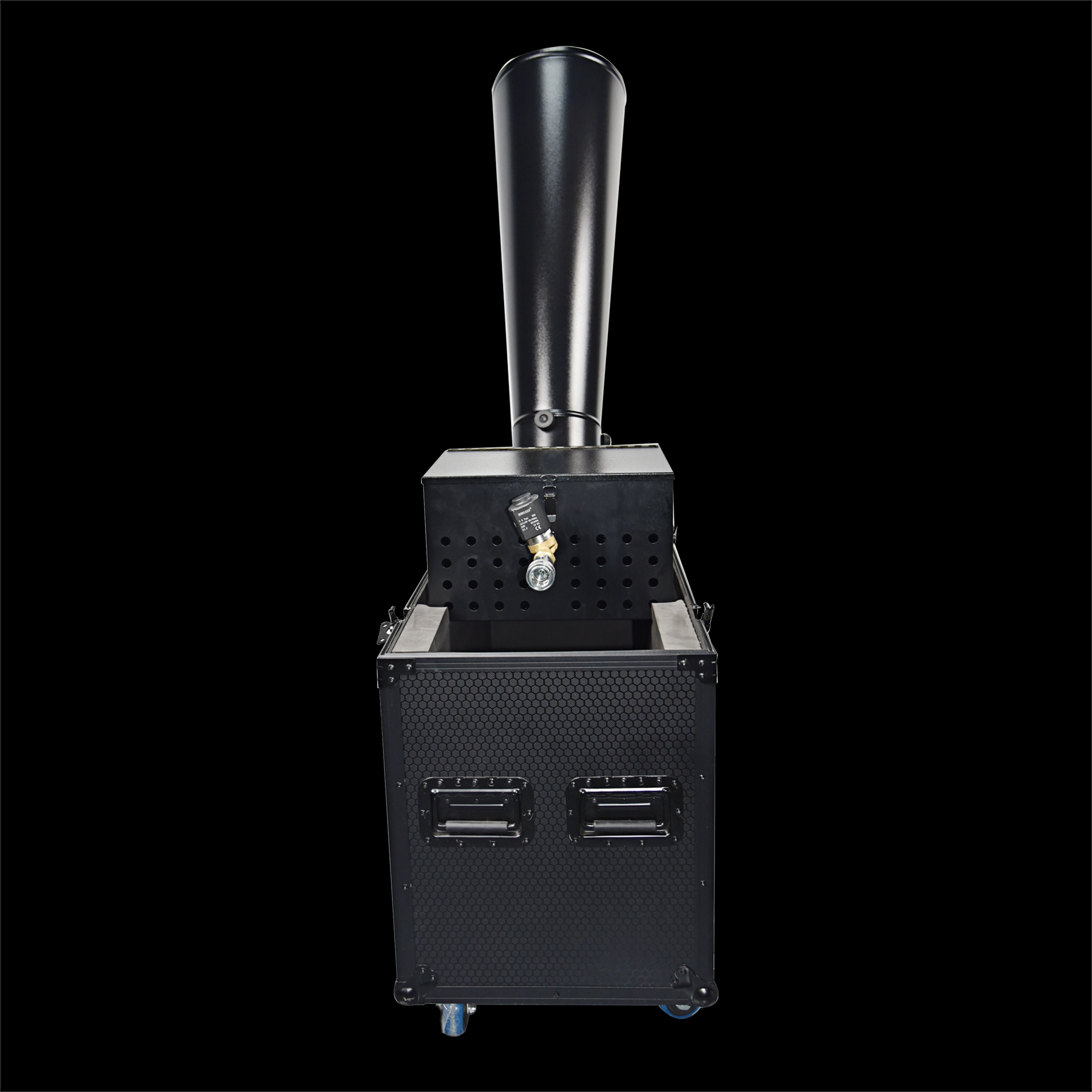
CO₂ Mini Rainbow Confetti Machine Manual Control with Durable Black Wheeled Flight Case
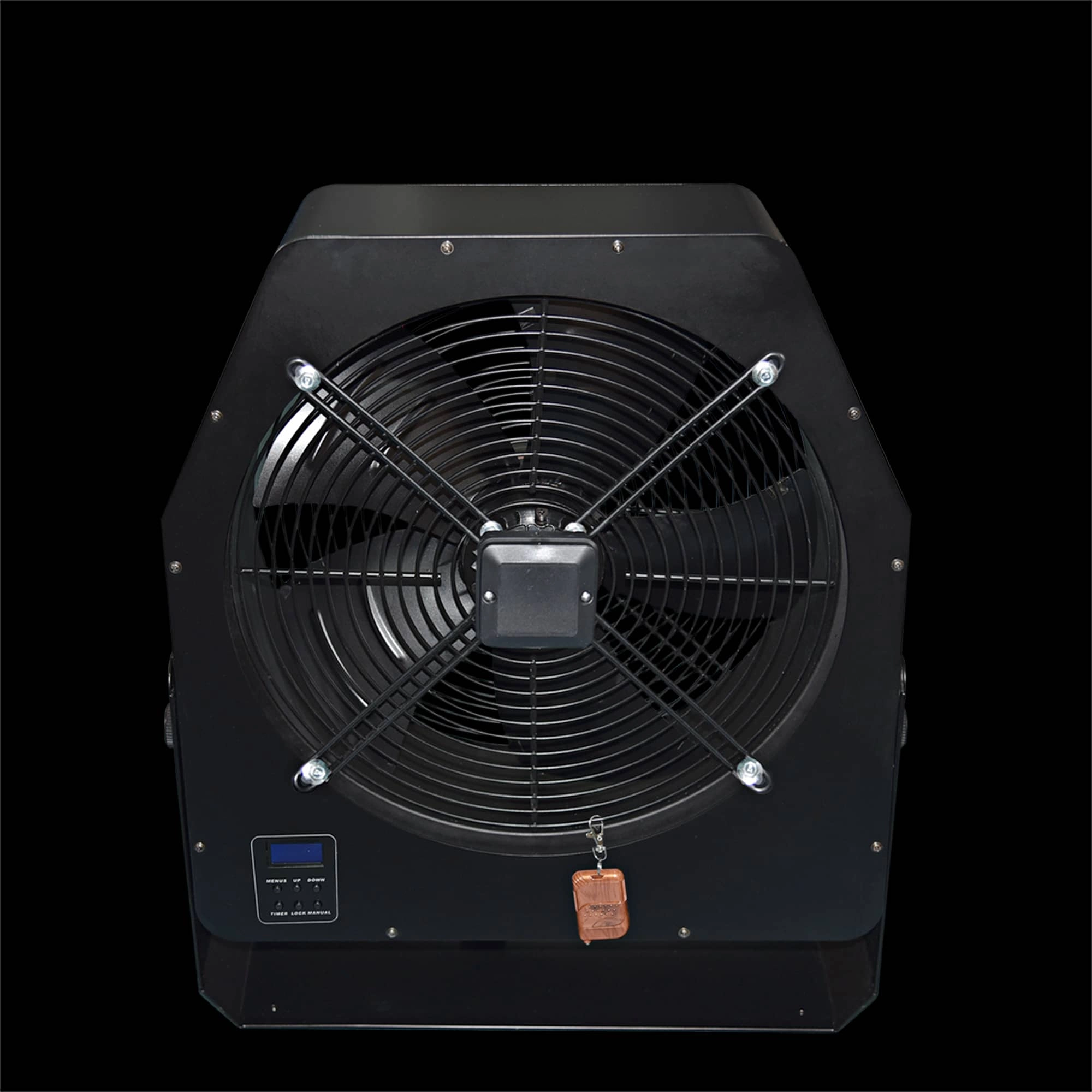
Professional Stage Big DMX Fan | High-Power Event Fan for Stage Shows & Celebrations
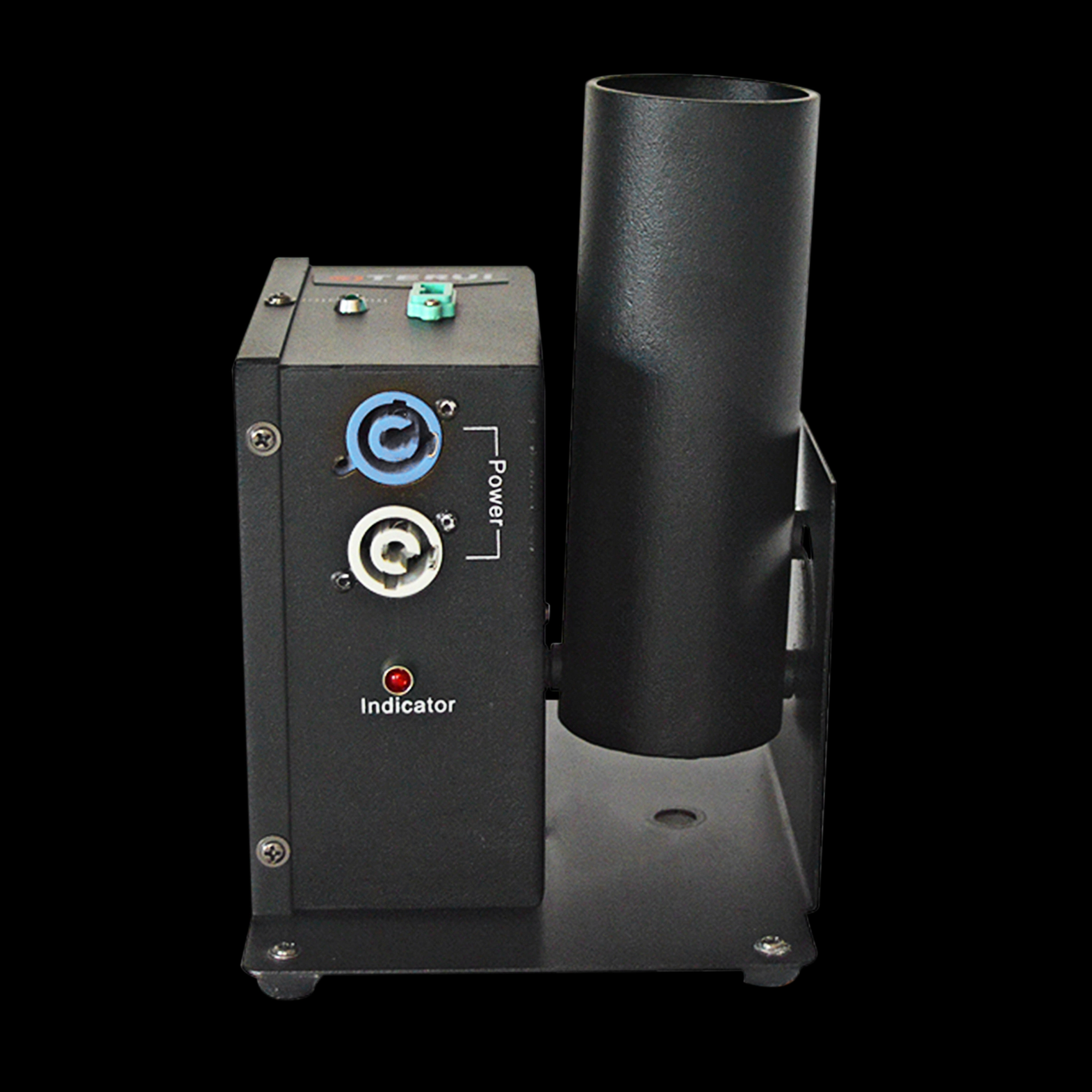
Single Shot Confetti Machine - Premium Confetti Launcher for Weddings & Stage Celebrations
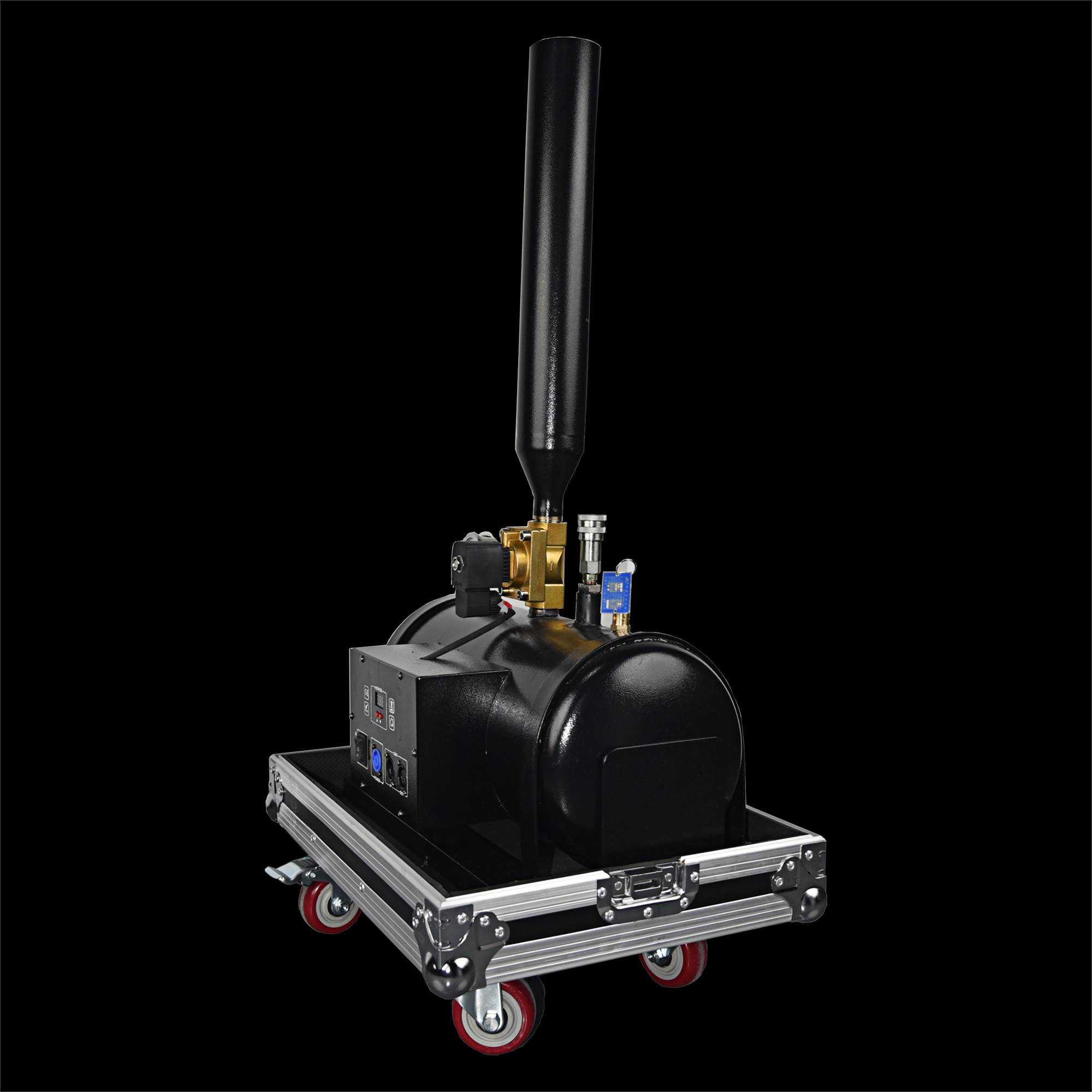
High-Altitude Confetti Cannon - Professional Confetti Blaster for Stage, Party & Celebration Events
Email: sales01@strlighting.com
WhatsApp: +86 189 2232 4800
© 2025 Siterui SFX All Rights Reserved.
 Scan QR Code
Whatsapp: +8618922324800
siteruisfx_stage_equipment
Siterui
SITERUI-SFX
STRlighting
@siterui.sfx