
Fog Machine Rental Tips for Event Planners
- Understanding atmospheric effects and audience experience
- Why fog, haze and dry ice: intent and visual goals
- How fog interacts with lighting and camera systems
- Choosing the right fog machine for rental
- Types of fog production and when to use them
- Key technical specs to check with rental vendors
- Operational best practices & safety
- Safety, ventilation and regulatory compliance
- Placement, airflow management and exposure control
- Logistics, costs, and vendor selection
- Rental budgeting and cost drivers
- Comparing fog system options (quick reference)
- Sourcing the right rental partner and service level
- Questions to vet rental houses
- Service levels and add-ons worth paying for
- Integration, testing and troubleshooting
- Load-in testing and dress rehearsals
- Common troubleshooting scenarios and fixes
- Why Siterui SFX is a partner to consider
- FAQs
- 1. How far in advance should I reserve fog machines for an event?
- 2. Will fog trigger fire alarms and how can I prevent that?
- 3. What fog fluid should I use for indoor events with sensitive equipment?
- 4. Are CO₂ jets safe to use near performers?
- 5. How do I estimate fog fluid consumption?
- 6. Can I operate rented fog machines myself or should I hire an operator?
- Contact & next steps
Fog machines are a powerful tool for shaping atmosphere, enhancing lighting, and amplifying emotional impact at live events. This guide provides actionable rental tips for event planners—covering machine types (traditional fog, haze, CO₂ jets, dry ice), fluid selection, placement and ventilation, safety and regulatory considerations, and vendor selection—so you can achieve consistent visual results while minimizing risk and downtime.
Understanding atmospheric effects and audience experience
Why fog, haze and dry ice: intent and visual goals
Before choosing equipment, define the creative goal. Fog machines create dense, localized clouds that are ideal for dramatic reveals and stage smoke, while haze machines produce a fine, evenly distributed mist that enhances light beams without obscuring sightlines. CO₂ jets deliver short, high-speed plumes for rhythmic impact, and dry ice provides low-lying fog that hugs the stage floor. Knowing the effect you need dictates machine type, fluid, and quantity to rent.
How fog interacts with lighting and camera systems
Fog and haze affect how lighting and cameras capture your event. Haze maximizes beam visibility and grazing effects with minimal backscatter, favored for concerts and lighting-heavy productions. Dense fog increases diffusion and can reduce visibility on stage—use with caution in front-of-house sightlines or broadcast camera paths. Test fog-fluid and lighting combinations during load-in to avoid unwanted bloom or exposure issues for cameras.
Choosing the right fog machine for rental
Types of fog production and when to use them
Common fog options available from rental houses:
- Water/glycol-based fog machines (electric heat): produces general stage fog; versatile and widely available.
- Haze machines (ultrasonic, pump-based or thermal): creates thin, persistent haze for enhancing lighting beams.
- CO₂ jet machines: deliver instant, cool plumes synchronized to music for high-energy moments.
- Dry ice machines: produce dramatic ground-hugging fog for theatrical effects.
Each has different ventilation, power and fluid needs—confirm these with the rental provider.
Key technical specs to check with rental vendors
When comparing rental units, request these specifications:
- Output rate (m³/min or cubic feet/minute)
- Warm-up time and continuous runtime
- Fluid type compatibility (water/glycol percentages or special low-odor fluids)
- Power requirements (voltage, amperage, and connector type)
- Control options (DMX, wireless remote, MIDI/sync options)
Request manufacturer datasheets and, if possible, performance videos from the rental house to verify suitability.
Operational best practices & safety
Safety, ventilation and regulatory compliance
Fog and smoke can trigger fire alarms and affect air quality. Coordinate with venue operations and local authorities to comply with regulations. Many venues require pre-approval for theatrical smoke—check the venue's fire safety policy and consult the National Fire Protection Association (NFPA) or local fire codes for guidance. For medical concerns and air quality considerations, consult occupational safety resources such as OSHA.
Key safety practices:
- Notify venue and provide SDS (Safety Data Sheets) for all fluids and CO₂ cylinders.
- Pre-test alarm thresholds and obtain documented permission if alarms must be isolated—never disable fire systems without authority.
- Ensure adequate ventilation and monitor CO₂ levels when using dry ice or CO₂ jets to avoid elevated CO₂ concentrations.
Placement, airflow management and exposure control
Position fog and haze machines to achieve intended coverage while minimizing nuisance to the audience. Haze units work best elevated and toward the rear of the stage or truss to create uniform distribution. Fog machines often require directional ducting or fans for targeted placement. Consider HVAC patterns: place machines downstream of air returns when you want fog cleared quickly, or upstream for lingering effects. For low-lying fog, confirm floor obstructions and performer safety.
Logistics, costs, and vendor selection
Rental budgeting and cost drivers
Costs depend on equipment type, duration, fluid consumption, service level (delivery, setup, operator), and consumables. Typical cost drivers include:
- Machine class (haze units generally cost less per day than high-output cold-haze or CO₂ jet systems)
- Fluid quantity—estimate based on machine output and runtime (ask vendor for consumption rates)
- Special requirements—on-site operators, DMX programming, multi-unit synchronization
Comparing fog system options (quick reference)
| Effect Type | Typical Use | Duration/Runtime | Visibility Impact | Notes & Sources |
|---|---|---|---|---|
| Thermal fog machine (glycol/water) | Stage fog, dense clouds | Variable; 5–20+ min continuous with proper fluid | High—may obscure vision | Wikipedia: Fog machine |
| Haze machine | Beam enhancement for lighting | Long—can operate for hours with reservoir | Low—thin, even dispersion | Wikipedia: Haze machine |
| CO₂ jet | Short bursts, synchronized moments | Short bursts (seconds); CO₂ cylinder limits total activations | Very localized | Wikipedia: Carbon dioxide |
| Dry ice | Low-lying fog for theatrical scenes | Dependent on dry ice mass; few minutes per charge | Floor-hugging; minimal vertical dispersion | Wikipedia: Dry ice |
Sourcing the right rental partner and service level
Questions to vet rental houses
Ask these to evaluate reliability and fit:
- Can you provide an equipment list with datasheets and recent maintenance records?
- Do you supply SDS sheets and have experience obtaining venue approvals?
- Is an on-site operator included or available, and what are their certifications?
- Can you integrate units via DMX or wireless for synchronized cues?
- What is your contingency plan for failures or leaks during load-in or showtime?
Service levels and add-ons worth paying for
Consider paying extra for:
- Pre-programmed DMX cues and operator support during the event.
- Custom fluid or low-odor options for hospitality or broadcast events.
- Redundant units or immediate replacement guarantees for critical moments.
Integration, testing and troubleshooting
Load-in testing and dress rehearsals
Allocate time during load-in for a full smoke/haze test with final lighting and camera positions. Check alarm sensitivity and coordinate with venue staff on acceptable limits. Record preferred machine settings (output level, burst duration, DMX values) and save them in the show file for repeatability.
Common troubleshooting scenarios and fixes
Typical issues and quick remedies:
- No output: check fluid level, pump priming, and fuse/thermal cutouts.
- Excessive residue/film: switch to a cleaner fluid formulation recommended for the unit and clean nozzles per manufacturer guidance.
- Visible oil sheen on surfaces: ensure fluid compatibility and minimize prolonged high-output bursts.
Why Siterui SFX is a partner to consider
Siterui SFX is a professional manufacturer engaged in the research and development, production, sales, and service of professional stage special effects (SFX) equipment. With a highly skilled team and cutting-edge technology, we are committed to providing innovative, reliable, and high-performance SFX solutions for live events, theaters, concerts, film production, and entertainment venues worldwide.
At Siterui SFX, we understand that every stage, event, and creative concept is unique. That’s why we offer flexible customization services to meet your specific needs—whether it's branding, special functions, size adjustments, or complete system integration.
From custom casing and logo printing to wireless control systems and synced multi-device setups, our expert team works closely with you to design SFX solutions that align perfectly with your needs. Our commitment to quality and innovation ensures that our clients receive cutting-edge effects that enhance the visual and sensory experience of every performance. We pride ourselves on exceptional customer service and continuous advancement, positioning Siterui as a trusted partner in the professional special effects industry.
Our product range and strengths include: spark machines, haze machines, CO₂ jet machines, bubble machines, snow machines, foam machines, confetti machines, fog machines, fire machines, and dry ice machines—each designed for durability, ease of integration, and reliable performance in demanding live environments. Siterui SFX provides customization and integration services to support branding, unique output profiles, wireless and DMX control solutions, and synchronized multi-device setups tailored to complex productions.
Learn more at https://www.siteruisfx.com/ or contact our sales team at sales01@strlighting.com for quotes and customization options.
FAQs
1. How far in advance should I reserve fog machines for an event?
Reserve gear as early as possible—ideally 4–8 weeks for medium-sized events and 2–3 months for large productions or custom requirements. Popular rental windows (holiday seasons, festival dates) reduce short-notice availability.
2. Will fog trigger fire alarms and how can I prevent that?
Fog and smoke can trigger smoke detectors. Coordinate with the venue and fire department, provide SDS, and use approved low-emission haze where necessary. Never disable fire detection; instead, obtain formal written permission for detector isolation when permitted by authorities and ensure monitoring by venue staff.
3. What fog fluid should I use for indoor events with sensitive equipment?
Choose water-based, low-residue fog fluids designed for indoor use. Ask the rental house for manufacturer-recommended fluids and request SDS documents. For broadcast or hospitality events, consider low-odor or distilled fluids to minimize film on lenses and surfaces.
4. Are CO₂ jets safe to use near performers?
CO₂ jets are safe when used per manufacturer guidelines. They emit cold, fast plumes and can lower local oxygen concentration if used in confined spaces—ensure proper ventilation, keep a safe distance from performers, and avoid prolonged, concentrated discharges in small rooms.
5. How do I estimate fog fluid consumption?
Ask the rental provider for the unit's consumption rate (mL/min or oz/min) at different output levels. Multiply by expected runtime and add contingency (20–30%). During rehearsals, measure actual consumption to adjust orders for the show.
6. Can I operate rented fog machines myself or should I hire an operator?
Simple haze units can often be operated by trained venue staff, but for synchronized cues, complex DMX integration, or CO₂/dry ice use, hire a trained operator from the rental company. This reduces the risk of misfires, alarms, and equipment misuse.
Contact & next steps
For reliable fog machines and comprehensive SFX solutions—whether rental guidance, custom units, or full integration—contact Siterui SFX. Visit https://www.siteruisfx.com/ or email sales01@strlighting.com to request product details, datasheets, and tailored quotes for your next event. Our team can provide turnkey solutions from machine selection to on-site support to ensure safe, repeatable, and visually stunning atmospheric effects.
Best Stage Haze Machines 2026: Reviews and Price Comparison
How Dry Ice Machines Create Theatre Fog Effects
What are the application scenarios of dry ice machine?
Safety and Firecode Compliance for Snow Effects
FAQs
What does Siterui specialize in?
Siterui specializes in the research, development, production, sales, and service of professional stage special effects (SFX) equipment for live events, theaters, concerts, film production, and entertainment venues.
About us
What are the team members’ backgrounds?
Engineers (15+ years), production staff (4–12 years), designers (10+ years), IT specialists (CAD/PS), and sales professionals (8+ years).
Solutions
Are your stage FX products compliant with international safety standards?
Yes, all our products comply with CE, RoHS and other international certifications. For special effect consumables like fog fluid and snow fluid, we can provide MSDS and test reports to ensure smooth customs clearance globally.
1500W 24x3W LED fog machine
What is the price of shipping?
Depending upon the port of delivery, prices varies.
3000W fog machine
Are you a factory or trading company?
Yes,We are a factory & trading company, we can guarantee our price is first-hand, very cheap and competitive.
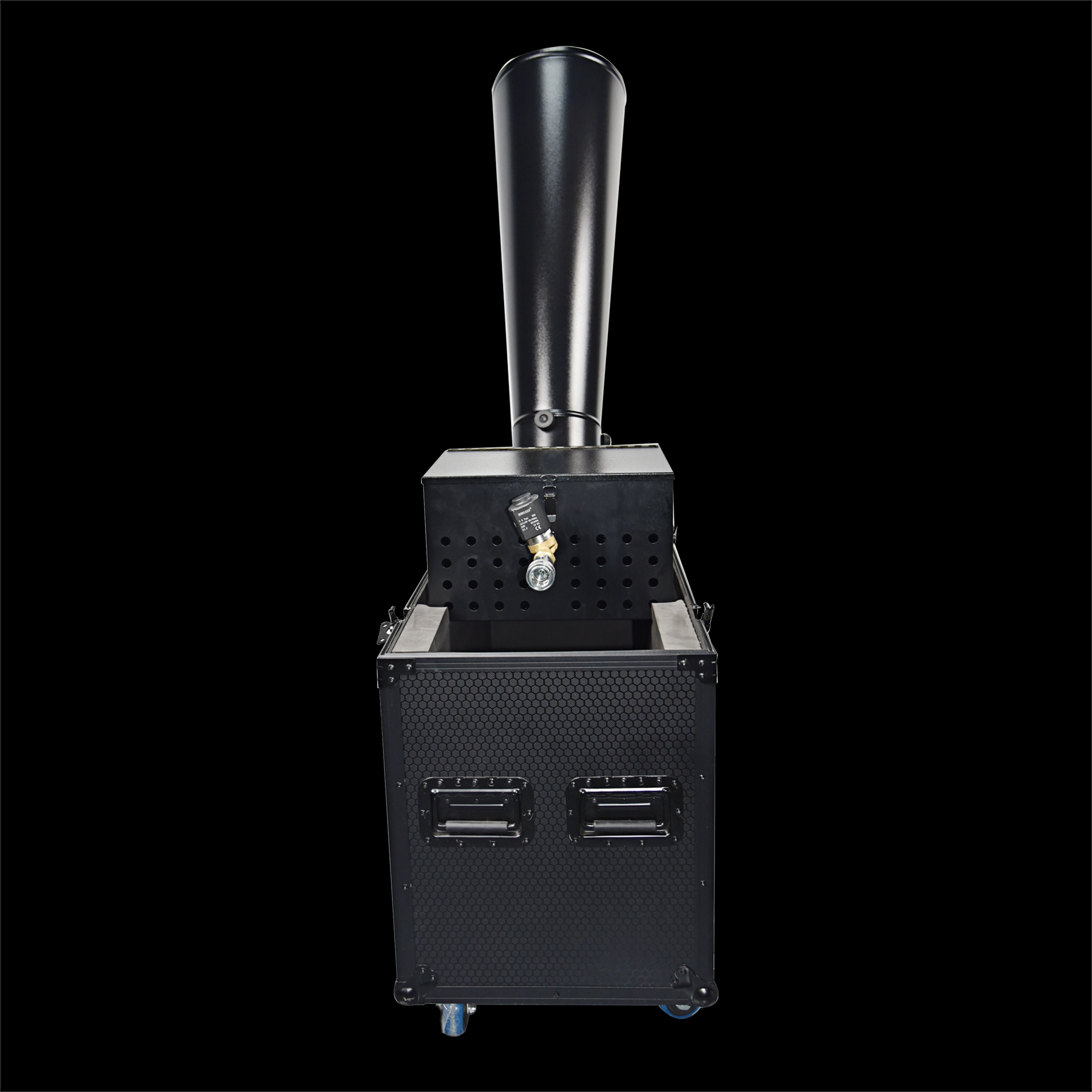
CO₂ Mini Rainbow Confetti Machine Manual Control with Durable Black Wheeled Flight Case
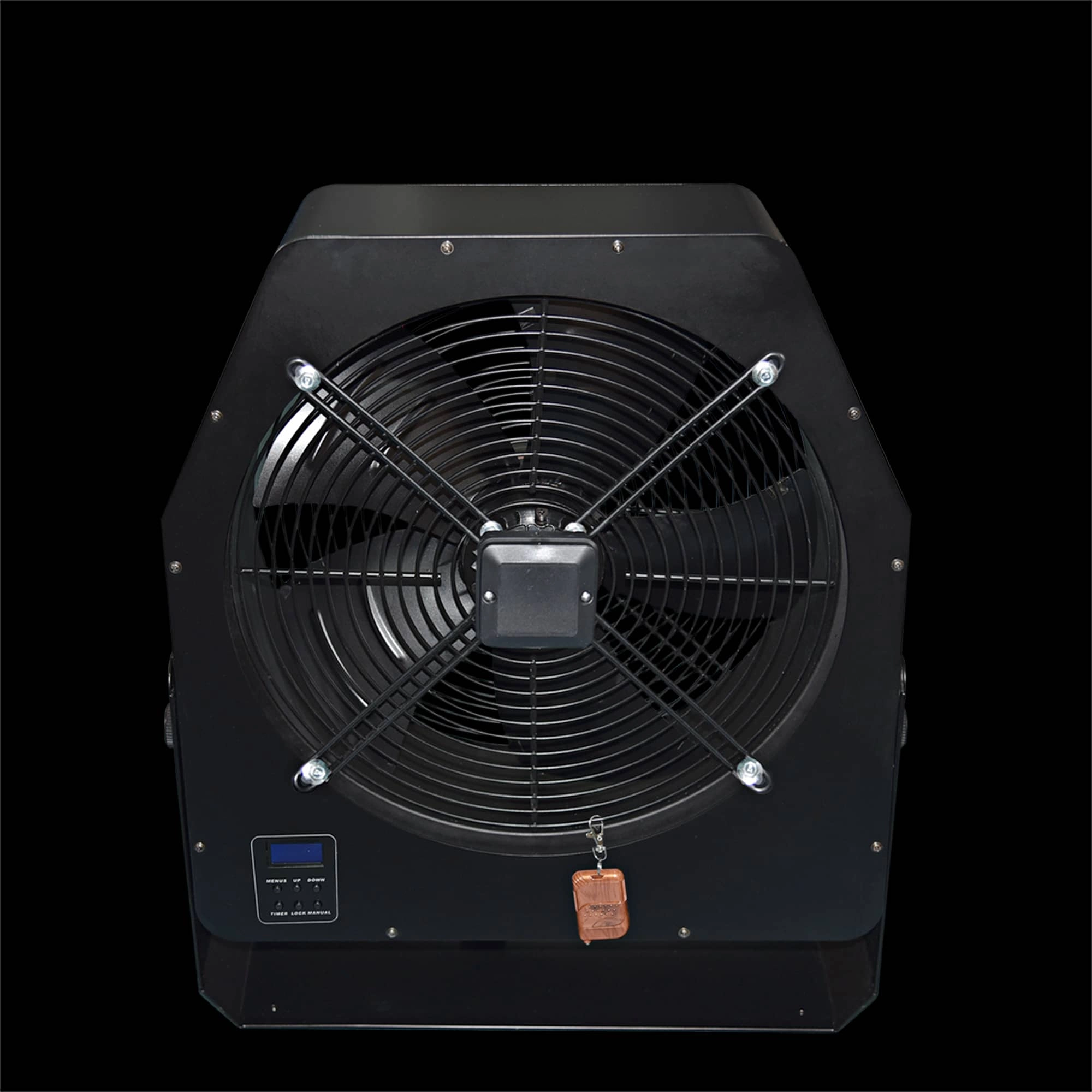
Professional Stage Big DMX Fan | High-Power Event Fan for Stage Shows & Celebrations
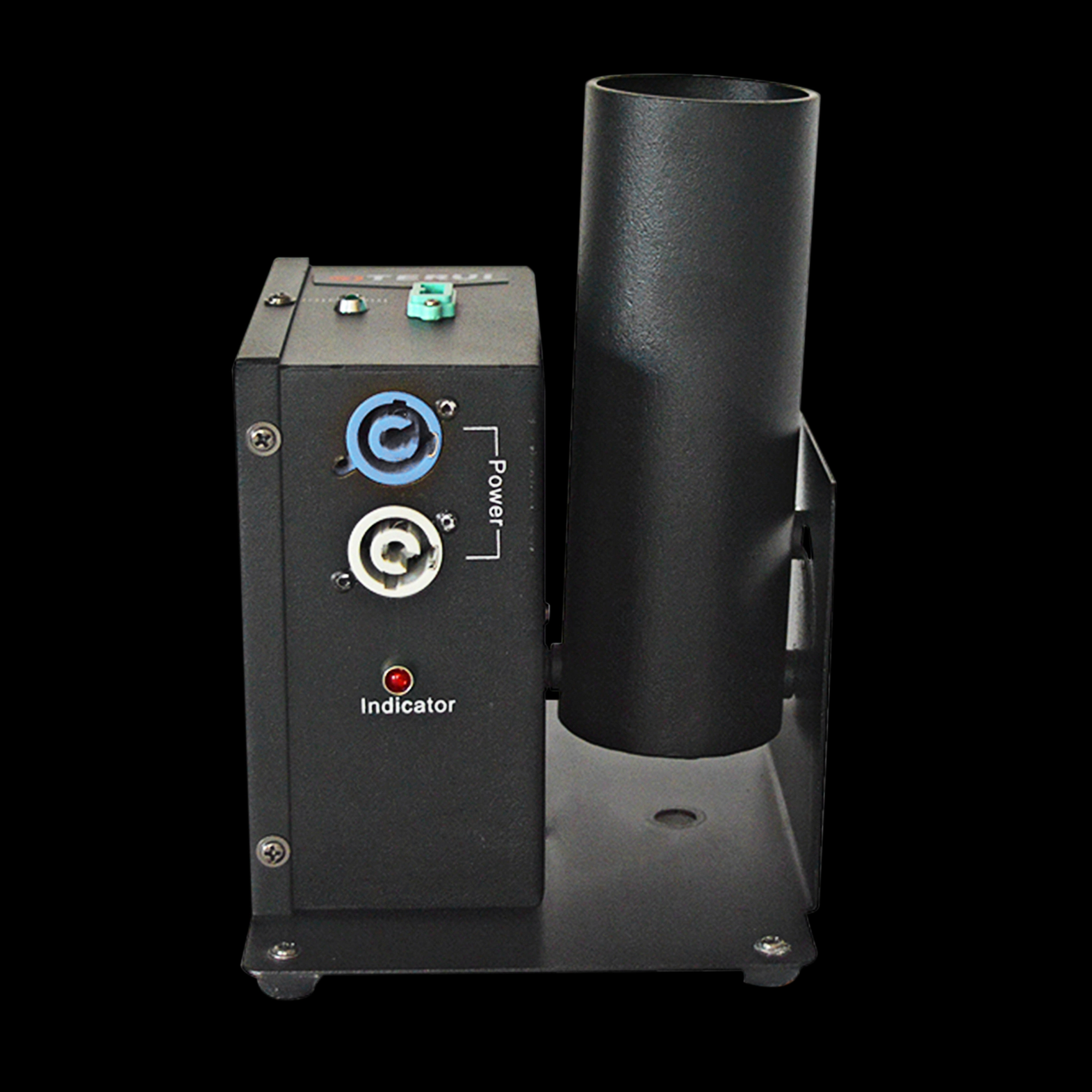
Single Shot Confetti Machine - Premium Confetti Launcher for Weddings & Stage Celebrations
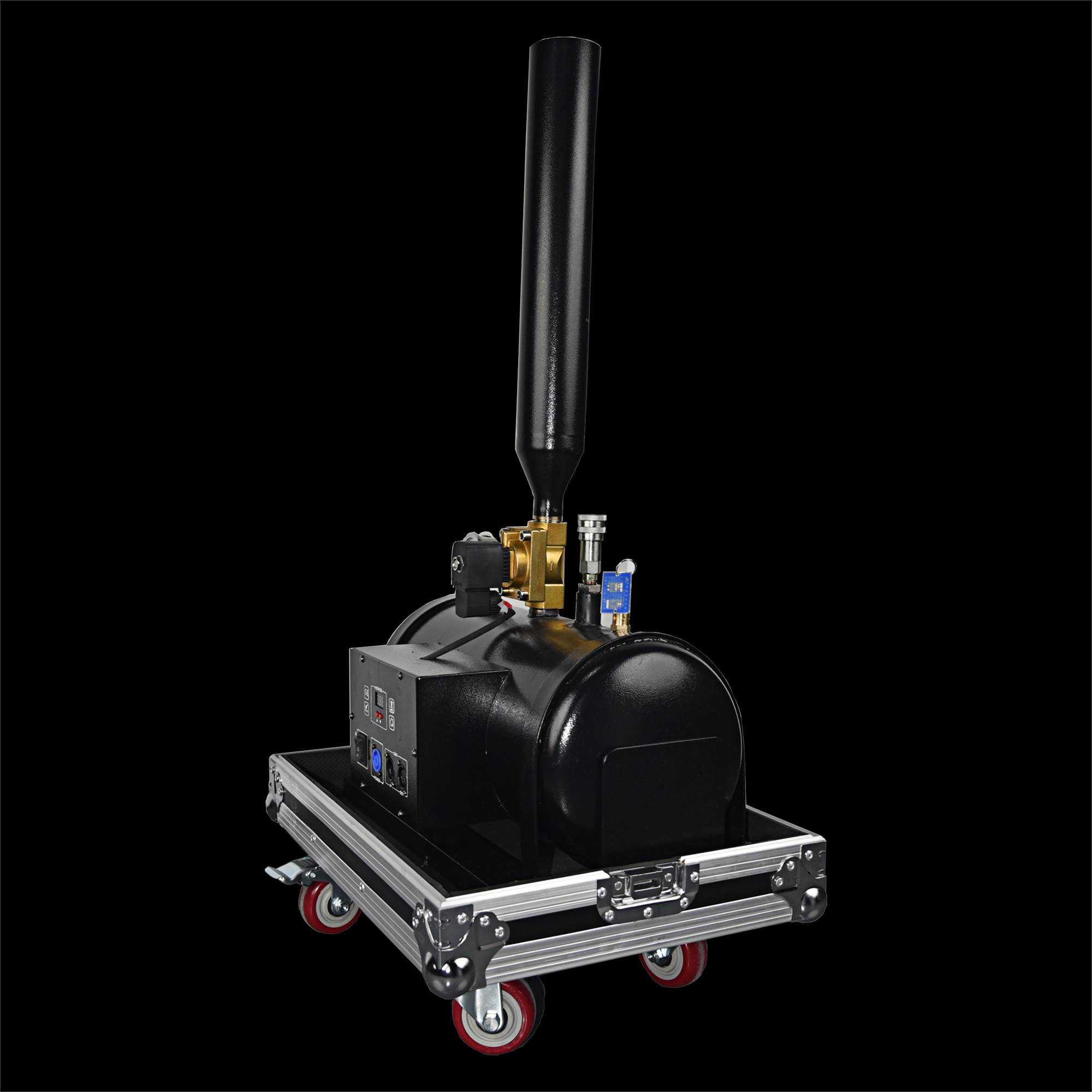
High-Altitude Confetti Cannon - Professional Confetti Blaster for Stage, Party & Celebration Events
Email: sales01@strlighting.com
WhatsApp: +86 189 2232 4800
© 2025 Siterui SFX All Rights Reserved.
 Scan QR Code
Whatsapp: +8618922324800
siteruisfx_stage_equipment
Siterui
SITERUI-SFX
STRlighting
@siterui.sfx