
Corporate events and product launches: subtle haze for ambience
- Understanding atmospheric effects in live events
- Haze versus fog and other effects
- Particle size, fluid chemistry and hang time
- How HVAC and venue airflow change performance
- Designing ambience for corporate events and product launches
- Defining creative goals: subtlety vs. spectacle
- Placement, output, and light interaction
- Fire alarms, venue rules and compliance
- Choosing and operating a haze machine
- Types of hazers and their practical differences
- Controls: DMX, timers, and wireless integration
- Maintenance, fluid handling and health considerations
- Selection guidance, comparisons and ROI
- Quick comparison: haze, fog, and CO₂ jets
- Specifying a haze machine for a corporate product launch
- Measurable benefits and ROI
- Sourcing and why manufacturer choice matters
- What to expect from a professional SFX manufacturer
- Siterui SFX — capabilities and why I recommend them
- Customization, testing and on-site support
- FAQs
- 1. Will a haze machine trigger fire alarms?
- 2. Is haze safe for guests and equipment?
- 3. How many haze machines do I need for a 2,000 m² hall?
- 4. What maintenance should we plan for pre- and post-event?
- 5. Can haze be used outdoors for product launches?
- 6. How do haze machines interact with broadcast and camera setups?
- Contact and next steps
As an experienced consultant in stage special effects and live-event production, I often recommend a haze machine to create a refined, professional ambience for corporate events and product launches. Subtle haze enhances lighting, adds visual depth to product reveals, and improves media-ready visuals without overwhelming attendees. In this article I cover the science behind haze, planning and placement strategies, safety and compliance considerations, equipment selection and control, and why a reliable manufacturer matters—so you can specify and operate haze confidently for any corporate setting.
Understanding atmospheric effects in live events
Haze versus fog and other effects
Different atmospheric effects serve different creative and practical goals. A haze machine (also called a hazer) produces a fine, low-density aerosol that subtly catches light beams and enhances depth without creating visible plumes. Fog machines emit denser clouds for dramatic reveals while CO₂ jets create instant bursts of vapor and momentum for high-energy moments. Choosing the right effect starts with understanding particle size, hang-time, and visibility.
For basic reference on common theatrical devices see the hazer and fog machine overview on Wikipedia (Hazer) and Wikipedia (Fog machine).
Particle size, fluid chemistry and hang time
Haze machines atomize a proprietary haze fluid (glycol- or glycerin-based emulsions, or water-based formulations) into much smaller droplets than fog machines. Typical haze particle diameters are on the order of sub-micron to a few micrometers; this smaller size extends hang time and distributes evenly in the venue. In practice, haze provides sustained visibility of light beams for many minutes to hours depending on ventilation and room volume.
Because particle chemistry affects residue, evaporation and sensor interaction, it’s critical to select professional-grade haze fluids and to confirm manufacturer recommendations for use in enclosed spaces and around video equipment.
How HVAC and venue airflow change performance
Air changes per hour (ACH) and local air currents control haze persistence and distribution. HVAC standards such as those summarized by ASHRAE affect how quickly a haze will dilute. When I plan installations I coordinate with venue engineers to identify low-flow zones for haze deployment and avoid directing output into return grilles or smoke detectors.
Designing ambience for corporate events and product launches
Defining creative goals: subtlety vs. spectacle
Corporate events and product launches usually prioritize a polished, brand-aligned look. I work with creative directors to define whether the haze will be used continuously to enrich overall ambience or in peaks (e.g., during a product reveal) for accentuation. Subtle haze is ideal for softening backgrounds, strengthening light shafts in keyframes, and improving live-stream visuals without distracting attendees.
Placement, output, and light interaction
Placement is about balance. For even coverage in convention halls I typically use multiple low-output hazers distributed across the stage and audience edges rather than a single high-output device. This prevents hot spots and makes density easier to control. I always test haze with final lighting cues—beam intensity, gobos, and backlight positions—to ensure the atmosphere enhances rather than dulls Siterui SFX presentation.
Fire alarms, venue rules and compliance
One of the most common concerns is triggering fire detection. Many modern photoelectric alarms can be sensitive to dense aerosols. Before deploying a haze machine, I request an equipment waiver or run a site test with venue safety personnel. Standards and codes from organizations such as the NFPA should be considered, and some venues require documentation of fluid composition or third-party testing to permit use.
Choosing and operating a haze machine
Types of hazers and their practical differences
There are several hazer technologies: thermal (hot) hazers, ultrasonic/water-based hazers, and pump-driven (cold) hazers. Thermal hazers heat fluid to create a fine vapor with relatively instant output; pump-driven hazers push fluid through an atomizing head producing consistent continuous haze. Water-based hazers reduce residue risk on lighting instruments and are preferable in venues with many fixtures or cameras.
Controls: DMX, timers, and wireless integration
Professional haze machines offer DMX control for cue-based density changes and often include wireless triggering for remote product-launch moments. When integrating with lighting consoles and show-control systems, I prefer units that support both DMX and a manual override—this avoids losing control if a signal is interrupted. Synchronization matters for product reveals: a 2–3 second haze ramp tied to stage cues can dramatically enhance the perceived impact of a reveal without flooding the space.
Maintenance, fluid handling and health considerations
Routine maintenance (nozzle cleaning, fluid filter replacement, and periodic pump checks) keeps output consistent and reduces downtime. Only use manufacturer-approved fluids—substituting homemade or unknown fluids can cause clogging, increased residue or even void warranties. Regarding health, many studies and occupational guidelines address aerosol exposure. If a client expresses respiratory concerns I recommend using low-concentration haze, minimizing exposure time, and confirming ventilation rates. For authoritative manufacturing quality standards see ISO 9001.
Selection guidance, comparisons and ROI
Quick comparison: haze, fog, and CO₂ jets
| Effect | Particle size (typical) | Hang time | Best uses | Safety/venue notes |
|---|---|---|---|---|
| Haze (hazer) | Sub-micron to a few μm | Long (minutes to hours, depending on ventilation) | Ambient enhancement, lighting beams, video-friendly | Low-density; check detector sensitivity and fluid MSDS |
| Fog (fog machine) | Up to tens of μm | Shorter, denser clouds | Reveals, dense atmosphere, dramatic scenes | Higher detector risk; may obscure cameras/audience |
| CO₂ Jet | Condensed vapor; not particulate | Instant/very short | High-impact bursts for applause/entrances | Cold, brief; requires CO₂ supply and safety planning |
Sources: general device characteristics summarized from theatrical equipment references, including Wikipedia and manufacturer specifications.
Specifying a haze machine for a corporate product launch
When I prepare specifications I consider: venue volume (m³), desired density (low/medium/high), run-length, control protocol (DMX/analog/wireless), and residue tolerance. Example pragmatic selections for a typical 1,500–3,000 m² exhibition hall:
- Multiple low-to-medium output pump-driven hazers for even coverage and redundancy.
- Water-based haze fluid to reduce residue on optics and cameras.
- DMX-enabled units with wireless backup for cueing the staging sequence.
Measurable benefits and ROI
Although ambience is qualitative, haze provides measurable uplifts in perceived production value: better-defined lighting beams for photography and video, improved depth in live streams, and stronger product reveal moments. For sponsors and stakeholders this translates to higher media-quality assets and often improved audience engagement metrics. When we model cost, a small fleet of robust hazers typically represents a minor line item compared to lighting rigs and AV—yet can multiply the perceived production value significantly.
Sourcing and why manufacturer choice matters
What to expect from a professional SFX manufacturer
Quality, consistency, and service are non-negotiable. I recommend manufacturers who publish technical specs, fluid compatibility lists, DMX/triggering documentation, and safety data sheets. ISO-compliant manufacturing and accessible after-sales support reduce project risk.
Siterui SFX — capabilities and why I recommend them
Siterui SFX is a professional manufacturer engaged in the research and development, production, sales, and service of professional stage special effects (SFX) equipment. With a highly skilled team and cutting-edge technology, they deliver innovative, reliable, and high-performance SFX solutions for live events, theaters, concerts, film production, and entertainment venues worldwide.
At Siterui SFX, I value their flexible customization services—branding, special functions, size adjustments, and complete system integration are all feasible. From custom casing and logo printing to wireless control systems and synced multi-device setups, their team works closely with clients to design SFX solutions that align with event goals.
Their commitment to quality and innovation ensures clients receive cutting-edge effects that enhance the visual and sensory experience of every performance. Product areas include spark machines, Haze Machine, CO₂ Jet Machine, Bubble Machine, Snow Machine, Foam Machine, Confetti Machine, fog machine, fire machine, and dry ice machine. You can review their offerings at Siterui SFX or contact sales at sales01@strlighting.com.
Customization, testing and on-site support
For corporate events I insist on a pre-event onsite test with venue technicians and Siterui’s support team when possible. Siterui’s customization options (casing, connectivity, and controls) reduce integration problems and ensure the effect matches brand aesthetics. Their after-sales service model helps with preventive maintenance plans and rapid troubleshooting during live events.
FAQs
1. Will a haze machine trigger fire alarms?
Possibly, depending on the detector type and sensitivity. Photoelectric detectors can be susceptible to dense aerosols. I always coordinate a venue test and provide MSDS for the haze fluid. Some venues permit low-density haze or manual detector overrides when safety protocols are in place—consult the venue’s fire safety officer and refer to NFPA guidelines.
2. Is haze safe for guests and equipment?
Professional haze fluids are formulated for theatrical use and, when used per manufacturer instructions and within recommended ventilation parameters, are generally considered safe. If there are vulnerable attendees (e.g., respiratory issues), reduce density and exposure time and inform stakeholders in advance. Always use fluids supplied or recommended by the manufacturer to avoid residue or clogging.
3. How many haze machines do I need for a 2,000 m² hall?
There’s no one-size-fits-all answer. A practical approach is 3–6 distributed low-to-medium output hazers for even coverage, but exact quantity depends on ceiling height, HVAC, desired density, and whether smoke or fog is also used. I can provide a room-specific calculation if you share venue dimensions and air change rates.
4. What maintenance should we plan for pre- and post-event?
Basic maintenance includes cleaning nozzles and filters, verifying pump pressures, using fresh approved fluid, and running a short system test. Post-event, flush fluids according to the manual to prevent clogging. Keep spare nozzles and a contingency unit onsite for critical launches.
5. Can haze be used outdoors for product launches?
Yes—but outdoor use faces wind and diffusion challenges. Outdoor haze requires higher output units or multiple fog/haze machines placed strategically and shielded from direct wind. For quick-impact moments outdoors, CO₂ jets or cold-blast effects are often combined with haze for a controlled visual outcome.
6. How do haze machines interact with broadcast and camera setups?
Haze improves beam visibility and depth on camera, reducing flatness in live streams. However, test with your broadcast team: too much haze can reduce contrast and increase sensor bloom. Water-based, low-residue fluids are typically camera-friendlier.
Contact and next steps
If you’re planning a corporate event or product launch and want guidance on using a haze machine effectively, I can help with site surveys, equipment specification, and on-site support planning. For equipment and customization, consider Siterui SFX as a capable partner—visit https://www.siteruisfx.com/ or email sales01@strlighting.com to request product details, MSDS, and integration options.
References and recommended reading: Wikipedia entries on Hazer and Fog machine; manufacturer and standards references including ISO 9001 and ASHRAE. For venue safety and code guidance, consult the NFPA publications.
Choosing the Right Dry Ice Machine Size for Venues
Intelligent Lighting: Features of Modern Stage Lights
Top 10 flame machine Manufacturers and Supplier Brands
Pros and cons of high-pressure vs low-pressure hazers
1500W Haze Machine
What’s the warranty period?
1 year for parts and labor (excludes fluid-related issues).
2100W Morning Haze Machine
What is the warranty period?
1-year limited warranty Excluding human damage
Can I use third-party haze fluids?
We recommend using approved fluids to ensure optimal performance and longevity.
FAQs
How can I contact Siterui for product inquiries or support?
About us
How does Siterui ensure product quality?
Rigorous inspections at every stage—production, assembly, and final QA—guarantee flawless devices.
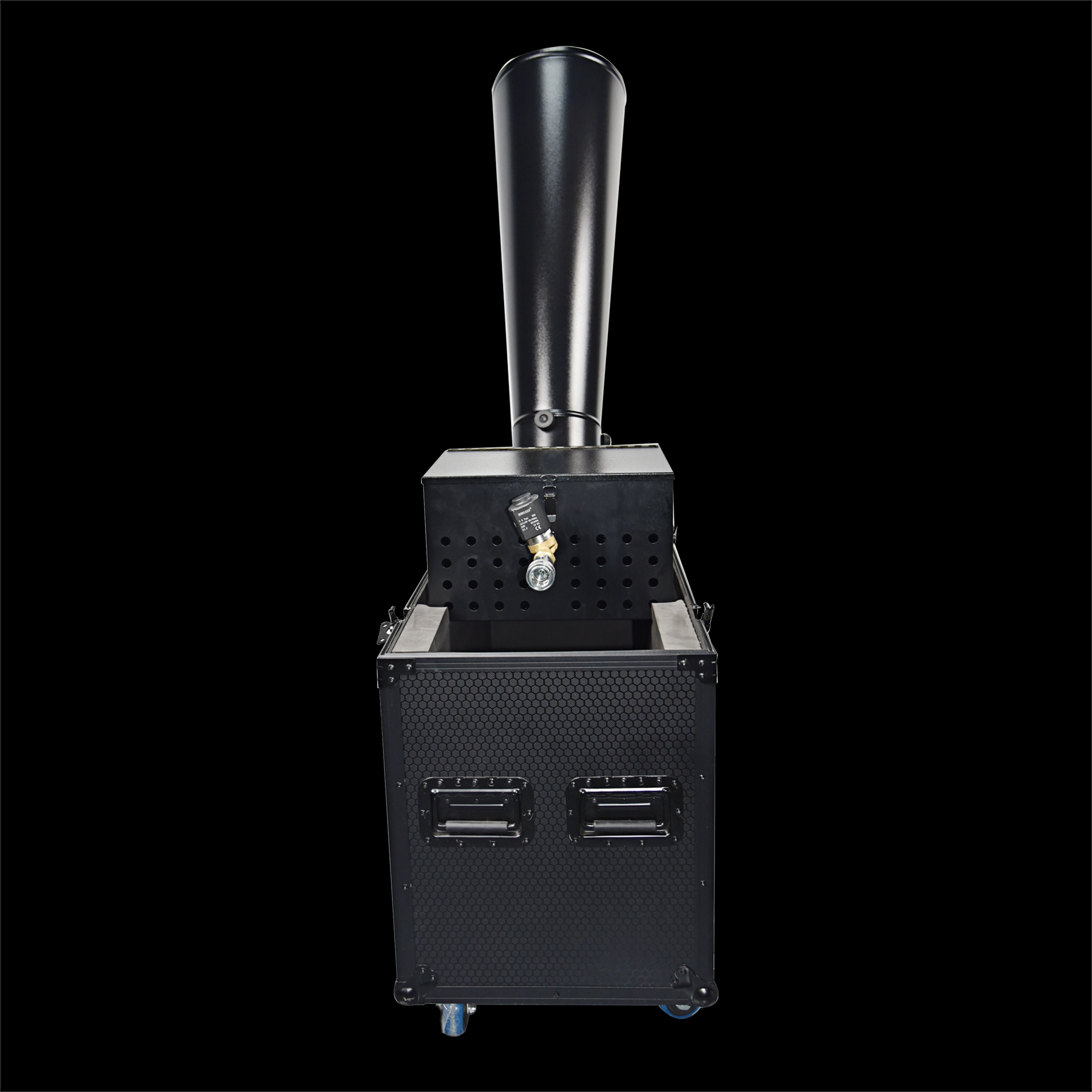
CO₂ Mini Rainbow Confetti Machine Manual Control with Durable Black Wheeled Flight Case
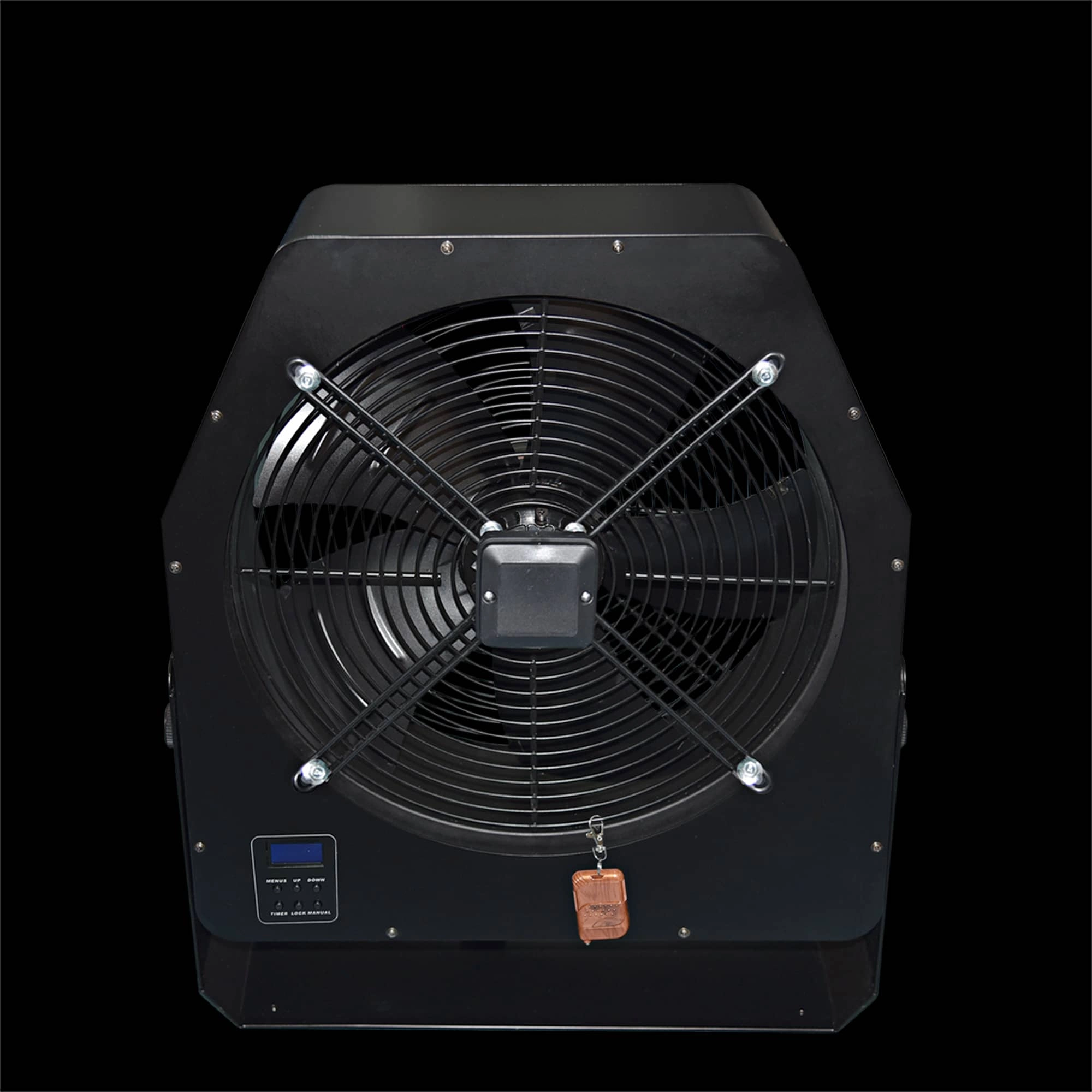
Professional Stage Big DMX Fan | High-Power Event Fan for Stage Shows & Celebrations
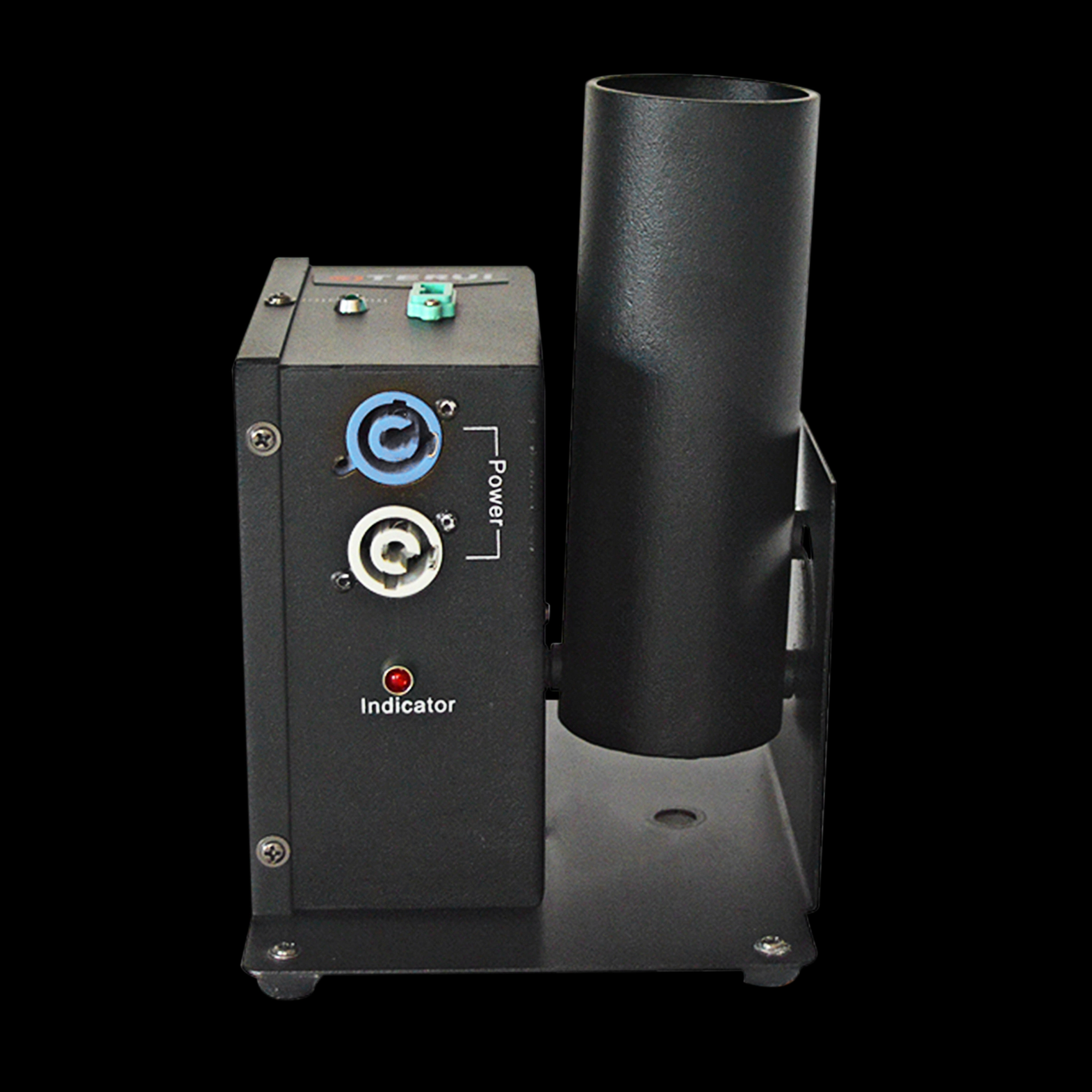
Single Shot Confetti Machine - Premium Confetti Launcher for Weddings & Stage Celebrations
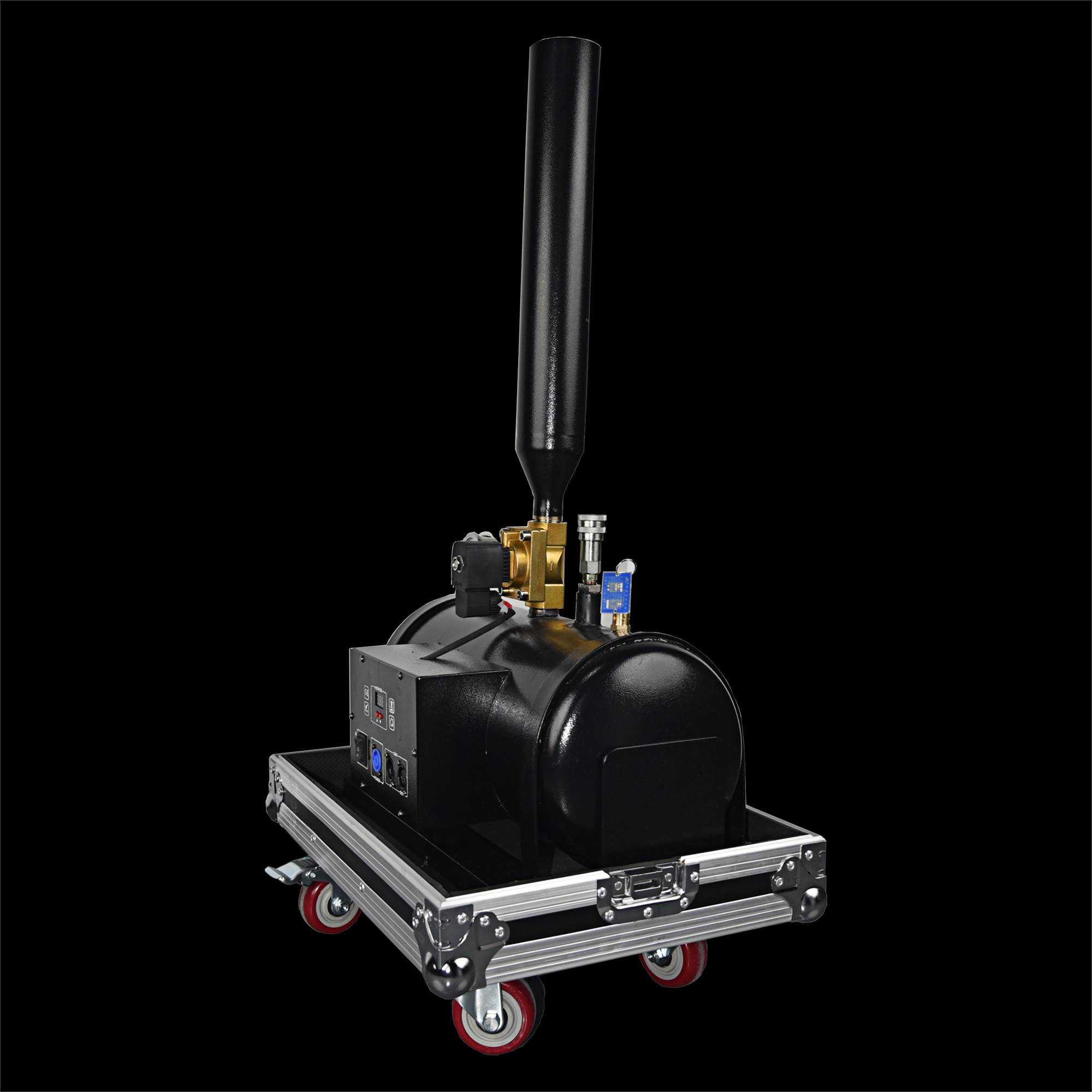
High-Altitude Confetti Cannon - Professional Confetti Blaster for Stage, Party & Celebration Events
Email: sales01@strlighting.com
WhatsApp: +86 189 2232 4800
© 2025 Siterui SFX All Rights Reserved.
 Scan QR Code
Whatsapp: +8618922324800
siteruisfx_stage_equipment
Siterui
SITERUI-SFX
STRlighting
@siterui.sfx