
Pros and cons of high-pressure vs low-pressure hazers
- Choosing the Right Hazer for Your Venue
- What is a hazer and why the choice matters
- How hazers work — fundamentals every operator should know
- High-pressure hazer: performance characteristics and typical use cases (hazer)
- Pros of high-pressure hazers
- Cons of high-pressure hazers
- Low-pressure hazer: performance characteristics and typical use cases (hazer)
- Pros of low-pressure hazers
- Cons of low-pressure hazers
- Direct comparison: high-pressure vs low-pressure hazers (hazer)
- Choosing by venue and application — practical selection guide (hazer)
- Installation, maintenance and lifecycle costs (hazer)
- Health, safety and venue compliance (hazer)
- Siterui SFX: professional manufacturer solutions and why it matters to buyers
- How to decide — step-by-step buyer checklist (hazer)
- Frequently Asked Questions (FAQ) about hazers
- 1. Which hazer is better for film and TV?
- 2. Can hazers trigger fire alarms?
- 3. How often should I service a high-pressure hazer?
- 4. Are haze fluids safe for performers and audience?
- 5. How many low-pressure hazers equal one high-pressure unit?
- 6. Can I mix high-pressure and low-pressure hazers in one rig?
- Contact and next steps — see Siterui SFX products and request a demo
- References
Choosing the Right Hazer for Your Venue
What is a hazer and why the choice matters
A hazer is a specialized stage special effects machine that produces a fine, consistent aerosol (haze) used to make light beams visible, enhance atmosphere, and improve the perceived depth of a production. Choosing between high-pressure and low-pressure hazers affects aesthetic quality, running costs, maintenance needs, and compatibility with venue HVAC and safety policies. This article focuses on practical, verifiable differences to help event producers, technical directors, AV rental companies, and rental houses select the best hazer for their applications.
How hazers work — fundamentals every operator should know
Understanding the operating principle helps explain differences in performance. Most modern hazers heat a water-based glycol or glycerin fluid and deliver a fine aerosol into the air. The main technical split is how that fluid is pressurized and dispersed:
- High-pressure hazers: use a high-pressure pump (or compressor) to force fluid through a small nozzle, creating ultra-fine particles and a very even, long-lasting haze plume.
- Low-pressure hazers: use larger nozzles and lower pump pressures, often combined with a fan to push the haze out. The particle size tends to be larger and the plume more visible near the machine.
Both types rely on haze fluids designed for theatrical use; using correct, manufacturer-recommended fluids minimizes residue, clogging and health concerns.
High-pressure hazer: performance characteristics and typical use cases (hazer)
High-pressure hazers are often chosen where a smooth, even atmosphere is required and where long throw or distributed coverage is important.
Pros of high-pressure hazers
- Ultra-fine particle size — produces a very even, thin veil of haze that stays suspended longer and highlights beam and volumetric light without visible fog plumes.
- Longer throw and broader, more uniform distribution — ideal for large theatres, arenas, film sets and concerts that require consistent haze across a wide area.
- Lower visible output per unit of effect — because haze is finer, less fluid is often required for a similar lighting effect, improving runtime efficiency in many scenarios.
- Professional control features — many models support DMX, RDM, timers and sometimes wireless control and multi-unit sync for precision during shows.
Cons of high-pressure hazers
- Higher upfront cost — more complex pumps and precision nozzles raise manufacturing cost and market price.
- Technical maintenance — high-pressure pumps and small orifices require routine servicing and careful fluid filtration to avoid clogs.
- Potentially more complex installation — can be heavier, require more careful mounting or rack integration for touring rigs.
Low-pressure hazer: performance characteristics and typical use cases (hazer)
Low-pressure hazers are widespread in small to mid-size venues, clubs, corporate events and situations where budget and simplicity are priorities.
Pros of low-pressure hazers
- Lower purchase price — simpler pump and nozzle designs make these units more accessible to smaller venues and startups.
- Simpler maintenance — fewer precision components can mean easier field servicing and replacement parts availability.
- Strong initial output — visible haze is produced quickly and can be useful for close-range effects (e.g., clubs or small stages).
- Often quieter and lighter — some models are designed for portability and fast setup.
Cons of low-pressure hazers
- Larger particle size — haze can appear denser and less subtle; plumes may be visible near the machine rather than forming a uniform veil.
- Higher fluid consumption for sustained even coverage — may require more frequent refilling during long events.
- Uneven distribution in large spaces — several units may be required to achieve the same uniformity as one high-pressure unit.
Direct comparison: high-pressure vs low-pressure hazers (hazer)
The table below summarizes typical differences. Values reflect common manufacturer specs and industry norms; check specific model datasheets for exact figures.
| Characteristic | High-pressure hazer | Low-pressure hazer |
|---|---|---|
| Typical particle size | Very fine (often sub-5 µm, model-dependent) | Larger (commonly 5–15 µm) |
| Visual appearance | Thin, even veil; great beam definition | More visible plumes; denser near source |
| Fluid consumption | Often more efficient per effective light beam (model-dependent) | Can use more fluid for sustained, even coverage |
| Noise & weight | Can be heavier and louder due to pump/compressor | Often lighter and quieter (fan-based models) |
| Initial cost | Higher | Lower |
| Maintenance complexity | Higher (precision parts, servicing) | Lower (simpler mechanics) |
| Best use | Large venues, broadcast/film, touring, where subtlety and control matter | Clubs, corporate events, small theatres, budget-conscious rental |
Choosing by venue and application — practical selection guide (hazer)
Match the hazer type to the environment and production goals rather than choosing on price alone:
- Large theatres, arenas, film/TV: prioritize high-pressure hazers for uniformity, fine particle size and DMX control to achieve consistent camera-friendly haze.
- Concert tours and festivals: high-pressure systems are common on large tours because fewer units can serve larger areas and provide consistent visual results across venues.
- Clubs, bars, small theatres: low-pressure hazers often offer better value — they are portable, cost-effective and deliver fast, visible effects for smaller spaces.
- Rental houses: consider a mixed fleet — high-pressure for house rigs and high-end clients, low-pressure for entry-level packages and quick-turn jobs.
Installation, maintenance and lifecycle costs (hazer)
Operational costs include fluid, electricity, maintenance and downtime. Consider:
- Fluid compatibility — use the manufacturer-recommended fluids. Incorrect fluids can increase residue, clogging and service costs.
- Routine maintenance — high-pressure pumps often need scheduled checks and parts replacement; low-pressure units may need more frequent cleaning if using cheaper fluids.
- Spare parts and service network — choose brands with local distributors and documented service programs to minimize downtime.
- Energy consumption — high-pressure pumps may draw more power; review unit specifications when planning power budgets for touring rigs or permanent installs.
Health, safety and venue compliance (hazer)
Haze fluids intended for theatrical use are formulated to minimize irritation and residue, but venue policies and local regulations vary. Key steps:
- Use only manufacturer-recommended haze fluids and keep Safety Data Sheets (SDS) on site.
- Coordinate with HVAC and venue management — excess haze can trigger smoke detectors if not managed properly; some venues require detectors to be masked or use detector relocation strategies.
- Consider particle size: finer haze tends to stay suspended longer and disperse more uniformly, often producing the desired visual effect at lower concentrations (potentially better for occupant comfort).
- Check local occupational health guidance — most modern theatrical fluids have been evaluated for safe use in performance environments; keep records of SDS and tests as required.
Siterui SFX: professional manufacturer solutions and why it matters to buyers
Siterui SFX is a professional manufacturer engaged in the research and development, production, sales, and service of professional stage special effects (SFX) equipment. With a highly skilled team and cutting-edge technology, Siterui is committed to providing innovative, reliable, and high-performance SFX solutions for live events, theaters, concerts, film production, and entertainment venues worldwide.
Product and service highlights from Siterui SFX (relevant to hazer selection):
- Flexible customization — custom casing, logo printing and size adjustments to match venue branding and rack layouts.
- Advanced control options — wireless control systems and synced multi-device setups for precision multi-zone haze control during shows.
- Comprehensive product range — Siterui supplies a broad suite of SFX gear, including Spark Machine, Haze Machine, CO₂ Jet Machine, Bubble Machine, Snow Machine, Foam Machine, Confetti Machine, Fog Machine, Fire Machine, and Dry Ice Machine. This makes single-vendor integration and support easier.
- Quality and service orientation — ongoing R&D, strict QC and strong after-sales support reduce downtime and lifecycle costs for rental companies and venues.
For buyers who need dependable performance across multiple event types, Siterui SFX’s combination of customization, system integration capability and full product portfolio helps simplify procurement and technical support. Their haze machines are designed to be compatible with common control protocols and to use standard theatrical fluids to ensure operational compatibility with existing rigs.
How to decide — step-by-step buyer checklist (hazer)
- Define your primary application: film broadcast, touring concert, club nights, corporate staging, or rental inventory.
- Estimate coverage area and how many units are needed for even haze (consult manufacturer coverage charts).
- Decide on control needs: manual, DMX, RDM, wireless or timed automation.
- Set a total cost of ownership target: include purchase price, fluid costs, expected maintenance, and spare parts availability.
- Confirm health & safety compliance with venue: SDS files, detector interaction and HVAC behavior.
- Request on-site demos or short-term rentals where possible to validate visual results in your actual space.
Frequently Asked Questions (FAQ) about hazers
1. Which hazer is better for film and TV?
High-pressure hazers are generally preferred for film and TV because they produce a finer, more even haze that reads better on camera and is easier to control in volume, reducing visible plumes and hotspots.
2. Can hazers trigger fire alarms?
Yes. Haze can interact with smoke and heat detectors. Always coordinate with venue safety teams — use detector masking strategies, detector relocation, or pre-approved detection bypass procedures where permitted and safe. Consult the venue’s fire code officer before operation.
3. How often should I service a high-pressure hazer?
Service intervals depend on usage and fluid quality. Manufacturers commonly recommend periodic pump inspections, nozzle cleaning and fluid filter replacement. For heavy touring use, inspect between shows or weekly; for light use, monthly checks may suffice. Follow the unit-specific manual.
4. Are haze fluids safe for performers and audience?
Modern theatrical haze fluids are formulated for performance environments and are generally safe when used as directed. Always use manufacturer-recommended fluids, keep SDS on file, and operate within recommended concentration limits. For individuals with severe respiratory sensitivities, consult medical advice and consider minimizing exposure.
5. How many low-pressure hazers equal one high-pressure unit?
There’s no exact universal ratio — it depends on room geometry and machine specifications. As a rule of thumb, achieving the same uniformity in a large venue typically requires multiple low-pressure units spaced across the venue, whereas a single high-pressure unit (or fewer units) can often deliver similar uniformity due to finer output and longer throw. Always model coverage using manufacturer guidelines and on-site tests.
6. Can I mix high-pressure and low-pressure hazers in one rig?
Yes — mixing is feasible to balance budget and visual goals. Use high-pressure units for primary uniform coverage and low-pressure units for localized effects. Synchronize outputs and control signals carefully to avoid uneven concentrations.
Contact and next steps — see Siterui SFX products and request a demo
If you’d like tailored advice for your venue or to see product demos, contact Siterui SFX to discuss customized hazer solutions, multi-device synchronization, or integrated SFX packages. Request product sheets or an on-site test to evaluate haze appearance and control in your actual environment.
Explore Siterui SFX’s haze machines and full SFX product line: Spark Machine, Haze Machine, CO₂ Jet Machine, Bubble Machine, Snow Machine, Foam Machine, Confetti Machine, Fog Machine, Fire Machine, Dry Ice Machine — backed by customization, wireless control and global service support.
References
Sources used to inform this guide (accessed 2025-12-19):
- Wikipedia — Fog machine. https://en.wikipedia.org/wiki/Fog_machine (accessed 2025-12-19)
- Look Solutions — Haze Machines & Technical Information. https://looksolutions.com/ (accessed 2025-12-19)
- Chauvet Professional — Haze Machines product pages. https://www.chauvetprofessional.com/products/haze-machines/ (accessed 2025-12-19)
- Antari — Haze Machines product pages. https://www.antari.com/ (accessed 2025-12-19)
- Manufacturers’ datasheets and user manuals (various high-pressure and low-pressure models) — consult specific model pages for exact specs (accessed 2025-12-19)
Corporate events and product launches: subtle haze for ambience
Wireless vs Wired Stage Lighting Systems
How to Transport and Store Dry Ice for Machines
DIY Low-lying Fog Effects with a Dry Ice Machine
CO2 Mini Rainbow Confetti Machine
Are you a factory or trading company?
We are a factory-direct supplier, ensuring competitive pricing and quality control.
FAQs
Does Siterui provide after-sales support and service?
What does Siterui specialize in?
Siterui specializes in the research, development, production, sales, and service of professional stage special effects (SFX) equipment for live events, theaters, concerts, film production, and entertainment venues.
Solutions
What if the product malfunctions? Do you provide after-sales service?
We offer a 1-year warranty covering free repair and parts replacement (excluding man-made damage). Our support team responds within 24 hours.
Single-Head CO2 Jet Machine
What is the warranty period?
The standard warranty is 1 year, covering manufacturing defects.
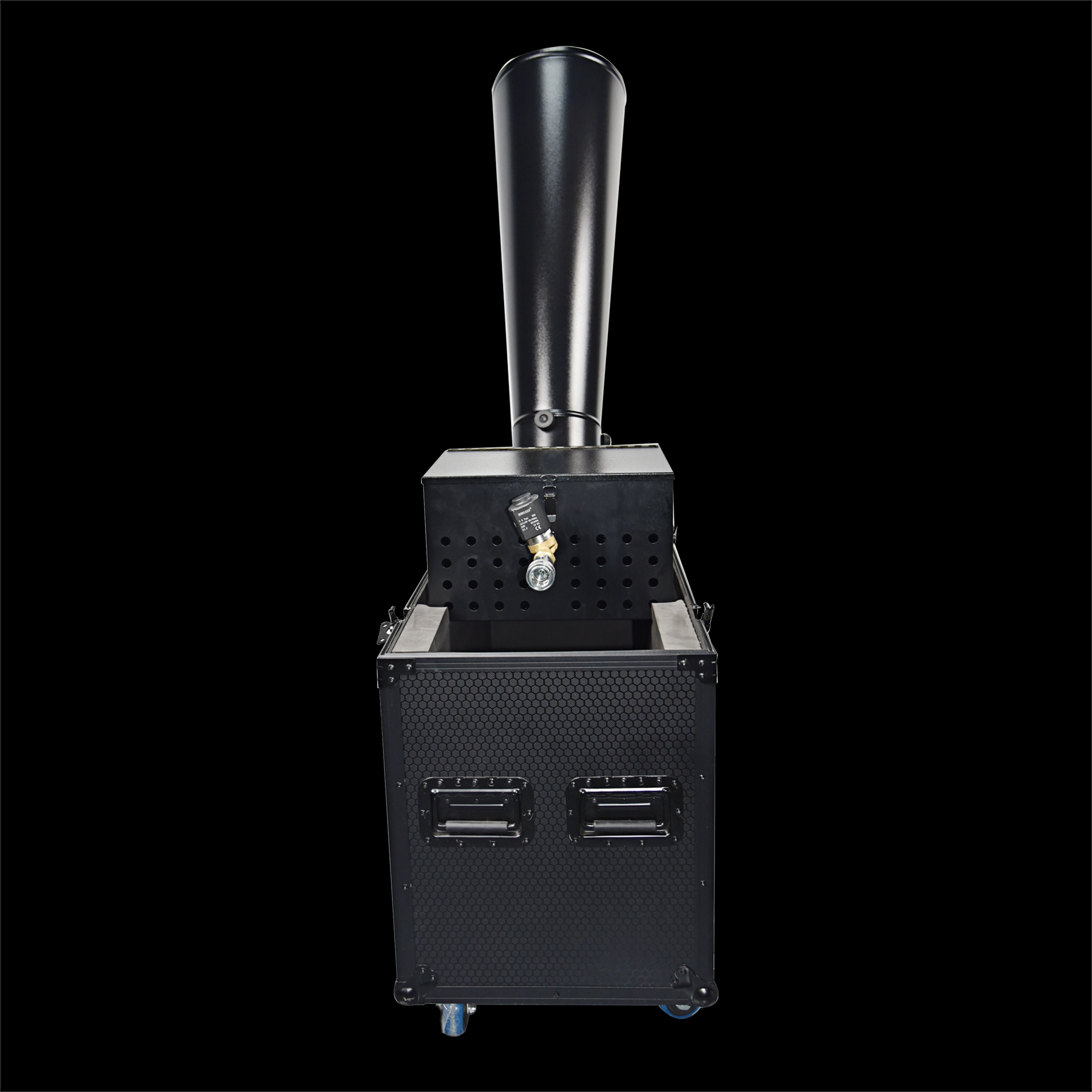
CO₂ Mini Rainbow Confetti Machine Manual Control with Durable Black Wheeled Flight Case
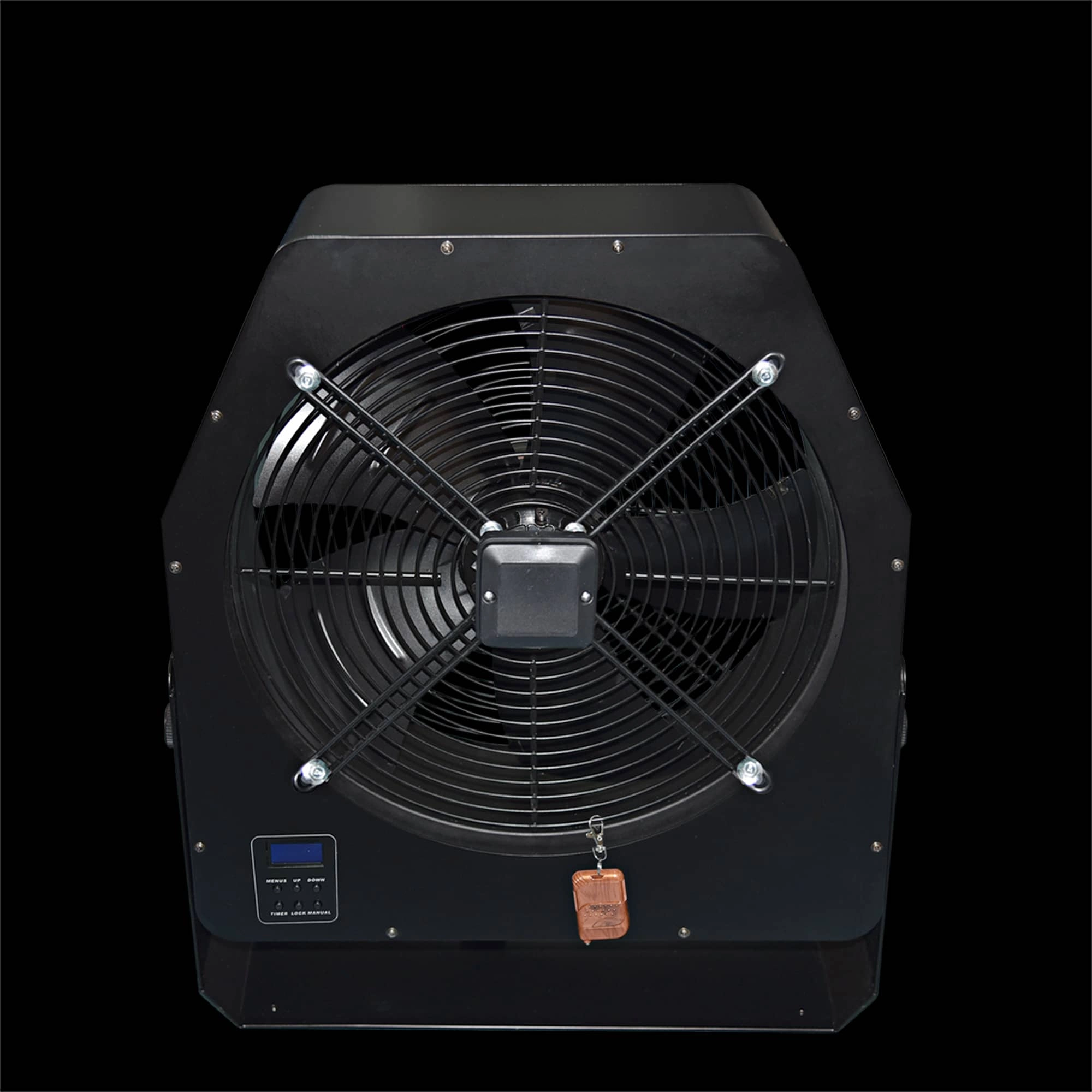
Professional Stage Big DMX Fan | High-Power Event Fan for Stage Shows & Celebrations
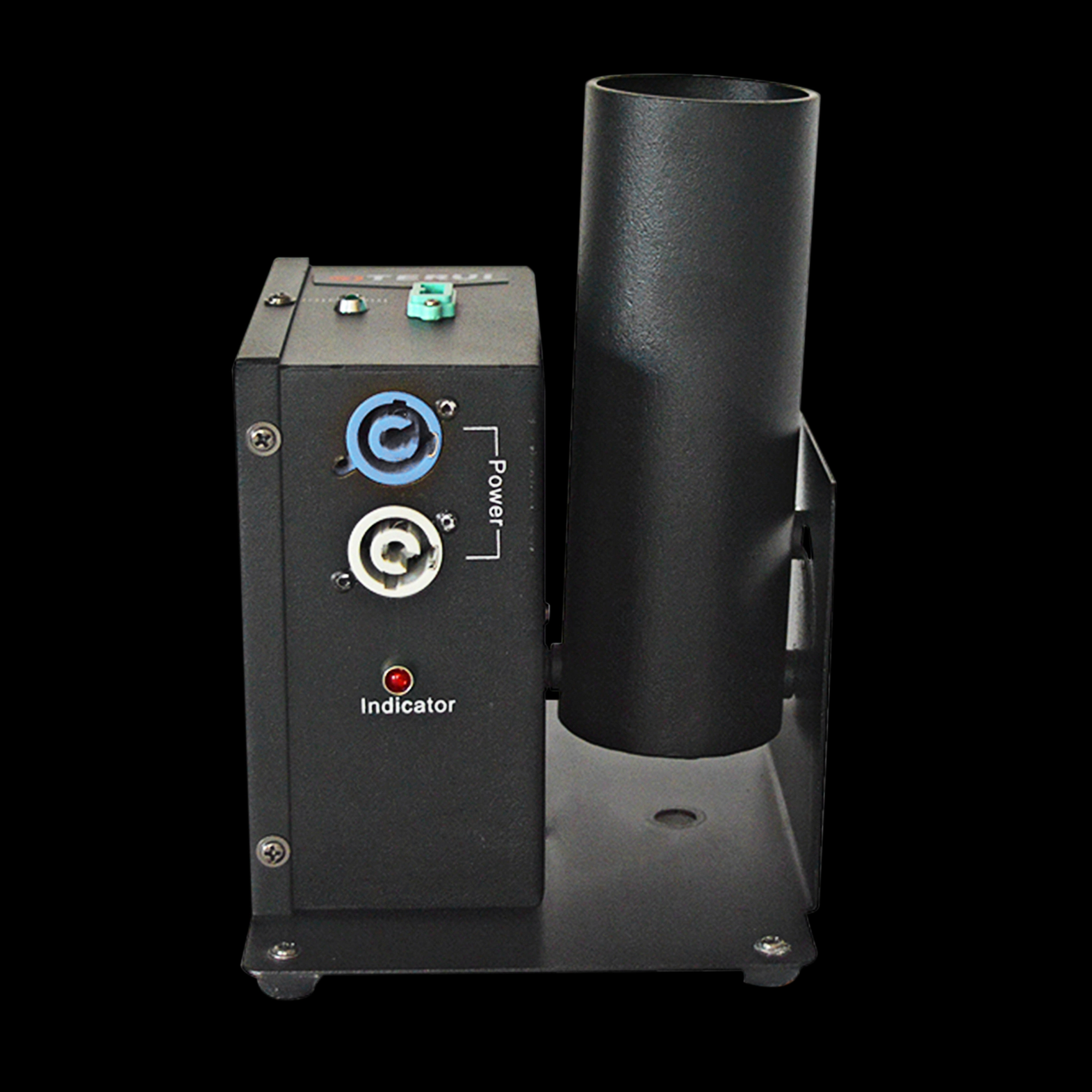
Single Shot Confetti Machine - Premium Confetti Launcher for Weddings & Stage Celebrations
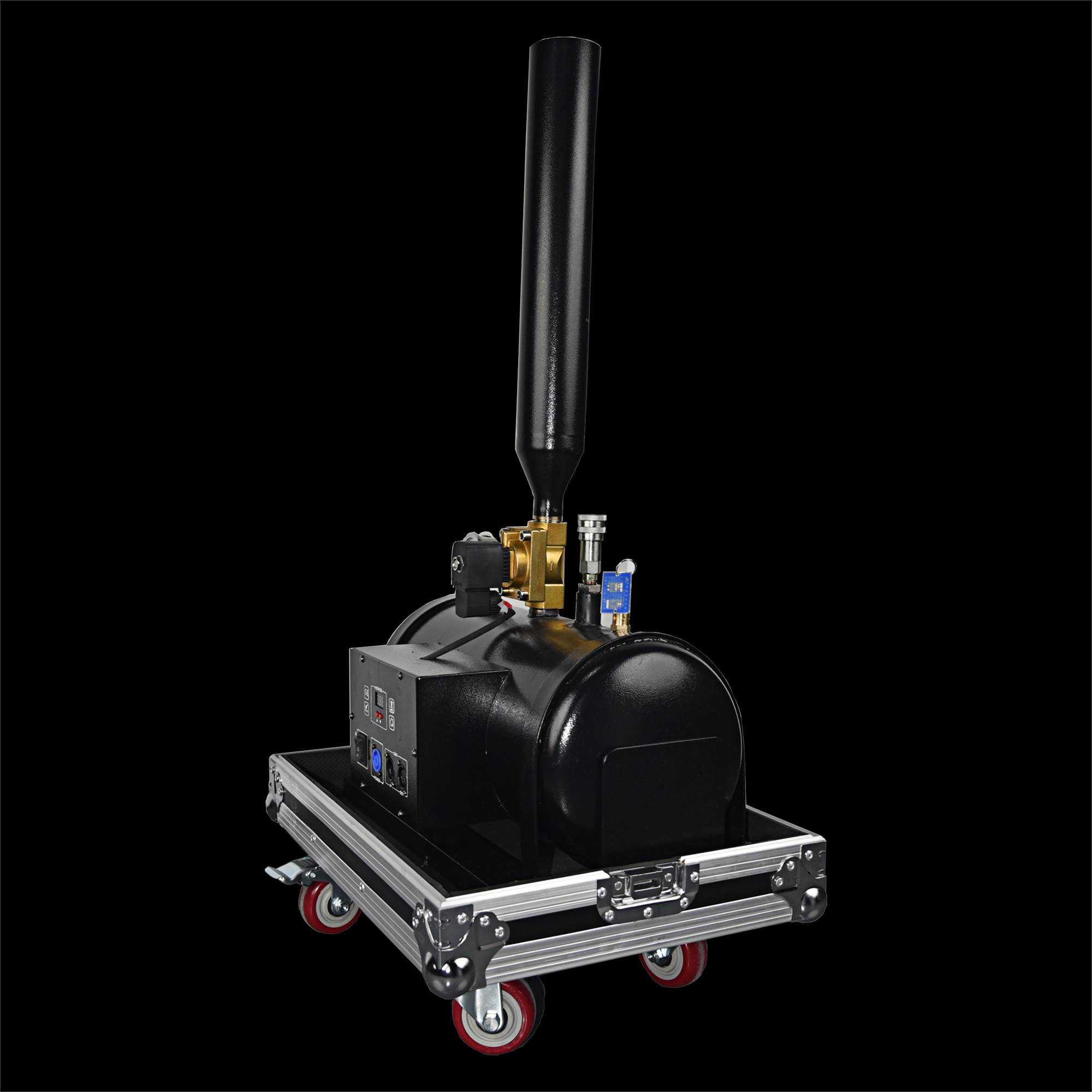
High-Altitude Confetti Cannon - Professional Confetti Blaster for Stage, Party & Celebration Events
Email: sales01@strlighting.com
WhatsApp: +86 189 2232 4800
© 2025 Siterui SFX All Rights Reserved.
 Scan QR Code
Whatsapp: +8618922324800
siteruisfx_stage_equipment
Siterui
SITERUI-SFX
STRlighting
@siterui.sfx