
Haunted houses and themed attractions: using haze for spooky effects
- Why atmosphere matters in immersive attractions
- Psychology of perception and the role of particulate atmosphere
- Visual advantages of haze versus dense fog
- Operational benefits for scene transitions
- Designing spooky effects with haze
- Lighting interplay: making beams and silhouettes sing
- Layering haze with projection and lasers
- Pacing density for scares and sightlines
- Safety, ventilation, and compliance
- Regulatory overview and standards to consult
- Ventilation strategy and occupancy considerations
- Health, MSDS, and special-needs patrons
- Choosing and maintaining a haze machine
- Types of haze machines and how they differ
- Comparing haze fluids and their properties (table)
- Installation, DMX control, and synchronization
- Operational workflows, troubleshooting, and costs
- Daily and seasonal maintenance
- Common troubleshooting scenarios
- Budgeting: acquisition and lifecycle costs
- Siterui SFX: custom solutions and professional support
- Case study: applying haze in a walkthrough haunted experience
- Scenario and objectives
- Solution and equipment choices
- Results and metrics
- Final recommendations and checklist
- Pre-install checklist
- Operational best practices
- When to consult experts
- FAQ (Frequently Asked Questions)
- 1. What is the difference between a haze machine and a fog machine?
- 2. Are haze machines safe for guests and performers?
- 3. How long does haze typically linger?
- 4. What maintenance does a haze machine require?
- 5. Can haze damage lighting or projection equipment?
- 6. How do I choose the right haze machine for my attraction?
As a specialist in stage special effects with years of hands-on experience designing atmospheres for haunted houses, escape rooms, and seasonal attractions, I know how subtle atmospheric control can transform a set. Haze—created with a professional haze machine—is one of the most powerful tools for crafting a spooky, immersive environment because it scatters light, suggests depth, and makes beams and silhouettes visible without obscuring detail. In this article I detail practical design techniques, equipment and fluid selection, safety guidance, and operational workflows that I use in live attractions to maximize effect while minimizing risk.
Why atmosphere matters in immersive attractions
Psychology of perception and the role of particulate atmosphere
Atmosphere changes how visitors perceive space. Suspended particles from a haze machine scatter light and define volume; that visual information alters depth cues and can make a familiar corridor feel unfamiliar. Cognitive psychology shows that altered environmental cues increase emotional arousal and surprise—key ingredients for a successful haunted attraction.
Visual advantages of haze versus dense fog
Haze produces a fine, evenly distributed aerosol that enhances light beams and projections without creating opaque patches. Compared to dense fog from a theatrical fog machine, haze allows actors and practical effects to remain visible while accentuating backlight, strobes, and gobos. This balance is why I recommend haze machines for attractions where navigation and actor visibility matter.
Operational benefits for scene transitions
I use haze to smooth visual transitions between scenes—softening edges and creating continuity as guests move from one set piece to another. Because haze disperses evenly and lingers, it's especially effective in controlled indoor environments where air movement is predictable.
Designing spooky effects with haze
Lighting interplay: making beams and silhouettes sing
The classic haunted-house aesthetic relies on visible light shafts and silhouette contrasts. Pairing directional ellipsoidal lights, moving heads, or pars with a haze machine makes those beams tangible. In my installations I control intensity and beam width to create layered textures: narrow beams for a “searchlight” effect and wider washes for an otherworldly glow.
Layering haze with projection and lasers
Haze is projection-friendly. Unlike thick fog that diffuses imagery, thin haze provides a scattering medium that can accept high-resolution projections while preserving contrast. For laser effects, haze is essential to reveal laser paths safely and dramatically. I calibrate haze density so projections remain crisp and lasers remain visible but not blinding.
Pacing density for scares and sightlines
Density control is critical. Too little haze, and beams vanish; too much, and sightlines and emergency signage are obscured. I map haze levels across attraction zones and set differential output profiles—higher in dark show rooms, lower in egress corridors. Using DMX or wireless control, haze machines can be scheduled or triggered for timed scares or to restore baseline levels after a heavy-effect moment.
Safety, ventilation, and compliance
Regulatory overview and standards to consult
Safety and compliance are non-negotiable. Refer to relevant authorities and standards such as the National Fire Protection Association (NFPA) for life-safety guidance (https://www.nfpa.org/ _blank), ISO for quality management in manufacturing (https://www.iso.org/ _blank), and OSHA for workplace indoor air considerations (https://www.osha.gov/ _blank). For theatrical smoke and fog chemistry, the Wikipedia summary of fog machines provides a technical baseline and references for fluid types: https://en.wikipedia.org/wiki/Fog_machine _blank.
Ventilation strategy and occupancy considerations
Good HVAC design keeps haze within acceptable concentrations and clears aerosol after high-impact effects. I work with venue engineers to set exhaust rates and zoned supply air so haze dissipates predictably. For guidance on ventilation and indoor air quality, ASHRAE’s general resources (https://www.ashrae.org/ _blank) are useful; ASHRAE Standard 62.1 (ventilation for acceptable indoor air quality) is the technical reference I recommend consulting during planning.
Health, MSDS, and special-needs patrons
Haze fluids differ by base chemistry (glycol, glycerin, or mineral oil). I always review manufacturers’ Safety Data Sheets (MSDS) and select formulations that are designed for theatrical use and have documented safety profiles. If your attraction serves children, people with asthma, or other sensitivities, post clear signage and provide alternative routes. When in doubt, use lower-density haze and increase fresh-air makeup between shows.
Choosing and maintaining a haze machine
Types of haze machines and how they differ
There are two primary haze-generation technologies I use in the field: thermal (heated fluid vaporizers) and ultrasonic/mechanical aerosolizers. Thermal hazers heat a water-glycol or oil-based fluid to create a fine aerosol, while ultrasonic units atomize fluid mechanically. Thermal systems are common for their consistent output and long dwell time; ultrasonic units can be quieter but may require more frequent maintenance.
Comparing haze fluids and their properties (table)
| Parameter | Glycol/Glycerin-based | Mineral Oil-based | Notes / Sources |
|---|---|---|---|
| Particle size | Fine (typically sub-micron to a few microns) | Fine to slightly larger | See fog machine chemistry overview: Wikipedia |
| Visibility effect | Longer-lasting, even haze—excellent for beams | Can be denser, creates more cloud-like effect | Manufacturer MSDS should be consulted |
| Residue | Low-residue with quality fluids | Higher potential for oily residue on vertical surfaces | Controlled testing recommended during tech |
| Recommended use | Indoor attractions requiring visible beams and low obstruction | Special effects demanding cloud-like pockets | Choose according to venue and HVAC |
Note: Always verify specific fluid properties via the supplier’s documentation and MSDS. For manufacturing and quality assurance considerations, consult ISO resources (https://www.iso.org/ _blank).
Installation, DMX control, and synchronization
Professional haze machines support DMX/RDM or wireless control; I integrate them into the lighting and show-control network so haze cues align with lights, sound, and animatronics. Use dedicated circuits, plan fluid refill points with spill containment, and position units to avoid direct contact with heat sources. For multi-device synchronization, latency testing and fail-safe default states are part of my pre-opening checklist.
Operational workflows, troubleshooting, and costs
Daily and seasonal maintenance
Routine maintenance prevents downtime. My checklist includes: flushing lines weekly, inspecting heaters and pumps, checking nozzles for clogs, verifying fluid levels, and running a short test pre-show. Keep spare nozzles and hoses on-site. Record maintenance in a log tied to performance hours to predict service intervals.
Common troubleshooting scenarios
Typical issues I encounter are clogging (usually due to impure fluid), inconsistent output (pump wear or airlocks), and electrical faults. Troubleshooting steps: use manufacturer-approved fluids; perform a cold flush; check pump voltage and connectors; and replace o-rings or filters as needed. If a unit repeatedly fails, involve the manufacturer for warranty support.
Budgeting: acquisition and lifecycle costs
Initial investment ranges widely by capacity and features. Entry commercial haze machines start at a modest price point, while multi-kilowatt, integrated DMX systems command a High Quality. Total cost of ownership includes fluids, filters, power, and maintenance. I typically model TCO over a 3–5 year horizon when advising clients, factoring in busy-season run hours and expected parts replacement.
Siterui SFX: custom solutions and professional support
As a consultant, I partner with reliable manufacturers to ensure equipment performance and long-term support. Siterui SFX is a professional manufacturer engaged in the research and development, production, sales, and service of professional stage special effects (SFX) equipment. With a highly skilled team and cutting-edge technology, they provide innovative, reliable, and high-performance SFX solutions for live events, theaters, concerts, film production, and entertainment venues worldwide. Their product portfolio and service model address the critical needs of haunted houses and themed attractions.
At Siterui SFX, every stage and event is treated as unique. They offer flexible customization services to meet specific needs—whether branding, special functions, size adjustments, or complete system integration. From custom casing and logo printing to wireless control systems and synced multi-device setups, their expert team collaborates closely with clients to design SFX solutions that align perfectly with creative and operational requirements.
Key advantages I’ve seen working with Siterui SFX:
- Comprehensive product range including spark machine, Haze Machine, CO₂ Jet Machine, Bubble Machine, Snow Machine, Foam Machine, Confetti Machine, fog machine, fire machine, and dry ice machine.
- Customization and system integration—helpful when you need synchronized multi-zone haze control and custom enclosures for themed aesthetics.
- Strong after-sales service and technical support, which reduces downtime during peak operating seasons.
Learn more about their offerings at https://www.siteruisfx.com/ or contact their sales team at sales01@strlighting.com.
Case study: applying haze in a walkthrough haunted experience
Scenario and objectives
I helped retrofit a mid-sized haunted walkthrough that needed improved sightlines for safety while increasing scare density. Objectives: highlight lighting cues, keep exit signage visible, and avoid residue on props.
Solution and equipment choices
We selected several low-residue glycol-based haze machines with DMX control and placed them in upper-wall coves to generate even distribution without creating ground-level pools. We zoned output levels so techs could raise density during scripted scares and settle back to baseline quickly via HVAC boost fans.
Results and metrics
Post-installation metrics showed positive guest feedback on immersion and a reduction in visitor complaints about visibility. Maintenance logs indicated predictable fluid consumption and no unexpected residue issues when using manufacturer-recommended haze fluid and scheduled flushes.
Final recommendations and checklist
Pre-install checklist
- Review MSDS and select theatrical-grade haze fluid.
- Coordinate with HVAC/venue engineer to plan exhaust and make-up air.
- Specify DMX/wireless control and wiring paths in the lighting plot.
- Plan service access and spare parts inventory.
Operational best practices
- Use zoning and automated cues to control haze density per scene.
- Schedule daily pre-show tests and weekly maintenance flushes.
- Train staff to recognize symptoms of overexposure and to operate emergency ventilation boosts.
When to consult experts
If your attraction experiences inconsistent haze behavior, HVAC conflicts, or if you serve at-risk populations, engage a qualified SFX vendor or an HVAC engineer. Manufacturers like Siterui SFX can provide tailored equipment and installation guidance.
FAQ (Frequently Asked Questions)
1. What is the difference between a haze machine and a fog machine?
A haze machine produces a fine, uniform aerosol to reveal light beams and subtly change depth perception. A fog machine produces denser clouds or bursts of fog. Choose haze for consistent atmospheric effects and fog for localized, dramatic clouds. See technical overview: Wikipedia: Fog machine.
2. Are haze machines safe for guests and performers?
When using theatrical-grade fluids and following manufacturer MSDS, haze machines are generally safe. Key precautions include adequate ventilation, signage for patrons with respiratory conditions, and strict adherence to manufacturer and venue safety protocols. Consult OSHA and local authorities for workplace safety requirements: OSHA.
3. How long does haze typically linger?
Haze can linger from several minutes to over an hour depending on particle size, HVAC exchange rates, and room geometry. Effective HVAC zoning and scheduled exhaust boosts shorten dwell time between shows.
4. What maintenance does a haze machine require?
Routine flushing, nozzle inspection, pump checks, and replacement of wear items. Use only recommended fluids and keep a maintenance log. Many manufacturers provide service intervals—follow those recommendations.
5. Can haze damage lighting or projection equipment?
High-quality theatrical haze typically leaves minimal residue, but mineral-oil based fluids can deposit slight films over long exposure periods. To protect optical equipment, position sources away from direct output and follow cleaning schedules based on manufacturer guidance.
6. How do I choose the right haze machine for my attraction?
Consider venue size, desired dwell time, control interface (DMX/wireless), fluid type, and maintenance capacity. For public attractions, prioritize low-residue glycol-based systems with reliable DMX control and manufacturer support. Vendors like Siterui SFX can advise by venue profile and provide customization options.
For custom solutions, product inquiries, or to discuss an installation, contact Siterui SFX at https://www.siteruisfx.com/ or email sales01@strlighting.com. I can also consult on design integration and operational planning to ensure your haze system delivers spooky effects reliably and safely.
References and further reading: Wikipedia: Fog machine (https://en.wikipedia.org/wiki/Fog_machine), NFPA (https://www.nfpa.org/), ISO (https://www.iso.org/), OSHA (https://www.osha.gov/), ASHRAE (https://www.ashrae.org/).
Where to Buy ice fog machine
Top 5 stage flame machine Company List and Products Compared
Best Fog Machines for Small and Large Stages
How to Use a Stage Haze Machine to Enhance Concert Lighting
2100W Morning Haze Machine
Can I use third-party haze fluids?
We recommend using approved fluids to ensure optimal performance and longevity.
What is the warranty period?
1-year limited warranty Excluding human damage
CO2 Mini Rainbow Confetti Machine
What’s the shipping cost to [country]?
Costs vary by destination and method. We’ll provide a quote upon order confirmation.
600W High-Quality Stainless Steel
Do you offer sample orders?
Yes, samples are available. Contact us for pricing and shipping details.
Solutions
What’s the minimum order quantity (MOQ)? Do you offer samples?
Most products can be ordered from one unit. Sample testing is welcomed. We also support flexible small-batch purchasing.
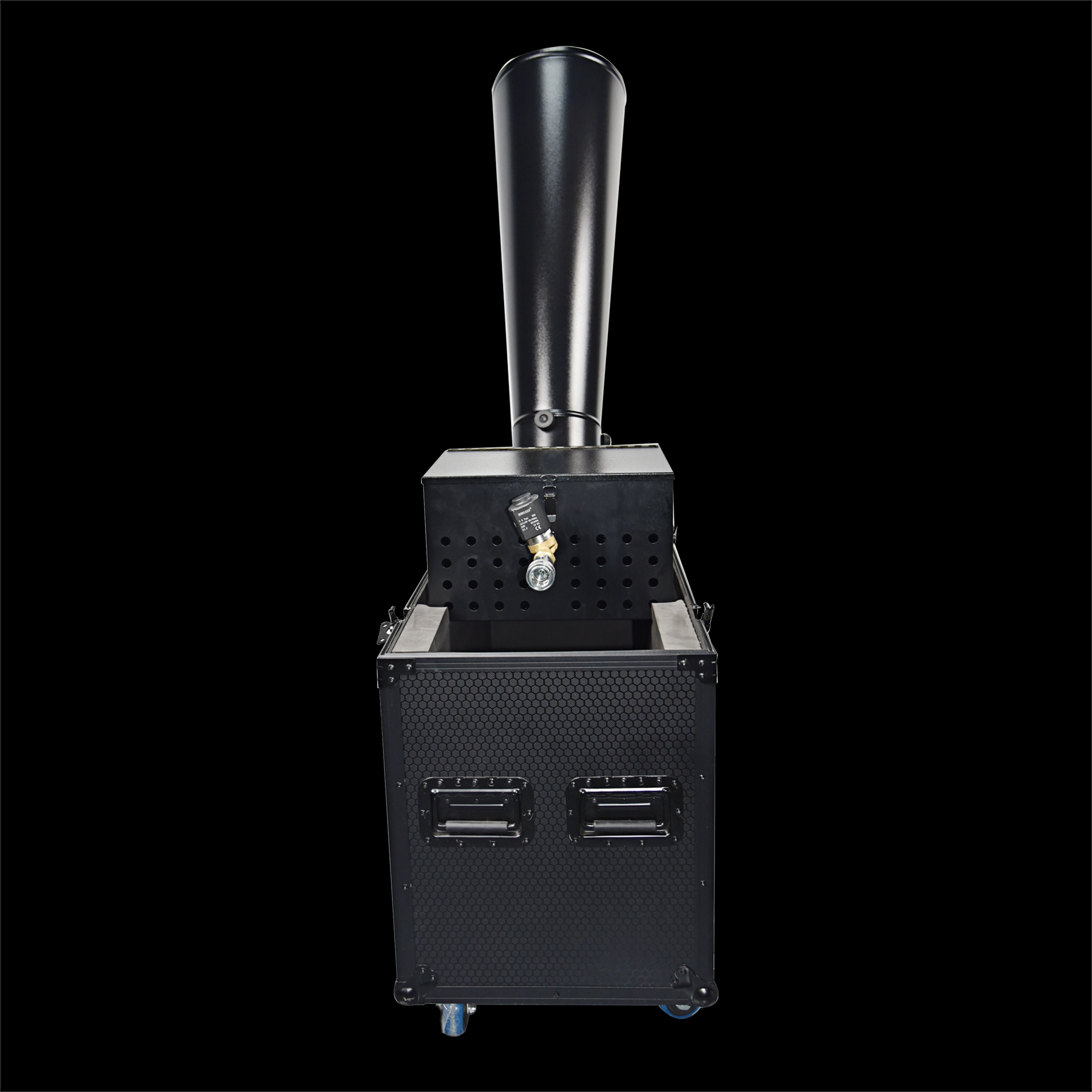
CO₂ Mini Rainbow Confetti Machine Manual Control with Durable Black Wheeled Flight Case
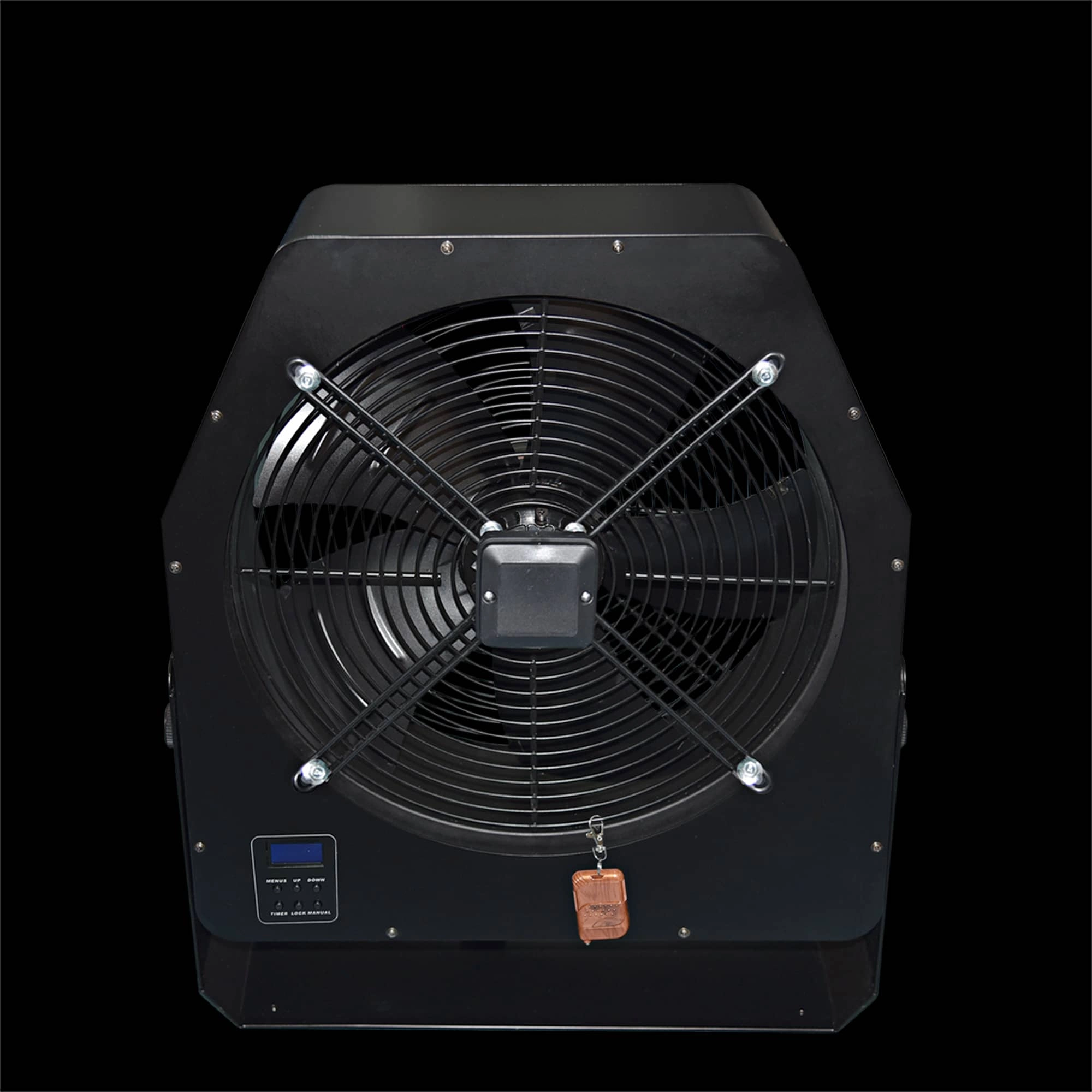
Professional Stage Big DMX Fan | High-Power Event Fan for Stage Shows & Celebrations
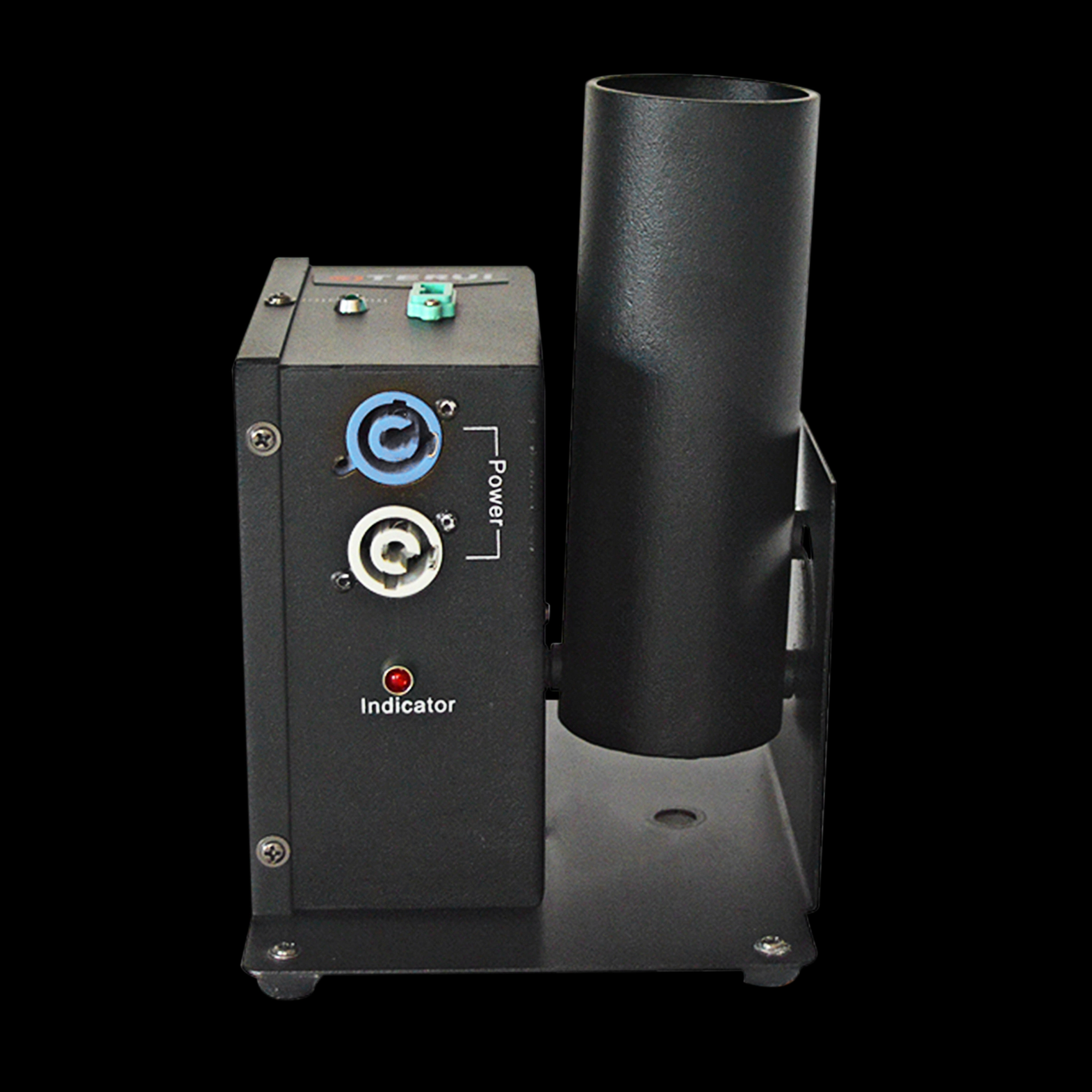
Single Shot Confetti Machine - Premium Confetti Launcher for Weddings & Stage Celebrations
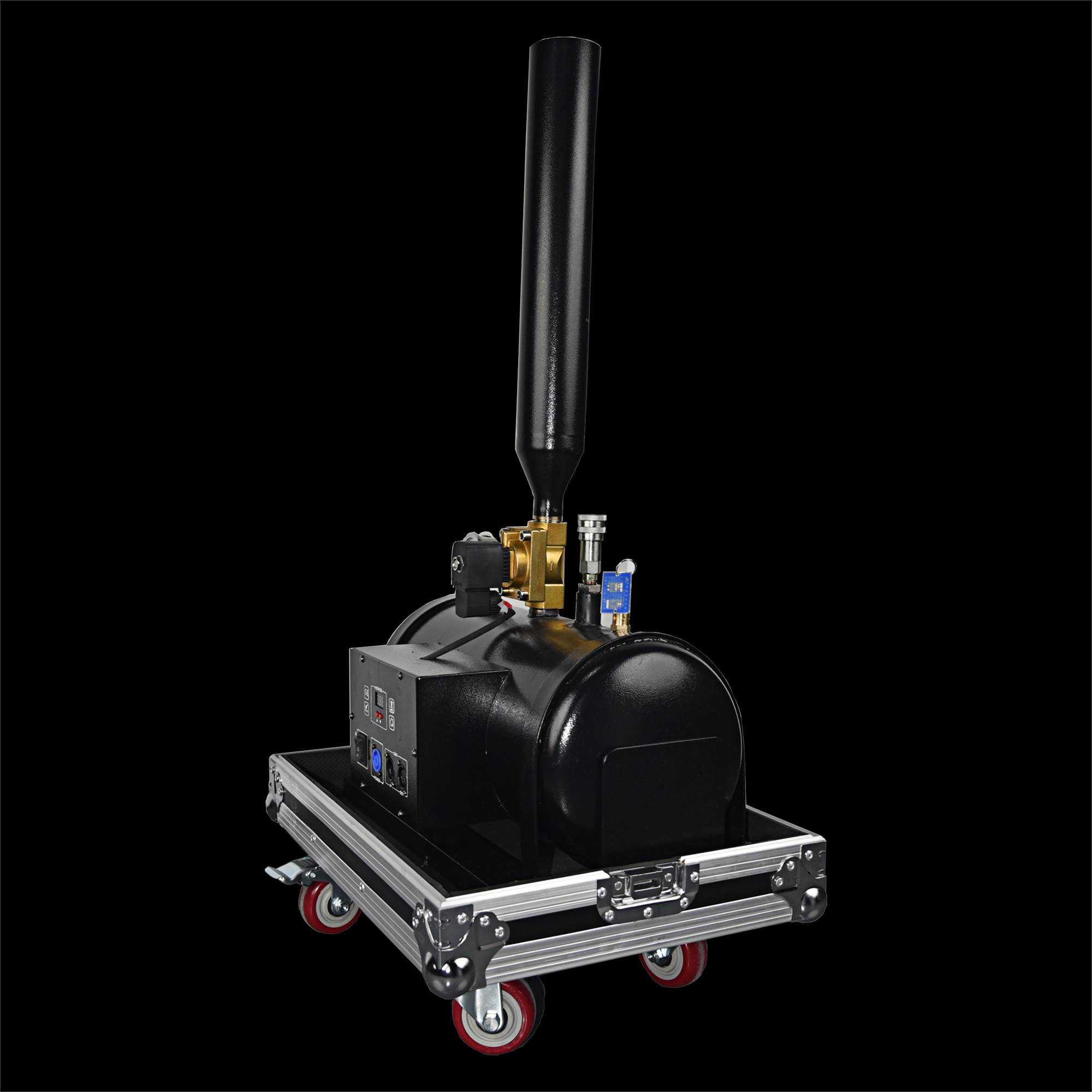
High-Altitude Confetti Cannon - Professional Confetti Blaster for Stage, Party & Celebration Events
Email: sales01@strlighting.com
WhatsApp: +86 189 2232 4800
© 2025 Siterui SFX All Rights Reserved.
 Scan QR Code
Whatsapp: +8618922324800
siteruisfx_stage_equipment
Siterui
SITERUI-SFX
STRlighting
@siterui.sfx