
Best Fog Machines for Small and Large Stages
- Understanding stage atmospherics and audience impact
- Why fog, haze, and low-lying effects matter
- Audience perception and creative goals
- Regulatory and venue considerations
- Choosing the right fog machine by venue size
- Small stages and intimate venues (theaters, houses of worship, small clubs)
- Medium to large stages (concert halls, arenas, festivals)
- Outdoor and unconventional spaces
- Technical specifications, control integration, and safety
- Key specifications explained
- Fluid types and health considerations
- Fire detection, alarms, and safety systems
- Comparing fog machine categories and use cases
- Buying vs renting: which is right?
- Siterui SFX: professional solutions and customization for every stage
- Product range and technical strengths
- Customization and integration services
- Quality, service, and global support
- Operational best practices and maintenance
- Pre-show checklist
- Routine maintenance and troubleshooting
- Training and safe operation
- FAQ — Frequently Asked Questions
- 1. What is the difference between a fog machine and a haze machine?
- 2. Will fog machines set off fire alarms?
- 3. What fluid should I use—water-based or oil-based?
- 4. How do I size a fog machine for my stage?
- 5. Can fog machines be used outdoors?
- 6. How often should I service my fog machine?
Fog machines are a core component of modern stage atmospherics: they make lighting visible, define depth onstage, and amplify dramatic moments for audiences of any size. This guide helps event technicians, venue managers, and production designers choose the best fog machine for small and large stages by explaining how different technologies work, how to match output to venue size, how to integrate controls and safety measures, and what maintenance and consumable considerations to expect. Recommendations emphasize practical, verifiable criteria and industry best practices to ensure reliable performance and compliance.
Understanding stage atmospherics and audience impact
Why fog, haze, and low-lying effects matter
Atmospherics make light beams, gobos, and volumetric lighting visible to the audience—transforming two-dimensional lighting into three-dimensional scenes. Fog (thicker, shorter-lived plumes) and haze (continuous, fine particles) create different visual textures: fog highlights immediate action and creates clouds or bursts, while haze provides a steady medium for lighting effects. Theatrical smoke and fog techniques are well documented in industry literature and summaries such as the Wikipedia overview on theatrical smoke and fog (https://en.wikipedia.org/wiki/Theatrical_smoke_and_fog), which covers types, health considerations, and common fluids.
Audience perception and creative goals
Match the effect to storytelling goals. For intimate theatrical productions and small clubs, subtle haze that gently reveals light shafts preserves sightlines and actor safety. For concerts and large arenas, high-output fog bursts create dramatic reveals and interact with moving lights. Consider sightlines, camera positions (for live streams and broadcasts), and the sensory comfort of the audience—some viewers and performers are sensitive to dense fog or particulates.
Regulatory and venue considerations
Many venues and local authorities require notification when fog or smoke effects are used, because they can trigger smoke detectors or fire alarms. Consult venue policies, the venue’s fire marshal, and applicable safety guidance such as general information from industry bodies like PLASA (https://www.plasa.org/) or standards organizations to ensure compliance. When using fog systems, coordinate with HVAC and life-safety teams and perform a pre-show test of detectors and alarms.
Choosing the right fog machine by venue size
Small stages and intimate venues (theaters, houses of worship, small clubs)
Small venues need controllable output, low noise, and compact units. Look for machines advertised as compact fog or theatrical fog with variable output and quick warm-up times. Water-based fog fluids are typically preferred for theater because they produce fine, short-lived plumes and are less likely to leave residue when used as directed. Prioritize low-heat warm-up, quiet fans, and precise output control (variable knob or proportional DMX channel) so operators can dial in subtlety and avoid overwhelming the space.
Medium to large stages (concert halls, arenas, festivals)
Larger venues require higher volumetric output, faster recovery between bursts, and often multi-unit synchronized control. For high-impact moments, look for high-output fog machines or hybrid systems that combine fog with CO₂ jets or dry-ice low-lying fog for dramatic effects. Machines with DMX512 control, built-in wireless options, and rack-mountable designs simplify integration into complex rigs. Choose equipment with strong fans and a high-duty-cycle heater to handle repeated use over a show.
Outdoor and unconventional spaces
Outdoors introduces wind and air movement that dissipate fog quickly, so raw output must increase and timing must consider wind patterns. Consider directional nozzles, multi-point placement, or systems that create denser fog near the stage (e.g., for a fog wall). Ensure fluid types and electrical enclosures are rated for outdoor use and that weather protection or IP-rated housings are available.
Technical specifications, control integration, and safety
Key specifications explained
When evaluating fog machines, understand these specs:
- Output/coverage: Manufacturers may list meters cubed per minute or qualitative categories (low/medium/high). Focus on how output is expressed relative to stage volume.
- Warm-up time: Shorter warm-up allows flexible cueing; many modern digital machines heat in 1–10 minutes depending on size.
- Duty cycle: For touring or long shows, choose units designed for continuous or heavy-use duty cycles.
- Fluid consumption and reservoir size: Larger reservoirs reduce refill frequency but increase weight and footprint; check run time per liter when operating at typical settings.
- Control options: Manual, timer, DMX512, RDM, wireless, and remote foot-switch options. DMX/RDM is essential for integration into complex lighting rigs.
Fluid types and health considerations
Fog fluids are typically water-based (glycol/water) or oil-based. Water-based fluids are common for theatrical use because they are less likely to leave oily residues. Haze fluids are formulated for very fine particle size to remain suspended longer. Industry discussions and summaries such as the fog machine article on Wikipedia (https://en.wikipedia.org/wiki/Fog_machine) provide background on fluid chemistry and classification. For performer and audience health, follow manufacturer safety data sheets (SDS), use recommended fluid types, and ensure adequate ventilation.
Fire detection, alarms, and safety systems
Fog can trigger smoke detectors. Work with the venue to use compatible alarms or temporarily isolate/cover detectors when permitted. Use detector-safe modes and consult the venue’s fire safety officer. NFPA and local fire codes may apply—coordinate with authorities and document approvals. For authoritative guidance on fire and safety, consult organizations like the National Fire Protection Association (https://www.nfpa.org/).
Comparing fog machine categories and use cases
The table below summarizes three practical categories—Compact (small stage), Mid-Size (blackbox to mid halls), and High-Output (concerts, arenas)—and the typical attributes to look for when buying or renting:
| Category | Typical Stage Size | Warm-up Time | Run Time / reservoir (typical) | Control | Best Use |
|---|---|---|---|---|---|
| Compact / Theatrical | Small theaters, houses of worship, clubs (up to ~200 m²) | 1–5 minutes | 2–6 hours at low output (1–3 L reservoir) | Manual, basic DMX | Subtle haze and fog, low-noise operation, easy transport |
| Mid-Size | Black boxes, school auditoriums, small concert halls (200–800 m²) | 2–8 minutes | 1–4 hours under medium use (3–8 L) | Full DMX, timers, remote | Balanced recovery and output, repeatable cues |
| High-Output / Touring | Arenas, festivals, large concert stages (>800 m²) | 3–12 minutes | Shorter between refills under heavy burst use (>=8 L tanks or external reservoirs) | Advanced DMX/RDM, wireless, multi-unit sync | Big bursts, rapid recovery, synchronization with lighting and pyro |
Source: Typical specification ranges are synthesized from industry product categories and manufacturer spec sheets. For background on fog technologies and theatre use see the Wikipedia fog machine and theatrical smoke pages (Fog machine, Theatrical smoke and fog).
Buying vs renting: which is right?
For one-off events, renting reduces capital outlay and gives access to high-output units without transport and maintenance overhead. For venues and touring acts that use effects regularly, owning allows consistent setup, predictable consumables, and the ability to customize machines and integrate them permanently into the rig. Evaluate total cost of ownership: machine price, fluid cost, maintenance, spare parts, and trained operators.
Siterui SFX: professional solutions and customization for every stage
Siterui SFX is a professional manufacturer engaged in the research and development, production, sales, and service of professional stage special effects (SFX) equipment. With a highly skilled team and cutting-edge technology, Siterui SFX delivers innovative, reliable, and high-performance SFX solutions for live events, theaters, concerts, film production, and entertainment venues worldwide. Visit Siterui SFX: https://www.siteruisfx.com/.
Product range and technical strengths
Siterui SFX offers a broad product portfolio including spark machines, haze machines, CO₂ jet machines, bubble machines, snow machines, foam machines, confetti machines, fog machines, fire machines, and dry ice machines. Their engineering emphasizes durable heating elements, efficient fans, industry-standard DMX/RDM control, and options for wireless control and multi-device synchronization. These technical choices help ensure consistent output across long shows and reliable integration into complex stage systems.
Customization and integration services
One key differentiator is Siterui SFX’s flexible customization: custom casings and logo printing, tailored control firmware, wireless systems, and synced multi-device setups. This makes it easier for production houses and touring companies to create branded or system-integrated effects. For bespoke projects, Siterui’s team collaborates with clients to design casing, controls, and system topology that match rigging and technical requirements.
Quality, service, and global support
Siterui emphasizes quality assurance and after-sales service. Their commitment to continuous advancement, professional R&D, and customer service positions them as a reliable partner in the SFX sector. Contact: sales01@strlighting.com for inquiries and custom requests. Find product details and contact options at Siterui SFX.
Operational best practices and maintenance
Pre-show checklist
Before every show: verify fluid type and level, test warm-up and fog output at the venue, confirm DMX addressing and wireless links, check for any nearby smoke detectors and liaise with venue staff, and have spares (fluid, power cables, fuses). Conduct a dry run at expected show levels to confirm recovery time between cues.
Routine maintenance and troubleshooting
Regularly clean fluid lines and nozzles according to manufacturer instructions, replace heating elements and wicks as recommended, and periodically inspect fans and electrical connectors. If output declines, check for clogged nozzles or degraded fluid; run a manufacturer-recommended cleaning cycle. Keep SDS sheets for fluids on hand and store fluids in a cool, dry place.
Training and safe operation
Ensure operators are trained in DMX addressing, emergency shutdown procedures, and fluid handling. Keep an operations manual near the unit and label all control connections. For smoke-detector interactions and safety-critical decisions, coordinate with venue safety officers and document approvals.
FAQ — Frequently Asked Questions
1. What is the difference between a fog machine and a haze machine?
Fog machines produce thicker, more visible plumes suitable for short dramatic effects; haze machines create a fine, persistent particulate that reveals lighting continuously without dense clouds. Choose haze for continuous atmospheric enhancement and fog for discrete bursts and low-lying effects.
2. Will fog machines set off fire alarms?
Possibly—especially in small venues where detectors are nearby. Always coordinate with the venue’s fire marshal, perform detector tests, and use approved methods (temporary isolation only when permitted by authorities). Document approvals to avoid safety or legal issues.
3. What fluid should I use—water-based or oil-based?
For most theatrical and concert applications, water-based fluids (glycol/water blends) are preferred for their cleaner residue profile and compatibility with many venues. Follow the manufacturer’s fluid recommendations and SDS for safe use.
4. How do I size a fog machine for my stage?
Size by stage volume and creative intent. Small stages: compact theatrical units with fine control. Medium stages: mid-size machines with faster recovery. Large arenas: high-output or multiple synchronized units. Use trial runs and manufacturer guidance to confirm coverage.
5. Can fog machines be used outdoors?
Yes, but wind disperses fog quickly. Use higher output, directional nozzles, and multiple devices to maintain effect. Ensure equipment is protected against weather and that power and fluid handling meet outdoor safety requirements.
6. How often should I service my fog machine?
Service intervals depend on usage. For frequent professional use, inspect and clean every 1–3 months, replace wear parts per manufacturer guidance, and keep a maintenance log. For occasional use, a post-season service is advisable.
If your project needs professional-grade fog, haze, CO₂, or low-lying effects, or if you require custom SFX integration, Siterui SFX can design and deliver systems tailored to your needs. Explore product options and customization at Siterui SFX or contact sales at sales01@strlighting.com for a consultation.
References and further reading: Wikipedia — Fog machine; Theatrical smoke and fog; PLASA (https://www.plasa.org/); NFPA (https://www.nfpa.org/).
Installation Tips for Stage Snow Machines and Layouts
Integrating Cold Spark Machines with DMX and Show Control
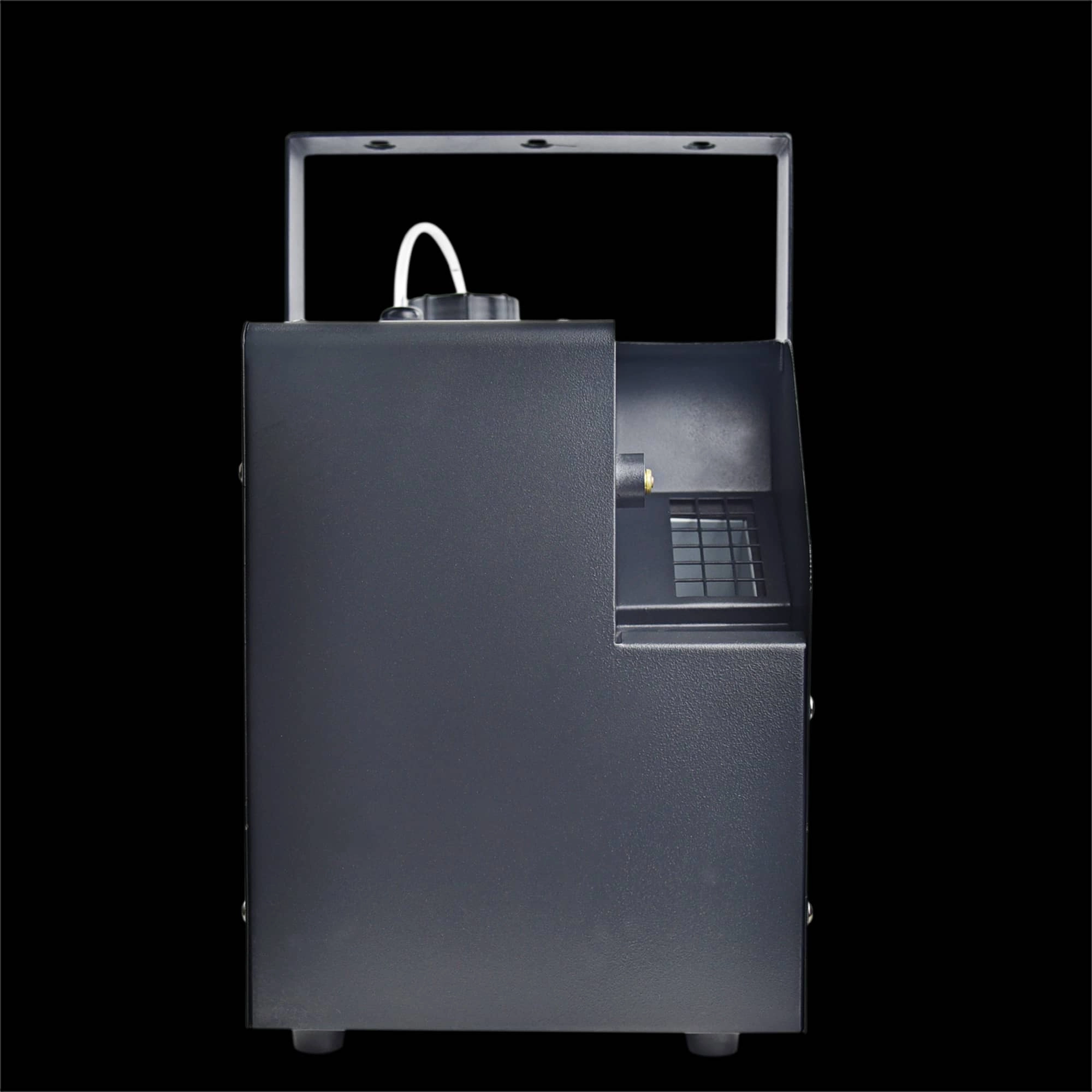
Troubleshooting DMX Issues on 1200W Haze Machines
Integrating smoke machines with stage lighting
About us
Does Siterui operate globally?
Yes! Our international team serves clients across regions with localized support.
1500W Haze Machine
What’s the warranty period?
1 year for parts and labor (excludes fluid-related issues).
Is this machine suitable for outdoor use?
Yes, but avoid direct rain or extreme temperatures.
Solutions
Are your products exportable? Is the shipping safe?
Yes, our products meet international shipping standards. All items are securely packed, and special effect liquids are export-compliant. We ship worldwide.
CO2 Mini Rainbow Confetti Machine
Can I test a sample before bulk order?
Yes! Sample cost includes product + shipping. Contact us for details.
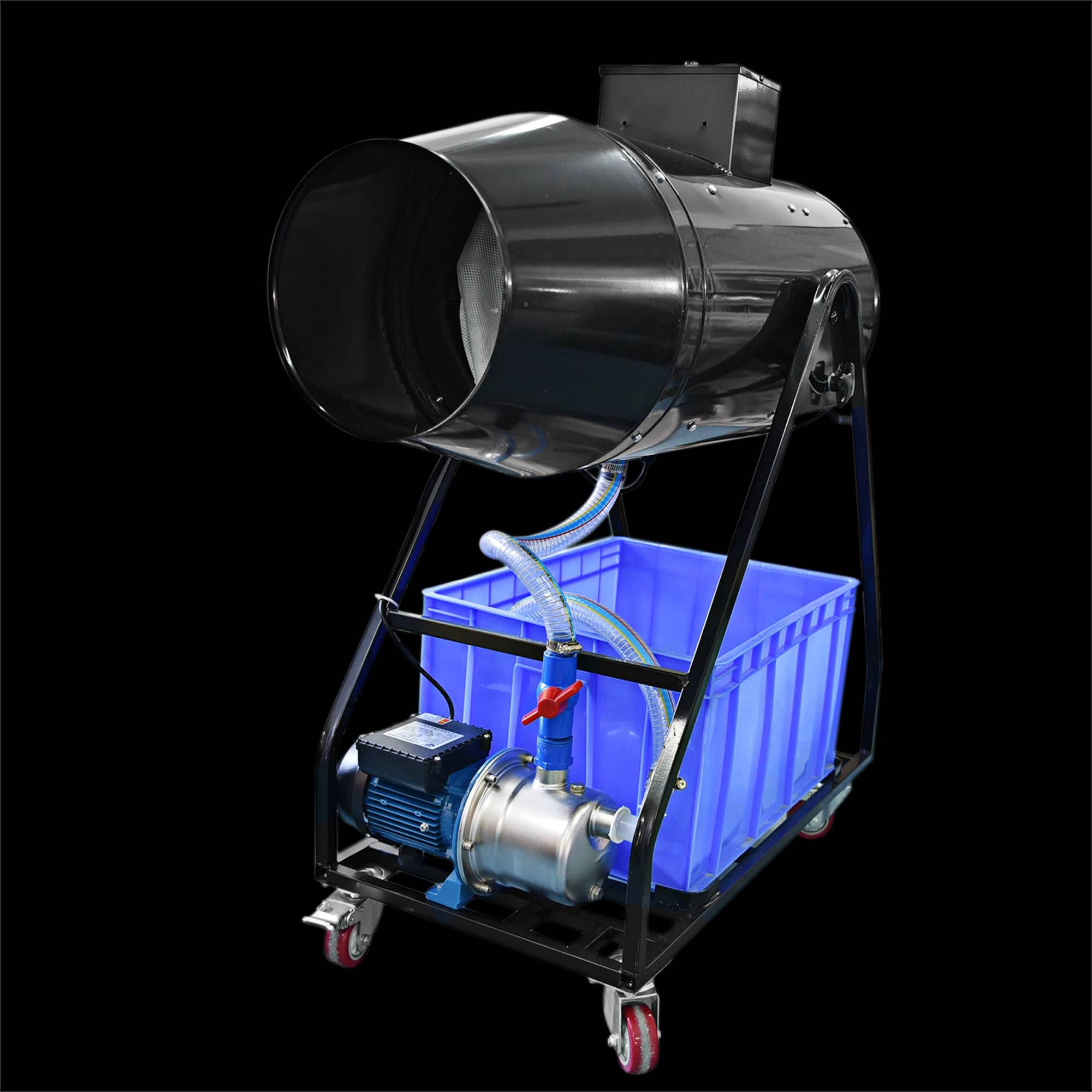
Siterui SFX 1800W Spraing foam machine High Power Professional Foam Party Maker
Elevate your event with the Siterui SFX 1800W Spraing Foam Machine. This high-power, professional foam party maker creates dense, vibrant bubbles—perfect for weddings and celebrations. Reliable and easy to use, it’s the foam and bubble machine for unforgettable moments.
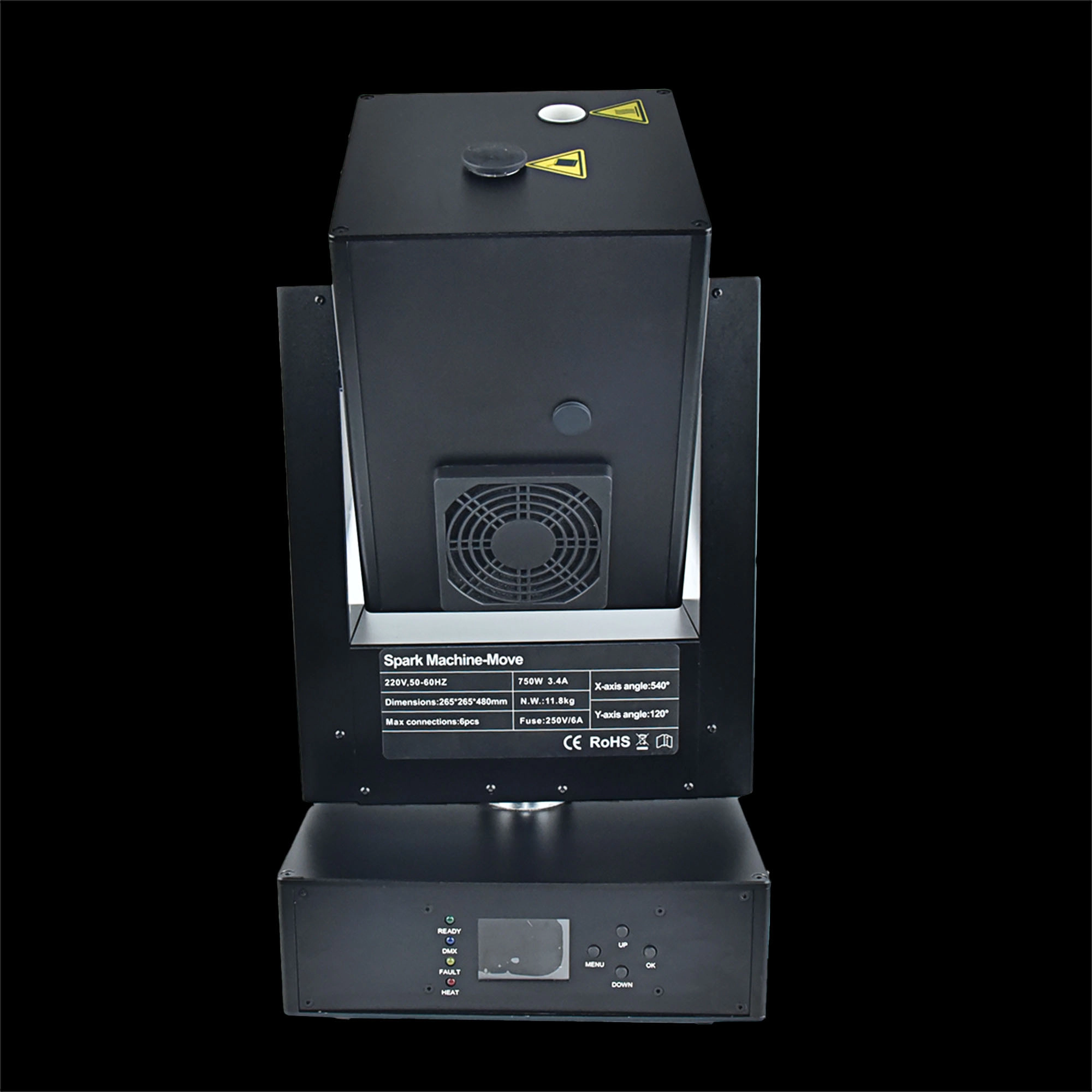
750w moving head spark machine
Siterui SFX 750w moving head spark machine delivers high-impact cold-spark effects with 360° moving head, DMX control, adjustable output and safe, long-lasting performance - perfect for concerts, weddings and stage shows.
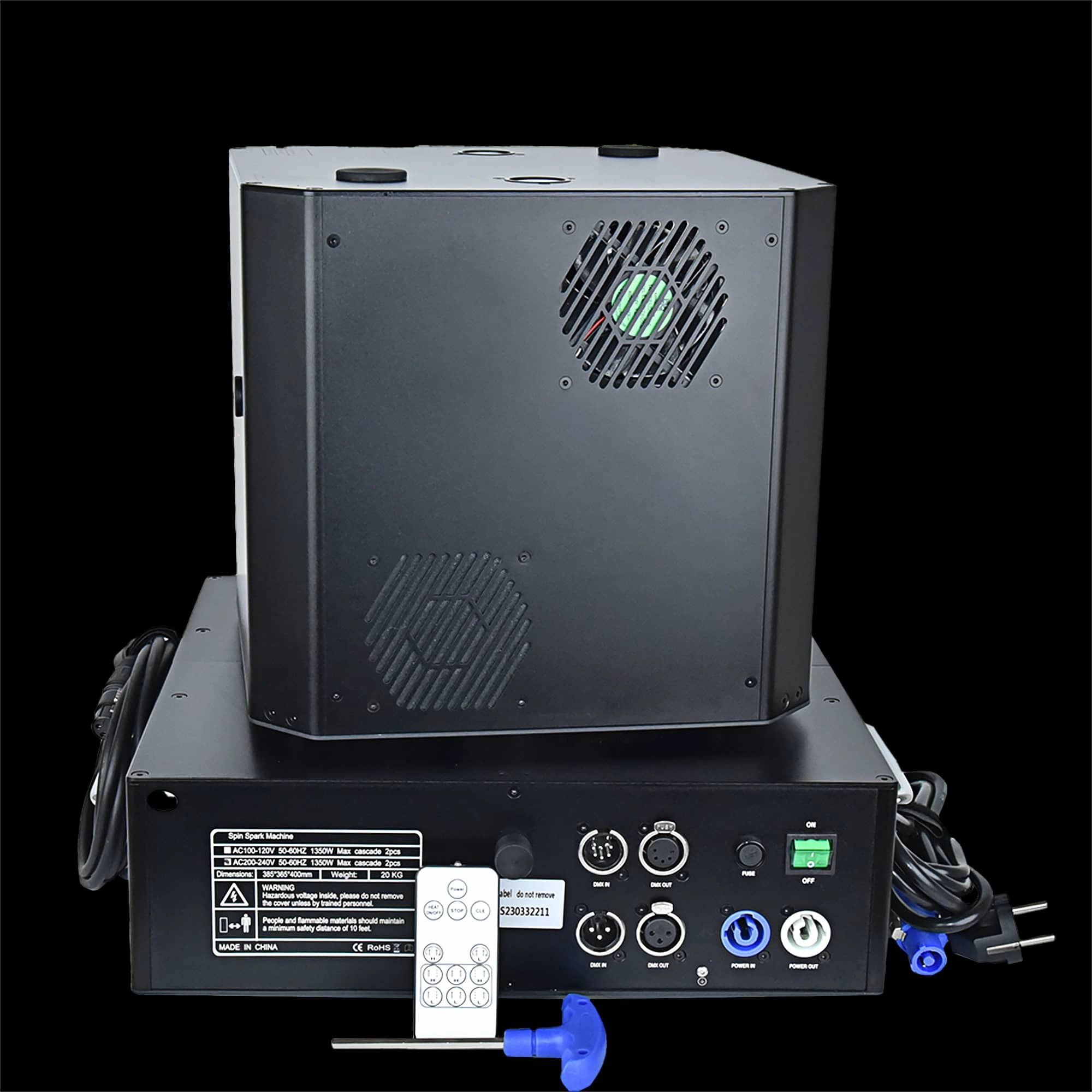
Double head 1300W Spin Spark machine DMX+Remote control
Double head 1300W Spin Spark machine -powerful dual-head 1300W spin spark effect with DMX + remote control for precise timing. Durable, professional-grade pyrotechnic effect ideal for concerts, clubs and events.
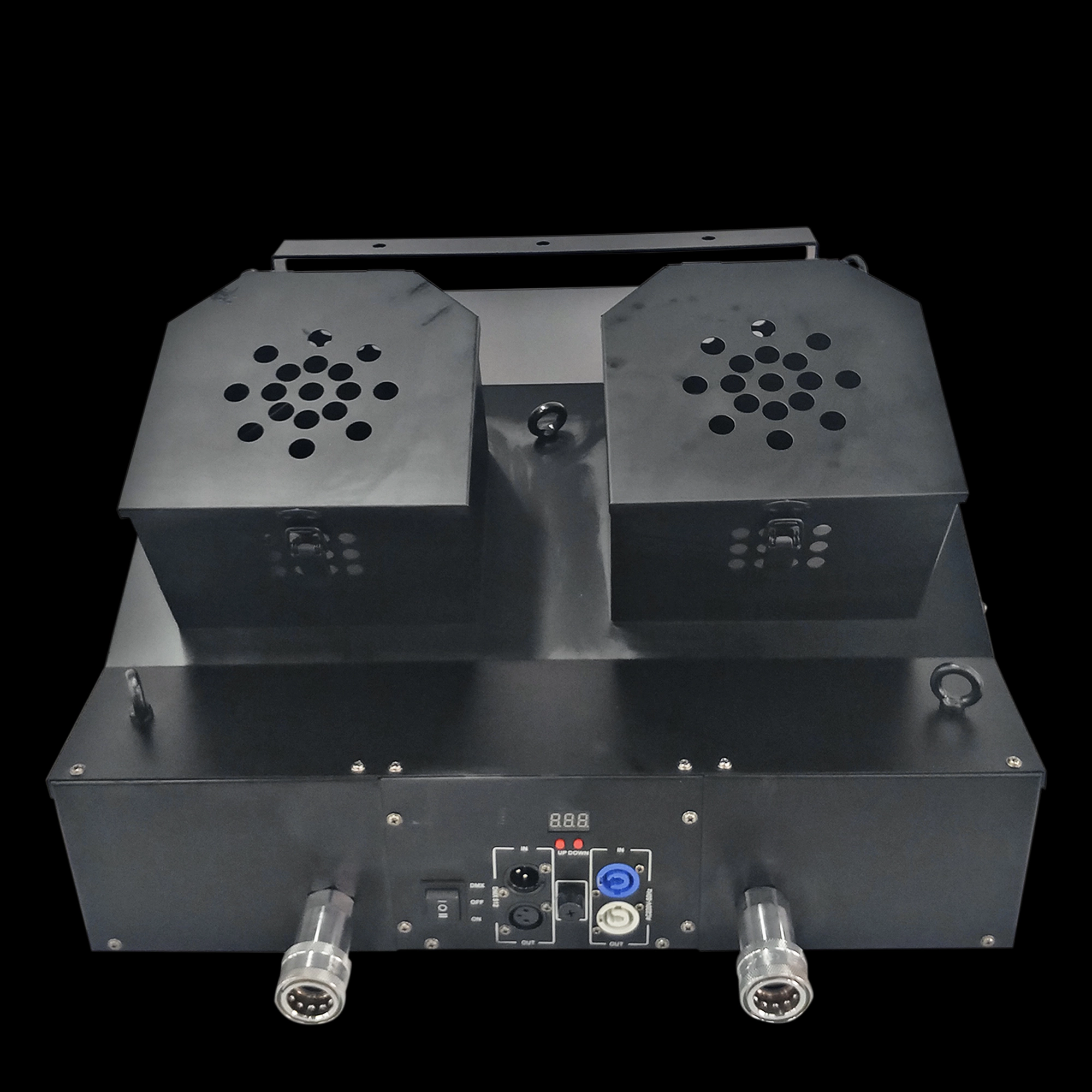
Snowstorm Paper Machine Double outlet sprayer snowstorm paper machine dual nozzle sprayer
Email: sales01@strlighting.com
WhatsApp: +86 189 2232 4800
© 2025 Siterui SFX All Rights Reserved.
 Scan QR Code
Whatsapp: +8618922324800
siteruisfx_stage_equipment
Siterui
SITERUI-SFX
STRlighting
@siterui.sfx