
Haze Machine Maintenance Checklist for Rental Companies
- Essential Haze Machine Care for Rental Fleets
- Why maintenance matters for rental companies
- Common failure modes and their rental impact
- Daily and Between-Show Checklist
- Before each hire or show — quick pre-flight
- Between shows — quick servicing for multi-show events
- Scheduled Preventive Maintenance (Weekly / Monthly / Annual)
- Weekly and monthly tasks
- Annual deep service & parts replacement
- Troubleshooting, Safety, and Best Practices
- Common issues, diagnostics and fixes
- Safety, storage and transport
- Choosing Fluids, Parts, and Service Partners
- Fluid selection & compatibility
- When to repair vs replace — outsourcing maintenance
- Siterui SFX — Partner-Grade Equipment and Support for Rental Fleets
- About Siterui SFX and why rental companies choose us
- Products and competitive advantages
- Maintenance Tools, Records, and Inventory Best Practices
- Recommended tools and spare parts kit for rental techs
- Recordkeeping and asset management
- FAQ — Frequently Asked Questions
- Contact & Product Inquiry
- References
Essential Haze Machine Care for Rental Fleets
Why maintenance matters for rental companies
For rental companies, haze machines are a high-use, high-expectation piece of equipment. Proper maintenance reduces mid-rental failures, limits costly emergency repairs, preserves resale value, protects warranty eligibility, and improves client satisfaction. Haze machines produce low-density atmospheric effect using a fluid heated or aerosolized through pump/nozzle systems; these subsystems are sensitive to contamination, mineral buildup, and mechanical wear—common causes of downtime for hired equipment.
Common failure modes and their rental impact
Frequent failure causes in rental environments include clogged nozzles and filters (from poor fluid quality or debris), worn pumps, thermal fuse/trip issues from overheating, electronic control faults through mishandling, and corrosion from improper storage. Any of these can result in show-stopping failures during a hire, reputational damage, and costly last-minute replacements.
Daily and Between-Show Checklist
Before each hire or show — quick pre-flight
Performing a short checklist before every hire and before load-in can catch obvious problems early. Recommended steps (2–5 minutes per unit):
- Visual inspection: casing, power cable, connectors, and controller for damage.
- Fluid level check: ensure correct haze fluid type and fill level; top up if needed.
- Power and control test: power on, verify DMX/wireless/control interface responds, and run a brief output test at low setting to verify nozzle/pump function.
- Leak and odor check: inspect for fluid leaks and unusual smells indicating overheating or burnt components.
- Log entry: record machine hours, last service date, and any anomalies in rental asset management system.
Between shows — quick servicing for multi-show events
When a machine stays on-site for several shows or successive hires, perform these between-show checks:
- Wipe down the unit and clean air intake louvers; remove dust and debris that can obstruct cooling.
- Run a short purge/flush cycle if recommended by manufacturer, particularly if using high-viscosity or oil-based fluids.
- Verify hose/cable routing and mechanical mounts are secure; re-torque clamps or brackets if needed.
- Confirm safety interlocks and fuses are intact; replace any single-use thermal devices per manufacturer's guidance.
Scheduled Preventive Maintenance (Weekly / Monthly / Annual)
Weekly and monthly tasks
Scheduled preventive maintenance reduces cumulative wear and prevents deposits that cause clogs. Use the following schedule as a baseline, and adapt based on hours of use and conditions (smoky/dirty venues accelerate wear).
| Task | Frequency | Purpose |
|---|---|---|
| Inspect/clean intake filters and fans | Weekly (or after dusty events) | Maintain cooling, prevent overheating and dust ingress |
| Check fluid lines, fittings, and reservoir for contamination | Weekly | Prevent nozzle clogs and pump cavitation |
| Run manufacturer’s purge/flush routine | Monthly (or per 50–100 operating hours) | Remove residue, prevent buildup in nozzle and heat exchangers |
| Inspect pumping system, seals, and valves | Monthly | Detect leaks, worn seals, and reduced pump efficiency |
| Firmware/software check and backup | Monthly/quarterly | Ensure reliable control, apply bug fixes and patches |
| Full functional test with multiple output settings | Monthly | Verify consistent output and identify intermittent issues |
Annual deep service & parts replacement
Once per year (or every 500–1,000 operating hours, depending on use intensity) perform a full teardown and inspection. Recommended annual items:
- Replace wear components: seals, pumps, thermal fuses/thermostats, and nozzle tips per manufacturer schedule.
- Descale heating elements and heat exchangers if using fluid types that leave deposits.
- Check and calibrate any sensors (temperature, fluid level) and run a full burn-in test.
- Verify electrical integrity: insulation resistance tests on wiring harnesses and connectors.
- Update maintenance records with serials, parts replaced, and date; reset service reminders.
Troubleshooting, Safety, and Best Practices
Common issues, diagnostics and fixes
Below are typical problems rental techs encounter and quick diagnostic steps:
- No output or intermittent output: check fluid level, clogged nozzle/filter, faulty pump, or control signal. Use low-viscosity manufacturer-recommended fluid for test runs.
- Weak haze density: confirm pump pressure, clean/replace nozzle tip, check for air ingress in fluid line.
- Unit overheats or trips: verify fan operation, clean vents, inspect thermostat/thermal fuse, confirm ambient temperature limits.
- Burning smell or smoke: power off immediately, inspect heating element and PCB for damage; do not operate until cleared.
Safety, storage and transport
Rental environments demand robust safety protocols:
- Transport: use padded, lockable flight cases to prevent physical shock to nozzles, pumps, and control boards.
- Storage: store upright, in a dry environment between 10–25°C (manufacturer-dependent). Avoid freezing temperatures for water-based fluids.
- Ventilation: advise clients about venue ventilation; haze is designed to be low-density but accumulations in small venues can trigger alarms or trigger occupant complaints—provide guidance and measurement data where possible.
- HSE: maintain SDS for all fluids, ensure staff know spill and inhalation procedures, and train rental technicians on safe handling and emergency shutdown.
Choosing Fluids, Parts, and Service Partners
Fluid selection & compatibility
Choice of haze fluid affects maintenance frequency and machine life. The two primary categories are water-based and oil-based/synthetic fluids.
| Fluid Type | Pros | Cons | Maintenance Implications |
|---|---|---|---|
| Water-based (glycol/water blends) | Lower residue, easier cleanup, often compatible with more machines | Can support biological growth if stored improperly; may require antifreeze in cold climates | Lower descaling frequency; keep reservoir sealed and use fresh stock |
| Oil-based / Synthetic | Longer hang time and sometimes denser optical effect | Higher residue, more buildup on optics and nozzles; can leave a greasy film | Requires more frequent purge/flush and nozzle cleaning; possible more frequent pump replacement |
Always follow manufacturer fluid compatibility lists. Mixing incompatible fluids (e.g., silicone-based with glycol-based) can cause precipitates and irreversible clogs.
When to repair vs replace — outsourcing maintenance
Decision factors for rental companies include machine age, cumulative hours, parts availability, and downtime cost. Use this guideline:
- Repair: machines under 3–5 years with available parts and when repair cost < 40% of replacement price.
- Replace: frequent electronic failures, repeated heater/pump replacements, or when repair cost > 50% of replacement price.
Outsourcing heavy maintenance to certified service centers reduces risk. Maintain an authorized-service partner list and pre-negotiated SLAs for turn-around times, spare parts, and loaner units during long repairs.
Siterui SFX — Partner-Grade Equipment and Support for Rental Fleets
About Siterui SFX and why rental companies choose us
Siterui SFX is a professional manufacturer engaged in the research and development, production, sales, and service of professional stage special effects (SFX) equipment. With a highly skilled team and cutting-edge technology, we are committed to providing innovative, reliable, and high-performance SFX solutions for live events, theaters, concerts, film production, and entertainment venues worldwide.
At Siterui SFX, we understand that every stage, event, and creative concept is unique. That’s why we offer flexible customization services to meet your specific needs—whether it's branding, special functions, size adjustments, or complete system integration. From custom casing and logo printing to wireless control systems and synced multi-device setups, our expert team works closely with you to design SFX solutions that align perfectly with your needs.
Our commitment to quality and innovation ensures that our clients receive cutting-edge effects that enhance the visual and sensory experience of every performance. We pride ourselves on exceptional customer service and continuous advancement, positioning Siterui as a trusted partner in the professional special effects industry.
Products and competitive advantages
Siterui SFX core product lineup for rental companies includes: spark machine, Haze Machine, CO₂ Jet Machine, Bubble Machine, Snow Machine, Foam Machine, Confetti Machine, fog machine, fire machine, and dry ice machine. Key advantages:
- Reliability-focused engineering: components selected for high duty cycles and simplified field serviceability.
- Customization: tailored control interfaces, wireless sync, and branded casings for client visibility.
- After-sales service: spare parts supply, technician training, and service contracts designed for rental fleets.
- Global support network and tested quality control to ensure consistency across fleets.
For rental companies, Siterui’s emphasis on maintainability, available spare kits, and responsive service reduces downtime and total cost of ownership—critical metrics for hire businesses.
Maintenance Tools, Records, and Inventory Best Practices
Recommended tools and spare parts kit for rental techs
Stock a standardized maintenance kit per unit or per case that includes: nozzle tip replacements, spare pump seals, O-rings, thermal fuses, small torque driver set, inline fluid filters, cleaning syringes, manufacturer-approved fluid, SDS sheets, and firmware updater tools. Keep a set of flight-case specific spare parts for rapid swap outs in the field.
Recordkeeping and asset management
Maintain digital logs for each machine: hours run, fluid types used, maintenance performed, parts changed, and any incidents. Use QR tags or RFID on cases to streamline check-in/check-out and to automate maintenance reminders. Detailed records improve warranty claims, resale valuation, and service predictability.
FAQ — Frequently Asked Questions
- How often should I change haze fluid in a rental machine?
Top up before each hire. Replace fluid in the reservoir monthly for frequent use or every 50–100 hours; dispose of open fluid per SDS and manufacturer guidance to avoid contamination or biological growth.
- Can I mix haze fluid brands?
No. Avoid mixing brands unless manufacturers explicitly confirm compatibility. Mixing chemistries can precipitate solids that clog pumps and nozzles.
- What’s the best way to clean a clogged nozzle?
Follow the manufacturer’s procedure: usually a gentle flush with warm distilled water (for water-based fluids) or specified solvent, combined with a short purge cycle. Never use aggressive tools that deform nozzle geometry.
- How do I prevent haze machines from tripping smoke alarms at client venues?
Use low-output settings, advise adequate ventilation, position machines to promote dispersion, and provide client-facing guidance on delays between effect bursts. Offer pre-event tests to adjust settings before public occupancy.
- What spare parts should I always keep in stock for a rental fleet?
Nozzle tips, pump seals, inline filters, thermal fuses, common connectors, and a spare control board (if cost-effective) are recommended. Match inventory levels to fleet size and average repair lead time.
- Is it better to repair or replace an old haze machine?
Benchmark repair cost vs replacement. If repair exceeds ~40–50% of replacement or if reliability is poor, replacement is often the better business decision to protect rental reputation.
Contact & Product Inquiry
For tailored maintenance plans, spare-parts kits, or to discuss customization for your rental fleet, contact Siterui SFX sales and service teams. Request product specifications, maintenance training for your technicians, or site-specific consultancy to optimize uptime and effect quality. Visit our product pages or contact our sales department to get a quote and set up a fleet assessment.
References
- Wikipedia — Fog machine. https://en.wikipedia.org/wiki/Fog_machine (retrieved 2026-01-09)
- Antari Support — Manuals & Maintenance. https://www.antari.com/en/support/manuals.php (retrieved 2026-01-09)
- Chauvet DJ — Support & Product Guides. https://www.chauvetdj.com/support/ (retrieved 2026-01-09)
- CDC/NIOSH — Indoor environmental quality and ventilation guidance. https://www.cdc.gov/niosh/topics/indoorenv/ (retrieved 2026-01-09)
- OSHA — Hazard communication and chemical safety (SDS guidance). https://www.osha.gov/hazcom (retrieved 2026-01-09)
How to Use Fog Machines Safely on Stage
Retrofit and Upgrade Options for Fog Systems
Hazer fluid types: compatibility and safety
Hazer maintenance and cleaning checklist
About us
What are the team members’ backgrounds?
Engineers (15+ years), production staff (4–12 years), designers (10+ years), IT specialists (CAD/PS), and sales professionals (8+ years).
What after-sales support does Siterui provide?
Rapid response and resolution for installation, training, and maintenance issues.
3000W fog machine
How could l get a sample?
If you can not buy our product in your local area, we will ship a sample to you. You will be charged a sample price plus all related shipping costs. Express delivery charge depends on the quantity of the samples.
Solutions
What’s the minimum order quantity (MOQ)? Do you offer samples?
Most products can be ordered from one unit. Sample testing is welcomed. We also support flexible small-batch purchasing.
750W Move Head Cold Electronic Spark Machine
Can I request a sample?
Yes. Samples are available at a discounted price + shipping cost.
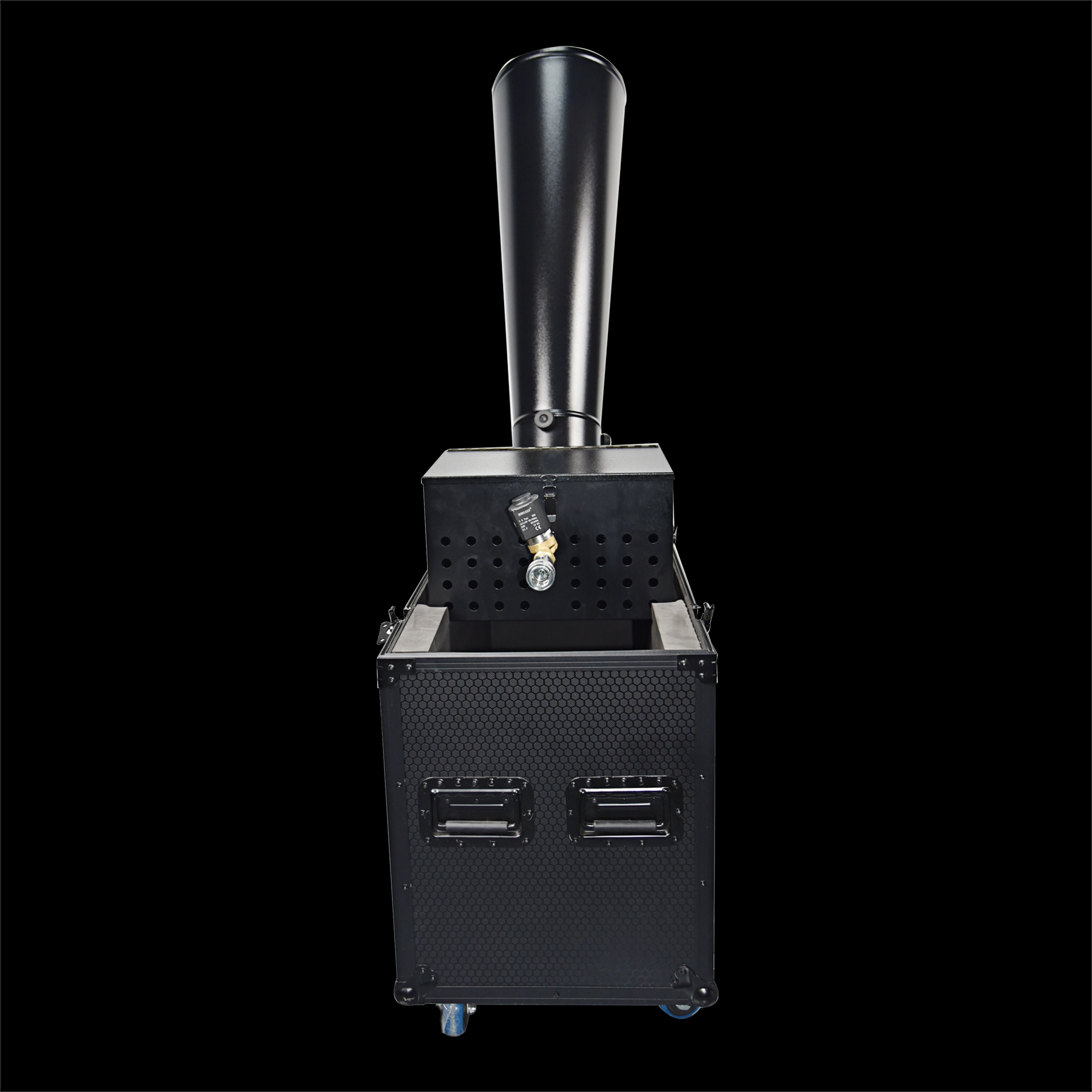
CO₂ Mini Rainbow Confetti Machine Manual Control with Durable Black Wheeled Flight Case
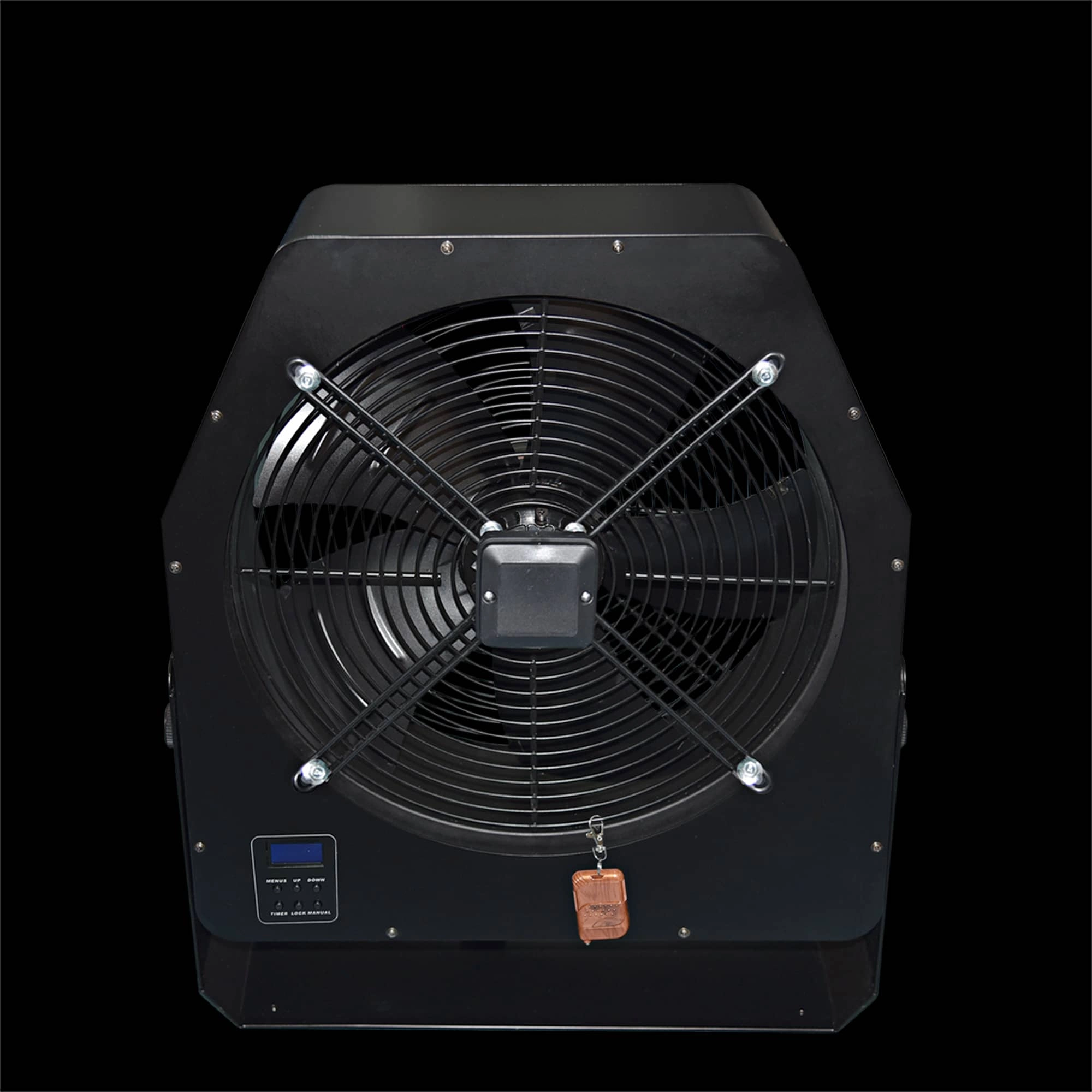
Professional Stage Big DMX Fan | High-Power Event Fan for Stage Shows & Celebrations
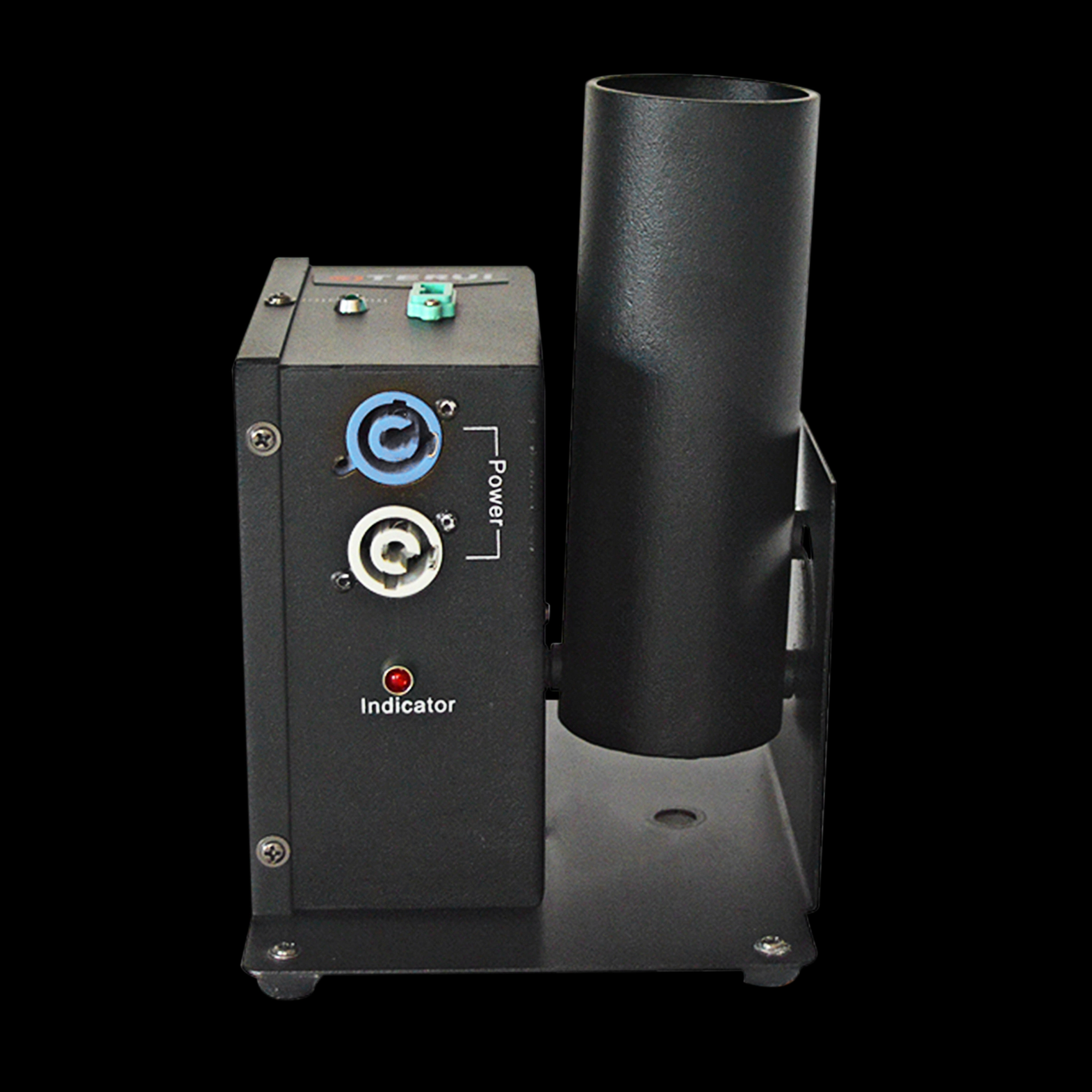
Single Shot Confetti Machine - Premium Confetti Launcher for Weddings & Stage Celebrations
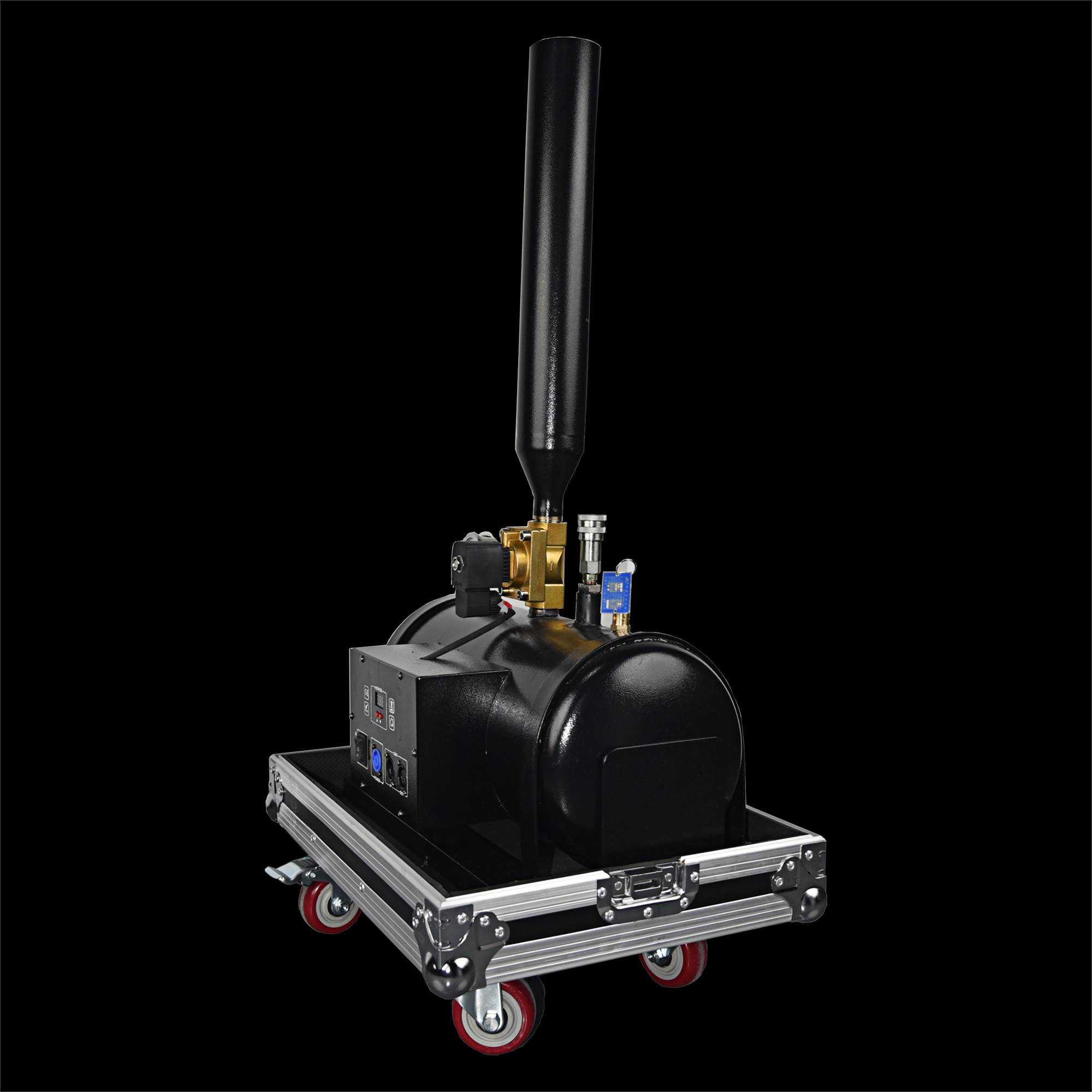
High-Altitude Confetti Cannon - Professional Confetti Blaster for Stage, Party & Celebration Events
Email: sales01@strlighting.com
WhatsApp: +86 189 2232 4800
© 2025 Siterui SFX All Rights Reserved.
 Scan QR Code
Whatsapp: +8618922324800
siteruisfx_stage_equipment
Siterui
SITERUI-SFX
STRlighting
@siterui.sfx