
Concerts and festivals: haze machine placement and workflow
- Planning stage atmospheric effects: goals and constraints
- Define creative intent, sightlines, and photometrics
- Venue, audience and regulatory constraints
- Haze machine types, placement strategies and technical workflow
- Choosing the right haze machine and fluid
- Placement strategies: indoor concerts
- Placement strategies: outdoor festivals
- Integration with ventilation and HVAC
- Control, timing, and safety protocols
- DMX, wireless control and pre-programming
- Safety, air quality and regulatory compliance
- Emergency procedures and smoke detector management
- Installation checklist, maintenance and troubleshooting
- Pre-show run and tuning
- Common issues and fixes
- Post-show procedures and storage
- Haze machine comparison and selection (quick reference)
- Siterui SFX: technology, customization and product support
- FAQ — Concerts and festivals: haze machine placement and workflow
- 1. How far should haze machines be from performers and the audience?
- 2. Will haze trigger fire alarms?
- 3. Which haze fluid is safest for long-term exposure to crew and performers?
- 4. How do I ensure consistent haze for cameras and broadcast?
- 5. Outdoor festival — how many haze machines do I need?
- 6. What are common maintenance items I should track?
- Contact and next steps
I work regularly on large-scale concerts and multi-stage festivals where haze machines are a core part of the visual design. Proper haze placement and workflow are not just aesthetic choices — they determine sightlines, light-beam definition, air quality, and safety compliance. In this article I provide detailed, field-tested guidance for selecting haze fluids and machines, positioning units for maximum effect and minimum disruption, integrating with ventilation and DMX control, and documenting safety and maintenance procedures for venue operators and production teams. References to standards and authoritative sources are included to support key points.
Planning stage atmospheric effects: goals and constraints
Define creative intent, sightlines, and photometrics
Before choosing any haze machine, I always start with the creative brief: do you need a soft, ambient haze to accent light beams across a wide audience area, or dense theatrical fog for quick moments on stage? Haze machines produce a fine particle distribution that makes volumetric lighting and laser beams visible without obscuring performers. Decide early on desired beam intensity, camera needs (for live streaming and broadcast), and where audience sightlines must remain unobstructed.
Venue, audience and regulatory constraints
Venue type (indoor arena vs open-air festival) heavily influences placement. Indoor venues often trap haze, requiring lower output and strategic placement near light sources; outdoor festivals need higher output and multiple dispersed units due to wind and open airflow. Always check venue policies, local fire codes, and event insurance requirements. Flame and pyrotechnic effects have different rules — NFPA 160 covers safe use of flame effects and is a useful reference when combining atmospheric effects with fire-based SFX (NFPA 160).
Haze machine types, placement strategies and technical workflow
Choosing the right haze machine and fluid
There are three mainstream haze-fluid systems used in live events: water-based glycol/propylene-glycol mixtures, mineral-oil based fluids, and compressed-fluid aerosol systems. Water/glycol blends are most common for concerts because they produce consistent, long-lasting haze with controllable particle size. Oil-based hazes can hang longer in still air but have different cleanup requirements. For fluid composition and machine basics see the fog/fog machine overview on Wikipedia (Fog machine — Wikipedia).
Placement strategies: indoor concerts
Indoors I typically use several low-output hazers distributed across the stage wings and FOH truss rather than one central high-output unit. The goals are even distribution, reduced visible plumes near performers, and quick decay when ventilation pumps. Typical placements I use:
- Front-of-house (FOH) truss: one or two low-output hazers to create even ambient haze that enhances beam definition for lighting designers and cameras.
- Stage wings (left/right): timed bursts for accent effects and to lift haze into the stage volume without blasting performers.
- Downstage and upstage floor pockets: concealed units for near-stage elevation control and localized effects.
Placement distances depend on airflow and nozzle characteristics; as a rule of thumb, keep machines min 1.5–2 m from performers and rigging, and avoid pointing directly at audience clusters or smoke detectors.
Placement strategies: outdoor festivals
Outdoors presents wind and thermal stratification; haze disperses rapidly, so the workflow shifts toward multi-point arrays and higher output. I specify:
- Distributed units across the stage truss and front truss to create a visible beam plane.
- Synchronized bursts with lighting cues to maximize visibility when conditions are favorable (e.g., evening, low wind).
- Redundancy: at least 20–30% more units than the minimum to compensate for wind-driven loss.
Integration with ventilation and HVAC
Haze interacts with HVAC systems. In enclosed venues, liaise with venue engineers to map supply and return registers and understand air change rates. ASHRAE guidance on ventilation is useful when coordinating with venue HVAC to ensure ephemeral effects don't create uncomfortable or unsafe conditions (ASHRAE). To control haze persistence I collaborate with the venue to time haze bursts during lighting moments while increasing local exhaust or recirculation between cues if necessary.
Control, timing, and safety protocols
DMX, wireless control and pre-programming
I favor DMX-controlled haze machines with proportional output (0–100%) and multiple control channels so timing and ramp rates can be pre-programmed into lighting cues. Wireless solutions (e.g., Art-Net/Wi-Fi or dedicated RF control) are helpful for festival stages where cable runs are impractical, but they must be tested for interference. Set up a redundant local manual control (kill-switch) for safety.
Safety, air quality and regulatory compliance
Haze fluids approved for theatrical use are formulated for low toxicity, but I always coordinate with medical staff and provide material safety data sheets (MSDS) for all fluids. For occupational exposure information and general workplace safety, refer to the U.S. Occupational Safety and Health Administration (OSHA) and National Institute for Occupational Safety and Health (NIOSH/CDC). When combining haze with pyrotechnics, follow NFPA guidelines and consult local fire marshals. For camera operators and photographers, reduce continuous high-density haze during prolonged close-up shoots to avoid optical scattering and lens contamination.
Emergency procedures and smoke detector management
I develop a formal detector-bypass plan with venue staff when necessary: temporary detector shielding or strategic nozzle placement can prevent false alarms, but bypasses must be approved and supervised by venue safety officers. Keep a documented timeline of when bypass is active and ensure fire detection is fully reinstated immediately after.
Installation checklist, maintenance and troubleshooting
Pre-show run and tuning
My pre-show checklist typically includes:
- Fluid type and level check, plus back-up fluid onboard.
- DMX addressing and control test, including manual override.
- Dry runs at desired output levels, with lighting cues, to confirm beam visibility and decay times.
- Documentation filed with stage manager indicating placement, expected cues, and safety considerations.
Common issues and fixes
Typical problems include nozzle clogs, pump cavitation, uneven output across banked machines, and fluid foaming. My field solutions:
- Nozzle clog: switch to spare nozzle or flush with manufacturer-recommended cleaner during off-peak periods.
- Uneven output: calibrate DMX curve and test each unit at set points (25/50/75/100%).
- Pump noise or cavitation: lower output, prime the unit, and check fluid level and viscosity (ambient temperature affects glycol viscosity).
Post-show procedures and storage
After the show I recommend: run the unit to clear lines, drain fluids if machines will be stored long-term, label and seal bottles, and store equipment in a climate-controlled case. Documenting run-hours and any anomalies helps with warranty claims and maintenance scheduling.
Haze machine comparison and selection (quick reference)
| Type | Typical Fluids | Hang Time | Best Use | Notes |
|---|---|---|---|---|
| Water-Glycol (haze) | Propylene Glycol/Water | Minutes to tens of minutes (indoor) | Concerts, broadcast, long-beam definition | Low residue when used properly; widely used in pro shows. See Wikipedia. |
| Mineral-Oil (haze) | Paraffinic/mineral oils | Longer hang time in still air | Theatrical moments requiring sustained haze | Requires different cleanup; not always venue-preferred. |
| High-output fog | Glycols or glyceryl fluids | Short, dense plumes | Special effects, quick theatrical punches | Can trigger detectors; coordinate with safety teams. |
Notes on data: fluid composition and machine class descriptions are summarized from technical overviews and product literature — see general machine descriptions at Fog machine — Wikipedia and manufacturer technical datasheets.
Siterui SFX: technology, customization and product support
At the production level, partnering with the right manufacturer matters. Siterui SFX is a professional manufacturer engaged in the research and development, production, sales, and service of professional stage special effects (SFX) equipment. With a highly skilled team and cutting-edge technology, Siterui SFX provides innovative, reliable, and high-performance SFX solutions for live events, theaters, concerts, film production, and entertainment venues worldwide (https://www.siteruisfx.com/).
Why I work with or recommend manufacturers like Siterui:
- Customization: casing, logo printing, wireless control integration, and synced multi-device setups to match your production branding and technical needs.
- Technical support: engineering-led R&D means robust builds and proactive troubleshooting for touring schedules.
- Product range: Siterui’s lineup includes Spark Machine, Haze Machine, CO₂ Jet Machine, Bubble Machine, Snow Machine, Foam Machine, Confetti Machine, Fog Machine, Fire Machine, and Dry Ice Machine — covering the full spectrum of stage SFX.
Contact Siterui SFX for customized system quotes and after-sales service via their website (siteruisfx.com) or email: sales01@strlighting.com. Their experience in producing pro SFX equipment makes them a reliable partner when you need integrated solutions or bespoke machine configurations for festival and concert tours.
FAQ — Concerts and festivals: haze machine placement and workflow
1. How far should haze machines be from performers and the audience?
I recommend a minimum of 1.5–2 meters from performers and rigging, and at least 3–5 meters from audience clusters when possible. Distances depend on nozzle pattern and venue airflow — run a dry test to verify.
2. Will haze trigger fire alarms?
Modern haze, when used correctly, can often avoid triggering detectors if positioned away from sensors and used at lower continuous outputs. However, you must coordinate with venue safety staff — temporary detector management must be approved and monitored. Never disable fire detection without the explicit venue and authority approval.
3. Which haze fluid is safest for long-term exposure to crew and performers?
Industry-standard water/glycol fluids are formulated for low toxicity and are commonly used. Provide MSDS to crew and medical staff. For occupational exposure guidance consult OSHA (OSHA) and NIOSH (NIOSH/CDC).
4. How do I ensure consistent haze for cameras and broadcast?
Use low-output distributed hazers and coordinate lighting cues with camera positions. Test at camera distances used for broadcast and adjust DMX curves to avoid over-illumination. Consider additional backlight to enhance volumetric visibility without raising overall haze density.
5. Outdoor festival — how many haze machines do I need?
There’s no one-size-fits-all answer. As a rule, use multiple units distributed across the stage truss and FOH, and include 20–30% redundancy for adverse wind conditions. Run pre-show tests at similar times to expected show time to estimate required output.
6. What are common maintenance items I should track?
Track run-hours, fluid consumption, nozzle condition, pump performance, DMX responsiveness, and any leaked or foamed fluids. Schedule manufacturer-recommended servicing and keep spare nozzles and tubing on hand.
Contact and next steps
If you’re planning a concert or festival and need a practical haze machine placement plan, equipment spec, or customized SFX solution, I can help with site surveys, cue design, or procurement. For equipment and custom Siterui SFX solutions visit https://www.siteruisfx.com/ or contact sales at sales01@strlighting.com. I provide on-site consultation and remote design packages tailored to venue size, creative intent, and safety requirements.
References and further reading: NFPA 160 (NFPA 160); Fog machine overview (Wikipedia); OSHA (OSHA); NIOSH (NIOSH/CDC); ASHRAE (ASHRAE).
Safety Guidelines for Installing Stage Lights
How long do smoke machines take to heat up?
How to Maintain and Service a Dry Ice Machine
DMX and Wireless Control for Fogging Machines: Setup Tips
Solutions
Can you customize the products based on our brand? Do you support OEM/ODM?
Absolutely. With our in-house design team, we provide full OEM/ODM customization from product appearance, color, function, logo branding, to packaging and complete equipment.
750W Move Head Cold Electronic Spark Machine
Are you a factory or trading company?
We are a factory with direct pricing, ensuring competitive rates.
1500W 24x3W LED fog machine
Are you a factory or trading company?
Yes,We are a factory & trading company, we can guarantee our price is first-hand, very cheap and competitive.
1200W Haze Machine
What’s the warranty period?
1 year for parts and labor (excluding fluid-related issues).
600W High-Quality Stainless Steel
How is quality ensured?
Each unit undergoes rigorous testing, including spark consistency and safety checks.
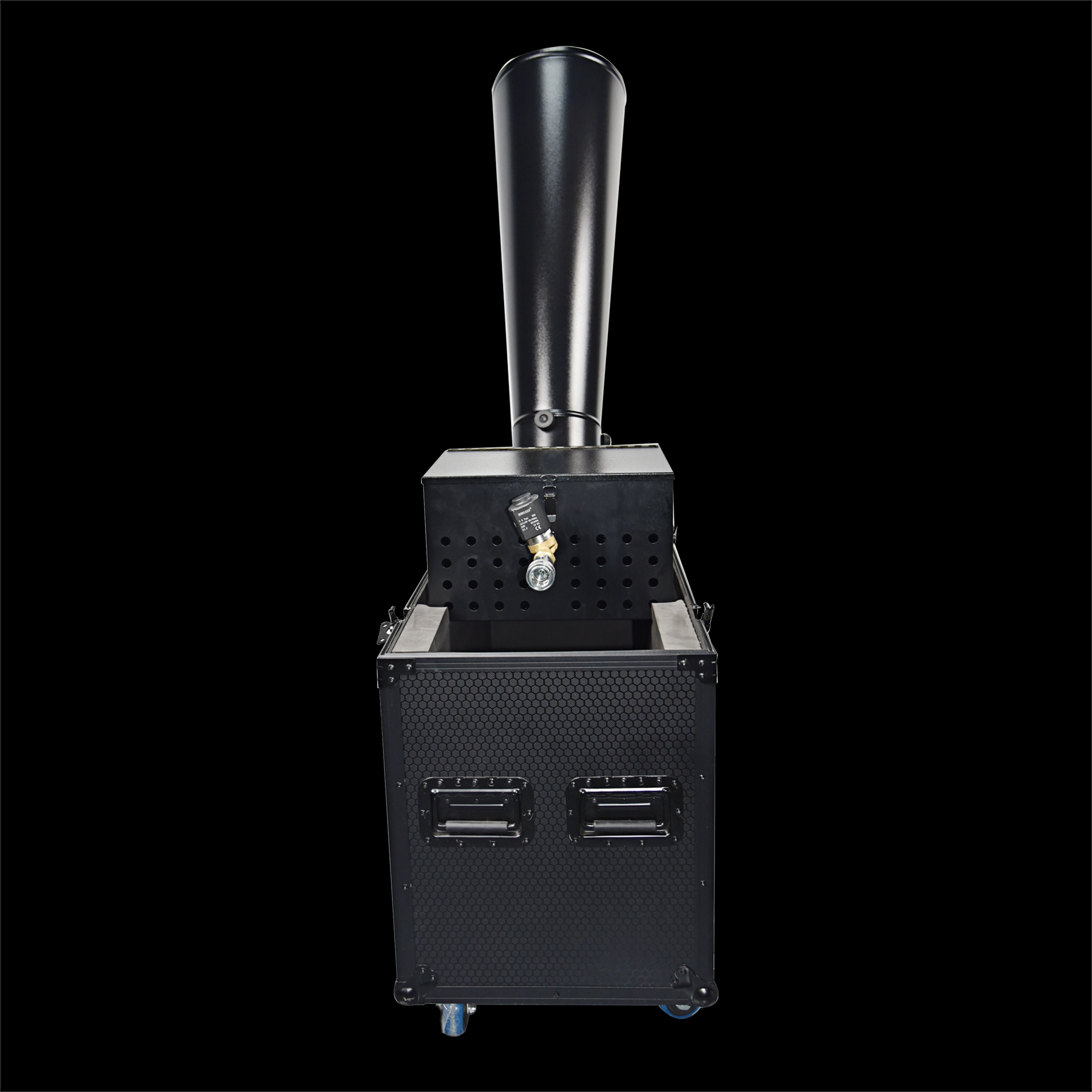
CO₂ Mini Rainbow Confetti Machine Manual Control with Durable Black Wheeled Flight Case
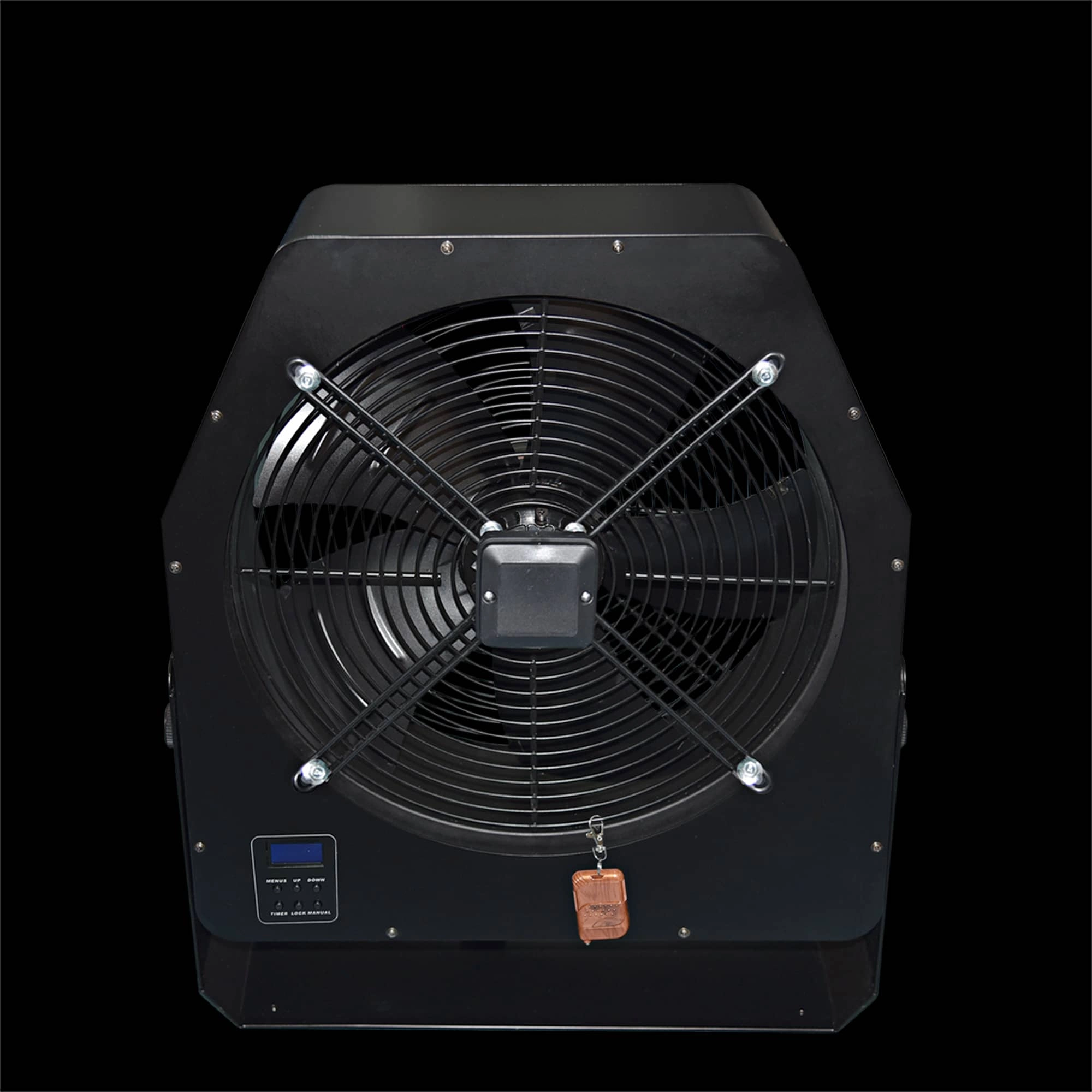
Professional Stage Big DMX Fan | High-Power Event Fan for Stage Shows & Celebrations
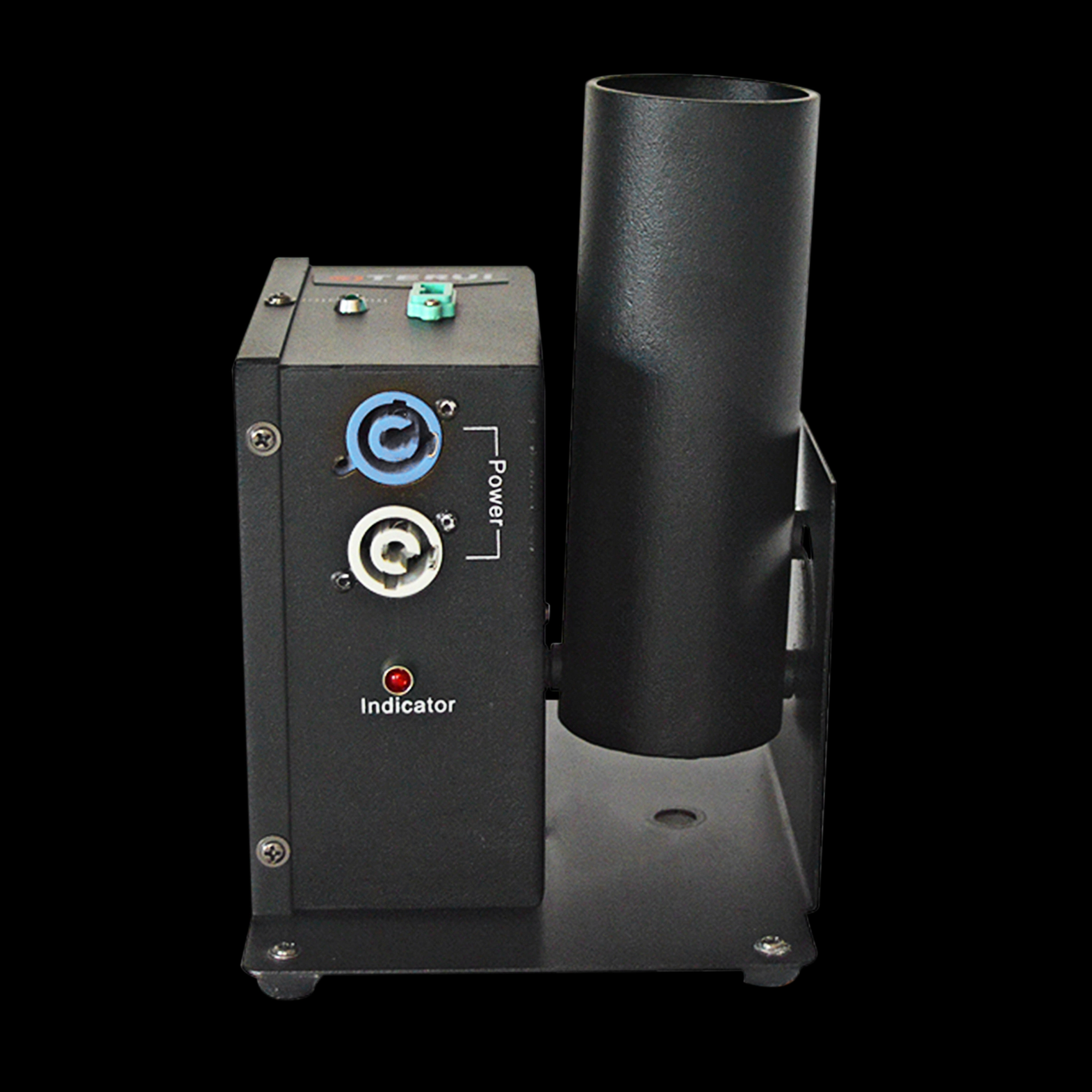
Single Shot Confetti Machine - Premium Confetti Launcher for Weddings & Stage Celebrations
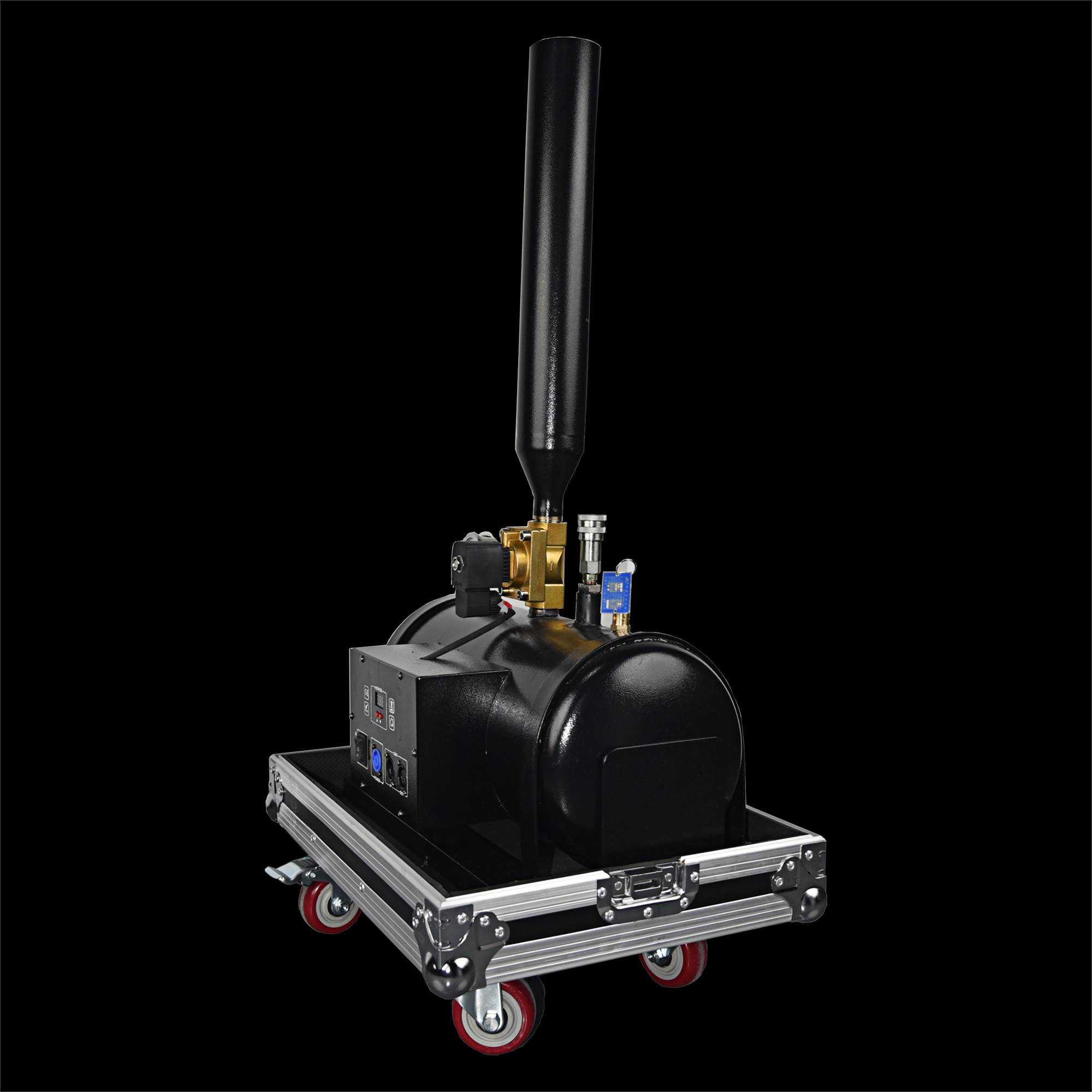
High-Altitude Confetti Cannon - Professional Confetti Blaster for Stage, Party & Celebration Events
Email: sales01@strlighting.com
WhatsApp: +86 189 2232 4800
© 2025 Siterui SFX All Rights Reserved.
 Scan QR Code
Whatsapp: +8618922324800
siteruisfx_stage_equipment
Siterui
SITERUI-SFX
STRlighting
@siterui.sfx