
DMX and Wireless Control for Fogging Machines: Setup Tips
- Why precise control of fogging matters for live events
- Creative and timing demands
- Safety, visibility and venue constraints
- Operational reliability
- DMX and Wireless Control for Fogging Machines: Setup Tips
- Understand DMX basics and RDM
- Wiring best practices for wired DMX
- Mapping DMX channels for fogging machines
- Wireless protocols, range, and interference
- Wireless DMX choices: CRMX vs W-DMX and when to use them
- Comparison: wired DMX vs common wireless options
- Practical tips for wireless deployment
- Interference mitigation
- Integration, addressing, and synchronization
- Addressing strategies and RDM use cases
- Syncing multiple fog machines
- Show control integration
- Maintenance, safety, and troubleshooting
- Fluid selection and pump/heater maintenance
- Health, ventilation and regulatory considerations
- Common problems and fixes
- Siterui SFX — professional partner for fogging machine systems
- Frequently Asked Questions (FAQ)
- 1. Can any fog machine be controlled by DMX?
- 2. Is wireless DMX reliable enough for critical cues?
- 3. What safety checks should I do before the show?
- 4. How do I prevent fog from triggering smoke detectors?
- 5. How often should I service my fogging machine?
- 6. What wireless antennas and placement work best for arena installs?
- Contact, consultation and product information
I write from years of hands-on experience designing and deploying stage effects systems for live events, theaters, and film productions. In this article I explain how to get reliable DMX and wireless control for fogging machines — from choosing the right protocol and wiring to antenna placement, addressing, safety and troubleshooting. I reference industry standards and vendor technologies so you can implement a dependable fog solution that integrates with your lighting and show control systems.
Why precise control of fogging matters for live events
Creative and timing demands
A fogging machine is rarely a static prop — it’s a theatrical tool used to shape sightlines, enhance lighting beams, or create atmosphere on cue. Precise control over start/stop, intensity and duration matters because fog cues must sync with lighting, pyro, video and musical beats. DMX and wireless control let you automate those cues with frame-accurate timing.
Safety, visibility and venue constraints
Overuse of fog can cause visibility, fire-alarm or ventilation issues. A deterministic control system helps you limit total output, lockouts and interlocks with HVAC or fire-suppression systems, and maintain consistent density throughout a run of shows.
Operational reliability
Because fogging machines include heaters, pumps and fluid delivery, approaches that combine DMX for deterministic control and wireless DMX for flexible placement reduce cable clutter and make the rig both safer and quicker to change between events.
DMX and Wireless Control for Fogging Machines: Setup Tips
Understand DMX basics and RDM
DMX512 remains the baseline wired protocol for controlling fog machines and other fixtures; see the technical overview on DMX512 (Wikipedia). In practical terms: treat your fog machine as a DMX fixture with one or more channels (e.g., trigger, duration, intensity). If the unit supports RDM (Remote Device Management), you can remotely discover, address and configure devices on the same DMX line — extremely useful in complex rigs where physical access is limited.
Wiring best practices for wired DMX
Use a proper DMX cable (not standard mic cable), maintain a daisy-chain topology, and terminate the last device with a 120-ohm terminator. Keep DMX runs away from high-current AC cabling and motors to reduce noise. If you exceed 300 meters or more than 32 devices per universe, deploy DMX repeaters or splitters per the DMX512 guidelines.
Mapping DMX channels for fogging machines
Plan your channel map before you arrive at the venue. Typical fog machines expose channels for: trigger (momentary on), continuous intensity (0–255), and sometimes heater or pump parameters. Document each device’s start address and keep a labelled diagram in your show file.
Wireless protocols, range, and interference
Wireless DMX choices: CRMX vs W-DMX and when to use them
Two commonly used wireless DMX implementations are LumenRadio’s CRMX (CRMX) and Wireless Solution’s W-DMX (W-DMX). Both aim to deliver low-latency, high-reliability DMX over RF, but their implementations and spectrum usage differ. I choose a system based on venue size, RF congestion, and compatibility with existing inventory.
Comparison: wired DMX vs common wireless options
| Characteristic | Wired DMX (DMX512) | LumenRadio CRMX | W-DMX |
|---|---|---|---|
| Typical latency | ~1–2 ms | <1 ms–a few ms | <1 ms–a few ms |
| Reliability in congested RF | High (immune to RF) | High (adaptive frequency hopping) | High (adaptive techniques) |
| Range (line of sight) | Up to 300 m without repeaters | Up to ~500 m (varies by hardware) | Up to ~500 m (varies by hardware) |
| Pros | Deterministic, low cost | Robust, low power, widely adopted | Proven, commercial deployments |
| Cons | Cable runs, physical limitations | Cost, hardware-specific | Cost, potential channel licensing |
Notes: Range and latency vary by hardware, antenna and environment. Vendor pages provide exact specs for their products.
Practical tips for wireless deployment
Place transmitters above the audience and avoid obstructed LOS where possible. Use diversity antennas and keep transmitters away from metal trussing or reflective surfaces that cause multipath. If you expect crowded RF (trade shows, arenas), plan frequency scans and reserve channels well ahead of the event.
Interference mitigation
Perform an RF survey with a spectrum analyzer or a handheld scanner prior to load-in. Where possible, use licensed bands or adaptive systems (CRMX, W-DMX) that avoid busy channels. For dense deployments, consider hybrid designs: wired backbone with wireless endpoints for remote fixtures.
Integration, addressing, and synchronization
Addressing strategies and RDM use cases
I standardize addressing in every project: assign a contiguous block of addresses per rig zone and document Start Address + Channel Function in the show file. When devices support RDM, use it during setup to discover addresses and monitor device health (e.g., temperature, lamp hours) remotely.
Syncing multiple fog machines
For synchronized fog bursts across multiple machines, send the same DMX command across a single universe or use a timecode/sync protocol if you need frame-accurate alignment across universes. If you run into timing jitter, distribute the DMX signal with a splitter to minimize delay differences.
Show control integration
Integrate fog cues into your cue list (e.g., in ETC Eos, MA Lighting grandMA, or QLab). Treat fog as an effect with guardrails: pre-cue warnings, max duration limits, and soft-stop conditions linked to HVAC or FOH input.
Maintenance, safety, and troubleshooting
Fluid selection and pump/heater maintenance
Use manufacturer-recommended fog fluid. Poor-quality fluid can gum pump components and shorten heater life. I schedule regular pump inspections, clean the fluid nozzles and replace fluid filters per the unit’s service manual. Keep detailed maintenance logs and spare parts kits (heating elements, pumps, tubing).
Health, ventilation and regulatory considerations
Fogging fluid and theatrical haze are generally engineered for safety when used as directed, but you must manage exposure and ventilation, especially for prolonged performances or in small venues. For guidance on respiratory protection and occupational exposure controls, refer to NIOSH resources on respirators and workplace safety: NIOSH Respirator Guidance. Always coordinate with venue management and local authorities on fire alarm interfacing and smoke detector bypass procedures when required and approved.
Common problems and fixes
Below are issues I often see and how I address them:
- No response to DMX: Verify cable type, termination, and start address. Use an RDM tool or a simple DMX tester to confirm signal presence.
- Intermittent wireless control: Change antenna orientation, move the transmitter, or switch to an alternate frequency. Check battery levels on wireless units.
- Poor fog density or sputtering: Clean or replace tubing, ensure correct fluid viscosity (especially in cold climates), and verify heater reaches operating temperature.
Siterui SFX — professional partner for fogging machine systems
Siterui SFX is a professional manufacturer engaged in the research and development, production, sales, and service of professional stage special effects (SFX) equipment. With a highly skilled team and cutting-edge technology, we are committed to providing innovative, reliable, and high-performance SFX solutions for live events, theaters, concerts, film production, and entertainment venues worldwide.
At Siterui SFX, we understand that every stage, event, and creative concept is unique. That’s why we offer flexible customization services to meet your specific needs—whether it's branding, special functions, size adjustments, or complete system integration.
From custom casing and logo printing to wireless control systems and synced multi-device setups, our expert team works closely with you to design SFX solutions that align perfectly with your needs. Our commitment to quality and innovation ensures that our clients receive cutting-edge effects that enhance the visual and sensory experience of every performance. We pride ourselves on exceptional customer service and continuous advancement, positioning Siterui as a trusted partner in the professional special effects industry.
Our core product lines include spark machines, haze machines, CO₂ jet machines, bubble machines, snow machines, foam machines, confetti machines, fog machines, fire machines and dry ice machines. Siterui excels in system integration: wired DMX architectures, wireless DMX setups (CRMX, W-DMX), and complete show-control-ready deployments. Learn more at https://www.siteruisfx.com/ or contact our sales team at sales01@strlighting.com.
Frequently Asked Questions (FAQ)
1. Can any fog machine be controlled by DMX?
Not all fog machines have DMX built in. Many professional units expose DMX inputs or offer DMX-compatible controllers; for machines without DMX, you can often use a relay interface or an external DMX-to-analog/relay converter. Always verify the manufacturer’s specifications before integration.
2. Is wireless DMX reliable enough for critical cues?
Modern wireless DMX systems like CRMX and W-DMX are designed for live environments and offer high reliability when deployed correctly — diversity antennas, line-of-sight placement and pre-show RF checks are essential. For fail-safe requirements, consider a wired backup or a hybrid topology.
3. What safety checks should I do before the show?
Pre-show checks should include: verifying DMX addressing and termination, testing wireless links with the full rig in place, running a full fog cue rehearsal, confirming venue fire-alarm procedures, ensuring adequate ventilation, and inspecting fluid levels and mechanical components.
4. How do I prevent fog from triggering smoke detectors?
Coordinate with venue engineers and fire marshals to establish approved workarounds. Options include temporary detector masking where allowed, use of smaller localized effects, or integration of HVAC and detector interlocks. Never bypass life-safety systems without documented authorization.
5. How often should I service my fogging machine?
Service frequency depends on usage. For regular touring or nightly shows, perform light maintenance weekly (clean nozzles, check fluid filters) and a more thorough inspection monthly or per manufacturer guidance. Keep logs and replace wear items proactively.
6. What wireless antennas and placement work best for arena installs?
Use high-gain, diversity antennas mounted above the audience and clear of metal obstructions. Antenna elevation and orientation matter more than raw power. For very large venues, use multiple synchronized transmitters and plan frequency coordination with the venue’s RF team.
Contact, consultation and product information
If you’d like help specifying a fogging machine system, integrating DMX or designing a wireless control topology, I’m available for consultation. For turnkey solutions, custom units and global support, contact Siterui SFX:
- Website: https://www.siteruisfx.com/
- Email: sales01@strlighting.com
Whether you need a single fog machine with DMX, a synchronized fleet of foggers controlled wirelessly across an arena, or a fully customized SFX package, Siterui SFX can help design and deliver a robust solution that meets safety, creative and operational demands. Get in touch to discuss your project and request product specifications or a custom quote.
References: DMX512 technical overview: https://en.wikipedia.org/wiki/DMX512; fog machine overview: https://en.wikipedia.org/wiki/Fog_machine; LumenRadio CRMX technology: https://lumenradio.com/technology/crmx/; W-DMX: https://www.wireless-solution.se/w-dmx/; NIOSH respirator guidance: https://www.cdc.gov/niosh/topics/respirators/.
Top 5 bubble haze machine Company List and Products Compared
Fog Machine Output: Coverage, Run Time, CFM
Fogging Machine vs Haze Machine: Which Is Right for Your Venue?
What are the application scenarios of snow machine?
1500W Professional Snow Machine
How does your factory do regarding quality control?
All the products will be 100% checked before the shipment.
About us
How does Siterui ensure product quality?
Rigorous inspections at every stage—production, assembly, and final QA—guarantee flawless devices.
660 Dual Haze machine
How long is the warranty period?
This product comes with a 1-year warranty, excluding damages caused by human factors.
Solutions
Can you customize the products based on our brand? Do you support OEM/ODM?
Absolutely. With our in-house design team, we provide full OEM/ODM customization from product appearance, color, function, logo branding, to packaging and complete equipment.
What’s the minimum order quantity (MOQ)? Do you offer samples?
Most products can be ordered from one unit. Sample testing is welcomed. We also support flexible small-batch purchasing.
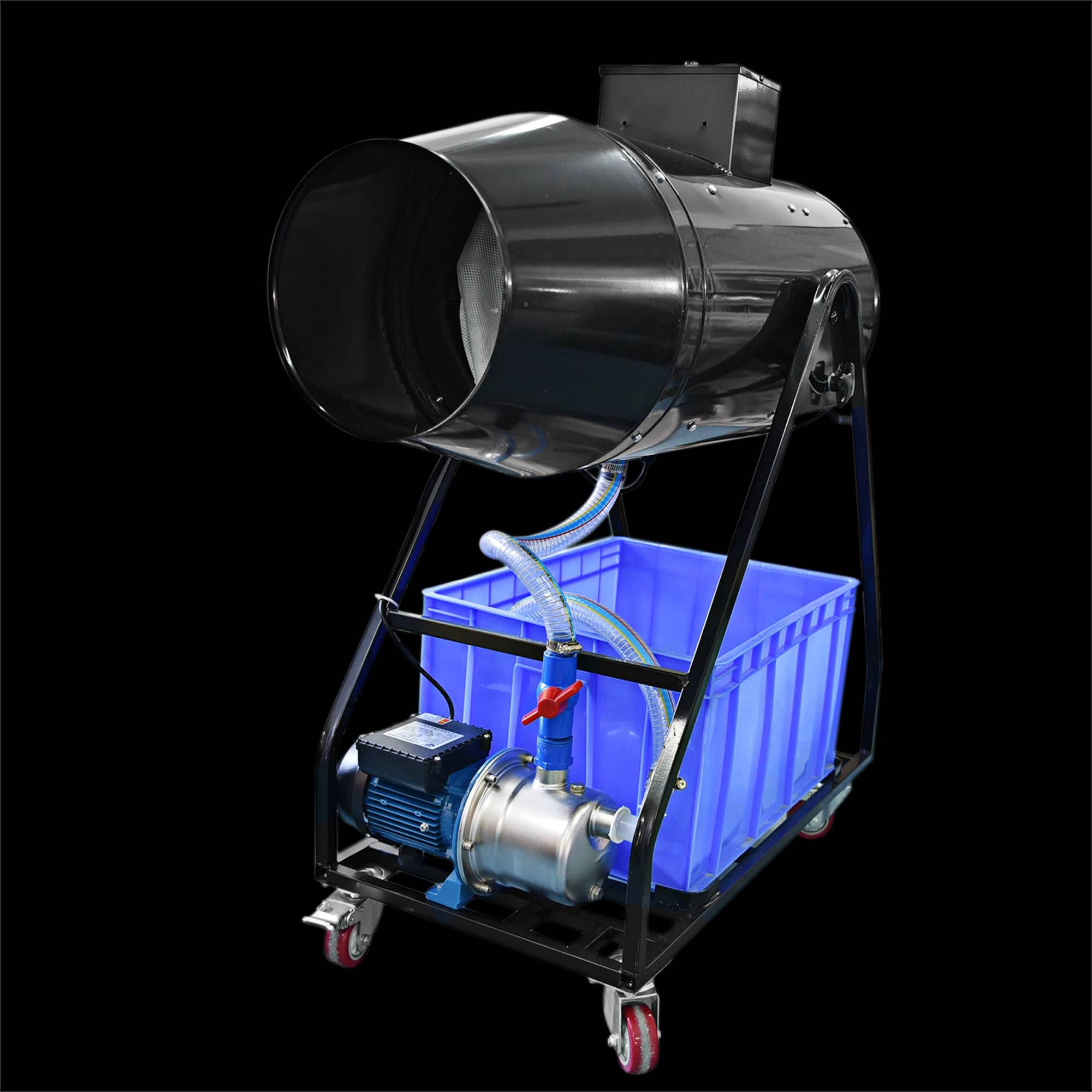
Siterui SFX 1800W Spraing foam machine High Power Professional Foam Party Maker
Elevate your event with the Siterui SFX 1800W Spraing Foam Machine. This high-power, professional foam party maker creates dense, vibrant bubbles—perfect for weddings and celebrations. Reliable and easy to use, it’s the foam and bubble machine for unforgettable moments.
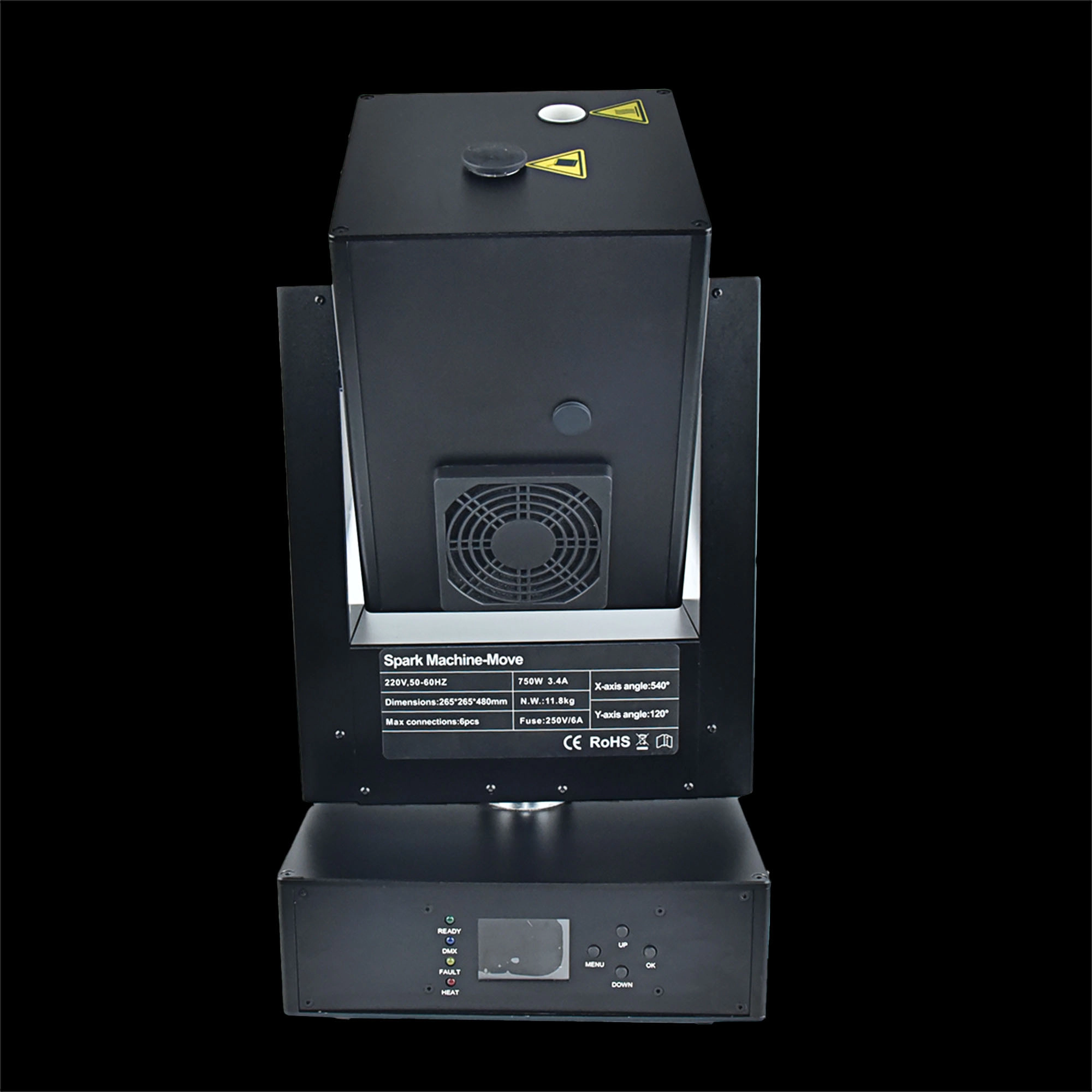
750w moving head spark machine
Siterui SFX 750w moving head spark machine delivers high-impact cold-spark effects with 360° moving head, DMX control, adjustable output and safe, long-lasting performance - perfect for concerts, weddings and stage shows.
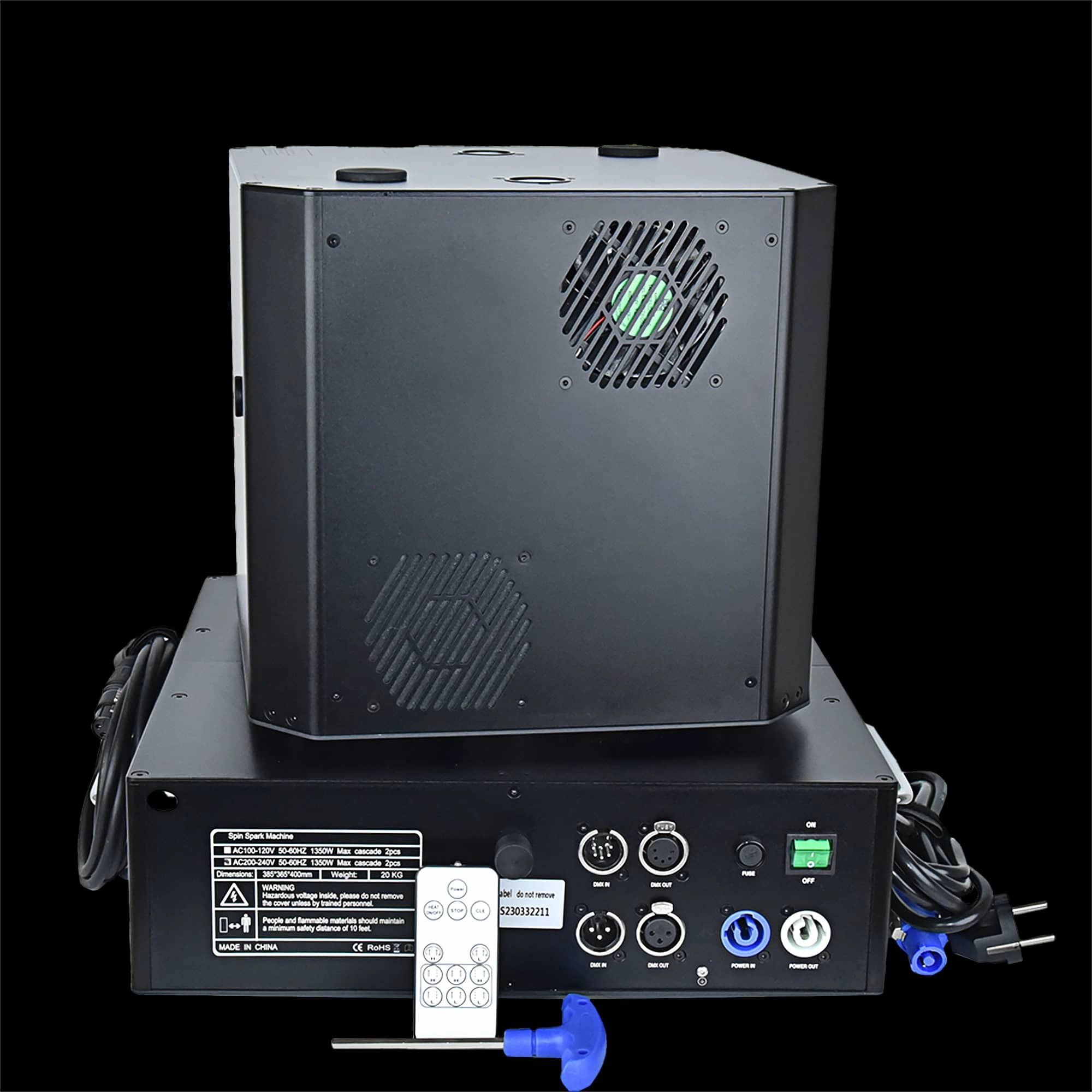
Double head 1300W Spin Spark machine DMX+Remote control
Double head 1300W Spin Spark machine -powerful dual-head 1300W spin spark effect with DMX + remote control for precise timing. Durable, professional-grade pyrotechnic effect ideal for concerts, clubs and events.
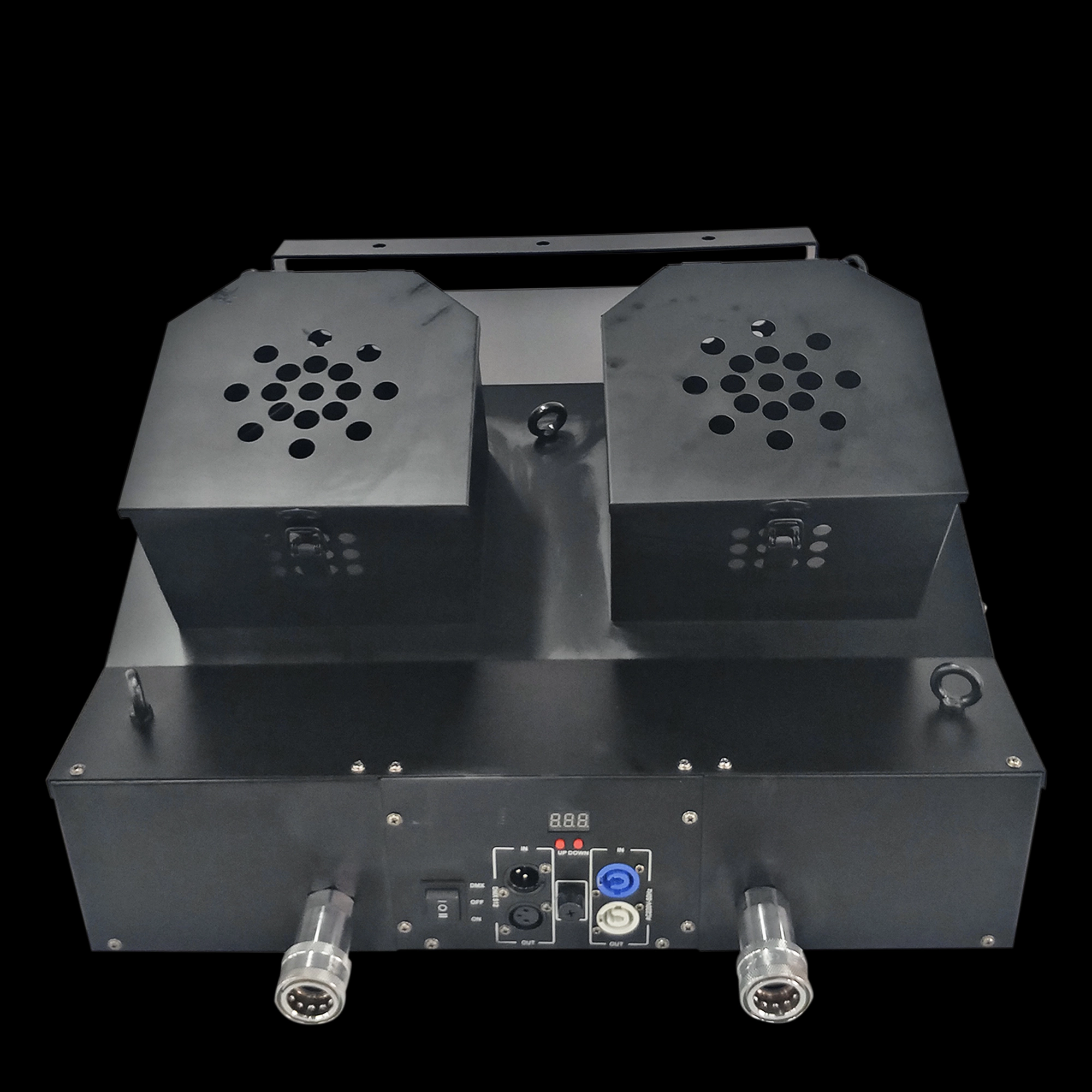
Snowstorm Paper Machine Double outlet sprayer snowstorm paper machine dual nozzle sprayer
Email: sales01@strlighting.com
WhatsApp: +86 189 2232 4800
© 2025 Siterui SFX All Rights Reserved.
 Scan QR Code
Whatsapp: +8618922324800
siteruisfx_stage_equipment
Siterui
SITERUI-SFX
STRlighting
@siterui.sfx