
High-Capacity Fog Machines for Large Venues
- Selecting the Right Fog Machines for Large Venues
- Understanding venue requirements and
- Types of fog output and how they affect perception
- Performance Specifications That Matter
- Output, fluid consumption and practical metrics
- Warm-up time, duty cycle and redundancy
- Safety, Air Quality and Compliance
- Health considerations and ventilation best practices
- Regulatory, insurance and detector issues
- Installation, Control and Integration
- Control systems: DMX, Art-Net, wireless and show engines
- Mounting, distribution and placement strategies
- Comparing High-Capacity Fog Machines
- Fluid Types and Choosing the Right Fog Fluid
- Common fluid chemistries and practical trade-offs
- Cleaning, residue and maintenance implications
- Siterui SFX Solutions — Custom High-Capacity Fog Machines and Professional Support
- Who Siterui SFX is and what we offer
- Customization, product range and integration capability
- Key products and competitive advantages
- Procurement Checklist and Practical Tips
- Pre-purchase questions
- On-site testing and commissioning
- FAQ — Frequently Asked Questions
- 1. What makes a fog machine high-capacity?
- 2. Will fog set off fire alarms in my venue?
- 3. Which fog fluid is safest for audience health?
- 4. How do I design redundancy into a large-venue fog system?
- 5. Can fog machines be integrated with lighting cues and automated show control?
- 6. How often should I schedule maintenance and cleaning?
- References
Selecting the Right Fog Machines for Large Venues
Understanding venue requirements and
Large venues — arenas, stadiums, large theaters, convention centers and festival stages — require fog machines that go beyond consumer or low-capacity units. When a buyer searches for fog machines for a large venue, intent typically falls into three categories: (1) maximize visual impact for audiences across large volumes, (2) meet safety and ventilation constraints, and (3) integrate reliably with existing show control systems. Addressing each of these demands early in the specification process reduces later retrofit costs and performance gaps.
Types of fog output and how they affect perception
Fog output is not a single metric. Producers need to consider plume volume, particle size distribution, persistence (how long the fog remains suspended), and directionality. High-capacity units often provide dense, fast-expanding plumes for dramatic reveals, while haze systems create thin homogeneous layers to enhance lighting beams. Choosing between a fog-saturated effect (high-density, short-lived) and a haze (low-density, long-lived) should align with creative goals, audience sightlines and the venue’s HVAC capability.
Performance Specifications That Matter
Output, fluid consumption and practical metrics
Manufacturers specify fog machine performance in a variety of ways: qualitative (low/medium/high), fluid flow (ml/min or L/hr), or plume volume. For large venues, prioritize continuous output capacity and tank size to avoid frequent refills during events. Typical high-capacity systems are designed for sustained operation with larger reservoirs and external-fluid-feed options. When comparing models, request test curves or manufacturer data showing output versus operating time under continuous and pulsed modes.
Warm-up time, duty cycle and redundancy
Warm-up time determines how quickly a unit can respond to cues; lower warm-up times give more operational flexibility. Duty cycle and thermal management affect long-run reliability — high-capacity machines often include forced cooling or multiple heaters. For critical shows, plan redundancy: either multiple smaller units distributed across the stage and flown positions or a primary/backup configuration to avoid single-point failures.
Safety, Air Quality and Compliance
Health considerations and ventilation best practices
Fog fluids commonly use glycols or glycerin bases (for theatrical fog) or mineral-oil-based formulas for certain applications. Proper ventilation and HVAC coordination are essential: sustained high-density fog can reduce visibility near exits and affect smoke detectors. Consult venue engineers and local codes; coordinate with the HVAC operator to optimize exchange rates during cues. Where possible, use water-based or certified low-irritation fluids and test with venue staff and representative audience members before a public performance.
Regulatory, insurance and detector issues
Different jurisdictions and venues have specific rules regarding theatrical smoke. Fire detection systems commonly installed in large venues can be sensitive; many venues require a fire marshal approval or use of false-alarm tolerant detector zones during shows. Document your fog fluid MSDS and provide performance test results to authorities and insurers. Work with an SFX consultant or the venue’s technical team to develop a plan that includes detector masking procedures, signage, and emergency protocols.
Installation, Control and Integration
Control systems: DMX, Art-Net, wireless and show engines
Large venues demand reliable remote control and sync. Professional fog machines support DMX512, RDM, Art-Net, or dedicated TCP/IP control. For multi-device setups, choose units that allow grouping and synchronized timing across the rig. Wireless control can be convenient but reserve it for non-critical or back-up functions; wired control (DMX over shielded cabling or Art-Net via managed switches) remains the most robust option for high-stakes live events.
Mounting, distribution and placement strategies
Placement affects perceived density. Use multiple distributed machines for even coverage and to avoid localized over-saturation. Consider flown units for front or mid-stage bursts and floor units for ground-hugging effects. For very large venues, external fluid pumps and remote manifolds let you feed several fog heads from a central reservoir, simplifying logistics and minimizing refill interruptions.
Comparing High-Capacity Fog Machines
Below is a practical comparison of typical machine classes used in large-venue applications. Values are qualitative or typical ranges used by professional manufacturers; always request manufacturer test data for exact performance.
| Class | Relative Output | Fluid Supply | Best for | Notes |
|---|---|---|---|---|
| Compact High-Capacity | High (point bursts) | Internal 1–5 L tank or external feed | Smaller arenas, portable rigs | Fast warm-up, good for fly-in positions |
| Mid-Range Continuous | Very High (sustained) | External reservoir option, higher flow | Large theaters, TV studios | Balanced for sustained haze/fog coverage |
| Ultra High-Capacity / Networked | Very High to Extreme (venue-scale) | Remote tanks / pumped distribution | Stadiums, arena production, touring spectacles | Designed for redundancy and synchronized multi-device operation |
Note: manufacturers such as Rosco, Martin and Antari publish model-specific data useful for procurement. Always obtain DMX/Art-Net integration docs and fault-mode behavior for each unit.
Fluid Types and Choosing the Right Fog Fluid
Common fluid chemistries and practical trade-offs
There are three main categories: glycol/water blends (common theatrical fog), glycerin-based fluids, and mineral-oil or oil-based blends. Glycol/water blends create visible plumes with controllable particle sizes; mineral-oil fluids often linger and are used for low-lying fog systems with chillers. Each carries different residue profiles, odor and potential for surface slickness. Confirm manufacturer recommendations and MSDS for fire, slip and respiratory risk management.
Cleaning, residue and maintenance implications
Higher-residue fluids increase maintenance on lighting fixtures and video equipment. For permanent installations, choose low-residue, low-odor fluids and establish a cleaning schedule for lights and rigging. Keep spare nozzles and regular maintenance kits on hand and document fluid changeover procedures to prevent cross-contamination between incompatible fluids.
Siterui SFX Solutions — Custom High-Capacity Fog Machines and Professional Support
Who Siterui SFX is and what we offer
Siterui SFX is a professional manufacturer engaged in the research and development, production, sales, and service of professional stage special effects (SFX) equipment. With a highly skilled team and cutting-edge technology, we are committed to providing innovative, reliable, and high-performance SFX solutions for live events, theaters, concerts, film production, and entertainment venues worldwide.
Customization, product range and integration capability
At Siterui SFX, we understand that every stage, event, and creative concept is unique. That’s why we offer flexible customization services to meet your specific needs—whether it's branding, special functions, size adjustments, or complete system integration. From custom casing and logo printing to wireless control systems and synced multi-device setups, our expert team works closely with you to design SFX solutions that align perfectly with your needs.
Key products and competitive advantages
Siterui SFX’s core product lineup includes spark machine, haze machine, CO₂ jet machine, bubble machine, snow machine, foam machine, confetti machine, fog machine, fire machine, and dry ice machine. Our competitive advantages include:
- Tailored engineering: ability to design custom fluid systems, external reservoirs and pump-fed manifolds for continuous high-capacity operation.
- Control compatibility: DMX/RDM and networked Art-Net options with robust synchronization for multi-device choreography.
- Quality and service: rigorous factory testing, accessible spare parts, and dedicated after-sales technical support.
- Operational reliability: thermal management and redundant design options to support long-run events and touring schedules.
These strengths make Siterui a trusted partner for venues and production companies that require dependable, high-performance SFX with the flexibility to match creative intent.
Procurement Checklist and Practical Tips
Pre-purchase questions
- What are the venue’s cubic volume and typical HVAC exchange rates?
- Do local fire codes require approval or testing for theatrical smoke?
- Will the effect be continuous or cue-based? What are expected run lengths?
- Is integration with an existing DMX or networked show-control system required?
On-site testing and commissioning
Schedule a full dress rehearsal with the chosen fluid and machine placement. Measure visibility effects across audience sightlines and collect feedback from operations and safety staff. Obtain written acceptance from the venue and fire authority if required. Document the final control map, fluid inventory procedures and emergency shutdown workflow.
FAQ — Frequently Asked Questions
1. What makes a fog machine high-capacity?
High-capacity fog machines are designed for sustained output, larger fluid reservoirs or remote-feed capability, and enhanced thermal management to operate for long cues without overheating. They are intended to cover larger volumes and are often network-ready for synchronized multi-unit operation.
2. Will fog set off fire alarms in my venue?
Fog can trigger smoke detectors if particle density and local detector sensitivity intersect. Coordinate with venue engineers and local fire authorities; options include temporarily isolating detectors (with approval), using detector-tolerant zoning, or proving that particle sizes and concentrations remain under alarm thresholds — always follow local regulations.
3. Which fog fluid is safest for audience health?
Use fluids certified for theatrical use with published MSDS data and low-irritation formulations. Glycol/water blends used at recommended concentrations and with adequate ventilation are generally accepted in the industry; still, test with venue staff and consider sensitive-audience accommodations.
4. How do I design redundancy into a large-venue fog system?
Options include parallel machines distributed across the stage, a clustered primary/backup arrangement, or multiple networked heads fed from a central reservoir. Ensure independent power feeds and control paths where possible to reduce single-point failure risk.
5. Can fog machines be integrated with lighting cues and automated show control?
Yes. Most professional fog machines support DMX512 and newer network protocols like Art-Net. For complex shows, request manufacturer integration documentation and run a software rehearsal to validate cue timing and network robustness.
6. How often should I schedule maintenance and cleaning?
Maintenance frequency depends on fluid type and usage. For recurring large events, a monthly inspection of nozzles, filters and fluid lines is common, with lamp/element checks aligned to manufacturer recommendations. Keep spare parts on-hand and log fluid types used for each event to track residue accumulation patterns.
For further consultation, custom quotes, or to arrange an on-site demo of Siterui SFX high-capacity fog solutions, contact our sales and technical team. Visit our product pages or request a tailored specification sheet to match your venue’s needs.
References
- Fog machine — Wikipedia. https://en.wikipedia.org/wiki/Fog_machine. Accessed 2026-01-09.
- Centers for Disease Control and Prevention (CDC) — Ventilation in Buildings. https://www.cdc.gov/coronavirus/2019-ncov/community/ventilation.. Accessed 2026-01-09.
- Occupational Safety and Health Administration (OSHA) — Indoor Air Quality. https://www.osha.gov/indoor-air-quality. Accessed 2026-01-09.
- Example manufacturer guidance and product families — Rosco (Fog & Haze Products). https://www.rosco.com. Accessed 2026-01-09.
- Industry best practice notes on theatrical smoke and fire detection — local fire authority guidance and venue-specific regulations (consult your authority having jurisdiction). Accessed 2026-01-09.
Contact & Consultation CTA: For product catalogs, technical datasheets, or to arrange a demo, email sales@siteruisfx.example or visit https://www.siteruisfx.example/contact (example contact). Our technical sales engineers will provide site-specific recommendations, test plans and quotation packages tailored to your event or venue.
Regulations and Permits for Dry Ice Machine Use
How Moving Head Lights Work: Functions and Tips
Wholesale dry ice fog machine manufacturer and supplier in china
Fog Machine Maintenance: Cleaning & Troubleshooting
large 300W Silver Iron Case Bubble Machine
How could l get a sample?
if you can not buy our product in your local area, we will ship a sample to you.You will be charged a sample priceplus all related shipping costs.Express delivery charge depends on the quantity of the samples.
3000W fog machine
How could l get a sample?
If you can not buy our product in your local area, we will ship a sample to you. You will be charged a sample price plus all related shipping costs. Express delivery charge depends on the quantity of the samples.
Single-Head CO2 Jet Machine
What is the price of shipping?
Depending upon the port of delivery, prices varies.
1500W 24x3W LED fog machine
How could l get a sample
If you can not buy our product in your local area, we will ship a sample to you.You will be charged a sample price plus all related shipping costs.Express delivery charge depends on the quantity of the samples.
2100W Morning Haze Machine
Is the haze machine suitable for outdoor use?
Yes, but avoid direct exposure to rain or extreme weather conditions.
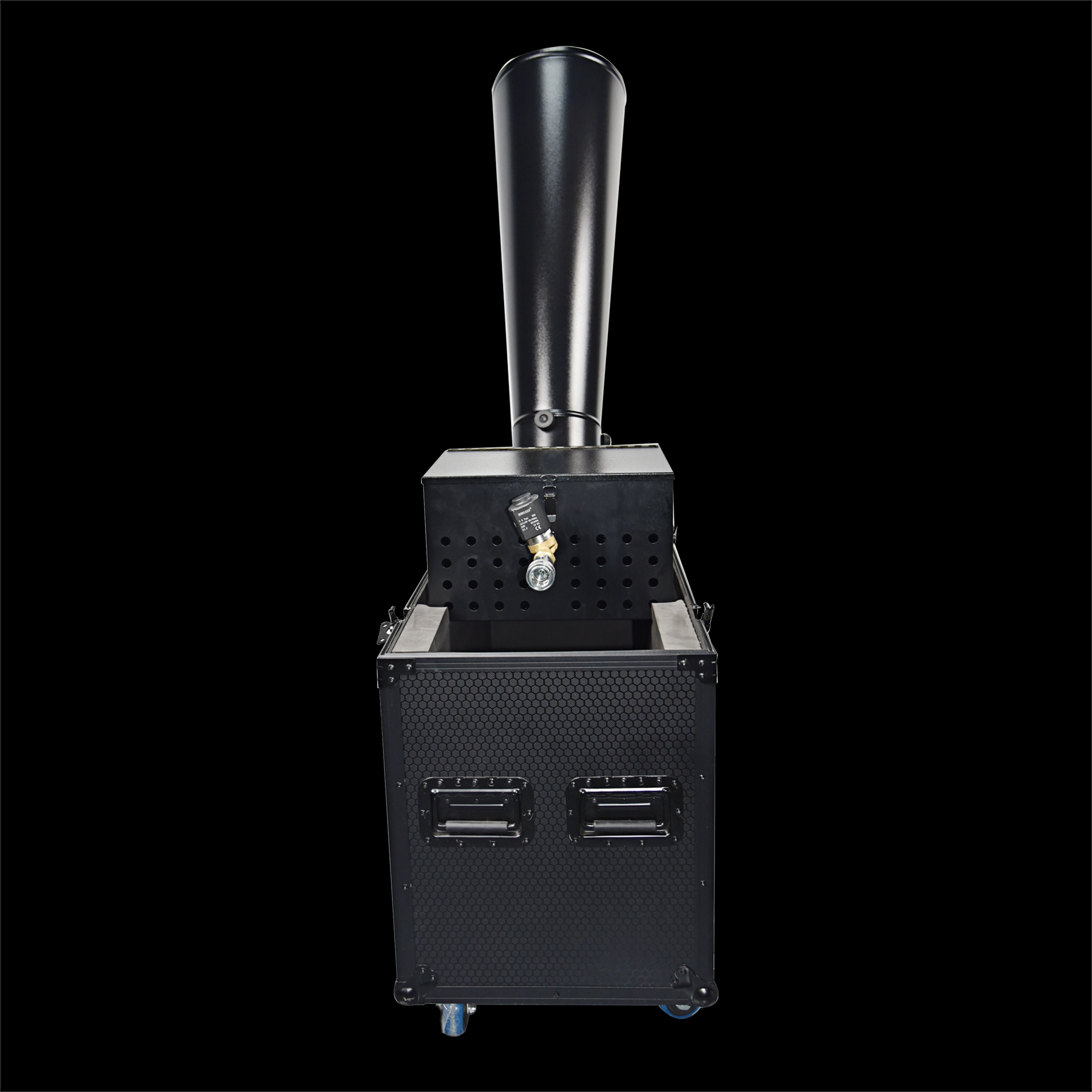
CO₂ Mini Rainbow Confetti Machine Manual Control with Durable Black Wheeled Flight Case
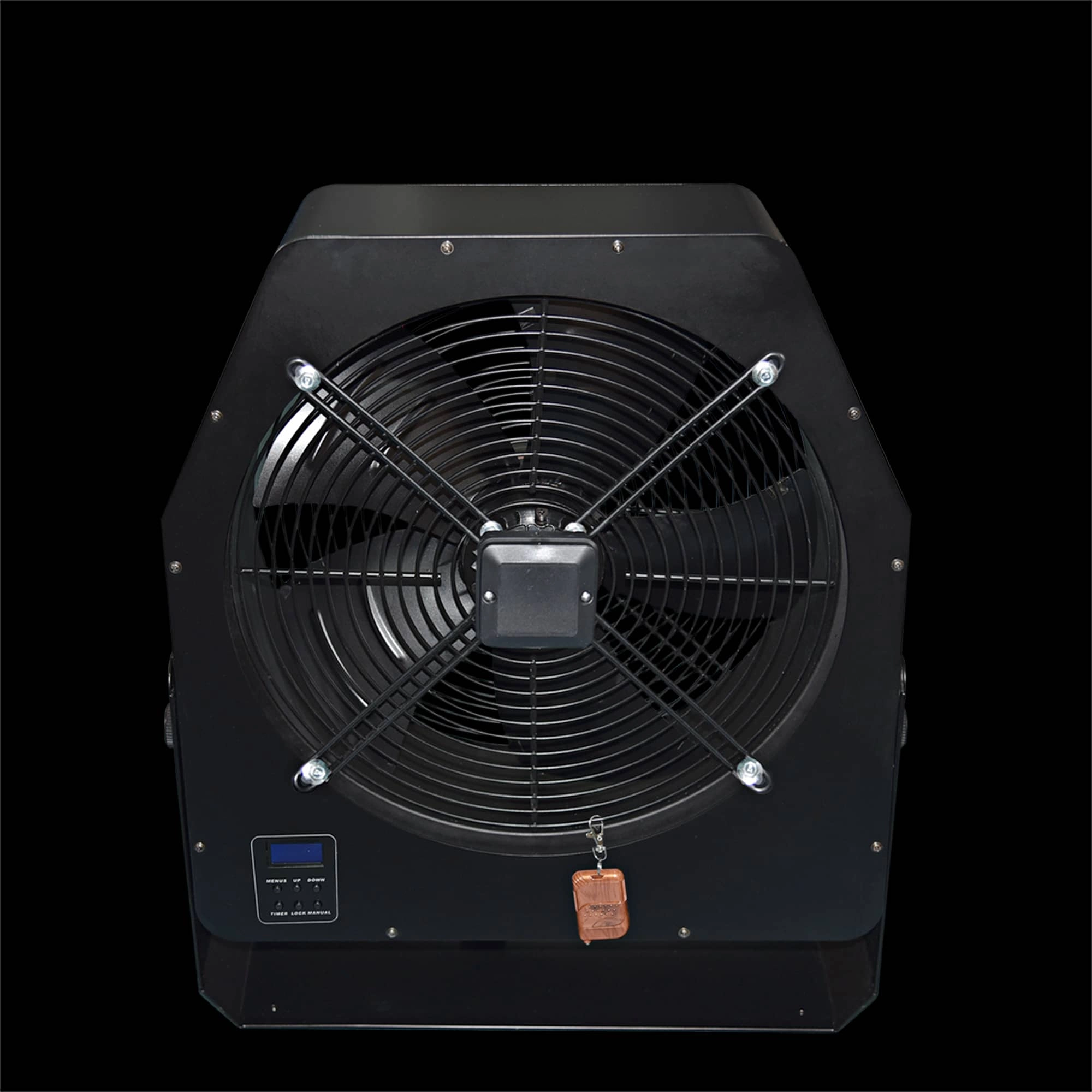
Professional Stage Big DMX Fan | High-Power Event Fan for Stage Shows & Celebrations
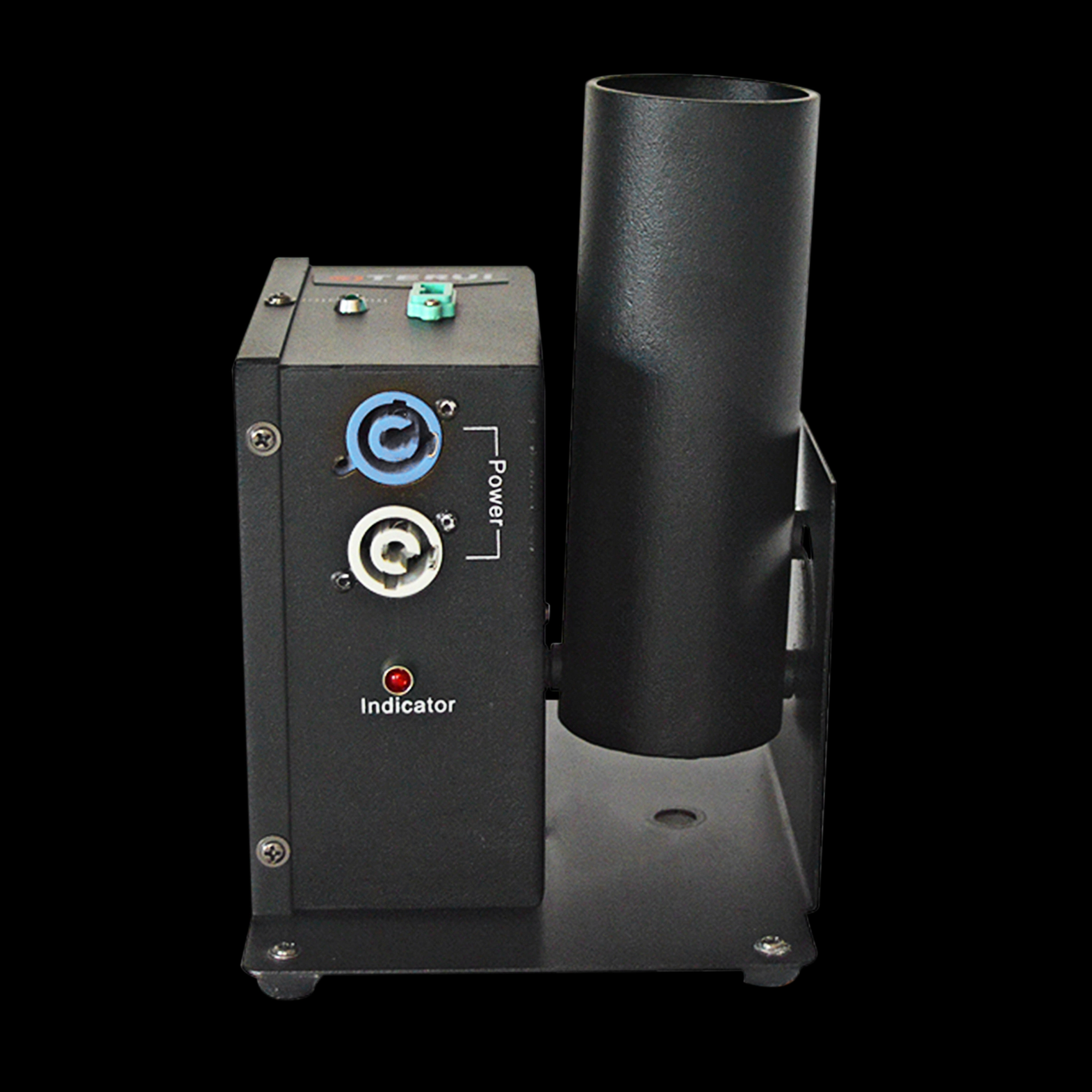
Single Shot Confetti Machine - Premium Confetti Launcher for Weddings & Stage Celebrations
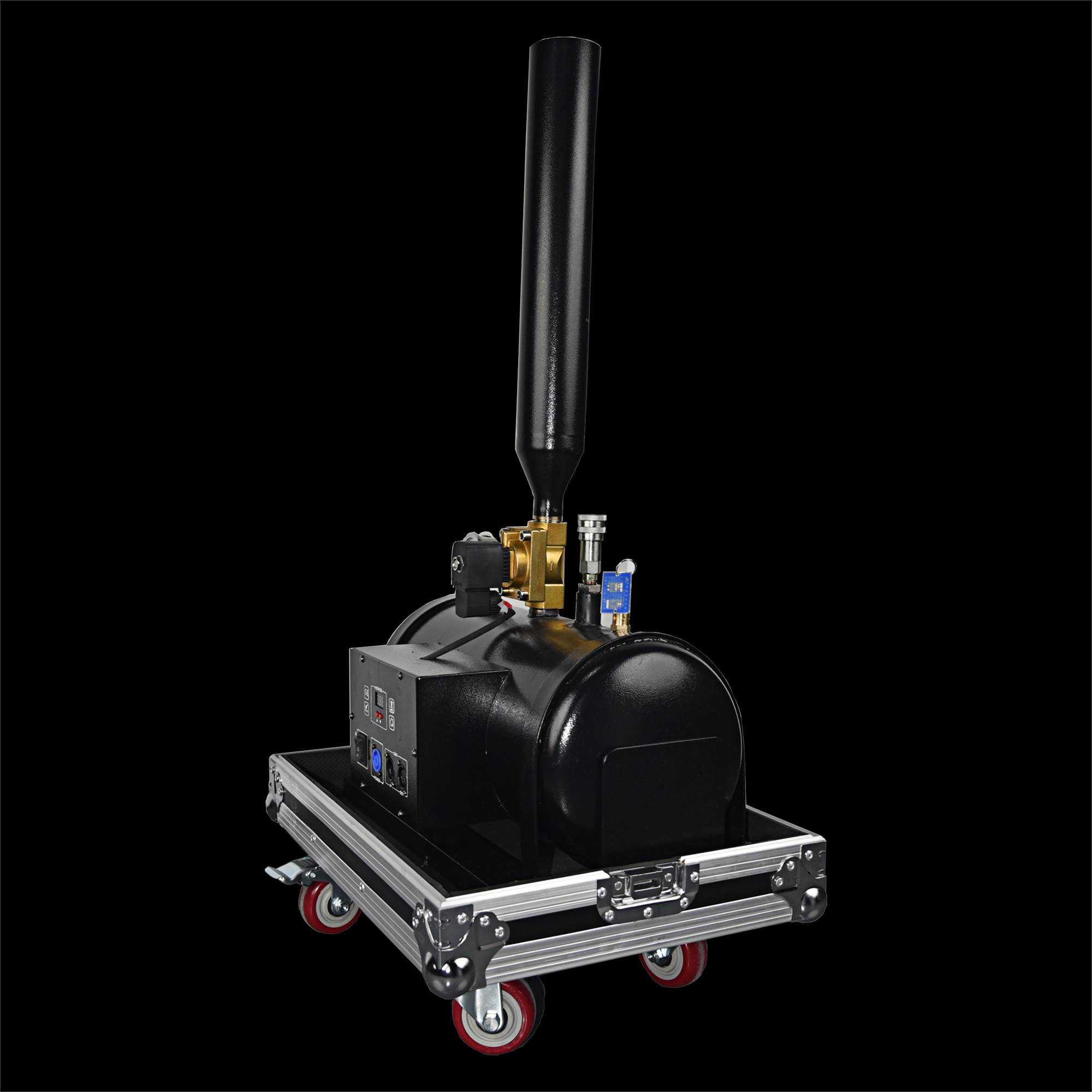
High-Altitude Confetti Cannon - Professional Confetti Blaster for Stage, Party & Celebration Events
Email: sales01@strlighting.com
WhatsApp: +86 189 2232 4800
© 2025 Siterui SFX All Rights Reserved.
 Scan QR Code
Whatsapp: +8618922324800
siteruisfx_stage_equipment
Siterui
SITERUI-SFX
STRlighting
@siterui.sfx