
How to position hazers for optimal effect
- Understanding Haze vs Fog: Why Placement Matters for a Hazer
- How a hazer works and what positioning controls
- Hazer vs fogger: choose placement with effect in mind (keyword: haze machine comparison)
- Choosing the right hazer: machine type and haze fluid (keyword: buy hazer)
- General haze machine placement principles (keyword: haze machine placement)
- Venue-specific strategies: concerts, theaters, clubs, and broadcast (keyword: hazer placement for concerts)
- Notes on the table (keyword: hazer rental)
- Multi-hazer arrays and control techniques (keyword: hazer DMX control)
- Haze machine safety and ventilation (keyword: haze machine safety)
- Testing, tuning, and troubleshooting hazer positioning (keyword: hazer troubleshooting)
- Siterui SFX: professional SFX partner for hazers and system integration (keyword: Siterui SFX haze machine)
- FAQ (keyword: hazer FAQ)
- Q1: Where should I position a hazer to maximize light beams without affecting audience visibility?
- Q2: How many hazers do I need for a mid-size theater?
- Q3: Do hazers trigger fire alarms and how can I prevent false alarms?
- Q4: Should I use oil- or water/glycol-based haze fluid?
- Q5: What is the best way to synchronize multiple hazers?
- Q6: Can I place a hazer on the stage floor for low-level haze?
- Contact and product inquiry (keyword: haze machine products)
- References
Understanding Haze vs Fog: Why Placement Matters for a Hazer
When lighting designers talk about atmosphere, they usually mean controlled light beams and a visible volume of air for lighting to sculpt. A hazer (haze machine) creates a thin, evenly distributed aerosol that enhances light beams and texture without obscuring sightlines—unlike denser fog. Because haze is subtle, how and where you position a hazer has an outsized impact on perceived density, beam definition, and audience comfort. This article explains practical, tested techniques for positioning hazers across venues and applications, with safety and control best practices drawn from professional stage SFX experience.
How a hazer works and what positioning controls
A hazer produces a fine aerosol from specialized haze fluid (glycol- or oil-based). The aerosol remains airborne longer and disperses more evenly than fog, so small changes in source location, height, and directionality produce significant visual differences. Positioning a hazer determines:
- Beam visibility: placing the haze source to intersect lighting angles increases volumetric light paths.
- Evenness of coverage: central or elevated placement promotes uniform haze; low or corner placement creates gradients.
- Density perception: multiple low-output hazers spread across a stage can often give a more natural density than one high-output unit upstage.
- Interaction with HVAC: proximity to vents can thin haze quickly or create unpredictable drift—placement must consider airflow.
Hazer vs fogger: choose placement with effect in mind (keyword: haze machine comparison)
Haze machines are designed to make light beams visible with minimal opacity. Foggers are made for volume and theatrical cloud. Placement guidelines differ because the visual target differs: beam definition (hazer) vs obscuration (fogger). For haze machines, the goal is to place units where generated aerosol will cross lighting paths and remain in the lighting plane long enough for effect—usually higher and centered relative to key light fixtures. For foggers that create pockets of density, placement is closer to the action or vents to create directed bursts.
Choosing the right hazer: machine type and haze fluid (keyword: buy hazer)
Before addressing placement, select a hazer that fits your venue and control needs. Key considerations when you buy hazer or rent a haze machine:
- Output control: continuous low-output models suit long shows; pulse/boost models suit concert peaks.
- Fluid compatibility: choose manufacturer-recommended fluids (glycol or mineral-oil based) to match effect and safety guidance.
- Control methods: DMX/RDM or wireless control makes coordinated placement and multi-device arrays practical.
- Heat and warm-up: some hazers require warm-up time and have thermal cutouts—position with service access in mind.
Tip: For TV and film work, use ‘low-vis’ hazers that produce extremely fine aerosols for even dispersion and rapid clearance under ventilated conditions.
General haze machine placement principles (keyword: haze machine placement)
These core rules apply across venues:
- Height matters: mounting hazers above head height (on truss or at catwalk level) promotes even distribution and maximizes beam intersection.
- Directional control: point the unit toward the area where lighting fixtures project. Slight angling can direct haze into light cones and avoid direct blow onto performers.
- Distance to lights: place the hazer so aerosol crosses the dominant lighting path between fixture and audience—commonly upstage of front lights and in line with side/rim lights.
- Spread vs focalization: one central hazer on high output makes a uniform wash; multiple low-output hazers create layered depth and localized density—choose based on artistic intent.
- Consider ventilation: avoid placing near supply vents or strong exhausts that will disperse haze before it interacts with lighting.
Venue-specific strategies: concerts, theaters, clubs, and broadcast (keyword: hazer placement for concerts)
Each environment has unique constraints. Below is a practical comparison table to help you decide placement strategy based on common venue types.
| Venue | Placement Strategy | Pros | Cons / Notes |
|---|---|---|---|
| Concert Arena | Multiple hazers on truss at FOH and upstage; additional floor units for low smoke lines | Strong beam definition across audience; layered depth | Requires DMX sync and coordination with HVAC to maintain even density |
| Theater | One or two hazers on flown electrics or catwalks, aimed at center stage; low output for subtlety | Maintains sightlines; consistent atmosphere for actors and lighting | Must coordinate with scene changes and stage ventilation |
| Nightclub/House | Distributed low-output hazers near truss and DJ booth, targeted at lighting planes | Immediate beam enhancement; fast recovery for frequent clearing | Smoke alarms and ventilation present challenges—use approved low-output models |
| TV/Film | Small, well-controlled hazers off-camera with local exhaust plan and measured output | Precise, repeatable haze for camera; quick clearance between takes | Stricter air-quality and makeup/skin considerations—consult production safety officer |
Notes on the table (keyword: hazer rental)
If you’re sourcing hazers via rental, request units with variable output and DMX control. Rental houses can supply placements recommendations based on stage plots—use their experience but validate with on-site smoke tests.
Multi-hazer arrays and control techniques (keyword: hazer DMX control)
For larger stages, multiple hazers are often necessary to achieve consistent density without overloading any single device. Best practices for multi-hazer setups:
- Cluster by role: FOH units for front light beams, upstage units for depth and silhouette.
- DMX & scheduling: use DMX with fade/curve control to synchronize output across devices—this prevents visible patches and sudden density spikes.
- Staggered timing: program small phase offsets between units (1–3 seconds) to foolproof against ‘pulsing’ and to ensure continuous coverage with lower per-unit output.
- Addressing & labeling: mark cables and DMX addresses clearly and photograph your rig for repeatability.
Haze machine safety and ventilation (keyword: haze machine safety)
Safety is non-negotiable. Hazers typically use fluids regarded as safe when used as directed, but venue policies, performer sensitivities, and local regulations may impose limits. Safety considerations:
- Follow manufacturer guidelines for fluid type and mixing; never substitute unknown fluids.
- Consult venue HVAC to understand airflow patterns; avoid placing hazers where HVAC will instantly remove haze from lighting planes.
- Coordinate with fire safety and alarm systems—some systems allow masking or preprogrammed delays when theatrical haze is used legally and with notice.
- Respect performer and audience health: provide notices if extended haze use is expected; consider allergy/asthma policies and maintain access to fresh air routes.
For regulatory guidance and general information on fog and haze, see industry resources and safety data sheets for each fluid. Manufacturer MSDS/SDS documents remain the definitive safety reference for each product.
Testing, tuning, and troubleshooting hazer positioning (keyword: hazer troubleshooting)
Run on-site tests during load-in. A successful test protocol:
- Baseline: with lights off, run a low-output haze test for 1–2 minutes to assess vent interactions and visible drift.
- Lighting interaction: bring up primary beam fixtures and adjust hazer aim and elevation until beams show clear volumetric paths without glare or hotspots.
- Occupant test: check sightlines from multiple audience elevations—avoid placing hazers where output will blow directly into audience faces or performer microphones.
- Troubleshoot pulsing or uneven coverage: switch to staggered DMX timings, add another low-output unit, or relocate units away from draft sources.
Siterui SFX: professional SFX partner for hazers and system integration (keyword: Siterui SFX haze machine)
Siterui SFX is a professional manufacturer engaged in the research and development, production, sales, and service of professional stage special effects (SFX) equipment. With a highly skilled team and cutting-edge technology, we are committed to providing innovative, reliable, and high-performance SFX solutions for live events, theaters, concerts, film production, and entertainment venues worldwide.
At Siterui SFX, we understand that every stage, event, and creative concept is unique. That’s why we offer flexible customization services to meet your specific needs—whether it's branding, special functions, size adjustments, or complete system integration. From custom casing and logo printing to wireless control systems and synced multi-device setups, our expert team works closely with you to design SFX solutions that align perfectly with your needs.
Our product portfolio focuses on proven, professionally requested devices including spark machines, haze machines, CO₂ jet machines, bubble machines, snow machines, foam machines, confetti machines, fog machines, fire machines, and dry ice machines. Key Siterui advantages:
- R&D & manufacturing vertical integration for quality control and rapid customization.
- Flexible control options (DMX, wireless, timecode integration) for multi-device synchronization.
- Robust safety engineering and global service capability to meet touring and fixed-install needs.
- Experience across large-scale concerts, theater productions, broadcast projects, and film sets—ensuring practical, production-tested solutions.
Whether you need tailored hazer configurations, synchronized multi-hazer arrays, or complete systems that include smoke, confetti, and CO₂ effects, Siterui SFX delivers reliable equipment and project support. Contact Siterui SFX to discuss custom hazer placement solutions, on-site integration, and technical support for your next production.
FAQ (keyword: hazer FAQ)
Q1: Where should I position a hazer to maximize light beams without affecting audience visibility?
A1: Mount hazers above head height (truss or catwalk) and aim them so the aerosol crosses the light cones between fixtures and the audience. Use multiple low-output units for even coverage, and avoid pointing directly at audience seating to prevent direct air blast.
Q2: How many hazers do I need for a mid-size theater?
A2: A rule of thumb is 1–3 low-output hazers depending on stage width and ceiling height. Use one central hazer for small stages; for wider prosceniums, two to three spaced on flown electrics produce even coverage. Confirm with a test during load-in and adjust according to HVAC effects.
Q3: Do hazers trigger fire alarms and how can I prevent false alarms?
A3: Modern hazers typically do not trigger smoke detectors if haze fluid and units are used correctly, because haze concentration is low. However, detectors and local codes vary—coordinate with venue fire safety personnel, use approved hazers, and where necessary obtain pre-approval or temporary detector masking following venue protocols.
Q4: Should I use oil- or water/glycol-based haze fluid?
A4: Choice depends on desired look and compatibility with fixtures: mineral-oil hazes often produce longer-lasting, slightly warmer haze while glycol-based fluids disperse faster and are common in broadcast settings. Always use fluids recommended by the hazer manufacturer and consult SDS documents for safety and handling.
Q5: What is the best way to synchronize multiple hazers?
A5: Use DMX with grouped scenes and fade curves, apply small phase offsets between devices to avoid pulsing, and test during technical rehearsals. For larger productions, integrate hazers with the lighting console or show controller for cue-based effects.
Q6: Can I place a hazer on the stage floor for low-level haze?
A6: Yes—floor placement can produce localized low-level haze for atmospheric depth, but floor units clear faster and require careful placement to avoid interfering with performers or picking up drafts from stage vents.
Contact and product inquiry (keyword: haze machine products)
If you need help selecting units, designing multi-device haze systems, or want custom equipment, contact Siterui SFX for technical consultation, product specs, and service. Visit Siterui to view haze machines, fog machines, CO₂ jets, confetti machines and more, or email our technical team to schedule a placement consultation or on-site test.
References
- Fog machine — Wikipedia. https://en.wikipedia.org/wiki/Fog_machine (accessed 2025-12-13)
- Chauvet DJ, What is haze? — Chauvet DJ Learn. https://www.chauvetdj.com/learn/what-is-haze/ (accessed 2025-12-13)
- Manufacturer Safety Data Sheets (SDS) for haze fluids — consult specific product pages for fluid composition and safety guidance (various manufacturers, accessed 2025-12-13)
For further assistance or to request product brochures and placement diagrams from Siterui SFX, contact our sales team or request a site consultation.
Creating Layered Fog Effects for Concerts
How Moving Head Lights Work: Functions and Tips
Maintenance Tips: Cleaning and Storing Your Haze Machine
How to Choose the Right Snow Machine for Stage Productions
Solutions
What if the product malfunctions? Do you provide after-sales service?
We offer a 1-year warranty covering free repair and parts replacement (excluding man-made damage). Our support team responds within 24 hours.
Single-Head CO2 Jet Machine
How does your factory do regarding quality control
All the products will be 100% checked before the shipment
2100W Morning Haze Machine
What is the warranty period?
1-year limited warranty Excluding human damage
750W Move Head Cold Electronic Spark Machine
What’s the warranty policy?
1-year warranty with lifetime technical support.
large 300W Silver Iron Case Bubble Machine
How could l get a sample?
if you can not buy our product in your local area, we will ship a sample to you.You will be charged a sample priceplus all related shipping costs.Express delivery charge depends on the quantity of the samples.
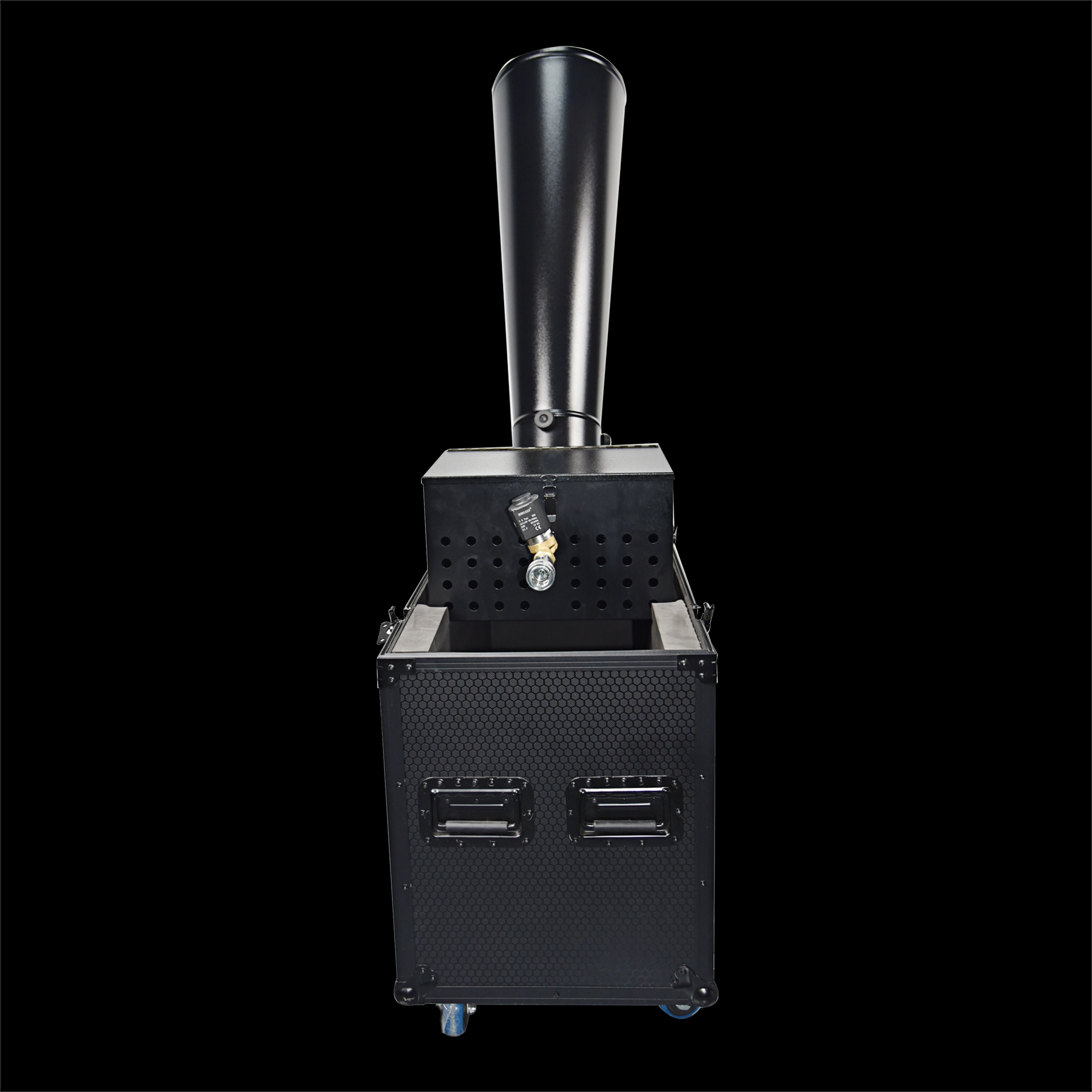
CO₂ Mini Rainbow Confetti Machine Manual Control with Durable Black Wheeled Flight Case
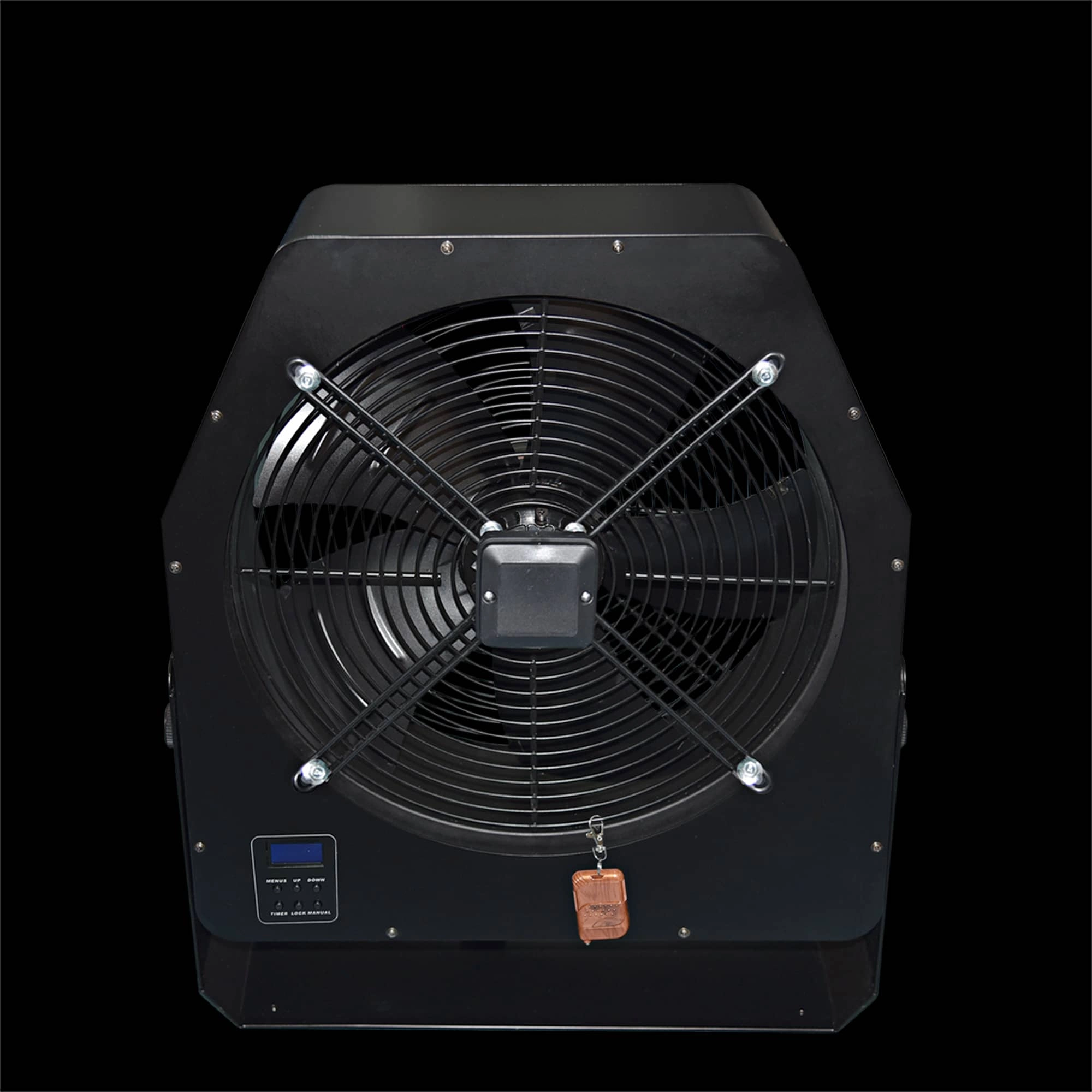
Professional Stage Big DMX Fan | High-Power Event Fan for Stage Shows & Celebrations
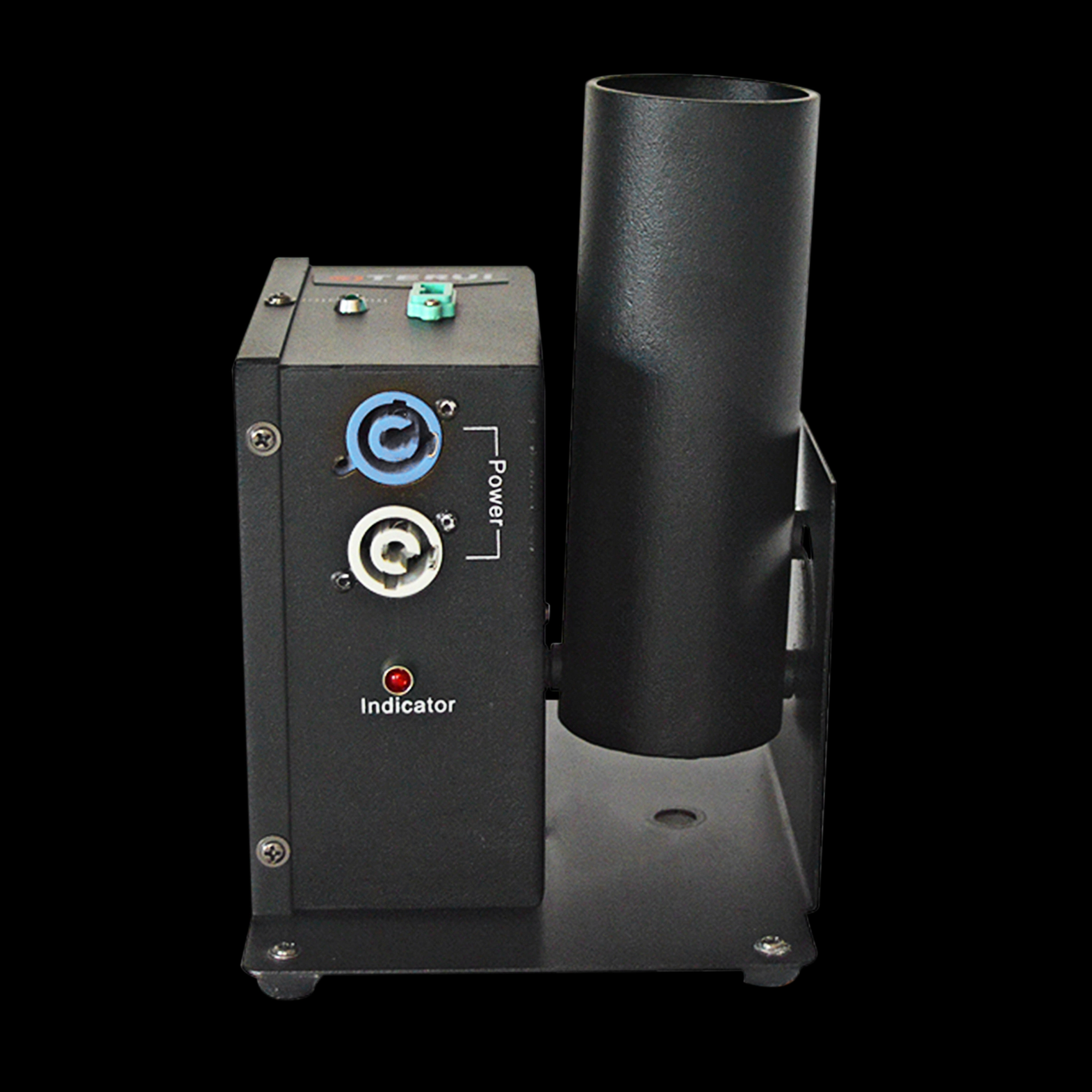
Single Shot Confetti Machine - Premium Confetti Launcher for Weddings & Stage Celebrations
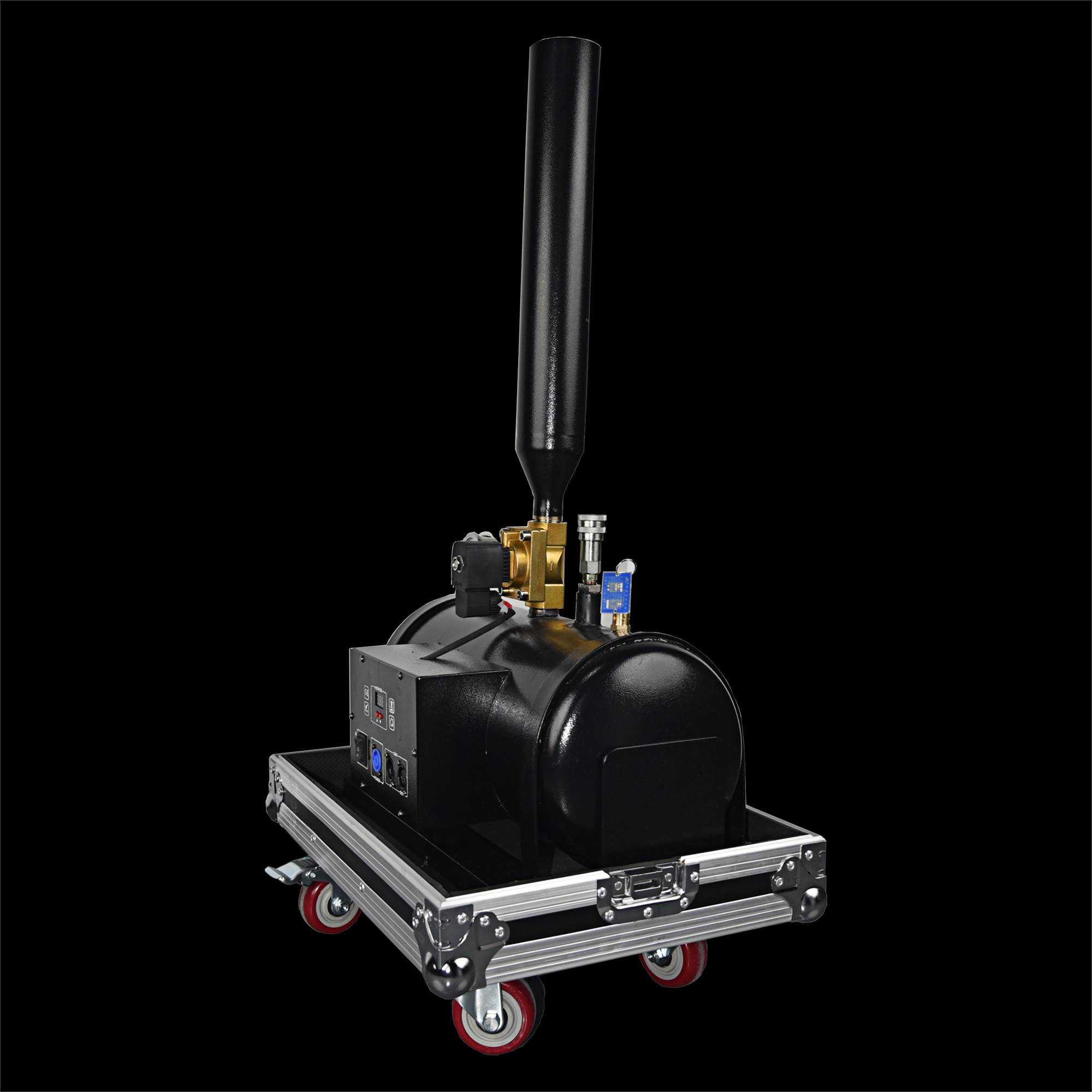
High-Altitude Confetti Cannon - Professional Confetti Blaster for Stage, Party & Celebration Events
Email: sales01@strlighting.com
WhatsApp: +86 189 2232 4800
© 2025 Siterui SFX All Rights Reserved.
 Scan QR Code
Whatsapp: +8618922324800
siteruisfx_stage_equipment
Siterui
SITERUI-SFX
STRlighting
@siterui.sfx