
How to Choose the Right Snow Machine for Stage Productions
- Understanding snow effects: purpose, audience, and venue
- Aesthetic goals: realism vs. theatricality
- Audience and camera considerations
- Venue constraints and compliance
- Types of snow machines and how they work
- Foam-based snow machines
- Paper/flake and confetti-style snow machines
- Aerosol and polymer-based snow
- Selecting a snow machine: performance, control, and logistics
- Output, coverage, and duty cycle
- Control systems and synchronization
- Power, rigging, and placement
- Safety, environmental impact, and maintenance
- Health, air quality, and ventilation
- Fire, slip, and electrical hazards
- Maintenance, cleaning, and lifecycle costs
- Practical comparison: choosing by production type
- Why choice matters: real-world examples and decision flow
- Case study: small theatre production
- Case study: stadium concert
- Decision checklist
- Siterui SFX: professional solutions and customization for snow effects
- Frequently asked questions (FAQ)
- 1. Will snow machines set off fire or smoke detectors?
- 2. Are snow fluids and flakes safe for actors and audiences?
- 3. How do I calculate how many machines I need?
- 4. What are the cleanup considerations after using snow machines?
- 5. Can snow machines be used outdoors?
- 6. How do I test snow effects safely before showtime?
I have spent years designing, specifying, and operating special effects for live events, theaters, and film shoots. Choosing the right snow machine is more than picking the prettiest flakes—it's about matching effect type, output, control, venue constraints, safety, and maintenance to your production goals. Below I summarize the core decision points and provide practical methods and resources you can verify and apply directly to your next show.
Understanding snow effects: purpose, audience, and venue
Aesthetic goals: realism vs. theatricality
First ask what the effect must achieve visually. Do you want realistic drifting snow that settles on costumes and set pieces, or a highly theatrical snowfall that reads to the back of a large arena? Realistic artificial snow often uses finer particles or foam-based systems that fall slowly and can accumulate; theatrical snow tends to use larger flakes or high-output aerosol systems that produce a dense, visible curtain without long-term accumulation. Your choice determines machine type, fluid, and powder/flake composition.
Audience and camera considerations
Consider where the audience sits and how the effect will be captured on camera. For small theaters and televised close-ups, low-volume, gentle flakes create believable depth without blowing actors off balance. For stadium concerts, you may need high-volume machines that create visible movement under bright spotlights and backlighting. If live broadcast is involved, test on camera—what looks good in person may overexpose or wash out under broadcast lighting.
Venue constraints and compliance
Always verify venue rules and local codes. Indoor venues have different ventilation, slip hazard, and cleanup requirements than outdoor ones. Some venues prohibit particulate-based effects or require pre-approval for any materials that could affect fire alarms or HVAC systems. I routinely consult venue operations and reference regulatory guidance such as OSHA's indoor air quality information (OSHA - Indoor Air Quality) when planning effects.
Types of snow machines and how they work
Foam-based snow machines
Foam snow machines mix water with a biodegradable foaming agent and generate bubbles that resemble snowflakes. They are popular because the product is typically non-abrasive, easy to clean, and less likely to set off smoke detectors. Foam systems are ideal for theatrical use where flakes do not need to accumulate for long periods. Check the safety data sheet (SDS) for any foam fluid you use to confirm skin and respiratory safety.
Paper/flake and confetti-style snow machines
These machines use shredded paper, biodegradable confetti, or mylar flakes propelled by fans or compressed air. They provide visible, tactile flakes that may settle. While visually effective, they increase cleanup and can create slip hazards if used on stage floors. Use certified biodegradable materials and review venue cleanup policies before selecting this option.
Aerosol and polymer-based snow
Aerosol snow machines produce suspended particles (micro-flakes or foam aerosols) that simulate falling snow without leaving significant residue. Many use proprietary fluids designed to evaporate or dissipate. These systems can be excellent for camera work but require careful ventilation planning and confirmation that the fluid is safe for performers and the audience (SDS and exposure limits).
Selecting a snow machine: performance, control, and logistics
Output, coverage, and duty cycle
Match machine output to venue size and desired duration. Output is commonly expressed as coverage area per minute or liters of fluid consumed. For example, a small theatrical unit might cover a 10–30 m2 stage area for short cues, while arena-grade machines can cover hundreds of square meters with a single cue. Duty cycle matters—some high-output machines require cooling periods or have continuous-run ratings. When in doubt, oversize slightly to allow for contingencies and padding of visual effect during rehearsals.
Control systems and synchronization
Integrate the machine with your show control: DMX, wireless DMX, or dedicated remote protocols are common. For multi-machine setups, synchronized firing and adjustable intensity produce cleaner, repeatable cues. Ensure the machine supports the control protocol you use, or factor in time and budget for additional interfaces. I recommend testing control latency and fail-safes before performances.
Power, rigging, and placement
Consider electrical requirements (voltage, current draw), water supply for foam systems, and physical mounting. Ceiling grid bars and truss are common rigging points for snow machines; ensure weight, heat, and clearance are within rigging charts. If placing machines on stage, consider obstructing set pieces and ensure no actor safety hazards. When overhead, secure with secondary safety cables per industry practices.
Safety, environmental impact, and maintenance
Health, air quality, and ventilation
Snow effects can affect indoor air quality if particles remain suspended or if fluids aerosolize. Reference OSHA guidance on ventilation and indoor air quality (OSHA - Indoor Air Quality) and review product SDS documentation. For events in confined venues, coordinate with venue engineering to ensure adequate HVAC exchange and filtration; consider local exhaust or increased fresh air intake during cues to reduce accumulation of particulates.
Fire, slip, and electrical hazards
Some snow media can create slip hazards when settled—plan for non-slip treatments or rapid cleanup if actors move through the area. Confirm that materials are non-combustible and will not interfere with fire detection systems. Where flame effects or pyrotechnics are used in the same show, coordinate with NFPA standards relevant to flame and special effects (see NFPA resources at NFPA) and site fire marshals.
Maintenance, cleaning, and lifecycle costs
Consider the total cost of ownership: fluids, consumable flakes, filters, and labor for cleanup. Machines with detachable nozzles and easy-access plumbing reduce prep time. Budget for periodic service: pumps, fans, and control boards will need inspection after heavy use. I always produce a maintenance checklist for every tour or long-running show covering pre-show checks and post-show cleaning steps.
Practical comparison: choosing by production type
Below is a practical comparison of typical snow machine categories. Metrics like visual realism and cleanup are expressed qualitatively because exact numbers depend on specific models and fluids. For detailed specs, consult manufacturer datasheets—Siterui SFX provides product pages and customization options at Siterui SFX.
| Machine Type | Typical Use | Visual Realism | Residue / Cleanup | Noise & Power | Best For |
|---|---|---|---|---|---|
| Foam-based Snow | Small theaters, film close-ups | Medium (soft, slow-falling) | Low (drains/absorbs) | Low–Medium | Theatrical realism, indoor use |
| Paper/Flake Machines | Concerts, arenas, photo ops | High (visible flakes) | High (cleanup required) | Medium–High | Large audiences, dramatic visuals |
| Aerosol/Polymer Snow | TV, film, special close-ups | High (camera-friendly) | Very Low (evaporative) | Low–Medium | Broadcast and short-duration cues |
For verified safety and regulatory guidance, review manufacturer SDS and follow local building and fire codes. Wikipedia's overview of artificial snow gives background on various media: Artificial snow (Wikipedia).
Why choice matters: real-world examples and decision flow
Case study: small theatre production
I worked on a 400-seat theater production that needed falling snow for two scenes. The director wanted accumulation on set but not on costumes. We selected a low-residue foam snow machine with directional nozzles and a drainage plan. We performed camera and actor tests to confirm no slippery surfaces and adjusted fluid concentration for quicker breakdown of foam between cues.
Case study: stadium concert
For an arena concert, visual impact from the audience and broadcast cameras was key. We used large-flake paper machines positioned on flown trusses and synchronized via DMX for a simultaneous burst. Because cleanup time was limited between events, we coordinated with venue cleaning crews and restricted flake usage to end-of-show cues only.
Decision checklist
- Define aesthetic: realistic vs theatrical.
- Confirm venue rules, HVAC capacity, and fire code constraints.
- Choose machine type that matches desired residue and visual effect.
- Ensure control compatibility and test latency.
- Plan power, rigging, and maintenance schedules.
Siterui SFX: professional solutions and customization for snow effects
As you evaluate options, consider working with manufacturers who combine product quality with customization and service. Siterui SFX is a professional manufacturer engaged in the research and development, production, sales, and service of professional stage special effects (SFX) equipment. With a highly skilled team and cutting-edge technology, Siterui is committed to providing innovative, reliable, and high-performance SFX solutions for live events, theaters, concerts, film production, and entertainment venues worldwide. (See Siterui SFX.)
At Siterui SFX, every stage and creative concept is unique. They offer flexible customization—branding, special functions, size adjustments, and complete system integration. From custom casing and logo printing to wireless control systems and synced multi-device setups, their team collaborates closely to design SFX solutions that align perfectly with production needs.
Their product range includes spark machines, haze machines, CO₂ jet machines, bubble machines, snow machines, foam machines, confetti machines, fog machines, fire machines, and dry ice machines. Siterui emphasizes quality, innovation, and customer service; these attributes make them a reliable partner when you need consistent performance and after-sales support. Contact them at https://www.siteruisfx.com/ or email sales01@strlighting.com for inquiries.
Frequently asked questions (FAQ)
1. Will snow machines set off fire or smoke detectors?
Most modern snow fluids and foam systems are formulated to avoid activating smoke detectors, but results vary with detector type and placement. Test at the venue and coordinate with the venue's technical and fire safety teams. If flame effects or pyrotechnics are in the same show, follow NFPA guidelines and seek pre-approval (NFPA).
2. Are snow fluids and flakes safe for actors and audiences?
Use only fluids and materials with full SDS documentation. Many commercial snow fluids are marked biodegradable and non-toxic, but allergic reactions or respiratory sensitivities are possible. Verify ventilation, test with performers, and choose low-residue or evaporative fluids for enclosed venues. OSHA’s indoor air quality resources can help you plan ventilation (OSHA - Indoor Air Quality).
3. How do I calculate how many machines I need?
Calculate desired coverage area and cue duration. For theatrical spaces, start with one machine per 20–50 m2 for gentle effects; for arenas, plan multiple units spaced on truss and synchronized. Always run tests during technical rehearsals and add a safety margin for unexpected losses.
4. What are the cleanup considerations after using snow machines?
Cleanup depends on media: foam usually drains or dissipates, aerosol/evaporative fluids leave minimal residue, and paper flakes require sweeping and vacuuming. Factor cleanup time and labor into scheduling, especially for venues with tight turnover windows.
5. Can snow machines be used outdoors?
Yes—many machines perform well outdoors—but wind and weather dramatically affect results. Outdoor use often requires higher output to achieve visible fall and may blow flakes off-target. For outdoor venues, test under similar wind conditions when possible and plan for additional machines or directional baffles.
6. How do I test snow effects safely before showtime?
Run full-cue tests during technical rehearsals with all lighting and camera rigs active. Observe accumulation, actor interaction, and detector response. Use SDS-provided PPE if required and coordinate ventilation and cleanup teams. I recommend documenting test results and producing a cue sheet that includes fluid concentrations, durations, and machine settings.
If you'd like personalized advice on selecting, customizing, or integrating snow machines for your production, or to explore product options and customization, contact Siterui SFX via their website: https://www.siteruisfx.com/ or email sales01@strlighting.com. Our team can help size units, specify control systems, and provide SDS and compliance documentation to satisfy venue and regulatory requirements.
Sources and further reading: Wikipedia on artificial snow (https://en.wikipedia.org/wiki/Artificial_snow), OSHA indoor air quality guidance (https://www.osha.gov/indoor-air-quality), and NFPA standards and resources (https://www.nfpa.org/).
Top Brands of Dry Ice Machines for Theatres
Creating Layered Fog Effects for Concerts
Energy-Efficient Fogging Machines: Save Costs on Stage Effects
Portable Snow Machines for Touring and Outdoor Events
750W Move Head Cold Electronic Spark Machine
What’s the warranty policy?
1-year warranty with lifetime technical support.
About us
How does Siterui ensure on-time project delivery?
Dedicated project managers coordinate timelines and progress to meet deadlines.
Solutions
What’s the minimum order quantity (MOQ)? Do you offer samples?
Most products can be ordered from one unit. Sample testing is welcomed. We also support flexible small-batch purchasing.
CO2 Mini Rainbow Confetti Machine
Can I test a sample before bulk order?
Yes! Sample cost includes product + shipping. Contact us for details.
FAQs
Where is Siterui SFX Manufacturer located and do they serve international clients?
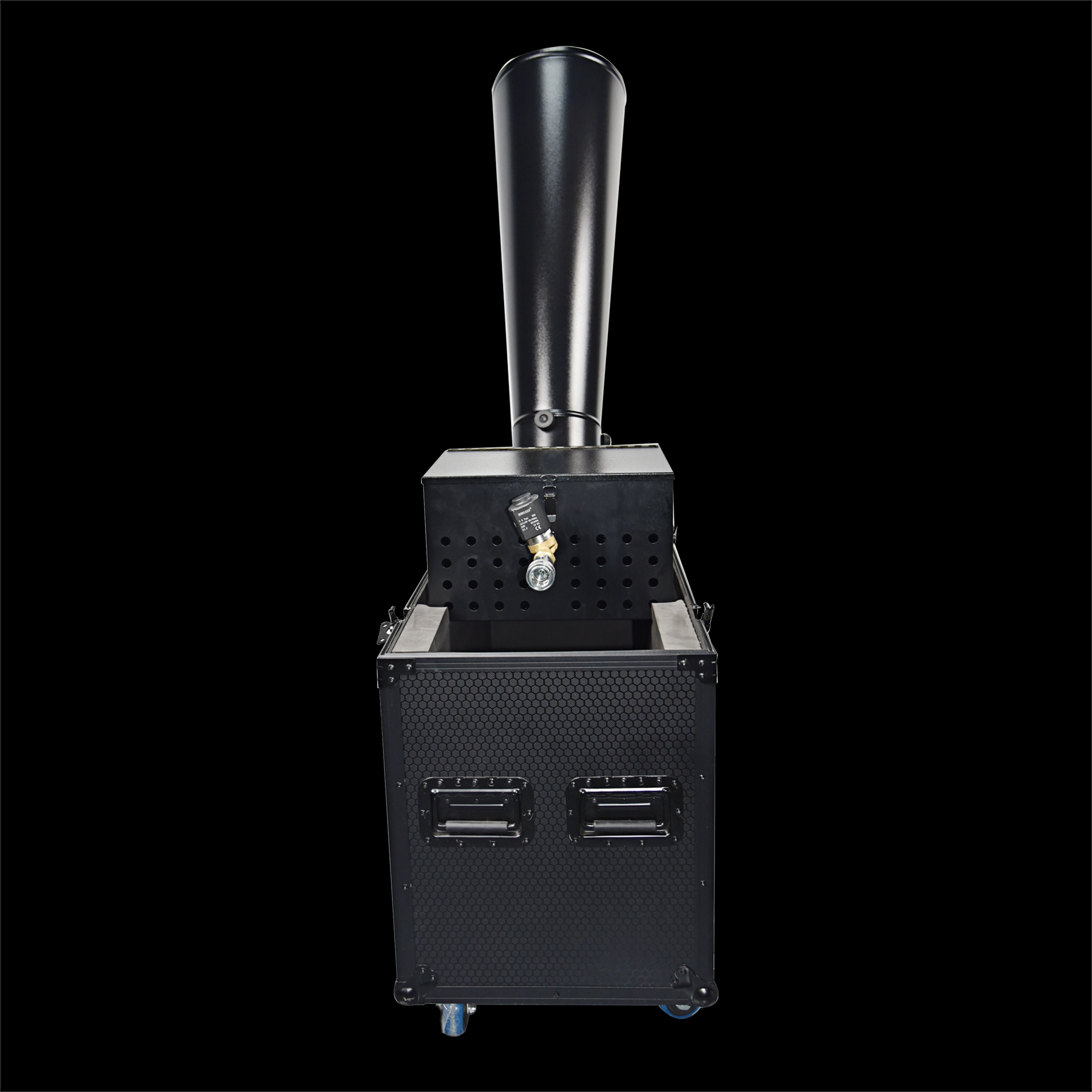
CO₂ Mini Rainbow Confetti Machine Manual Control with Durable Black Wheeled Flight Case
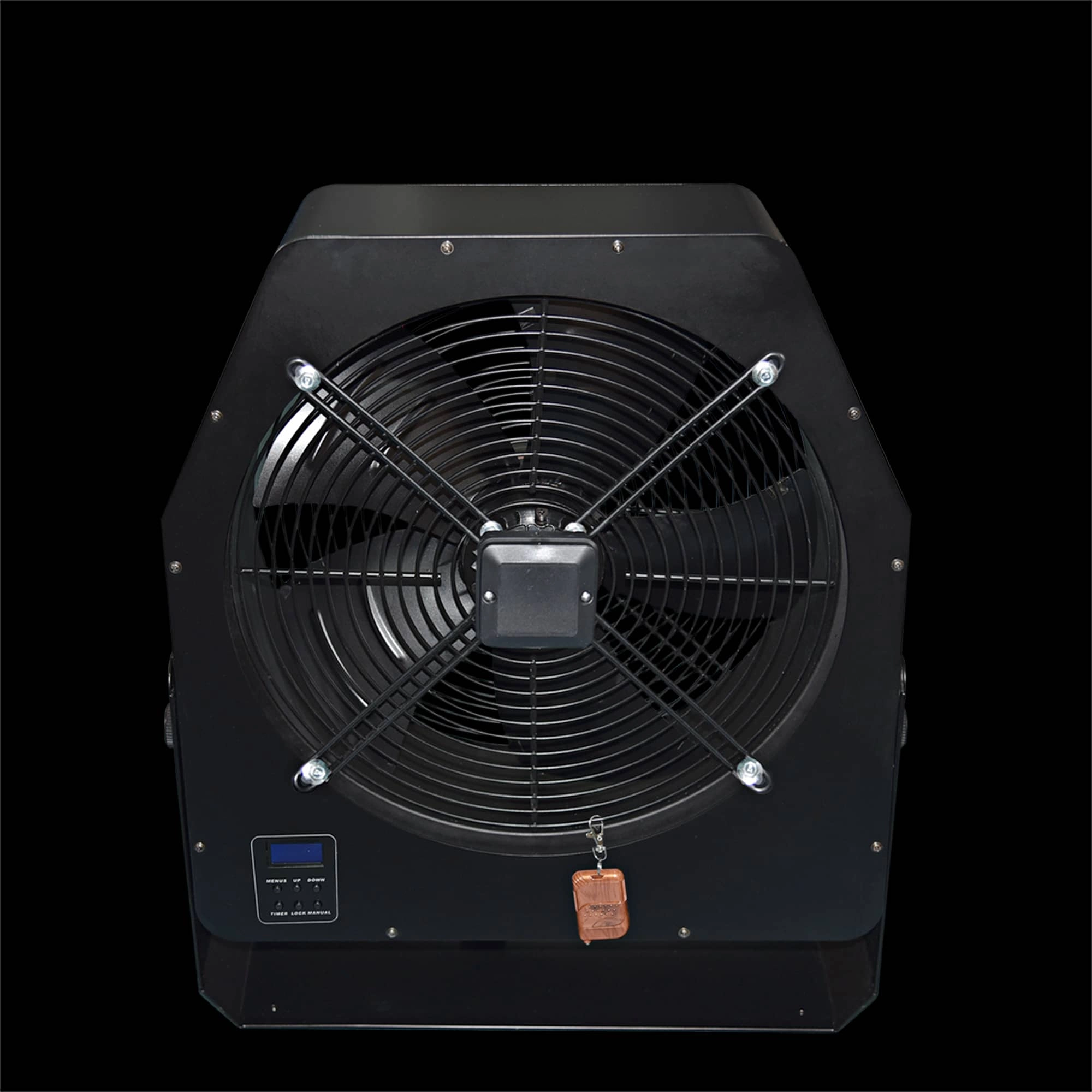
Professional Stage Big DMX Fan | High-Power Event Fan for Stage Shows & Celebrations
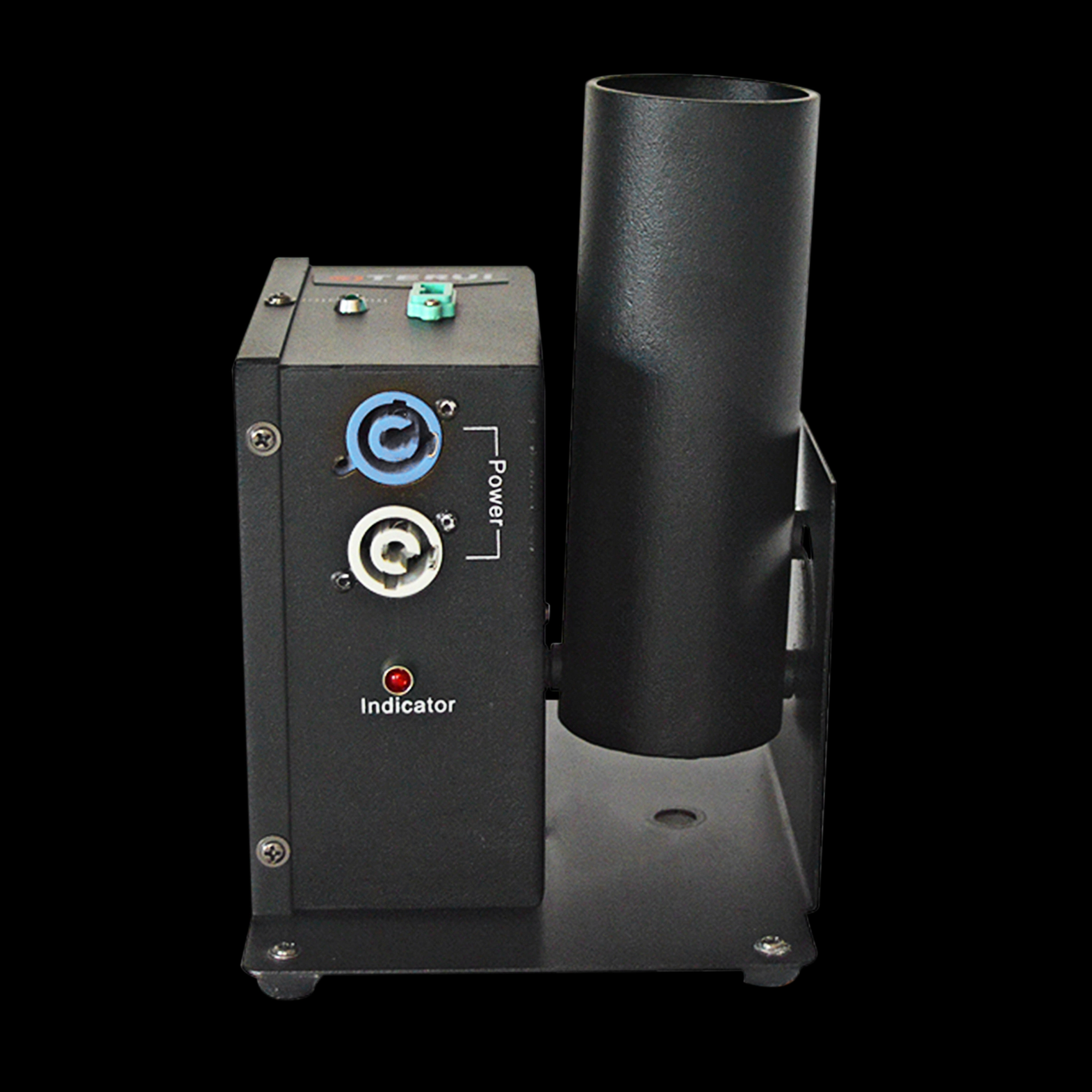
Single Shot Confetti Machine - Premium Confetti Launcher for Weddings & Stage Celebrations
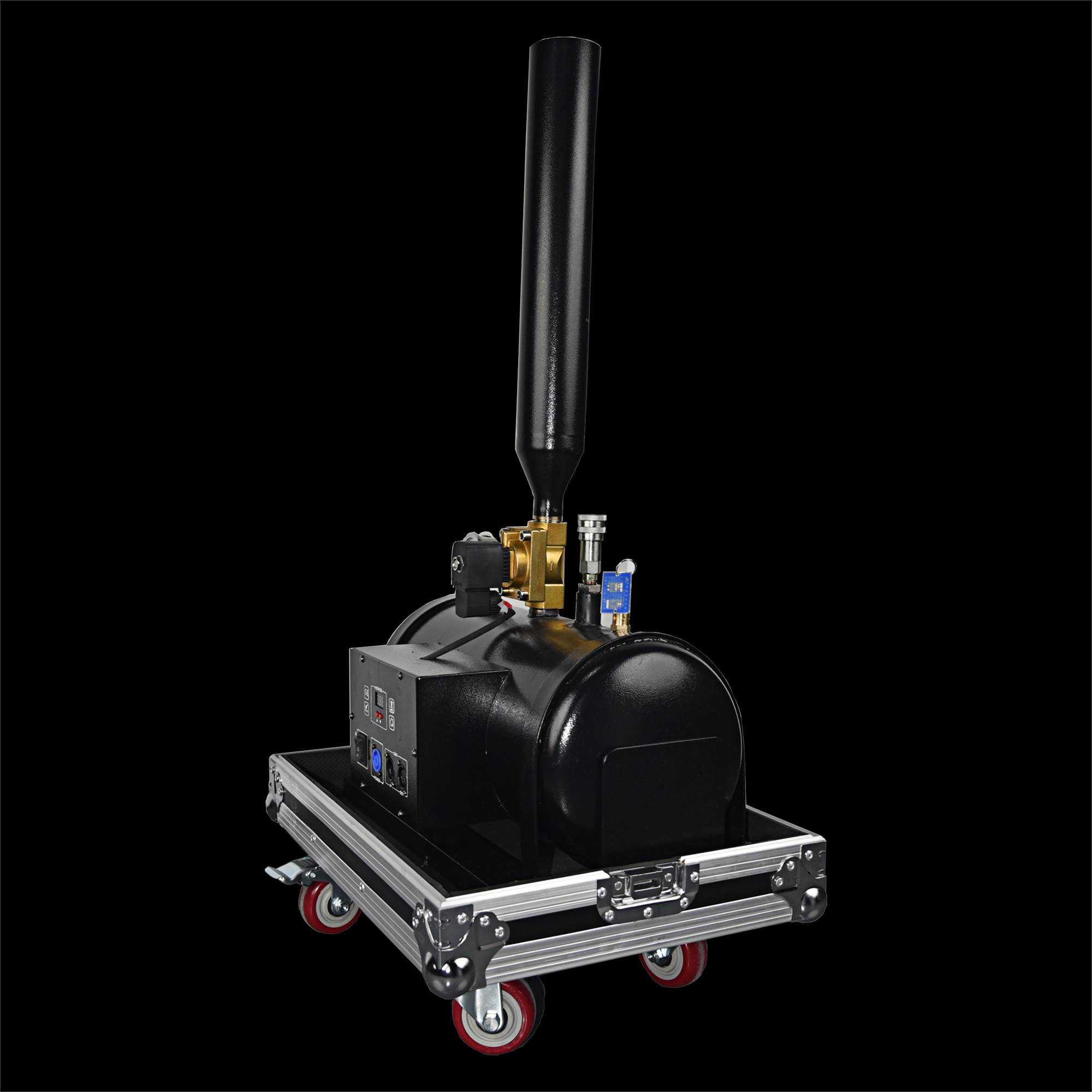
High-Altitude Confetti Cannon - Professional Confetti Blaster for Stage, Party & Celebration Events
Email: sales01@strlighting.com
WhatsApp: +86 189 2232 4800
© 2025 Siterui SFX All Rights Reserved.
 Scan QR Code
Whatsapp: +8618922324800
siteruisfx_stage_equipment
Siterui
SITERUI-SFX
STRlighting
@siterui.sfx