
Maintenance Checklist for Commercial Fogging Machines
- Understanding Commercial Fogging Technology
- Types of fogging and haze systems
- Core components to know
- Safety and regulatory context
- Maintenance Checklist for Commercial Fogging Machines
- Daily / Pre-show checks (before each use)
- Weekly / Between-show tasks
- Monthly / Preventive maintenance
- Troubleshooting & Common Failures
- No or weak fog output
- Overheating, burning smell, or inconsistent heat cycles
- Electrical problems and control failures
- Best Practices, Supplies & Compliance
- Fluid selection, storage, and reservoir care
- Storage, transport and on-site setup
- Documentation, service agreements and parts strategy
- Siterui SFX — manufacturer support and customization
- SPARES & recommended inventory
- FAQs (Common Questions)
- 1. How often should I run a deep clean on a commercial fogging machine?
- 2. Can I use any fog fluid in my machine?
- 3. How do I prevent fog from setting off smoke detectors?
- 4. What are the signs a pump needs replacement?
- 5. Is there a health risk to performers or crew from fog machines?
- 6. What documentation should I keep for each machine?
I maintain fogging machines for touring productions, theaters, and large venues, and I understand the operational pressures you face: tight schedules, high safety standards, and the need for consistent visual output. This article provides a structured, technician-friendly maintenance checklist for commercial fogging machines, explains the why behind each task, and includes troubleshooting guidance and compliance pointers so you can reduce downtime and control lifecycle cost.
Understanding Commercial Fogging Technology
Types of fogging and haze systems
Not all fogging machines are the same. The two major categories you’ll encounter are thermal foggers (heater-based) and ultrasonic/ultra-low-output haze units. Thermal foggers heat glycol or glycerin-based fluids to create theatrical fog, while haze machines often use lower-volume pumps and nozzles for a steady, thin haze. For a broad overview of fog machines and theatrical smoke, see the Fog machine entry on Wikipedia.
Core components to know
Understanding machine anatomy saves diagnostic time. Key components include the fluid reservoir, pump (peristaltic or gear), heater block (for thermal units), nozzle and atomizer, fluid filter/strainer, DMX or wireless control modules, and power/grounding systems. Regular attention to pumps, filters, and heater elements significantly reduces failure rates.
Safety and regulatory context
Fogging affects air quality, fire detectors, and sometimes electronic equipment. Follow site-specific fire and ventilation rules and standards (e.g., NFPA guidance; see NFPA) and occupational safety rules such as those from OSHA. For manufacturing quality systems, ISO 9001 provides structure for consistent product and service delivery (ISO 9001).
Maintenance Checklist for Commercial Fogging Machines
Daily / Pre-show checks (before each use)
- Visual inspection: Look for fluid leaks, loose cables, corrosion, or physical damage to casing and connectors.
- Fluid level and type: Confirm the reservoir is filled with manufacturer-recommended fog fluid (avoid mixing fluids). Check seals on caps and fill ports.
- Power and control test: Power on and verify basic functions, DMX address and response, remote or wireless link, and emergency stop operation.
- Smoke output test: Run a short test burst to check density and pattern. Note any change in sound (pump strain or rattling) or delayed atomization.
Weekly / Between-show tasks
- Clean external filters and strainers: Remove and rinse any inline filters to prevent pump cavitation. Replace disposable strainers as per manufacturer guidance.
- Nozzle and outlet cleaning: Remove clogging by flushing with recommended cleaning solution or distilled water if allowed.
- Check hose fittings and clamps: Tighten or replace clamps; ensure no micro-leaks that attract dust.
- Inspect mounting and rigging hardware: Confirm brackets, safety cables and any rigging show no fatigue or deformation.
Monthly / Preventive maintenance
Deeper preventive measures reduce mid-season failures. The table below summarizes recommended monthly vs. annual actions for a commercial fogging machine fleet:
| Interval | Primary Tasks | Why it matters |
|---|---|---|
| Monthly | Full pump and hose inspection; heater element check; clean fluid reservoir; replace disposable filters. | Prevents clogging and pump wear; maintains consistent output and prevents overheating. |
| Quarterly (or after heavy use) | Calibrate control systems; verify DMX mapping; test safety interlocks; check firmware updates where applicable. | Ensures compatibility with venue control systems and prevents configuration-related failures. |
| Annual | Full teardown for cleaning; replace wear items (pumps, seals, heater elements); electrical inspection by certified technician. | Extends equipment life and ensures safety compliance; uncovers latent defects. |
When replacing parts, always use OEM or manufacturer-approved components to preserve performance and safety certifications.
Troubleshooting & Common Failures
No or weak fog output
Common causes: contaminated fluid, clogged nozzle, worn pump, incorrect DMX/firing sequence, or low fluid level. Steps:
- Confirm fluid is correct and not gelled—the wrong fluid or aged fluid can thicken; discard and replace if uncertain.
- Inspect and clean nozzle; run a manufacturer-approved cleaning cycle if available.
- Check pump function: listen for irregular noises and verify priming. Replace soft tubing in peristaltic pumps if kinked or hardened.
Overheating, burning smell, or inconsistent heat cycles
These often point to heater block scale, blocked vents, or failed thermostats/temperature sensors. Actions:
- Power down and allow cool-down. Open casing (if trained) and clear vents of dust and debris; clean heater fins and replace thermal paste or insulation if specified.
- Replace thermostats or thermal cutouts that show drift. For safety-critical thermal repairs, use a certified technician.
Electrical problems and control failures
Symptoms: intermittent DMX response, blown fuses, or tripped breakers. Troubleshoot by:
- Inspecting connectors for corrosion, bent pins, or poor contact. Use contact cleaner approved for electronics.
- Testing input power quality and grounding. Poor grounding can cause signal noise; verify using a mains tester.
- Applying firmware updates only from the manufacturer and documenting changes.
Best Practices, Supplies & Compliance
Fluid selection, storage, and reservoir care
Choosing the right fluid is crucial. Use fluids specified for your machine—water/glycol blends made for theatrical use are common. Avoid automotive or industrial glycols not rated for theatrical effects. Store fluids in labeled, sealed containers away from heat and direct sunlight, and use filters when pouring to prevent particulate contamination. Always use distilled water when dilution is required; tap water can introduce minerals that scale heater blocks.
Storage, transport and on-site setup
Protect the machine during transport with padded, ventilated flight cases. During storage, keep machines upright to avoid pump and valve damage, and run a short purge of fluid before long-term storage to prevent residue buildup. On-site, place machines on stable platforms and ensure adequate ventilation and smoke detector coordination. Coordinate with the venue's fire department or safety officer as needed.
Documentation, service agreements and parts strategy
Keep a maintenance log for each unit: date, hours of operation, fluids used, parts replaced, and anomalies observed. This documentation helps with warranty claims and lifecycle planning. Consider a service contract with periodic preventive maintenance and priority parts replacement to reduce downtime during critical runs.
Siterui SFX — manufacturer support and customization
Siterui SFX is a professional manufacturer engaged in the research and development, production, sales, and service of professional stage special effects (SFX) equipment. With a highly skilled team and cutting-edge technology, we are committed to providing innovative, reliable, and high-performance SFX solutions for live events, theaters, concerts, film production, and entertainment venues worldwide.
At Siterui SFX, we understand that every stage, event, and creative concept is unique. That’s why we offer flexible customization services to meet your specific needs—whether it's branding, special functions, size adjustments, or complete system integration.
From custom casing and logo printing to wireless control systems and synced multi-device setups, our expert team works closely with you to design SFX solutions that align perfectly with your needs. Our commitment to quality and innovation ensures that our clients receive cutting-edge effects that enhance the visual and sensory experience of every performance. We pride ourselves on exceptional customer service and continuous advancement, positioning Siterui as a trusted partner in the professional special effects industry.
Visit our website: https://www.siteruisfx.com/ or contact us at sales01@strlighting.com to discuss fog machine options, custom integrations, or maintenance service plans. Our product lineup includes spark machine, Haze Machine, CO₂ Jet Machine, Bubble Machine, Snow Machine, Foam Machine, Confetti Machine, fog machine, fire machine, and dry ice machine.
SPARES & recommended inventory
For fleets, keep a small inventory of the most commonly replaced items: pump modules, nozzle assemblies, inline filters, heater elements, peristaltic tubing sets, fuses, and a spare control module if practical. This reduces service turnaround time and avoids show-cancellation risk.
FAQs (Common Questions)
1. How often should I run a deep clean on a commercial fogging machine?
I recommend a deep clean and full inspection at least once a year for machines used regularly, and every 6 months for units running nightly shows. Heavy-use units (touring rigs, theme parks) may need quarterly deep service.
2. Can I use any fog fluid in my machine?
No. Only use fluids approved by your machine's manufacturer. Using non-approved fluids can clog pumps, corrode heater elements, invalidate warranties, and create unsafe residues.
3. How do I prevent fog from setting off smoke detectors?
Coordinate with venue safety teams and test dispersion patterns during load-in. Use haze (lower-density) settings where possible, adjust machine placement, and consult NFPA guidance and local fire code officials to create acceptable mitigation plans (NFPA).
4. What are the signs a pump needs replacement?
Look for reduced output despite clean fluid and nozzle, audible grinding or irregular noise, and visible wear on peristaltic tubing or gear teeth. If maintenance (cleaning, tubing replacement) doesn’t restore performance, replace the pump module.
5. Is there a health risk to performers or crew from fog machines?
When operated with approved fluids and adequate ventilation, commercial theatrical fog is considered safe for most people. However, some individuals with respiratory conditions may be sensitive. Follow venue occupational health guidance and OSHA recommendations on air quality and respiratory protection (OSHA).
6. What documentation should I keep for each machine?
Keep records of purchase date, serial number, maintenance logs, fluid batch numbers, incident reports, firmware revisions, and service/repair invoices. This supports warranty claims and lifecycle decisions.
If you have more specific questions, want a customized maintenance checklist for your fleet, or need parts and service, contact Siterui SFX at sales01@strlighting.com or visit https://www.siteruisfx.com/. Our team can provide tailored maintenance plans, training for your technicians, and OEM parts to keep your fog machines performing reliably.
For product details, customization or service inquiries, email sales01@strlighting.com or explore our product range and technical resources at https://www.siteruisfx.com/. Protect your shows and your investment with a professional maintenance program today.
Top 10 dry ice machine Manufacturers and Supplier Brands
Wholesale flame machine manufacturer and supplier in china
Wireless vs Wired Stage Lighting Systems
Fog Machine Rental Tips for Event Planners
1500W 24x3W LED fog machine
What type of smoke oil should I use with this machine?
For optimal performance, use high-quality smoke oil.
2100W Morning Haze Machine
How often should I clean the machine?
Regular cleaning every 3-6 months (depending on usage) is recommended.
FAQs
How can I contact Siterui for product inquiries or support?
Single-Head CO2 Jet Machine
Are you a factory or trading company?
Yes,We are a factory & trading company, we can guarantee our price is first-hand, very cheap and competitive.
1500W Haze Machine
How often should I clean the nozzle?
Recommend cleaning every 20 hours of Use water spray for cleaning
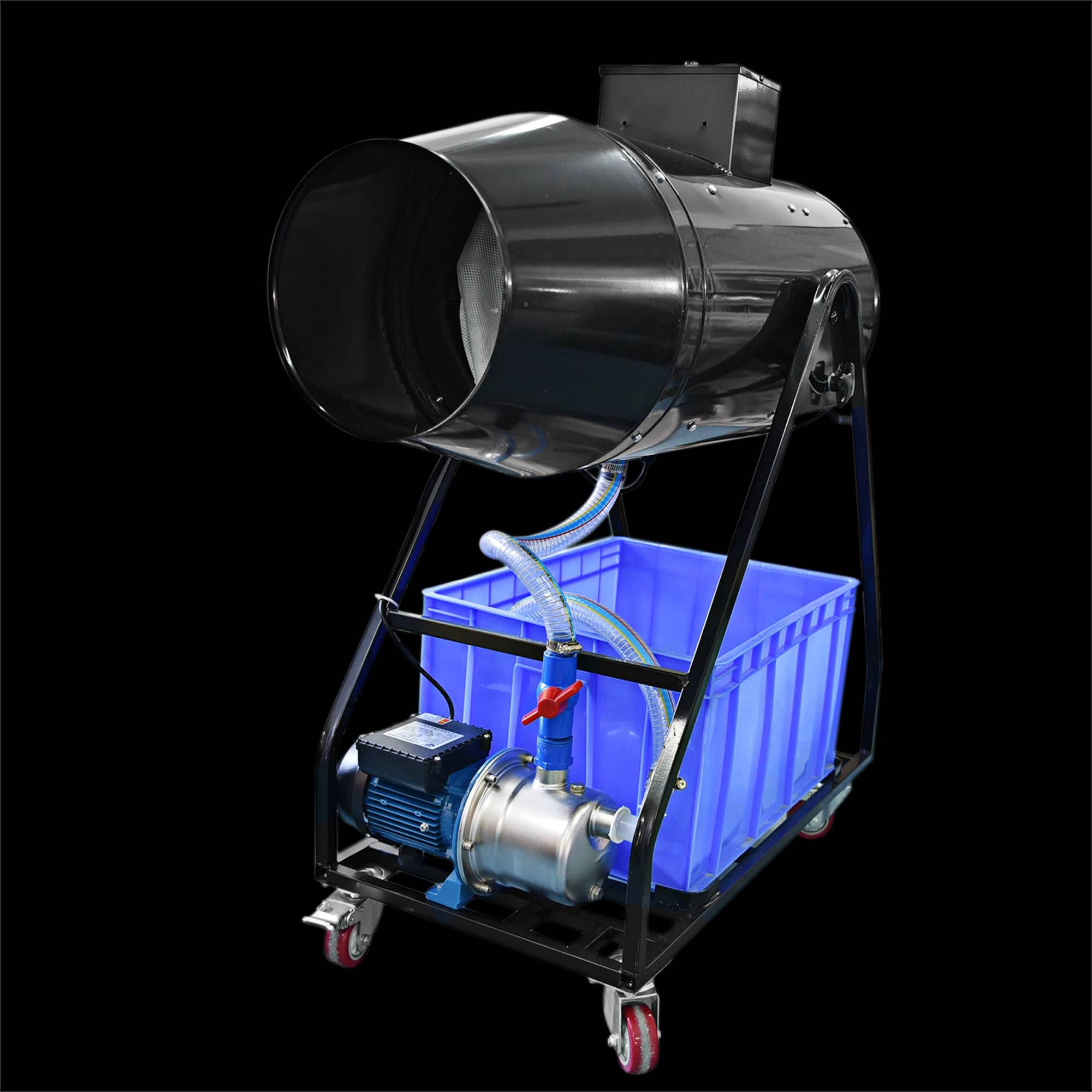
Siterui SFX 1800W Spraing foam machine High Power Professional Foam Party Maker
Elevate your event with the Siterui SFX 1800W Spraing Foam Machine. This high-power, professional foam party maker creates dense, vibrant bubbles—perfect for weddings and celebrations. Reliable and easy to use, it’s the foam and bubble machine for unforgettable moments.
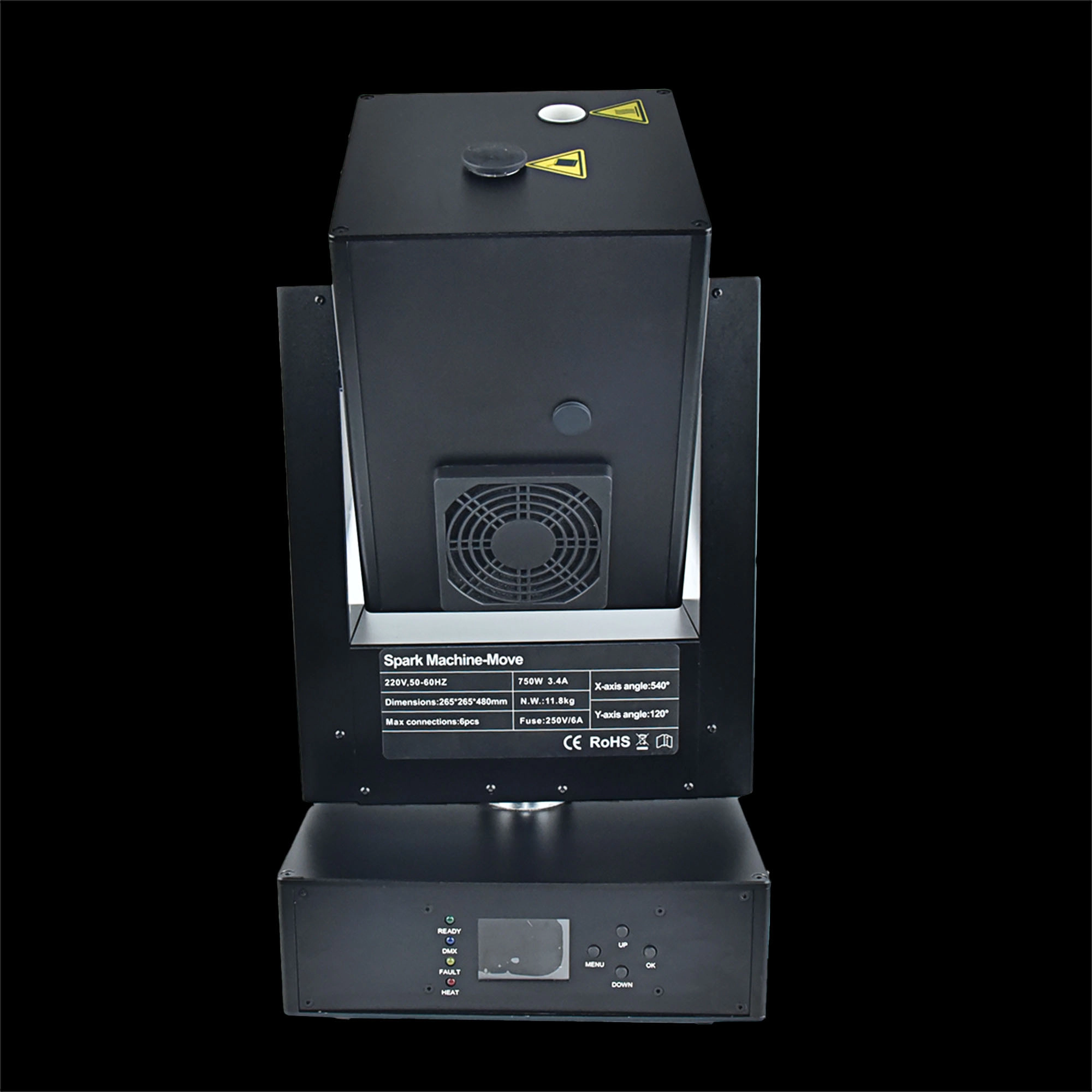
750w moving head spark machine
Siterui SFX 750w moving head spark machine delivers high-impact cold-spark effects with 360° moving head, DMX control, adjustable output and safe, long-lasting performance - perfect for concerts, weddings and stage shows.
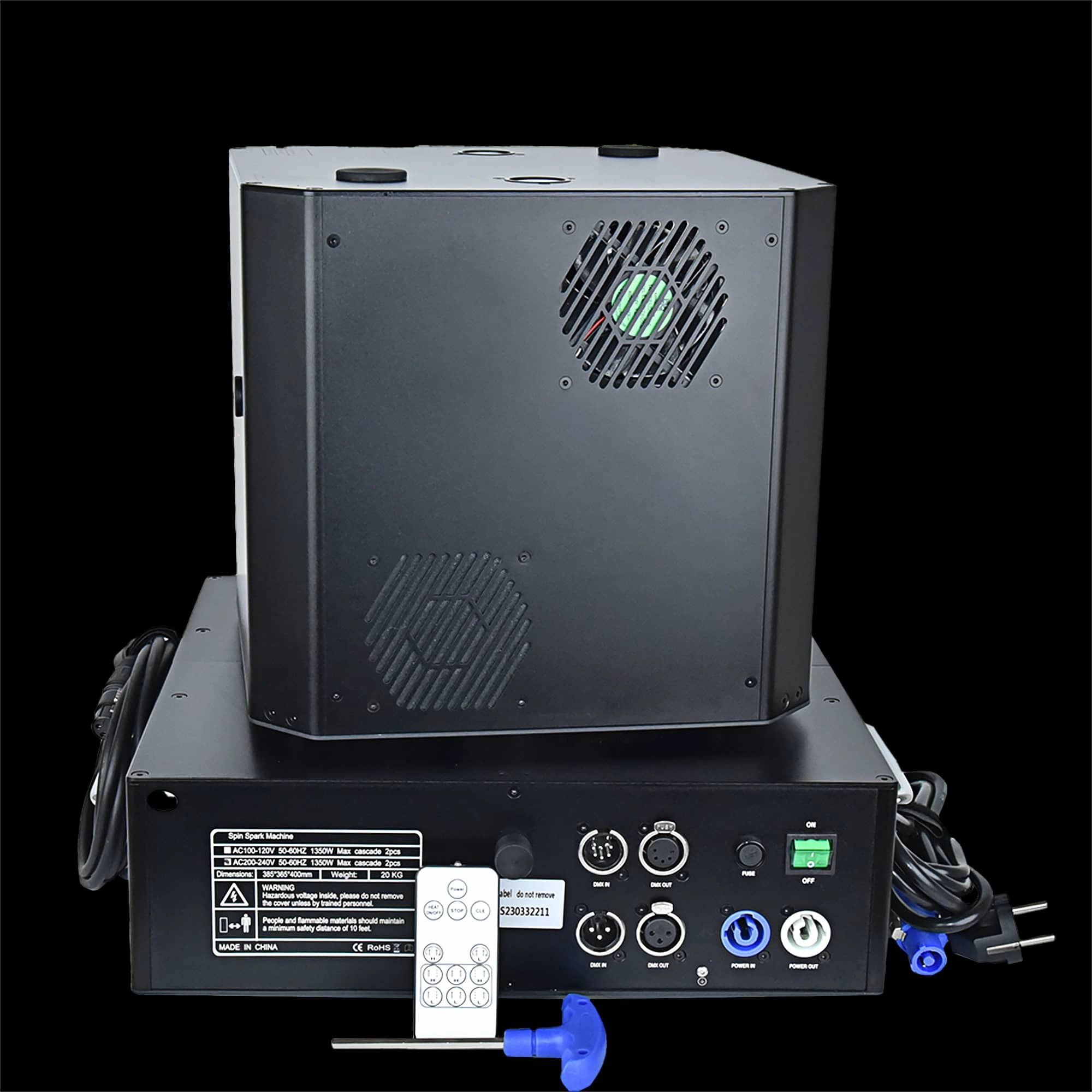
Double head 1300W Spin Spark machine DMX+Remote control
Double head 1300W Spin Spark machine -powerful dual-head 1300W spin spark effect with DMX + remote control for precise timing. Durable, professional-grade pyrotechnic effect ideal for concerts, clubs and events.
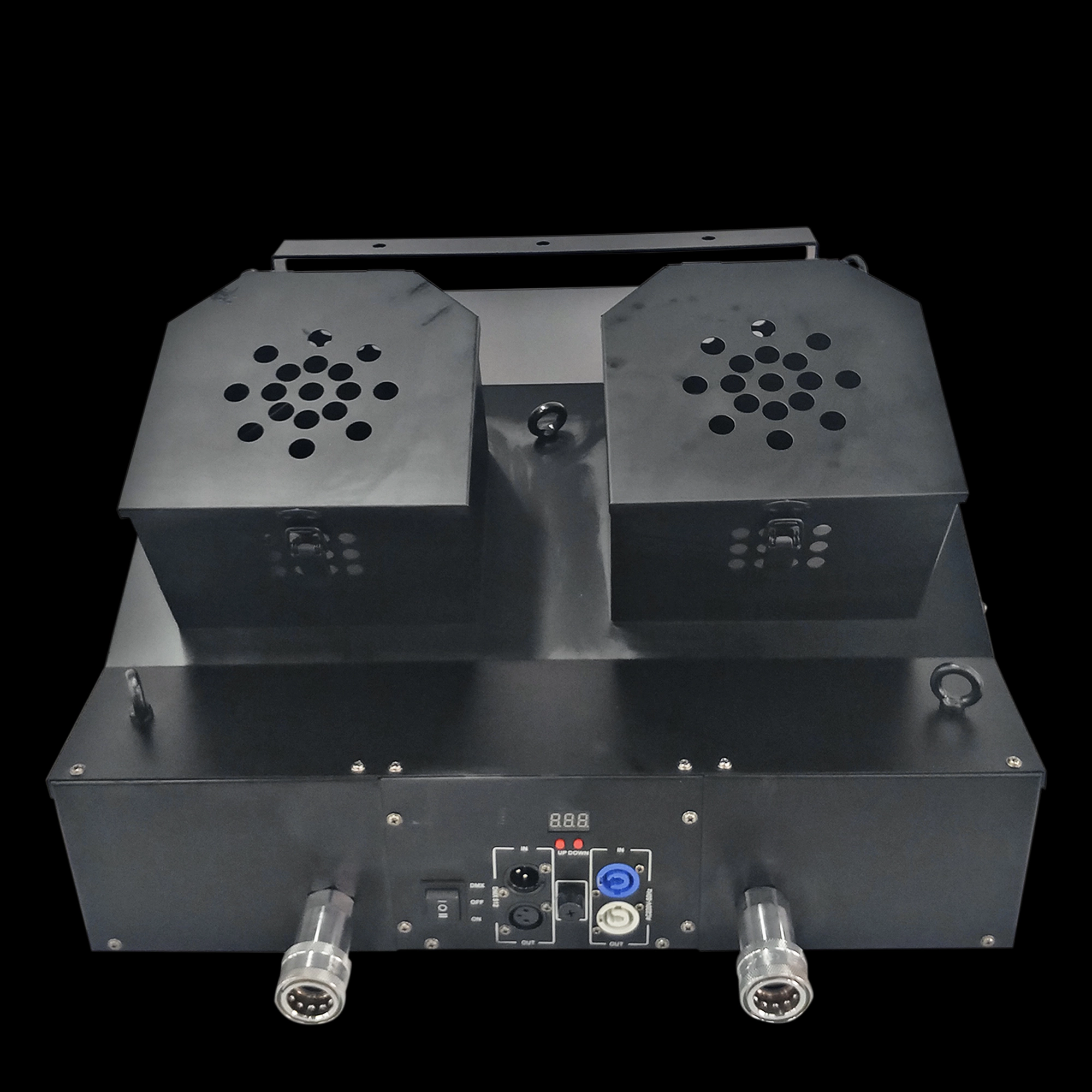
Snowstorm Paper Machine Double outlet sprayer snowstorm paper machine dual nozzle sprayer
Email: sales01@strlighting.com
WhatsApp: +86 189 2232 4800
© 2025 Siterui SFX All Rights Reserved.
 Scan QR Code
Whatsapp: +8618922324800
siteruisfx_stage_equipment
Siterui
SITERUI-SFX
STRlighting
@siterui.sfx