
Preventative maintenance tips to extend your haze machine's lifespan
- Common causes of haze machine failure
- 1. Fluid-related issues: contamination and breakdown
- 2. Thermal stress and heater degradation
- 3. Electrical and control-system faults
- Routine preventative maintenance checklist
- Daily checks (before and after use)
- Weekly maintenance
- Monthly and quarterly tasks
- Fluid management, filtration, and cleaning techniques
- Choosing and storing haze fluid
- Filtration and contamination control
- Safe cleaning procedures and recommended agents
- Advanced care, troubleshooting, and metrics to track
- Key performance indicators to monitor
- Troubleshooting common symptoms
- When to perform preventive replacements
- Maintenance schedule and cost-benefit comparison
- Siterui SFX: professional support, custom solutions, and service
- Who we are and what we offer
- Customization and integration services
- Products, technical strength and after-sales support
- Regulatory and safety considerations
- Air quality, venue safety, and exposure
- Compliance and documentation
- Practical examples from the field
- Touring rig—case study
- Theater house—long-term reliability
- FAQ
- 1. How often should I change haze fluid?
- 2. Can I mix different brands or types of haze fluid?
- 3. What cleaning agents are safe for internal components?
- 4. How do I know the heater or pump is failing?
- 5. Is professional annual servicing necessary?
- 6. Are there environmental or health risks from haze machines?
- Contact and product support
I write from years of working with live events, theaters, and touring productions where reliable atmospheric effects are mission-critical. Haze machines (hazers) are deceptively simple devices: they produce subtle airborne particles or vapor that make lighting visible and enhance visuals. But like any precision equipment, their longevity depends on consistent, preventative maintenance. Below I outline practical, verifiable steps—based on industry practice and safety recommendations—to reduce downtime, avoid costly repairs, and keep your haze machine performing optimally.
Common causes of haze machine failure
1. Fluid-related issues: contamination and breakdown
One of the most frequent failure modes I’ve seen is fluid contamination. Haze fluids (water-glycol or water-glycerin blends, mineral oil-based fluids, or specialized formulas) attract dust, microbes, and particulates. Over time these create deposits in pumps, tubing, heaters, and nozzles, leading to clogging and reduced output. Manufacturers and material safety data sheets warn about shelf-life and contamination risks; using expired or adulterated fluid accelerates component wear.
2. Thermal stress and heater degradation
Haze machines use heating elements or high-temperature atomizers. Repeated thermal cycling—especially when the heater runs dry, or when mineral deposits form—causes element fatigue and eventual failure. In my experience, improper warm-up/cool-down practices and blocked airflow contribute significantly to premature heater replacement.
3. Electrical and control-system faults
Faulty power supplies, damaged control boards, or bad connectors are typical sources of electronic failure. Moisture ingress from high-humidity environments or improper cooling can corrode PCB contacts. Regular inspection of cables, connectors, and ventilation mitigates many of these issues.
Routine preventative maintenance checklist
Daily checks (before and after use)
- Inspect fluid level and top up with the manufacturer-recommended fluid. Avoid mixing brands or fluid types.\n- Run a brief test output at the start of the day to confirm consistent haze density.\n- Wipe external surfaces and check for visible leaks, unusual smells, or noises.
Weekly maintenance
- Clean inlet/outlet grills and fan intakes with compressed air or a soft brush.\n- Inspect hoses and connectors for cracks or brittleness. Replace any suspect parts proactively.\n- If your model uses filters, change or clean per the manufacturer’s interval.
Monthly and quarterly tasks
- Flush lines and reservoirs with a recommended cleaning solution (or distilled water for water-based systems) following manufacturer guidance.\n- Perform a deeper heater and nozzle inspection; remove deposits with appropriate cleaners.\n- Validate control firmware and perform any recommended software updates to avoid communication faults.
Fluid management, filtration, and cleaning techniques
Choosing and storing haze fluid
I always recommend buying haze fluid from reputable suppliers and confirming compatibility with your machine. Store unopened fluid in a cool, dry place away from direct sunlight and extreme temperatures. Once opened, keep caps tight and consider using smaller containers to minimize the air space that encourages oxidation and microbial growth.
Filtration and contamination control
Install inline particulate filters where possible. For multi-device rigs—especially in tour or festival environments—use a filter before the pump to prevent particulate ingress. In high-dust venues, increase filter change frequency. This approach reduces nozzle clogs and pump wear.
Safe cleaning procedures and recommended agents
When cleaning heater blocks, coils, or nozzles, use manufacturer-approved cleaning fluids or diluted isopropyl alcohol as indicated in your manual. Never use flammable solvents internally or in closed heaters. After cleaning, run a short output cycle with clean fluid to purge residues. For guidance on safe handling of aerosols, see the CDC/NIOSH resources on airborne exposures: https://www.cdc.gov/niosh/.
Advanced care, troubleshooting, and metrics to track
Key performance indicators to monitor
Track runtime hours, fluid consumption per hour, warm-up time, and haze output consistency. Sudden changes in any of these metrics often preface failure—e.g., increasing consumption with reduced output can indicate a leak or atomizer inefficiency. I maintain a simple log for each device on large productions; it’s invaluable for predicting service needs and warranty claims.
Troubleshooting common symptoms
- Weak or uneven haze output: Check fluid viscosity, nozzle/clogging, pump pressure, and filters.\n- Complete no-output condition: Verify power, fuses, control signals (DMX/RDM), and then inspect the pump and heater.\n- Intermittent output/noise: Look for air in the feed line, loose connectors, or failing fans.
When to perform preventive replacements
Replace wear items (pump diaphragms, gaskets, small-bore tubing, filters) proactively based on runtime rather than waiting for failure. For touring systems I commonly replace critical seals every 12–18 months depending on usage intensity.
Maintenance schedule and cost-benefit comparison
To make planning easier, here’s a compact maintenance schedule I use and recommend to clients. It balances downtime with lifecycle extension and cost control.
| Task | Frequency | Purpose / Benefit |
|---|---|---|
| Visual inspection & quick test | Daily | Catch early leaks, verify output; prevents show-stopping failures |
| Air inlet/outlet cleaning | Weekly | Maintain cooling/airflow; reduces heater stress |
| Filter replacement / cleaning | Monthly or as-needed | Prevents particulate ingress and nozzle clogs |
| Line/reservoir flush & nozzle cleaning | Quarterly | Removes deposits; extends pump and heater life |
| Pump/heater professional service | Annually (or every 1000 hours) | Proactive part replacement and calibration; maximizes MTBF |
Data-driven maintenance is widely recommended in equipment management: standards like ISO 9001 encourage structured maintenance and traceability for quality and uptime—see ISO 9001.
Siterui SFX: professional support, custom solutions, and service
Who we are and what we offer
Siterui SFX is a professional manufacturer engaged in the research and development, production, sales, and service of professional stage special effects (SFX) equipment. With a highly skilled team and cutting-edge technology, we are committed to providing innovative, reliable, and high-performance SFX solutions for live events, theaters, concerts, film production, and entertainment venues worldwide.
Customization and integration services
At Siterui SFX, we understand that every stage, event, and creative concept is unique. That’s why we offer flexible customization services to meet your specific needs—whether it's branding, special functions, size adjustments, or complete system integration. From custom casing and logo printing to wireless control systems and synced multi-device setups, our expert team works closely with you to design SFX solutions that align perfectly with your needs.
Products, technical strength and after-sales support
Our product range and technical advantages include spark machine, Haze Machine, CO₂ Jet Machine, Bubble Machine, Snow Machine, Foam Machine, Confetti Machine, fog machine, fire machine, and dry ice machine. We pride ourselves on exceptional customer service and continuous advancement, positioning Siterui as a trusted partner in the professional special effects industry. Visit our website: https://www.siteruisfx.com/ or contact us at sales01@strlighting.com for product inquiries and tailored maintenance plans.
Regulatory and safety considerations
Air quality, venue safety, and exposure
When operating haze machines in enclosed spaces, consider ventilation and audience exposure. Governmental and occupational agencies provide guidance on aerosols and workplace safety—refer to CDC and NIOSH resources for aerosol-related precautions: https://www.cdc.gov/niosh/. When in doubt, consult venue safety officers and local regulations.
Compliance and documentation
Keep maintenance records, parts replacement logs, and fluid lot numbers. This documentation helps with warranty claims and demonstrates due diligence in safety audits. Structured record-keeping aligns with ISO-style quality practices and is useful in incident investigations.
Practical examples from the field
Touring rig—case study
On a 30-city tour, we logged runtime and fluid consumption per show. Midway through the tour, an uptick in warm-up time signaled partial nozzle blockage. A scheduled quarterly flush and nozzle cleaning prevented a show-day failure; the small service cost was far lower than a canceled performance. This is why proactive scheduled replacements for seals and tubing are a small insurance High Quality compared to emergency repairs.
Theater house—long-term reliability
In a resident theater, we established a weekly simple cleaning routine and quarterly professional servicing. Over three seasons, heater element replacements reduced by over 60% compared to the previous ad-hoc maintenance approach. Traceable records made service planning straightforward and kept running costs predictable.
FAQ
1. How often should I change haze fluid?
Use fluid from a sealed, reputable supplier. Unopened fluid in proper storage can last beyond a year, but once opened I recommend using it within 6–12 months and replacing it sooner if you notice cloudiness or sediment. Always follow your machine manufacturer’s guidance.
2. Can I mix different brands or types of haze fluid?
No. Mixing fluids—different chemistries or viscosities—can lead to chemical reactions, increased deposits, or nozzle clogging. Stick to one compatible fluid per device and label containers clearly.
3. What cleaning agents are safe for internal components?
Only use manufacturer-approved cleaning agents. Many systems can be flushed with distilled water (for water-based fluids) or specified cleaning solutions. Avoid strong organic solvents unless explicitly allowed in the service manual.
4. How do I know the heater or pump is failing?
Symptoms include longer warm-up time, reduced or inconsistent output, unusual noises, and visible leaks. Track performance metrics and address deviations early. If you suspect heater or pump failure, stop using the device and arrange professional service.
5. Is professional annual servicing necessary?
Yes—especially for high-use or touring equipment. Annual professional checks (or every ~1000 hours) let technicians replace wear parts, recalibrate controls, and detect issues not visible in routine checks.
6. Are there environmental or health risks from haze machines?
When used properly with recommended fluids and within ventilation guidelines, haze machines are safe for audiences and performers. For information on aerosol exposures and workplace safety, consult authoritative resources such as the CDC/NIOSH pages: https://www.cdc.gov/niosh/. If you have medical concerns (e.g., asthma), coordinate with medical professionals and venue management.
Contact and product support
If you’d like bespoke maintenance plans, technical support, or to explore custom haze machine options, contact Siterui SFX. We design and manufacture professional SFX equipment and offer flexible customization—from casing and logo printing to wireless control and synchronized multi-device setups. Visit https://www.siteruisfx.com/ or email sales01@strlighting.com for quotes, maintenance agreements, and technical assistance.
Maintaining your haze machine is a blend of daily routines, scheduled deep maintenance, proper fluid management, and reliable professional servicing. Follow the checks and schedules above, keep good records, and you'll extend the working life and consistency of your haze systems—reducing unexpected downtime and overall lifecycle cost.
References: Fog and haze device background: https://en.wikipedia.org/wiki/Fog_machine. Quality management and maintenance principles: https://www.iso.org/iso-9001-quality-management.. Occupational aerosol and exposure guidance: https://www.cdc.gov/niosh/.
What are the application scenarios of confetti machine?
Wholesale Co2 jet manufacturer and supplier in china
Key spare parts and accessories every cold spark machine owner should buy
Snow Machine Maintenance Checklist to Maximize Lifespan
1200W Haze Machine
Can I use other brands of haze fluid?
We recommend our certified fluid for optimal performance and longevity.
FAQs
What industries does Siterui serve?
3000W fog machine
How does your factory do regarding quality control?
All the products will be 100% checked before the shipment.
Single-Head CO2 Jet Machine
How could l get a sample
If you can not buy our product in your local area, we will ship a sample to you.You will be charged a sample price plus all related shipping costs.Express delivery charge depends on the quantity of the samples.
2100W Morning Haze Machine
Is the haze machine suitable for outdoor use?
Yes, but avoid direct exposure to rain or extreme weather conditions.
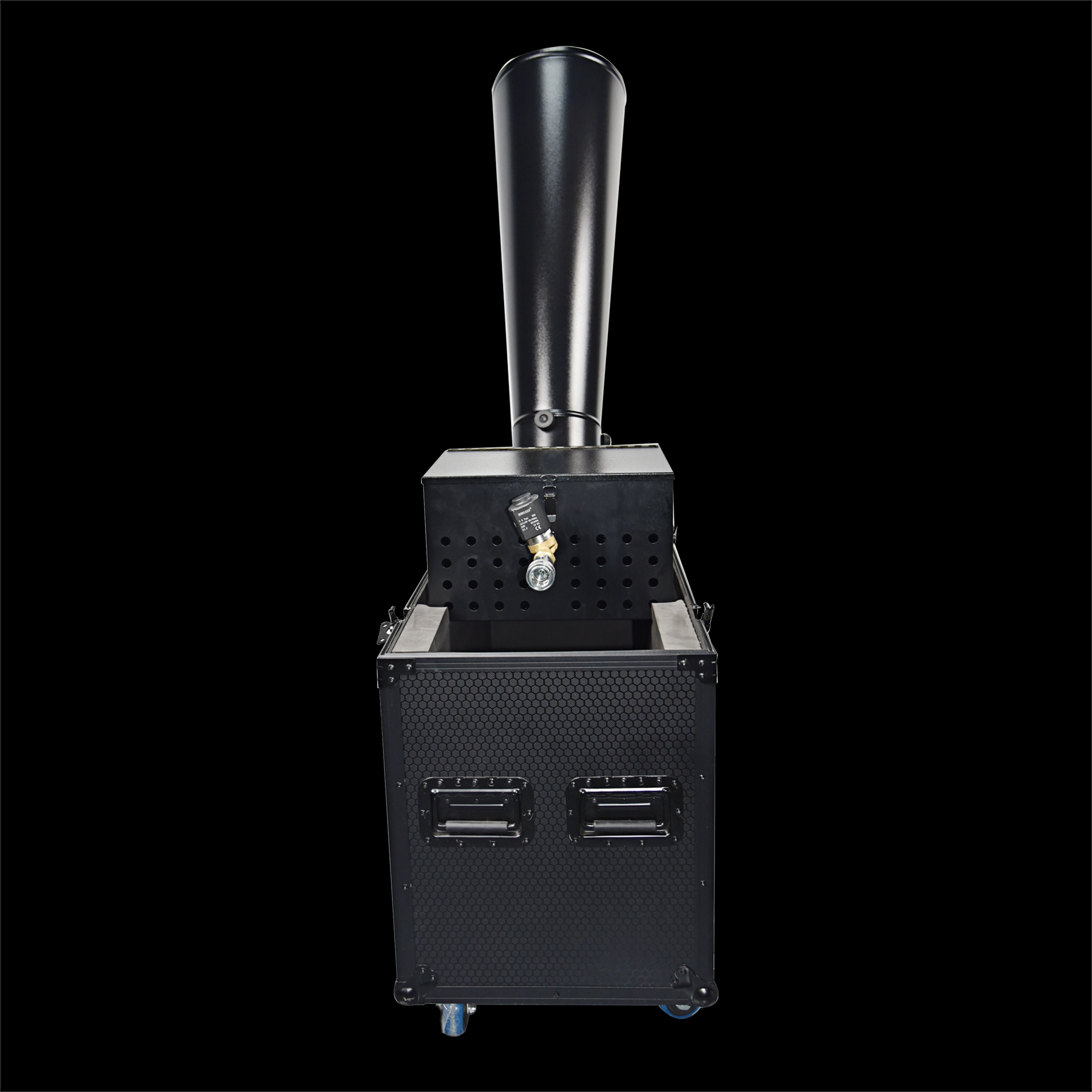
CO₂ Mini Rainbow Confetti Machine Manual Control with Durable Black Wheeled Flight Case
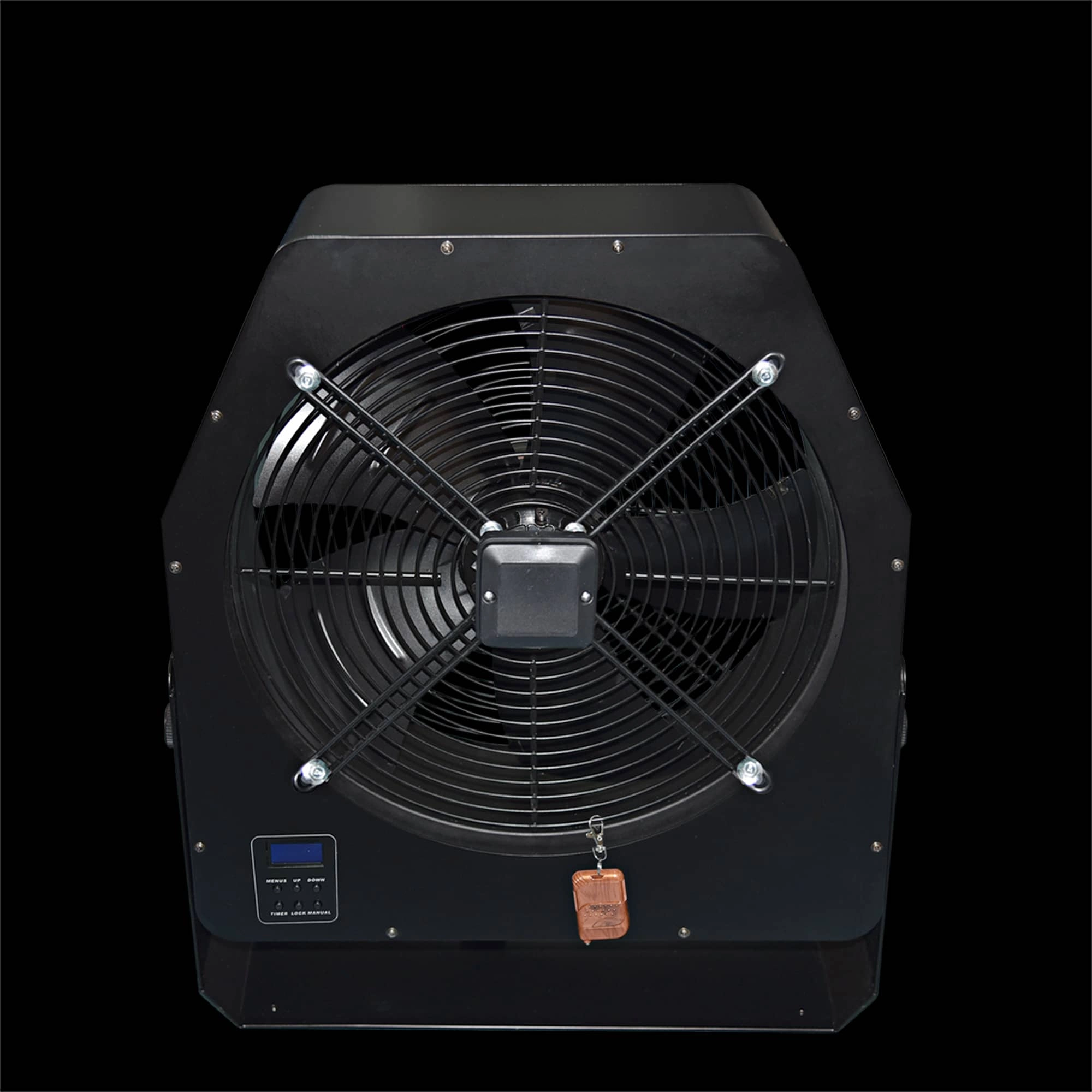
Professional Stage Big DMX Fan | High-Power Event Fan for Stage Shows & Celebrations
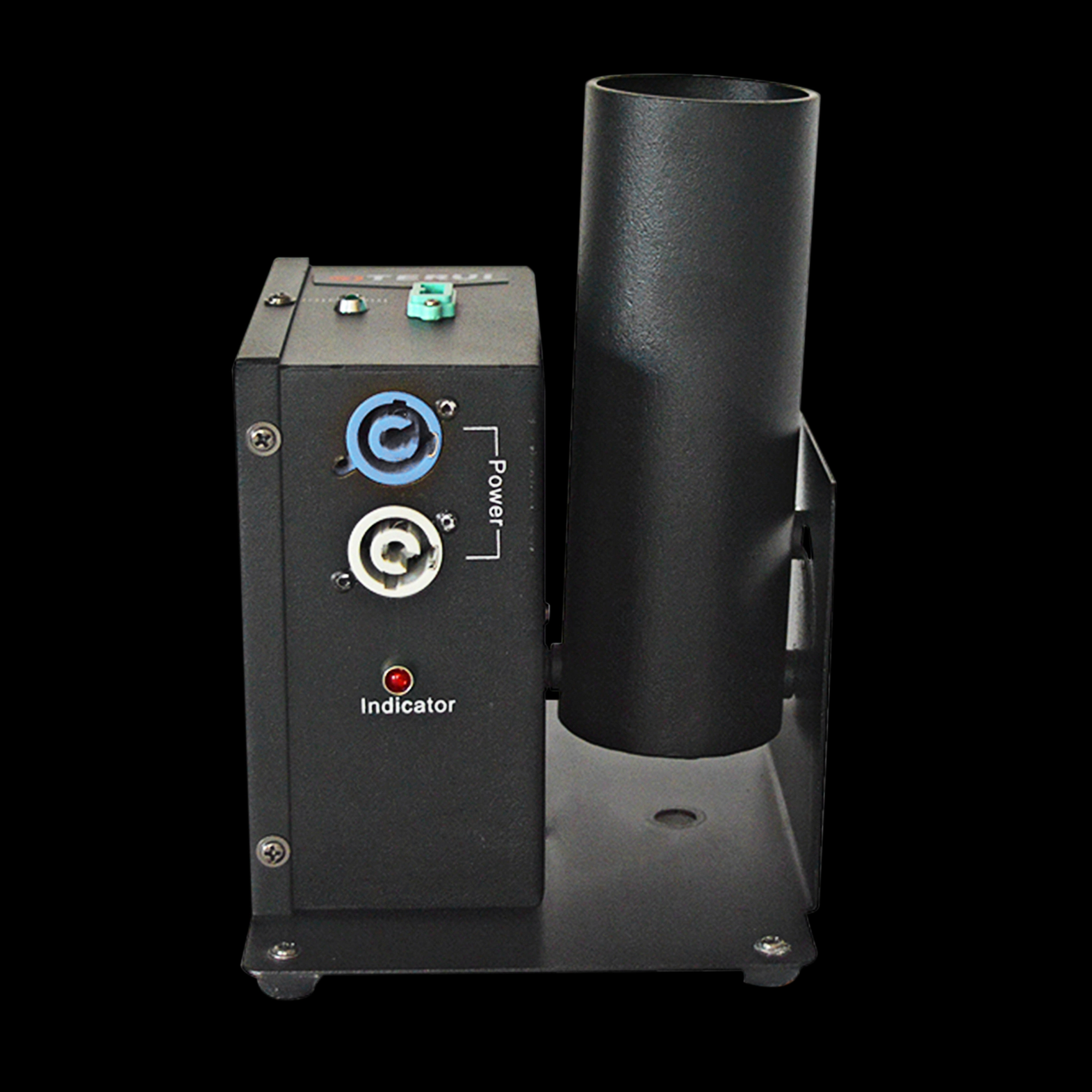
Single Shot Confetti Machine - Premium Confetti Launcher for Weddings & Stage Celebrations
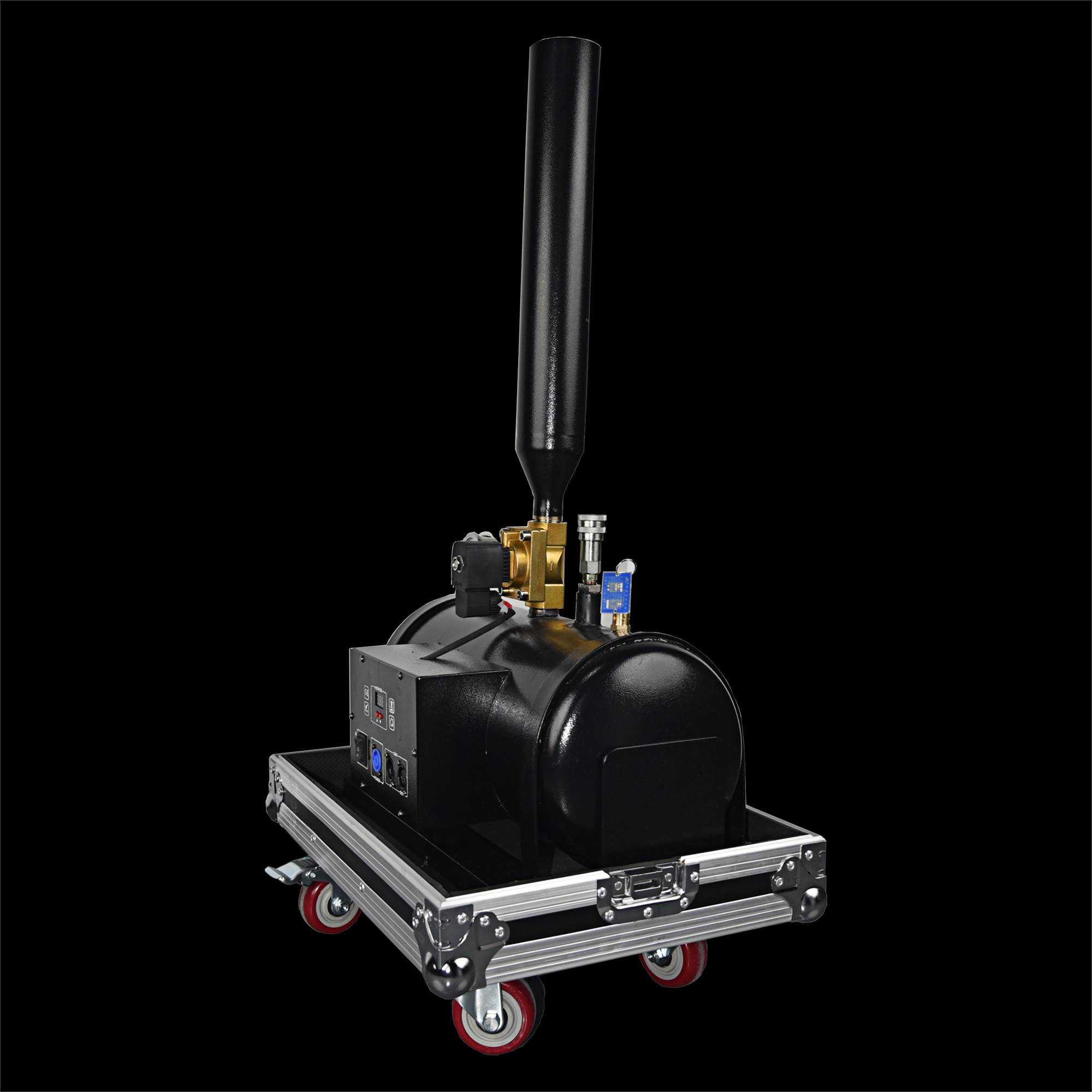
High-Altitude Confetti Cannon - Professional Confetti Blaster for Stage, Party & Celebration Events
Email: sales01@strlighting.com
WhatsApp: +86 189 2232 4800
© 2025 Siterui SFX All Rights Reserved.
 Scan QR Code
Whatsapp: +8618922324800
siteruisfx_stage_equipment
Siterui
SITERUI-SFX
STRlighting
@siterui.sfx