
Safety Standards and Compliance for Fog Machines
- Understanding the Risks and Operational Context
- Health and respiratory considerations
- Fire, pyrotechnic and electrical hazards
- Operational and venue constraints
- Key Safety Standards and Regulatory Frameworks
- United States: NFPA and OSHA guidance
- European Union and UK: CE marking and EN standards
- Industry bodies and best-practice guidance
- Practical Compliance: Selection, Operation and Documentation
- Choose certified, fit-for-purpose equipment
- Fluid safety, labeling and SDS management
- Ventilation, exposure monitoring and controls
- Testing, Detector Strategies and Emergency Planning
- Smoke detector interaction and approved masking
- Emergency response, signage and evacuation
- Records, certification and audit readiness
- Comparing Fog Technologies and Compliance Considerations
- Vendor and Manufacturer Responsibilities
- What manufacturers should provide
- Rental houses and integrators
- Operator training and competency
- Siterui SFX: Professional Partner for Compliant Special Effects
- Summary Checklist: Pre-Show Compliance
- Frequently Asked Questions (FAQ)
- 1. Do fog machines pose a health risk to audiences?
- 2. Can fog trigger smoke detectors and how can I prevent false alarms?
- 3. What documentation should I retain for compliance?
- 4. Are there specific exposure limits for theatrical fog aerosols?
- 5. How do I choose between fog, haze and dry ice effects?
- 6. Who should I contact if I need a compliant, custom fog solution?
Fog machines (also called smoke machines or theatrical foggers) are widely used to shape lighting, atmosphere and visual effects for concerts, theatre, film and themed attractions. Because they disperse aerosols, heat elements and sometimes CO₂ or dry ice, fog machines intersect health, fire and electrical safety rules across jurisdictions. This guide focuses on actionable safety standards and compliance routes for fog machines—covering regulatory requirements (NFPA, OSHA, CE/EN), fluid chemistry and labeling, ventilation and exposure monitoring, equipment certification and documentation—so venue managers, production companies and rental houses can reduce risk and demonstrate compliance.
Understanding the Risks and Operational Context
Health and respiratory considerations
Fog machines produce aerosols from fog fluid (commonly water blended with propylene glycol or glycerin). Although many studies and safety authorities state properly formulated theatrical fogs are low-toxicity at typical concentrations, prolonged or high exposures can irritate airways for sensitive individuals (asthma, COPD) or cause discomfort to performers and audience members. For background on fog machine technology and fluid types see Wikipedia: Fog machine and for haze devices see Wikipedia: Haze machine. Operators should apply exposure controls and consult occupational guidance from agencies like NIOSH/CDC (NIOSH/CDC) and OSHA (OSHA).
Fire, pyrotechnic and electrical hazards
Fog machines use heating elements, pumps, electrical wiring and sometimes pressurized CO₂, which introduces fire and electrical hazards. If fog is used with flame effects or pyrotechnics, additional robust standards apply (see NFPA). Electrical safety (proper grounding, certified components, cable management) is essential to prevent shocks and fires.
Operational and venue constraints
Venue ventilation, occupancy density, emergency egress visibility and smoke detectors are key operational constraints. Fog can trigger fire alarms or obscure exits if misused. Pre-show testing, detector masking protocols (where permitted), and coordination with venue technical and safety teams are required to prevent unintended alarm activations and to ensure audience safety.
Key Safety Standards and Regulatory Frameworks
United States: NFPA and OSHA guidance
In the U.S., several standards and regulations intersect with theatrical fog use. NFPA publishes standards relevant to live performance effects—especially when flame effects or pyrotechnics are involved (for example, NFPA standards such as NFPA 160 for flame effects and NFPA 101 Life Safety Code). Venue operators and production teams should consult NFPA standards applicable to their production. OSHA standards such as the Respiratory Protection standard and Hazard Communication (hazcom) also apply to worker safety, chemical labeling and training; see OSHA Respiratory Protection and general OSHA guidance at osha.gov.
European Union and UK: CE marking and EN standards
In the EU, electrical equipment must meet appropriate CE directives (Low Voltage Directive, EMC Directive) and harmonized EN standards for machinery and electrical safety. While there is no single EU standard titled specifically for fog machines, the applicable product safety and machinery standards, plus local fire and building codes, must be satisfied. UK venues should follow UK-adopted standards and guidance from the Health and Safety Executive (HSE).
Industry bodies and best-practice guidance
Entertainment industry organisations produce practical guidance: the Entertainment Services and Technology Association (ESTA) publishes technical standards and recommended practices for the live event community. Local cultural regulators, venue insurers and fire authorities also issue venue-specific requirements. Where multiple jurisdictions intersect, always default to the most stringent local requirement and consult the authority having jurisdiction (AHJ).
Practical Compliance: Selection, Operation and Documentation
Choose certified, fit-for-purpose equipment
Buy fog machines with clear technical documentation: electrical ratings, max output, recommended fluid types, IP rating if outdoors, and safety interlocks. Prefer units with third-party certification (UL, ETL, CE) for electrical safety. For example, look for UL/ETL listings for North America or CE marking for EU market entry. Keep manufacturer manuals and safety data sheets (SDS) accessible.
Fluid safety, labeling and SDS management
Fog fluid composition matters. Common constituents include propylene glycol and glycerin; both have industry safety data sheets describing hazards, first-aid, and exposure limits. Maintain up-to-date Safety Data Sheets for every fluid in use and incorporate them into your hazard communication program. Train staff on fluid handling, spill response and skin/eye precautions.
Ventilation, exposure monitoring and controls
Engineering controls are the most reliable protection: adequate ventilation and HVAC management to prevent accumulation of aerosols and to maintain visibility and acceptable air quality. For recurring shows, consider simple exposure monitoring (CO₂, particulate counts) and medical screening for cast or crew with respiratory sensitivities. Use administrative controls: limit fog density, duration and proximity to performers and audience, and schedule rehearsals to validate conditions.
Testing, Detector Strategies and Emergency Planning
Smoke detector interaction and approved masking
Fog and haze can activate smoke detectors. Before a performance, liaise with the venue’s fire safety officer and the local AHJ to determine approved detector masking or temporary control procedures. Any masking or detector isolation must be documented and performed only when accredited by the AHJ; never disable detectors without permission and compensatory measures.
Emergency response, signage and evacuation
Ensure that visibility reductions from fog do not compromise egress. Conduct emergency drills with cast and ushers under reduced-visibility conditions. Maintain illuminated exit signage and unobstructed evacuation routes. Document emergency plans and train staff in crowd management and communicating with audiences in the event of an incident.
Records, certification and audit readiness
Maintain inspection logs, maintenance records, SDS files, operator training certificates and pre-show checklists. These records are critical for liability protection, insurance audits and regulatory inspections. Keep certificates of conformity for equipment and third-party test reports in a centralized compliance folder.
Comparing Fog Technologies and Compliance Considerations
| Technology | Typical Fluid/Medium | Primary Hazards | Regulatory/Compliance Notes |
|---|---|---|---|
| Hot-fluid fog machine | Glycol/water, glycerin blends | Aerosol inhalation, skin/eye irritation, heating element fire risk | Follow SDS, maintain ventilation, prefer UL/CE certified units. See Wikipedia: Fog machine |
| Haze machine | Low-concentration glycol/di- or tri-propylene fluids | Prolonged low-level aerosol exposure | Designed for continuous low output; monitor cumulative exposure. See Haze machine |
| Dry ice (CO₂) fog | Solid CO₂ + water | High CO₂ concentrations risk asphyxiation in poorly ventilated spaces | Requires ventilation and CO₂ monitoring; consult CO₂ safety guidance. See Dry ice |
| CO₂ jet | Pressurized CO₂ gas | Cryogenic injury, asphyxiation, pressure hazards | Use certified cylinders, pressure regulators, and trained operators; follow gas safety codes |
Data sources: product technology descriptions and safety references from broadly available technical resources and manufacturer documentation; for technical background see Fog machine and Haze machine.
Vendor and Manufacturer Responsibilities
What manufacturers should provide
Manufacturers must supply clear user manuals, electrical safety certificates, recommended fluid lists, maintenance schedules and SDS references. For export markets, ensure CE or applicable marking and provide compliance documentation to buyers.
Rental houses and integrators
Rental companies and systems integrators should inspect and test each unit before deployment, keep calibration and service logs, and confirm customer awareness of fluids, local codes and detector interactions. Provide operator training and pre-show risk assessments.
Operator training and competency
Operators need to be trained on safe setup, fluid handling, ventilation planning, emergency procedures, and how to read SDS documents. Record training and refresh at intervals or when new equipment is introduced.
Siterui SFX: Professional Partner for Compliant Special Effects
Siterui SFX is a professional manufacturer engaged in the research and development, production, sales, and service of professional stage special effects (SFX) equipment. With a highly skilled team and cutting-edge technology, we are committed to providing innovative, reliable, and high-performance SFX solutions for live events, theaters, concerts, film production, and entertainment venues worldwide.
At Siterui SFX, we understand that every stage, event, and creative concept is unique. That’s why we offer flexible customization services to meet your specific needs—whether it's branding, special functions, size adjustments, or complete system integration. From custom casing and logo printing to wireless control systems and synced multi-device setups, our expert team works closely with you to design SFX solutions that align perfectly with your needs.
Our product range and strengths include spark machines, haze machines, CO₂ jet machines, bubble machines, snow machines, foam machines, confetti machines, fog machines, fire machines, and dry ice machines. We emphasise safety and compliance through robust design, quality components, and complete technical documentation. Siterui SFX provides post-sale service, spare parts and operator training to help clients meet local safety requirements and industry standards.
Why choose Siterui SFX: experienced R&D team, scalable production, compliant products, and responsive service—positioning Siterui as a trusted partner in professional special effects.
Summary Checklist: Pre-Show Compliance
- Confirm equipment certification (UL/ETL/CE) and availability of manuals and SDS.
- Perform pre-show function test and detector interaction test with AHJ approval.
- Verify ventilation plans and CO₂/particulate monitoring where applicable.
- Document operator training, emergency plans and equipment logs.
- Coordinate with venue safety, insurer and local fire authority for complex effects.
Frequently Asked Questions (FAQ)
1. Do fog machines pose a health risk to audiences?
When used correctly with approved fluids and adequate ventilation, fog machines are generally low risk for the general population. People with respiratory conditions may be sensitive; venues should provide notices and consider alternative effects for accessible performances. Consult SDS for each fluid and occupational guidance from agencies like NIOSH.
2. Can fog trigger smoke detectors and how can I prevent false alarms?
Yes. Coordinate with the venue’s fire safety team and local fire authority (AHJ) before the show. Approved mitigation may include detector masking protocols or airflow adjustments, but never disable detectors without AHJ authorization. Pre-show testing is essential.
3. What documentation should I retain for compliance?
Keep equipment certificates, user manuals, SDS, maintenance logs, operator training records, and pre-show checklists. These files demonstrate due diligence to inspectors and insurers.
4. Are there specific exposure limits for theatrical fog aerosols?
There are no universal theatrical fog exposure limits comparable to occupational exposure limits for chemical gases; agencies like NIOSH and national occupational authorities provide guidance for respiratory protection and workplace air quality. Implement local monitoring and conservative administrative controls.
5. How do I choose between fog, haze and dry ice effects?
Choose based on artistic needs, venue ventilation and safety: haze is preferred for subtle, continuous atmosphere with lower density; hot-fluid fog delivers dense bursts; dry ice produces low-lying fog but introduces CO₂ risk and requires ventilation. Evaluate each technology against site constraints and safety controls.
6. Who should I contact if I need a compliant, custom fog solution?
Contact professional SFX manufacturers or integrators who provide compliance documentation and training. Siterui SFX offers customizable fog machines and a full SFX product range tailored to regulatory and venue requirements—contact our sales team for consultation and product details.
For product inquiries, compliance consultation or to request customized fog machines and full SFX solutions, contact Siterui SFX or visit our product pages to view fog machines, haze machines, CO₂ jet machines, dry ice machines and other professional SFX equipment.
Common Stage Light Problems and Solutions
How to Make Fog Effects Last Longer on Stage
Top bubble haze machine Manufacturers and Suppliers in us
How to Integrate Dry Ice Machines with Lighting
600W High-Quality Stainless Steel
How is quality ensured?
Each unit undergoes rigorous testing, including spark consistency and safety checks.
About us
Does Siterui offer custom design services?
Yes! Our team tailors devices and solutions to perfectly match your event needs.
How does Siterui ensure on-time project delivery?
Dedicated project managers coordinate timelines and progress to meet deadlines.
1500W 24x3W LED fog machine
What is the price of shipping?
Depending upon the port of delivery, prices varies.
1500W Haze Machine
Are you a factory or trading company?
Yes,We are a factory & trading company, we can guarantee our price is first-hand, very cheap and competitive.
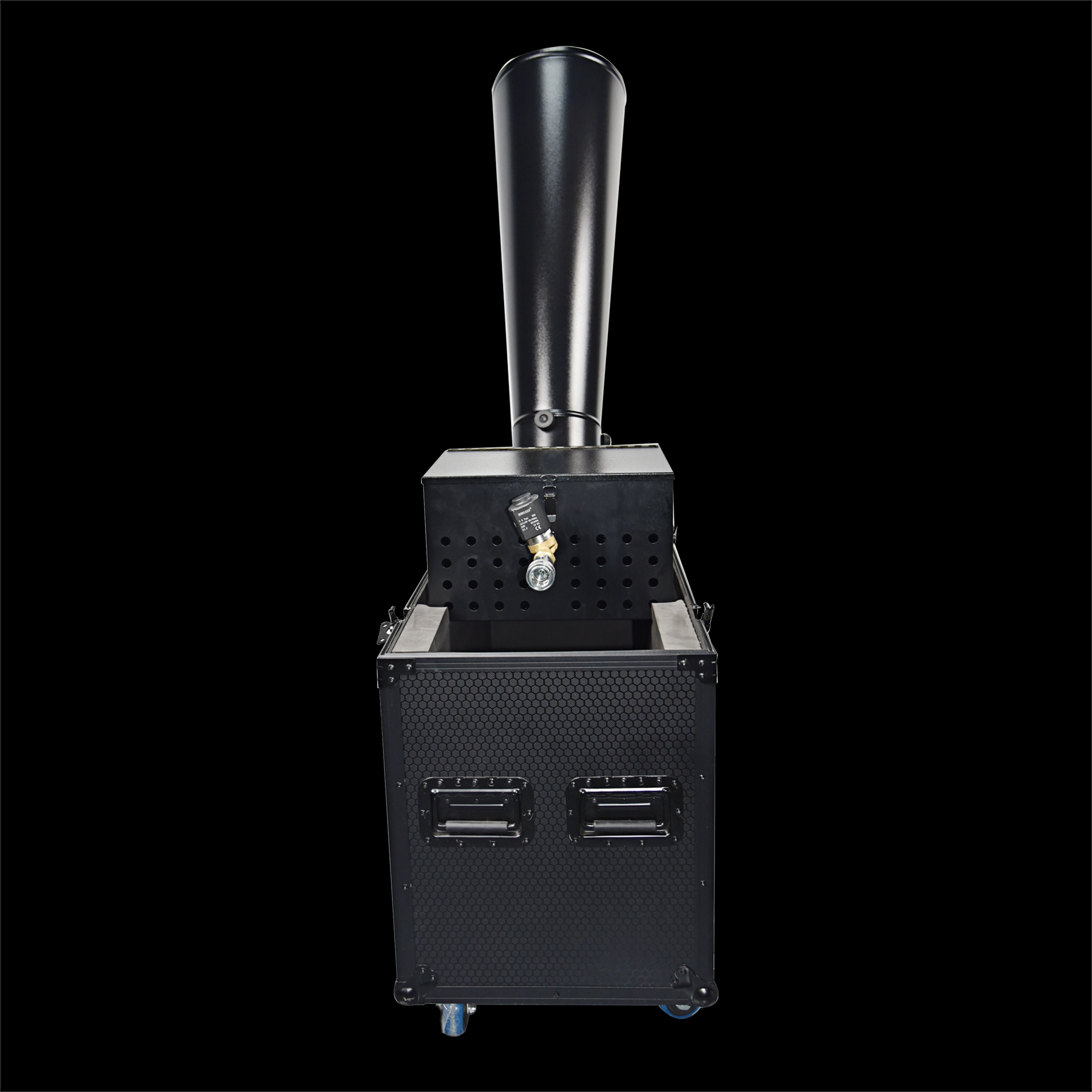
CO₂ Mini Rainbow Confetti Machine Manual Control with Durable Black Wheeled Flight Case
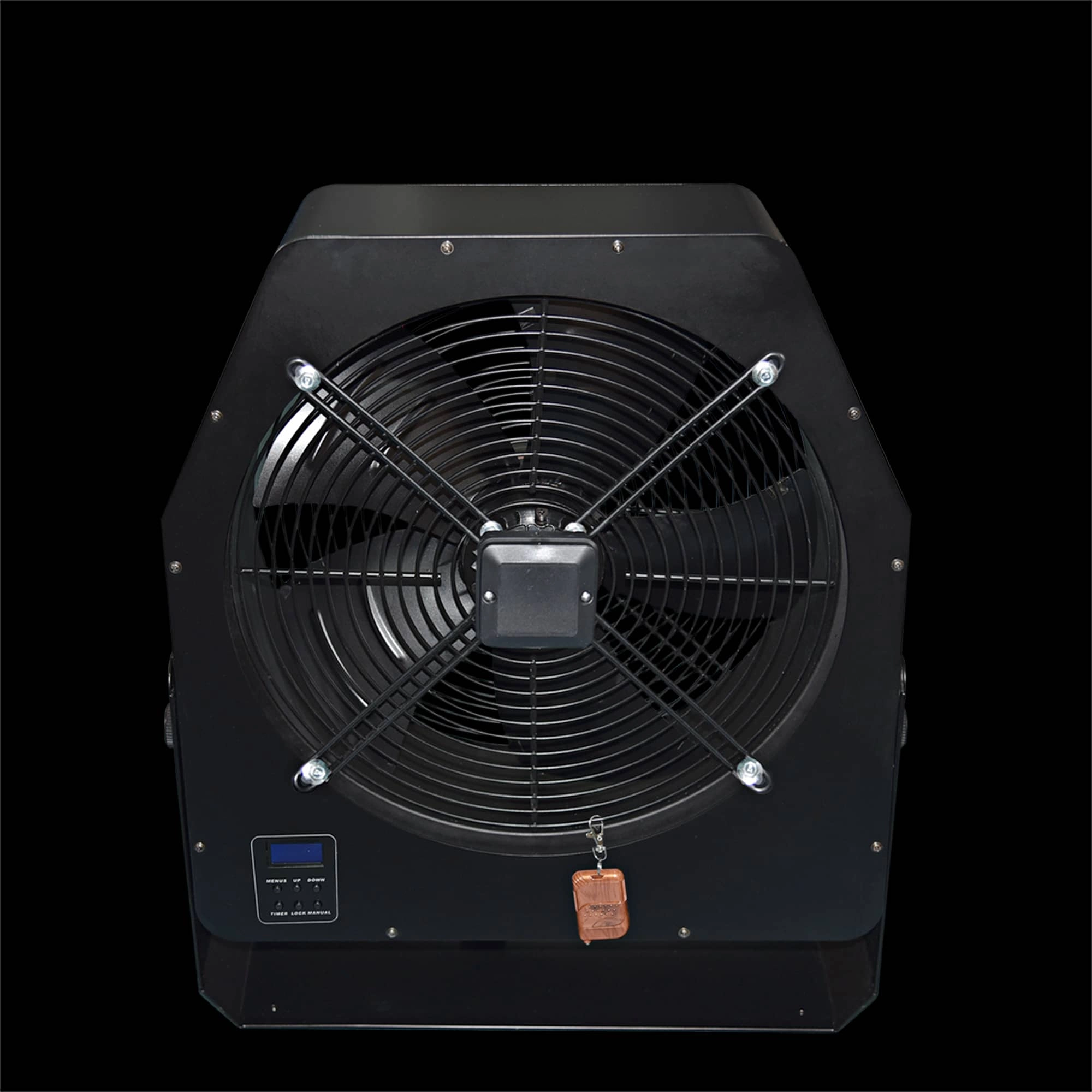
Professional Stage Big DMX Fan | High-Power Event Fan for Stage Shows & Celebrations
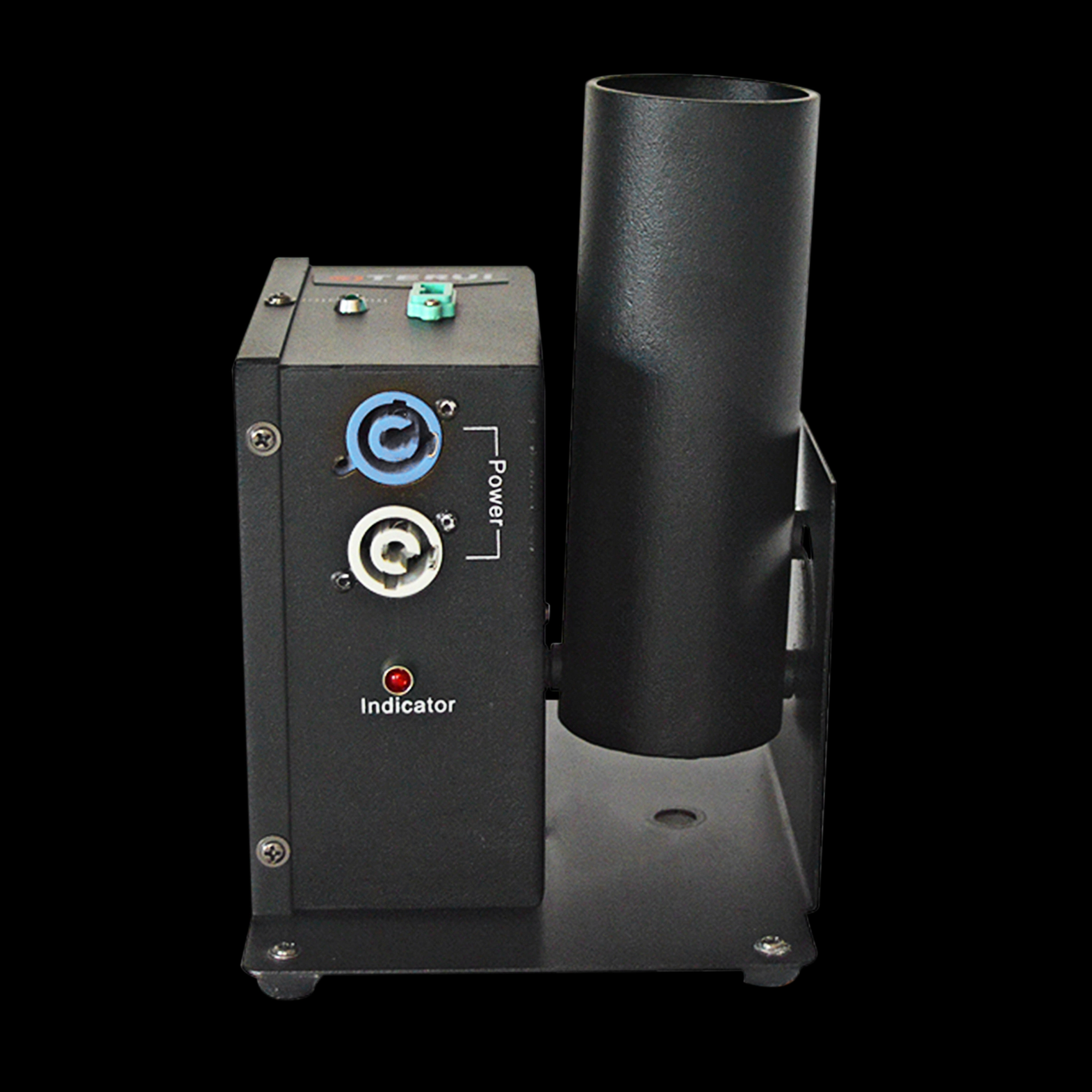
Single Shot Confetti Machine - Premium Confetti Launcher for Weddings & Stage Celebrations
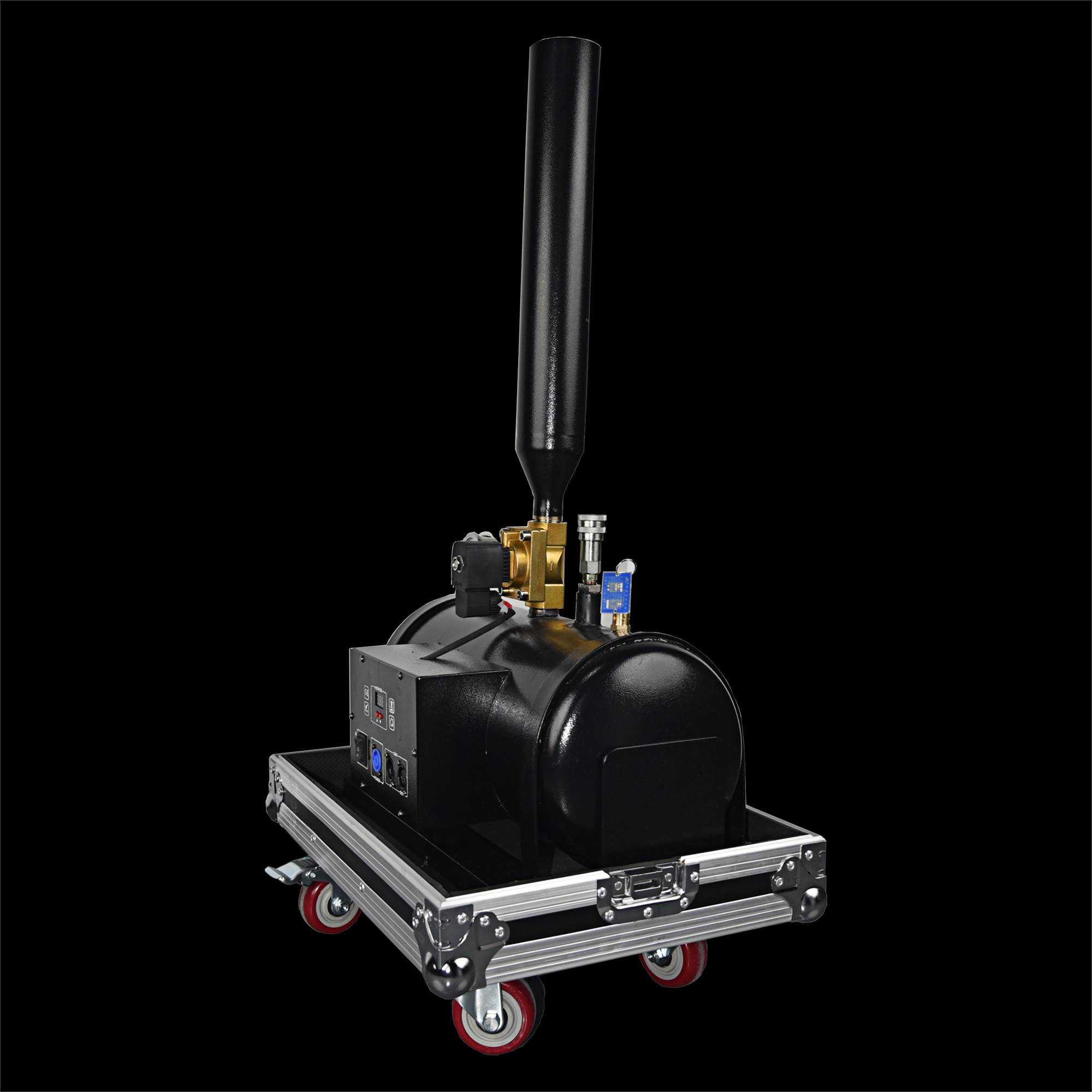
High-Altitude Confetti Cannon - Professional Confetti Blaster for Stage, Party & Celebration Events
Email: sales01@strlighting.com
WhatsApp: +86 189 2232 4800
© 2025 Siterui SFX All Rights Reserved.
 Scan QR Code
Whatsapp: +8618922324800
siteruisfx_stage_equipment
Siterui
SITERUI-SFX
STRlighting
@siterui.sfx