
Silent hazers for theater and broadcast
- Creating Invisible Atmosphere: Mastering Silent Haze in Live Production
- Why silent hazers matter for theater and broadcast — and what users really search for
- How silent hazers work — key technology and terminology (keyword: hazer)
- Noise and broadcast requirements: what counts as “silent”?
- Comparison table: silent hazer types and typical performance ranges (keyword: buy hazer)
- Selecting the right silent hazer for theater — practical checklist (keyword: hazer for theater)
- Broadcast-specific considerations: why studios ask for ‘silent’ and ‘clean’
- Installation and placement strategies (keyword: hazer rental / buy hazer)
- Maintenance, consumables and operating costs (keyword: hazer maintenance)
- Health, safety and regulatory considerations (keyword: hazer safety)
- Siterui SFX: product and service overview — specialized SFX partner (keyword: Siterui SFX haze machine)
- Case study examples (anonymized best practices)
- Buying vs renting: recommendations for theaters and broadcast houses (keyword: buy hazer / hazer rental)
- Implementation checklist before first use (keyword: hazer setup)
- FAQ — Silent hazers for theater and broadcast
- Contact and next steps — request a consultation or view products
- References and further reading
Creating Invisible Atmosphere: Mastering Silent Haze in Live Production
Why silent hazers matter for theater and broadcast — and what users really search for
A hazer is a device that produces a fine, long-lasting aerosol (haze) used to make light beams, projections and scenic textures visible without the dense obscuration of fog. For theater and broadcast environments, the primary behind queries such as “silent hazers for theater” or “hazer for broadcast studio” is practical: people want units that produce consistent, controllable haze while maintaining low audible noise, safe air quality, and reliable integration with lighting and smoke-control systems.
This article addresses those needs: it explains the technical principles of silent hazers, compares the common types and their trade-offs, provides selection and placement guidelines specific to theaters and broadcast studios, and reviews maintenance, safety and regulatory concerns. The content is grounded in industry practice and references authoritative sources so theater technicians, broadcast engineers, rental houses and production managers can make informed choices.
How silent hazers work — key technology and terminology (keyword: hazer)
Silent hazers create a steady aerosol by vaporizing a specially formulated haze fluid and dispersing it as very small particles (submicron to a few microns). Two main mechanisms are used:
Thermal vaporization (heated-element hazers): fluid is vaporized by a heat exchanger then expelled through a fan. These units can be compact and consistent, but require warm-up time. Many modern designs add insulation and acoustic dampening to reduce audible noise.
Ultrasonic/atomizing and cold-fan systems: use ultrasonic transducers or low-heat atomizers combined with quiet fans to produce haze. These can be very quiet and fast to start, but may differ in particle size distribution and fluid compatibility.
Key technical metrics to evaluate a hazer:
- Noise level (dB) measured at a standard distance (typically 1 m or 1.5 m).
- Output volume (mL/min or cubic meters/minute of visible haze) or duty-cycle capability for continuous use.
- Particle size distribution (affects beam visibility and persistence).
- Fluid type (water-based vs. glycol/propylene-glycol blends) — affects residue, scent, and smoke detectors.
- Control options (DMX, Art-Net, wireless remote, timer).
Sources such as manufacturer technical notes and industry guides explain these basics; for safety and regulatory aspects, consult official bodies (see references).
Noise and broadcast requirements: what counts as “silent”?
In broadcast and theatrical environments, the threshold for acceptable noise is often stricter than for concerts. A “silent” hazer typically aims for operational noise levels that do not interfere with microphones or live microphones during performance — commonly in the 35–55 dB(A) range measured at 1 m, depending on ambient studio noise and mic placement.
Practical points:
- Background ambient noise in a quiet TV studio is often targeted below 40 dB(A) during recording; a hazer operating at 40 dB(A) close to a mic may still be audible. Measure in-situ and prefer remote placement or ducting when necessary.
- Many broadcast setups use remote hazer placement with flexible ducting to move the machine away from the soundstage; this reduces perceived noise but requires larger output capacity.
Regulatory and guidance sources on occupational noise and acceptable exposure: OSHA (U.S.) and WHO environmental noise guidance provide noise-exposure limits and can inform placement and operator procedures (see references).
Comparison table: silent hazer types and typical performance ranges (keyword: buy hazer)
| Type | Typical Noise (dB @1 m) | Output (approx.) | Fluid | Best for |
|---|---|---|---|---|
| Fan-assisted thermal (low-noise) | 40–55 dB(A) | Medium–high (continuous) | Glycol/water blends | Theater FOH, house positions, medium studios |
| Ultrasonic / cold-fan | 35–50 dB(A) | Low–medium (fast response) | Water-based / specialized fluids | Small broadcast booths, quiet TV sets |
| Remote/ducted hazers | Machine noise irrelevant at stage if ducted | High (designed for distance delivery) | Glycol/water blends | Large stages, distant machine placement |
Notes: Figures are typical ranges collected from manufacturer specifications and field measurements; always check specific model datasheets for exact dB, output and recommended fluids when you buy hazer or rent equipment.
References for general specifications and product categories include major manufacturers and technical guides (see References).
Selecting the right silent hazer for theater — practical checklist (keyword: hazer for theater)
When specifying a hazer for a theater, consider:
- Acoustic environment: measure ambient noise levels and stage microphone sensitivity. Choose a hazer with the lowest practical noise rating or place the unit remotely with ducting.
- Output and coverage: select a unit capable of delivering consistent haze for the entire house-to-stage volume at expected duty cycles (matinee + evening performance loads).
- Control integration: DMX/remote control simplifies cues and sync with lights. For automated theaters, prefer Art-Net or sACN-capable units.
- Fluid compatibility and residue: water-based fluids are often preferred for cleaner surfaces and reduced haze build-up on lighting fixtures. Verify manufacturer-approved fluids to protect fixtures and optics.
- Maintenance and servicing: theater schedules benefit from robust units with accessible service points, quick fluid exchange and clear error reporting.
- Safety and detector interaction: consult fire-alarm engineers and test detectors with selected fluid types to avoid nuisance trips; some fluids are engineered to be detector-friendly.
These considerations reduce interruptions and extend equipment life while ensuring artistic intent is preserved.
Broadcast-specific considerations: why studios ask for ‘silent’ and ‘clean’
Broadcast studios add two constraints to the theater checklist:
- Microphone sensitivity and proximity: lavaliers and boom mics pick up low-level mechanical noise; hazer fans and pumps can create broadband noise that is recorded. Use the quietest models or remote placement.
- Air quality and turnover: closed studio environments require good HVAC integration. Haze can affect HVAC filters and camera lenses if not managed; calculate air changes per hour and consult HVAC engineers to place intake and return vents so haze disperses evenly.
Workflow tip: Perform camera and mic tests at expected haze output levels before a live take. Document settings and fluid mix for repeatability across episodes.
Installation and placement strategies (keyword: hazer rental / buy hazer)
- Remote placement: if noise is critical, place the hazer in a separate equipment room and use flexible ducting to feed haze into the studio. Ensure adequate output margin to overcome duct losses.
- Elevated mounting: mount low-noise hazers in catwalks or lofts near lighting positions to minimize ducting and provide even distribution.
- Distributed smaller units: for very quiet stages, several small, ultracold hazers placed out of camera sight can achieve uniform coverage with lower local noise.
When renting or buying hazer equipment for broadcast, ensure the rental house or vendor can provide technical support for ducting, control cabling and on-site tuning.
Maintenance, consumables and operating costs (keyword: hazer maintenance)
Planned maintenance keeps silent hazers reliable and quiet. Key elements:
- Use manufacturer-recommended fluids to avoid residue buildup that increases fan strain and noise.
- Regularly clean filters, fans and heat exchangers per the service schedule — typically every 100–200 operational hours depending on environment.
- Keep spare nozzles, filters and fuses on-hand to minimize downtime.
Operating cost factors:
- Fluid consumption (mL/min) multiplied by run time determines monthly fluid cost. Measure real-world consumption during cues to budget accurately.
- Electricity use: modern hazers are efficient; compare power draws when evaluating systems for long runs.
Document all maintenance activities and keep a consumable log to better forecast lifetime costs for buy hazer decisions.
Health, safety and regulatory considerations (keyword: hazer safety)
Haze fluids are typically mixtures of glycol or water-based carriers. While commercially formulated fluids used in theaters and broadcast are designed for low toxicity, follow these practices:
- Use only fluids approved by the hazer manufacturer.
- Provide adequate ventilation and HVAC planning to prevent accumulation in poorly ventilated spaces.
- If performers have respiratory conditions, perform health-risk assessments and offer alternatives for affected talent.
- Test fire and smoke detectors with the selected fluid and coordinate with venue safety officers to avoid false alarms.
For occupational exposure and safe-noise guidance consult OSHA and WHO resources (see References). For fluid-specific safety data, consult the Safety Data Sheet (SDS) of the chosen haze fluid.
Siterui SFX: product and service overview — specialized SFX partner (keyword: Siterui SFX haze machine)
Siterui SFX is a professional manufacturer engaged in the research, development, production, sales and service of professional stage special effects equipment. With a highly skilled team and cutting-edge technology, Siterui supplies tailored SFX solutions for live events, theaters, concerts, film production and entertainment venues worldwide.
Key advantages of Siterui SFX for buyers and rental houses:
- Customization: logo printing, custom casings and size adjustments to integrate visually and physically into your technical environment.
- System integration: wireless control systems, DMX/Art-Net support and synchronized multi-device setups for complex timelines and broadcast cues.
- Technical support and service: global after-sales support, spare parts and periodic maintenance plans designed for continuous performance.
Main product lines and competitive strengths:
- Spark Machine — engineered for controlled cold sparks with safety interlocks and precise timing.
- Haze Machine — a range of low-noise, high-consistency hazers designed for theater and broadcast, with remote/ducting options and DMX control.
- CO₂ Jet Machine, Bubble Machine, Snow Machine, Foam Machine, Confetti Machine, Fog Machine, Fire Machine, Dry Ice Machine — full SFX lineup to craft multi-sensory environments.
Siterui differentiates through engineering depth, flexible customization and an emphasis on quiet, reliable operation—critical attributes for theaters and broadcast studios that require discreet effects. For specific hazer configurations, Siterui offers consultation to match output, noise, control and maintenance requirements to your venue.
Case study examples (anonymized best practices)
- Regional theater: replaced a single high-output hazer with two low-noise fan-assisted units mounted in the flytower to reduce perceived noise in the orchestra pit while improving coverage. Maintenance intervals and fluid choice reduced residue on lighting lenses by 40%.
- Broadcast studio: adopted remote ducted hazer with DMX backup control and an inline particulate monitor. Machine was placed in an acoustic cabinet outside the studio; microphones no longer registered hazer noise during takes.
These are typical outcomes when matching hazer type and control architecture to the production’s needs.
Buying vs renting: recommendations for theaters and broadcast houses (keyword: buy hazer / hazer rental)
When to buy:
- Permanent venues with predictable schedules (regional theaters, broadcast networks) where long-term cost and control predictability justify capital purchase.
- When customization and system integration (branding, unique controls) are required.
When to rent:
- Short-term productions, tours or projects with irregular haze needs.
- When needing very high-output or special-effect units for a limited number of shows.
If purchasing, require manufacturer references, field-service availability and a clear warranty. If renting, test the unit on-site in-situ and confirm fluid availability and spare parts.
Implementation checklist before first use (keyword: hazer setup)
- Read the manual and SDS for chosen fluid.
- Confirm control integration (DMX address, IP settings) and cue tests.
- Perform audio checks at full planned haze levels from all microphone positions.
- Test detector interactions with local safety personnel.
- Log initial baseline noise and fluid consumption for future comparisons.
FAQ — Silent hazers for theater and broadcast
Q1: How quiet is a “silent” hazer in practice?A1: “Silent” is relative; many low-noise hazers operate in the mid-30s to mid-50s dB(A) at 1 m depending on design. For broadcast you should measure in your studio environment and consider remote placement or ducting to mitigate audible noise.
Q2: Will a hazer trigger fire or smoke detectors?A2: Some fluids are designed to be detector-friendly, but results vary by detector type and placement. Always test selected fluid in coordination with your safety officers and manufacturer guidance.
Q3: What maintenance keeps a hazer quiet and reliable?A3: Regular cleaning of filters and heat-exchange surfaces, using correct fluid, replacing worn fans/nozzles, and following manufacturer service intervals maintains low noise and consistent output.
Q4: Can I duct a hazer for broadcast to move the machine offstage?A4: Yes — ducting is a common solution. Choose a hazer with sufficient output to overcome duct losses and use smooth, short runs to preserve flow and reduce condensation.
Q5: Which hazer fluid is best for camera and optics?A5: High-quality water-based fluids typically leave less residue than heavy glycol blends. Always test and follow manufacturer-recommended fluids for your hazer model.
Q6: Are there health risks to performers and crew?A6: Commercial haze fluids are formulated for low toxicity, but sensitive individuals may react. Conduct health assessments, provide ventilation and offer non-haze alternatives when necessary.
Contact and next steps — request a consultation or view products
If you need help choosing between models, planning ducting or integrating quiet hazer systems into your venue, Siterui SFX offers consultation, custom solutions and a full product lineup. To request a quote, system design or product demo, contact Siterui SFX via the company website or reach out to your local Siterui representative to view product specifications and arrange on-site testing.
References and further reading
- Look Solutions — What is Haze? (technical overview). https://www.looksolutions.com/what-is-haze/ (accessed 2025-06-01)
- Chauvet DJ — Product and technical pages (manufacturer details on hazers and quiet designs). https://www.chauvetdj.com (accessed 2025-06-01)
- OSHA — Occupational Noise Exposure. https://www.osha.gov/noise (accessed 2025-06-01)
- WHO — Environmental Noise Guidelines for the European Region (2018). https://www.who.int/publications/i/item/9789241515039 (accessed 2025-06-01)
- Wikipedia — Fog machine. https://en.wikipedia.org/wiki/Fog_machine (accessed 2025-06-01)
- Siterui SFX — Corporate product and service overview. https://www.siteruisfx.com (company contact and product lines) (accessed 2025-06-01)
Mounting and rigging smoke machines safely
Top bubble haze machine Manufacturers and Suppliers in us
How Low-Lying Fog Machines Work
Stage Haze Machine Buying Guide: Choosing the Right Model
CO2 Mini Rainbow Confetti Machine
Is the confetti biodegradable?
Yes, we recommend using eco-friendly paper confetti (sold separately).
Are you a factory or trading company?
We are a factory-direct supplier, ensuring competitive pricing and quality control.
large 300W Silver Iron Case Bubble Machine
What’s the warranty coverage?
1-year warranty for manufacturing defects.
1500W 24x3W LED fog machine
What is the warranty period?
The standard warranty is 1 year, covering manufacturing defects.
750W Move Head Cold Electronic Spark Machine
Are you a factory or trading company?
We are a factory with direct pricing, ensuring competitive rates.
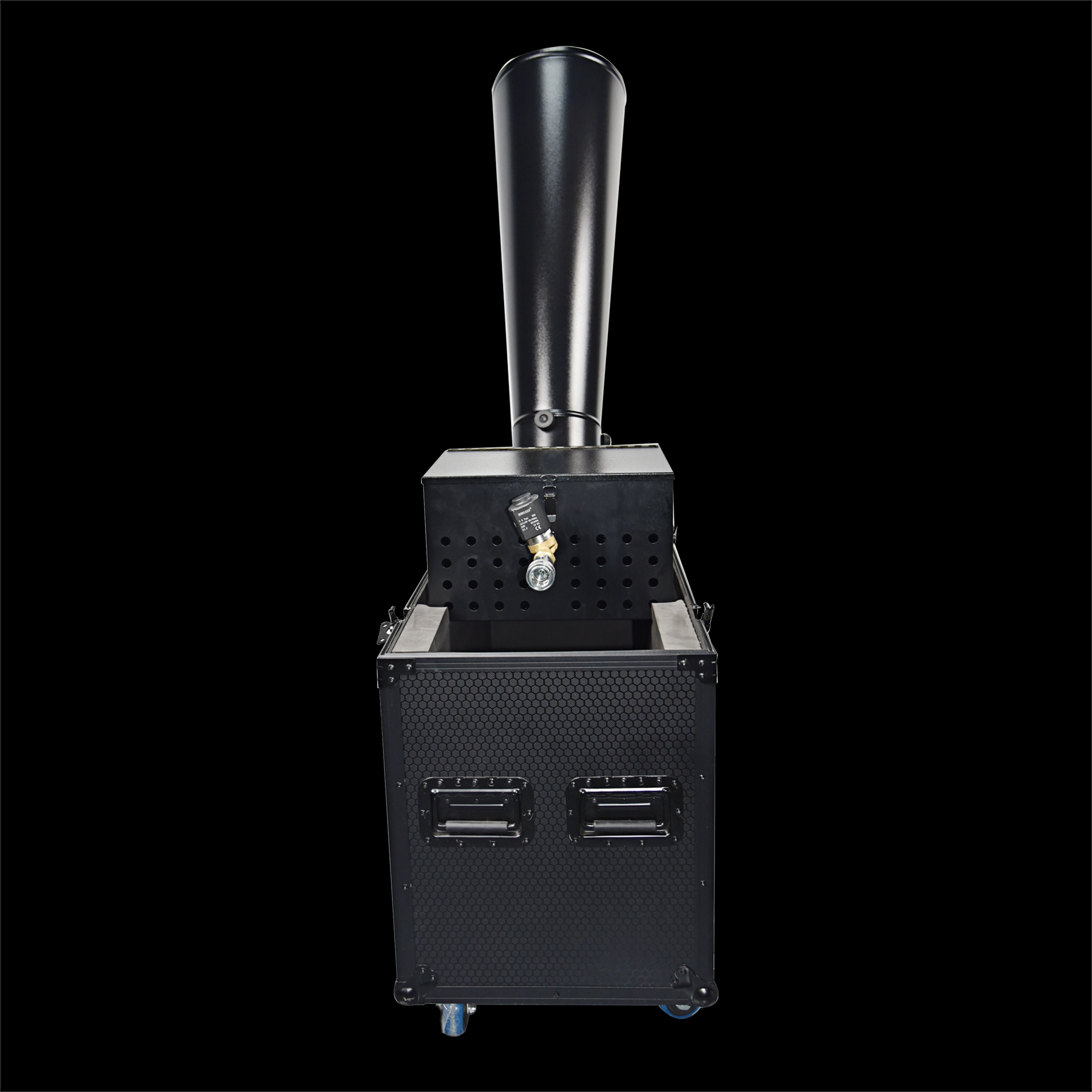
CO₂ Mini Rainbow Confetti Machine Manual Control with Durable Black Wheeled Flight Case
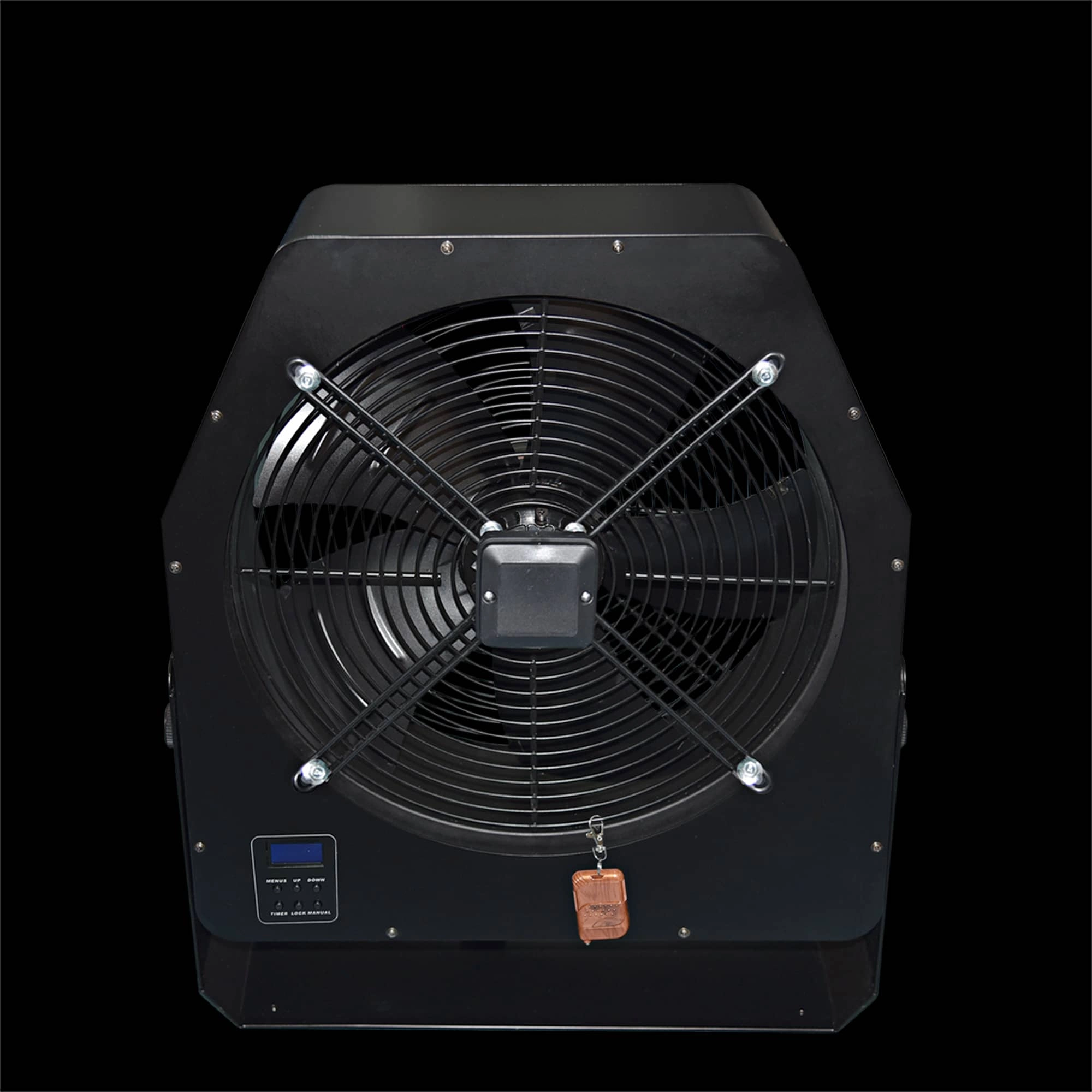
Professional Stage Big DMX Fan | High-Power Event Fan for Stage Shows & Celebrations
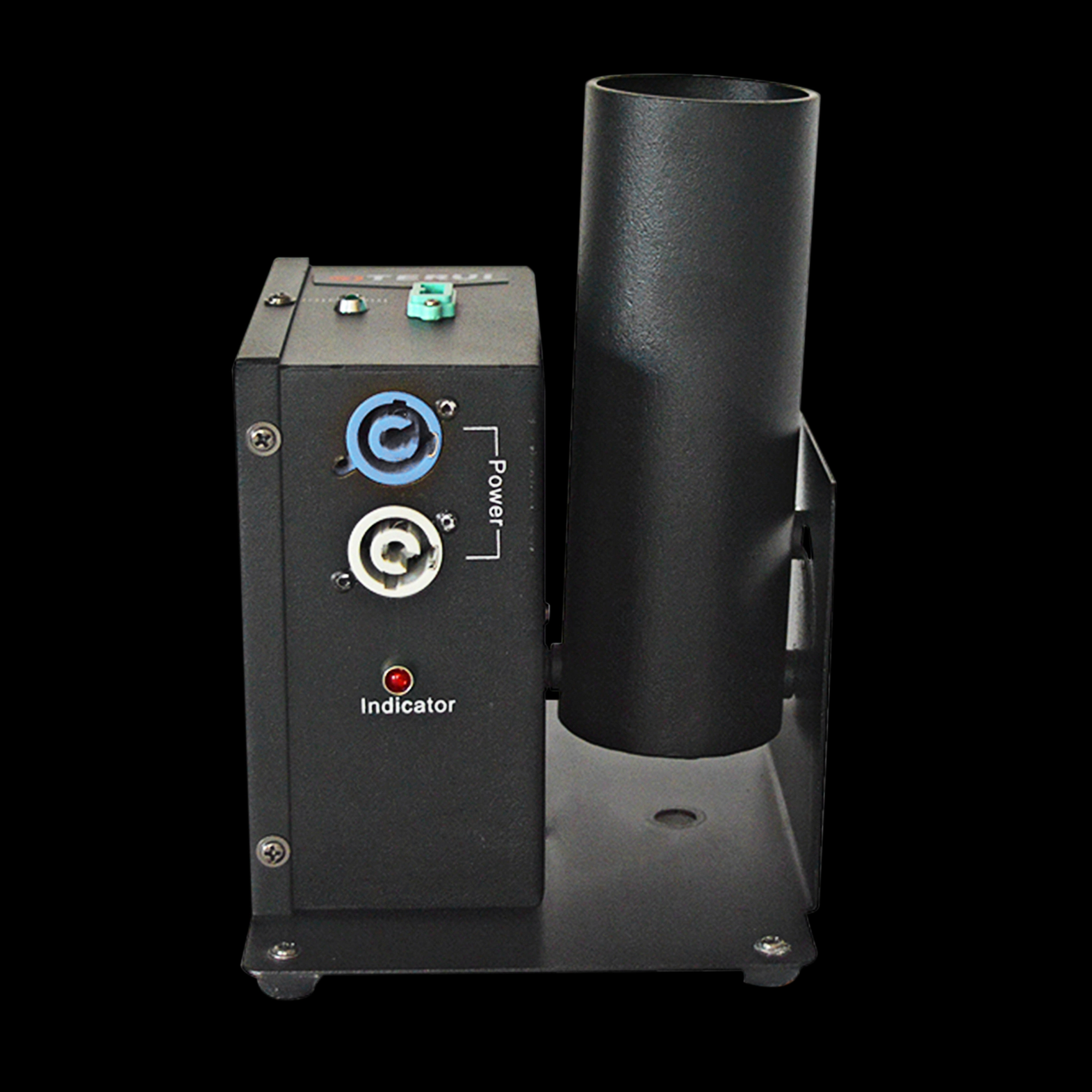
Single Shot Confetti Machine - Premium Confetti Launcher for Weddings & Stage Celebrations
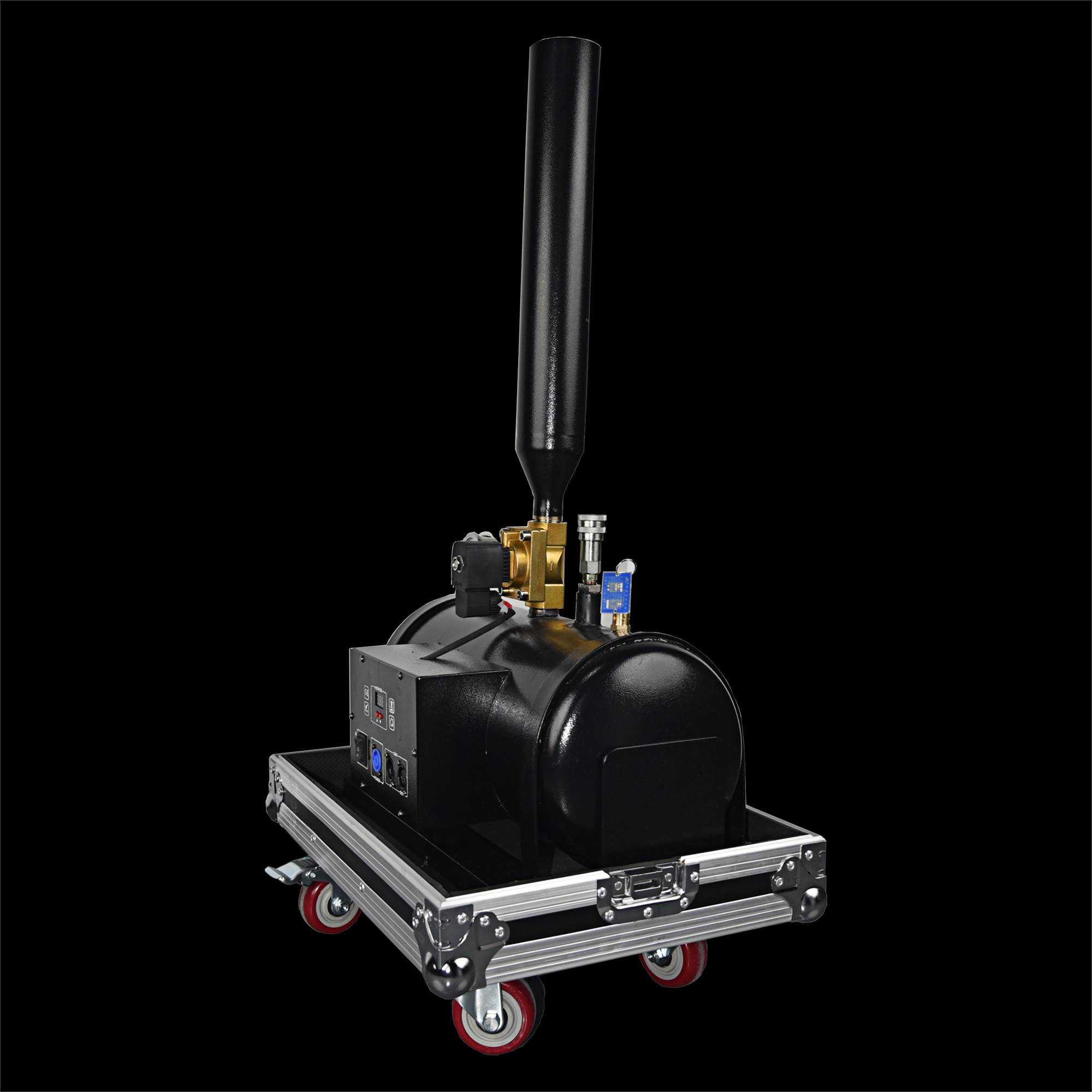
High-Altitude Confetti Cannon - Professional Confetti Blaster for Stage, Party & Celebration Events
Email: sales01@strlighting.com
WhatsApp: +86 189 2232 4800
© 2025 Siterui SFX All Rights Reserved.
 Scan QR Code
Whatsapp: +8618922324800
siteruisfx_stage_equipment
Siterui
SITERUI-SFX
STRlighting
@siterui.sfx