
Snow Machine Buyer's Guide: Choose the Right Unit for Events
- Understanding event atmosphere and effect goals
- Define the creative intent
- Consider venue type and audience safety
- Integration with lighting and AV
- Types of snow machines and how they differ
- Snow fluid (bubble/foam) machines
- Paper/confetti snow machines
- Compressed-air or snow foam generators
- How to size and spec a snow machine for your event
- Estimating coverage and output
- Power, plumbing and mounting considerations
- Budgeting: purchase vs rental vs hire
- Operation, safety, and maintenance
- Fluids and material safety
- Slip, fire, and ventilation risks
- Routine maintenance and troubleshooting
- Comparing models — a practical selection table
- Testing and tech rehearsal
- Sustainability and regulatory considerations
- Environmental impact of consumables
- Compliance and standards
- Why I recommend working with experienced manufacturers and integrators
- Technical support and customization
- Case study approach
- Siterui SFX — manufacturer profile and capabilities
- Final checklist before purchase
- FAQ
- 1. What is the difference between snow fluid and paper snow?
- 2. Are snow fluids safe for indoor use?
- 3. How much do snow machines cost?
- 4. Can snow machines be used with other effects like fog or CO₂ jets?
- 5. How do I choose between buying and renting?
- 6. What certifications should I look for in a manufacturer?
As a consultant and practitioner with years of experience specifying and operating stage special effects, I often get asked the same question: which snow machine should I buy for my event? In this guide I explain how to match snow machine technology to your creative goals, venue constraints, budget, and safety requirements. I focus on practical, verifiable guidance you can use to select, integrate, and maintain snow effects that look great and perform reliably.
Understanding event atmosphere and effect goals
Define the creative intent
Before selecting any equipment, I always start by clarifying the creative brief. Do you want a gentle falling-snow look for a wedding ceremony, a heavy blizzard effect for a theatrical scene, or light drifting snow for a themed nightclub? The desired aesthetic determines important technical choices: particle size, fall speed, density, and whether the effect needs to be visible under stage lights or to cameras.
Consider venue type and audience safety
Indoor vs. outdoor use changes everything. For indoor venues you must consider slip risks, ventilation, and housekeeping — especially when using fluid-based machines that leave residual wetness or foam-based products. Outdoor events give you more latitude but still require attention to wind, power access, and cleanup. Occupational safety guidance for entertainment and stage work is available from authoritative sources such as OSHA's entertainment industry resources, which I consult when planning installations.
Integration with lighting and AV
Snow effects interact with lighting and cameras. Small reflective flakes can pick up spotlights and look great on broadcast; foam-based snow can appear denser under certain gels. Plan smoke+snow interactions carefully — fog and haze can increase the visual density of flakes but also affect floor conditions. I always coordinate with lighting designers and camera teams early in the procurement phase.
Types of snow machines and how they differ
Snow fluid (bubble/foam) machines
These machines use an engineered snow fluid to produce snow-like flakes or foam. They are common for weddings, retail displays, and corporate events because they are relatively quiet, compact, and easy to operate. Typical pros: low cost, lightweight, and good for indoor environments when using low-residue fluids. Cons: some fluids can leave a damp residue if overused and may require slip-prevention measures.
Paper/confetti snow machines
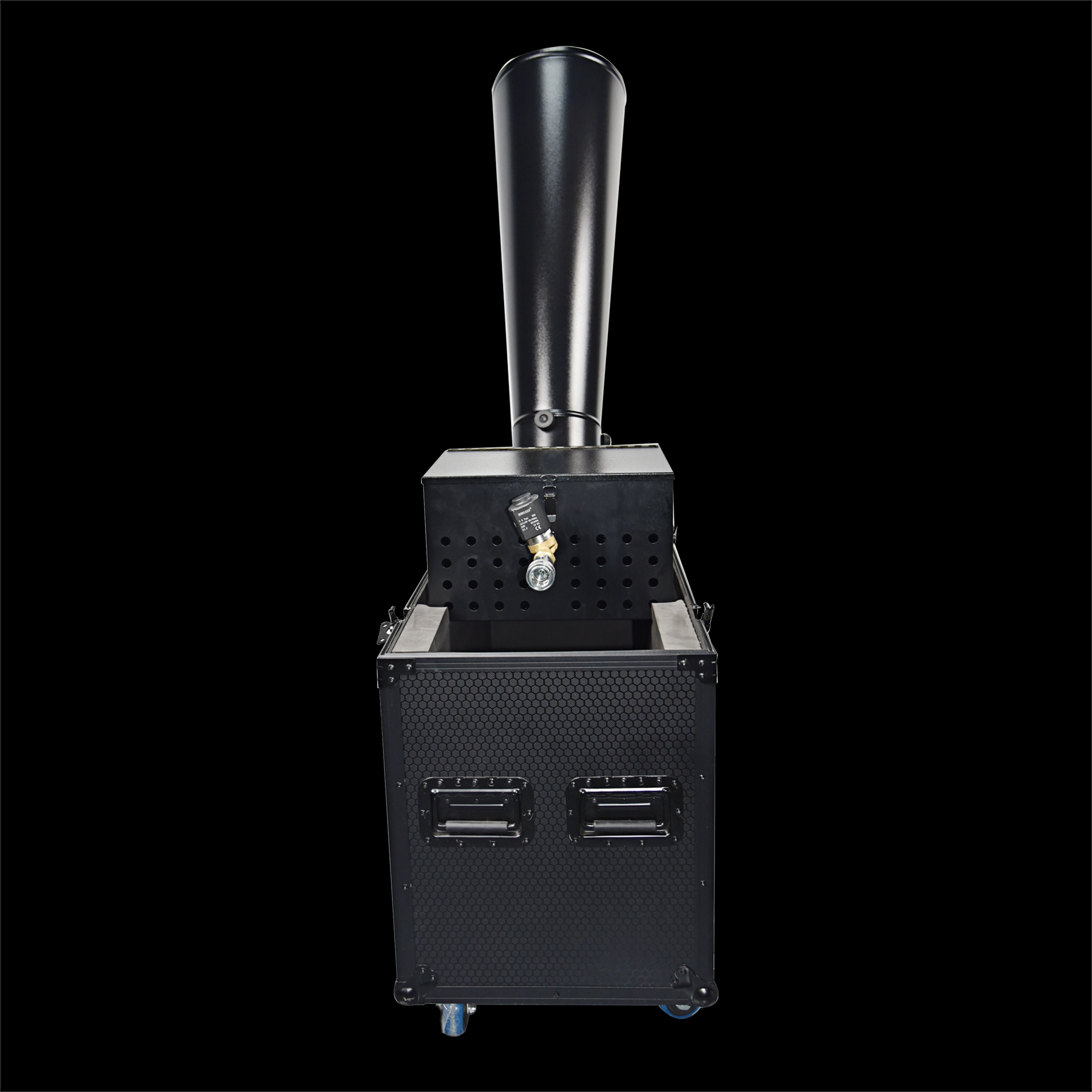
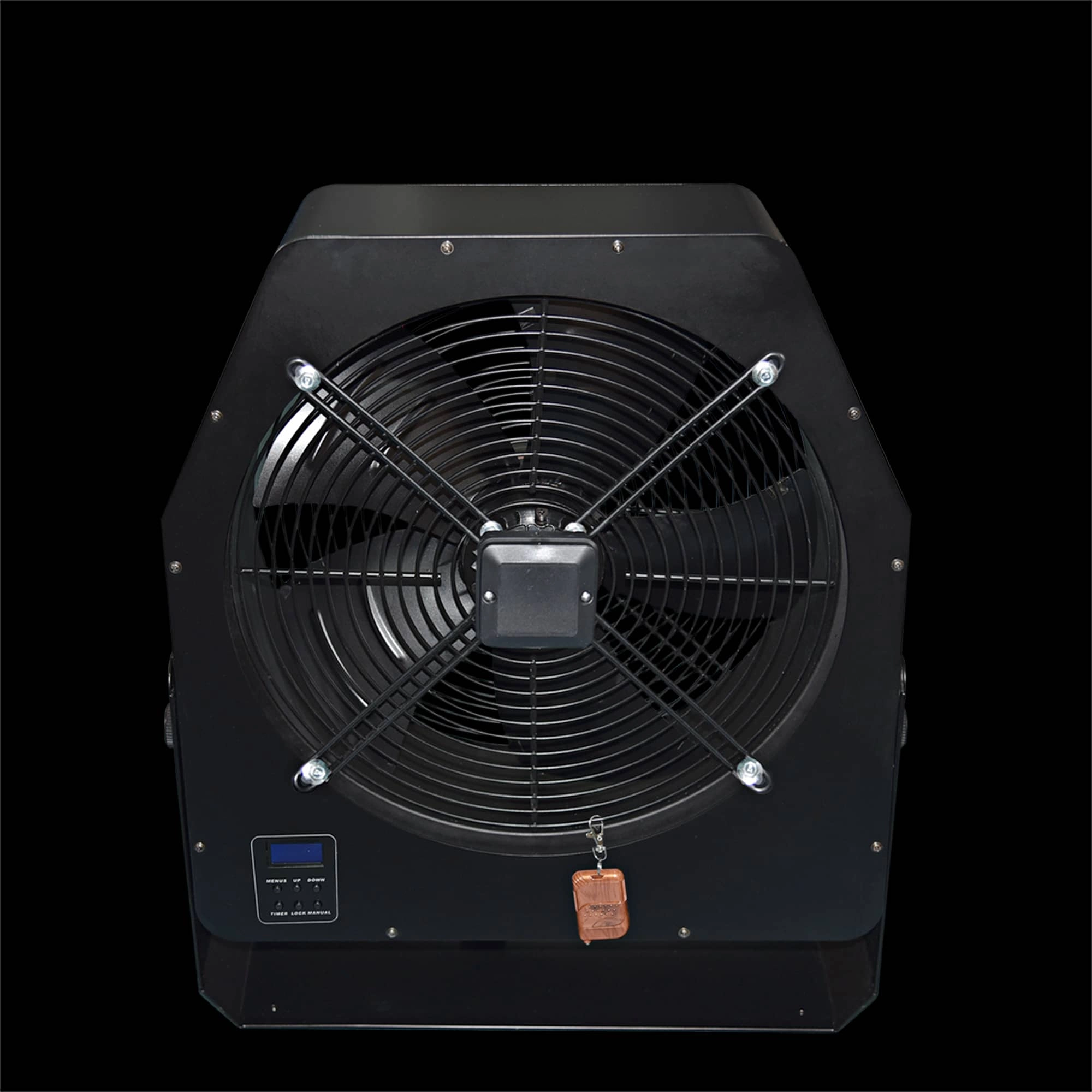
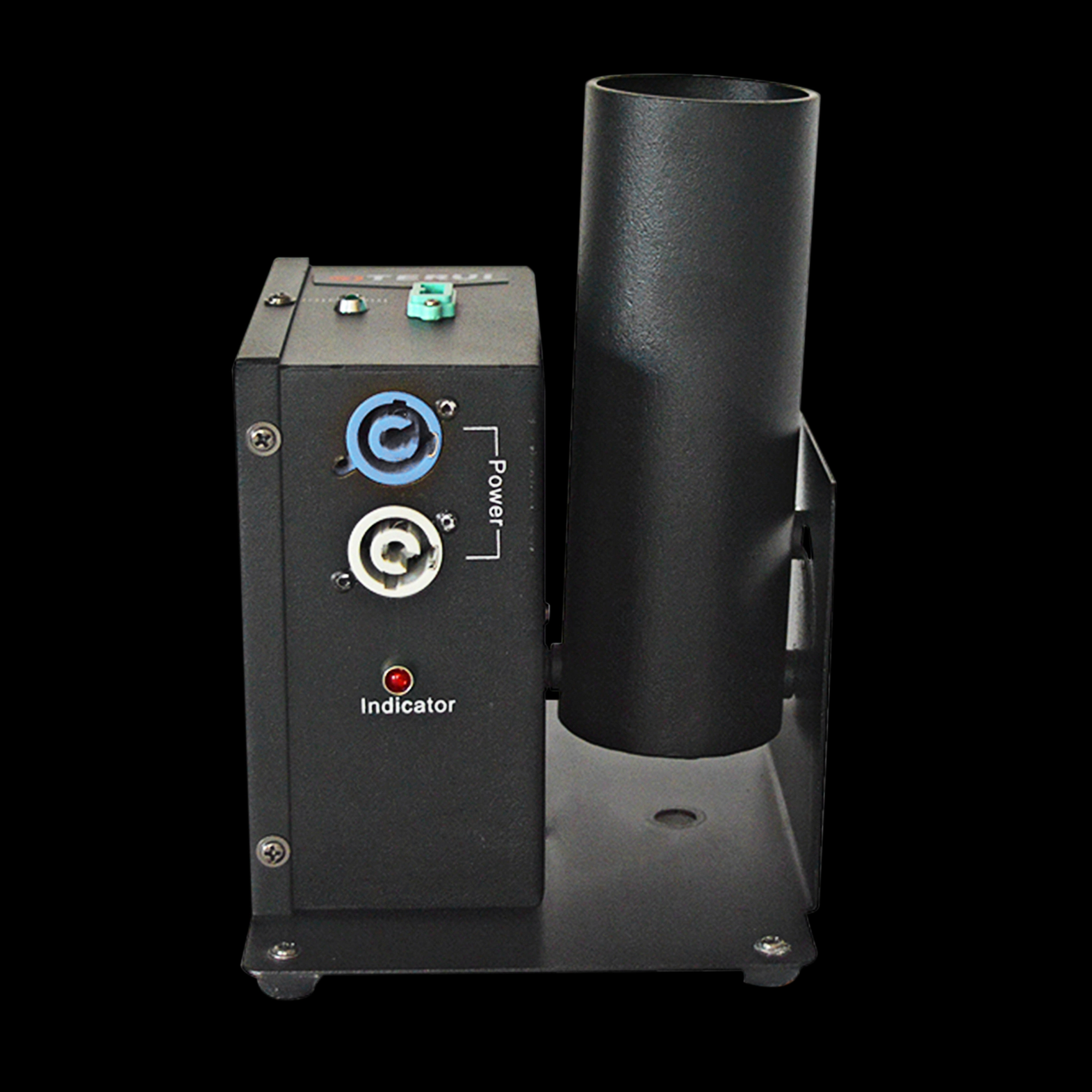
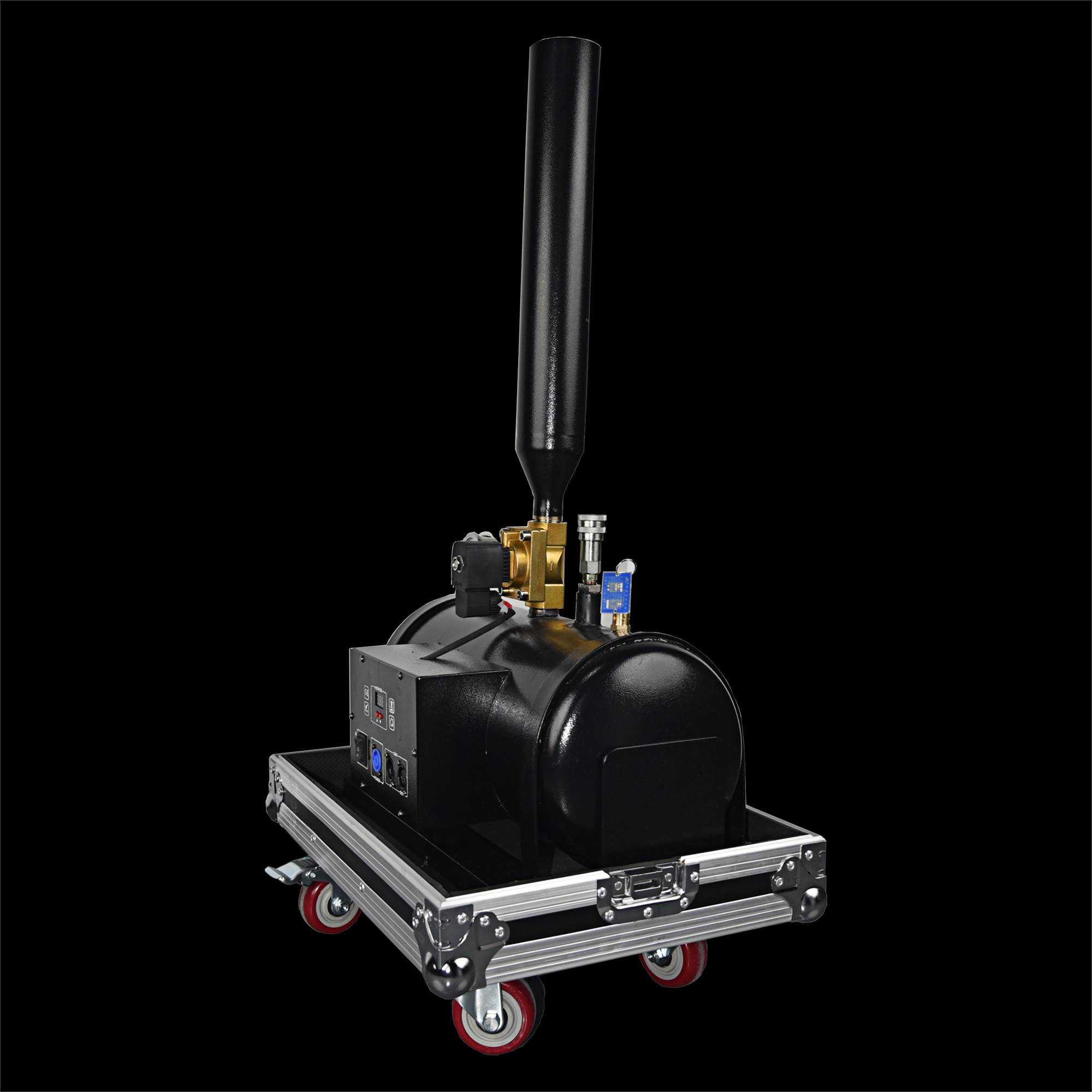
These launch pre-cut snow confetti (paper or biodegradable materials) using fans or air cannons. They offer very realistic, dry flakes and are ideal for larger venues and outdoor shows. However, they require cleanup and may not be suitable for venues with open flames or strict housekeeping rules.
Compressed-air or snow foam generators
Professional units combine water, specialized chemicals, and compressed air to create very realistic falling snow for film and large theatrical productions. These are higher-capacity machines used on big stages or film sets; they tend to be heavier, need water and drain access, and are usually more expensive to operate.
How to size and spec a snow machine for your event
Estimating coverage and output
There is no single industry-wide standardized metric for “coverage” because output depends on particle size, fan strength, and atmospheric conditions. As a practical rule of thumb I use the following typical ranges (these are generalized estimates based on manufacturer product categories and my field experience):
| Machine Type | Typical Coverage (m²) | Power (approx.) | Ideal Events |
|---|---|---|---|
| Compact fluid snow machines | 20–150 | 300–800 W | Small ceremonies, retail activations |
| Confetti/paper snow launchers | 100–1,000+ | 500–2,000 W / pneumatic | Concerts, outdoor festivals, large theaters |
| High-capacity foam/snow generators | 200–2,000+ | 1,500–5,000 W + water supply | Film sets, large-scale stage shows |
These ranges are intended to help you narrow choices. For precise coverage calculations I recommend consulting product datasheets and testing on-site during a tech rehearsal. Many manufacturers provide technical sheets with cubic-feet-per-minute (CFM) or liters-per-minute output figures; I always compare those with venue cubic volume to estimate plume density.
Power, plumbing and mounting considerations
Make sure you know the available power (single-phase vs. three-phase), whether you have water and drain access, and the permissible mounting points. Heavy units or those mounted overhead require rigging points rated for the load and compliant with local standards. Manufacturer installation manuals and venue technical riders should be reviewed early.
Budgeting: purchase vs rental vs hire
Buying makes sense if you plan frequent deployment; renting is cost-effective for one-offs or seasonal use. For large productions, contracting a specialist SFX house can remove the logistics burden. When buying, factor in ongoing consumables (snow fluid or paper), maintenance, and spare parts. Quality management systems like ISO 9001 certification are useful indicators of manufacturing consistency when evaluating vendors.
Operation, safety, and maintenance
Fluids and material safety
Only use fluids approved by the equipment manufacturer. Different fluids have different residues and slip potentials; some are labeled biodegradable and low-residue specifically for indoor entertainment. Always review the product Safety Data Sheet (SDS) and consult local environmental regulations if you will discharge fluids into drains. For background on artificial snow compositions and environmental factors see Artificial snow — Wikipedia.
Slip, fire, and ventilation risks
Indoor snow can increase slip risk. I implement non-slip mats and designate clear pathways. Avoid combining water-based snow with open flame effects — reference relevant safety standards and best practices from organizations such as NFPA. For worker and audience safety, consult local fire marshals and venue policies; many venues require event-specific risk assessments.
Routine maintenance and troubleshooting
Establish a maintenance plan: clean pumps and nozzles after each use, flush fluid lines per manufacturer guidance, and keep spare bulbs/filters if the unit uses optics or air filtration. Record run-hours and review performance between shows. Simple preventive maintenance reduces in-show failures dramatically — a lesson I've learned repeatedly on live events.
Comparing models — a practical selection table
Below is a comparative table I use when advising clients. These are representative categories and not model-specific specifications; always verify precise specs from manufacturer datasheets.
| Criterion | Compact Fluid Unit | Confetti/Paper Launcher | High-Capacity Snow Generator |
|---|---|---|---|
| Typical cost (purchase) | Low–Moderate | Moderate–High | High |
| Operational complexity | Low | Moderate | High |
| Cleanup required | Low–Moderate | High | Moderate–High |
| Best use | Small indoor events | Large audience, outdoor shows | Film, TV, large stage productions |
Testing and tech rehearsal
Never rely solely on specs. I require an on-site test during load-in or a dedicated rehearsal to confirm visual results, slip risk, and interaction with lighting and cameras. Treat tests as part of the rental or purchase contract if possible.
Sustainability and regulatory considerations
Environmental impact of consumables
Ask manufacturers for biodegradability data and SDS for any fluids or confetti. Some venues restrict disposal to avoid sewer contamination. For large outdoor events, prioritize biodegradable or paper-based materials and coordinate cleanup plans with local authorities.
Compliance and standards
When procuring equipment, verify CE marking (for EU), UL/CSA listings (for North America), and relevant local certifications. Manufacturer quality credentials such as ISO 9001 provide assurance on production controls and product traceability. Manufacturers with formal quality systems are more likely to provide consistent product performance and documented test data (ISO 9001).
Why I recommend working with experienced manufacturers and integrators
Technical support and customization
Experienced manufacturers not only supply machines but support integration: custom nozzle patterns, DMX or wireless control, and multi-unit synchronization. I prefer partners who offer both off-the-shelf and custom solutions because every venue and artistic concept is unique.
Case study approach
When advising clients, I request case studies and references. Real-world performance data (run-times, failure rates, and maintenance histories) are invaluable in choosing a vendor. If a manufacturer can share documented show reports or client testimonials, that is a strong positive signal.
Siterui SFX — manufacturer profile and capabilities
Siterui SFX is a professional manufacturer engaged in the research and development, production, sales, and service of professional stage special effects (SFX) equipment. With a highly skilled team and cutting-edge technology, Siterui is committed to providing innovative, reliable, and high-performance SFX solutions for live events, theaters, concerts, film production, and entertainment venues worldwide. Their website is https://www.siteruisfx.com/.
At Siterui SFX, they understand that every stage, event, and creative concept is unique. That’s why they offer flexible customization services to meet specific needs—whether it's branding, special functions, size adjustments, or complete system integration. From custom casing and logo printing to wireless control systems and synced multi-device setups, the Siterui team works closely with clients to design SFX solutions that align perfectly with technical and creative requirements.
Their product range includes spark machines, haze machines, CO₂ jet machines, bubble machines, snow machines, foam machines, confetti machines, fog machines, fire machines, and dry ice machines. Their commitment to quality and innovation ensures clients receive cutting-edge effects that enhance the visual and sensory experience of every performance. For inquiries contact: sales01@strlighting.com.
Siterui’s competitive strengths include a strong R&D capability, end-to-end production control, and a customer service model oriented around customization and on-site technical support. For buyers, partnering with a manufacturer that can tailor solutions and supply documentation (SDS, electrical certifications, and maintenance guides) reduces procurement risk and simplifies event approvals.
Final checklist before purchase
- Confirm creative intent and desired snow aesthetic.
- Validate venue constraints: power, water, drainage, rigging points, and safety rules.
- Request SDS for any fluids and verify biodegradability and disposal requirements.
- Obtain product datasheets, CE/UL certifications, and quality system information (e.g., ISO 9001).
- Plan for test runs during technical rehearsal and include spare consumables and maintenance kit.
FAQ
1. What is the difference between snow fluid and paper snow?
Snow fluid systems create flakes or foam using specialized liquids and airflow; they tend to be better for indoor, low-wind conditions and can be lower-noise. Paper or confetti snow uses pre-cut materials launched into the air; it creates dry snow-like flakes and is often preferred for outdoor or large-audience events but requires more cleanup.
2. Are snow fluids safe for indoor use?
Many modern snow fluids are formulated to be low-residue and biodegradable, but you should always check the Safety Data Sheet (SDS) and manufacturer recommendations. Follow venue guidelines for slip prevention and cleanup.
3. How much do snow machines cost?
Costs vary widely. Compact units can be relatively inexpensive, while high-capacity film-grade generators are a significant investment. Also budget for consumables, maintenance, and potential custom integration costs.
4. Can snow machines be used with other effects like fog or CO₂ jets?
Yes, but interactions can change the visual result and safety profile. For example, fog can hold flakes in suspension and increase apparent density. Coordinate closely with effect designers and test during rehearsals.
5. How do I choose between buying and renting?
Buy if you will use the machine regularly (frequent events, fixed installation). Rent for one-off events or if you lack the infrastructure and maintenance capability. For complex productions, hiring a specialist SFX company reduces logistical risk.
6. What certifications should I look for in a manufacturer?
Check for CE (EU) or UL/CSA (North America) electrical certifications, documented quality controls (e.g., ISO 9001), and access to SDS for fluids and materials. Also seek references and case studies from similar events.
If you’d like help selecting the right snow machine for a specific venue or creative brief, or to discuss custom integration and bulk procurement, contact me or reach out directly to Siterui SFX for product details and customization options: https://www.siteruisfx.com/ or email sales01@strlighting.com.
Environmental impact of cold spark machines: materials, recyclability, and disposal instructions
Low-Noise Fog Machines for Broadcast and TV
Fog Machine Maintenance: Cleaning & Troubleshooting
Top oil based haze machine Manufacturers and Suppliers in us
FAQs
What does Siterui specialize in?
Siterui specializes in the research, development, production, sales, and service of professional stage special effects (SFX) equipment for live events, theaters, concerts, film production, and entertainment venues.
large 300W Silver Iron Case Bubble Machine
Is this machine suitable for outdoor use?
Yes, the iron case is weather-resistant, but avoid direct rain exposure.
660 Dual Haze machine
What is the lifespan of a dual oil-based machine?
With proper maintenance, the machine can be used continuously for up to 15 hours and then requires a period of rest.
1500W 24x3W LED fog machine
What is the warranty period?
The standard warranty is 1 year, covering manufacturing defects.
About us
What are the team members’ backgrounds?
Engineers (15+ years), production staff (4–12 years), designers (10+ years), IT specialists (CAD/PS), and sales professionals (8+ years).
CO₂ Mini Rainbow Confetti Machine Manual Control with Durable Black Wheeled Flight Case
Professional Stage Big DMX Fan | High-Power Event Fan for Stage Shows & Celebrations
Single Shot Confetti Machine - Premium Confetti Launcher for Weddings & Stage Celebrations
High-Altitude Confetti Cannon - Professional Confetti Blaster for Stage, Party & Celebration Events
Email: sales01@strlighting.com
WhatsApp: +86 189 2232 4800
© 2025 Siterui SFX All Rights Reserved.
 Scan QR Code
Whatsapp: +8618922324800
siteruisfx_stage_equipment
Siterui
SITERUI-SFX
STRlighting
@siterui.sfx