
Snow Machine Maintenance: Tips to Extend Lifespan and Reliability
- Why proactive maintenance matters beyond simple cleaning
- Performance consistency and visual quality
- Electrical safety and regulatory compliance
- Daily to yearly maintenance schedule (practical checklist)
- Daily / Pre-show checks
- Weekly and monthly tasks
- Annual service
- Cleaning, fluids, and consumables: choices that affect longevity
- Choose the right snow fluid and avoid common contaminants
- Flushing and nozzle maintenance
- Filter and pump care
- Troubleshooting common failures and how to fix them
- No output or weak output
- Irregular spray pattern or poor snow texture
- Electrical or control faults
- Parts, lifetime expectations, and cost planning
- Typical component lifespans
- Budgeting for maintenance
- Storage, transport, and environmental considerations
- Winterization and off-season care
- Transport best practices
- Data-driven maintenance: when to call a technician
- Use service logs and run-hours tracking
- Escalation: signs you need professional service
- Siterui SFX — partner-grade solutions and how proper equipment design helps maintenance
- About Siterui SFX and product lineup
- Design choices that reduce maintenance burden
- Service, customization, and support
- Safety, regulations, and authoritative references
- Follow local codes and recognized standards
- Document everything for liability and warranty
- FAQ — Common questions I get from venues and rental houses
- 1. How often should I change snow fluid?
- 2. Can I use tap water to dilute snow fluid?
- 3. My machine smells after running—what does that mean?
- 4. What are the signs of pump failure to watch for?
- 5. How should I store my snow machine between seasons?
- 6. When should I replace an aging machine instead of repairing?
As a long-time consultant and hands-on technician in stage special effects, I know that a well-maintained snow machine is one of the most cost-effective ways to keep shows running smoothly and safely. In this article I provide actionable maintenance routines, troubleshooting steps, parts-lifetime benchmarks, safety considerations, and vendor/consumable guidance so you can reduce failures, avoid poor-looking effects, and get predictable performance out of your snow machine fleet.
Why proactive maintenance matters beyond simple cleaning
Performance consistency and visual quality
A snow machine's output depends on a mix of mechanical, pneumatic, and fluid-delivery systems. Over time, residue from snow fluid, mineral deposits, or adhesive contaminants will change droplet size and hang-time, degrading the “snow” texture your audience expects. Maintaining nozzles, pumps, and filters keeps particle size and spray patterns consistent—critical for camera shots and front-row visibility.
Electrical safety and regulatory compliance
Professional snow machines are powered equipment used in venues with strict electrical and fire-safety requirements. Regular inspection of power cords, connectors, and internal wiring reduces the risk of short circuits or ground faults. For industry guidance on electrical safety and workplace safety protocols, consult OSHA's resources at https://www.osha.gov and consider recognized technical standards from associations like the Entertainment Services and Technology Association (ESTA) at https://tsp.esta.org/tsp/.
Daily to yearly maintenance schedule (practical checklist)
Daily / Pre-show checks
Before each show I walk through a short checklist: visual inspection for leaks, verify fluid level and proper fluid type, check fan and compressor noises for unusual sounds, test control signal (DMX/wireless), and confirm the nozzle is clean. These quick checks catch most immediate operating problems.
Weekly and monthly tasks
On a weekly basis (or after heavy use) I clean accessible fluid passages, inspect and clean intake filters, and run a flush cycle if the manufacturer recommends. Monthly tasks include verifying pump calibration and performing a full control-system test (DMX channels, wireless modules, and local controls).
Annual service
Annually I recommend a deep service: disassemble fluid paths for chemical cleaning or ultrasonic cleaning of nozzles, replace wear items (seals, gaskets, O-rings), test the compressor or air supply system (if applicable) and update firmware on any intelligent control boards. If your machine is an older model, consider professional calibration and electrical safety testing (PAT/portable appliance testing where applicable).
Cleaning, fluids, and consumables: choices that affect longevity
Choose the right snow fluid and avoid common contaminants
Snow fluids differ by formulation (glycol-based, water-based polymers, or specialty proprietary blends). Using the wrong fluid or mixing fluids can create residues that clog nozzles or cause inconsistent atomization. Always use manufacturer-recommended fluids; if you source third-party fluids, check the MSDS and test a single unit before fleet-wide use.
Flushing and nozzle maintenance
Flushing frequencies vary with usage. A practical approach: flush after any show where you used colored/flavored fluids, after multi-day runs, or if the machine has been idle for more than 30 days. For stubborn nozzle deposits I use a soak in a diluted manufacturer-approved cleaning solution or an ultrasonic cleaner for small metallic components.
Filter and pump care
Replace inline filters following manufacturer intervals, or sooner when you notice reduced flow or cavitation noise from pumps. For diaphragm pumps, watch for wear and replace membranes before failure; for gear or piston pumps, monitor seals and bearings for leakage and noise.
Troubleshooting common failures and how to fix them
No output or weak output
Typical causes: empty fluid reservoir, clogged nozzle, air in the fluid line, failed pump, or incorrect control signal. Troubleshoot in this order: verify fluid level; purge air by running a prime/flush; inspect/clean nozzle; check the pump voltage/current draw (compare to manufacturer specs). If pump current is low or zero but power present, the pump motor or controller is likely faulty.
Irregular spray pattern or poor snow texture
This often indicates partial blockage, worn fan blades, or degraded fluid quality. Remove and inspect nozzles with a magnifier; check the rotating fan and compressor for balance and wear; test with a new batch of certified fluid to rule out fluid degradation.
Electrical or control faults
Intermittent DMX or wireless control is usually cabling or termination related—verify cable integrity and proper DMX termination. For ground-faults or tripped breakers, inspect wiring insulation, secure ground connections, and check for water ingress. Use an RCD/GFCI per local code while troubleshooting. For firmware-related issues, consult the manufacturer update notes and back up configurations before updating.
Parts, lifetime expectations, and cost planning
Typical component lifespans
Below is a general reference table based on field experience. Actual lifespans vary with usage intensity and environment (coastal, dusty venues, etc.).
| Component | Typical lifespan (hours) | Signs to replace |
|---|---|---|
| Pump (diaphragm) | 1,000–3,000 | Reduced flow, irregular stroke noise, visible leaks |
| Nozzle / atomizer | 500–2,000 | Clogging, distorted spray pattern |
| Fans / blowers | 2,000–5,000 | Vibration, imbalance noise, reduced airflow |
| Seals & O-rings | 6–24 months (variable) | Leaks, hardened/crumbled material |
| Control electronics | 5–10 years | Communication errors, failed input/output channels |
Budgeting for maintenance
Plan maintenance spend as a percentage of equipment value: for heavy-use rental rigs allocate ~10–20% of replacement value annually; for fixed-install venues 5–10% may suffice. Factor in downtime costs—preventative care typically costs far less than emergency replacement during a high-profile event.
Storage, transport, and environmental considerations
Winterization and off-season care
Snow machines stored for long periods should be fully flushed with clean water (if safe for the system) and then dried to prevent microbial growth and freezing damage. Remove fluids from external lines and store the unit in a climate-controlled environment when possible. Humidity and salt air accelerate corrosion; use desiccant packs inside transport cases for coastal work.
Transport best practices
Secure the machine to limit vibration and shock; protect nozzles and fragile sensors with foam inserts. If transporting by air, drain fluids unless manufacturer allows otherwise. Label cases as fragile and include basic on-site troubleshooting instructions to reduce operator errors at load-in.
Data-driven maintenance: when to call a technician
Use service logs and run-hours tracking
Track run hours, fluid batches used, and observed faults in a simple spreadsheet or equipment management app. Patterns (e.g., increased nozzle clogs after a specific fluid lot) are often only visible with records. For professional venues the adoption of ISO-style quality management helps; see ISO 9001 for general quality principles at https://www.iso.org/iso-9001-quality-management..
Escalation: signs you need professional service
If you see repeated electrical faults, significant mechanical wear (metal shavings, overheating), or safety-system failures, stop use and consult a qualified technician. For industry guidelines on rigging and technical safety consult the ESTA resources at https://tsp.esta.org/tsp/.
Siterui SFX — partner-grade solutions and how proper equipment design helps maintenance
About Siterui SFX and product lineup
Siterui SFX is a professional manufacturer engaged in the research and development, production, sales, and service of professional stage special effects (SFX) equipment. With a highly skilled team and cutting-edge technology, we are committed to providing innovative, reliable, and high-performance SFX solutions for live events, theaters, concerts, film production, and entertainment venues worldwide. Our main products include spark machine, haze machine, CO₂ jet machine, bubble machine, snow machine, foam machine, confetti machine, fog machine, fire machine, and dry ice machine.
Design choices that reduce maintenance burden
In my experience working with manufacturers like Siterui, design decisions such as using modular service-friendly components, accessible fluid paths, and replaceable cartridge-style pumps greatly reduce service times. Siterui SFX offers flexible customization—from custom casing and logo printing to wireless control systems and synced multi-device setups—so you can choose configurations that simplify maintenance for your technical staff.
Service, customization, and support
At Siterui SFX, the team provides tailored maintenance advice and spare part kits optimized for each product. They also offer firmware updates, system integration support, and training for in-house technicians. For product details, spare parts, and service inquiries visit https://www.siteruisfx.com/ or contact their sales team at sales01@strlighting.com.
Safety, regulations, and authoritative references
Follow local codes and recognized standards
Always operate snow machines with appropriate fire-safety and electrical protections. For regulatory guidance consult OSHA (https://www.osha.gov) and relevant industry standards from ESTA (https://tsp.esta.org/tsp/). For background on stagecraft and theatrical effects, the Wikipedia overview can help provide context: https://en.wikipedia.org/wiki/Stagecraft.
Document everything for liability and warranty
Keep maintenance records to preserve warranty rights and to demonstrate due diligence in the event of an incident. Many manufacturers require documented maintenance for warranty claims; Siterui SFX provides service documentation and spare-parts lists on request.
FAQ — Common questions I get from venues and rental houses
1. How often should I change snow fluid?
Change or replace when you see a change in spray quality or following manufacturer guidance. For heavy daily use I recommend replacing bulk fluid every 2–4 weeks and performing a full flush monthly. Always test a new batch before large events.
2. Can I use tap water to dilute snow fluid?
No. Tap water contains minerals that promote scale and microbial growth, and can change viscosity. Use distilled or deionized water only if dilution is explicitly allowed by the fluid manufacturer and machine manual.
3. My machine smells after running—what does that mean?
Odors can indicate overheating, burned fluid residues, or microbial growth in stagnant fluid. Stop operation, inspect the heater (if equipped), flush the system, and clean or replace affected components. If odor persists, have electronics and heating elements checked by a technician.
4. What are the signs of pump failure to watch for?
Reduced or no fluid output, unusual vibration, grinding noises, and increases in motor current are early signs. Address promptly—running a motor under load without fluid can cause irreversible pump damage.
5. How should I store my snow machine between seasons?
Flush and dry all fluid lines, remove and dry nozzles if possible, store in a climate-controlled space above freezing, and use desiccants for prolonged storage. Label the machine with last service date and any parts replaced for quick re-commissioning.
6. When should I replace an aging machine instead of repairing?
If annual repair costs approach 50% of replacement value, or if the unit lacks modern control features you need (e.g., wireless sync, DMX compatibility), replacement is usually more cost-effective. Consider energy efficiency, serviceability, and total cost of ownership in your decision.
If you have additional questions, want a customized maintenance checklist, or need parts and service support, contact Siterui SFX for professional assistance. Visit https://www.siteruisfx.com/ or email sales01@strlighting.com. Explore snow machine models, spares, and customization options to build a reliable effect system tailored to your productions.
Quick Contact / Product CTA: For product specifications, maintenance kits, and service agreements, reach out to Siterui SFX at sales01@strlighting.com or visit https://www.siteruisfx.com/ to request a quote or technical consultation.
Wireless remote and timer options for smoke machines
Fog Machine Placement Tips for Theaters
Using smoke machines for theatre and stage productions
Top 10 flame machine Manufacturers and Supplier Brands
large 300W Silver Iron Case Bubble Machine
Can I use homemade bubble solution?
We recommend non-toxic commercial solutions for optimal performance.
660 Dual Haze machine
What is the lifespan of a dual oil-based machine?
With proper maintenance, the machine can be used continuously for up to 15 hours and then requires a period of rest.
3000W fog machine
How does your factory do regarding quality control?
All the products will be 100% checked before the shipment.
About us
Can Siterui handle large-scale projects?
Absolutely! Our expertise, equipment, and resources enable us to tackle complex orders.
CO2 Mini Rainbow Confetti Machine
Are you a factory or trading company?
We are a factory-direct supplier, ensuring competitive pricing and quality control.
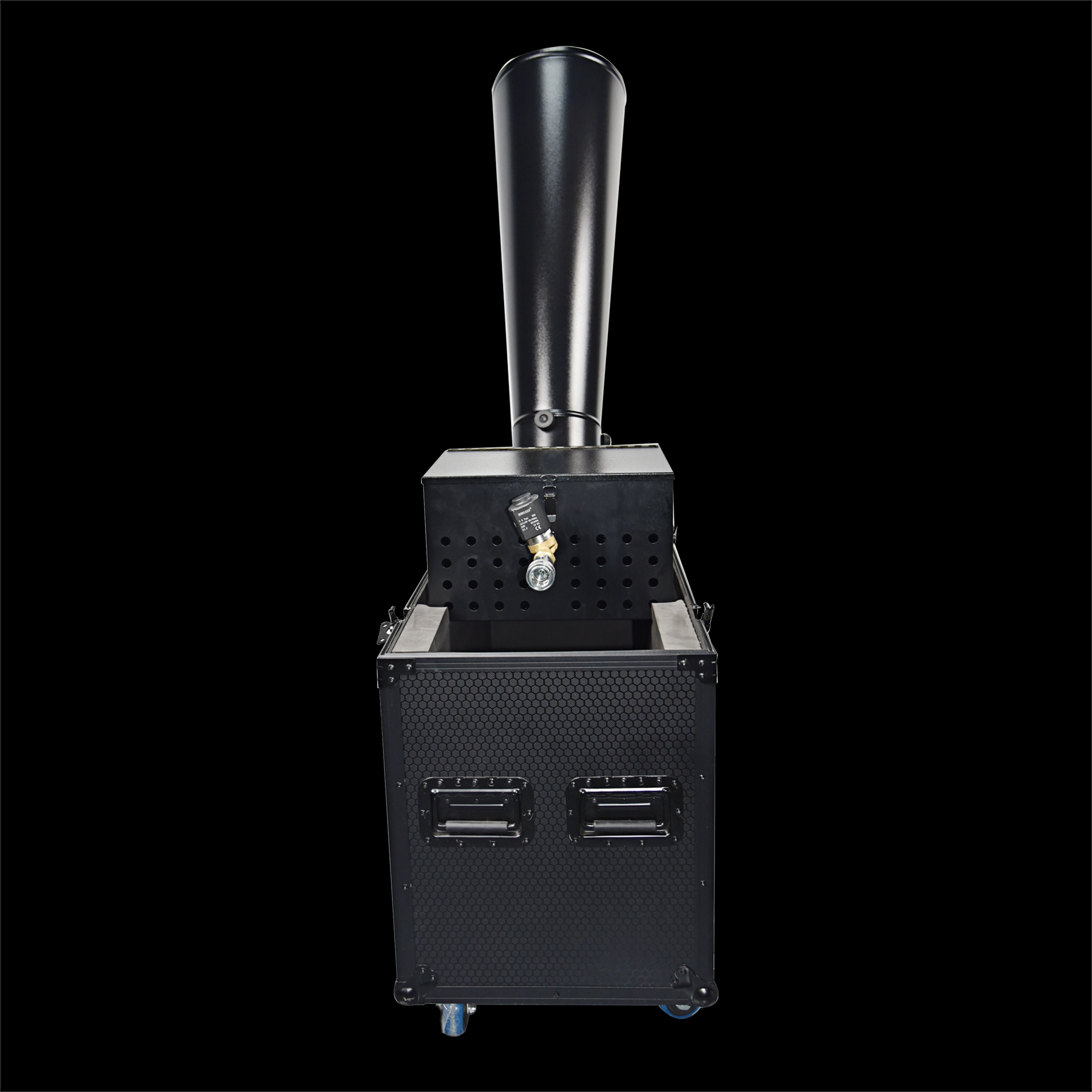
CO₂ Mini Rainbow Confetti Machine Manual Control with Durable Black Wheeled Flight Case
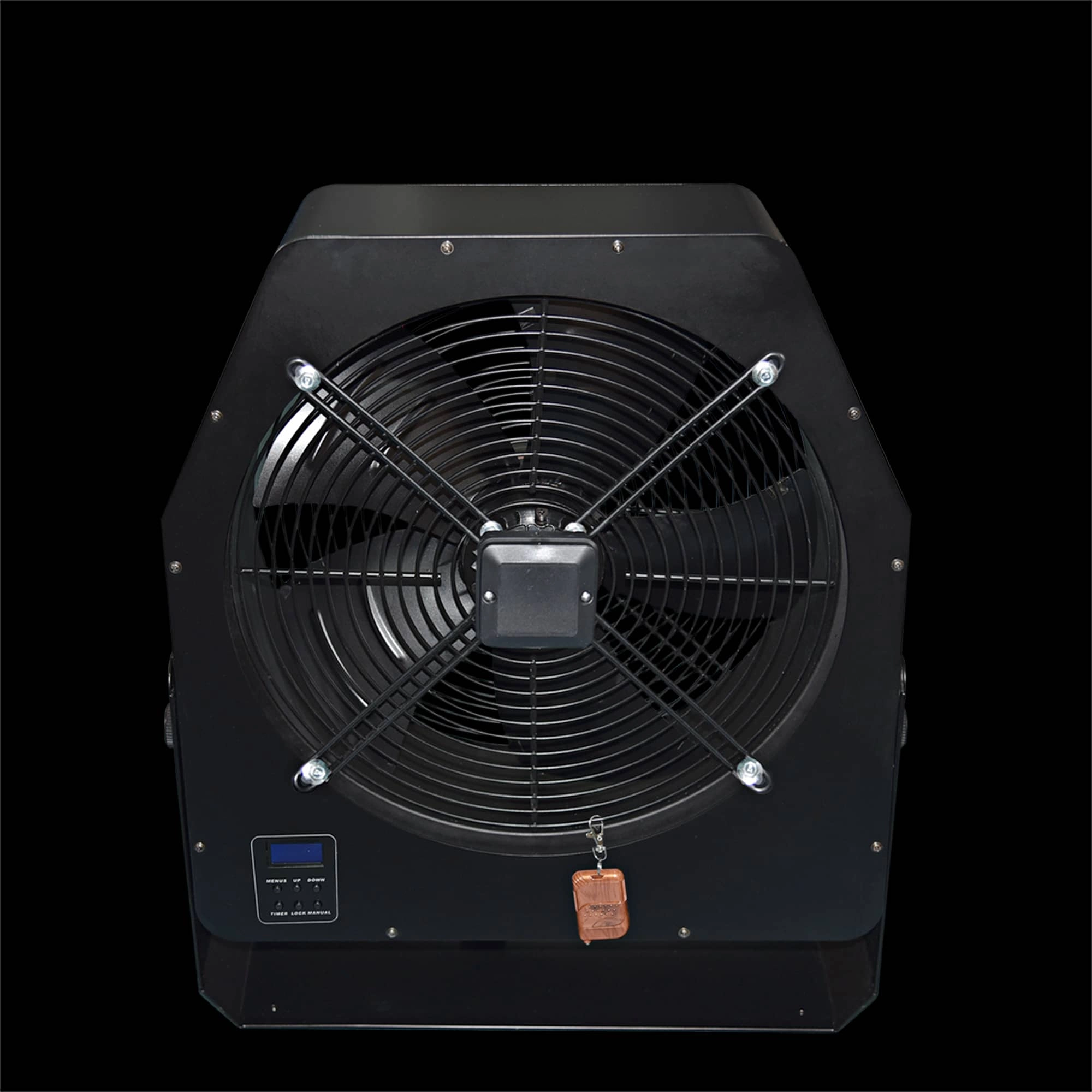
Professional Stage Big DMX Fan | High-Power Event Fan for Stage Shows & Celebrations
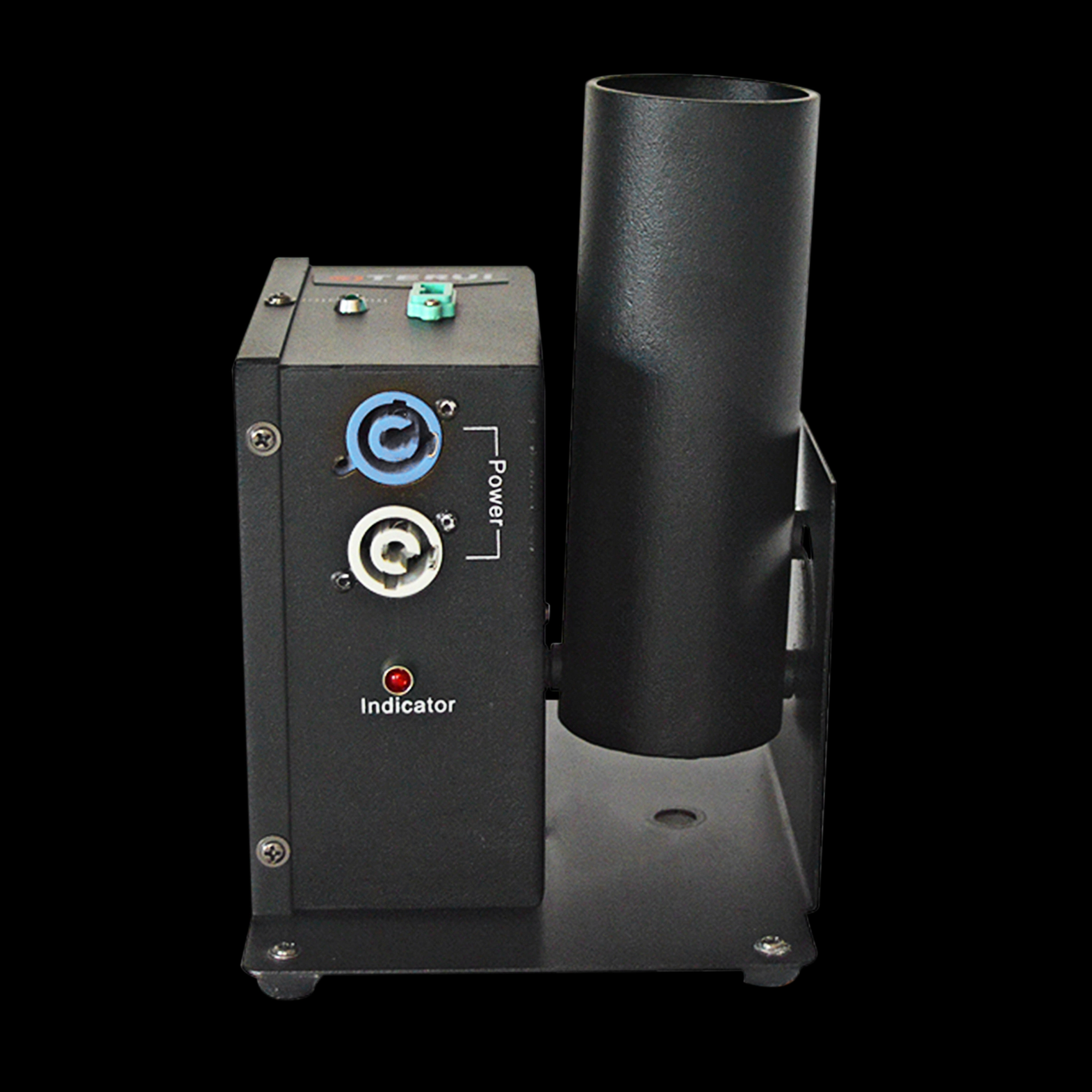
Single Shot Confetti Machine - Premium Confetti Launcher for Weddings & Stage Celebrations
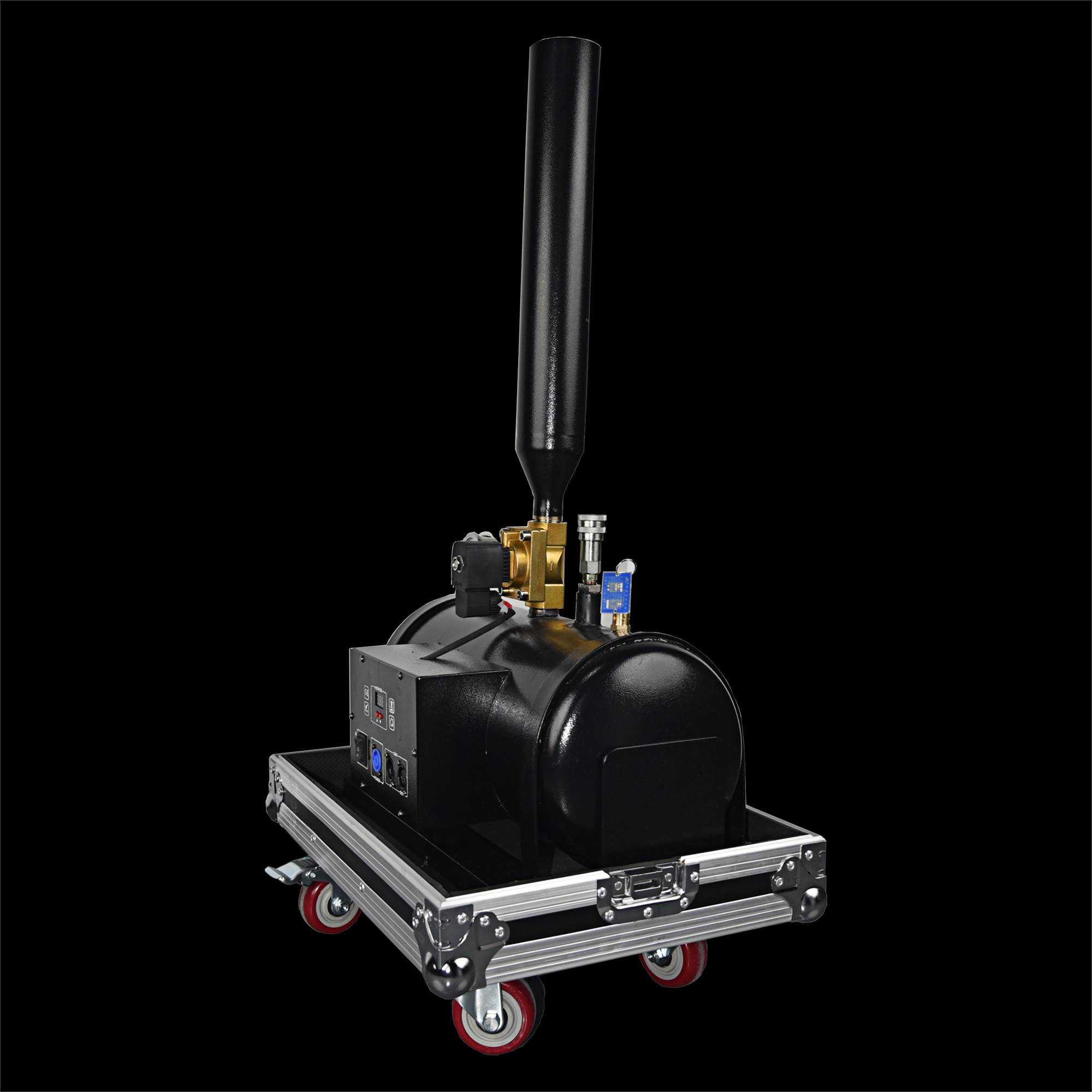
High-Altitude Confetti Cannon - Professional Confetti Blaster for Stage, Party & Celebration Events
Email: sales01@strlighting.com
WhatsApp: +86 189 2232 4800
© 2025 Siterui SFX All Rights Reserved.
 Scan QR Code
Whatsapp: +8618922324800
siteruisfx_stage_equipment
Siterui
SITERUI-SFX
STRlighting
@siterui.sfx