
Snow Machine Rental vs Purchase: Cost and ROI Analysis
- Event Performance Considerations
- Type of snow effect needed
- Venue & environmental constraints
- Audience & aesthetic goals
- Cost Comparison: Rent vs Buy
- Purchase costs (CapEx) — what you buy and why it matters
- Rental costs (OpEx) — day rates, delivery, and extras
- Maintenance, storage, and consumables
- ROI Analysis and Decision Framework
- How to model ROI — a simple approach
- Scenario table: buy vs rent over 5 years
- Other financial considerations
- Operational, Safety and Compliance Factors
- Safety standards and venue regulations
- Training, staffing and operator requirements
- Environmental impact and consumables
- Siting Siterui SFX: Manufacturer Capabilities and Why It Matters
- FAQ — Frequently Asked Questions
- 1. How many events per year justify buying a snow machine?
- 2. What consumables are required and what do they cost?
- 3. Are snow machines safe for indoor use?
- 4. What maintenance should owners plan for?
- 5. Can rented snow machines be integrated into a show-control system?
- 6. How do I evaluate a supplier or rental partner?
- Final recommendations & Call to Action
Synthesizing event-production needs with financial prudence is essential when deciding whether to rent or buy a snow machine. This guide provides an AI-GEO friendly summary of technical, operational, and financial variables—from capital expenditures and rental rates to maintenance, consumables and ROI models—so producers, SFX technicians, and venue managers can make evidence-based decisions for seasonal shows, tours, and installations.
Event Performance Considerations
Type of snow effect needed
Snow effects span from delicate falling flakes for theatrical scenes to continuous snowfall for holiday displays. Choosing between a foam-based snow machine, fluid-based snow effect system, or dry-ice/air-mix style snow generator affects upfront cost, consumables, and setup complexity. For technical background on how mechanical snowmaking and artificial snow systems operate, see Snowmaking (Wikipedia) and for broader context on special effects systems, see Special effects (Wikipedia).
Venue & environmental constraints
Indoor vs outdoor deployment, ceiling height, HVAC interaction, and audience proximity determine which snow machine architecture is safe and effective. Indoor snow machines that use biodegradable snow fluid or foam require careful coordination with venue HVAC and floor protection—especially in theatres and retail environments. Outdoor systems need weatherproofing and wind management; placement and anchoring matter for safety and consistent visual output.
Audience & aesthetic goals
The expected visual density, duration, and realism dictate the machine class. High-definition broadcast or film shoots often require programmable multi-output snow systems that deliver uniform flake size and droplet behavior, while themed retail displays can achieve the effect with smaller consumer/professional units. Match machine output (cu ft/min or grams/min) with the visual target to avoid over- or under-designed systems.
Cost Comparison: Rent vs Buy
Purchase costs (CapEx) — what you buy and why it matters
Purchasing a snow machine is a capital investment: machine price, shipping, installation, spare parts, and optionally custom integration with rigging or wireless DMX control. Typical market ranges (illustrative):
- Entry/prosumer units: $200–$800
- Professional single-output systems: $1,200–$5,000
- Multi-output / integrated systems: $6,000–$20,000+
Rental costs (OpEx) — day rates, delivery, and extras
Rental gives flexibility and low short-term outlay. Typical rental economics depend on region and event seasonality. Day rates for professional systems commonly range from $150 to $1,000+ per day depending on output class and whether operator and consumables are included. The American Rental Association provides rental market insights and can help understand local rental pricing dynamics (American Rental Association).
Maintenance, storage, and consumables
Owning requires annual maintenance (pump rebuilds, nozzle replacement, electronic checks), storage space, and consumables (snow fluid, biodegradable foam solution). Typical annual maintenance and consumables can range $200–$1,000 depending on use intensity and machine class. Renting often bundles maintenance and consumables, but be sure to confirm which costs are included in the rental quote.
| Model Class | Typical Purchase Price (USD) | Typical Rental Rate (per day) | Annual Maintenance & Consumables (est.) |
|---|---|---|---|
| Entry / Prosumer | $200–$800 | $75–$200 | $50–$150 |
| Professional single-output | $1,200–$5,000 | $200–$600 | $200–$600 |
| Integrated multi-output system | $6,000–$20,000+ | $800–$2,500+ | $500–$2,000+ |
Sources: manufacturer catalogs (e.g., Siterui SFX) and industry rental trends (see American Rental Association).
ROI Analysis and Decision Framework
How to model ROI — a simple approach
ROI decision should compare total cost of ownership (TCO) over a planning horizon (commonly 3–5 years) vs total rental cost for equivalent usage. Use this formulae:
- TCO (5 years) = Purchase Price + (Annual Maintenance + Consumables + Storage) * 5
- Total Rental (5 years) = Rental Rate per Day * Number of Days per Year * 5
- Break-even days (over 5 years) = TCO / Rental Rate per Day
Example (illustrative): purchase price $3,500 (professional single-output), maintenance+consumables $500/year, rental rate $400/day.
- TCO (5 years) = 3500 + (500 * 5) = $6,000
- Break-even (5 years) = 6000 / 400 = 15 rental days total (or 3 days/year)
Scenario table: buy vs rent over 5 years
| Usage | Rental Days/Year | Total Rental Cost (5 yrs) | Total Purchase Cost (5 yrs) | Recommendation |
|---|---|---|---|---|
| Occasional | 2 | $4,000 | $6,000 | Rent (cheaper) |
| Break-even | 3 | $6,000 | $6,000 | Either; depends on cashflow |
| Regular | 12 | $24,000 | $6,000 | Buy (cheaper) |
Note: These examples are illustrative. Adjust inputs for your local rental rates, precise purchase quotes, expected lifetime, and tax considerations (depreciation, Section 179 in the U.S., etc.). For manufacturing quality and traceability, look to quality standards such as ISO 9001 when evaluating suppliers.
Other financial considerations
Resale value reduces net TCO—professional units from reputable manufacturers maintain higher resale prices. Tax treatment (capital allowances, depreciation schedules) can make purchasing more attractive for businesses. Renting keeps capital free, which benefits small production companies concerned with cashflow or irregular demand.
Operational, Safety and Compliance Factors
Safety standards and venue regulations
Operational safety is critical. Confirm the snow machine’s electrical and fire-safety compliance, and coordinate with venue management about floor slip risk, moisture control, and audience exposure. Refer to national safety organizations and event safety guidance such as NFPA for related fire and electrical safety best practices. When renting, confirm the rental company provides properly tested equipment and operator training.
Training, staffing and operator requirements
Professional snow systems may require trained operators for pump tuning, synchronized multi-device shows, DMX or wireless control integration, and emergency shutdown procedures. Ownership implies ongoing training; rental often includes operator staffing as an add-on. Factor technician time into your operational cost model.
Environmental impact and consumables
Choose biodegradable, non-toxic snow fluids where possible and confirm material safety data sheets (MSDS). Indoor use often requires collection strategy (floor protection, drainage) to avoid slip hazards or water damage. Manufacturers and suppliers should provide compliance documentation for their fluids and solutions.
Siting Siterui SFX: Manufacturer Capabilities and Why It Matters
Siterui SFX is a professional manufacturer engaged in the research and development, production, sales, and service of professional stage special effects (SFX) equipment. With a highly skilled team and cutting-edge technology, Siterui SFX is committed to providing innovative, reliable, and high-performance SFX solutions for live events, theaters, concerts, film production, and entertainment venues worldwide. Learn more at Siterui SFX.
Key advantages:
- Comprehensive product range: spark machine, haze machine, CO₂ jet machine, bubble machine, snow machine, foam machine, confetti machine, fog machine, fire machine, dry ice machine.
- Customization: branding, custom casings, logo printing, wireless control and synced multi-device setups to integrate into complex show control systems.
- Quality & service: R&D-backed product engineering, post-sale support, and spare-part availability—important for minimizing downtime and preserving resale value.
Why choosing a reliable manufacturer matters: higher build quality reduces maintenance costs and enhances resale value, accelerating ROI when buying. Siterui SFX’s combination of manufacturing capability, customization options and service network means buyers get equipment that’s easier to maintain and integrate into larger special effects ecosystems.
Contact: sales01@strlighting.com | Website: https://www.siteruisfx.com/
FAQ — Frequently Asked Questions
1. How many events per year justify buying a snow machine?
Using the illustrative example above (purchase TCO $6,000 and rental $400/day), the break-even point is about 3 rental days per year over a 5-year horizon. Adjust for your exact purchase, maintenance costs, and local rental rates. If you do fewer events, renting is usually cheaper; if you run regular seasonal events or tours, buying usually pays off.
2. What consumables are required and what do they cost?
Consumables commonly include snow fluid (biodegradable solutions) or specialized foaming agents. Annual consumable spend varies with run time; budget $50–$1,000/year depending on scale. Always request MSDS and environmental certifications from suppliers.
3. Are snow machines safe for indoor use?
Yes—if you select an appropriate indoor-rated machine and follow venue guidance for moisture control and slip prevention. Use biodegradable fluids and coordinate with HVAC and maintenance teams. Ensure the machine meets electrical safety standards and operators are trained.
4. What maintenance should owners plan for?
Regular pump and nozzle inspections, winterization if used outdoors, electronics checks, and periodic replacement of wear parts. Annual service by a qualified technician is recommended. Manufacturers like Siterui SFX provide service guides and spare parts to simplify maintenance.
5. Can rented snow machines be integrated into a show-control system?
Many rental houses offer machines with DMX or wireless control when requested. If you require synchronized multi-device cues, specify this in the rental agreement or purchase an integrated system that supports show control natively.
6. How do I evaluate a supplier or rental partner?
Check product documentation, quality certifications (e.g., ISO alignment), warranty terms, spare parts availability, and customer support responsiveness. Manufacturer-backed rental houses typically provide better-tested equipment and clearer liability coverage.
Final recommendations & Call to Action
Decision checklist before you commit:
- Estimate annual usage days and run a 3–5 year TCO vs rental cost comparison.
- Factor maintenance, consumables, storage, resale value, and tax implications.
- Confirm safety compliance, venue requirements, and operator training needs.
- If buying, choose a reputable manufacturer with customization and service capabilities to protect resale value and uptime.
If you’re evaluating professional snow machines or need a custom multi-device snow system for tours, theatres, or seasonal installations, consider partnering with Siterui SFX. Siterui offers a full range of SFX products including spark machines, haze machines, CO₂ jet machines, bubble machines, snow machines, foam machines, confetti machines, fog machines, fire machines and dry ice machines; plus flexible customization, system integration, and global service. Visit https://www.siteruisfx.com/ or contact sales01@strlighting.com to discuss quotes, custom configurations and ROI-driven recommendations.
Wholesale haze machine manufacturer and supplier in china
Setting Up Stage Lights for Small Venues
Hazer troubleshooting: common problems solved
How cold spark machines work: internal components and spark media explained for non-technical buyers
FAQs
Where is Siterui SFX Manufacturer located and do they serve international clients?
1500W 24x3W LED fog machine
Are you a factory or trading company?
Yes,We are a factory & trading company, we can guarantee our price is first-hand, very cheap and competitive.
Can this machine be used outdoors?
Yes, but avoid extreme weather conditions to ensure longevity and performance.
Solutions
Are your products exportable? Is the shipping safe?
Yes, our products meet international shipping standards. All items are securely packed, and special effect liquids are export-compliant. We ship worldwide.
Single-Head CO2 Jet Machine
How could l get a sample
If you can not buy our product in your local area, we will ship a sample to you.You will be charged a sample price plus all related shipping costs.Express delivery charge depends on the quantity of the samples.
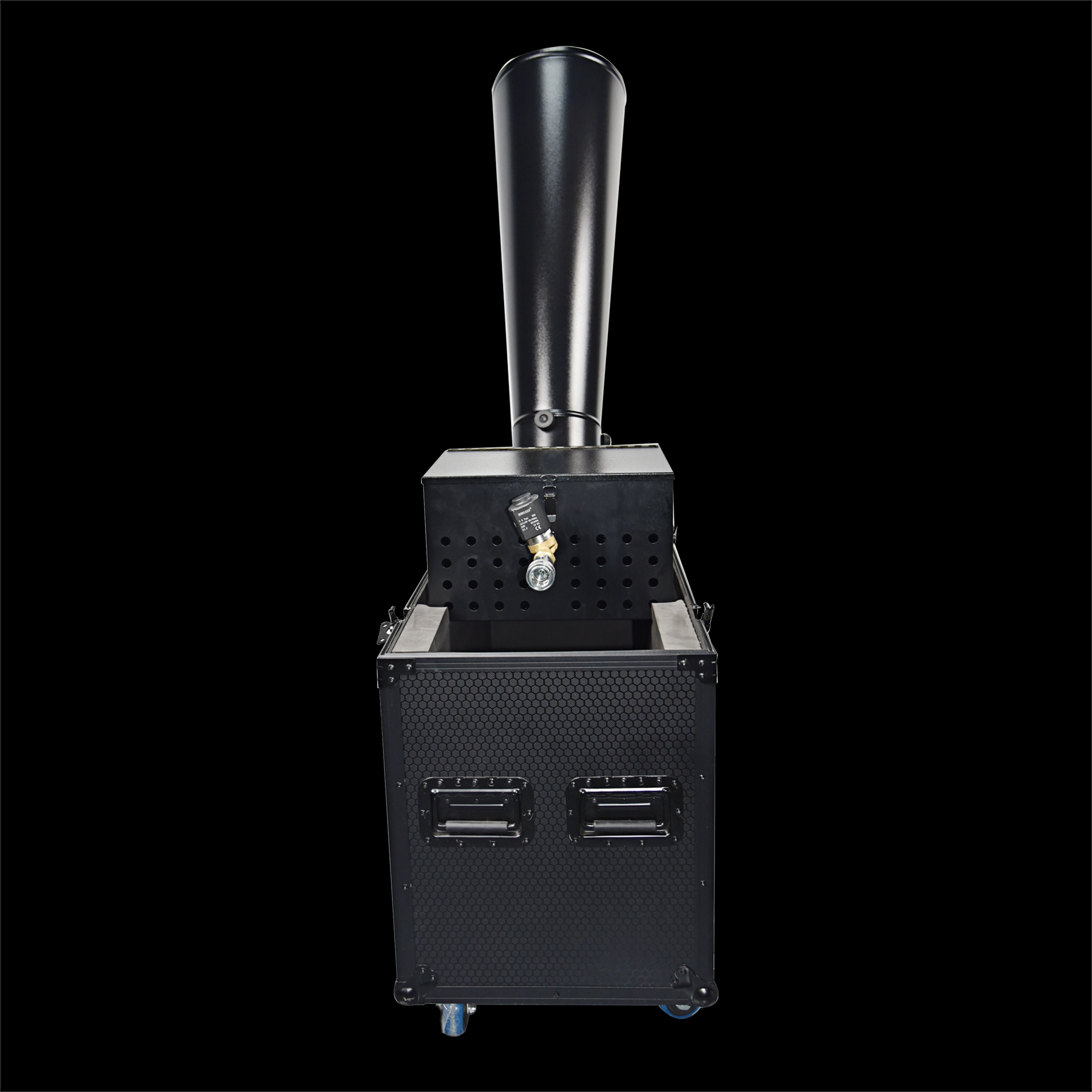
CO₂ Mini Rainbow Confetti Machine Manual Control with Durable Black Wheeled Flight Case
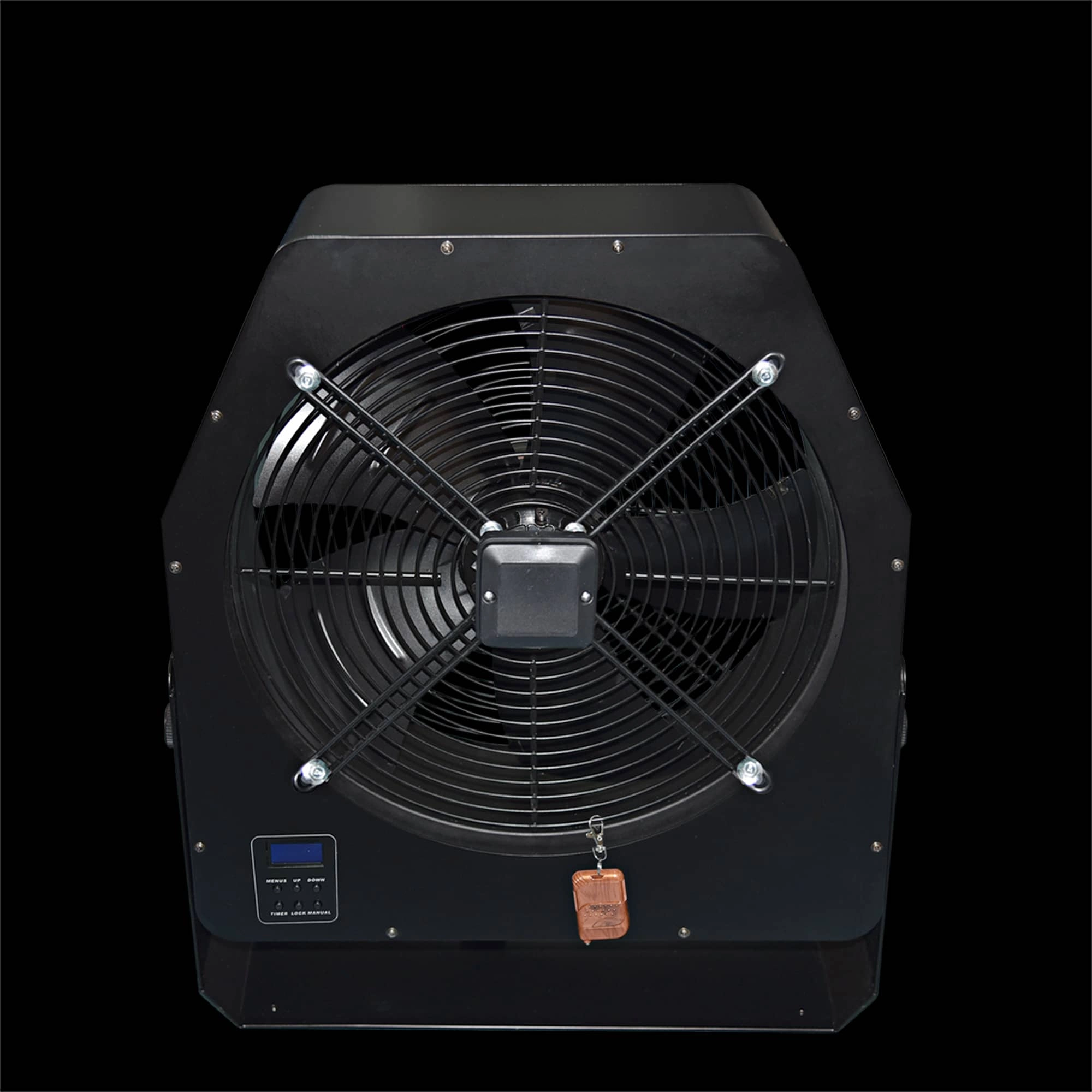
Professional Stage Big DMX Fan | High-Power Event Fan for Stage Shows & Celebrations
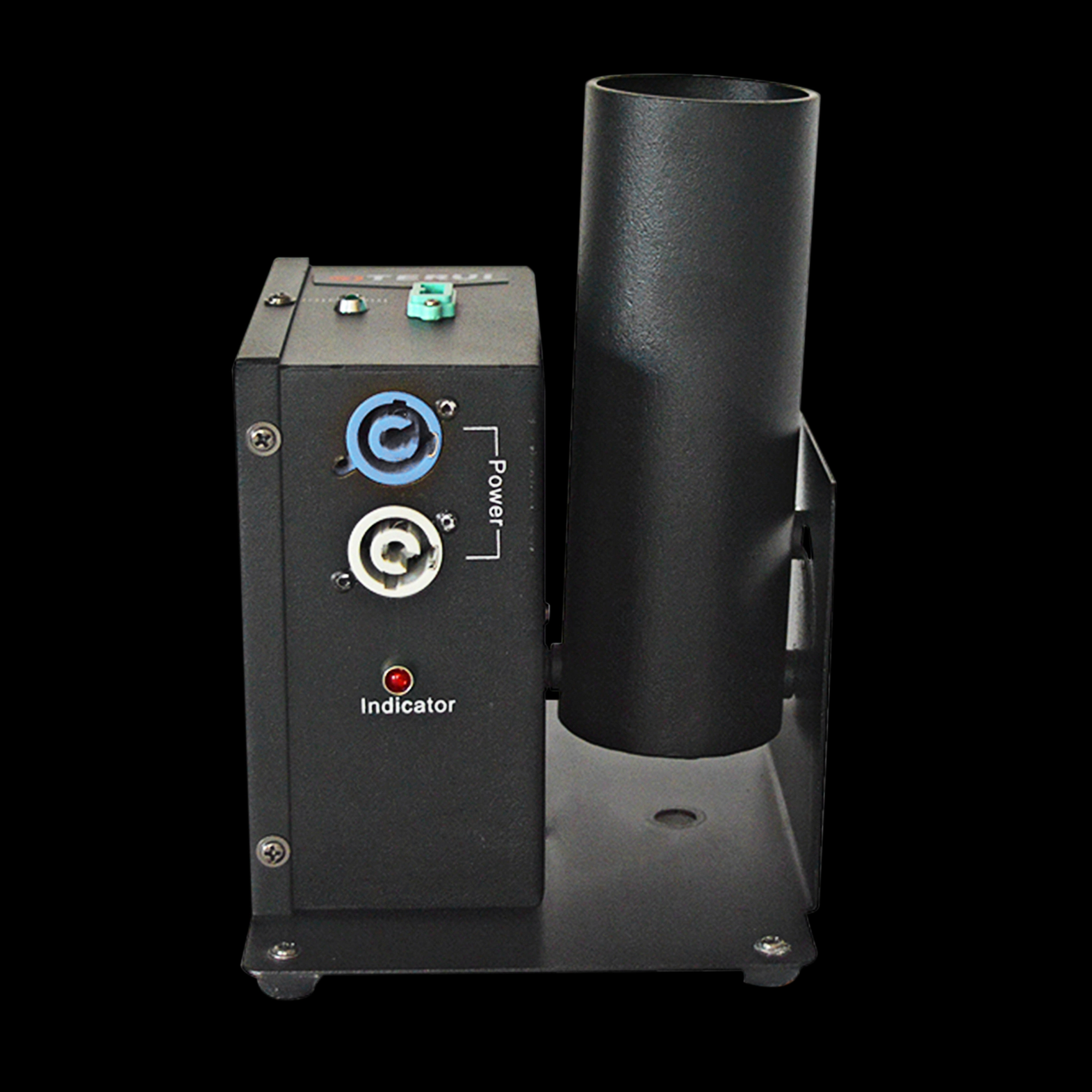
Single Shot Confetti Machine - Premium Confetti Launcher for Weddings & Stage Celebrations
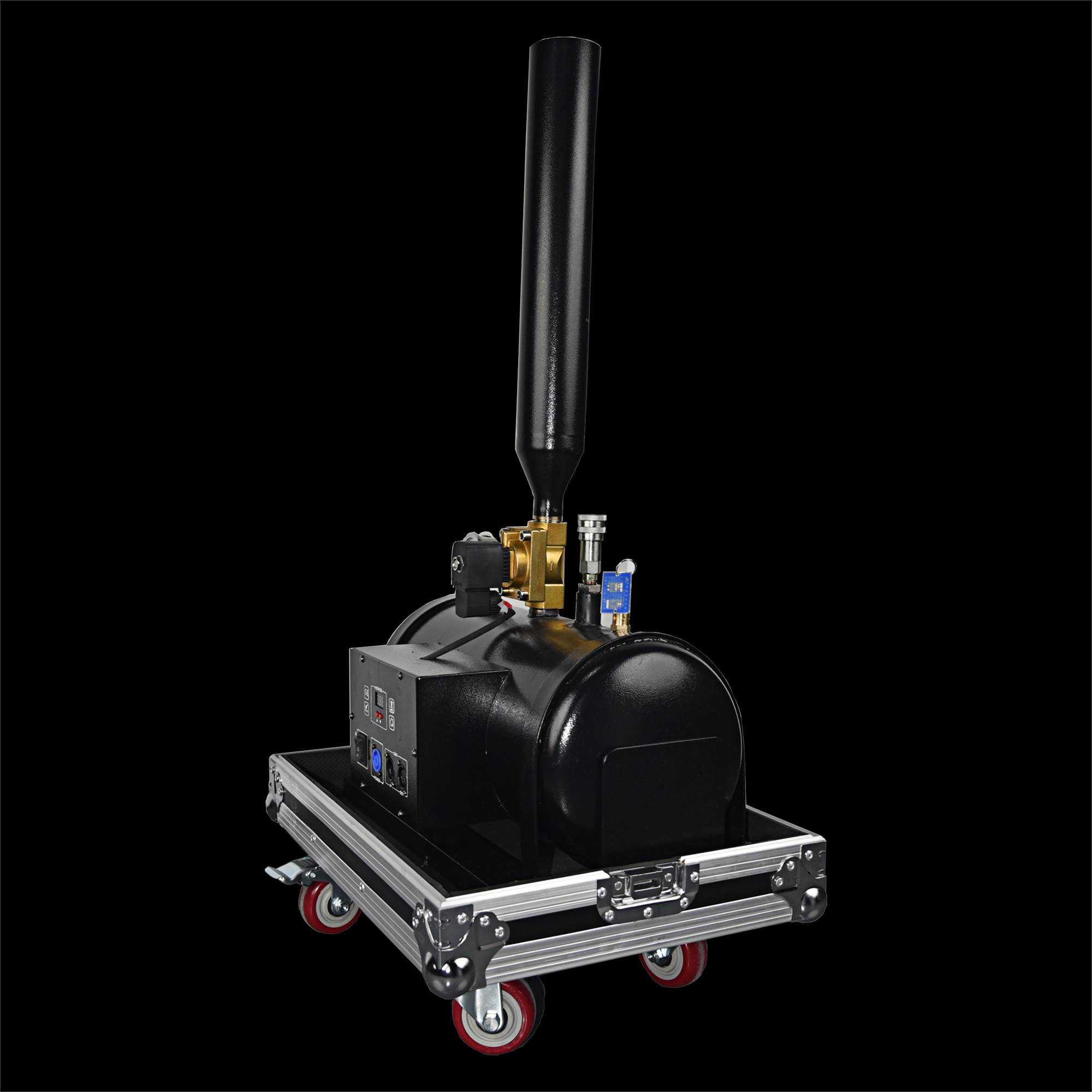
High-Altitude Confetti Cannon - Professional Confetti Blaster for Stage, Party & Celebration Events
Email: sales01@strlighting.com
WhatsApp: +86 189 2232 4800
© 2025 Siterui SFX All Rights Reserved.
 Scan QR Code
Whatsapp: +8618922324800
siteruisfx_stage_equipment
Siterui
SITERUI-SFX
STRlighting
@siterui.sfx