
Hazer troubleshooting: common problems solved
- Why Hazer Reliability Matters for Live Events
- Quick primer: how a hazer works (and what to check first)
- Power & startup failures — Hazer won't turn on
- Checklist for onsite techs
- Weak haze output or intermittent output
- Clogging and residue buildup — prevention and cure
- Cleaning do's and don'ts
- Uneven haze distribution and airflow problems
- Fluid issues: compatibility, contamination, and fogging that doesn't clear
- Control, DMX and wireless issues
- Safety, ventilation, and health considerations
- Diagnostic table: common problems, root causes and fixes
- Maintenance schedule — minimize downtime
- Siterui SFX: Manufacturer support, customization and product strengths
- When to repair vs replace
- Pro troubleshooting checklist (printable for technicians)
- FAQ
- 1. What is the difference between a hazer and a fog machine?
- 2. Can I use any fluid in my hazer?
- 3. How often should I clean my hazer?
- 4. My hazer triggers the venue smoke alarms—what can I do?
- 5. When should I call professional service?
- 6. How do I sync multiple hazers for even coverage?
- Contact & product inquiry
- References
Why Hazer Reliability Matters for Live Events
Haze machines (hazer) are central to the visual atmosphere of concerts, theatres, and corporate events. When a hazer fails or underperforms, lighting cues, aerial effects, and audience perception can suffer. This article provides a field-tested troubleshooting workflow to diagnose and fix the most common hazer problems quickly and safely, saving downtime and protecting show quality.
Quick primer: how a hazer works (and what to check first)
A typical hazer heats a specialized haze fluid (glycol- or mineral oil–based), vaporizes it, and outputs a fine, long-lasting aerosol that enhances light beams without the density of fog. Because hazers rely on heat, pumps, filters, and control electronics, problems usually fall into these categories: power and electronics, fluid and supply, heat/thermal systems, air-flow and mechanical, and control/DMX communication. Start troubleshooting in that order—power first, then fluids and thermal elements—because electrical and fluid issues cause the majority of faults in field service.
Power & startup failures — Hazer won't turn on
Symptoms: no LEDs, no warm-up sound, no response to DMX or wired control.
Common causes and step-by-step fixes:
- Loose or faulty power cable: inspect the mains cable and connector for damage. Swap with a known-good cable and test outlet with another device.
- Blown fuse or tripped breaker: check the unit’s internal fuse (consult manual for location and rating) and the venue breaker. Replace fuses with the same type and rating only.
- Faulty power switch or internal PCB: if external power is correct but no sign of life, you may have a failed switch or PSU. Open only if certified; otherwise contact service.
- Voltage mismatch: verify the hazer supports local mains (e.g., 110–120V vs 220–240V) or uses auto-switching. Running a 110V-only unit on 230V will damage it immediately.
Checklist for onsite techs
- Test outlet with a circuit tester.
- Swap power lead and ground-earth connection.
- Inspect for scorch marks, unusual smells—these indicate electrical failure; power down and isolate.
Weak haze output or intermittent output
Symptoms: unit warms up but produces little or sporadic haze; output drops under continuous use.
Typical causes and fixes:
- Low or poor-quality fluid: confirm fluid level and use manufacturer-recommended haze fluid. Diluted, old, or incompatible fluids reduce output and clog internals.
- Clogged atomizer/nozzle or heat exchanger: perform manufacturer-recommended cleaning routines (see maintenance section). A gentle soak with recommended solvent or running cleaning fluid often restores output.
- Insufficient warm-up or thermal cutoff cycling: ensure the unit is allowed full warm-up time and that ambient temperature isn’t extremely low or high; overheating may force thermal throttling.
- Air pump degradation (for pneumatic hazers): replace or service the pump if pressure is inconsistent.
Clogging and residue buildup — prevention and cure
Clogs are the single most common reason for service calls. Glycol and oil residues polymerize inside the atomizer and nozzle over time, narrowing passages.
Maintenance protocol:
- Daily: check and top fluid level; run 1–2 minutes of cleaning fluid before long runs.
- Weekly (or after heavy use): run manufacturer-approved cleaning solution through the unit per instructions, perform a visual nozzle check, and inspect filters.
- Periodic (every 3–6 months depending on use): disassemble reachable serviceable parts for deep cleaning; replace O-rings and small filters.
Cleaning do's and don'ts
- Do use only recommended cleaning fluids—do not pour acetone, alcohol, or unknown solvents into the fluid tank; they can damage seals and electronics.
- Don't run the unit dry; that damages pumps and atomizers.
- Do keep the fluid tank sealed when not in use to avoid contamination and humidity-driven issues.
Uneven haze distribution and airflow problems
Symptoms: haze concentrated on one side, inconsistent beam definition across the stage, or excessive localized accumulation.
Possible reasons and solutions:
- Blocked outlet or directional nozzle misalignment: inspect and realign or unclog the outlet.
- Improper placement relative to air currents and HVAC: place hazers according to lighting design—usually upstage or distributed across the stage for uniformity. Coordinate with venue HVAC to minimize strong drafts during cues.
- Single-point vs distributed systems: for larger stages, use multiple synchronized hazers (DMX or wireless sync) to achieve even coverage.
Fluid issues: compatibility, contamination, and fogging that doesn't clear
Symptoms: unusual smell, staining on surfaces, haze lingers too long or clings to surfaces.
Key checks:
- Compatibility: verify the fluid type matches the hazer design (water-based glycol vs oil-based). Mixing types can cause poor atomization and residues.
- Contamination: particulates, dust, or foreign liquids in the tank cause nozzle wear and poor output—filter fluids if suspicious.
- Excessive persistence: if haze refuses to clear, it may be an overly dense fog (wrong machine or wrong fluid) or very still air. Improve ventilation or reduce output density.
Control, DMX and wireless issues
Symptoms: erratic behavior, loss of DMX control, latency, or multiple units failing to synchronize.
Troubleshooting steps:
- Check DMX cabling and connectors: use proper 3- or 5-pin locking XLR cable rated for DMX, verify wiring standard (pin 1 ground, pin 2 signal -, pin 3 signal +), and test run with a DMX tester.
- Address and mode: verify each unit has a unique DMX address or is set to the correct receive mode (DMX vs auto vs sound-activated).
- Check termination: DMX runs should be terminated at the last fixture to avoid signal reflections causing erratic behavior.
- Wireless interference: if using wireless control, confirm line-of-sight, battery levels, channel conflicts, and that units support the chosen wireless system.
Safety, ventilation, and health considerations
Operators must balance visual effect with air quality and safety. Excessive aerosol concentration can trigger smoke alarms and cause discomfort for cast or audience members with respiratory sensitivities.
Best practices:
- Use venue-approved haze fluids and follow local regulations and the venue’s fire-safety plan.
- Coordinate with venue engineers to locate detectors or to obtain temporary masking where approved; never disable fire detection systems without written permission.
- Ensure adequate airflow and purge time between scenes to keep PPM (particles per million) within safe and contractually acceptable ranges.
Diagnostic table: common problems, root causes and fixes
| Symptom | Likely cause | Quick fix | When to call service |
|---|---|---|---|
| No power | Power cable, fuse, PSU | Swap cable, check fuse, test outlet | No response after replacing fuse; smell or smoke |
| Weak output | Low/old fluid, clog | Refill recommended fluid, run cleaning cycle | Persistent low output after cleaning |
| Uneven haze | Placement/air currents, nozzle block | Reposition, clean nozzle | Still uneven after redistribution or multi-unit sync |
| DMX errors | Bad cable, wrong address, no termination | Check cable, device address, add terminator | Unit unresponsive or randomly firing across setups |
Maintenance schedule — minimize downtime
Adopt a maintenance schedule based on usage intensity:
- Light use (weekly events): visual check and top-up weekly; cleaning cycle monthly.
- Moderate use (several shows/week): top-up daily; cleaning weekly; deep service every 3 months.
- Heavy use (daily touring/production): daily checks, cleaning after every show segment, quarterly professional service.
Document every service action—date, operator, fluid batch, observed symptoms—to build a predictive maintenance record. Over time this reduces surprise failures.
Siterui SFX: Manufacturer support, customization and product strengths
Siterui SFX is a professional manufacturer engaged in the research and development, production, sales, and service of professional stage special effects (SFX) equipment. With a highly skilled team and cutting-edge technology, we are committed to providing innovative, reliable, and high-performance SFX solutions for live events, theaters, concerts, film production, and entertainment venues worldwide.
At Siterui SFX, we understand that every stage, event, and creative concept is unique. That’s why we offer flexible customization services to meet your specific needs—whether it's branding, special functions, size adjustments, or complete system integration. From custom casing and logo printing to wireless control systems and synced multi-device setups, our expert team works closely with you to design SFX solutions that align perfectly with your needs.
Our commitment to quality and innovation ensures that our clients receive cutting-edge effects that enhance the visual and sensory experience of every performance. We pride ourselves on exceptional customer service and continuous advancement, positioning Siterui as a trusted partner in the professional special effects industry.
Core products and strengths include: spark machine, Haze Machine, CO₂ Jet Machine, Bubble Machine, Snow Machine, Foam Machine, Confetti Machine, fog machine, fire machine, dry ice machine. Siterui emphasizes:
- Robust engineering with serviceability in mind—easy access panels, modular pumps and nozzles.
- Strict quality control and recommended fluid compatibility lists to reduce clogging and residue problems.
- Comprehensive technical support and spare-part availability globally to reduce mean-time-to-repair (MTTR).
- Customization and systems integration—DMX/wireless synchronization, bespoke casings, and branding options.
If you’re evaluating new hazers or planning a multi-unit setup, Siterui SFX provides consultation to size, place, and configure equipment for consistent coverage, plus training and maintenance contracts to protect your investment.
When to repair vs replace
Consider replacement when the cost of parts plus labor exceeds 40–50% of a new unit’s price, or when the unit repeatedly fails despite correct maintenance. For rental houses and touring rigs, prioritize devices with modular replaceable parts and accessible service manuals—Siterui’s designs are oriented toward this maintainability model.
Pro troubleshooting checklist (printable for technicians)
- Verify mains voltage and cable continuity.
- Confirm correct fluid type and level.
- Run a manufacturer cleaning cycle; inspect nozzle and filters.
- Check control signal (DMX/q) and addresses; test with known-good controller.
- Inspect for overheating, unusual noises, leaks, or residue stains.
- Document findings; escalate to factory service if electrical or major thermal faults are present.
FAQ
1. What is the difference between a hazer and a fog machine?
Hazers create a thin, long-lasting aerosol that enhances beams without creating dense clouds. Fog machines typically produce thicker, shorter-lived clouds. Haze is designed for consistent lighting effects; fog is for dramatic, opaque effects.
2. Can I use any fluid in my hazer?
No. Use only the fluid types recommended by the manufacturer. Mixing water-based and oil-based fluids or using consumer-grade oils can cause clogs, damage seals, and void warranties.
3. How often should I clean my hazer?
Frequency depends on use. For heavy use, clean daily or weekly; for moderate use, at least monthly. Always follow the manufacturer cleaning procedure and record maintenance actions.
4. My hazer triggers the venue smoke alarms—what can I do?
Coordinate with venue technical staff before the event. Options include using lower output, relocating the hazer, increasing ventilation, or working with venue staff to temporarily mask detectors if permitted and documented. Never disable life-safety systems without written approval from the venue authority.
5. When should I call professional service?
Call service for persistent low output after cleaning, electrical faults (smoke, burning smell, repeated fuse blows), mechanical failures you cannot safely access, or when the unit requires disassembly beyond user-maintainable parts.
6. How do I sync multiple hazers for even coverage?
Use DMX-based or manufacturer-supported wireless sync protocols. Address each device correctly and use a terminator on the DMX run. For best results, place hazers to create overlapping coverage and calibrate output levels between units during rehearsal.
Contact & product inquiry
If you need hands-on support, spare parts, or a consultation to specify hazers for your venue or tour, contact Siterui SFX for expert assistance, customization options, and product quotations. Visit our product pages or reach out to our technical team for on-site service agreements and training.
References
- Theatrical smoke and fog — Wikipedia. https://en.wikipedia.org/wiki/Theatrical_smoke_and_fog (accessed 2025-12-19).
- Indoor Air Quality — Occupational Safety and Health Administration (OSHA). https://www.osha.gov/indoor-air-quality-iaq (accessed 2025-12-19).
- Chauvet DJ — Fluids and Safety Data. https://www.chauvetdj.com/product-category/fluids/ (accessed 2025-12-19).
Replacing parts: how to change the pump, heating element and filters
How Low-Lying Fog Machines Work
Wholesale haze machine manufacturer and supplier in china
Snow Machine Buyer's Guide: Choose the Right Model for Events
2100W Morning Haze Machine
How often should I clean the machine?
Regular cleaning every 3-6 months (depending on usage) is recommended.
FAQs
What does Siterui specialize in?
Siterui specializes in the research, development, production, sales, and service of professional stage special effects (SFX) equipment for live events, theaters, concerts, film production, and entertainment venues.
Single-Head CO2 Jet Machine
Can this machine be used outdoors?
Yes, but avoid extreme weather conditions to ensure longevity and performance.
About us
Does Siterui offer custom design services?
Yes! Our team tailors devices and solutions to perfectly match your event needs.
CO2 Mini Rainbow Confetti Machine
Can I test a sample before bulk order?
Yes! Sample cost includes product + shipping. Contact us for details.
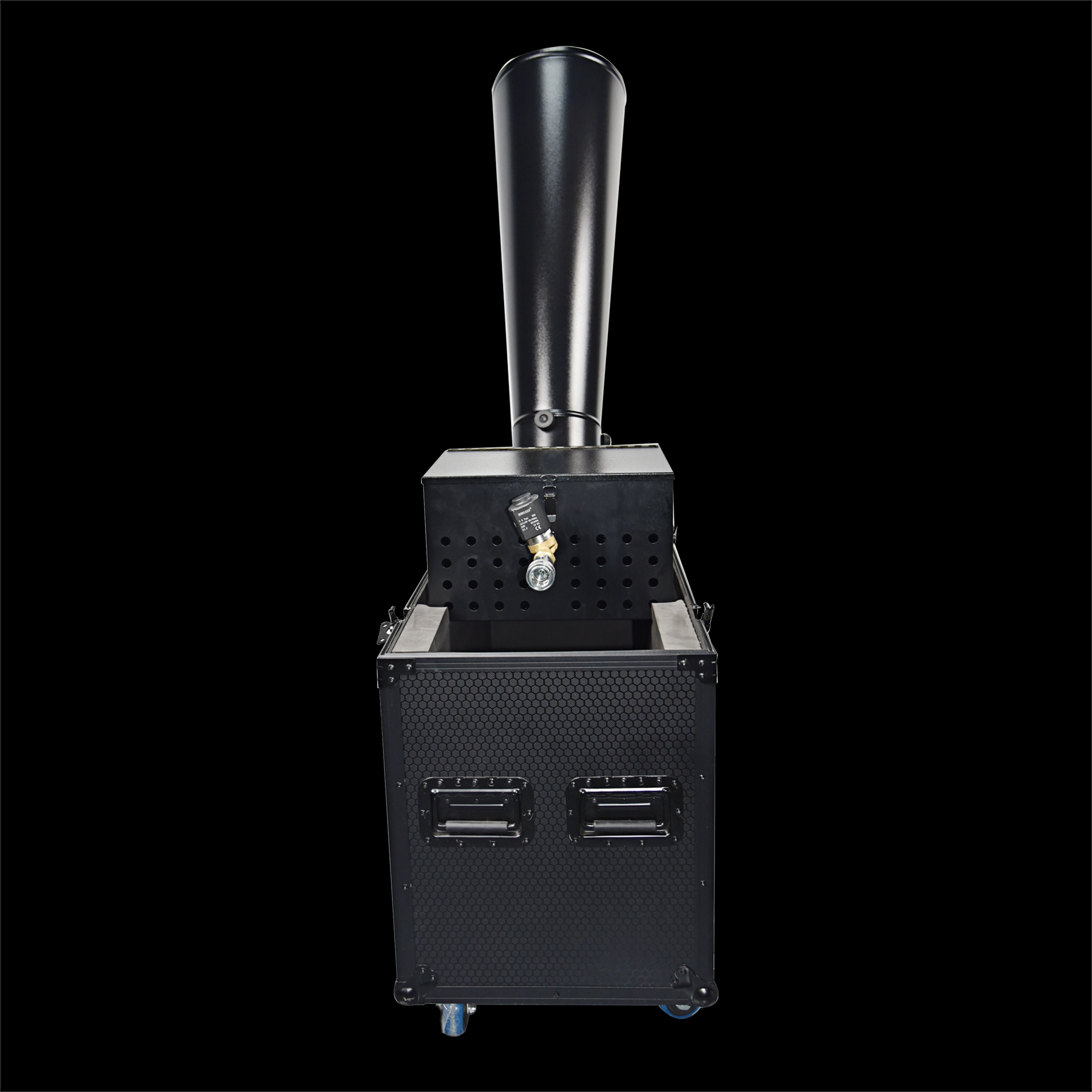
CO₂ Mini Rainbow Confetti Machine Manual Control with Durable Black Wheeled Flight Case
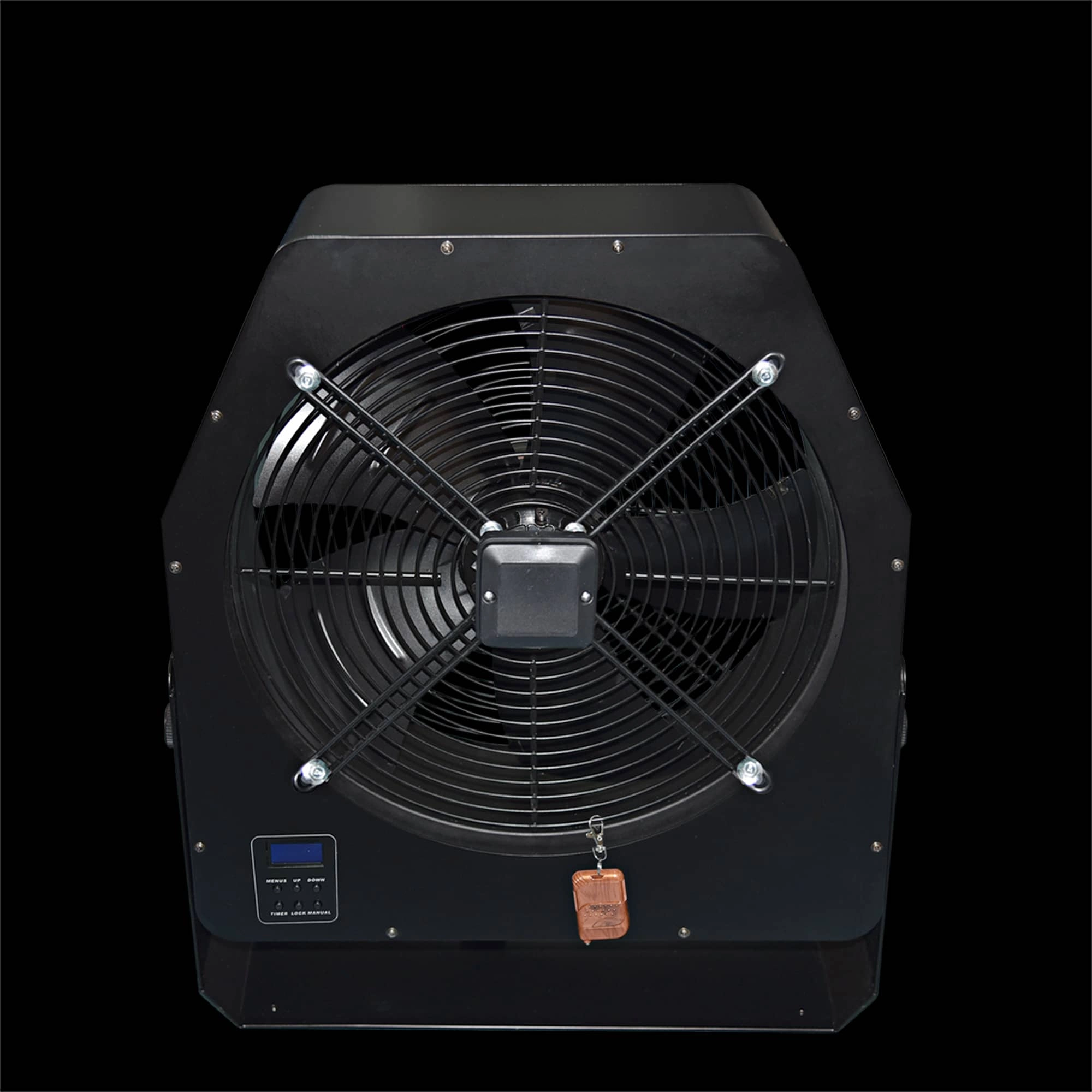
Professional Stage Big DMX Fan | High-Power Event Fan for Stage Shows & Celebrations
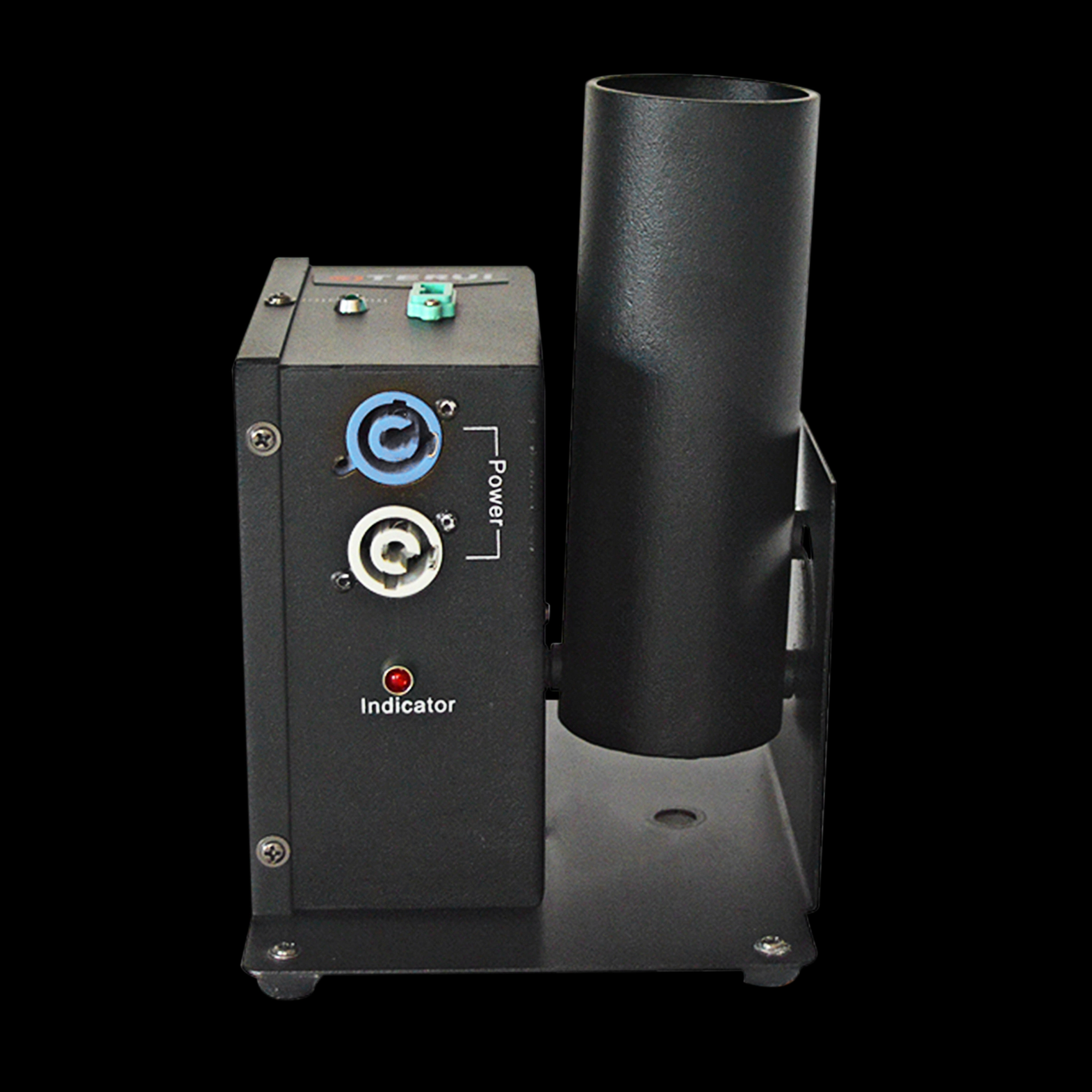
Single Shot Confetti Machine - Premium Confetti Launcher for Weddings & Stage Celebrations
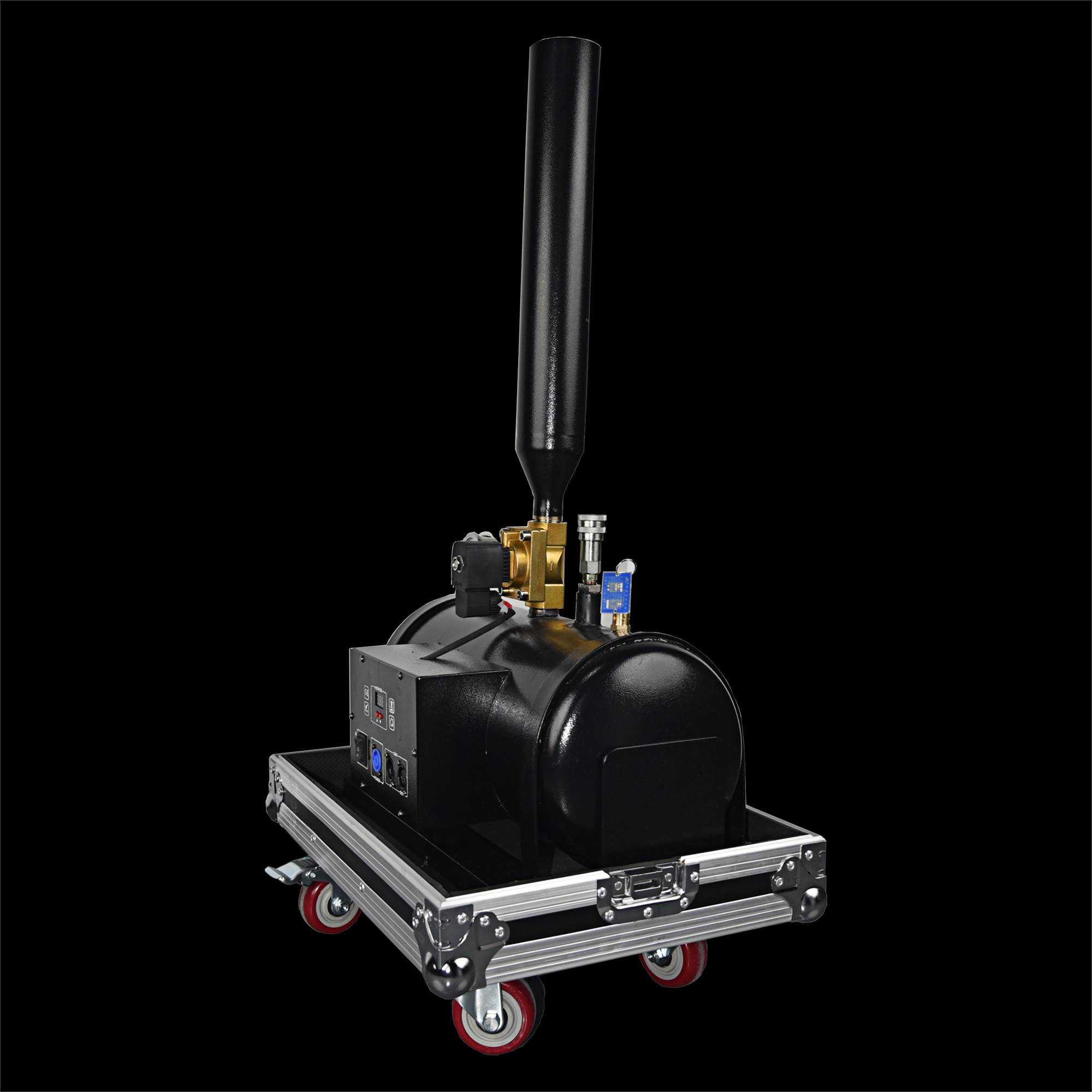
High-Altitude Confetti Cannon - Professional Confetti Blaster for Stage, Party & Celebration Events
Email: sales01@strlighting.com
WhatsApp: +86 189 2232 4800
© 2025 Siterui SFX All Rights Reserved.
 Scan QR Code
Whatsapp: +8618922324800
siteruisfx_stage_equipment
Siterui
SITERUI-SFX
STRlighting
@siterui.sfx