
How to store a haze machine between events safely
- Why proper storage matters
- Risks of improper storage
- Health, safety and regulatory considerations
- Step-by-step pre-storage checklist
- Immediate post-event shutdown and cooldown
- Emptying, cleaning, and preserving fluid systems
- Electrical and control preparations
- Environmental conditions and long-term storage best practices
- Temperature, humidity and ventilation
- Packaging, racks and orientation
- Storage intervals: short-term vs long-term
- Maintenance, testing and transport between events
- Routine maintenance schedule and checklist
- Testing before events
- Safe transport and packaging
- Practical troubleshooting and common field fixes
- Clogged nozzles or low output
- Leaking or weeping tanks and fittings
- Electrical faults and erratic behavior
- Why choose professional-grade equipment and how Siterui SFX supports safe storage and operation
- Siterui SFX capabilities and advantages
- Customization and service that reduces storage risk
- Product lineup and how it relates to storage best practices
- Data-driven decisions: Comparing storage approaches
- FAQ
- 1. Should I leave haze fluid in the machine between shows?
- 2. Can haze fluid freeze and damage my machine?
- 3. How often should I service my haze machine?
- 4. What do I use to clean a haze machine?
- 5. How should I transport a haze machine safely?
- Final notes and contact
As an experienced stage special effects consultant and content writer, I know that proper storage of a haze machine between events is as important as correct operation during a show. In this guide I outline practical, field-tested steps to minimize downtime, prevent damage, protect health and safety, and ensure your haze system is event-ready when you need it. The recommendations below are grounded in equipment design, fluid chemistry considerations, ventilation and safety guidance, and industry best practices. Where appropriate I reference authoritative sources and manufacturer-quality practices—always cross-check the specific model manual for model-specific requirements.
Why proper storage matters
Risks of improper storage
A haze machine contains liquids, pumps, tubing, heaters (or ultrasonic elements), fans, and electronics. If stored incorrectly, you can face a range of problems: clogged nozzles and lines from residue, microbial growth in aqueous fluids, corrosion of internal parts, degraded seals and gaskets, electrical faults from moisture, and compromised safety systems. In severe cases, neglected haze machines can emit harmful residues or fail during a live performance.
Health, safety and regulatory considerations
Haze fluids are often water-based mixtures of propylene glycol, glycerin, or related compounds. These substances are widely used in entertainment, but safe handling and storage are nevertheless important. For example, you can consult the NIOSH Pocket Guide entry for propylene glycol for exposure information: NIOSH—Propylene Glycol. For general hazard communication and storage practices, see OSHA's Hazard Communication standard: OSHA HazCom. Additionally, the broader context of fog/haze use and potential impacts on detectors and indoor air is discussed in general resources like the Fog machine article on Wikipedia.
Step-by-step pre-storage checklist
Immediate post-event shutdown and cooldown
Always follow the manufacturer's shutdown sequence. In my experience, a correct cooldown is essential: turn off the machine, allow all internal heaters and pumps to complete their cycles and cool for at least 10–30 minutes (model-dependent), and run any purge cycles recommended by the manufacturer. This avoids residual fluid being left heated in lines and prevents thermal stress on seals.
Emptying, cleaning, and preserving fluid systems
Decide whether to leave fluid in the tank: for short gaps (24–72 hours) it is usually acceptable to leave fluid in a sealed tank if the machine will be used again soon and the storage environment is controlled. For longer storage (weeks to months), I recommend emptying the tank and lines to prevent stagnation, degradation, or microbial growth. After emptying, run a flush with distilled water if compatible with your model (check the manual). Some professionals add a small in-line preservative recommended by the fluid supplier; always follow SDS and manufacturer guidance.
Electrical and control preparations
Disconnect power and any network/control cables. If the unit uses batteries for backup or control, remove them and store them according to battery manufacturer guidelines. For DMX/Wireless units, protect connector pins from corrosion (use dust caps). Record control settings if your unit uses saved scenes—this saves time at setup.
Environmental conditions and long-term storage best practices
Temperature, humidity and ventilation
Store haze machines in a clean, dry environment with stable temperatures. Avoid freezing temperatures—water-based fluids can expand and damage pumps or tanks. Likewise, high humidity accelerates corrosion and mold growth. I recommend a storage range of 5–25°C (41–77°F) and relative humidity below 60% where possible. For venue storage, ensure good ventilation to avoid accumulation of residues in the space. For guidance on ventilation and indoor air quality considerations when using theatrical aerosols, see ASHRAE resources: ASHRAE.
Packaging, racks and orientation
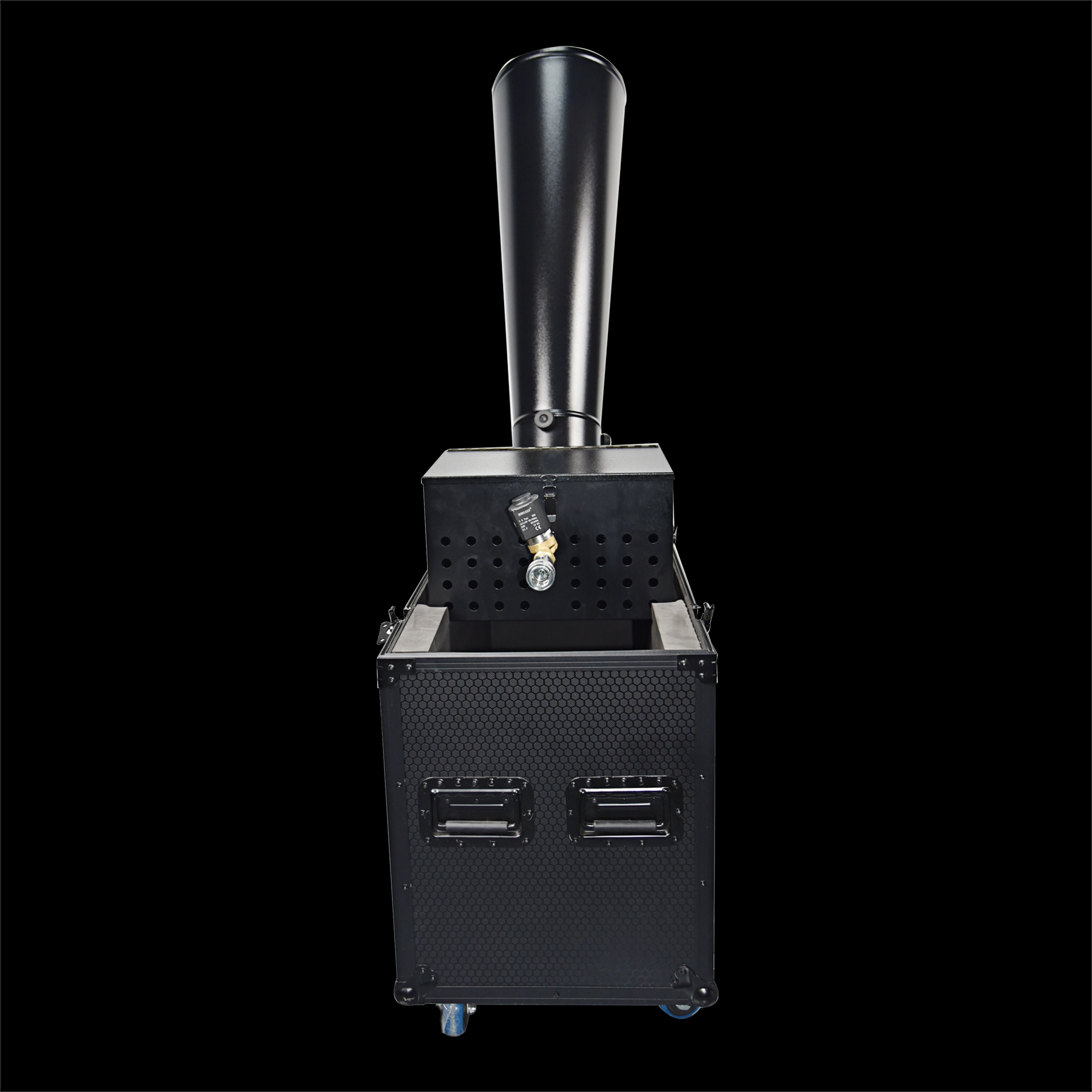
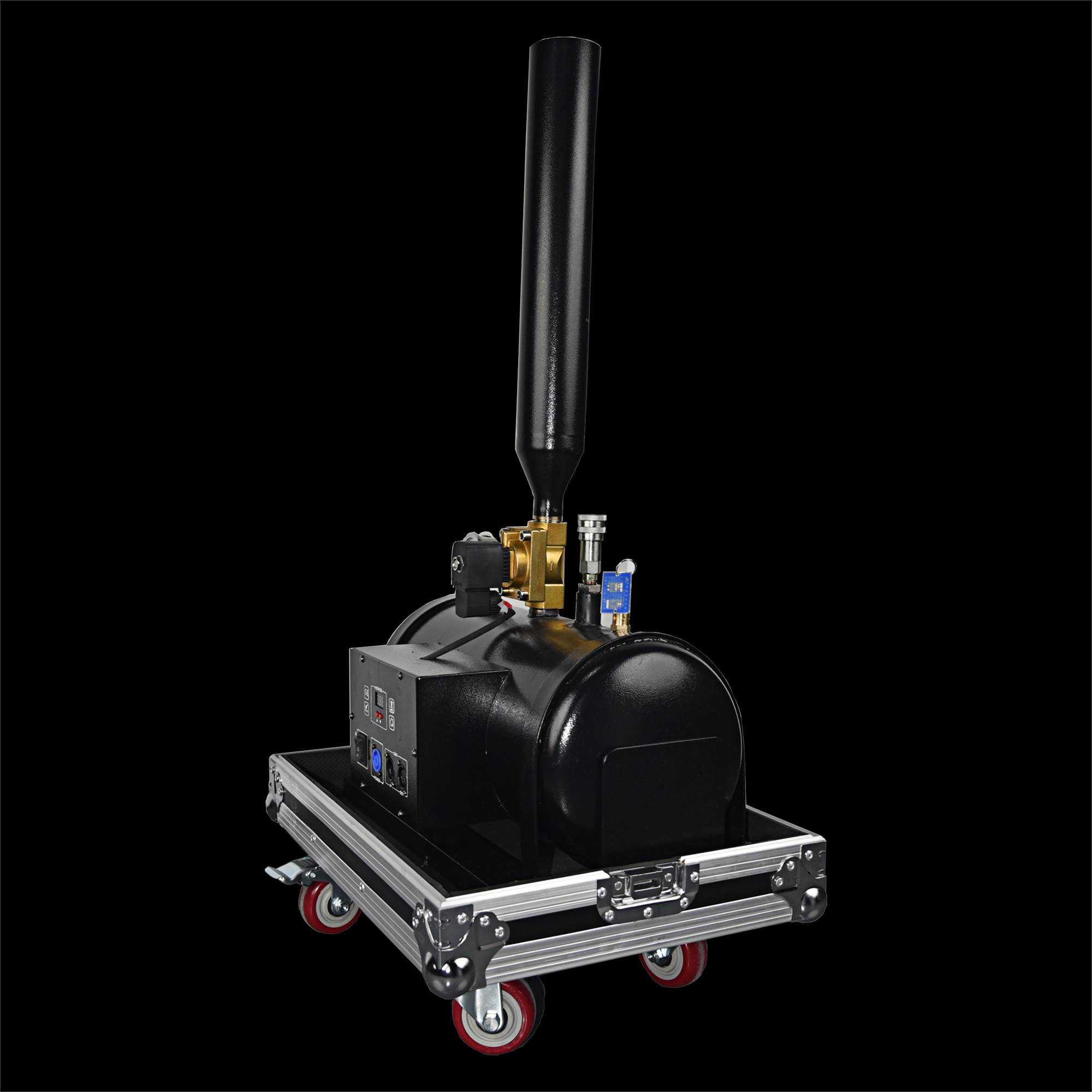
Store machines upright on stable shelving or in their flight cases. If you use flight cases, line them with breathable fabric—avoid completely airtight long-term storage which can trap condensation. Label cases with last serviced date, fluid type used, and any notes about maintenance required before next use. If you stack machines, distribute weight properly and avoid pressure on fragile components like nozzles or control panels.
Storage intervals: short-term vs long-term
Different storage intervals demand different approaches. Short-term (a few days) — keep fluid in tank, perform purge if show-intensive. Medium-term (weeks) — empty tanks, flush lines, inspect seals. Long-term (months) — full disassembly of user-serviceable parts as per manual, remove batteries, apply light corrosion inhibitors to exposed metal (manufacturer-approved), store in controlled conditions.
| Storage Interval | Key Actions | Notes |
|---|---|---|
| Short (1–3 days) | Cooldown, cover, leave fluid in tank | Minimal prep; ready quickly for next show |
| Medium (1–8 weeks) | Empty tanks, flush lines, dry, store upright | Prevents sediment & microbial growth |
| Long (2+ months) | Full cleaning, remove batteries, store in controlled room | Consider periodic inspection every 1–3 months |
Maintenance, testing and transport between events
Routine maintenance schedule and checklist
Implement a maintenance log (date, operator, actions). My recommended schedule:
- After every event: cooldown, quick visual inspect, record runtime and fluid used.
- Every 10–20 hours of operation: clean nozzles and strainers, inspect fluid pump and tubing for wear.
- Every 3–6 months: full inspection, test heaters/elements, verify fans and control electronics, replace wearable parts as specified by manufacturer.
Use manufacturer parts for replacements and keep an inventory of consumables (filters, O-rings, tubing). Maintain SDS folders for all fluids on site and train staff to recognize signs of contamination or degraded fluid (odd smell, visible particulates, inconsistent output).
Testing before events
Before load-in and prior to each show, run a pre-show test on the machine: warm-up, verify fluid feed, check aerosol output consistency, inspect for leaks, and verify control responsiveness via DMX or wireless interface. If systems are chained (multiple haze machines synced), test the full chain to avoid surprises. Keep a small supply of clean fluid and basic tools for field troubleshooting.
Safe transport and packaging
When moving haze machines between venues, use padded flight cases or flight-ready road cases. Secure the unit to prevent movement and protect fragile parts. If transporting in cold conditions, allow the unit to acclimate to ambient temperature before powering on to avoid condensation-related shorts. Label cases with handling instructions (This Side Up, Fragile, Keep Dry). For international transport, follow airline and customs guidelines for liquids—consult the airline's dangerous goods rules if you carry large quantities of fluid.
Practical troubleshooting and common field fixes
Clogged nozzles or low output
Clogs are often caused by residue or dried fluid. Steps: power down and cool, remove and soak nozzle in warm distilled water (or manufacturer-recommended solvent), inspect and replace small filters/strainers, and run a controlled flush. Never use excessive force to clear nozzles as you may damage precision parts.
Leaking or weeping tanks and fittings
Inspect O-rings and hose clamps; replace old rings before reassembly. For non-serviceable tanks, consult an authorized technician. Keep spare clamps and approved sealants on hand, but use only materials recommended by the manufacturer.
Electrical faults and erratic behavior
If electronics show errors, consult the error code reference in the manual. Check for moisture, loose connectors, and blown fuses. For any internal electronic repair, rely on qualified service techs to maintain safety certifications.
Why choose professional-grade equipment and how Siterui SFX supports safe storage and operation
Siterui SFX capabilities and advantages
Siterui SFX is a professional manufacturer engaged in the research and development, production, sales, and service of professional stage special effects (SFX) equipment. With a highly skilled team and cutting-edge technology, Siterui is committed to providing innovative, reliable, and high-performance SFX solutions for live events, theaters, concerts, film production, and entertainment venues worldwide. Learn more at Siterui SFX.
Customization and service that reduces storage risk
At Siterui SFX, I’ve found their flexible customization options helpful for storage and transport: custom casing and foam inserts for flight cases, printed labeling for quick identification, and integrated wireless control systems that reduce physical wear on connectors. Their service packages include preventive maintenance plans and spare-parts kits tailored to client usage patterns—useful for venues that rotate gear frequently.
Product lineup and how it relates to storage best practices
Siterui SFX offers a range of professional SFX machinery including spark machines, haze machines, CO₂ jet machines, bubble machines, snow machines, foam machines, confetti machines, fog machines, fire machines, and dry ice machines. For haze machines specifically, choosing units with accessible service panels, replaceable pump modules, and clear maintenance guides reduces long-term storage risk and simplifies back-to-back event scheduling. For product inquiries contact sales01@strlighting.com or visit https://www.siteruisfx.com/.
Data-driven decisions: Comparing storage approaches
Below is a concise comparison of storage strategies I recommend depending on usage intensity. These recommendations are consistent with general equipment-preservation practices used by professional rental houses and production companies.
| Scenario | Best Practice | Why |
|---|---|---|
| Daily/weekly use (touring) | Keep fluid topped, daily cooldown/purge, store in flight case | Minimizes downtime; designed for rapid turnaround |
| Venue-based, intermittent | Empty tanks between long idle periods, quarterly service | Prevents stagnation & microbial growth |
| Long-term storage | Full cleaning, desiccant in case, remove batteries, inspect quarterly | Prevents corrosion and part degradation |
FAQ
1. Should I leave haze fluid in the machine between shows?
It depends on interval. For short intervals (24–72 hours) leaving fluid in a sealed tank is usually fine. For longer storage, empty and flush lines to avoid residue buildup and microbial growth. Always follow your unit’s manual and fluid SDS guidance (e.g., see NIOSH on propylene glycol).
2. Can haze fluid freeze and damage my machine?
Yes. Water-based hazes can freeze and expand, damaging pumps and tanks. Avoid storing units in sub-freezing conditions; aim for storage between 5–25°C (41–77°F).
3. How often should I service my haze machine?
Basic cleaning after each event, moderate inspection every 10–20 operational hours, and a full service every 3–6 months is a practical schedule for most professional setups. Heavily used units may need more frequent attention.
4. What do I use to clean a haze machine?
Use distilled water for flushing if compatible, or the cleaner recommended by the manufacturer. Avoid harsh solvents unless approved. Check the unit's manual for disassembly and cleaning instructions.
5. How should I transport a haze machine safely?
Use padded flight cases, secure mounts, and label cases clearly. Remove or secure delicate parts, disconnect batteries, and allow the unit to acclimate before powering on after cold transport. For international travel, check airline restrictions for fluids.
Final notes and contact
Proper storage of a haze machine between events reduces failure risk, preserves performance quality, and protects venue safety. Implementing consistent shutdown, cleaning, storage, and maintenance routines—combined with environmental control and professional-grade cases—keeps your gear reliable and extends service life.
If you’d like tailored advice based on your model, event cadence, or storage environment, I recommend contacting a professional manufacturer with integrated service capabilities. Siterui SFX offers design, production, and after-sales service for professional SFX equipment and can help you choose haze machines with features that simplify storage and maintenance. Visit https://www.siteruisfx.com/ or email sales01@strlighting.com for product details, customization options, and service plans. Siterui SFX’s product range includes spark machine, Haze Machine, CO₂ Jet Machine, Bubble Machine, Snow Machine, Foam Machine, Confetti Machine, fog machine, fire machine, and dry ice machine—backed by customization services and professional support that reduce lifecycle risk and improve operational readiness.
Stay safe, document your procedures, and test before you perform. If you want, send me model details and I’ll provide a tailored storage checklist for your equipment.
Wholesale flame machine manufacturer and supplier in china
Combining Fog and Lighting for Dramatic Effects
What are the application scenarios of blue flame machine?
The latest trends for co2 jet gun
1500W 24x3W LED fog machine
What type of smoke oil should I use with this machine?
For optimal performance, use high-quality smoke oil.
Solutions
What’s the minimum order quantity (MOQ)? Do you offer samples?
Most products can be ordered from one unit. Sample testing is welcomed. We also support flexible small-batch purchasing.
Can you customize the products based on our brand? Do you support OEM/ODM?
Absolutely. With our in-house design team, we provide full OEM/ODM customization from product appearance, color, function, logo branding, to packaging and complete equipment.
What if the product malfunctions? Do you provide after-sales service?
We offer a 1-year warranty covering free repair and parts replacement (excluding man-made damage). Our support team responds within 24 hours.
About us
How does the team collaborate on projects?
Cross-functional collaboration ensures seamless execution from design to delivery.
CO₂ Mini Rainbow Confetti Machine Manual Control with Durable Black Wheeled Flight Case
Professional Stage Big DMX Fan | High-Power Event Fan for Stage Shows & Celebrations
Single Shot Confetti Machine - Premium Confetti Launcher for Weddings & Stage Celebrations
High-Altitude Confetti Cannon - Professional Confetti Blaster for Stage, Party & Celebration Events
Email: sales01@strlighting.com
WhatsApp: +86 189 2232 4800
© 2025 Siterui SFX All Rights Reserved.
 Scan QR Code
Whatsapp: +8618922324800
siteruisfx_stage_equipment
Siterui
SITERUI-SFX
STRlighting
@siterui.sfx