
Water-based vs oil-based hazer fluids explained
- How hazers and hazer fluids work: a practical overview
- What is a hazer and why choose the right hazer fluid for your haze machine
- Composition and basic chemistry of hazer fluids — : hazer fluids explained
- What’s in water-based vs oil-based hazer fluid
- Performance comparison: visibility, beam definition and hang time
- How particle size and carrier affect visual results for haze machine use
- Side-by-side comparison table: water-based vs oil-based hazer fluids
- Health, safety and ventilation — : buy hazer fluids with safety in mind
- What venue managers and technicians need to know about air quality and exposure
- Machine compatibility and maintenance — : haze machine maintenance tips
- Which haze machines work best with which fluids and how to maintain them
- Residue, odor and equipment lifetime — : choosing hazer fluid to protect your gear
- How long-term use affects lights, lenses, and HVAC systems
- Cost considerations and operational implications — : buy hazer fluids and manage costs
- Price, consumption and logistics for event production teams
- Recommendations by application type — : buy hazer suited to your event
- Choosing the right hazer fluid for your venue or production
- Siterui SFX: professional hazer machines and custom SFX solutions
- Why Siterui SFX stands out in hazers, haze fluids and stage special effects
- Practical checklist before you buy hazer fluid or a haze machine
- Actionable checklist for procurement and safe operation
- Frequently Asked Questions (FAQs)
- 1. Is oil-based hazer fluid harmful to lighting fixtures?
- 2. Can I use any hazer fluid in my haze machine?
- 3. Which hazer fluid is better for camera shoots and broadcast?
- 4. Do hazer fluids trigger fire alarms?
- 5. How can I reduce respiratory irritation when using haze?
- 6. How often should I flush or service a haze machine?
- 7. Where can I buy professional hazer machines and recommended fluids?
- Contact and product inquiry — request a quote or consultation
- Get expert help choosing the right haze machine and fluid
- References and further reading
How hazers and hazer fluids work: a practical overview
What is a hazer and why choose the right hazer fluid for your haze machine
A hazer (haze machine) produces a fine, homogeneous aerosol that enhances light beams and atmosphere on-stage without the dense clouds typical of fog machines. Choosing the correct hazer fluid—water-based or oil-based—directly affects visual quality, machine longevity, maintenance, venue safety, and operating cost. This guide helps event producers, rental houses, AV techs, and venue managers decide which hazer fluid fits their needs when they buy hazer equipment or hire haze services.
Composition and basic chemistry of hazer fluids — : hazer fluids explained
What’s in water-based vs oil-based hazer fluid
Water-based hazer fluids typically use a carrier of purified water mixed with glycols such as propylene glycol (PG) or glycerin (glycerol) and sometimes small additives to control droplet size and evaporation. Oil-based hazer fluids use light mineral oils or synthetic oils as carrier fluids, sometimes with performance additives to stabilize aerosol generation.
Understanding composition is essential before you buy hazer fluid: water-based fluids are often labeled as PG-based, glycerin-based, or water glycols; oil-based fluids are labeled mineral oil or light oil formulas. Check Safety Data Sheets (SDS) for precise ingredients and handling instructions before purchasing or using any haze machine fluid.
Performance comparison: visibility, beam definition and hang time
How particle size and carrier affect visual results for haze machine use
Key performance differences stem from droplet size and evaporation rate. Oil-based fluids typically produce slightly larger droplets that linger longer (longer hang time) and give denser-looking beams at lower machine output. Water/glycol-based fluids produce finer aerosols that disperse more widely and often look cleaner in terms of even illumination but may require higher output to match the same visual density.
Side-by-side comparison table: water-based vs oil-based hazer fluids
| Characteristic | Water-based (glycol/water) | Oil-based (mineral/synthetic oil) |
|---|---|---|
| Primary ingredients | Water + propylene glycol or glycerin | Light mineral oil or synthetic oils |
| Particle size | Finer (submicron to low-micron) | Moderate (mid-micron), tends to be larger |
| Hang time | Shorter to medium; disperses quicker | Medium to longer; remains visible longer |
| Beam definition | Very even and soft; great for subtle haze | Stronger beams at lower output; more dramatic effect |
| Residue on surfaces | Generally low; can be hygroscopic (attract moisture) | Potential for oily film over prolonged use |
| Machine compatibility | Designed for water-based hazers; safe for most modern haze machines | Requires machines rated for oil-based fluids; some haze units may be damaged if oil used incorrectly |
| Maintenance & cleaning | Easier cleaning; less sticky residue | Greater maintenance; filters and nozzles may need more frequent cleaning |
| Health/ventilation considerations | Generally lower respiratory irritation when well ventilated; check SDS | Can feel heavier in air and may leave oily deposits; ventilation and SDS review required |
| Typical uses | Theaters, TV, events where subtle haze is desired | Concerts, large arenas, outdoor stages needing longer hang times |
Sources for the physical behavior of aerosols and common industry practice include manufacturer SDS and technical notes (see references).
Health, safety and ventilation — : buy hazer fluids with safety in mind
What venue managers and technicians need to know about air quality and exposure
Both water-based and oil-based hazer fluids are formulated for theatrical use; however, inhalation exposure, surface residue, and smell differ. Many water-based fluids use propylene glycol, which has an established safety profile for theatrical use but can cause irritation in sensitive individuals. Oil-based products may leave oily residues on lighting lenses, trussing, and mixing consoles, and in some cases increase slipping hazards on floors if condensation occurs.
Best practices:
- Always consult the SDS for the specific hazer fluid and keep copies accessible.
- Ensure HVAC and venue ventilation can handle aerosol loads—use increased fresh air exchange when operating haze heavily.
- Inform performers and staff about haze use and provide accommodations for those with respiratory conditions.
- Follow local regulations and venue policies; some venues prohibit oil-based products or require pre-approval.
Machine compatibility and maintenance — : haze machine maintenance tips
Which haze machines work best with which fluids and how to maintain them
Not all haze machines accept both fluid types. Manufacturers specify compatible fluids; using the wrong fluid voids warranties and can clog heaters or nozzle systems. Key maintenance tips:
- Use only manufacturer-recommended hazer fluids or verified equivalents.
- Flush systems per manufacturer guidance—some water-based units require periodic distilled-water flushes to prevent mineral buildup.
- For oil-based fluid systems, monitor filters and seals more frequently and clean condensers or collectors to prevent oil buildup.
- Keep spare nozzles and gaskets on hand for rental operations or busy venues.
Residue, odor and equipment lifetime — : choosing hazer fluid to protect your gear
How long-term use affects lights, lenses, and HVAC systems
Residue characteristics differ: oil-based haze is more likely to leave an oily film that can attract dust and require lens cleaning, while water/glycol haze can be hygroscopic and attract moisture in very humid environments. Over years of heavy use, both types can affect lighting lenses and HVAC filters; regular maintenance schedules mitigate long-term effects. For high-value assets—follow a conservative maintenance plan and choose fluid type in consultation with equipment manufacturers.
Cost considerations and operational implications — : buy hazer fluids and manage costs
Price, consumption and logistics for event production teams
Water-based fluids are often slightly cheaper per liter and are available in many formulations tuned for low residue. Oil-based fluids can be more efficient (longer hang time per ml), meaning less frequent bottle changes but potentially increased cleaning costs. For touring productions, weight and shipping (hazard classification) matter—some oil fluids may be considered combustible liquids by transport regulations; always check shipping classification on SDS and with freight carriers.
Recommendations by application type — : buy hazer suited to your event
Choosing the right hazer fluid for your venue or production
Use the table below to match common applications to recommended fluid types:
| Application | Recommended fluid | Reason |
|---|---|---|
| Theater and broadcast | Water-based | Finer, more even haze; lower visible residue; easier clearance for camera work |
| Concerts, arenas, outdoor stages | Oil-based (or high-density water-based alternatives) | Longer hang time creates persistent beams suitable for large spaces |
| Clubs and bars | Water-based | Quicker dispersal and easier venue cleanup |
| Touring productions | Depends — consider logistics | Choose by weight, SDS classification, required hang time, and available maintenance |
Siterui SFX: professional hazer machines and custom SFX solutions
Why Siterui SFX stands out in hazers, haze fluids and stage special effects
Siterui SFX is a professional manufacturer engaged in the research and development, production, sales, and service of professional stage special effects (SFX) equipment. With a highly skilled team and cutting-edge technology, we are committed to providing innovative, reliable, and high-performance SFX solutions for live events, theaters, concerts, film production, and entertainment venues worldwide.
Key advantages of Siterui SFX:
- Customizable solutions: From custom casing and logo printing to wireless control systems and synced multi-device setups, Siterui offers flexible customization to meet unique production needs.
- Technical expertise: In-house R&D and quality control ensure compatibility between haze machines and recommended fluids, minimizing warranty issues.
- Product range: Siterui's lineup includes spark machines, haze machines, CO₂ jet machines, bubble machines, snow machines, foam machines, confetti machines, fog machines, fire machines, and dry ice machines—covering nearly all professional SFX needs.
- Service and support: Comprehensive after-sales service and documentation—including SDS compatibility guidance—help venues choose the right hazer fluids and maintain equipment for long life.
For production teams looking to buy a haze machine, Siterui’s haze machines come with compatibility guidance for both water-based and oil-based hazer fluids (depending on model) and optional custom integration with lighting and control networks. Their commitment to quality and innovation ensures clients receive cutting-edge effects that enhance the visual and sensory experience of every performance.
Practical checklist before you buy hazer fluid or a haze machine
Actionable checklist for procurement and safe operation
- Confirm machine compatibility with the specific fluid and get it in writing from the manufacturer.
- Review the SDS for both fluid and machine—note any special shipping or storage requirements.
- Test fluid in a controlled setting and evaluate beam definition, hang time, residue, and smell.
- Plan ventilation adjustments and notify building management and staff of haze use.
- Schedule routine maintenance and stocking of replacement parts (nozzles, filters, seals).
Frequently Asked Questions (FAQs)
1. Is oil-based hazer fluid harmful to lighting fixtures?
Oil-based fluids can leave an oily residue on lenses and lamp housings over time. Regular cleaning and more frequent maintenance mitigate buildup. Choose water-based fluids for minimal residue if preserving delicate optics is a priority.
2. Can I use any hazer fluid in my haze machine?
No. Use only fluids specified by your hazer manufacturer. Using the wrong fluid may void warranties and damage internal components.
3. Which hazer fluid is better for camera shoots and broadcast?
Water-based fluids often provide more even, subtle haze that is preferred for cameras and broadcast, as they clear predictably and minimize lens deposits.
4. Do hazer fluids trigger fire alarms?
Haze is less likely than dense fog to trigger alarms, but detectors vary by type and sensitivity. Always coordinate with venue safety and alarm technicians before heavy haze use.
5. How can I reduce respiratory irritation when using haze?
Increase ventilation, reduce haze density, choose a low-irritation fluid (check SDS for additives), and provide staff warnings. Performers with asthma or respiratory conditions should be accommodated.
6. How often should I flush or service a haze machine?
Follow the manufacturer schedule; for heavy daily use, inspect and service monthly. For occasional use, perform a flush and visual inspection every few months and before major events.
7. Where can I buy professional hazer machines and recommended fluids?
Buy from reputable manufacturers or authorized dealers. Siterui SFX offers professional haze machines and can advise on compatible hazer fluids and custom system integration.
Contact and product inquiry — request a quote or consultation
Get expert help choosing the right haze machine and fluid
For tailored recommendations, product demos, or to request a quotation for haze machines and complete SFX packages, contact Siterui SFX. Our team will advise on appropriate hazer fluids (water-based or oil-based) for your venue, maintenance plans, and system customization including wireless control and multi-unit synchronization.
Visit our product pages or reach out to sales to discuss spark machines, haze machines, CO₂ jet machines, bubble machines, snow machines, foam machines, confetti machines, fog machines, fire machines, and dry ice machines. Let Siterui SFX design an effects system that matches your creative vision and technical requirements.
References and further reading
- Haze machine — Wikipedia. https://en.wikipedia.org/wiki/Haze_machine (accessed 2025-12-16).
- Fog machine — Wikipedia (overview of theatrical smoke/fog). https://en.wikipedia.org/wiki/Fog_machine (accessed 2025-12-16).
- Propylene glycol — Wikipedia (properties and safety information). https://en.wikipedia.org/wiki/Propylene_glycol (accessed 2025-12-16).
- Glycerol — Wikipedia (glycerin properties). https://en.wikipedia.org/wiki/Glycerol (accessed 2025-12-16).
- Manufacturer Safety Data Sheets (SDS) for typical hazer fluids — consult specific product pages from leading suppliers for composition and handling guidelines (example suppliers: Antari, Martin, Chauvet). Example SDS hub: https://www.chauvetdj.com/support/safety-data-sheets/ (accessed 2025-12-16).
- Industry guidance and best practices on theatrical haze and fog use — technical publications and venue HVAC guidance (see professional AV and production resources such as Live Design). Example resource: Live Design articles on haze and fog (https://www.livedesignonline.com/) (accessed 2025-12-16).
Snow Machine Rental vs Purchase: Cost and ROI Analysis
Hazer maintenance and cleaning checklist
Creating Layered Fog Effects for Concerts
Smoke machine fluid myths debunked by experts
1500W 24x3W LED fog machine
How could l get a sample
If you can not buy our product in your local area, we will ship a sample to you.You will be charged a sample price plus all related shipping costs.Express delivery charge depends on the quantity of the samples.
CO2 Mini Rainbow Confetti Machine
How do I refill CO2 cartridges?
Simply unscrew the empty cartridge and replace it with a new one—no tools required.
600W High-Quality Stainless Steel
Can the spray height be adjusted mid-performance?
Absolutely! Use the remote control or DMX interface for real-time adjustments.
FAQs
How can I contact Siterui for product inquiries or support?
Solutions
Are your products exportable? Is the shipping safe?
Yes, our products meet international shipping standards. All items are securely packed, and special effect liquids are export-compliant. We ship worldwide.
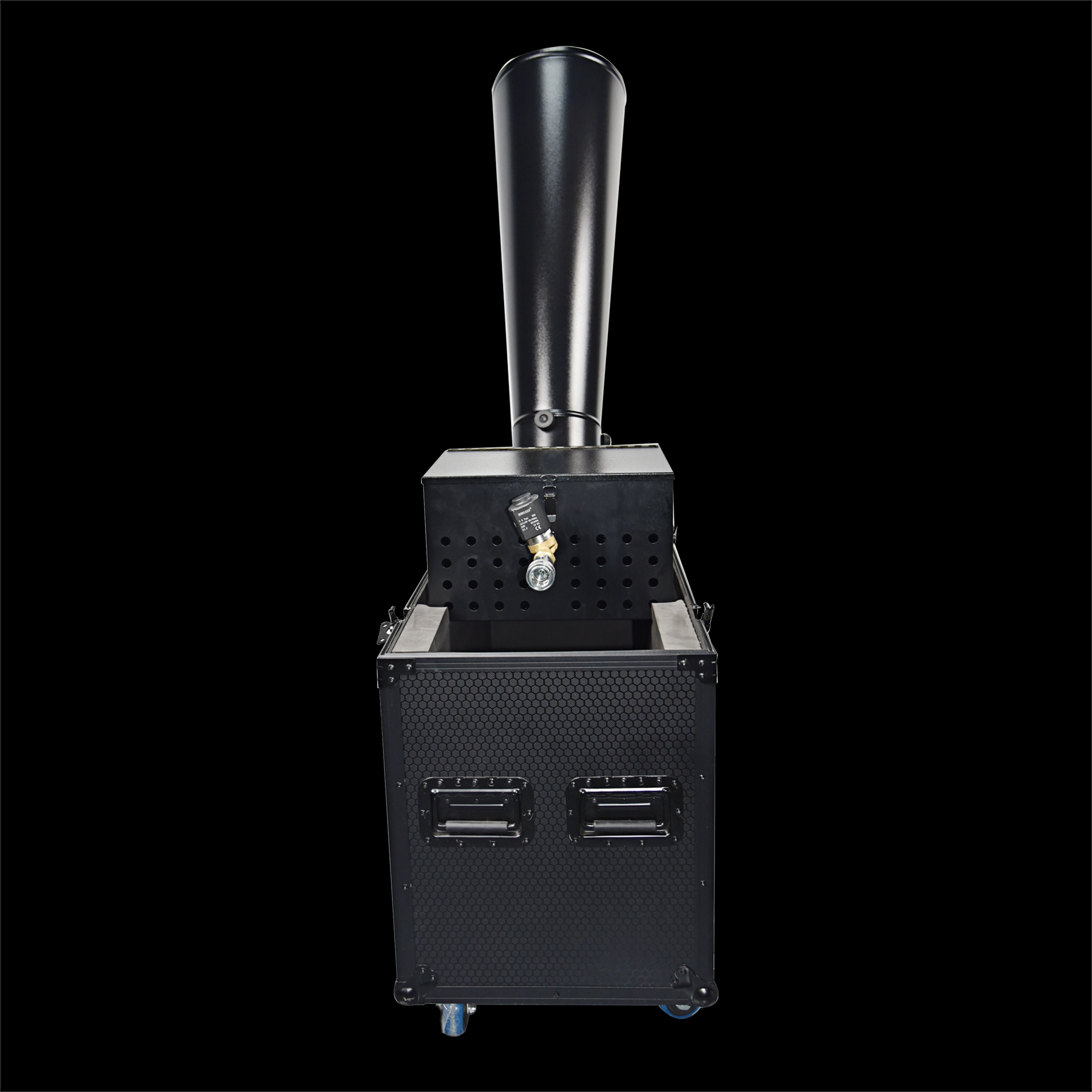
CO₂ Mini Rainbow Confetti Machine Manual Control with Durable Black Wheeled Flight Case
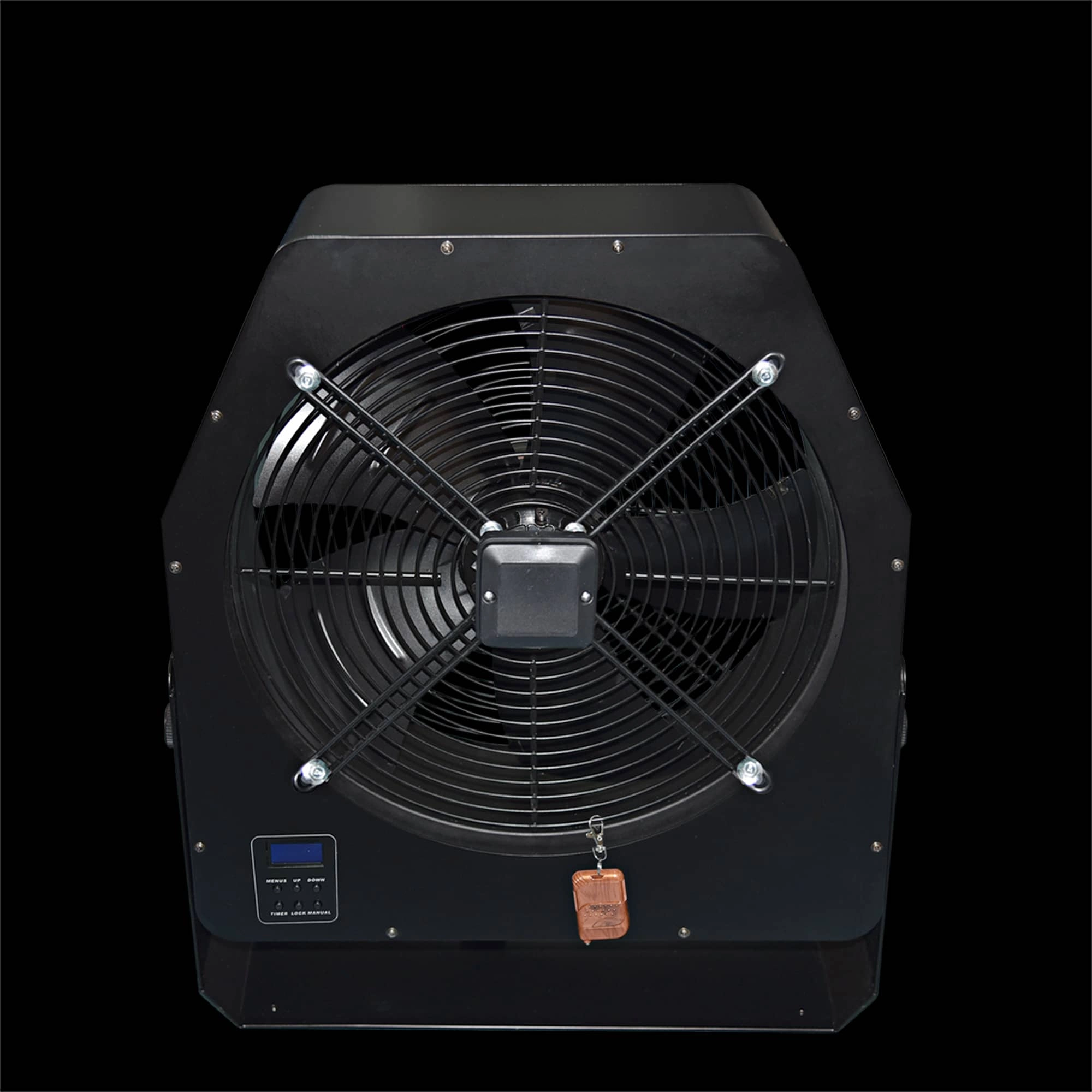
Professional Stage Big DMX Fan | High-Power Event Fan for Stage Shows & Celebrations
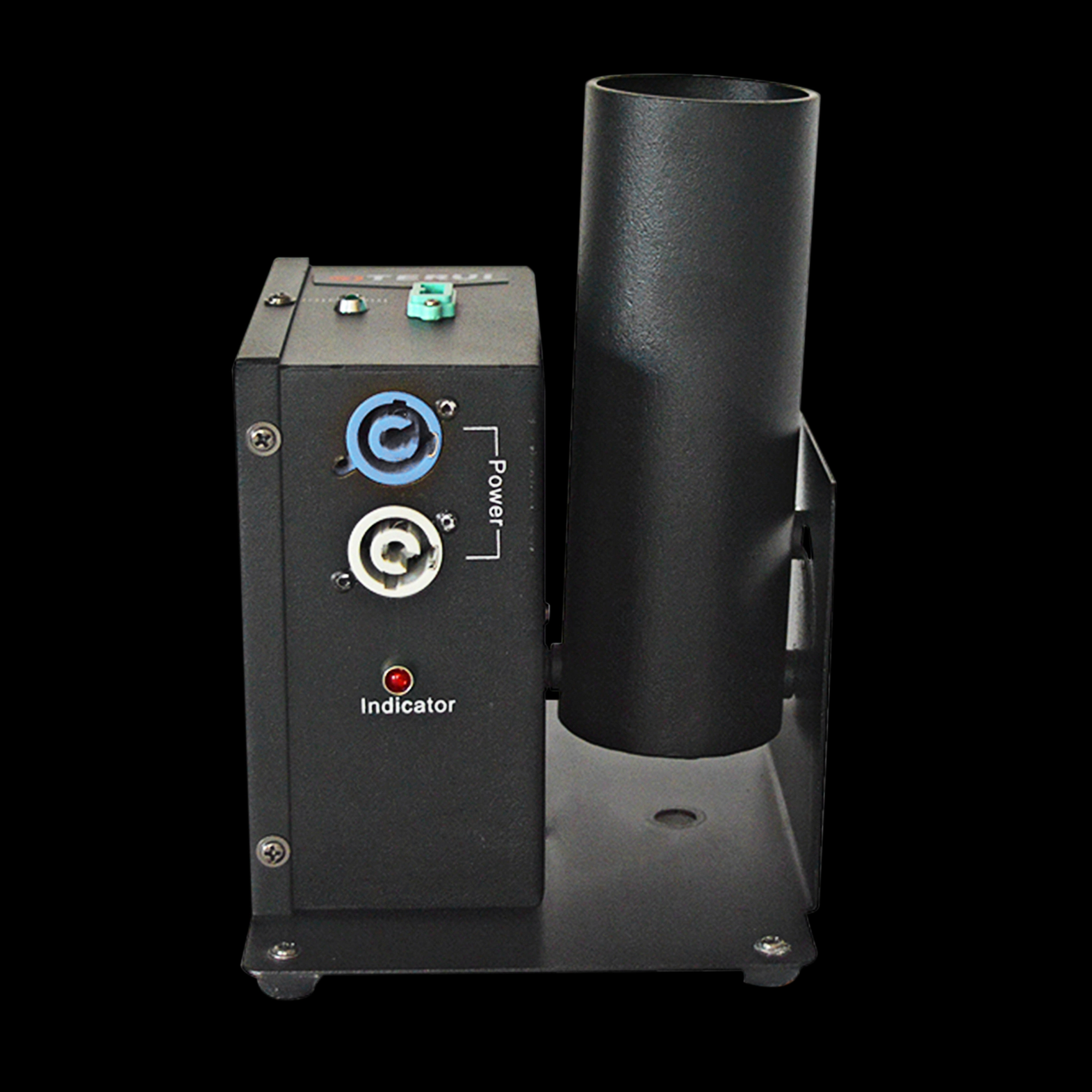
Single Shot Confetti Machine - Premium Confetti Launcher for Weddings & Stage Celebrations
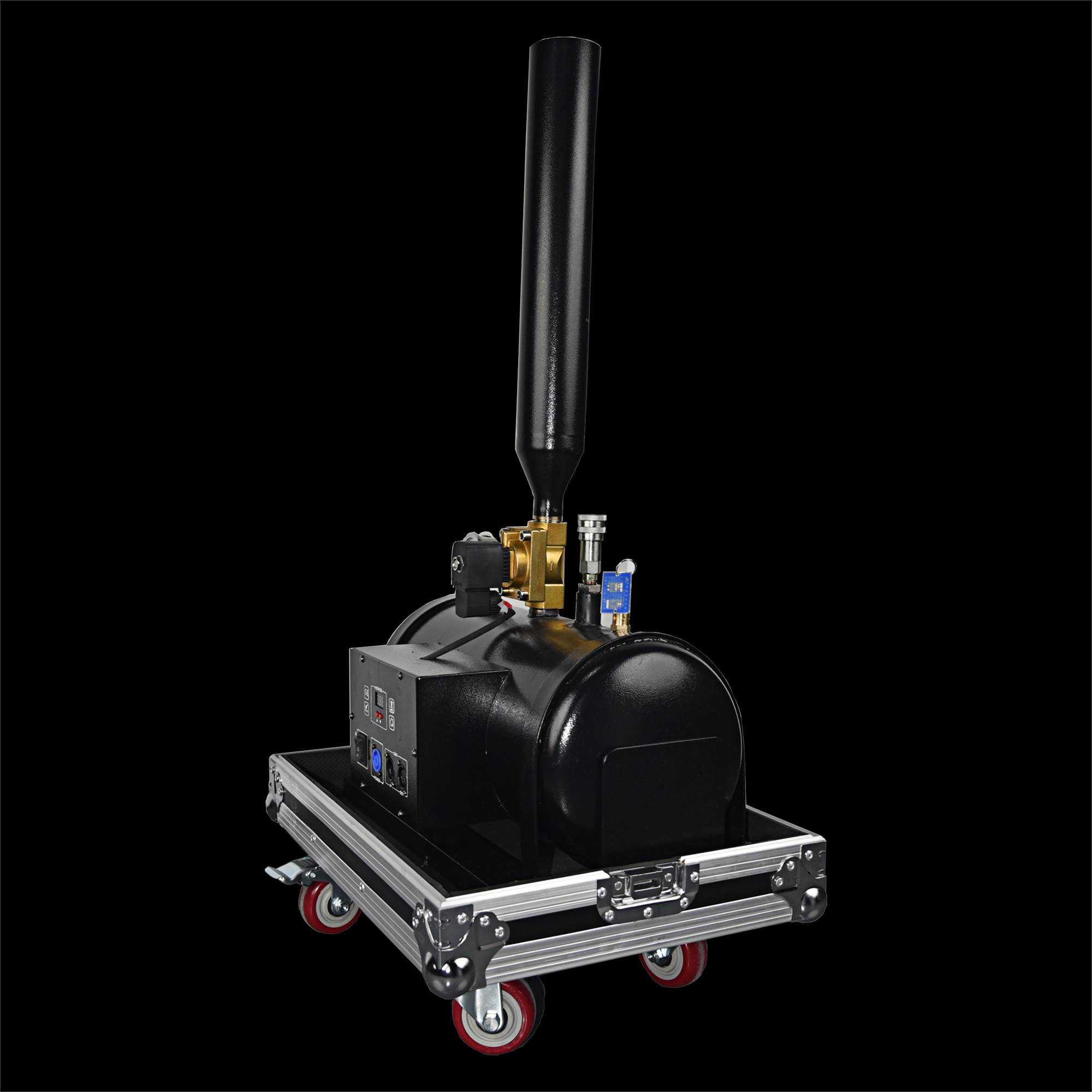
High-Altitude Confetti Cannon - Professional Confetti Blaster for Stage, Party & Celebration Events
Email: sales01@strlighting.com
WhatsApp: +86 189 2232 4800
© 2025 Siterui SFX All Rights Reserved.
 Scan QR Code
Whatsapp: +8618922324800
siteruisfx_stage_equipment
Siterui
SITERUI-SFX
STRlighting
@siterui.sfx