
Ultimate Guide to CO2 Jet Machines: Tech Specs, DMX Setup, and Costs
Explore practical application scenarios for CO₂ jet machines across concerts, nightclubs, theater, sports, corporate events, film, theme parks, and more. Includes safety, buying, rental, control, and customization advice from Siterui SFX.
- 1. Technical Specifications: What Powers a CO2 Jet Machine?
- Analyzing Critical Hardware Parameters
- Understanding Gas Consumption Rates
- 2. Selecting the Right CO2 Cylinders
- Why a Siphon Tube is Strictly Required
- Capacity Guide: 20lb vs. 50lb Tanks
- 3. DMX512 Control and Daisy-Chaining Setup
- Configuring DMX512 Channels
- Step-by-Step Wiring and Daisy-Chaining
- 4. Cost Analysis: Buying vs. Renting
- Upfront Purchase Prices vs. Daily Rental Rates
- Factoring in Hidden Maintenance Budgets
- 5. Safety Certifications and Troubleshooting
- Navigating Essential Safety Certifications
- Common Troubleshooting Techniques
- Conclusion
- FAQ
When it comes to engineering unforgettable moments at live concerts, festivals, nightclubs, and theatrical productions, production managers and lighting designers constantly seek tools that deliver immediate, high-impact visual shock. Among the most popular and effective solutions in the modern arsenal of stage lighting SFX is the CO2 jet. These machines produce massive, thick plumes of freezing white smoke that erupt in sync with the beat drop, instantly disappearing seconds later without leaving the lingering haze associated with traditional chemical foggers.
However, deploying a CO2 jet safely and effectively goes far beyond merely plugging it in and pressing a button. It requires a comprehensive understanding of high-pressure fluid dynamics, precise electronic control systems, stringent safety protocols, and complex logistics regarding gas supply. This ultimate guide will walk you through everything from the core technical specifications and DMX configurations to the economic realities of purchasing versus renting, ensuring your next event executes flawlessly.
1. Technical Specifications: What Powers a CO2 Jet Machine?
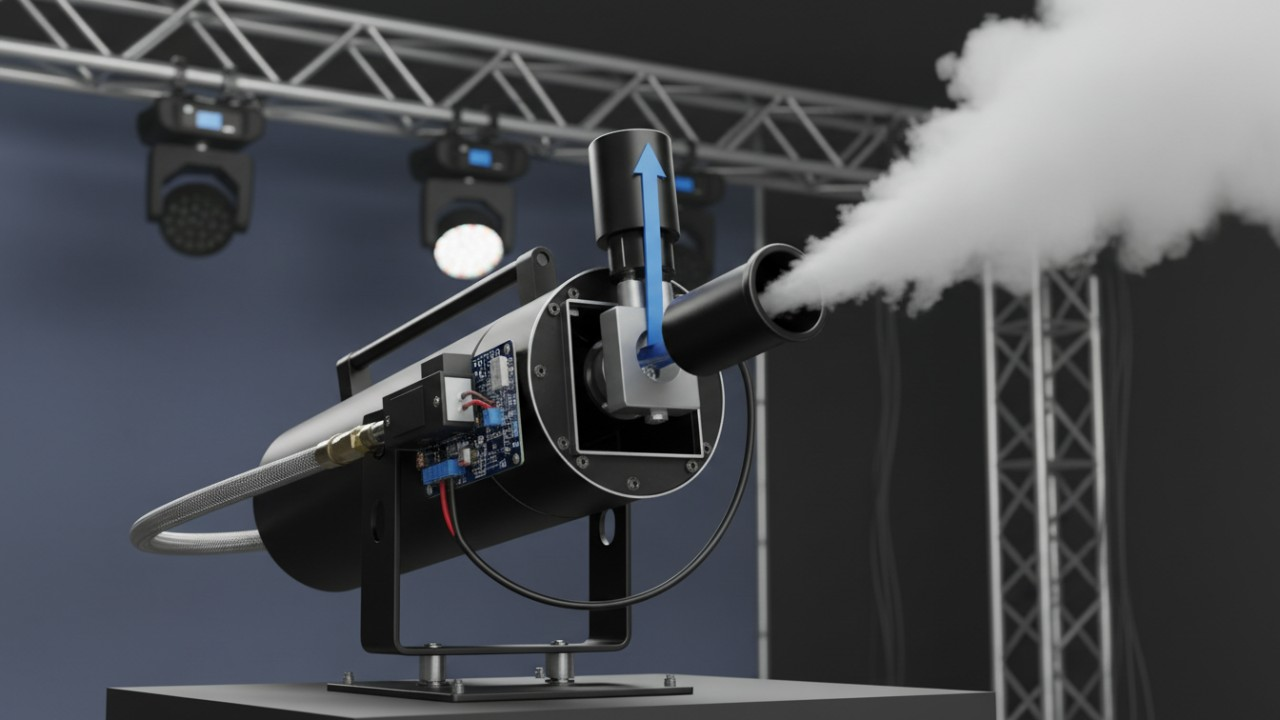
To truly master this essential piece of special effects equipment, you must first understand the underlying hardware that makes it work. A CO2 jet is essentially a high-pressure solenoid valve system designed to release liquid carbon dioxide into the atmosphere at a highly controlled, rapid rate.
Analyzing Critical Hardware Parameters
When evaluating a machine, three primary hardware parameters dictate its performance on stage: working pressure, voltage requirements, and maximum spray height capabilities.
· Working Pressure: CO2 is stored at exceptionally high pressures. A professional-grade machine must be built to withstand and regulate a working pressure of approximately 800 to 1,000 PSI (Pounds per Square Inch). The internal solenoid valve must be robust enough to open and close against this immense force instantaneously without sticking.
· Voltage Requirements: Because these machines are deployed globally on touring rigs, understanding power requirements is crucial. Solenoid valves are electrically actuated and typically run on either 110V-120V (standard in North America) or 220V-240V (common in Europe and Asia). Providing the incorrect voltage will either fail to actuate the valve or permanently fry the internal magnetic coil.
· Maximum Spray Height: Depending on the nozzle design and the ambient humidity, a standard professional unit can propel a plume of CO2 anywhere from 8 to 10 meters (25 to 30 feet) into the air. It is highly important to note that environmental factors play a massive role here; higher ambient humidity provides more water vapor for the freezing CO2 to condense, resulting in a significantly thicker, more opaque, and taller white plume.
Understanding Gas Consumption Rates
Calculating your gas consumption rate is the most critical logistical step in planning your stage effects. Unlike traditional fog machines that sip fluid over hours, a CO2 jet devours fuel. On average, a standard single-nozzle machine consumes between 0.5 to 1 pound of liquid CO2 per second of operation. If your event calls for ten 3-second bursts throughout a DJ's set, you are looking at a minimum consumption of 15 to 30 pounds of CO2 per machine. Accurately calculating this fuel requirement ensures you do not run out of gas before the finale of your event.
2. Selecting the Right CO2 Cylinders
No matter how advanced or expensive your machine is, it will completely fail to produce the desired visual effect if you connect it to the wrong type of gas cylinder. The physics of the effect relies entirely on drawing liquid, rather than gas, from the tank.
Why a Siphon Tube is Strictly Required
Inside a standard CO₂ tank, the carbon dioxide exists in two states: liquid at the bottom and pressurised gas at the top. The stunning visual effect of a CO₂ jet occurs when the liquid is forced out into the atmosphere under high pressure. Due to the unique properties of carbon dioxide, when this high-pressure liquid encounters normal atmospheric pressure, it rapidly expands and drops in temperature to around -109°F (-78°C). This extreme cold instantly freezes the moisture in the ambient air, creating a dense white cloud.
To access the liquid at the bottom of an upright tank, a CO₂ cylinder siphon is required. Also known as a 'dip tube', this is a pipe installed inside the cylinder that runs from the top valve all the way down to the bottom. If you use a standard, non-siphon cylinder, the machine will only draw the invisible, pressurised gas from the top. This results in a loud hissing noise, but no white smoke is produced.
Capacity Guide: 20lb vs. 50lb Tanks
Choosing the right tank size comes down to balancing portability with the required duration of the effect.
· 20lb Siphon Tank: This smaller cylinder is highly portable and easy to hide behind small DJ booths or trussing. However, it only holds enough liquid for approximately 15 to 20 seconds of continuous spray. Practically, this gives you about 5 to 7 short bursts before the tank is depleted.
· 50lb Siphon Tank: This is the industry standard for professional touring and large venue installations. A 50lb tank will yield approximately 40 to 50 seconds of total output time. Broken down into standard 2-second cues, you can expect between 20 and 25 high-impact bursts per cylinder.
3. DMX512 Control and Daisy-Chaining Setup
In a modern production environment, manual operation of special effects is practically obsolete. Lighting and SFX designers rely on digital protocols to synchronize everything seamlessly with the music and lighting cues.
Configuring DMX512 Channels
A DMX512 CO2 jet is designed to integrate seamlessly into your existing lighting desk. Operating under the DMX512 standard, these devices typically utilize a very straightforward 1-channel or 2-channel profile.
In a safer 2-channel configuration, Channel 1 acts as the "Arming" or "Safety" channel. Its value must usually be raised to a specific threshold (e.g., above 150 or 50%) to arm the machine. Channel 2 is the "Trigger" channel. Pushing Channel 2 to 100% physically opens the solenoid valve. This two-step process is crucial to prevent accidental misfires if a fader is bumped accidentally on the lighting console. If you want individual control of multiple jets across the stage, you must assign each machine a unique DMX starting address (e.g., Jet A at Address 001, Jet B at Address 003, Jet C at Address 005).
Step-by-Step Wiring and Daisy-Chaining
Wiring multiple machines across a wide stage requires careful attention to both data and physical pressure lines.
1. Data Cabling: Run a 3-pin or 5-pin DMX cable from the output of your lighting console (or an opto-splitter) into the DMX IN port of your first machine.
2. Daisy-Chaining: Connect a DMX cable from the DMX OUT port of the first machine to the DMX IN port of the second. Repeat this process until all units are linked.
3. Termination: To prevent signal reflection which can cause "ghost triggering" (a massive safety hazard with CO2), always plug a DMX terminator (a 120-ohm resistor built into a standard connector) into the DMX OUT port of the final machine in the chain.
4. Hose Routing: Ensure that the high-pressure cryogenic hoses connecting the machines to the tanks are laid out cleanly, taped down with gaffer tape, and never kinked or bent at sharp 90-degree angles.
4. Cost Analysis: Buying vs. Renting
Deciding whether to purchase your own fleet of CO2 machines or rent them on an event-by-event basis requires analyzing both your event frequency and the often-overlooked ongoing operational costs.
Upfront Purchase Prices vs. Daily Rental Rates
An entry-level, reliable CO2 jet can cost anywhere from $200 to $400, while premium, touring-grade models with adjustable angle nozzles and built-in noise reduction can range from $800 to $1,500 per unit. If you are a production company, a touring DJ, or a permanent nightclub, the return on investment for buying is usually reached within four to five uses.
On the other hand, renting a standard package (two jets, hoses, and control cables) usually costs between $100 and $250 per day, excluding gas. If you only host an outdoor festival or a specialized theatrical performance once or twice a year, renting is highly recommended as it relieves you of storage and maintenance responsibilities.
Factoring in Hidden Maintenance Budgets
The true cost of operating these machines lies in the consumables and maintenance.
· Gas Refills: A 50lb tank refill can cost anywhere from $50 to $120 depending on your local gas supplier.
· High-Pressure Hoses: Cryogenic hoses degrade over time. The extreme temperature fluctuations cause the internal braiding and resin to become brittle. These hoses must be inspected regularly and replaced every few years, which can cost $50 to $150 per hose.
· Replacement Parts: O-rings and nylon washers must be replaced almost every time a tank is swapped to prevent leaks. Additionally, the solenoid valves require periodic cleaning and servicing to ensure they do not freeze or stick in the open position.
5. Safety Certifications and Troubleshooting
High-pressure gas is inherently dangerous. Mishandling CO2 cylinders or utilizing uncertified equipment can result in severe property damage, frostbite, or asphyxiation in confined spaces.
Navigating Essential Safety Certifications
When outfitting a commercial venue, fire marshals and safety inspectors will look closely at your special effects equipment. Reputable machines should carry CE (Conformit茅 Europ茅enne) and RoHS (Restriction of Hazardous Substances) certifications, ensuring they meet rigorous international standards for electrical safety and manufacturing integrity. Furthermore, you must strictly adhere to the guidelines set by the Compressed Gas Association regarding the secure transport, chaining, and handling of pressurized cylinders. Tanks must always be securely strapped to a structural pillar, truss, or heavy-duty base plate to prevent them from tipping over and shearing off the main valve, which can turn the cylinder into a deadly, unguided projectile.
Common Troubleshooting Techniques
Even with premium gear, live environments can be unpredictable. Here are the most common issues and how to resolve them:
· Frozen Valves: If a machine is sprayed continuously for too long (over 5-7 seconds at a time), the solenoid valve can freeze open. If this happens, immediately shut off the manual valve at the CO2 tank itself. Allow the machine to thaw before resuming operation. To prevent this, program your lighting desk to restrict burst durations to 2 or 3 seconds maximum.
· Addressing Leaks: A high-pitched hissing sound at the connection point usually indicates a missing or crushed washer. Always keep a bulk supply of nylon or Teflon washers (compatible with CGA320 or DIN477 fittings) in your road case. Never use standard rubber washers, as the extreme cold will shatter them instantly.
· Securing Hose Connections: Under 800 PSI, a loose hose can detach and whip violently. Always use two wrenches to tighten hose connections securely, and utilize wire "whip checks" as a secondary safety measure bridging the hose and the machine chassis.
Conclusion
A CO2 jet machine is a powerful tool for elevating live events, but maximizing its potential requires more than just pressing a button. By understanding the core technical specifications, implementing proper DMX512 control protocols, and strictly adhering to safety standards for compressed gases, production teams can guarantee spectacular and secure visual effects. Whether you choose to invest in purchasing units or opt for rental solutions, factoring in the true costs of cylinders and maintenance will ensure your stage effects execute flawlessly on cue.
FAQ
Can I use a standard CO2 tank for a CO2 jet machine?
No. You must use a CO2 cylinder equipped with a siphon tube (also known as a dip tube). This allows the machine to draw liquid CO2 from the bottom of the tank, which is necessary to create the thick, white plume effect.
How long does a 50lb CO2 tank last with a jet machine?
A standard 50lb siphon CO2 tank typically provides about 40 to 50 seconds of continuous spray. Event operators usually trigger the machine in 1 to 3-second bursts, yielding roughly 15 to 25 bursts per tank.
What is the standard DMX channel setup for these machines?
Most professional CO2 jet machines use a simple 1 or 2-channel DMX512 configuration. Channel 1 typically acts as a safety channel or arming switch, while Channel 2 triggers the actual valve to release the CO2.
If you have more questions or need professional solutions, feel free to contact us anytime.
Top oil based haze machine Manufacturers and Suppliers in us
LED Stage Lights: Benefits and Energy Savings
Safety Guidelines for Using Fog Machines Indoors
DMX-Controlled Fog Machines: Integration Guide
1200W Haze Machine
Can I use other brands of haze fluid?
We recommend our certified fluid for optimal performance and longevity.
660 Dual Haze machine
How long is the warranty period?
This product comes with a 1-year warranty, excluding damages caused by human factors.
Single-Head CO2 Jet Machine
What is the warranty period?
The standard warranty is 1 year, covering manufacturing defects.
750W Move Head Cold Electronic Spark Machine
What’s the warranty policy?
1-year warranty with lifetime technical support.
About us
How does Siterui’s customer service communicate with clients?
Via phone, email, or online platforms—always responsive and solution-focused.
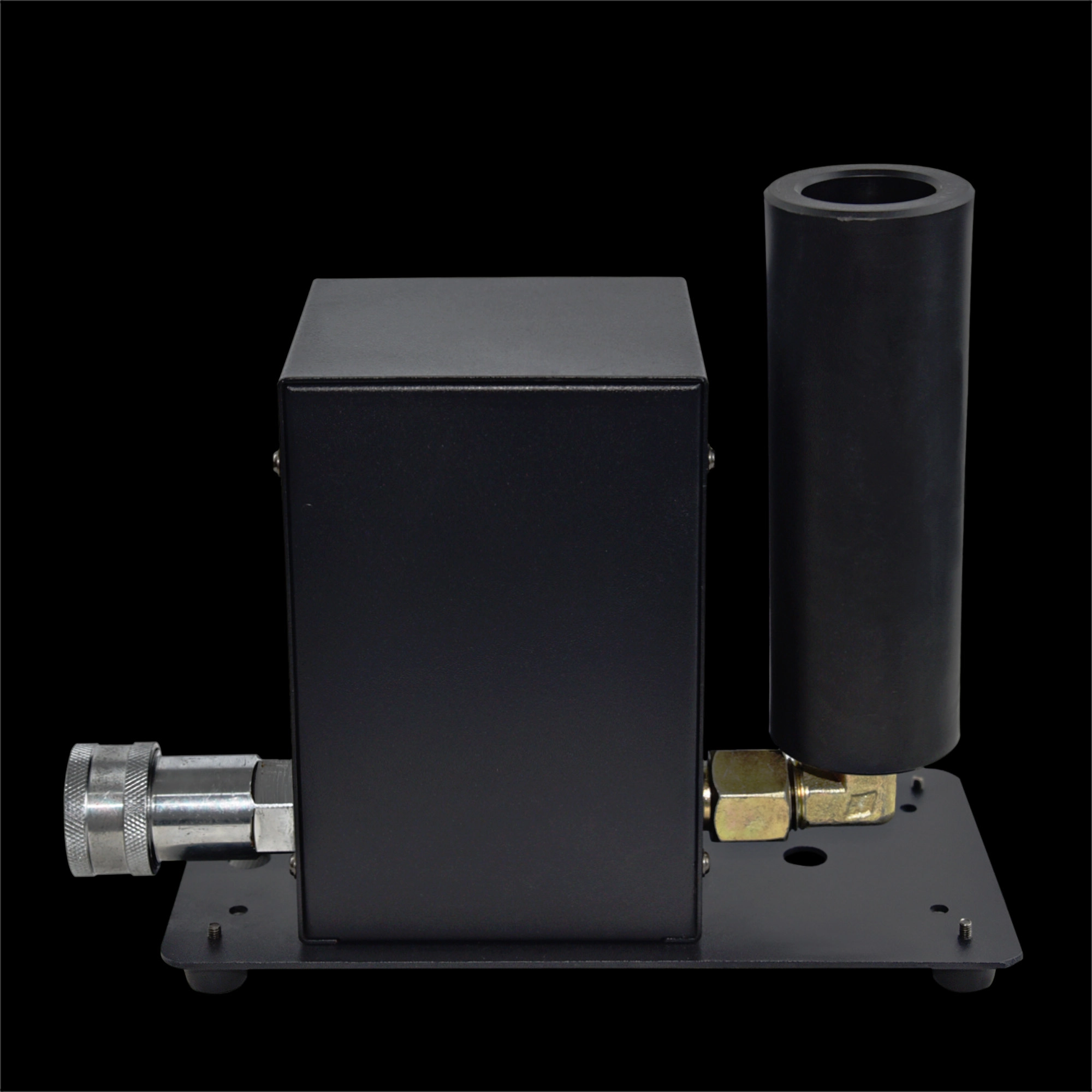
CO2 Jet Cannon Cryo Smoke Machine | 4M Hose Professional Stage Effect Machine
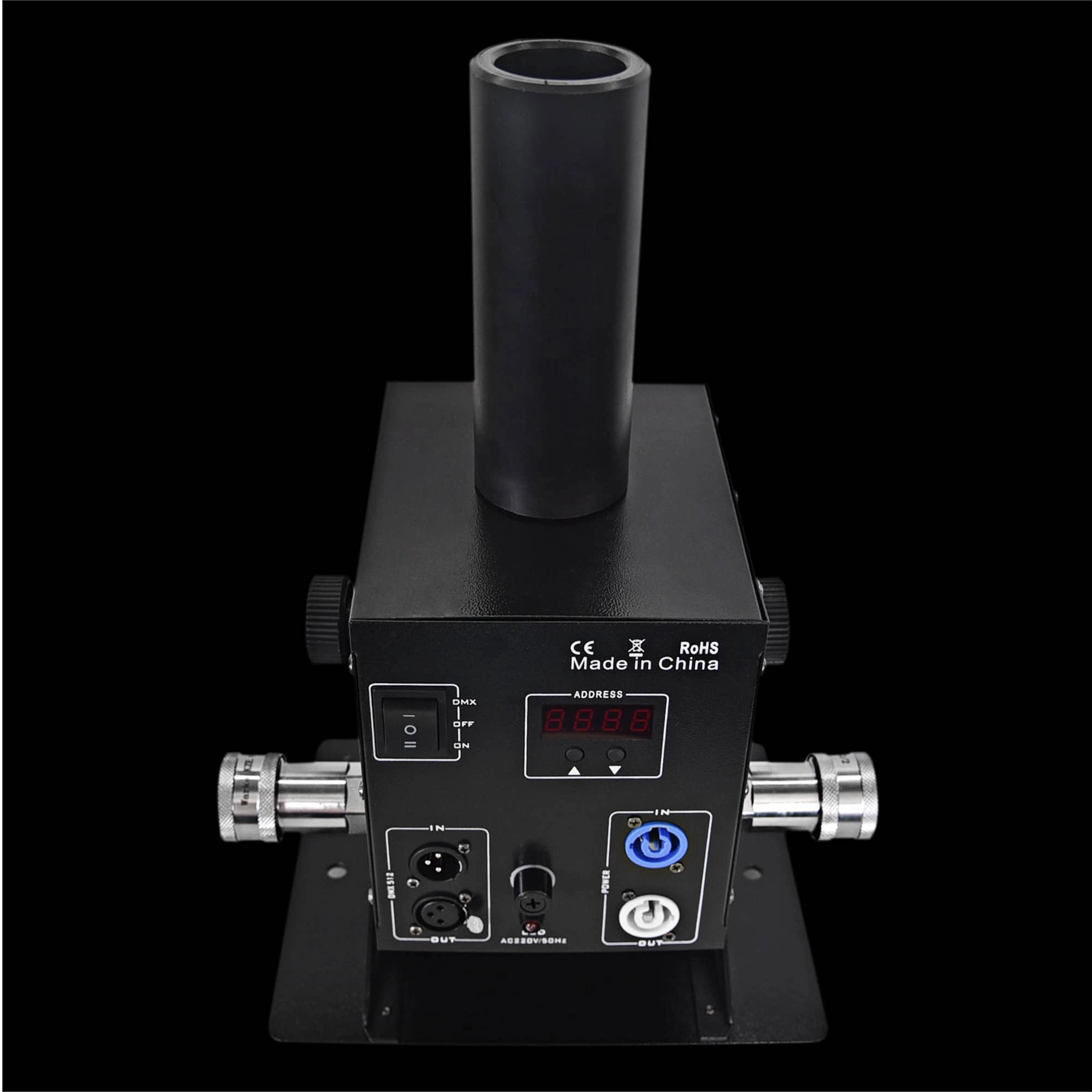
Siterui SFX CO2 Cryo Jet Column DMX digital display 4m hose stage party concert effect
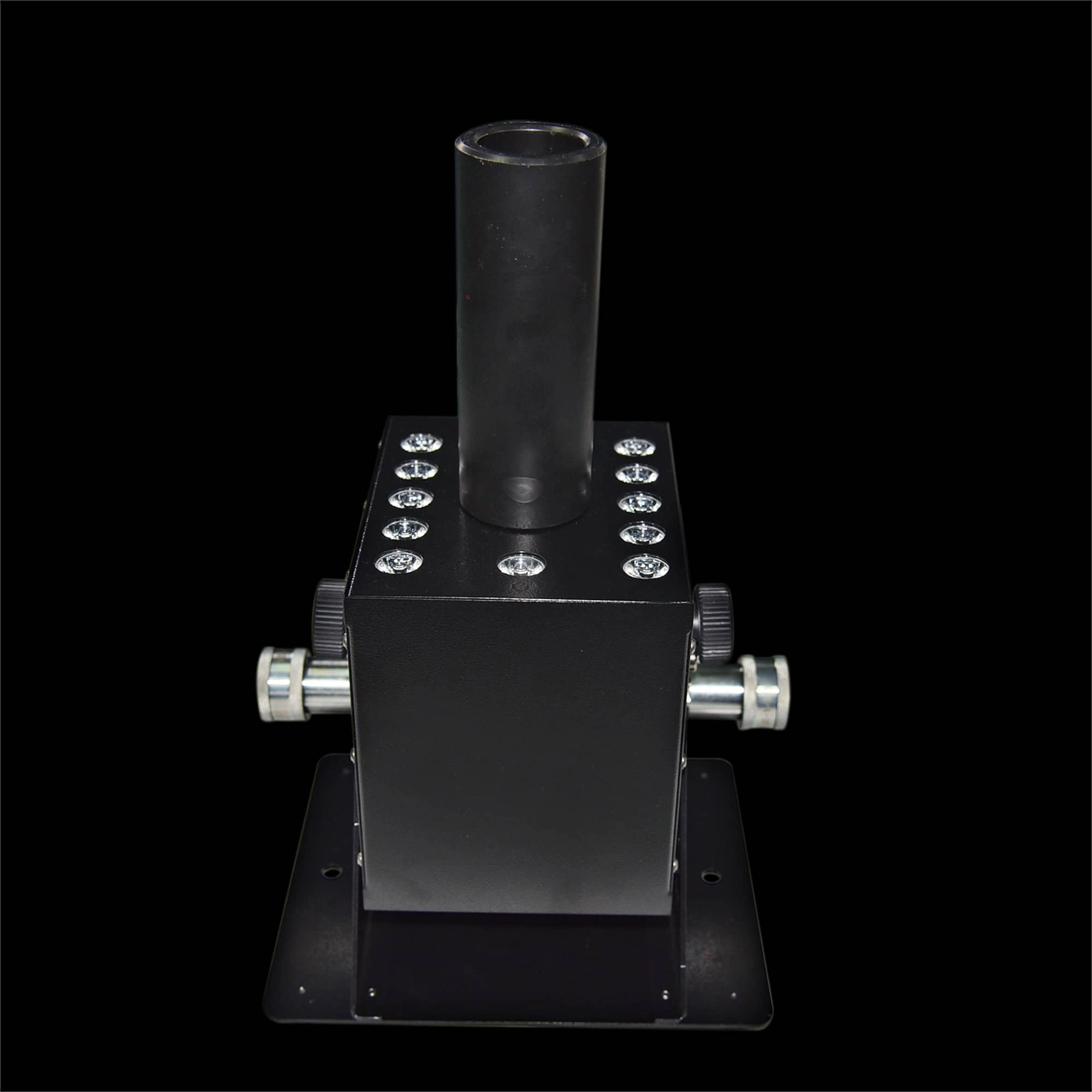
Siterui SFX LED CO2 column DMX digital display 4m hose stage special effects RGB triple 12*3W
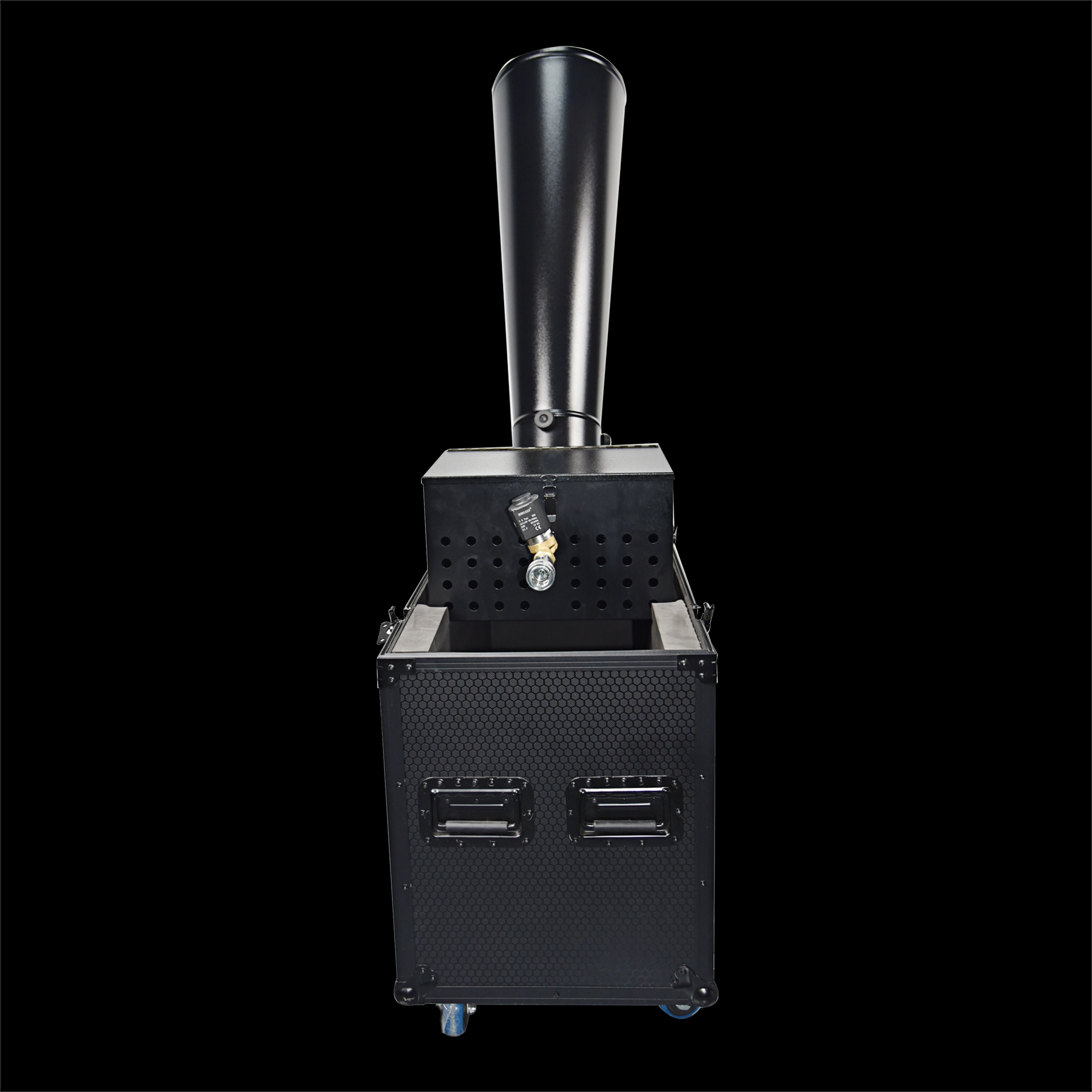
CO₂ Mini Rainbow Confetti Machine Manual Control with Durable Black Wheeled Flight Case
Email: sales01@strlighting.com
WhatsApp: +86 189 2232 4800
© 2025 Siterui SFX All Rights Reserved.
 Scan QR Code
Whatsapp: +8618922324800
siteruisfx_stage_equipment
Siterui
SITERUI-SFX
STRlighting
@siterui.sfx