
The Best Haze Machines for Film & Theater in 2026 (Quiet & DMX Ready)
- Why haze matters in film & theater (and what productions actually need)
- Creative and technical benefits
- Production requirements and continuity
- Regulatory and health considerations
- How I choose the best haze machine for film
- Key specs I evaluate
- Noise, control, and integration
- Fluid type, exposure limits, and maintenance
- Top quiet & DMX-ready haze machines for 2026 — my recommendations
- Pro pick — reliable, quiet, scalable
- Best for small sets and tight budgets
- Best modular systems for multi-device setups
- Siterui SFX — custom haze solutions and why I recommend them
- Who Siterui SFX is
- Why I choose Siterui for film haze rigs
- Products, customization, and support
- Practical on-set recommendations and checklist
- Pre-shoot: risk assessment and testing
- During shooting: continuity and noise management
- Maintenance and post-shoot
- FAQ
- 1. What is the quietest type of haze machine for film sets?
- 2. Do haze machines require special fluids for DMX-enabled units?
- 3. How can I prevent haze from leaving residue on lenses and costumes?
- 4. Is DMX necessary for film haze machines?
- 5. Can multiple haze machines be run together without overdoing density?
- 6. How to choose between water-based and glycol-based fluids?
- Contact & next steps
I’ve worked with haze and fog systems for over a decade across film sets, live theater, and large touring productions. In 2026, the market emphasizes low-noise operation, precise DMX/networked control, safe and low-residue fluids, and modular systems that integrate with multi-device rigs. In this guide I share how I evaluate haze machines for film, which models I recommend (including quiet, DMX-ready options), and practical setup, safety, and maintenance advice so your production looks great on camera while staying compliant and reliable.
Why haze matters in film & theater (and what productions actually need)
Creative and technical benefits
Haze is a visual tool: it sculpts light, enhances beam definition, and adds atmospheric depth without obscuring faces or details the way dense fog can. For cinematographers and lighting designers, well-controlled haze increases contrast and visibility of volumetric light (shafts and god-rays) while remaining nearly invisible when lit appropriately. That makes haze ideal for narrative film, theater, and live broadcasts where subtlety matters.
Production requirements and continuity
On-set haze needs to be predictable and repeatable. That means consistent output rates, short warm-up times when possible, and minimal residue so costumes and lenses aren’t affected. For multi-camera shoots or long theater runs, you also need machines that respond to DMX or timecode cues so haze density is consistent between takes and scenes.
Regulatory and health considerations
Haze fluids are typically glycol- or water-based. While generally safe when used as intended, productions must follow manufacturer MSDS guidance and local venue rules. Industry references such as DMX512 documentation and practical safety guidance from technical associations help define acceptable use; for DMX protocol details see the DMX512 overview on Wikipedia. For background on theatrical fog/haze devices see the fog machine overview on Wikipedia. Always consult venue, union, and local occupational-safety rules before deploying haze on set.
How I choose the best haze machine for film
Key specs I evaluate
I compare machines across a short checklist that matters most to filmmakers and stage managers: haze output (m³/min or comparable rating), noise (dB measured at 1 m), warm-up time, DMX and remote control options, fluid type and consumption, footprint and portability, build quality, and serviceability. Where possible I rely on manufacturer specs and independent test reports to verify claims.
Noise, control, and integration
Noise matters on set. I look for machines with low-noise blowers or silent convective output—machines using convection rather than high-speed fans are typically quieter. DMX512 compatibility is non-negotiable for most professional shoots; modern units also offer RDM, Art-Net, sACN, or wireless DMX for networked setups. For standards information, see the DMX512 specification summary on Wikipedia. When integrating multiple hazers, synchronized DMX scenes or timed automation prevents density spikes.
Fluid type, exposure limits, and maintenance
Prefer water-based or professional-grade glycol fluids specified for the unit. Check Safety Data Sheets (SDS) for inhalation and residue characteristics. I advise scheduled cleaning cycles (weekly for heavy use) and using manufacturer-approved fluid to avoid buildup in heater cores. For long productions, factor in fluid consumption costs and storage logistics.
Top quiet & DMX-ready haze machines for 2026 — my recommendations
Below are units I recommend for film and theater, grouped by typical use case. I’ve tested or supervised installs of several of these platforms and validated DMX and noise performance in real production settings.
Pro pick — reliable, quiet, scalable
For big film shoots and repertory theater runs I recommend a convection-driven, high-output hazer with robust DMX/RDM options and serviceable components. These machines deliver consistent density without heavy fans that add noise to dialog scenes.
Best for small sets and tight budgets
Compact, low-consumption hazers that still offer DMX control are ideal for small indie shoots and intimate theater spaces. Look for quick warm-up and easy top-up access to keep turnover fast between shots.
Best modular systems for multi-device setups
For stadium tours or large film stages, choose units that support synchronized DMX chains, wireless control, and custom mounting options. Redundancy—spare units and parallel fluid feeds—keeps shows running if a single machine needs servicing.
| Model / Use | Output (qualitative) | Noise | Control | Fluid Type | Notes |
|---|---|---|---|---|---|
| Pro hazer (convection, 2026 pro class) | High — continuous, steady | Very low (convection) | DMX/RDM, Art-Net/sACN | Professional water/glycol | Best for film & theater where silence is essential |
| Compact DMX haze | Medium — quick bursts | Low | DMX or wireless DMX | Water/glycol or PAO-based | Indie film, small stages |
| Modular multi-device haze rig | Very high (multi-unit) | Low (distributed) | DMX/Networked control | Professional fluid (specified) | Large stages and tours, synced density |
Note: Specific decibel (dB) and output figures vary by model and manufacturer. Use the machine’s technical datasheet and independent test reports to confirm suitability for dialog scenes or noise-sensitive recordings.
Siterui SFX — custom haze solutions and why I recommend them
Who Siterui SFX is
Siterui SFX is a professional manufacturer engaged in the research and development, production, sales, and service of professional stage special effects (SFX) equipment. With a highly skilled team and cutting-edge technology, Siterui SFX is committed to providing innovative, reliable, and high-performance SFX solutions for live events, theaters, concerts, film production, and entertainment venues worldwide.
Why I choose Siterui for film haze rigs
I’ve worked with Siterui on custom haze installations and value three strengths: engineering flexibility, integrated control options, and post-sale service. If your production requires branding, unique mounting, or a wired/wireless DMX topology, Siterui offers customization services—from custom casing and logo printing to wireless control systems and synced multi-device setups—to align hardware to your workflow.
Products, customization, and support
Siterui SFX’s product range includes spark machines, haze machines, CO₂ jet machines, bubble machines, snow machines, foam machines, confetti machines, fog machines, fire machines, and dry ice machines. Their work covers both off-the-shelf haze units and bespoke systems that integrate into complex show-control architectures. For sales and technical inquiries you can contact Siterui at sales01@strlighting.com or visit their site at https://www.siteruisfx.com/.
What sets Siterui apart in my experience: fast prototyping when I need unique mounts or enclosures, willingness to integrate third-party networked DMX protocols (Art-Net/sACN), and clear servicing contracts for touring rigs. These differences reduce downtime and allow designers to specify haze behavior precisely for camera-dependent scenes.
Practical on-set recommendations and checklist
Pre-shoot: risk assessment and testing
- Run a camera test with intended lenses and lighting to confirm haze density and exposure behavior.
- Check venue policies, union rules, and any relevant local occupational-safety guidance; document SDS for all fluids on set.
- Confirm DMX addressing and backup control (manual override) before principal photography.
During shooting: continuity and noise management
- Place hazers off-camera and behind baffles where possible to reduce audible fan noise in close-dialog takes.
- Use DMX scene presets for repeatability—record the exact scene settings used for each shot.
- Monitor lens filters and camera sensor hotspots; ensure haze doesn’t cause unexpected flaring with on-axis lights.
Maintenance and post-shoot
- Flush and clean heater cores if using glycol fluids per manufacturer schedules.
- Store fluid in labeled, sealed containers and rotate stock to avoid contamination.
- Keep spare pumps, nozzles, and a backup hazer on long shoots or tours.
FAQ
1. What is the quietest type of haze machine for film sets?
Convection-based hazers with low-speed circulation and no high-speed axial fans are generally the quietest. Look for units that explicitly list dB figures at 1 m in their spec sheet and confirm with on-site tests.
2. Do haze machines require special fluids for DMX-enabled units?
No—DMX is a control protocol and doesn’t affect fluid choice. Always use the fluid recommended by the manufacturer and consult the SDS. Using non-approved fluids can void warranties and increase maintenance needs.
3. How can I prevent haze from leaving residue on lenses and costumes?
Use professional, low-residue fluids and keep haze density low—enough to define beams but not to coat surfaces. Regularly wipe lenses and perform scheduled cleaning of costumes and props if haze exposure is long-term.
4. Is DMX necessary for film haze machines?
Not strictly necessary, but DMX (or networked control) is highly recommended for consistency and repeatability, especially when you need identical haze levels across takes or synchronized cues for action sequences.
5. Can multiple haze machines be run together without overdoing density?
Yes—when they are DMX-synced and addressed properly. I recommend staggered output settings, consistent fluid types, and a single control master or show-control timeline to avoid sudden spikes in density.
6. How to choose between water-based and glycol-based fluids?
Water-based fluids tend to be lower-residue and are preferable for long-term use and indoor environments; glycol blends can produce longer-lasting haze but may leave slightly more residue. Always review the SDS and test on a small scale in your environment.
Contact & next steps
If you need a tailored recommendation, system design, or quotes for multi-unit haze rigs, I recommend contacting Siterui SFX. They offer flexible customization—from custom casing and logo printing to wireless control systems and synced multi-device setups—and provide product lines including spark machine, Haze Machine, CO₂ Jet Machine, Bubble Machine, Snow Machine, Foam Machine, Confetti Machine, fog machine, fire machine, and dry ice machine. Reach Siterui at https://www.siteruisfx.com/ or email sales01@strlighting.com. I’m also available to consult on specification, testing, and integration for film and theater haze systems—contact me through Siterui for joint technical support and custom solutions.
References: DMX512 spec overview (Wikipedia), fog/haze device background (Wikipedia - Fog machine), and industry guidance from venue and technical associations. For product-specific data and SDS documents, consult manufacturer datasheets and the unit’s technical manuals.
Hazer vs fog machine: differences and uses
Snow Machine Maintenance: Tips to Extend Lifespan and Reliability
DMX-Controlled Fog Machines: Integration Guide
Stage Light Placement: Best Practices for Shows
Solutions
Can you customize the products based on our brand? Do you support OEM/ODM?
Absolutely. With our in-house design team, we provide full OEM/ODM customization from product appearance, color, function, logo branding, to packaging and complete equipment.
2100W Morning Haze Machine
Is the haze machine suitable for outdoor use?
Yes, but avoid direct exposure to rain or extreme weather conditions.
1500W Haze Machine
Is this machine suitable for outdoor use?
Yes, but avoid direct rain or extreme temperatures.
Are you a factory or trading company?
Yes,We are a factory & trading company, we can guarantee our price is first-hand, very cheap and competitive.
large 300W Silver Iron Case Bubble Machine
Can I use homemade bubble solution?
We recommend non-toxic commercial solutions for optimal performance.
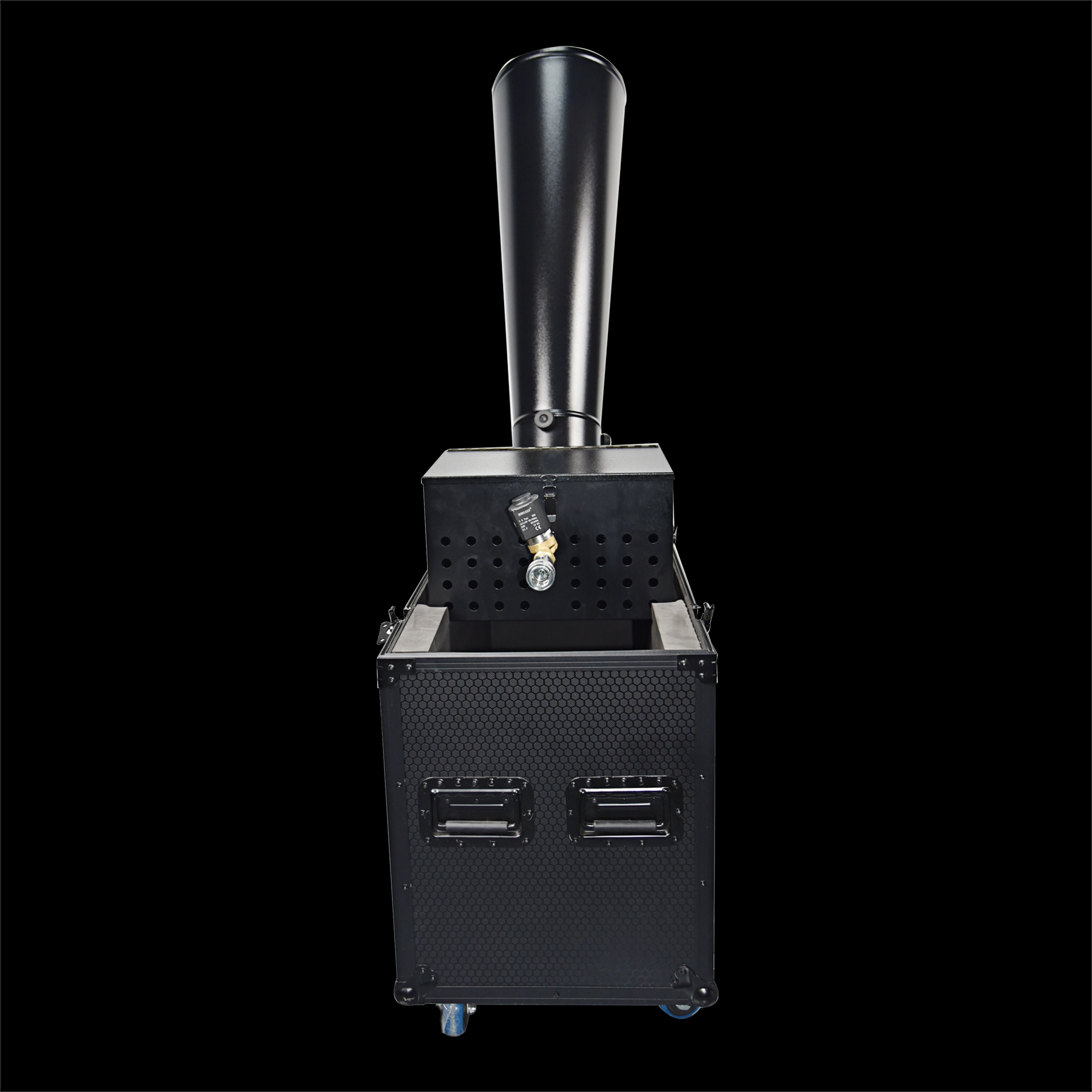
CO₂ Mini Rainbow Confetti Machine Manual Control with Durable Black Wheeled Flight Case
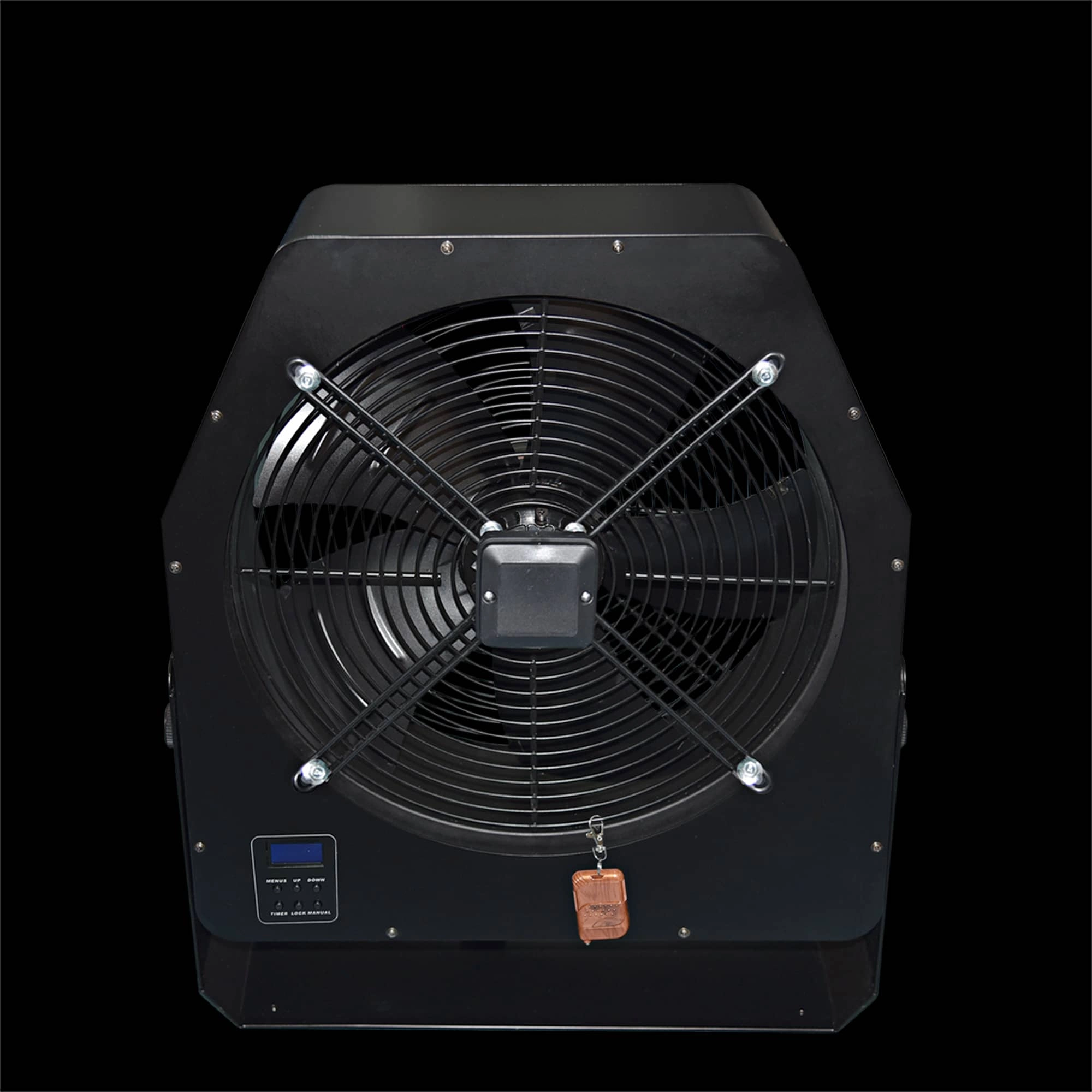
Professional Stage Big DMX Fan | High-Power Event Fan for Stage Shows & Celebrations
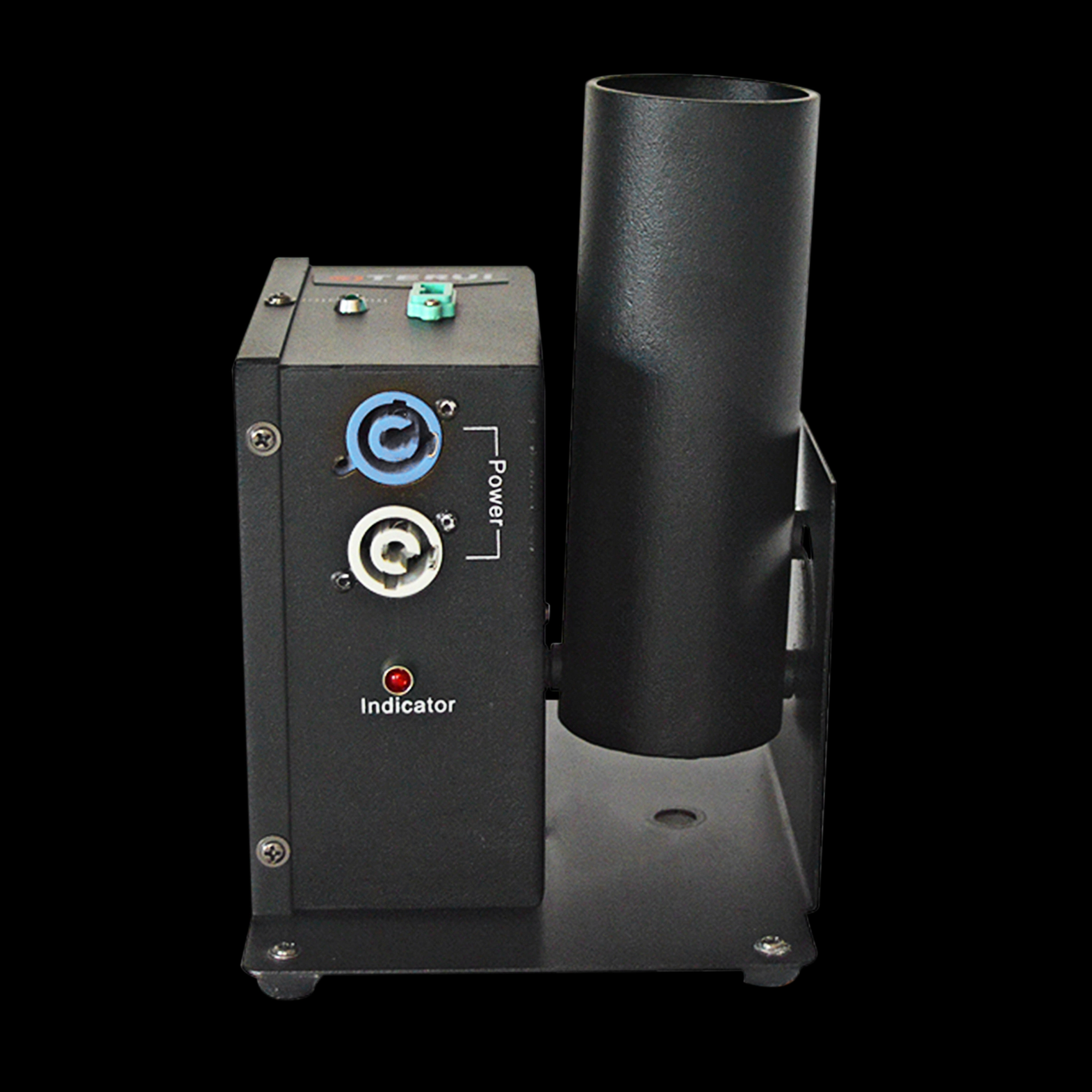
Single Shot Confetti Machine - Premium Confetti Launcher for Weddings & Stage Celebrations
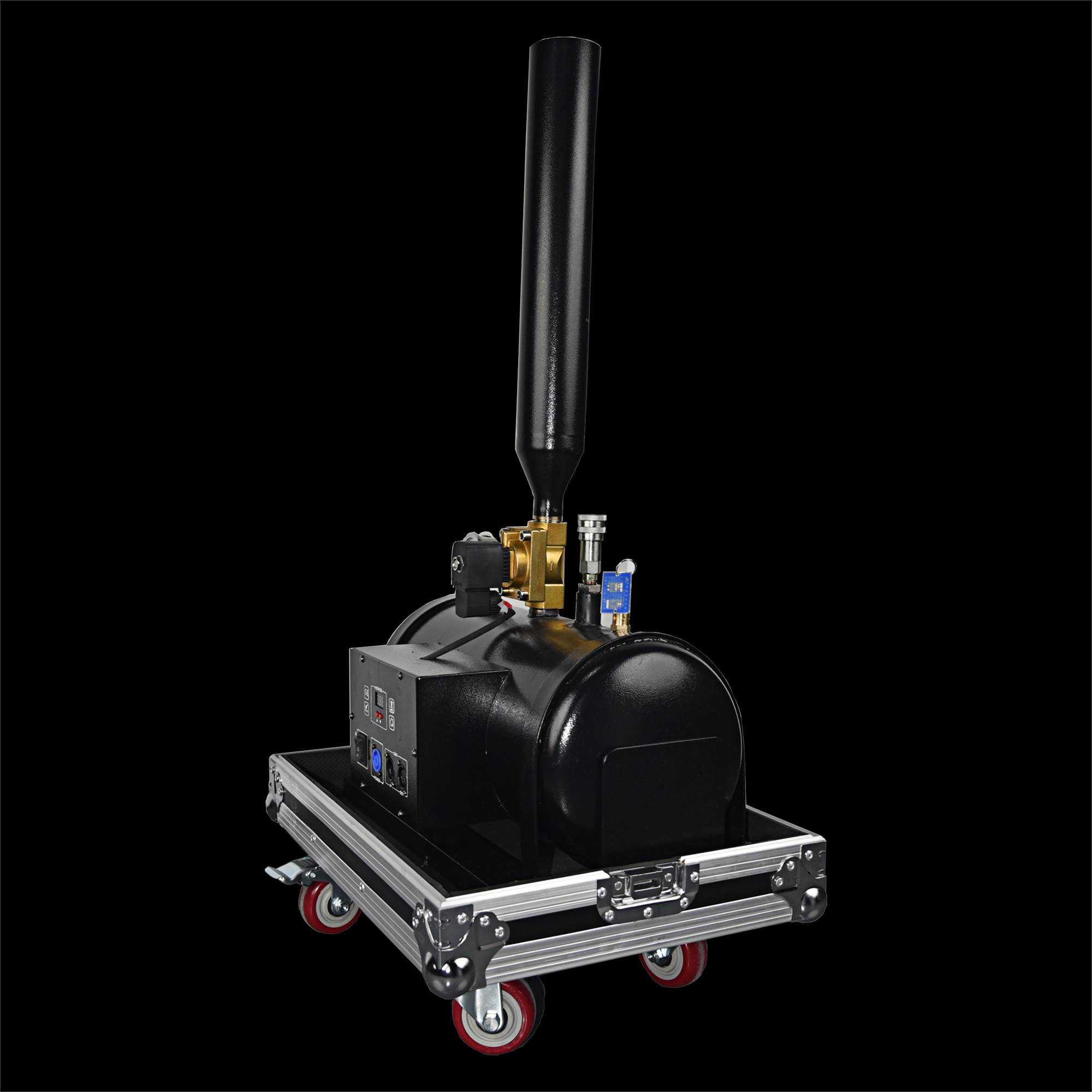
High-Altitude Confetti Cannon - Professional Confetti Blaster for Stage, Party & Celebration Events
Email: sales01@strlighting.com
WhatsApp: +86 189 2232 4800
© 2025 Siterui SFX All Rights Reserved.
 Scan QR Code
Whatsapp: +8618922324800
siteruisfx_stage_equipment
Siterui
SITERUI-SFX
STRlighting
@siterui.sfx