
How to choose the right fluid to avoid machine damage
- Understanding fluids and why the choice matters
- What differentiates haze fluids from fog fluids?
- Common fluid chemistries and how they behave
- Technical criteria to evaluate fluids
- Viscosity, boiling point, and thermal stress
- Additives, corrosion potential, and electrical safety
- How to test and select fluids for your haze machine
- Match manufacturer compatibility first
- Simple lab and field tests I use
- Maintenance, troubleshooting, and industry-grade solutions
- Cleaning protocols to avoid damage
- When to seek professional service and parts
- Comparative table: common fluid types and machine compatibility
- Siterui SFX: professional-grade equipment and tailored solutions
- Practical checklist before you adopt any new fluid
- FAQ
- 1. Can I mix different brands of haze fluid?
- 2. My haze machine started spitting black residue from the nozzle—what does that mean?
- 3. Are ‘low-cost’ haze fluids inherently bad for my machine?
- 4. How often should I replace the heating element or pump?
- 5. Do haze fluids pose respiratory risks to audiences or performers?
- 6. How do I choose between propylene glycol-based and glycerin-based blends?
As a consultant and content creator working with stage special effects equipment for many years, I know that selecting the right fluid for a haze machine is not just about visual results—it's a critical maintenance and safety decision. The wrong fluid can lead to nozzle blockages, pump wear, heating-element fouling, accelerated corrosion, increased residue on venues, and even fire or respiratory concerns if additives are incompatible. In this article I walk you through the chemistry of common haze/fog fluids, measurable technical criteria, practical testing protocols, and maintenance routines you can adopt to avoid machine damage and extend service life. I cite reliable sources so you can verify recommendations.
Understanding fluids and why the choice matters
What differentiates haze fluids from fog fluids?
Haze machines and fog machines both create suspended aerosols, but their fluids differ in formulation and intended effect. Haze fluids (used in haze machines) are designed to produce a fine, long-lasting aerosol with low visible droplets to create atmospheric diffusion without dense plumes. Fog fluids (used in conventional fog machines) often create denser, short-lived clouds. The droplet size distribution, carrier liquids (typically water + glycol or glycerin), and additives define performance and compatibility with hardware components. For general background on fog/haze machines, see the fog machine entry on Wikipedia: https://en.wikipedia.org/wiki/Fog_machine.
Common fluid chemistries and how they behave
Most modern haze fluids are water-based glycols (propylene glycol or dipropylene glycol), or glycerin-based blends. Older or speciality fluids may use mineral oil or synthetic oils, which behave differently and often require dedicated equipment. Key chemistry notes:
- Propylene glycol (PG): common, good volatility profile for haze, relatively low residue when blended correctly. See https://en.wikipedia.org/wiki/Propylene_glycol and PubChem: https://pubchem.ncbi.nlm.nih.gov/compound/Propylene-glycol.
- Glycerin (glycerol): higher boiling point and viscosity; can create a tackier residue if used at high concentrations. Reference: https://en.wikipedia.org/wiki/Glycerol.
- Mineral oil / synthetic oil: used in some haze/fog systems for long-lasting low-humidity haze, but oils require compatible seals and filters and present higher cleaning requirements.
Technical criteria to evaluate fluids
Viscosity, boiling point, and thermal stress
Key measurable properties that affect machine health include viscosity, boiling point/flash point, and thermal conductivity. Fluids that are too viscous will stress pumps and metering systems, especially at low temperatures. Fluids with high boiling points or residues will deposit on heating elements and inside nozzles, leading to blockages or element failure over time.
For example, propylene glycol has a lower viscosity and vaporisation temperature than glycerin, which is why many haze blends favour a PG/water ratio. You can check thermophysical properties on PubChem or material datasheets from suppliers to compare values before committing to a fluid.
Additives, corrosion potential, and electrical safety
Some fluids include anti-foaming agents, preservatives, or fragrances. Additives can change conductivity or leave corrosive residues when combined with airborne contaminants. I always recommend checking a fluid’s conductivity and corrosivity data, and ensuring any additive is approved for use in enclosed heating elements and with the pump materials (stainless steel vs brass vs plastics). Also consider electrical safety: aerosolised conductive residues in sensitive venues or near lighting rigs can cause electrical faults.
How to test and select fluids for your haze machine
Match manufacturer compatibility first
Your machine’s user manual is the primary source of truth. Many manufacturers explicitly list approved fluid types and warn against oil-based or custom blends. Ignoring those recommendations is a leading cause of warranty voidance and equipment failure. If the manual is unavailable, check the manufacturer's website or contact support. Industry standards for quality management like ISO 9001 support the idea that traceable manufacturing data and recommended consumables matter for lifecycle performance.
Simple lab and field tests I use
Before adopting a new fluid across multiple devices, run the following protocol I use in workshops and production testing:
- Small-volume burn-in: Run one machine with the candidate fluid for a defined period (2–4 hours cumulative runtime), logging operating temperature, pump load, and aerosol output.
- Residue inspection: After the test, cool and inspect heating elements, nozzles, and internal surfaces for carbonisation, gum, or oily film. Photograph and measure mass of residue when practical.
- Electrical and mechanical checks: Measure pump current draw and compare to baseline. Note any changes in heating time or pump slippage.
- Environmental check: Assess visible residue on stage surfaces and HVAC sensitivity. Some fluids produce residues that accumulate on fabrics or optical surfaces.
Record all results and compare to a known-good fluid. If the candidate fluid shows increased residue, higher pump current, or more frequent nozzle cleaning, do not scale it up.
Maintenance, troubleshooting, and industry-grade solutions
Cleaning protocols to avoid damage
Prevention is better than cure. I recommend the following routine for haze machines in regular use:
- Daily: Empty and wipe external tank surfaces; top up with approved fluid only.
- Weekly (high-use): Purge lines with manufacturer-recommended cleaning fluid or a water flush (if permitted) following the manual. Running a cleaning cycle prevents build-up on heaters and nozzles.
- Monthly: Disassemble serviceable components (filters, nozzles) and inspect under magnification. Replace small orifices at signs of wear.
Never use alcohol, acetone, or solvents not approved by the manufacturer—they can damage seals and coatings.
When to seek professional service and parts
If you see persistent clogging that cleaning does not resolve, or heating elements show pitting or heavy carbonisation, arrange for professional service. Replacing a failed heater or pump is far more expensive than preventive maintenance. Keep a logbook of fluids used and maintenance actions; this helps warranty claims and root-cause analysis.
Comparative table: common fluid types and machine compatibility
| Fluid Type | Main Components | Residue Risk | Recommended for Haze Machine? | Typical Issues |
|---|---|---|---|---|
| Water + Propylene Glycol | PG + purified water | Low–Moderate | Yes (most haze machines) | Requires correct ratio; low-temp viscosity can increase pump load |
| Water + Glycerin | Glycerol + water | Moderate–High (sticky residue) | Sometimes (check manufacturer) | Can leave tacky film, faster nozzle fouling |
| Mineral or Synthetic Oil | Hydrocarbon oils | High | No (unless specified) | Heavy residue; requires oil-compatible seals/filters |
| Specialised Low-Residue Blends | Proprietary glycols + additives | Low | Yes (approved brands) | Costlier; verify additive compatibility |
Sources for chemical and physical properties: PubChem and Wikipedia entries for propylene glycol and glycerol: Propylene glycol - PubChem, Glycerol - Wikipedia.
Siterui SFX: professional-grade equipment and tailored solutions
Siterui SFX is a professional manufacturer engaged in the research and development, production, sales, and service of professional stage special effects (SFX) equipment. With a highly skilled team and cutting-edge technology, we are committed to providing innovative, reliable, and high-performance SFX solutions for live events, theaters, concerts, film production, and entertainment venues worldwide.
At Siterui SFX, we understand that every stage, event, and creative concept is unique. That’s why we offer flexible customization services to meet your specific needs—whether it's branding, special functions, size adjustments, or complete system integration.
From custom casing and logo printing to wireless control systems and synced multi-device setups, our expert team works closely with you to design SFX solutions that align perfectly with your needs.
Our commitment to quality and innovation ensures that our clients receive cutting-edge effects that enhance the visual and sensory experience of every performance. We pride ourselves on exceptional customer service and continuous advancement, positioning Siterui as a trusted partner in the professional special effects industry.
Key products and advantages: spark machine, Haze Machine, CO₂ Jet Machine, Bubble Machine, Snow Machine, Foam Machine, Confetti Machine, fog machine, fire machine, dry ice machine. Our website: https://www.siteruisfx.com/. Contact: sales01@strlighting.com
Why this matters when choosing fluid: Siterui SFX machines are designed with specific material selections and heating profiles to match modern low-residue haze fluids. When you work with a reputable manufacturer that publishes compatible fluid lists and offers customization, you reduce risk and increase uptime. Also, Siterui offers customization for sealed fluid systems, wireless control for synchronized multi-device setups, and dedicated service programs that can include fluid compatibility testing—features I personally value for professional productions.
Practical checklist before you adopt any new fluid
- Confirm manufacturer-approved fluid lists and warranty impact.
- Request a Material Safety Data Sheet (MSDS) and technical datasheet from fluid suppliers; review viscosity, conductivity, and recommended ratios.
- Run a small-scale bench test using the protocol above and compare to a baseline fluid.
- Inspect heaters/nozzles after initial runs; document residue and electrical load.
- Implement a cleaning and maintenance schedule tied to run-hours rather than calendar days if the device is used sporadically.
FAQ
1. Can I mix different brands of haze fluid?
I generally advise against mixing fluids from different manufacturers unless both technical datasheets state compatibility. Different bases and additives can react, increasing residue or producing unexpected corrosion. If you must switch, flush the system thoroughly and perform a bench test.
2. My haze machine started spitting black residue from the nozzle—what does that mean?
Black residue often indicates carbonisation from overheating, contamination, or oil-based fluids in a heater engineered for water/glycol blends. Immediately stop using the machine, inspect the heater, and arrange a service—continued use risks permanent damage.
3. Are ‘low-cost’ haze fluids inherently bad for my machine?
Not always, but low-cost products may omit important purification or stabiliser steps, leading to greater residue and shorter equipment life. Always evaluate technical data and run a controlled test before large deployments.
4. How often should I replace the heating element or pump?
Service intervals depend on usage and fluid quality. With recommended fluids and proper maintenance, heating elements typically last thousands of hours. Monitor performance (longer heat-up times, increased current draw, or reduced output) and replace components when performance degrades. Keep spares for critical events.
5. Do haze fluids pose respiratory risks to audiences or performers?
Most professional haze fluids are formulated to minimise health impacts when used at recommended concentrations and in well-ventilated venues. Review MSDS information and consider ventilation/air-change strategies for confined spaces. For guidance on occupational exposure, consult public health resources such as the World Health Organization or national workplace safety agencies; for general aerosol chemistry see related material on PubChem and wiki references cited above.
6. How do I choose between propylene glycol-based and glycerin-based blends?
Choose propylene glycol-based blends for fine, low-residue haze and reliable pump performance. Glycerin blends can give denser aerosol but increase residue and maintenance needs—use only when equipment and venue tolerances allow.
If you need tailored advice for a specific model or venue—equipment selection, fluid compatibility testing, or custom SFX design—contact me or the Siterui SFX technical team. For product details and customisation options visit Siterui SFX or email sales01@strlighting.com. We can arrange compatibility testing, service plans, and supply of approved fluids to keep your haze machine performing reliably.
References and further reading: Fog machine overview on Wikipedia: https://en.wikipedia.org/wiki/Fog_machine; Propylene glycol data on PubChem: https://pubchem.ncbi.nlm.nih.gov/compound/Propylene-glycol; Glycerol properties: https://en.wikipedia.org/wiki/Glycerol; ISO 9001 quality standard: https://www.iso.org/iso-9001-quality-management..
Snow Machine Comparison: Foam vs Paper vs Biodegradable
Smoke machine fluid myths debunked by experts
The latest trends for foam bubbles machine
Integrating Cold Spark Machines with DMX and Show Control
Single-Head CO2 Jet Machine
What is the price of shipping?
Depending upon the port of delivery, prices varies.
1500W 24x3W LED fog machine
What type of smoke oil should I use with this machine?
For optimal performance, use high-quality smoke oil.
Are you a factory or trading company?
Yes,We are a factory & trading company, we can guarantee our price is first-hand, very cheap and competitive.
How does your factory do regarding quality control
All the products will be 100% checked before the shipment
660 Dual Haze machine
Does this machine comply with international voltage standards?
Yes, you can inform the seller of the required voltage when making a purchase.
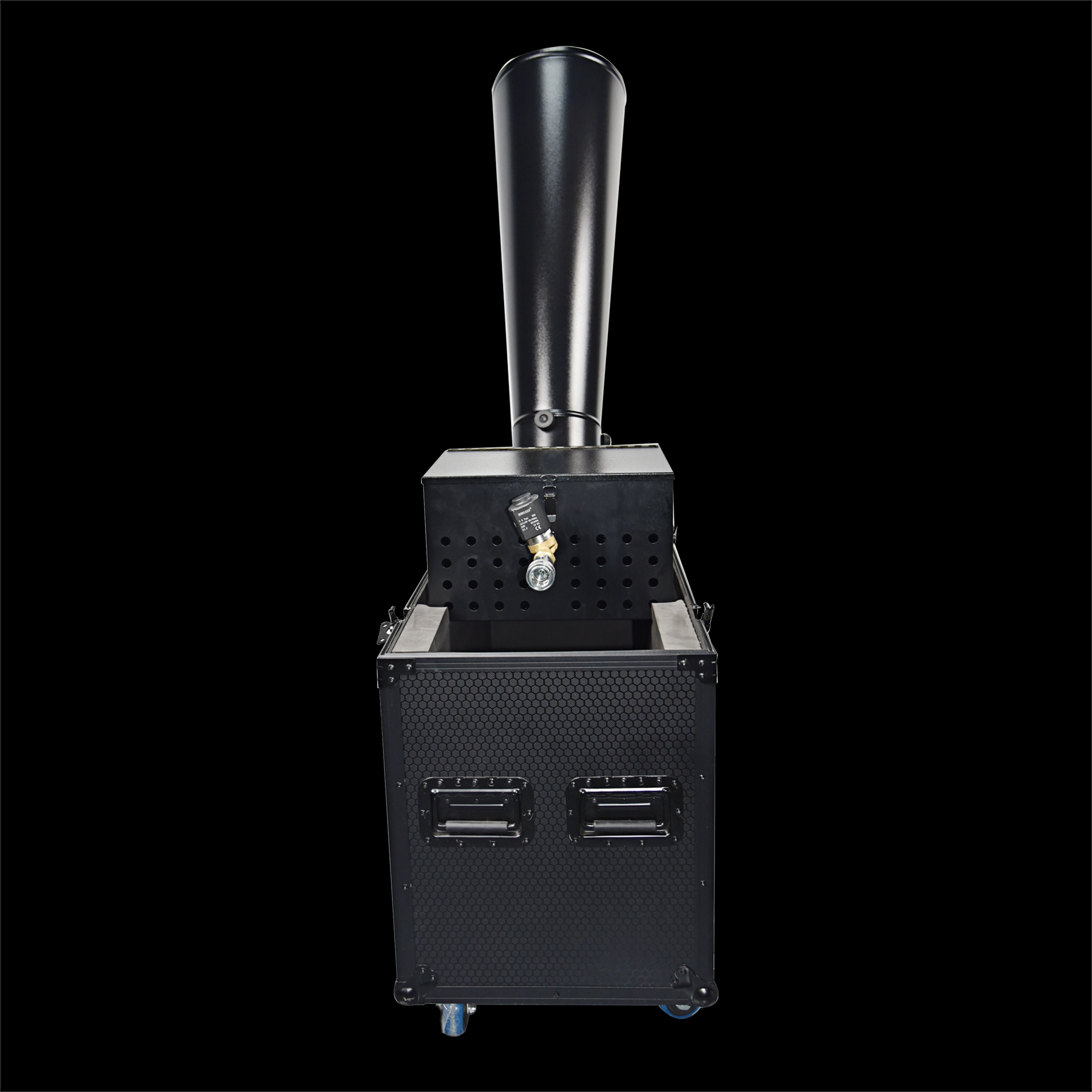
CO₂ Mini Rainbow Confetti Machine Manual Control with Durable Black Wheeled Flight Case
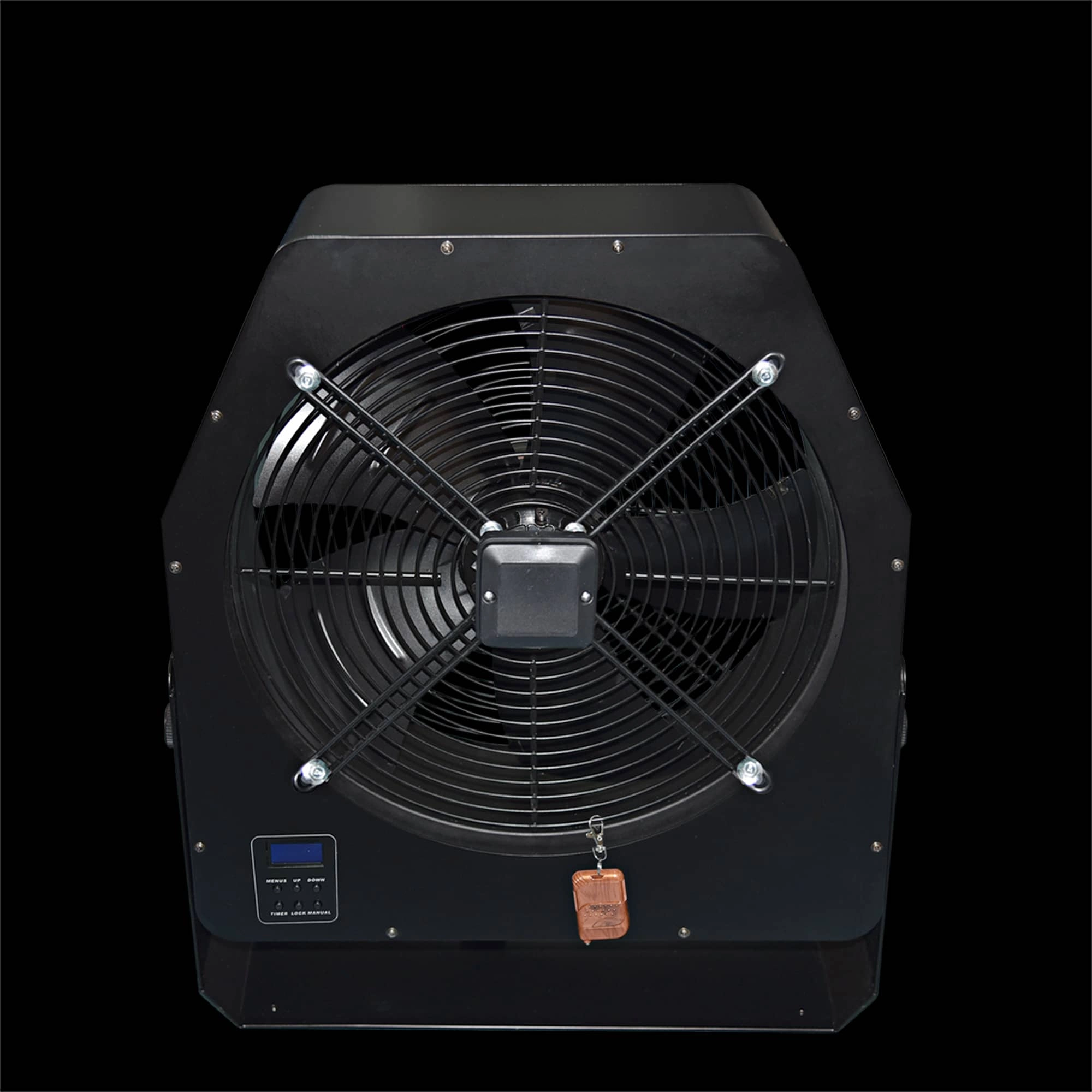
Professional Stage Big DMX Fan | High-Power Event Fan for Stage Shows & Celebrations
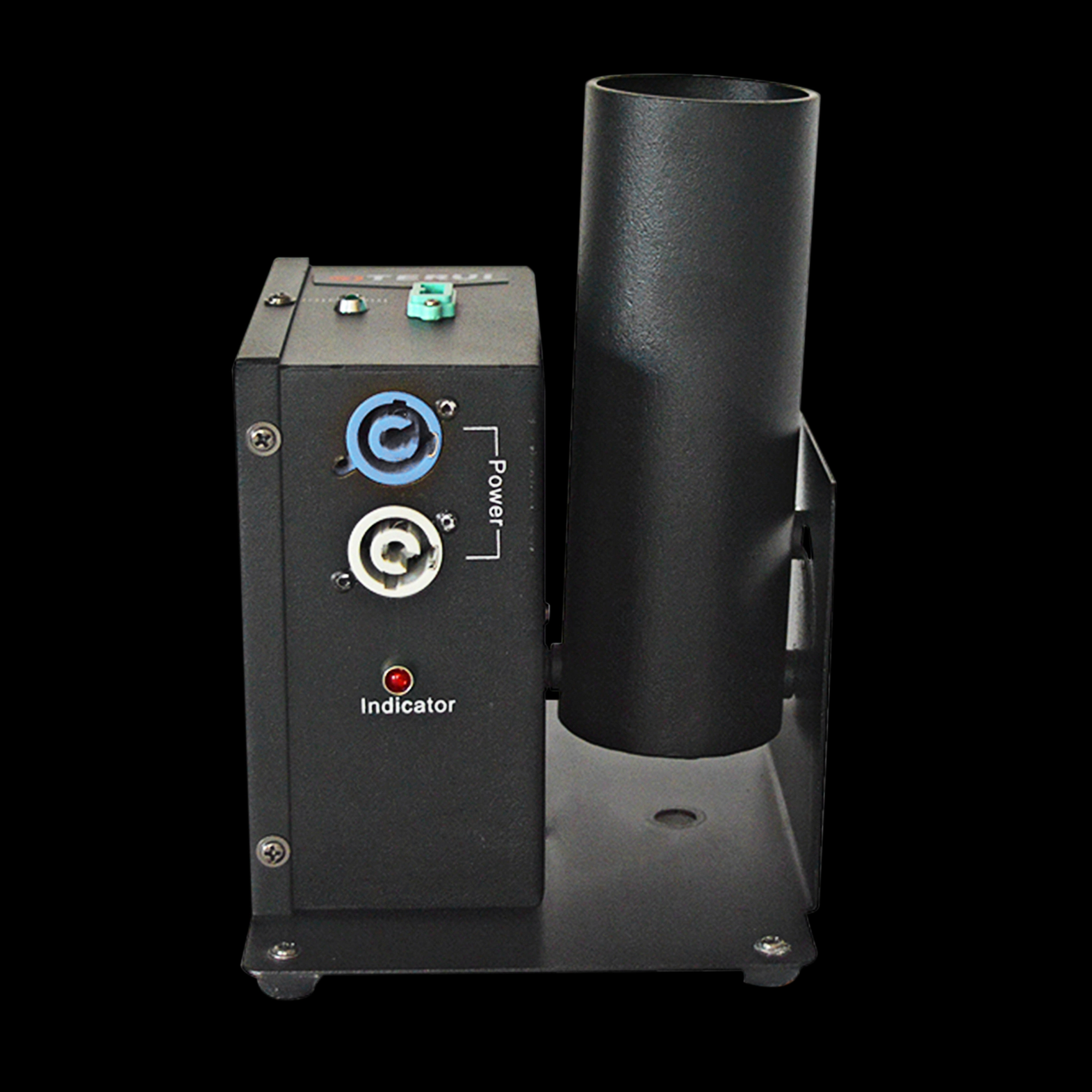
Single Shot Confetti Machine - Premium Confetti Launcher for Weddings & Stage Celebrations
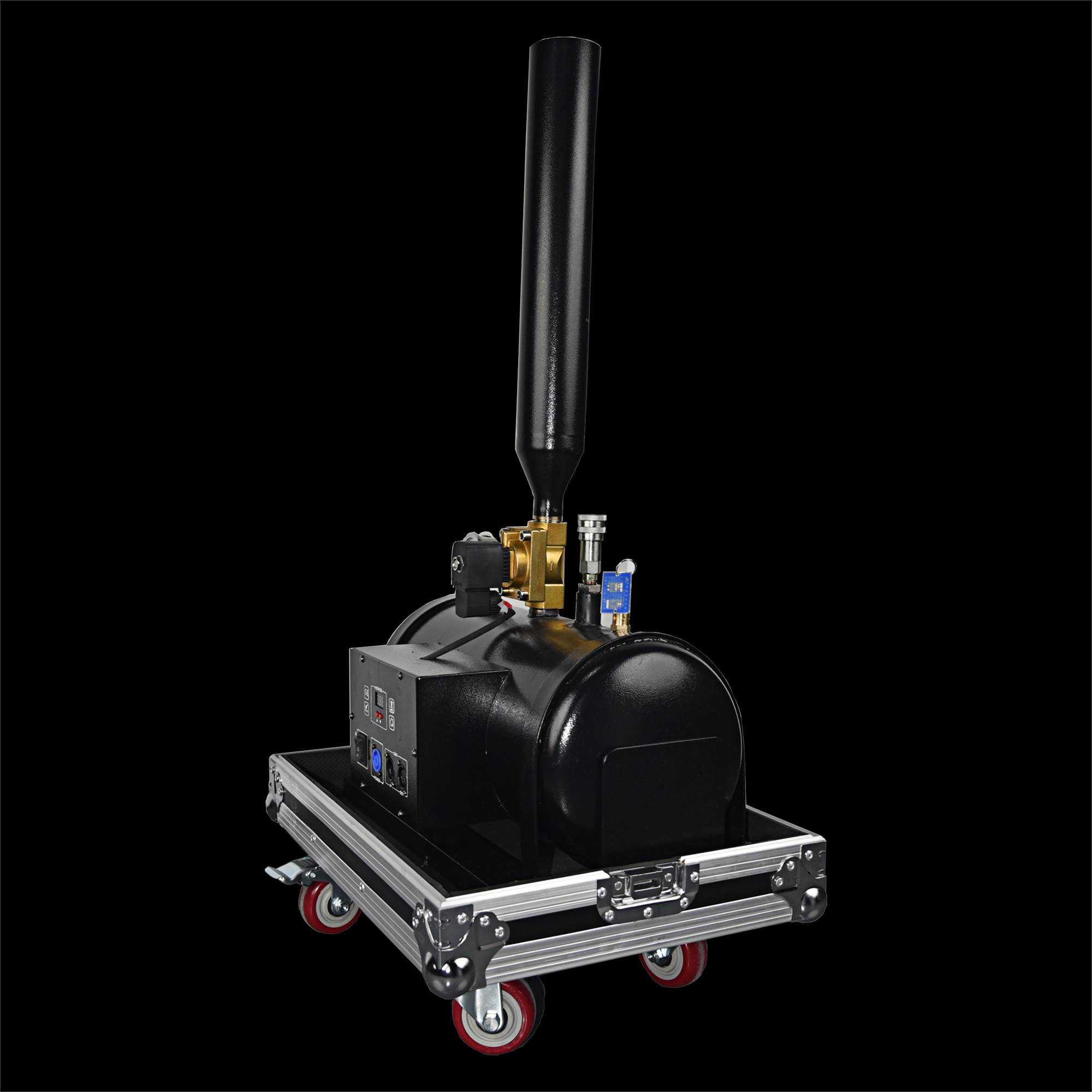
High-Altitude Confetti Cannon - Professional Confetti Blaster for Stage, Party & Celebration Events
Email: sales01@strlighting.com
WhatsApp: +86 189 2232 4800
© 2025 Siterui SFX All Rights Reserved.
 Scan QR Code
Whatsapp: +8618922324800
siteruisfx_stage_equipment
Siterui
SITERUI-SFX
STRlighting
@siterui.sfx