
Snow Machine Comparison: Foam vs Paper vs Biodegradable
- How modern snow effects work
- Basic operating principles
- Machine categories and delivery methods
- Performance targets: realism and control
- Comparing foam, paper, and biodegradable snow
- Key comparison criteria
- Side-by-side comparison table
- When to pick each type
- Safety, cleanup, and environmental considerations
- Slip hazards, ventilation, and performer safety
- Waste handling and environmental compliance
- Operational best practices
- Selecting and operating the right snow machine
- Matching machine features to creative needs
- Maintenance, consumables, and lifecycle cost
- Case study: Indoor theatre production vs outdoor festival
- Siterui SFX: capabilities and why it matters to buyers
- About Siterui SFX and product range
- Customization and integration
- Technical strengths and competitive differentiators
- Practical checklist for event teams
- Pre-event questions to answer
- Sample specification template for procurement
- Vendor evaluation criteria
- Frequently Asked Questions (FAQ)
- 1. Is foam snow safe to use indoors?
- 2. What is biodegradable snow made of?
- 3. Can I use paper confetti snow outside without environmental harm?
- 4. Which snow machine requires the most maintenance?
- 5. How do I test a snow effect before the event?
- 6. Are there regulatory permits needed for using snow effects?
- Contact & product inquiry
Snow machine effects are a core tool for creating winter atmospheres in live events, theatre, film, and themed attractions. For discovery and local buyers, this piece summarizes technical differences between foam-based, paper/confetti-based, and biodegradable snow solutions, shows how each performs in venue-specific contexts, and outlines machine selection, safety, and environmental trade-offs for production managers, rental companies, and venues seeking reliable, compliant, and visually convincing snowfall effects.
How modern snow effects work
Basic operating principles
Snow effects are produced by machines that convert a snow medium (foam liquid, paper flakes, or biodegradable granules/pellets) into airborne particles that resemble falling snow. Foam machines use liquid-formulated solutions foamed and blown through fans; paper snow machines typically use confetti or shredded paper dispersed by an air burst blower; biodegradable snow systems use specialty compostable flakes, wettable powders that expand, or machines that dispense dry biodegradable chips.
Machine categories and delivery methods
Common device types include: foam generators (continuous foam output), blower-based confetti/cellophane systems, dedicated biodegradable-snow machines, and multi-effect platforms that can be adapted with cartridges or hoppers. Machines differ by airflow, nozzle design, containment (indoors vs outdoors), and control integration (DMX/wireless). For general background on special effects and devices, see Special effect — Wikipedia.
Performance targets: realism and control
Producers typically judge snow effects on three dimensions: visual realism (flake size, translucency, fall speed), persistence (how long flakes stay in the air), and distribution control (localized vs venue-filling). Environmental factors—ventilation, stage wind, and temperature—impact perceived realism more than raw product choice. Machine airflow and nozzle geometry are therefore as important as the snow medium itself.
Comparing foam, paper, and biodegradable snow
Key comparison criteria
We compare across: visual realism, slip/health safety, cleanup difficulty and cost, environmental impact, machine compatibility and maintenance, and suitability for indoor/outdoor use. Sources for environmental and biodegradability context include general biodegradability definitions (Wikipedia: Biodegradable) and EPA guidance on materials and waste (U.S. EPA).
Side-by-side comparison table
| Criterion | Foam Snow | Paper Snow (Confetti) | Biodegradable Snow |
|---|---|---|---|
| Visual Realism | Medium — can look like wet/heavy snow; adjustable foam density | Medium-high — flat flakes, good for slow-fall but not 3D depth | High — engineered flakes mimic size and translucency of real snow |
| Slip & Safety | Higher slip risk if accumulates on floor; foam can be soapy (HSE slip guidance) | Low to medium — dry paper less slippery but can obscure floor hazards | Lower — many formulations are dry and low-slip; wet biodegradable variants vary |
| Cleanup | High effort — liquid residue may require mopping; drainage concerns | Medium — vacuum or manual sweep; small pieces can be tedious | Low to medium — designed for easy pickup or are compostable in situ |
| Environmental Impact | Depends on surfactants — choose biodegradable foam fluids to reduce impact | Paper is recyclable/compostable if uncoated; plastic confetti is harmful | Best — designed to meet compostability/biodegradability standards |
| Machine Compatibility | Quantitative — requires foam machines or foam attachments | Confetti blowers or compressed air shotters; paper shredders for custom shapes | Specific dispensers/hoppers or adapted confetti machines; some systems require dry-dispense modules |
| Cost (material + labor) | Medium — foam fluid cost moderate; cleanup labor high | Low-medium — inexpensive material; cleanup labor moderate | Medium-high — High Quality medium but lower disposal costs |
| Indoor/Outdoor Suitability | Best for controlled indoor environments; wind disperses foam outdoors | Works both ways; wind can blow paper away quickly outside | Designed for both; stable formulations are suited to outdoor conditions |
Notes: standards and testing for biodegradability are available through organizations like ASTM (e.g., compostability standards), see Biodegradable — Wikipedia (standards).
When to pick each type
Choose foam when you need a thick, theatrical snowfall that reacts to lights and fog for close-range effects (e.g., stage musicals). Choose paper/confetti for dry, easy-to-store materials where visual uniformity and low upfront cost matter (e.g., parades, concerts). Choose biodegradable snow for eco-sensitive venues, outdoor activations, or sites with strict waste handling policies (e.g., parks, historic sites).
Safety, cleanup, and environmental considerations
Slip hazards, ventilation, and performer safety
Foam residues can create slippery surfaces; consult local safety guidance like the Health and Safety Executive (HSE slips) and follow venue-specific slip-prevention protocols (anti-slip mats, controlled egress). For airborne small particles (paper dust, fine biodegradable powders), ensure adequate ventilation and consider respiratory protection or PPE for prolonged exposures.
Waste handling and environmental compliance
Many venues and municipalities have explicit rules for releases of materials into sewage or green spaces. Avoid discharging foam fluids into sanitary sewers unless they are certified biodegradable or allowed by the venue. When using paper/confetti, choose uncoated recyclable or compostable paper; avoid metallic or plastic confetti. For authoritative guidance on materials management and environmental concerns, consult your local Environmental Protection Agency (EPA).
Operational best practices
Pre-event site surveys and permits are essential. Build cleanup time into technical rehearsals and allocate staff for immediate collection. Use containment strategies (drop cloths, containment skirts on stage) for foam. For outdoor paper use, plan for wind and drainage. Always have material safety data sheets (MSDS/SDS) for your chosen snow fluid or flakes on hand and verify that chemicals meet local regulations.
Selecting and operating the right snow machine
Matching machine features to creative needs
Key machine features to evaluate: output volume (m³/min), directional control (nozzle angles, spot vs ambient), fluid/medium capacity, DMX or wireless integration, portability, and cleaning/maintenance cycle. For repeat rental and touring, favor machines with accessible service parts and robust pump/fan construction. Manufacturer documentation and independent reviews help validate performance claims.
Maintenance, consumables, and lifecycle cost
Cost of ownership includes fluids/consumables, routine pump/fan replacements, filters, and labor for cleaning. Foam machines require more frequent internal cleaning to prevent residue buildup. Machines designed for dry biodegradable flakes often have simpler cleaning but may need specialized hoppers to avoid jamming.
Case study: Indoor theatre production vs outdoor festival
Indoor theatre: prioritize low-residue biodegradable flakes or controlled foam with containment and drainage plans; ensure HVAC can tolerate extra particulates. Outdoor festival: choose dry biodegradable particulate for minimal environmental impact and rapid post-event cleanup; avoid foam outdoors on windy days.
Siterui SFX: capabilities and why it matters to buyers
About Siterui SFX and product range
Siterui SFX is a professional manufacturer engaged in the research and development, production, sales, and service of professional stage special effects (SFX) equipment. With a highly skilled team and cutting-edge technology, we are committed to providing innovative, reliable, and high-performance SFX solutions for live events, theaters, concerts, film production, and entertainment venues worldwide.
Customization and integration
At Siterui SFX, we understand that every stage, event, and creative concept is unique. That’s why we offer flexible customization services to meet your specific needs—whether it's branding, special functions, size adjustments, or complete system integration.
Technical strengths and competitive differentiators
From custom casing and logo printing to wireless control systems and synced multi-device setups, our expert team works closely with you to design SFX solutions that align perfectly with your needs. Our commitment to quality and innovation ensures that our clients receive cutting-edge effects that enhance the visual and sensory experience of every performance. We pride ourselves on exceptional customer service and continuous advancement, positioning Siterui as a trusted partner in the professional special effects industry. Key products and strengths include:
- Product lineup: spark machine, haze machine, CO₂ jet machine, bubble machine, snow machine, foam machine, confetti machine, fog machine, fire machine, dry ice machine
- R&D capabilities and rigorous factory testing
- Flexible OEM/ODM options, fast prototyping, and global service support
Visit Siterui SFX at https://www.siteruisfx.com/ or contact sales at sales01@strlighting.com for technical datasheets, customization quotes, and product demos.
Practical checklist for event teams
Pre-event questions to answer
- Indoor or outdoor site? (Ventilation/wind conditions)
- Audience proximity and performer safety needs
- Local waste/disposal rules and environmental policies
- Required runtime and integration (DMX/wireless cues)
- Available cleanup time and labor
Sample specification template for procurement
Include: desired effect type (foam/paper/biodegradable), target coverage area (m²), control protocol (DMX/wireless), run time per activation, required consumable quantity, and warranty/service expectations. Request MSDS/SDS and biodegradability certifications when sustainability is a priority.
Vendor evaluation criteria
Check: test footage under venue lighting, third-party reviews, availability of local parts/service, and certification for electrical safety. For environmental claims, ask for lab certificates or compostability standards compliance.
Frequently Asked Questions (FAQ)
1. Is foam snow safe to use indoors?
Foam snow can be used safely indoors if you use industry-approved, biodegradable foam fluids and implement containment and cleanup procedures. Check MSDS/SDS, ensure floors are protected, and plan for immediate cleanup to prevent slip hazards. For guidance on slip prevention, see HSE slip guidance.
2. What is biodegradable snow made of?
Biodegradable snow is typically made from plant-based polymers, compostable paper blends, or starch-derived materials engineered to break down in natural environments or commercial composting. Verify manufacturer certifications and ask for test reports if you require specific disposal characteristics. See general biodegradability info at Wikipedia.
3. Can I use paper confetti snow outside without environmental harm?
Uncoated, uncolored paper confetti poses minimal long-term harm and can often be collected or composted, but metallic or plastic-coated confetti should be avoided. Always check local park or venue regulations and plan cleanup. For broader environmental policy context, consult your local EPA website (EPA).
4. Which snow machine requires the most maintenance?
Foam machines generally require the most maintenance due to liquid residues in pumps and hoses. Dry-dispense machines (paper/biodegradable) tend to be lower-maintenance but may need hopper/feeder cleaning to prevent jams.
5. How do I test a snow effect before the event?
Run a full technical rehearsal with the selected machine and consumables in the actual venue conditions (lighting, HVAC, audience seating). Record video for stakeholders and evaluate cleanup needs and slip risk. Request product datasheets and, if possible, a site demo from your supplier—manufacturers like Siterui SFX offer demos and customization support (Siterui SFX).
6. Are there regulatory permits needed for using snow effects?
Permits depend on location and effect type. Outdoor releases, effects near water bodies, and anything that could affect drainage or wildlife may require permits. Consult local authorities and venue management early in planning.
Contact & product inquiry
If you need machine recommendations, consumable samples, or a custom system (multi-device sync, wireless control, or branded casing), reach out to Siterui SFX. Our engineering team can provide spec sheets, running-cost estimates, and on-site support plans. Visit https://www.siteruisfx.com/ or email sales01@strlighting.com to request quotes, sample kits, or a technical consultation.
Choosing the right snow machine balances creative goals with safety, cleanup capacity, and environmental responsibility. Use the checklist and comparisons above to make an informed choice, and engage manufacturers early to validate machine performance for your venue and production needs.
Fogging Machine Buying Guide: How to Choose for Stage Shows
Haze Machine vs Fog Machine: Differences for Venues
Dry Ice Machine Troubleshooting: Common Problems
Common Stage Light Problems and Solutions
large 300W Silver Iron Case Bubble Machine
How could l get a sample?
if you can not buy our product in your local area, we will ship a sample to you.You will be charged a sample priceplus all related shipping costs.Express delivery charge depends on the quantity of the samples.
Single-Head CO2 Jet Machine
What is the price of shipping?
Depending upon the port of delivery, prices varies.
How does your factory do regarding quality control
All the products will be 100% checked before the shipment
1200W Haze Machine
Is this machine suitable for outdoor use?
Yes, but avoid direct exposure to rain or extreme winds.
Solutions
Are your stage FX products compliant with international safety standards?
Yes, all our products comply with CE, RoHS and other international certifications. For special effect consumables like fog fluid and snow fluid, we can provide MSDS and test reports to ensure smooth customs clearance globally.
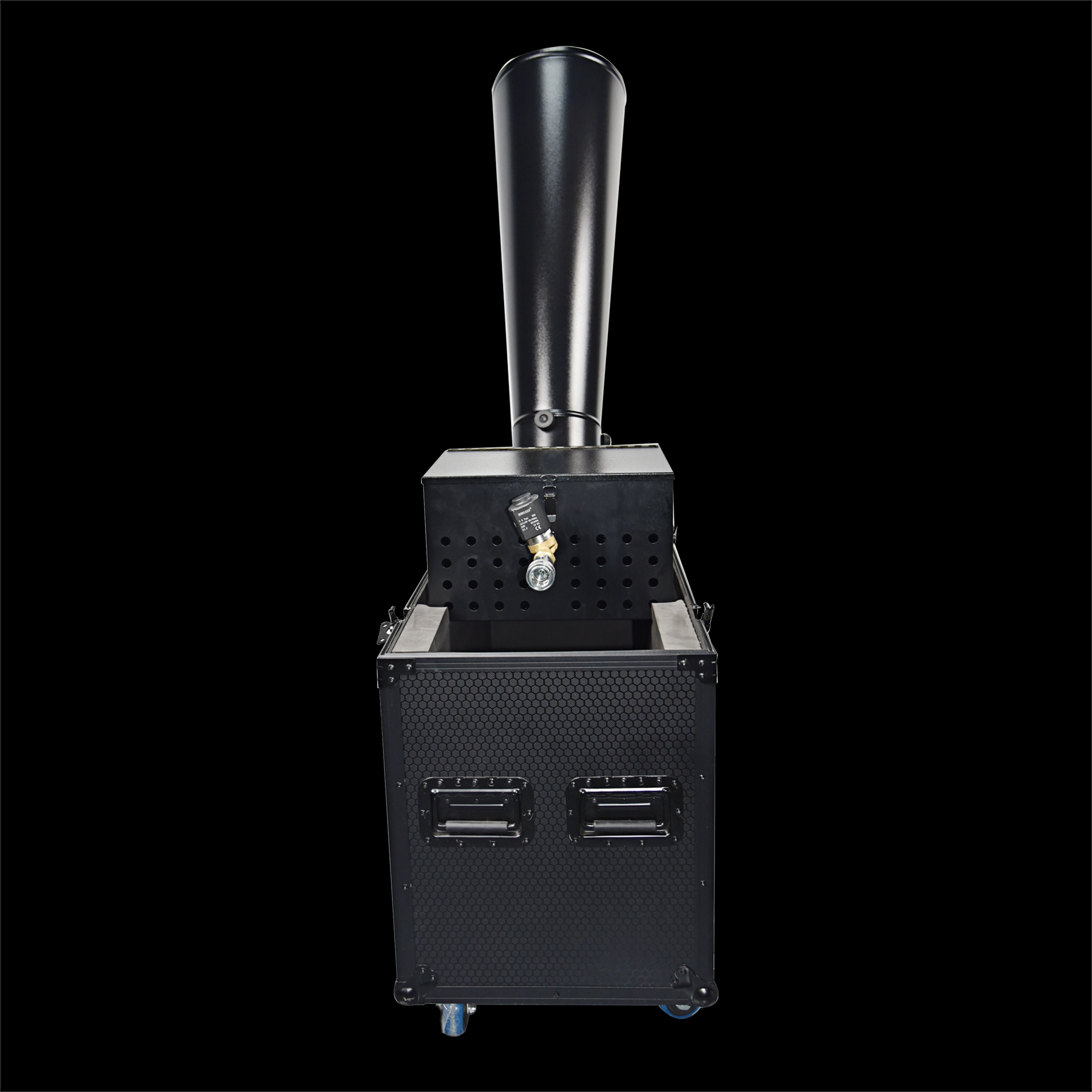
CO₂ Mini Rainbow Confetti Machine Manual Control with Durable Black Wheeled Flight Case
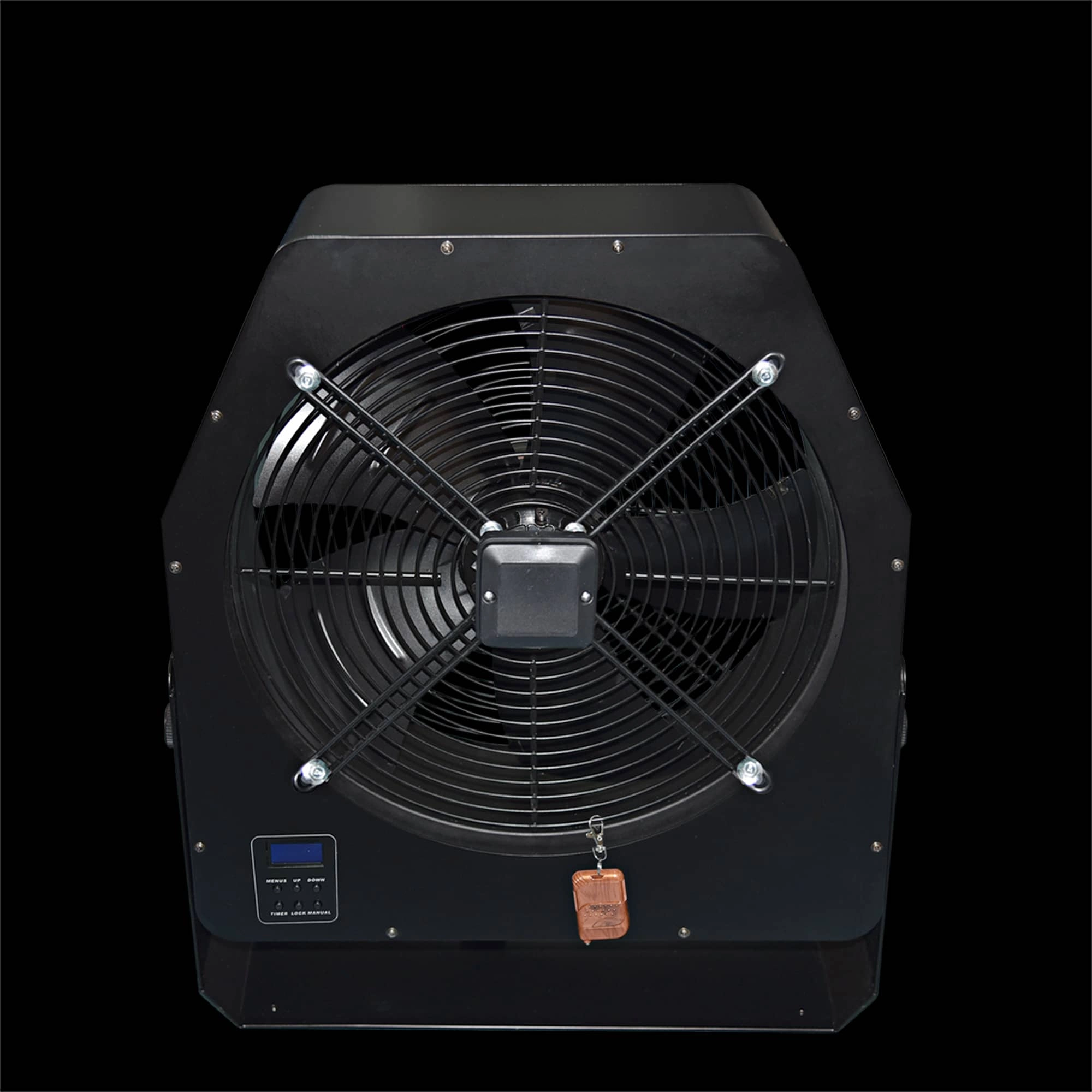
Professional Stage Big DMX Fan | High-Power Event Fan for Stage Shows & Celebrations
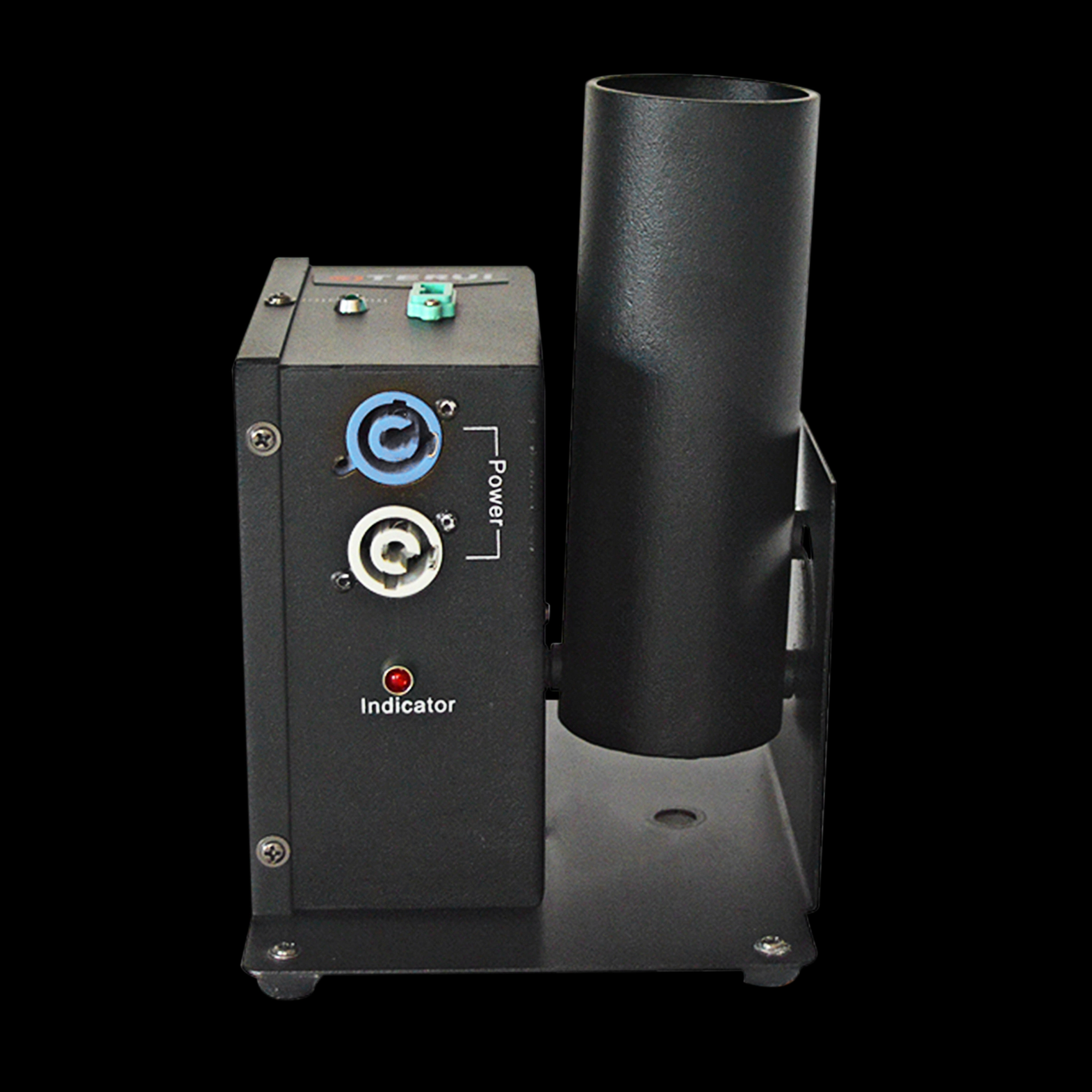
Single Shot Confetti Machine - Premium Confetti Launcher for Weddings & Stage Celebrations
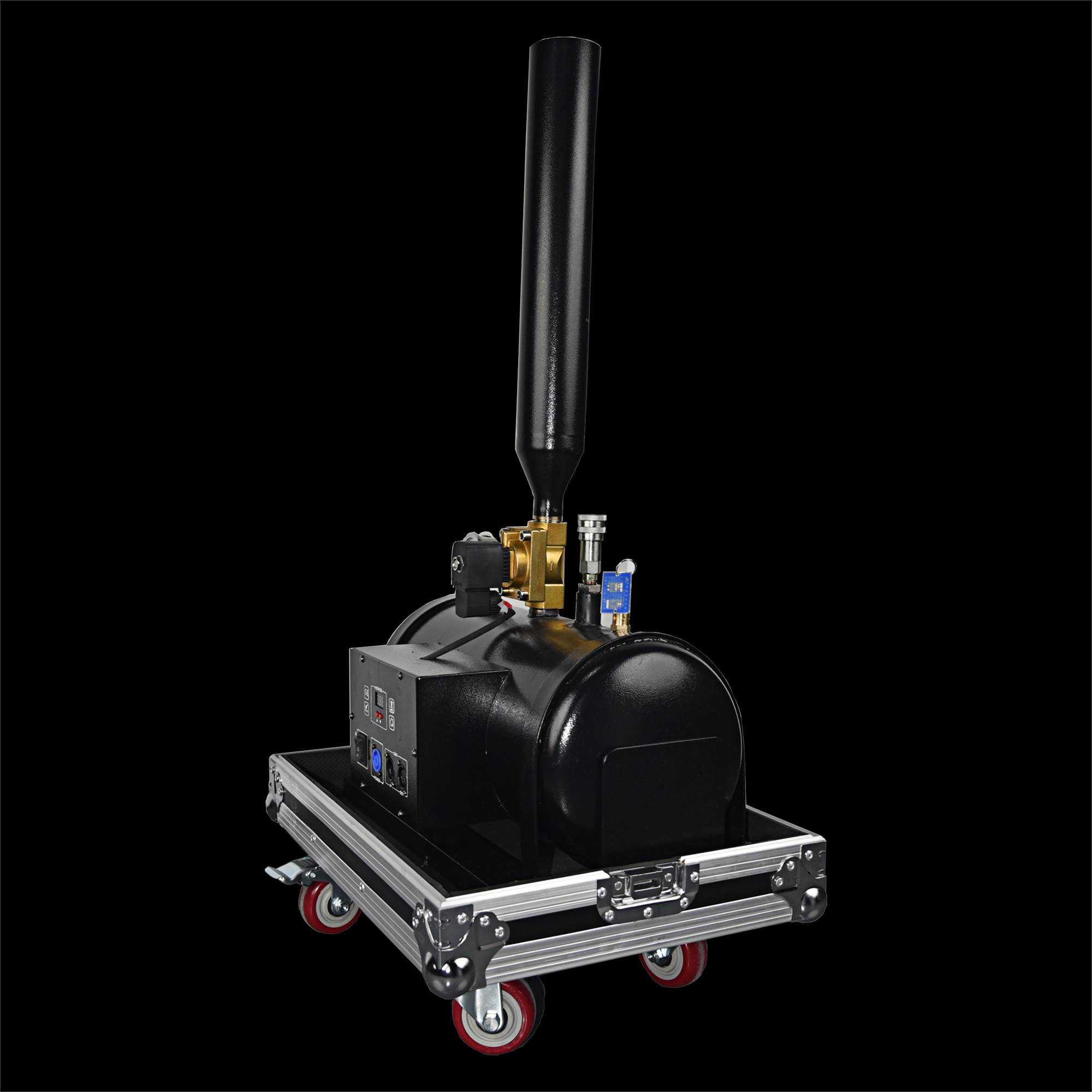
High-Altitude Confetti Cannon - Professional Confetti Blaster for Stage, Party & Celebration Events
Email: sales01@strlighting.com
WhatsApp: +86 189 2232 4800
© 2025 Siterui SFX All Rights Reserved.
 Scan QR Code
Whatsapp: +8618922324800
siteruisfx_stage_equipment
Siterui
SITERUI-SFX
STRlighting
@siterui.sfx