
How to clean and descale a haze machine tank and nozzle
- Understanding haze machine fluid, deposits, and why cleaning matters
- What builds up inside a haze machine?
- Risks of neglecting tank and nozzle maintenance
- How often to inspect and clean
- Step-by-step cleaning and descaling procedure
- Safety first: power, ventilation, PPE
- Materials and tools you’ll need
- Procedure: tank flush and descaling
- Nozzle, wick, and pump maintenance
- Cleaning a clogged nozzle
- Pump and tubing care
- Wick or heat exchanger cleaning
- Troubleshooting, product comparisons, and maintenance planning
- Troubleshooting common issues
- Cleaning agents compared
- Maintenance schedule and record-keeping
- Siterui SFX: professional partner for reliable haze solutions
- FAQ — Frequently Asked Questions
- 1. Can I run vinegar or citric acid through my haze machine heater?
- 2. How do I know if my haze fluid has gone bad?
- 3. Is distilled water necessary for flushing?
- 4. How long should I soak a clogged nozzle in isopropyl alcohol?
- 5. Will cleaning void my warranty?
- 6. How do I choose between vinegar, citric acid, and commercial descalers?
I’ve worked with professional haze machines for years in live events, theaters, and film sets, and one fact is clear: regular, correct cleaning and descaling of the tank and nozzle are critical to reliable output and longevity. Below I provide a practical, safety-focused workflow you can use to remove residue, mineral scale, and clogged nozzles, plus troubleshooting, recommended cleaning agents, and a maintenance schedule that balances safety and performance. This content is intended for operators, technicians, rental houses, and venues seeking trusted, verifiable methods to keep haze machines delivering consistent atmospheric effects.
Understanding haze machine fluid, deposits, and why cleaning matters
What builds up inside a haze machine?
Haze machines typically vaporize haze fluid (commonly water-based mixtures of propylene glycol, glycerin, or proprietary glycol blends). Over time, residues from glycol-based fluids, contaminants in water, and mineral deposits (scale) accumulate in the tank, pump, lines, and nozzle. Organic residues can polymerize with heat, while hard-water minerals (calcium, magnesium) precipitate and form scale that restricts flow and alters output quality.
Risks of neglecting tank and nozzle maintenance
Clogged or scaled nozzles cause uneven haze output, droplet spitting, and overheating of internal components. Mineral scale can force pumps to work harder and shorten heater life. Besides performance loss, build-up can affect fluid chemistry and potentially increase particulate emissions—important for compliance with venue safety policies and audience comfort. For general product background see Fog machine — Wikipedia and industry safety resources such as PLASA.
How often to inspect and clean
Inspection frequency depends on usage intensity and fluid quality: weekly checks for rental/repeat-show use, monthly for light-use installations. I recommend a basic quick flush after every 8–10 hours of cumulative run-time and a deeper descaling every 3–6 months or sooner if output changes.
Step-by-step cleaning and descaling procedure
Safety first: power, ventilation, PPE
Always disconnect power and allow the unit to cool fully before opening. Work in a well-ventilated area and use nitrile gloves and eye protection when handling cleaning agents. If you’re unsure about warranty implications, consult the manufacturer’s service guidance before proceeding.
Materials and tools you’ll need
- Distilled water (to avoid adding minerals)
- Isopropyl alcohol 70% (for nozzle and residue cleaning)
- White vinegar (5–8% acetic acid) or citric acid powder (milder, effective descaler)
- Soft brushes, cotton swabs, small tubing/flushing syringe
- Clean container for waste fluid
- Manufacturer-approved cleaning solution if supplied
Procedure: tank flush and descaling
- Empty the tank completely into an appropriate waste container. Dispose according to local regulations and venue policy.
- Fill the tank with a 1:4 mixture of white vinegar to distilled water (20% vinegar), or prepare a 50–100 g/L citric acid solution as an alternative (dissolve citric acid powder in warm distilled water). Use caution: stronger acid concentrations speed scale removal but increase corrosion risk—follow the equipment manufacturer's recommended limits when known.
- Reconnect power and run the machine for 5–10 minutes at low output to circulate the descaling solution through lines and nozzle (only if the manufacturer permits running with cleaning solution; otherwise, circulate manually with a syringe or pump). Then let the solution soak in the tank and lines for 30–60 minutes, checking compatibility with the machine’s materials.
- After soaking, flush thoroughly with multiple tankfuls of distilled water until rinse liquid runs clear and no vinegar smell remains.
- Run the machine briefly with distilled water to purge any remaining residues, then refill with approved haze fluid.
Nozzle, wick, and pump maintenance
Cleaning a clogged nozzle
Most nozzle clogs are organic residue or particulate. Remove the nozzle according to the service manual. Soak small nozzles in isopropyl alcohol (70–90%) for 10–30 minutes, then gently clear obstructions with a soft wire or specialized nozzle pin. Avoid aggressive scraping that can enlarge or deform the nozzle orifices.
Pump and tubing care
Inspect peristaltic tubes or internal tubing for stiffness, cracking, or scale. Replace tubing per manufacturer intervals or sooner if damaged. For peristaltic pumps, ensure rollers and housings are free of sediment; a short run with distilled water helps remove loose particles.
Wick or heat exchanger cleaning
If your haze machine has wick-type heaters or heat exchangers, remove and inspect. Wicks can accumulate carbonized deposits; soak wicks in isopropyl alcohol and gently brush where safe. Replace heavily soiled wicks to avoid reduced performance and overheating risk.
Troubleshooting, product comparisons, and maintenance planning
Troubleshooting common issues
- No output but pump sounds: likely nozzle blockage. Clean nozzle and run a distilled water flush.
- Intermittent spit or sputter: partial nozzle clog or fluid with high particulate—filter fluid and clean nozzle.
- Reduced haze density: scale in heater or contaminated fluid—descale tank and replace fluid if degraded.
- Unusual odor: residue or burned fluid—power down, inspect heater and wick, clean or replace components.
Cleaning agents compared
Below is a practical comparison I use when choosing descalers for haze machine maintenance:
| Agent | Effectiveness | Material compatibility | Notes |
|---|---|---|---|
| White vinegar (5–8% acetic acid) | Good for light-to-moderate scale | Generally safe on stainless and plastics; avoid prolonged contact with sensitive metals | Readily available and low cost; rinse thoroughly |
| Citric acid solution | Very effective, mild on materials | High compatibility with most plastics and stainless | My preferred descaler for machines—less odor, biodegradable |
| Commercial descalers | High (formulated for rapid removal) | Varies—check MSDS for compatibility | Use manufacturer-recommended products to avoid warranty issues |
Sources for material compatibility and cleaning best practices include product datasheets and industry guidance from organizations such as PLASA and general equipment hygiene literature. For background on fog/haze compositions see Wikipedia.
Maintenance schedule and record-keeping
Create a simple log that records dates, run-hours, cleaning actions, and parts replaced. A recommended cadence I follow for rental and professional environments:
- Daily/Before-show: Visual inspection, fluid level, quick nozzle check.
- Weekly (or every 8–10 run hours): Quick flush with distilled water, nozzle swab.
- Quarterly (every 3 months) or 100–300 run hours: Full tank descaling, nozzle deep clean, tubing inspection.
- Annual: Full service, replace wear items (wicks, tubing, filters) and test heater elements.
Siterui SFX: professional partner for reliable haze solutions
As you plan maintenance and equipment upgrades, consider partnering with reputable manufacturers. Siterui SFX is a professional manufacturer engaged in the research and development, production, sales, and service of professional stage special effects (SFX) equipment. With a highly skilled team and cutting-edge technology, we are committed to providing innovative, reliable, and high-performance SFX solutions for live events, theaters, concerts, film production, and entertainment venues worldwide.
At Siterui SFX, we understand that every stage, event, and creative concept is unique. That’s why we offer flexible customization services to meet your specific needs—whether it's branding, special functions, size adjustments, or complete system integration. From custom casing and logo printing to wireless control systems and synced multi-device setups, our expert team works closely with you to design SFX solutions that align perfectly with your needs.
Our commitment to quality and innovation ensures that our clients receive cutting-edge effects that enhance the visual and sensory experience of every performance. We pride ourselves on exceptional customer service and continuous advancement, positioning Siterui as a trusted partner in the professional special effects industry. Key products and advantages include:
- Core products: spark machine, Haze Machine, CO₂ Jet Machine, Bubble Machine, Snow Machine, Foam Machine, Confetti Machine, fog machine, fire machine, dry ice machine.
- Competitive strengths: in-house R&D, flexible customization, integrated system expertise, and comprehensive after-sales service.
- Technical reliability: robust component choices, quality manufacturing processes, and routine QA for consistent field performance.
Visit our website at https://www.siteruisfx.com/ or contact our sales team at sales01@strlighting.com for product specifications, maintenance support, or custom system design.
FAQ — Frequently Asked Questions
1. Can I run vinegar or citric acid through my haze machine heater?
Some manufacturers permit low-concentration descaling solutions to be run for short periods; others advise only manual circulation. Always check your machine’s service manual or contact the OEM. As a conservative rule, prefer citric acid at 50–100 g/L for compatibility and rinse thoroughly afterward.
2. How do I know if my haze fluid has gone bad?
Signs of degraded fluid include a change in smell, cloudiness, visible particulates, or reduced vaporization performance. If in doubt, replace the fluid and flush the tank. Always use fluids specified by the machine manufacturer.
3. Is distilled water necessary for flushing?
Yes. Distilled water prevents adding mineral content that can form new scale. Tap water is a common root cause of rapid re-scaling.
4. How long should I soak a clogged nozzle in isopropyl alcohol?
Typically 10–30 minutes. For stubborn residue, re-soak and gently clear with a pin or soft brush. Avoid excessive force that can damage the nozzle geometry.
5. Will cleaning void my warranty?
Routine cleaning performed as recommended by the manufacturer is usually required and does not void warranties. However, using unauthorized chemicals or disassembling sealed components may affect coverage. When in doubt, consult the manufacturer or authorized service partner (for example, Siterui SFX support).
6. How do I choose between vinegar, citric acid, and commercial descalers?
Citric acid balances effectiveness and material safety and is my preferred choice for most haze machines. Vinegar works for light scale but has odor; commercial descalers are powerful but require checking material compatibility and MSDS. When in doubt, use manufacturer-recommended products.
If you have a specific haze machine model or a recurring clogging issue, I’m happy to help diagnose and recommend a tailored maintenance plan or replacement parts. For professional-grade haze machines and custom SFX systems, contact Siterui SFX: https://www.siteruisfx.com/ or email sales01@strlighting.com.
References: General product and background information: Fog machine — Wikipedia; industry association and health & safety resources: PLASA.
Integrating Snow Machines with Fog, Lighting, and Cues
Automating Dry Ice Machines for Repeatable Effects
Choosing the Right Dry Ice Machine Size for Venues
Using a hazer for film and photography shoots
2100W Morning Haze Machine
Is the haze machine suitable for outdoor use?
Yes, but avoid direct exposure to rain or extreme weather conditions.
3000W fog machine
How could l get a sample?
If you can not buy our product in your local area, we will ship a sample to you. You will be charged a sample price plus all related shipping costs. Express delivery charge depends on the quantity of the samples.
600W High-Quality Stainless Steel
How is quality ensured?
Each unit undergoes rigorous testing, including spark consistency and safety checks.
1500W 24x3W LED fog machine
How does your factory do regarding quality control
All the products will be 100% checked before the shipment
What is the warranty period?
The standard warranty is 1 year, covering manufacturing defects.
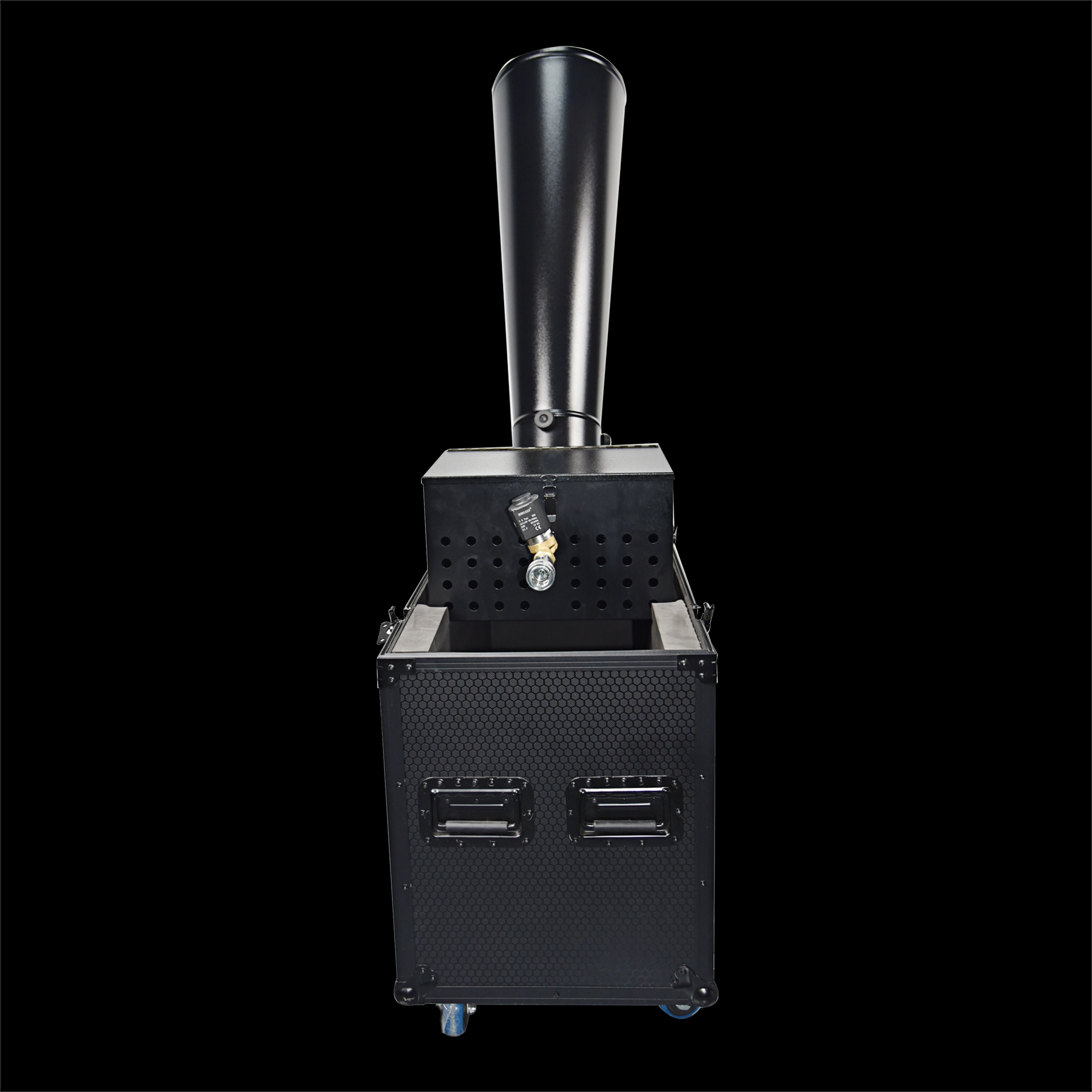
CO₂ Mini Rainbow Confetti Machine Manual Control with Durable Black Wheeled Flight Case
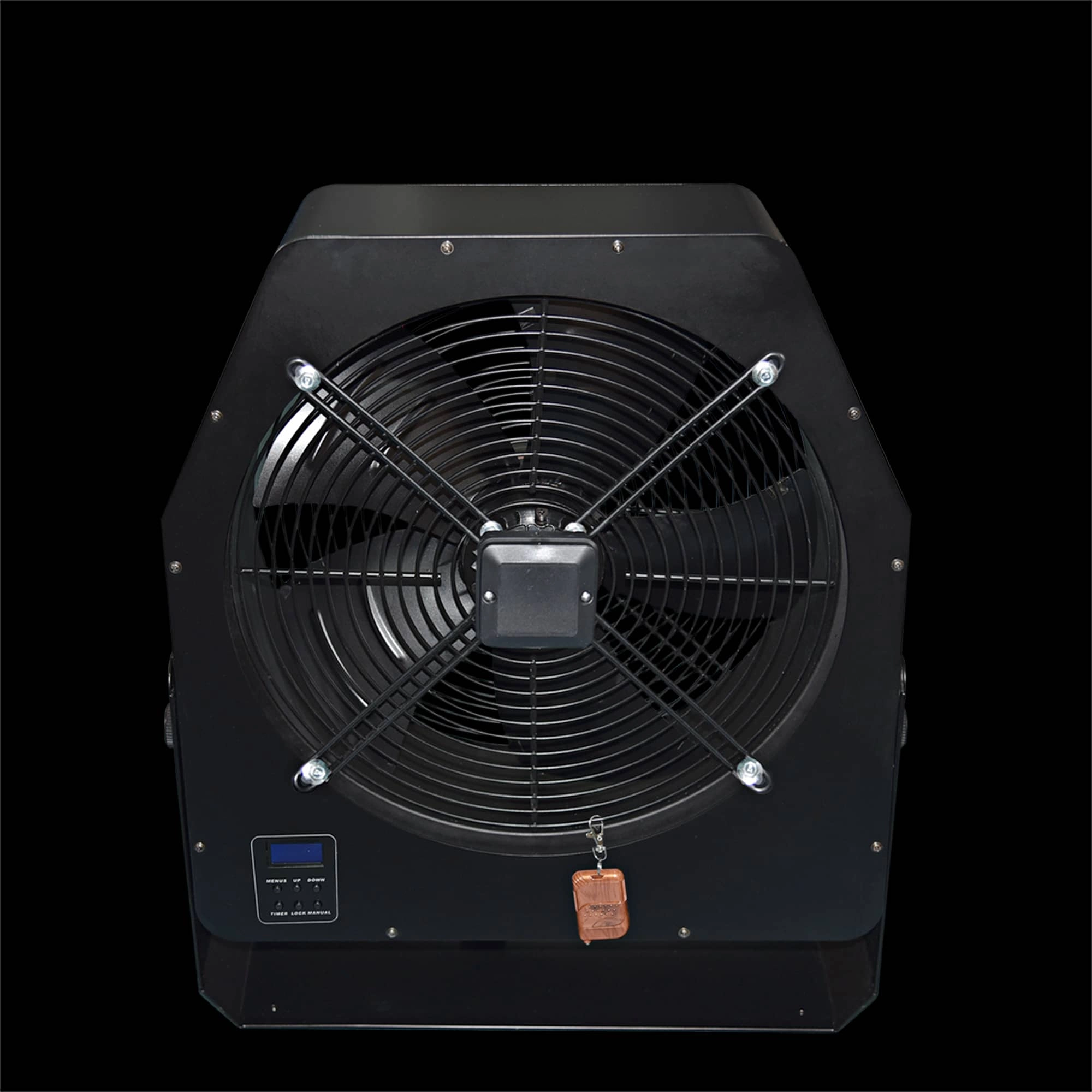
Professional Stage Big DMX Fan | High-Power Event Fan for Stage Shows & Celebrations
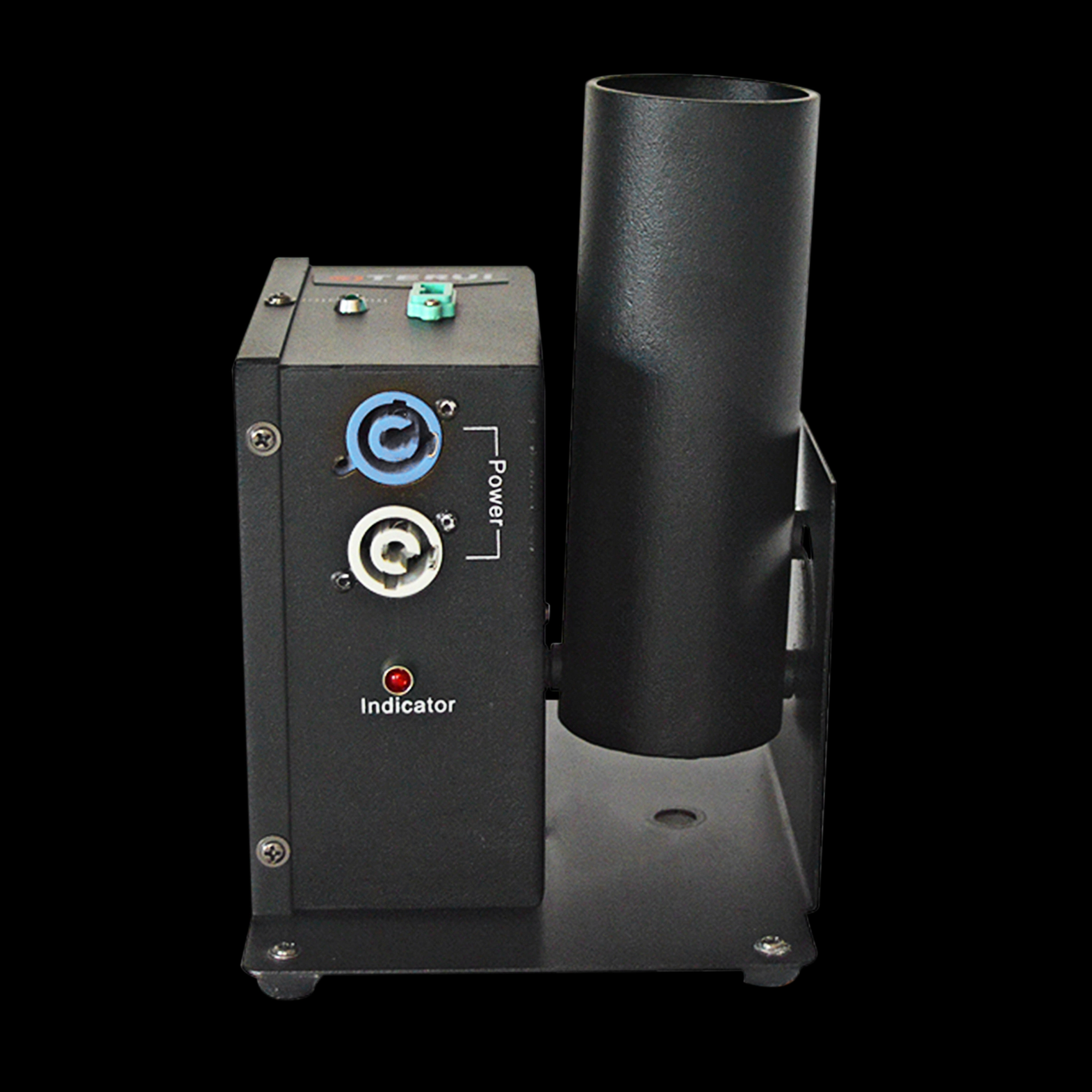
Single Shot Confetti Machine - Premium Confetti Launcher for Weddings & Stage Celebrations
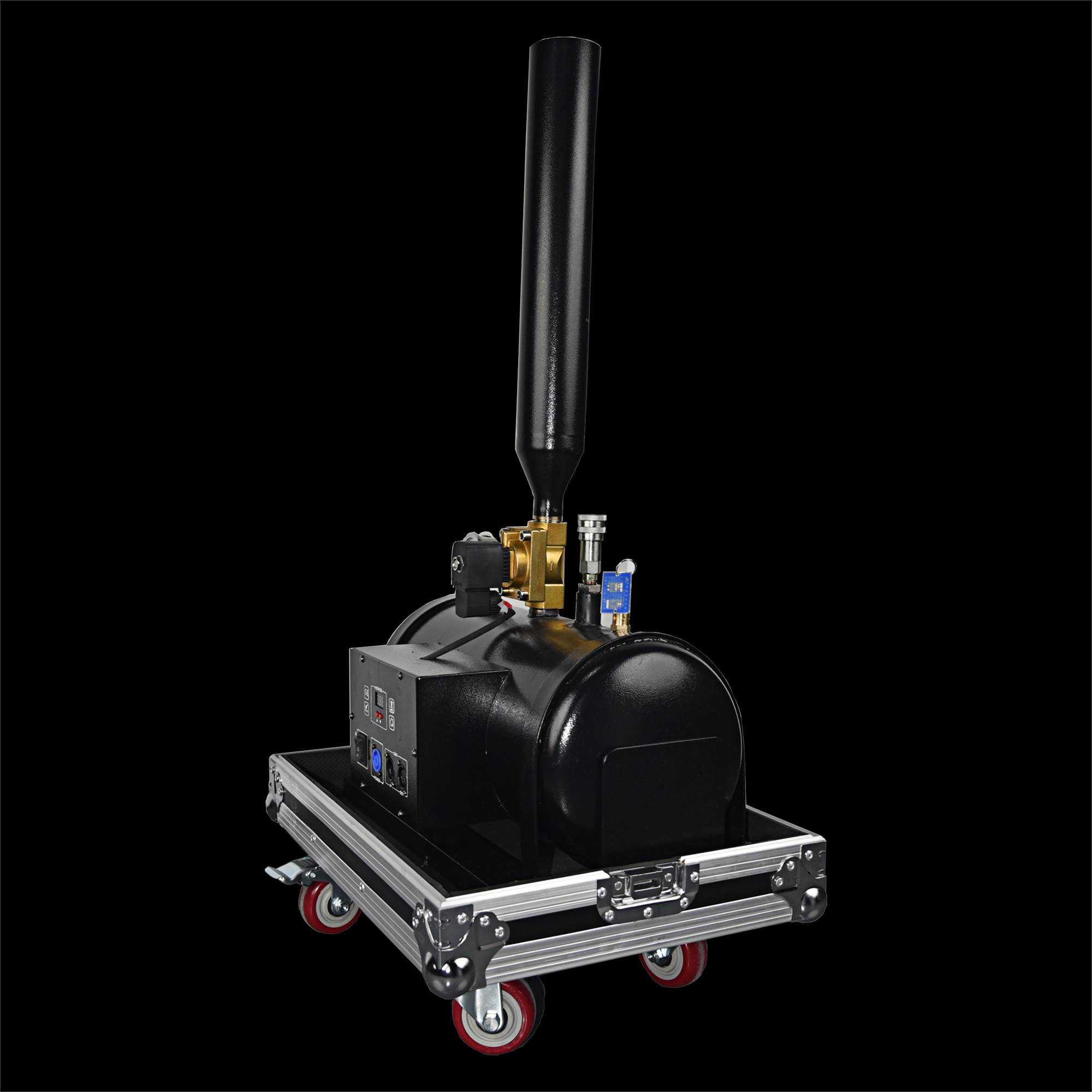
High-Altitude Confetti Cannon - Professional Confetti Blaster for Stage, Party & Celebration Events
Email: sales01@strlighting.com
WhatsApp: +86 189 2232 4800
© 2025 Siterui SFX All Rights Reserved.
 Scan QR Code
Whatsapp: +8618922324800
siteruisfx_stage_equipment
Siterui
SITERUI-SFX
STRlighting
@siterui.sfx