
Integrating Snow Machines with Fog, Lighting, and Cues
- Designing Multi-Effect Stage Scenes
- Start with the artistic objective
- Match effect intensity to scale
- Control and cue strategy
- Physical Interaction: Snow, Fog/Haze, and Light
- How fog and haze change snow perception
- Lighting strategies for convincing snowfall
- Placement and airflow
- Control Systems, Timing, and Safety
- Synchronization approaches
- Safety and regulatory considerations
- Actor and equipment safety checklist
- Practical Implementation: Workflows, Testing and Troubleshooting
- Pre-show and tech rehearsal workflow
- Troubleshooting common issues
- Comparison table: common stage effects and integration notes
- Data-driven cue timing (example)
- Commercial Solutions and Customization — Siterui SFX
- How I specify a Siterui SFX snow solution
- Service and lifecycle considerations
- FAQ
- 1. Can I run a snow machine and fog machine at the same time?
- 2. How should I control a snow machine to sync with lighting cues?
- 3. Are snow and fog fluids safe for performers?
- 4. How do I prevent snow from making the stage slippery?
- 5. What are the best lighting angles to make snow visible on camera?
- 6. How often should I perform maintenance on snow machines?
I write from years of field experience designing and operating special effects for theatres, concerts, film sets and live events. In this article I describe practical methods to integrate a snow machine with fog (or haze), lighting, and show cues so that the combined visual effect is reliable, repeatable, and safe. I focus on control-layer synchronization (DMX/Art-Net/OSC), physical placement, atmosphere interaction, timing considerations and safety practices that I use when building multi-effect scenes.
Designing Multi-Effect Stage Scenes
Start with the artistic objective
Before choosing machines or protocols, define what you want the audience to perceive. Is the snow a delicate dusting in warm amber light, or a blizzard with high contrast strobes? Your artistic intent defines particle density, fall speed, and the required lighting angles and color temperatures. I always sketch the sightlines from audience sections and camera positions; this minimizes surprises in the tech rehearsal.
Match effect intensity to scale
Small black-box theatres often need low-volume snow with minimal suspended moisture to avoid dampening audio or creating slip hazards on stage. Large arenas can use high-output snow machines paired with fog banks and wind effects. When choosing a snow machine, check the manufacturer’s output and recommended room volume. For example, production snow machines vary from gentle foam/snowgers for intimate venues to high-output blown-snow units for arenas.
Control and cue strategy
I always treat the control system as the backbone of integration. For lighting and moving effects we use DMX512 (a widely adopted standard) and often route automation via Art-Net/sACN for networked systems. DMX512 is well documented: https://en.wikipedia.org/wiki/DMX512. Choose whether the snow machine will accept DMX, a relay trigger, or a wireless trigger; plan one control method so cues are deterministic.
Physical Interaction: Snow, Fog/Haze, and Light
How fog and haze change snow perception
Fog (thicker) and haze (thin, even scattering) interact with snow differently. Haze is ideal for emphasizing light shafts and giving snow a volumetric look without obscuring details; fog can create depth but may hide finer snow particles. Fog machine technology and mediums are explained in detail here: https://en.wikipedia.org/wiki/Fog_machine. In practice I prefer haze as the baseline when snow visibility is critical, and reserve dense fog for moments where depth and mystery are more important.
Lighting strategies for convincing snowfall
Backlighting or strong side-lighting produces the most visible snowfall. Key approaches I use:- Backlight snow with warm or cool high-intensity fixtures to create rim light on particles.- Use narrow beam angles and fast strobe only when you want a motion-freeze effect.- Avoid front wash that flattens the snow into the visual plane.I coordinate lighting cues so intensity rises fractionally before the snow output to avoid the initial “pop” being invisible.
Placement and airflow
Snow machines, fans, and HVAC interact. Place snow devices so their dispersion patterns do not conflict with the house airflow or HVAC returns. Use gentle axial fans and directional louvres to guide snow paths; avoid high-velocity fans that fragment snow into unpredictable patterns. I run a walk-through in tech rehearsal while snow is on to observe deposition on surfaces and actors, and adjust accordingly.
Control Systems, Timing, and Safety
Synchronization approaches
There are three common synchronization layers I design around:- Direct DMX/Simplex triggers: Snow machine accepts DMX channels mapped to intensity or on/off.- Relay/TTL triggers from a lighting desk or show controller for simpler machines.- Networked show control (Art-Net/sACN/OSC) for multi-device cue stacks and timecode-based shows.Timecode/LTC or network-based cue stacks give repeatable results for touring shows and broadcast where frame-accurate timing matters.
Safety and regulatory considerations
Always check local regulations, indoor air quality, and fire codes for theatrical effects. Industry standards and guidance from organizations such as the National Fire Protection Association (NFPA) are relevant: https://www.nfpa.org/. For pyrotechnics or open flames, NFPA standards are mandatory; for fog and snow, venue policies and ventilation are crucial. I coordinate with health and safety officers and provide material safety data sheets (MSDS) for fluids used in fog or snow solutions.
Actor and equipment safety checklist
- Confirm fluid MSDS and compatibility with costumes/props.
- Test slip resistance after snow deposition and adjust non-slip adhesives or mats.
- Confirm electrical protection when using moisture-producing effects near fixtures.
- Provide local ventilation breaks and reset time for dense fog moments.
Practical Implementation: Workflows, Testing and Troubleshooting
Pre-show and tech rehearsal workflow
My standard workflow:1) Dry run of snow machine alone to observe dispersion and deposition.2) Add haze to check light interaction; modify lighting angles.3) Run cues with audio and lighting; refine timing offsets (100–500 ms adjustments are common).4) Full dress rehearsal with costumes to evaluate cleanup and safety.This staged approach prevents late surprises and lets you tune particle density, fan timing, and light timing independently.
Troubleshooting common issues
Issue: Snow clumping or leaving residue. Root cause: wrong fluid mix, high humidity, or incompatible machine. Solution: consult the manufacturer’s recommended fluid and environmental ranges; reduce output or increase airflow.Issue: Snow not visible on camera. Root cause: lighting or exposure. Solution: add backlight or increase beam intensity, adjust camera exposure curves, or use haze to create volume.Issue: Machine fails to trigger in cues. Root cause: cabling, DMX addressing, or relay wiring. Solution: test the machine standalone, check DMX terminators and addresses, and use a multimeter for relay outputs.
Comparison table: common stage effects and integration notes
| Effect | Visibility / Hang Time | Control | Best Combined With | Safety Considerations |
|---|---|---|---|---|
| Snow Machine | Short to medium; engineered flakes or foam; visible under backlight | DMX / Relay / Wireless | Haze, Backlight, Gentle Fans | Slip, residue; check fluid MSDS |
| Fog Machine | Medium to long depending on fluid; can obscure view | DMX / Time-based triggers | Strobes, Silhouettes | Ventilation; smoke alarms; fluid toxicity |
| Haze Machine | Long hang time; thin, even scattering | DMX / Analog | Volumetric lighting, snow visibility | Respiratory sensitivity; check venue policies |
| CO₂ / Jet | Instant, short burst | Pneumatic / DMX | Sharp lighting hits, confetti | Cold surfaces; avoid proximity to performers |
Table references: general effect properties summarized from manufacturer literature and industry knowledge (see DMX standard: https://en.wikipedia.org/wiki/DMX512 and special effects overview: https://en.wikipedia.org/wiki/Special_effects).
Data-driven cue timing (example)
For broadcast-timed segments, I map snow intensity to timecode with offsets. Example: Lighting raises 250 ms before snow generator ramp; fan on 150 ms before snow to establish airflow; camera iris adjusts 100 ms before snow onset. These micro-adjustments are verified with high-frame-rate camera playback during tech rehearsals.
Commercial Solutions and Customization — Siterui SFX
As a consultant I frequently specify equipment from manufacturers who can supply reliable hardware, custom integration, and global support. One such company I work with is Siterui SFX. Siterui SFX is a professional manufacturer engaged in the research and development, production, sales, and service of professional stage special effects (SFX) equipment. With a highly skilled team and cutting-edge technology, they provide innovative, reliable, and high-performance SFX solutions for live events, theaters, concerts, film production, and entertainment venues worldwide.
At Siterui SFX, they understand that every stage, event, and creative concept is unique. That’s why they offer flexible customization services to meet specific needs—whether it's branding, special functions, size adjustments, or complete system integration. From custom casing and logo printing to wireless control systems and synced multi-device setups, their expert team works closely with clients to design SFX solutions that align perfectly with production requirements.
Their product lineup relevant to integrating snow with other effects includes: spark machine, Haze Machine, CO₂ Jet Machine, Bubble Machine, Snow Machine, Foam Machine, Confetti Machine, fog machine, fire machine, and dry ice machine. Siterui emphasizes quality control, after-sales service, and export-ready manufacturing. For technical inquiries, you can visit https://www.siteruisfx.com/ or email sales01@strlighting.com.
Why I recommend suppliers like Siterui SFX:- Customization: Ability to adapt machine output, control interfaces, and casings to venue or broadcast constraints.- Technical support: Factory-level troubleshooting and spares for touring productions.- Integration expertise: Engineering support for DMX/Art-Net and wireless control setups.These characteristics reduce on-tour risk and help achieve the creative vision reliably.
How I specify a Siterui SFX snow solution
I include the following details in the technical riders I send manufacturers:- Required particle density and run-time per cue- Control protocol (DMX channel map, relay, or network Qs)- Power and mounting constraints- Environmental limits (temperature/humidity)Siterui’s willingness to provide customized firmware and physical mounting options has repeatedly reduced integration time in my projects.
Service and lifecycle considerations
Plan for consumables (fluids, tubes, filters) and wear parts. I request a spare-machine and spare parts kit for long tours and major events. Vendors with global distribution networks and clear maintenance manuals simplify long-term ownership and reduce downtime.
FAQ
1. Can I run a snow machine and fog machine at the same time?
Yes—running both can create rich, volumetric scenes. Use haze when you need consistent light scattering but pair with snow for visible flakes. However, test for residue and ventilation effects; dense fog can hide snow if not lit correctly.
2. How should I control a snow machine to sync with lighting cues?
Use DMX or networked show control (Art-Net/sACN) for best results. Map snow intensity to a DMX channel or use a relay output from your lighting desk. For frame-accurate broadcast, trigger via timecode or the show controller.
3. Are snow and fog fluids safe for performers?
Most specialized stage fluids are formulated for low toxicity, but always review MSDS for each fluid and run a costume/skin test. Coordinate with venue medical staff and allow ventilation breaks if fog density is high.
4. How do I prevent snow from making the stage slippery?
Test deposition in tech rehearsal. Use textured stage surfaces, gaffer-safe anti-slip mats, and adjust machine output. Clean-up plans between cues or acts are essential for safety in dance-heavy shows.
5. What are the best lighting angles to make snow visible on camera?
Backlighting and strong side-lighting are most effective. Narrow-beam fixtures or profile spots placed slightly above the snow path create rim light on flakes and enhance visibility on camera.
6. How often should I perform maintenance on snow machines?
Follow the manufacturer schedule; for touring use I recommend inspection every 100–200 hours of operation, cleaning of nozzles/filters after each event depending on fluid, and keeping consumables on hand. Ask suppliers for service intervals and spares kits.
If you need equipment recommendations, custom system design, or a quote for integrated snow + fog + lighting setups, contact me or reach out directly to Siterui SFX for product specs and customization options. Visit https://www.siteruisfx.com/ or email sales01@strlighting.com to discuss requirements and get technical support.
References and standards consulted include DMX512 documentation (Wikipedia: DMX512), fog machine technology (Wikipedia: Fog machine) and general special effects practices (Wikipedia: Special effects). For venue and fire safety, consult NFPA resources: https://www.nfpa.org/.
Building a Fog Effects Rig for Large Venues
Energy-efficient hazers: save power on tour
Stage Light Maintenance Checklist for Technicians
DMX and Remote Control Setup for Professional Snow Machines
1500W 24x3W LED fog machine
How could l get a sample
If you can not buy our product in your local area, we will ship a sample to you.You will be charged a sample price plus all related shipping costs.Express delivery charge depends on the quantity of the samples.
3000W fog machine
What is the price of shipping?
Depending upon the port of delivery, prices varies.
1500W Professional Snow Machine
How could l get a sample?
If you can not buy our product in your local area, we will ship a sample to you.You will be charged a sample priceplus all related shipping costs.Express delivery charge depends on the quantity of the samples.
How does your factory do regarding quality control?
All the products will be 100% checked before the shipment.
About us
What after-sales support does Siterui provide?
Rapid response and resolution for installation, training, and maintenance issues.
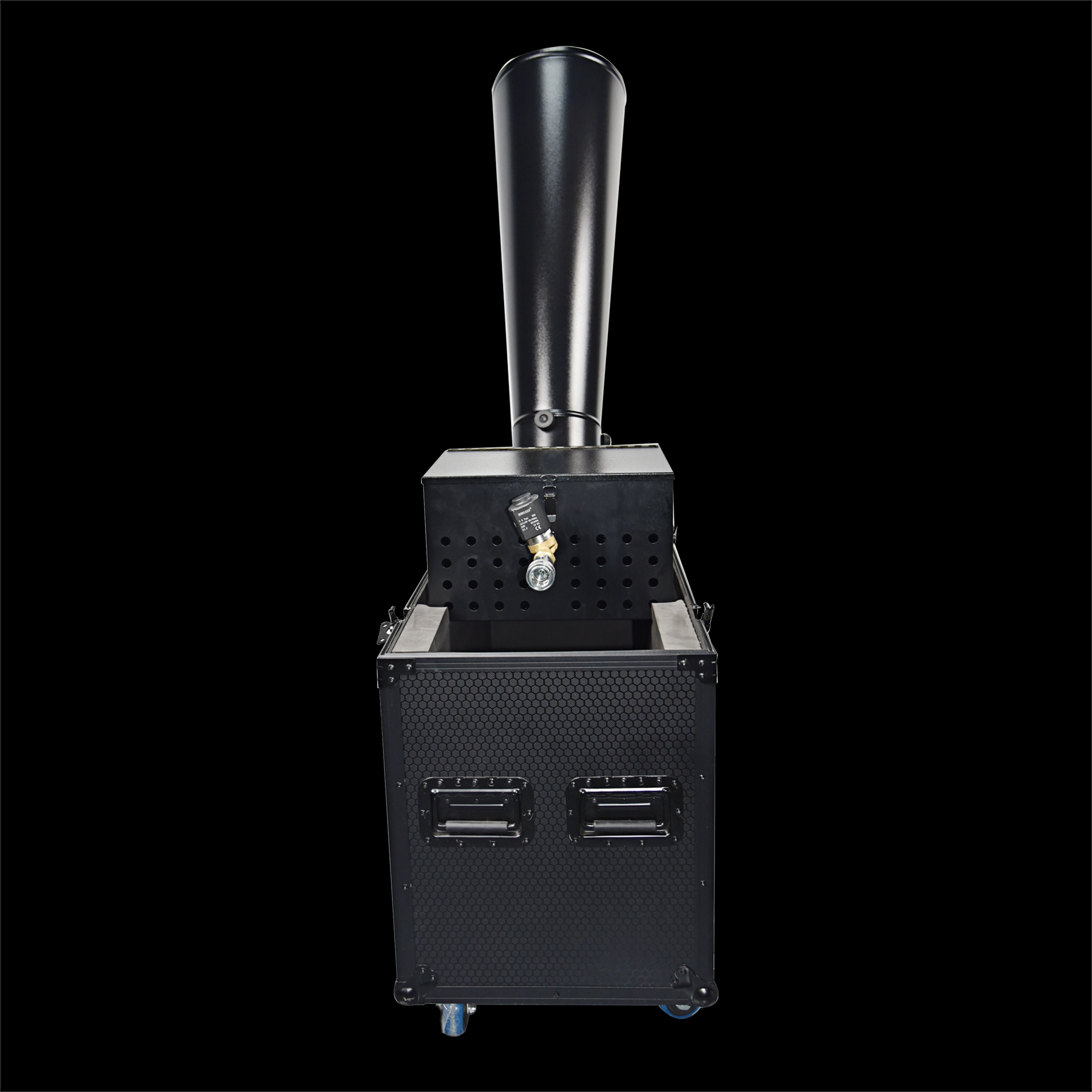
CO₂ Mini Rainbow Confetti Machine Manual Control with Durable Black Wheeled Flight Case
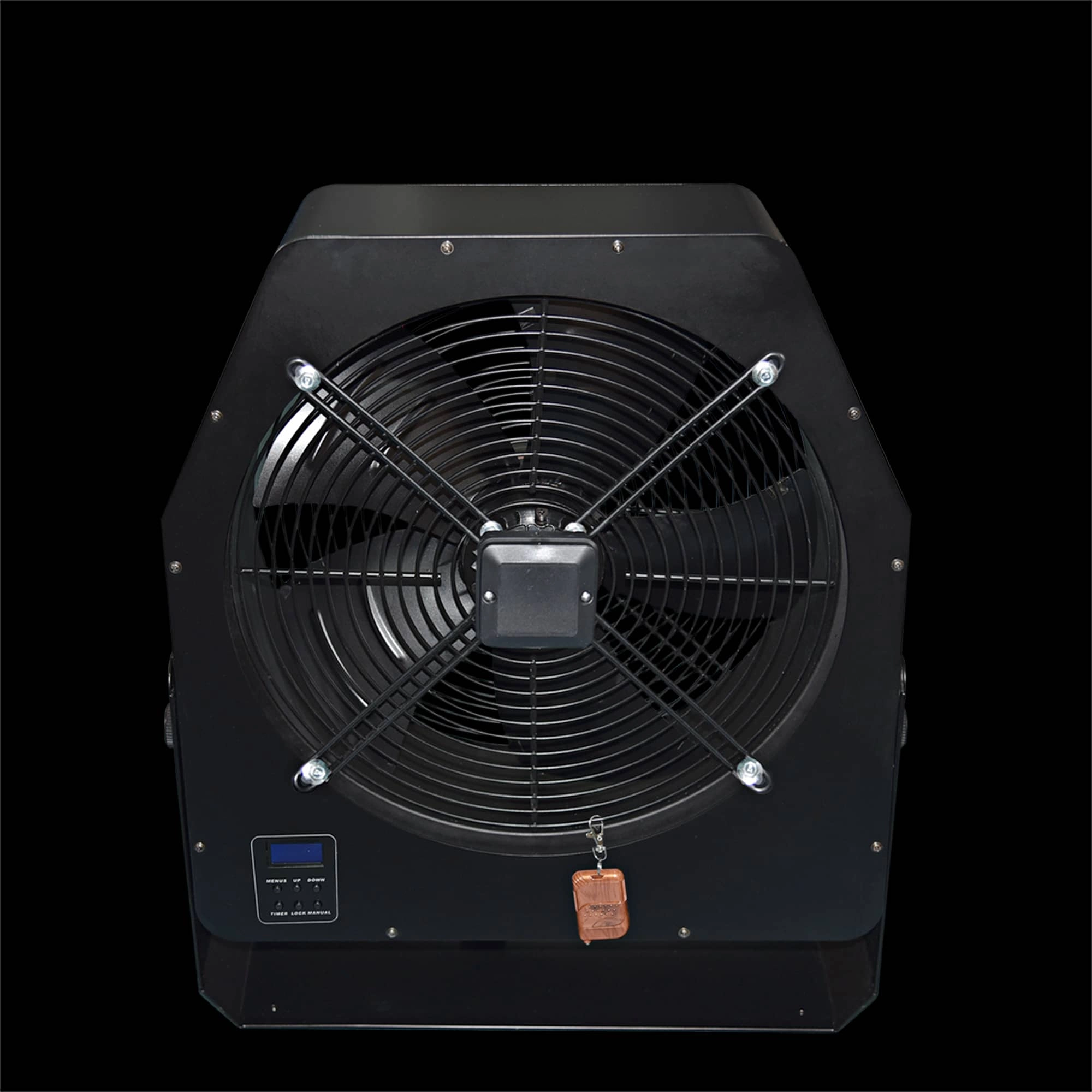
Professional Stage Big DMX Fan | High-Power Event Fan for Stage Shows & Celebrations
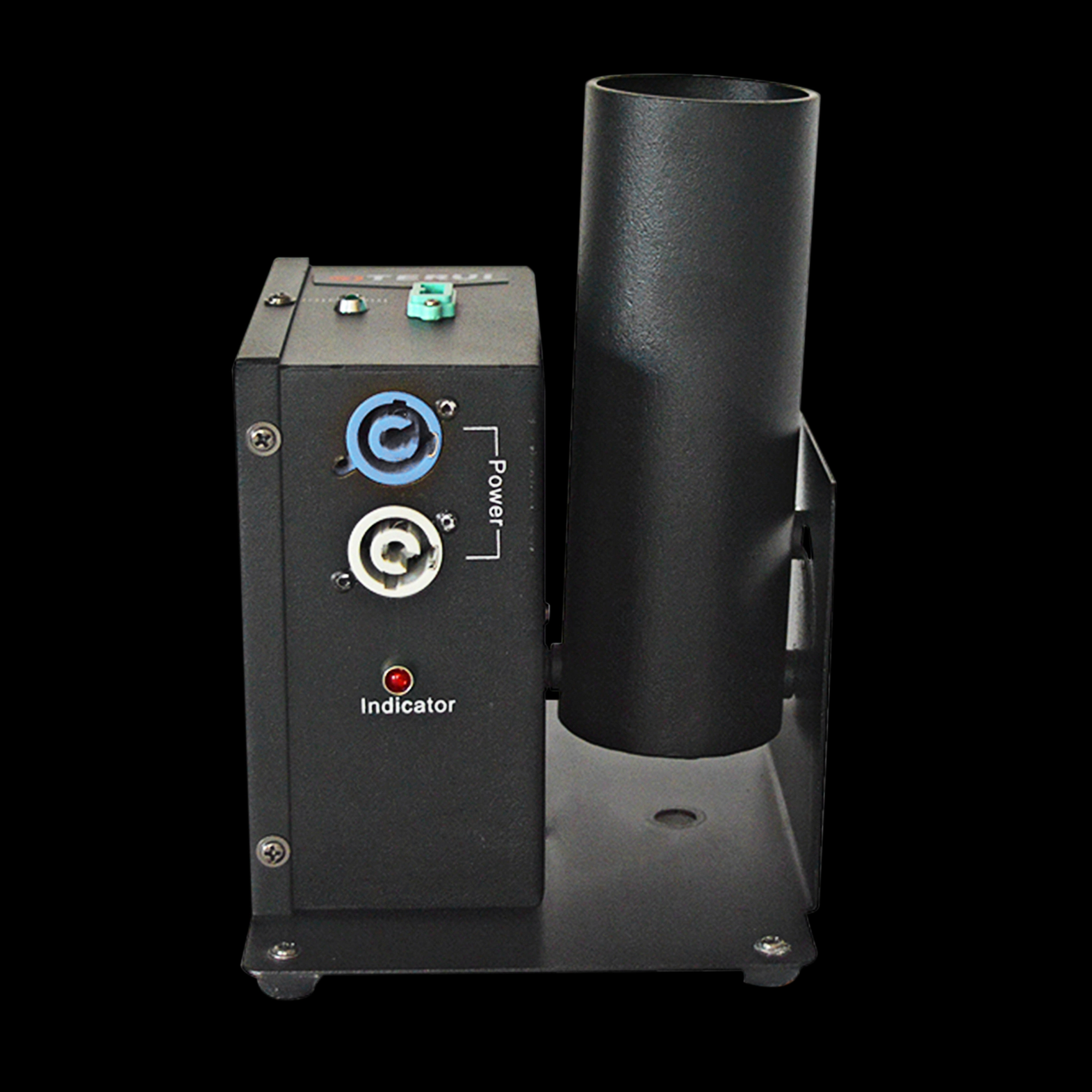
Single Shot Confetti Machine - Premium Confetti Launcher for Weddings & Stage Celebrations
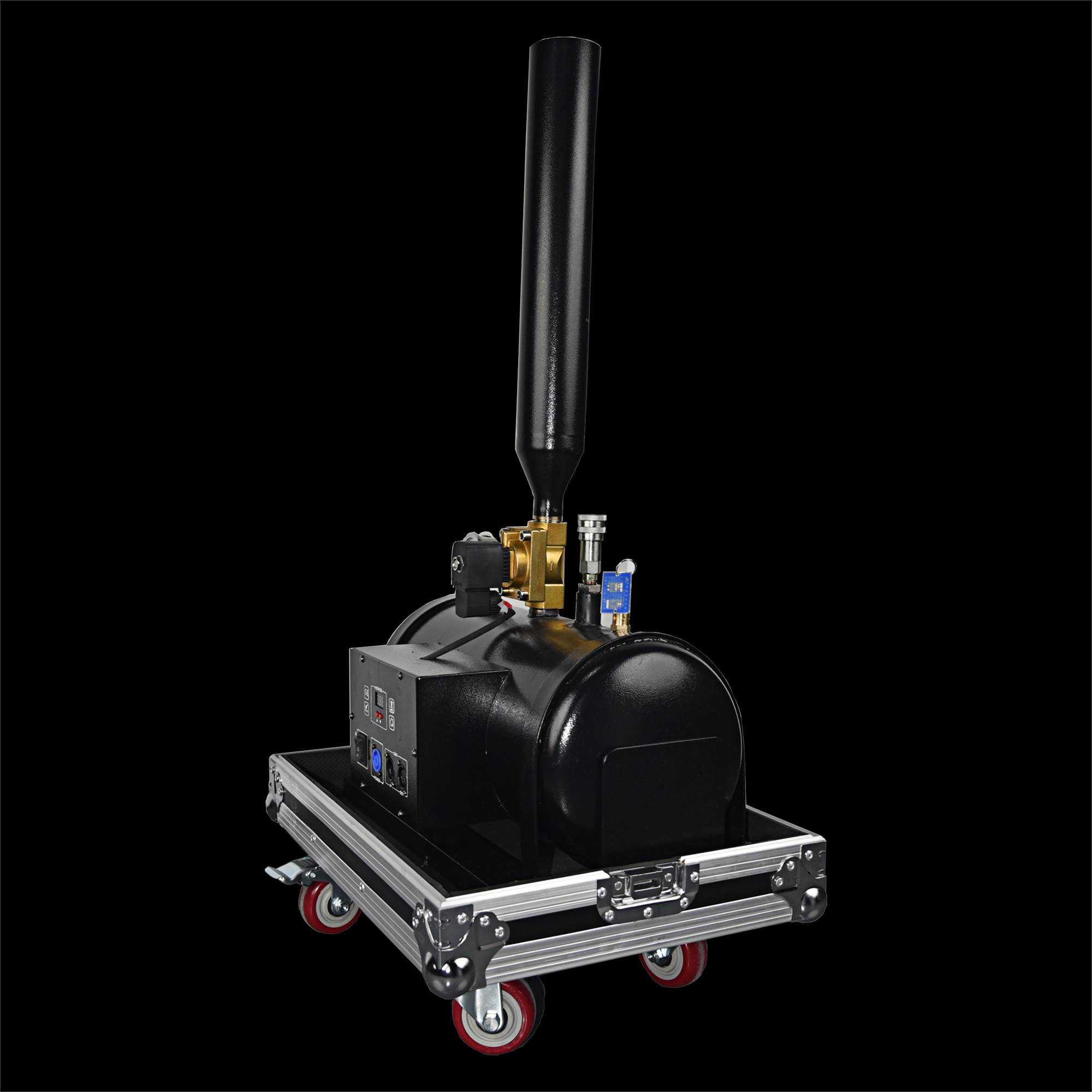
High-Altitude Confetti Cannon - Professional Confetti Blaster for Stage, Party & Celebration Events
Email: sales01@strlighting.com
WhatsApp: +86 189 2232 4800
© 2025 Siterui SFX All Rights Reserved.
 Scan QR Code
Whatsapp: +8618922324800
siteruisfx_stage_equipment
Siterui
SITERUI-SFX
STRlighting
@siterui.sfx