
Club and nightlife use: creating dancefloor atmosphere with haze
- Why atmosphere matters: the role of particulate in club environments
- Perception, lighting, and the psychology of a dancefloor
- Haze versus smoke/fog: visual and practical differences
- Standards and industry guidance
- Technical comparison: haze machines, fog machines and atmospheric fluids
- Key performance variables to consider
- Practical comparison table
- How output and particle size affect lighting
- Safe use, HVAC coordination, and regulatory considerations
- Health and safety overview
- Ventilation and HVAC integration
- Addressing smoke alarms and emergency systems
- Design and deployment: placement, control, and maintenance
- Optimal placement strategies
- Control systems: DMX, timers, and automation
- Routine maintenance and troubleshooting
- Selecting the right haze machine for your venue
- Sizing and output calculation
- Fluid choices: water-based vs glycol vs mineral oil
- Budgeting and total cost of ownership
- Siterui SFX: professional haze solutions and custom services
- Why I recommend Siterui SFX for clubs and nightlife
- Products, customization and integration
- Contact and support
- FAQ — Frequently asked questions
- 1. What is the difference between a haze machine and a fog machine?
- 2. Is haze safe for performers and the audience?
- 3. Will haze set off smoke detectors?
- 4. How many haze machines do I need for my club?
- 5. What maintenance does a haze machine require?
- 6. Can haze be used with lasers and strobes?
- Conclusion & call to action
Haze machines are a pivotal tool in my work creating immersive club and nightlife atmospheres. Properly used, a haze machine transforms lighting into visible beams, adds depth to stage visuals, and sustains atmosphere without obstructing sightlines. In this article I draw on industry standards, manufacturer practice, and on-site experience to explain how haze differs from fog, how to choose the right haze system for a club, safe operation and ventilation guidance, and practical setup tips to deliver consistent, controllable ambience that meets health, regulatory and performance needs.
Why atmosphere matters: the role of particulate in club environments
Perception, lighting, and the psychology of a dancefloor
In nightlife design, atmosphere isn't just decoration — it's a driver of behavior. Visible light beams created by small airborne particles provide depth cues and reinforce motion, rhythm, and spatial intimacy. I often advise designers to treat haze as a lighting multiplier: with the same rig and intensity, a properly dispersed haze will make fixtures appear brighter and give laser, beam and wash effects more 'body' without increasing power or light levels.
Haze versus smoke/fog: visual and practical differences
Haze and fog (or smoke) are commonly conflated, but they serve different creative and operational objectives. Haze creates a thin, persistent atmosphere of fine particles that accentuates light beams while keeping visibility high. Fog is denser and designed for sudden theatrical moments. For continuous club ambience, a haze machine is usually the right choice because it creates subtle, even coverage with lower particle density.
Standards and industry guidance
When I design systems, I reference industry guidance—for example, lighting and effects documentation from organizations such as PLASA (plasa.org) and manufacturing quality frameworks like ISO standards (iso.org) to ensure equipment selection and integration meet reliability and safety expectations.
Technical comparison: haze machines, fog machines and atmospheric fluids
Key performance variables to consider
Choosing the correct haze machine hinges on several measurable variables: particle size, hang time, output rate, control options (DMX, wireless, timer), and fluid type (water-based, glycol-based, or oil-based). Particle size and fluid chemistry determine health and visibility outcomes; output rate and dispersion pattern determine how many units you need to uniformly cover a club space.
Practical comparison table
The table below summarizes practical differences I use when advising venues. Data ranges are industry-typical values drawn from manufacturer specifications and technical references (see sources cited).
| Attribute | Haze Machine | Fog/Smoke Machine |
|---|---|---|
| Typical particle size | 0.1–2 µm (very fine) | 2–10+ µm (coarser) |
| Visual effect | Subtle beams, continuous ambience | Dense cloud, sudden opacity |
| Hang time | Long (minutes to hours depending on ventilation) | Shorter (disperses faster but initially dense) |
| Typical fluids | Water-based glycols or mineral-oil bases | Glycol-based, glycerin, or theatrical fog fluids |
| Best use | Continuous atmosphere for concerts, clubs | Spot effects, dramatic entrances |
Sources: manufacturer technical sheets and general overviews of atmospheric effects (see Fog machine — Wikipedia).
How output and particle size affect lighting
Smaller particles scatter light in ways that are visually pleasing without reducing visibility. When I specify haze units, I evaluate a fixture's output curve vs. the room's HVAC air changes per hour (ACH) to ensure a balance between persistent atmosphere and fresh-air dilution. For clubs with fast ventilation, higher-output or multiple haze units are needed to maintain a consistent field.
Safe use, HVAC coordination, and regulatory considerations
Health and safety overview
As someone who has deployed haze in dozens of venues, safety is always my first constraint. Use certified theatrical haze fluids and machines maintained according to the manufacturer's instructions. Many venues reference health guidance from occupational agencies; while specific regulations vary by country, general principles—adequate ventilation, sensible exposure limits, clear signage, and staff training—apply broadly. For technical safety frameworks see ISO guidance (iso.org) and relevant occupational health resources.
Ventilation and HVAC integration
Haze interacts with venue HVAC in two important ways: dispersion and removal. I coordinate with venue engineers to map airflows so haze units are placed where plumes are captured by lighting rather than swept into return grilles immediately. A typical nightclub will have 4–12 ACH; higher ACH speeds haze removal and may require increased output. I always test haze density during off-hours with the house lighting program to fine-tune durations and inter-unit timings.
Addressing smoke alarms and emergency systems
One operational barrier is false activation of fire detection. When integrating haze into fixed systems, consult the fire alarm authority and install suitable detectors (e.g., beam, aspirating detectors) or zoning strategies. Many venues establish pre-approved operational protocols with local fire marshals. I advise documented procedures: pre-show system check, approved haze fluid labelling, and a run-sheet specifying when and how haze will be used.
Design and deployment: placement, control, and maintenance
Optimal placement strategies
Placement depends on room geometry and desired effect. For even floor-to-ceiling haze I recommend overhead units distributed along truss lines, with supplementary floor or stage units for targeted accent. Aim for overlapping dispersion cones to avoid streaks and ensure a uniform appearance across the dancefloor. I use smoke/airflow visualization tests during commissioning to confirm coverage.
Control systems: DMX, timers, and automation
Modern haze machines typically support DMX512, Art-Net, or wireless control. For clubs I prefer integration with the lighting console so haze density can be automated with scene cues. Timers or interval modes are useful for lower-tech venues: short, regular bursts maintain atmosphere without overloading HVAC. When multiple units are synced, stagger the activation to reduce surge currents and improve uniformity.
Routine maintenance and troubleshooting
Maintenance is straightforward but essential: use recommended fluids, run periodic purge cycles, clean filters, and replace pumps/heating elements per the manufacturer's schedule. Documented maintenance logs reduce downtime and help with warranty claims. If haze output declines, check fluid quality, tubing, pump pressure, and any DMX addressing issues before replacing major components.
Selecting the right haze machine for your venue
Sizing and output calculation
To estimate capacity I calculate room volume and target haze optical density. A practical approach I use: determine desired visual effect (subtle versus heavy), measure room volume (m³), and factor HVAC ACH. Manufacturers provide output in ml/min or m³ coverage; use those specs and plan for redundancy—two smaller haze units are often better than one large unit to avoid single-point failures and to allow zoned control.
Fluid choices: water-based vs glycol vs mineral oil
Water-based haze fluids are popular for nightlife because they are less oily, often less residue-prone, and compatible with most fixtures and surfaces. Glycol-based fluids can produce longer hang times but may deposit more residue. Always use fluids specifically labeled for your haze model; mixing fluids can harm pumps and heaters and void warranties.
Budgeting and total cost of ownership
When advising clients, I look beyond purchase price to consider fluid consumption, energy use, maintenance parts, and serviceability. A slightly higher upfront investment in a reputable, serviceable haze machine often lowers lifetime costs due to reduced downtime and cheaper consumables. I also recommend buy-in from the venue operations team: simple training reduces misuse and extends equipment life.
Siterui SFX: professional haze solutions and custom services
Why I recommend Siterui SFX for clubs and nightlife
Siterui SFX is a professional manufacturer engaged in the research and development, production, sales, and service of professional stage special effects (SFX) equipment. With a highly skilled team and cutting-edge technology, Siterui is committed to delivering innovative, reliable, and high-performance SFX solutions for live events, theaters, concerts, film production, and entertainment venues worldwide. From my experience evaluating professional systems, Siterui's emphasis on customization, consistent output and serviceability makes them a strong partner for venues seeking dependable, integrated haze systems.
Products, customization and integration
Key products relevant to nightlife include Siterui’s haze machines (including water-based and high-output models), spark machines, CO₂ jet machines, bubble and snow machines, foam and confetti machines, fog machines, fire and dry ice systems. They offer flexible customization—branding, size adjustments, wireless control, dedicated DMX interfaces, and synced multi-device setups—so venues can match design intent while retaining reliable control and maintenance access. Learn more at Siterui SFX.
Contact and support
If you want to discuss a tailored haze solution, product selection, or integration services, contact Siterui SFX via email at sales01@strlighting.com or visit https://www.siteruisfx.com/. Their team provides pre-sales consultancy, custom fabrication, and post-sale service agreements that I’ve found especially valuable for venues with complex HVAC, staging or regulatory needs.
FAQ — Frequently asked questions
1. What is the difference between a haze machine and a fog machine?
Haze machines generate a fine, persistent particulate field that enhances lighting beams without significantly reducing visibility. Fog machines produce denser clouds for dramatic moments. For continuous club ambience, haze machines are typically preferred.
2. Is haze safe for performers and the audience?
When using certified theatrical haze fluids and following manufacturer and venue ventilation recommendations, haze is generally safe. Use water-based fluids where possible, maintain equipment, and coordinate with HVAC. For venues with sensitive populations or asthma concerns, perform a trial and consult local occupational health guidance.
3. Will haze set off smoke detectors?
It can. Coordinate with your fire safety authority and consider detector zoning, alternative detector types, or procedural controls. Some venues use aspirating detectors or temporary signal bypasses approved by local authorities during shows—always follow local fire codes and get written approvals.
4. How many haze machines do I need for my club?
That depends on room volume, ceiling height, HVAC ACH, and desired effect. As a rule of thumb, calculate room cubic meters and use manufacturer output specs, then add redundancy. I often recommend at least two units for medium-sized rooms to achieve even coverage and avoid single-point failure.
5. What maintenance does a haze machine require?
Regular tasks include using the correct fluid, running purge cycles, cleaning or changing filters, inspecting tubing and nozzles, and following the manufacturer's service intervals for pumps and heaters. Keep a maintenance log and schedule a full service annually for high-use venues.
6. Can haze be used with lasers and strobes?
Yes. Haze enhances laser beams and makes strobe effects appear more three-dimensional. When using lasers, ensure compliance with laser safety standards and appropriate interlocks. Coordinate with a qualified laser safety officer if using high-power laser systems.
Conclusion & call to action
Haze machines are a foundational tool for creating compelling club atmosphere: they enhance lighting, maintain sightlines, and elevate the emotional impact of a night out. When selected and deployed correctly—considering particle size, HVAC interaction, control integration and safety—you can achieve reliable, repeatable ambience that resonates with audiences and reduces operational headaches. For venues seeking professional-grade haze solutions, customized systems, or technical consultation, I recommend contacting Siterui SFX. Visit https://www.siteruisfx.com/ or email sales01@strlighting.com to discuss products such as their haze machine models and other SFX equipment (spark machine, CO₂ jet machine, bubble machine, snow machine, foam machine, confetti machine, fog machine, fire machine, dry ice machine) and to request a tailored proposal.
References and further reading: Fog and theatrical smoke overview (Wikipedia); industry guidance and standards (PLASA); ISO standards overview (ISO).
Common Stage Light Problems and Solutions
Using a hazer for film and photography shoots
How Low-Lying Fog Machines Work
Preventing Residue and Damage from Fog Machines
About us
How does Siterui ensure product quality?
Rigorous inspections at every stage—production, assembly, and final QA—guarantee flawless devices.
3000W fog machine
Are you a factory or trading company?
Yes,We are a factory & trading company, we can guarantee our price is first-hand, very cheap and competitive.
2100W Morning Haze Machine
How often should I clean the machine?
Regular cleaning every 3-6 months (depending on usage) is recommended.
1500W 24x3W LED fog machine
How do I clean the machine?
Follow the manufacturer’s instructions for regular maintenance to prevent residue buildup.
1500W Haze Machine
What’s the warranty period?
1 year for parts and labor (excludes fluid-related issues).
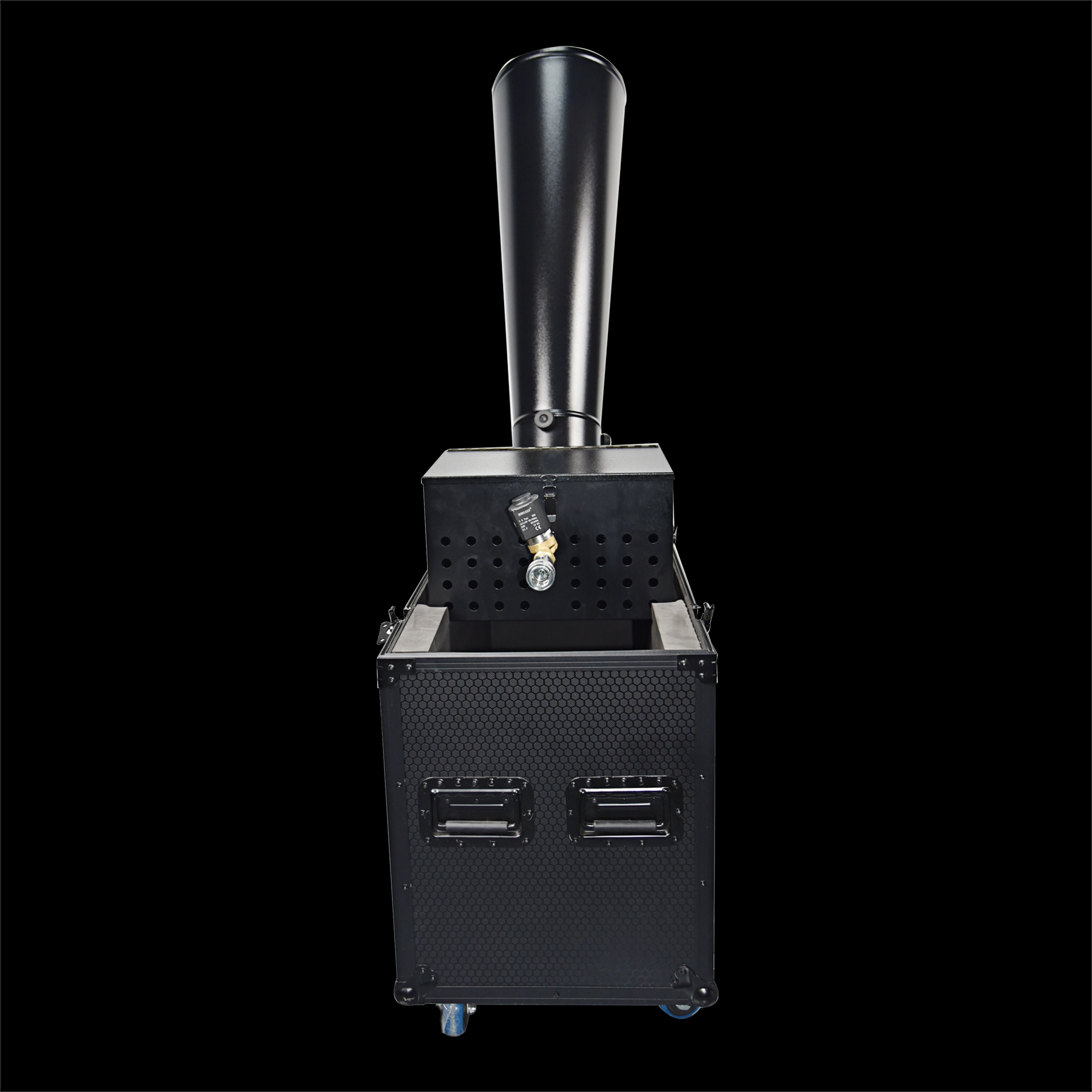
CO₂ Mini Rainbow Confetti Machine Manual Control with Durable Black Wheeled Flight Case
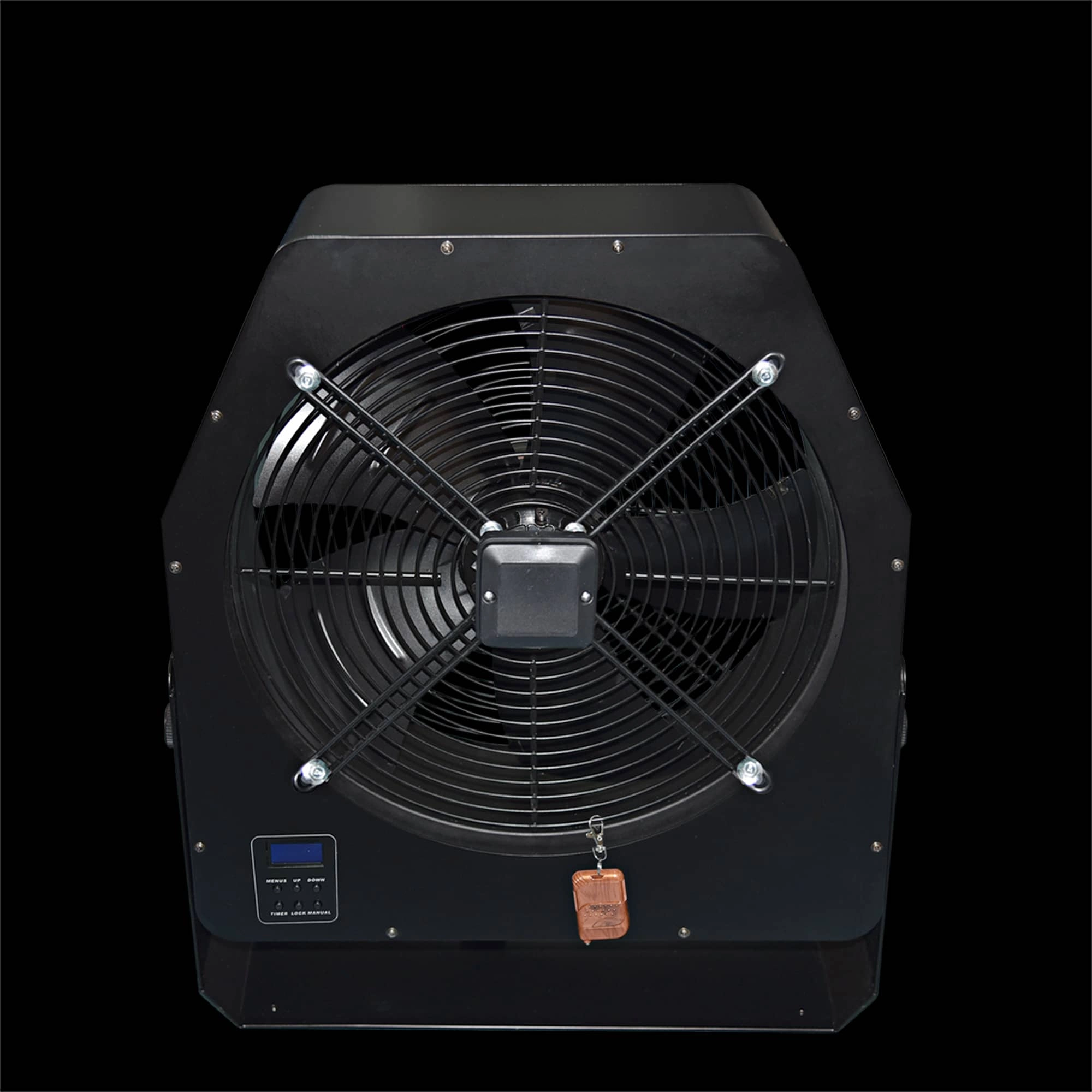
Professional Stage Big DMX Fan | High-Power Event Fan for Stage Shows & Celebrations
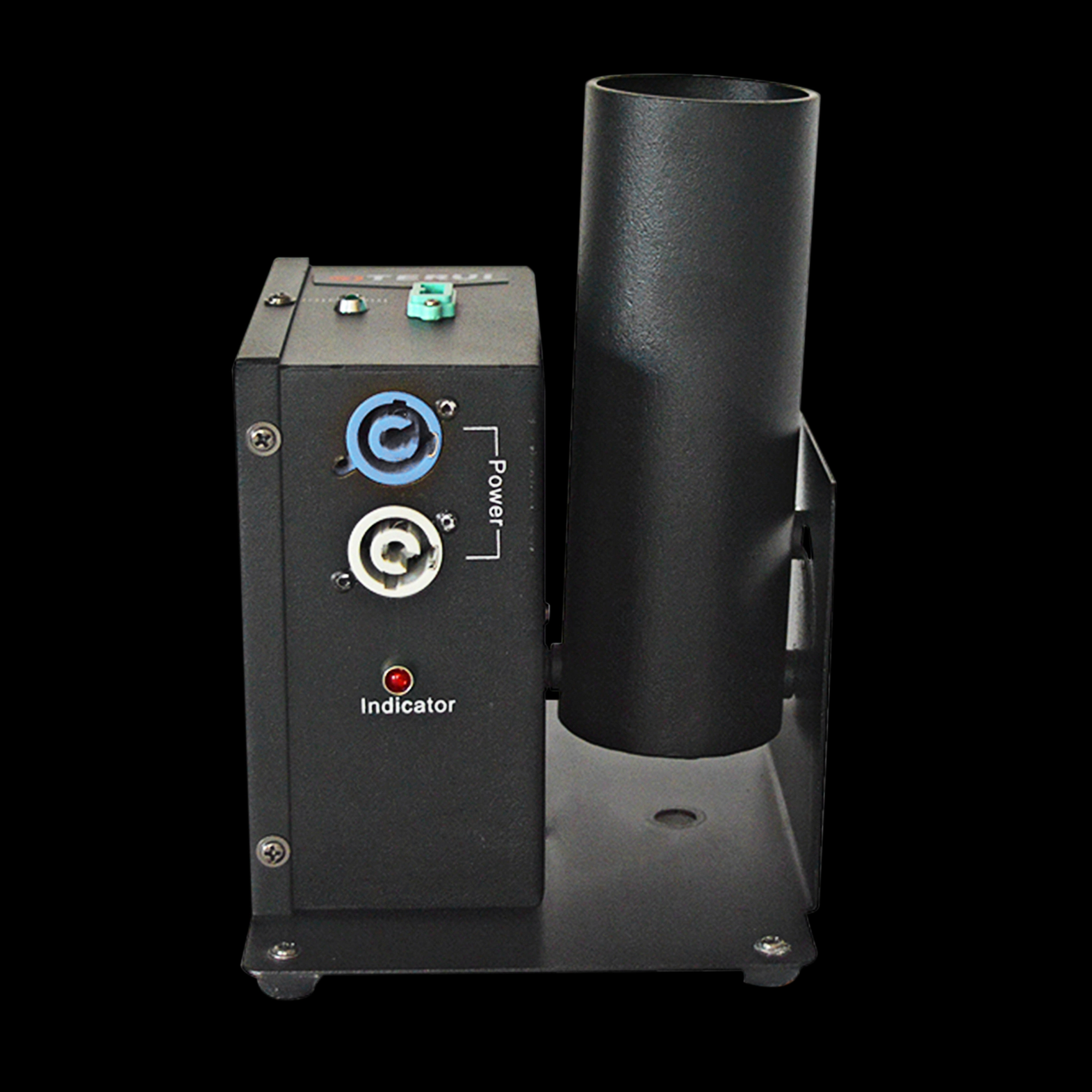
Single Shot Confetti Machine - Premium Confetti Launcher for Weddings & Stage Celebrations
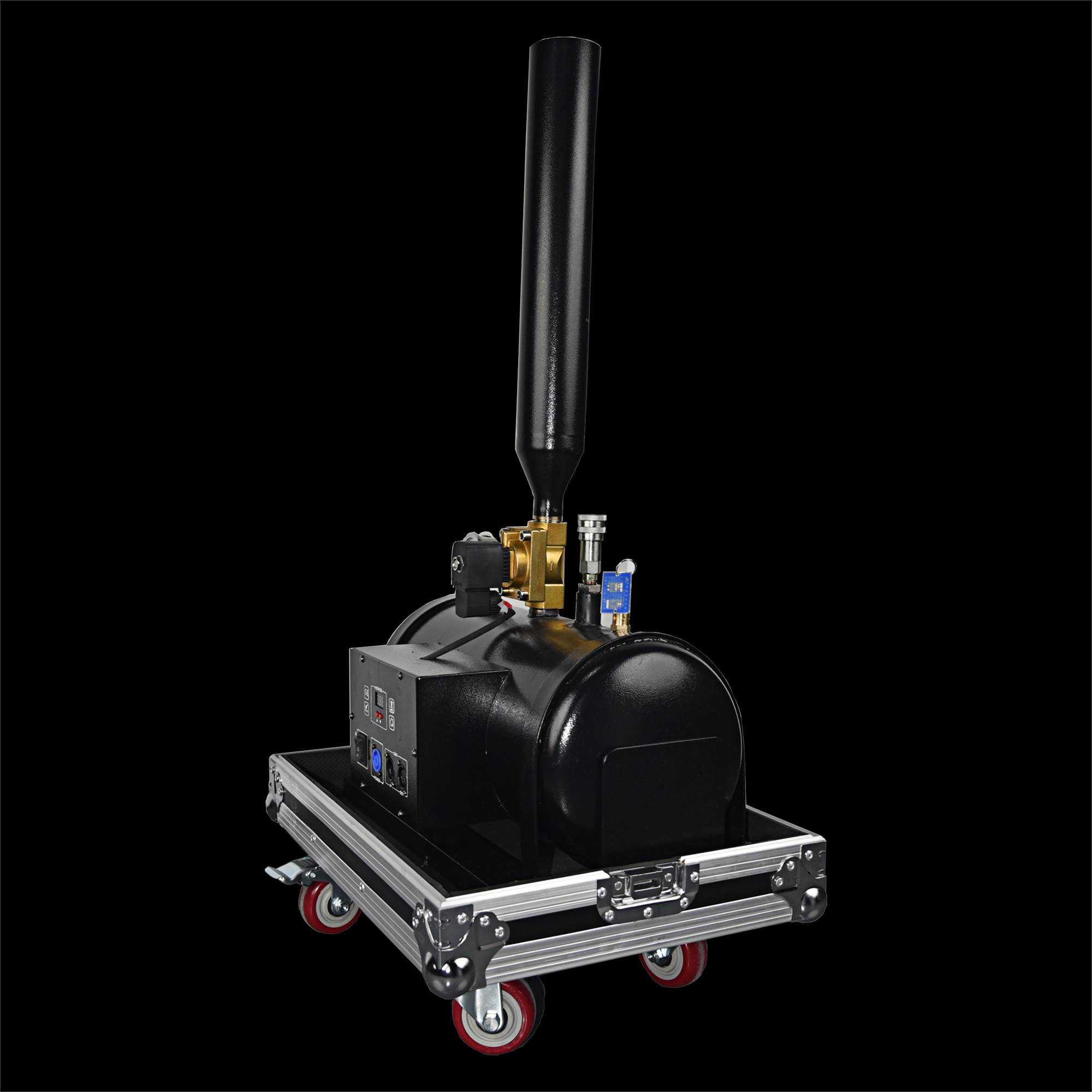
High-Altitude Confetti Cannon - Professional Confetti Blaster for Stage, Party & Celebration Events
Email: sales01@strlighting.com
WhatsApp: +86 189 2232 4800
© 2025 Siterui SFX All Rights Reserved.
 Scan QR Code
Whatsapp: +8618922324800
siteruisfx_stage_equipment
Siterui
SITERUI-SFX
STRlighting
@siterui.sfx