
Energy-Efficient Fog Machines for Long Events
- Designing Low-Energy Fog Effects for Extended Performances
- What “energy-efficient” means for fog and haze
- Why event length changes priorities
- Types of Fog Systems and Their Energy Profiles
- Thermal (heater) fog machines
- Pump-driven, low-heat fog and haze machines
- CO₂, dry-ice, and alternative jets
- Selecting an Energy-Efficient Fog Machine: Key Specs and Features
- Power rating and average draw
- Fluid type and production efficiency
- Control systems and automation
- Operational Strategies to Minimize Energy Use and Costs
- Preheat and duty-cycle optimization
- Scheduling and zoning
- Maintenance to preserve efficiency
- Quantifying Energy and Cost: Typical Power Ranges and Estimates
- Example: Cost impact across multiple events
- Air Quality, Ventilation and Compliance Considerations
- Maintain air quality while optimizing energy
- Regulatory and safety guidelines
- Implementation Checklist for Long Events
- Pre-event
- During-event
- Siterui SFX: Energy-Conscious Solutions and Customization
- Siterui SFX advantages for long events
- How Siterui helps reduce energy footprint
- Frequently Asked Questions (FAQ)
- 1. How much electricity does a fog machine use during a long event?
- 2. Should I use a haze machine as a base for long events?
- 3. Do fog machines trigger smoke detectors and fire systems?
- 4. How do I lower energy costs without reducing effect quality?
- 5. Can Siterui customize machines to be more energy-efficient?
- Contact and Next Steps
- References
Designing Low-Energy Fog Effects for Extended Performances
For long events—festivals, multi-hour concerts, theatre runs, or corporate shows—fog machines (the primary keyword: fog machines) must balance visual impact with energy consumption, reliability, and safety. Drawing on years of stage SFX consulting and product development experience, this article explains how to evaluate and implement energy-efficient fog solutions that deliver consistent atmosphere while minimizing power draw, operating costs, and downtime.
What “energy-efficient” means for fog and haze
Energy efficiency for fog machines is not only about lower wattage. It includes overall system design: heat-up energy, run-time power, fluid consumption (which affects production efficiency), duty cycle, control precision (DMX/timers), and the indirect costs of ventilation and HVAC offsets. The goal is to achieve target coverage (volume, density) with minimum total energy consumed over the event duration.
Why event length changes priorities
Short shows prioritize peak effect and fast refill; long events prioritize steady-state consumption, reliable cooling/heating cycles, and easy remote automation. Systems that work for a 2-hour set may be inefficient or unreliable on an 8–12 hour festival day unless selected and configured properly.
Types of Fog Systems and Their Energy Profiles
Thermal (heater) fog machines
Thermal foggers vaporize fluid by heating elements. They usually have higher power draw at start-up (heater element warm-up) and moderate-to-high continuous power while maintaining temperature. Thermal theatrical fog machines are common in live events for dense, billowing fog but require attention to duty cycles and reservoir management for long runs.
Pump-driven, low-heat fog and haze machines
Haze machines and some low-temperature foggers use pumps to aerosolize fluid without large heaters; their continuous power is typically lower. Haze machines are energy-efficient for creating persistent, even look over long durations, though they produce a finer mist rather than heavy clouds.
CO₂, dry-ice, and alternative jets
CO₂ jets and dry-ice units deliver dramatic short bursts with different physical mechanisms and often significant instantaneous energy (pneumatics, gas consumption) but low continuous electrical load. For long events, these are best used intermittently in coordination with low-power fog/haze systems.
Selecting an Energy-Efficient Fog Machine: Key Specs and Features
Power rating and average draw
Compare both peak power (heater warm-up) and run-time power. A machine rated 1500 W may draw less than that most of the time if it cycles; however, inefficient cycling or under-specified units can repeatedly reheat and waste energy. Look for manufacturers that publish run-time kW or duty-cycle curves.
Fluid type and production efficiency
Fog fluids differ (glycol/water vs. mineral-oil based) in vaporization efficiency and residue. Higher-efficiency fluids produce more visible effect per milliliter, reducing pumping and reheating frequency, which saves energy over long events. Always match fluid recommendations from the manufacturer to maintain heater efficiency and avoid clogging.
Control systems and automation
Digital control (DMX/RDM, wireless control, timers) allows precise dosing and scheduling. Instead of manual on/off, automated cues and modulation maintain target density with minimal energy—short bursts or lower-intensity continuous output as needed. Look for models with variable output and programmable profiles for day-long events.
Operational Strategies to Minimize Energy Use and Costs
Preheat and duty-cycle optimization
Preheat once, then manage output rather than turning heaters on/off repeatedly. Use variable output to stay in a lower-energy steady-state when full density isn’t required. For shows with periodic peaks, combine a low-power haze base with occasional high-density thermal fog bursts.
Scheduling and zoning
For multi-stage events or venues with zones, only run fog machines where visible impact is required. Zone control reduces unnecessary energy use and HVAC load. Integrate fog control with show lighting and stage automation to avoid redundant effects.
Maintenance to preserve efficiency
Regular cleaning of heaters, pump seals, and nozzles keeps vaporization efficient and reduces reheat cycles. Blocked nozzles and degraded heaters waste power and shorten equipment life. Implement simple checklists for multi-day events: daily clean, fluid level checks, and one deeper maintenance pass between event days.
Quantifying Energy and Cost: Typical Power Ranges and Estimates
The following table summarizes typical power draws and an annual cost estimate example for continuous operation during a 12-hour event. Estimates use representative manufacturer power ranges and U.S. average electricity price (U.S. EIA). Individual product specifications vary—always verify with manufacturer datasheets.
| Type | Typical Power Draw (W) | Usage for 12-hour Event (kWh) | Estimated Energy Cost (12h) @ $0.15/kWh | Best Use |
|---|---|---|---|---|
| Small consumer fog machine | 300–800 W | 3.6–9.6 kWh | $0.54–$1.44 | Short runs, small rooms |
| Theatrical thermal fog machine | 1200–3000 W | 14.4–36 kWh | $2.16–$5.40 | High-density clouds, concert peaks |
| Haze machine (water-based) | 60–600 W | 0.72–7.2 kWh | $0.11–$1.08 | Long-duration ambient haze |
| CO₂/dry ice jets (intermittent) | Variable – mostly pneumatic/gas | Low electrical kWh; gas cost varies | Electrical: <$0.50; Gas: variable | Short burst effects |
Sources: manufacturer product pages and U.S. Energy Information Administration pricing guide (see References). These numbers are illustrative; use exact device specs for budgeting.
Example: Cost impact across multiple events
If you operate a mid-range theatrical fog machine (1.5 kW) for 12 hours per event, 10 events per year, energy use: 1.5 kW × 12 h × 10 = 180 kWh. At $0.15/kWh, annual cost = $27. In practice, HVAC increases and gas/consumables can outweigh electrical costs; however electrical strategy optimization reduces total operational expenditure and carbon footprint.
Air Quality, Ventilation and Compliance Considerations
Maintain air quality while optimizing energy
Long-duration effects can impact ventilation needs. Increased fog/haze density may trigger HVAC or fire systems. Collaborate with venue engineers to balance effect density with ventilation flow rates. Controlled, lower-intensity haze may allow minimal HVAC adjustments compared with repeated dense fog bursts that require rapid air exchange.
Regulatory and safety guidelines
Follow manufacturer safety data sheets (SDS) for fog fluids and be aware of local fire code interactions (e.g., smoke detectors). Use units with appropriate certifications and consult venue fire safety officers ahead of events to avoid false alarms and ensure legal compliance.
Implementation Checklist for Long Events
Pre-event
- Choose a primary low-power haze or low-wattage fogger as the energy-efficient base.
- Plan bursts from higher-power fog units only where visible peaks are required.
- Verify DMX/timer programming and remote-control redundancy.
- Coordinate with venue HVAC and fire safety teams.
During-event
- Run heaters continuously at stable setpoints where possible to avoid repeated warm-ups.
- Monitor fluid levels and pre-fill spares to avoid emergency swaps.
- Use zone-based control and keep unused devices off.
Siterui SFX: Energy-Conscious Solutions and Customization
Siterui SFX is a professional manufacturer engaged in the research and development, production, sales, and service of professional stage special effects (SFX) equipment. With a highly skilled team and cutting-edge technology, we are committed to providing innovative, reliable, and high-performance SFX solutions for live events, theaters, concerts, film production, and entertainment venues worldwide.
At Siterui SFX, we understand that every stage, event, and creative concept is unique. That’s why we offer flexible customization services to meet your specific needs—whether it's branding, special functions, size adjustments, or complete system integration. From custom casing and logo printing to wireless control systems and synced multi-device setups, our expert team works closely with you to design SFX solutions that align perfectly with your needs.
Our commitment to quality and innovation ensures that our clients receive cutting-edge effects that enhance the visual and sensory experience of every performance. We pride ourselves on exceptional customer service and continuous advancement, positioning Siterui as a trusted partner in the professional special effects industry.
Siterui SFX advantages for long events
- Product range and specialization: spark machine, Haze Machine, CO₂ Jet Machine, Bubble Machine, Snow Machine, Foam Machine, Confetti Machine, fog machine, fire machine, dry ice machine—each designed for reliability and sustained operation.
- Customization: power profiles, firmware for duty-cycle optimization, and bespoke control interfaces to minimize energy use while maintaining artistic intent.
- Technical support and service: event-ready testing, on-site support options, and maintenance training to preserve efficiency during long runs.
How Siterui helps reduce energy footprint
Siterui integrates low-power haze bases, scalable thermal fog modules, and intelligent control logic (timed cues, adaptive output based on DMX feedback) to minimize energy while delivering desired density. For clients with tight energy budgets or green-event targets, Siterui provides specification packages showing expected kW use and recommended operation profiles for multi-day events.
Frequently Asked Questions (FAQ)
1. How much electricity does a fog machine use during a long event?
Typical ranges vary by type: small consumer foggers 300–800 W, theatrical thermal foggers 1200–3000 W, and haze machines 60–600 W. Actual consumption depends on duty cycle and control settings. For budgeting, calculate kW × hours of operation and multiply by local electricity rate.
2. Should I use a haze machine as a base for long events?
Yes. Haze machines are generally more energy-efficient for sustained atmosphere, producing fine aerosols at lower continuous power. Pair a haze solution with occasional fog bursts for dramatic moments.
3. Do fog machines trigger smoke detectors and fire systems?
They can. Dense fog can set off smoke detectors. Coordinate with venue safety officers, use detection masking strategies only when approved, or route effects to areas where detectors are appropriately shielded or temporarily adjusted in accordance with fire codes.
4. How do I lower energy costs without reducing effect quality?
Optimize by selecting efficient fluids, using digital control for precise dosing, implementing steady-state heater operation, zoning devices, and conducting preventative maintenance to keep units operating at optimal efficiency.
5. Can Siterui customize machines to be more energy-efficient?
Yes. Siterui offers custom firmware, control interfaces, and hardware adjustments (e.g., heat shielding, variable-output modules) to tailor power profiles and improve efficiency for client-specific event needs.
Contact and Next Steps
If you are planning a long-duration event and want a tailored SFX plan—energy-optimized fog/haze designs, equipment packages, or on-site support—contact Siterui SFX for consultation and product options. Explore product specifications and request a quote to receive a detailed energy and operational plan aligned with your production goals.
Call-to-action: Contact Siterui SFX to discuss energy-efficient fog solutions, or view our fog machine, haze machine, CO₂ jets, dry ice and other SFX product lines to find the right configuration for your long event.
References
- Fog machine — Wikipedia. https://en.wikipedia.org/wiki/Fog_machine (Accessed 2026-01-08)
- Chauvet DJ product information (example specs and power ratings). https://www.chauvetdj.com/ (Accessed 2026-01-08)
- ADJ Products — fog and haze machine specifications. https://www.adj.com/ (Accessed 2026-01-08)
- U.S. Energy Information Administration — Electricity explained / average prices. https://www.eia.gov/ (Accessed 2026-01-08)
- Manufacturer safety data sheets (SDS) and product manuals—consult specific device pages for exact duty cycles, fluid compatibility, and maintenance recommendations (various manufacturers; see product documentation) (Accessed 2026-01-08)
For device-specific energy figures, duty-cycle charts, and safety guidance, always consult the product datasheets and local venue regulations prior to operation.
Top haze smoke machine Manufacturers and Suppliers in us
Top Commercial Snow Machines: Features and Pricing
DMX and Remote Control Setup for Professional Snow Machines
DMX Lighting Basics for Stage Light Control
750W Move Head Cold Electronic Spark Machine
Are you a factory or trading company?
We are a factory with direct pricing, ensuring competitive rates.
Single-Head CO2 Jet Machine
How does your factory do regarding quality control
All the products will be 100% checked before the shipment
What is the warranty period?
The standard warranty is 1 year, covering manufacturing defects.
About us
Can Siterui handle large-scale projects?
Absolutely! Our expertise, equipment, and resources enable us to tackle complex orders.
large 300W Silver Iron Case Bubble Machine
How could l get a sample?
if you can not buy our product in your local area, we will ship a sample to you.You will be charged a sample priceplus all related shipping costs.Express delivery charge depends on the quantity of the samples.
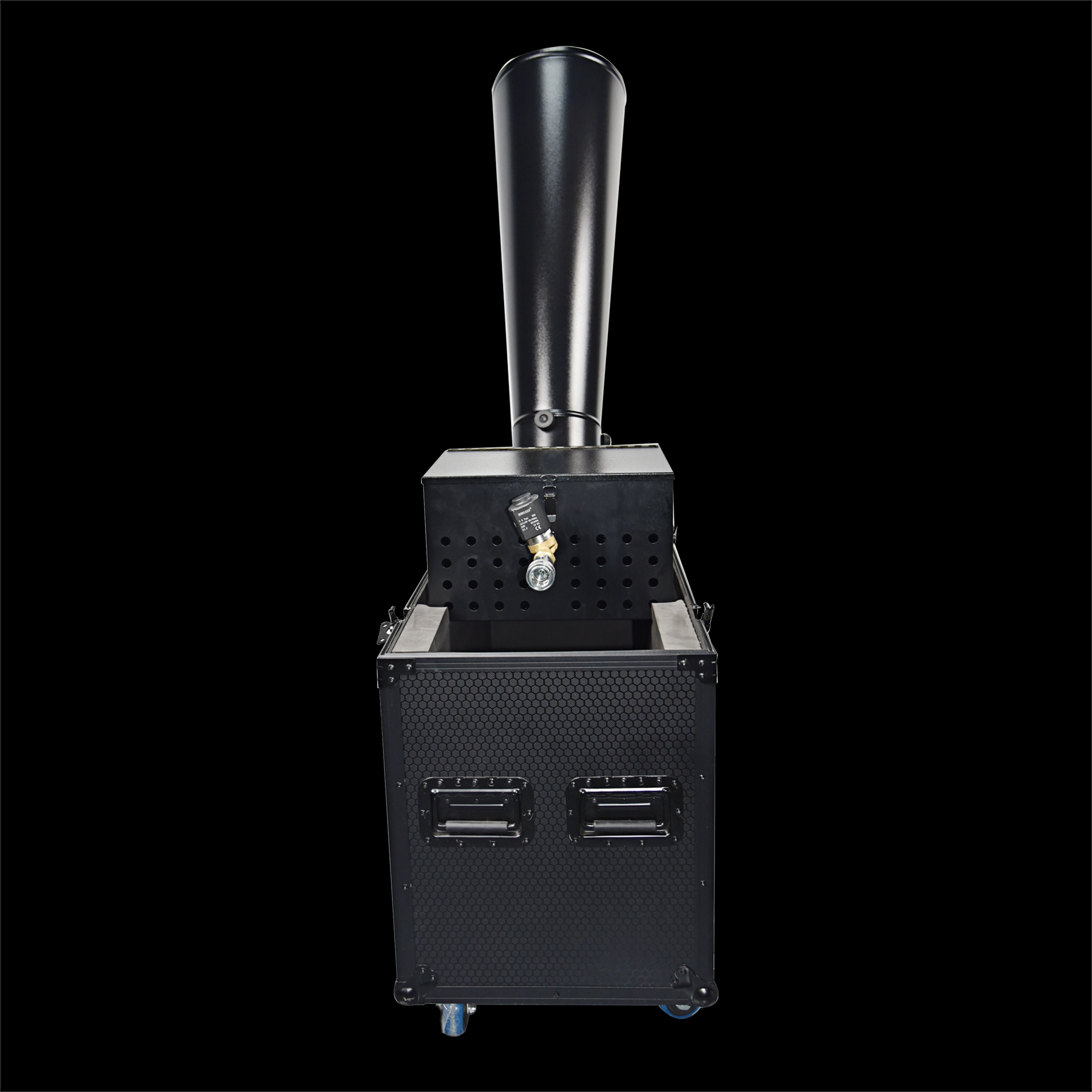
CO₂ Mini Rainbow Confetti Machine Manual Control with Durable Black Wheeled Flight Case
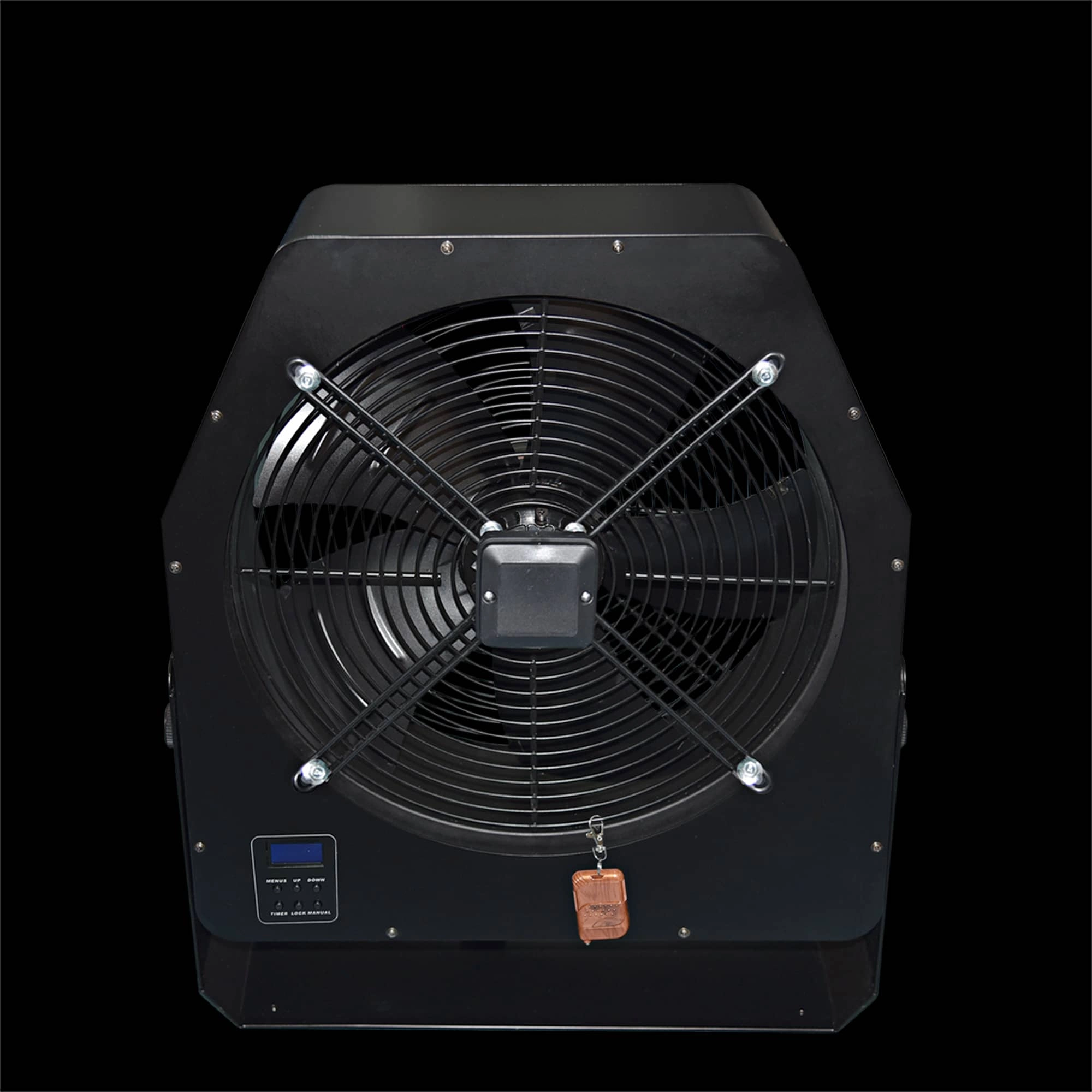
Professional Stage Big DMX Fan | High-Power Event Fan for Stage Shows & Celebrations
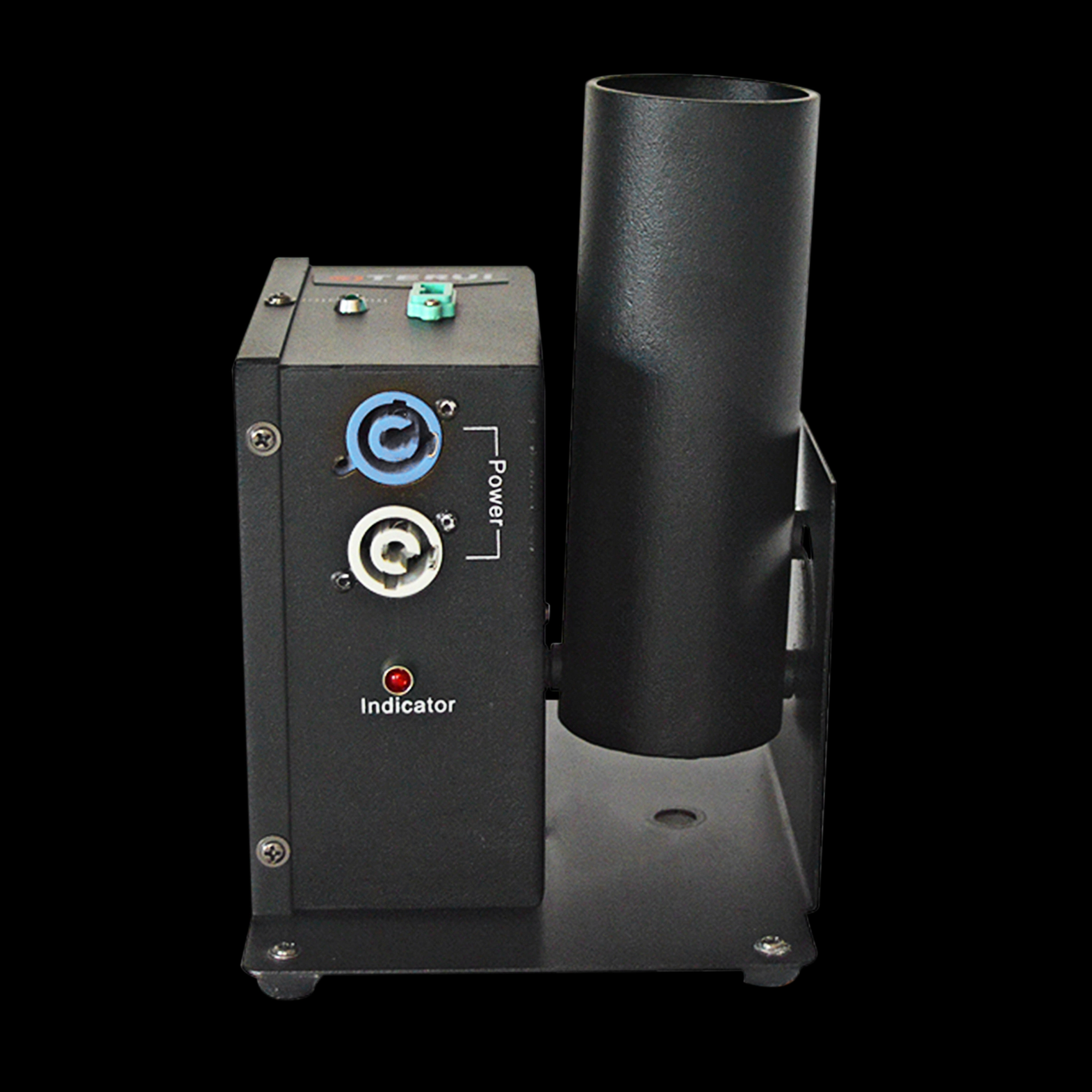
Single Shot Confetti Machine - Premium Confetti Launcher for Weddings & Stage Celebrations
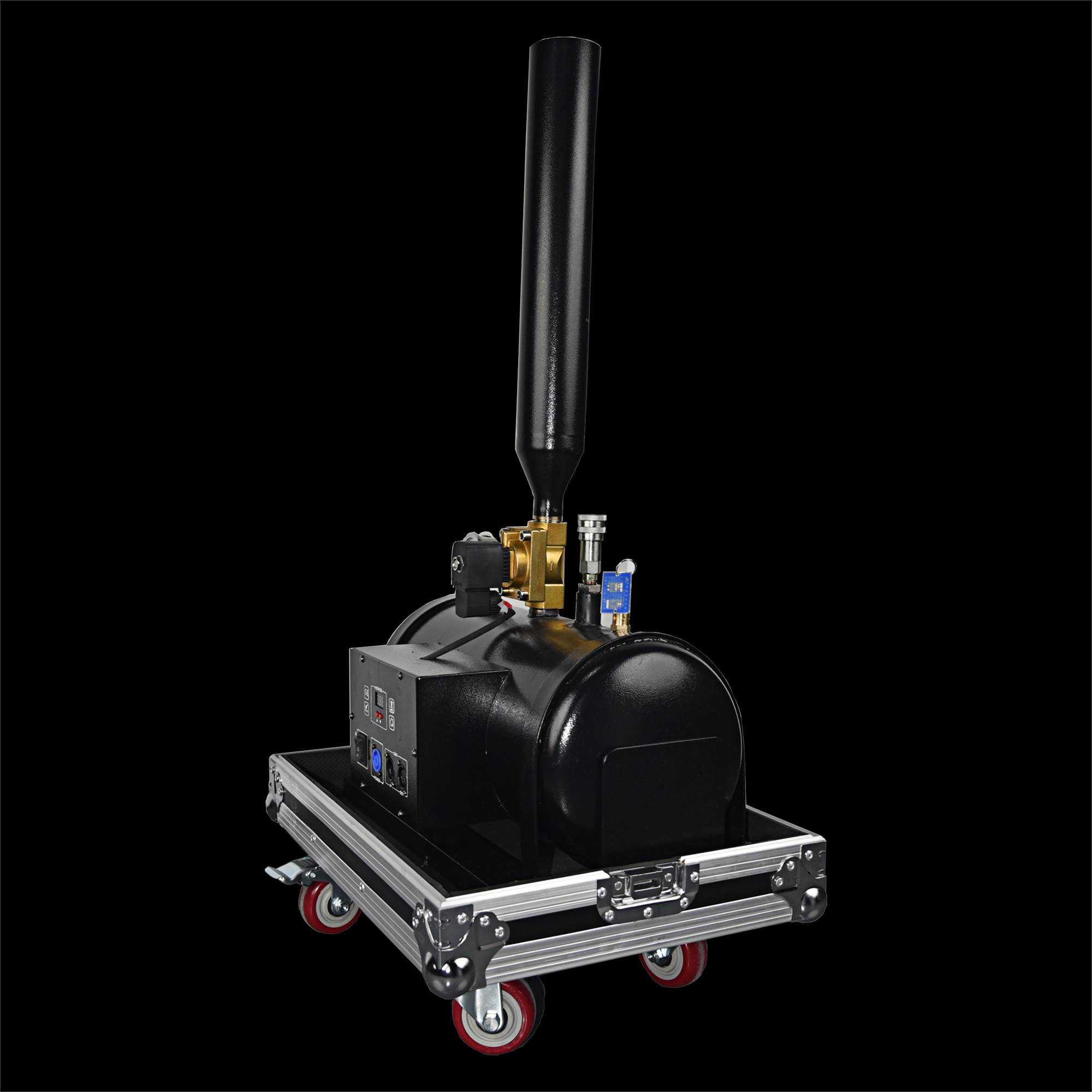
High-Altitude Confetti Cannon - Professional Confetti Blaster for Stage, Party & Celebration Events
Email: sales01@strlighting.com
WhatsApp: +86 189 2232 4800
© 2025 Siterui SFX All Rights Reserved.
 Scan QR Code
Whatsapp: +8618922324800
siteruisfx_stage_equipment
Siterui
SITERUI-SFX
STRlighting
@siterui.sfx