
Energy-Efficient Haze Machines: Cost Savings for Venues
- Why energy efficiency matters for venues
- Operational budgets and recurring costs
- Environmental responsibility and regulatory pressures
- How haze machines work and where energy is used
- Core components and energy sinks
- Types of haze generators and typical behaviors
- Cost-savings analysis: what venues actually save
- Methodology and assumptions
- Example annual energy and cost comparison
- Hidden savings: HVAC, fluid consumption, and maintenance
- How to choose and deploy energy-efficient haze machines
- Procurement checklist for venues
- Operational best practices to maximize savings
- Siterui SFX solutions: efficiency, customization, and performance
- Who Siterui SFX is and how we support venues
- Product strengths and competitive differentiation
- Implementation checklist and next steps
- Pilot and measurement
- Vendor selection and contract points
- FAQ — Frequently Asked Questions
- 1. How much electricity does a haze machine use?
- 2. Will switching to an energy-efficient hazer reduce my HVAC costs?
- 3. Are haze fluids different for energy-efficient machines?
- 4. How do I verify manufacturer power claims?
- 5. What other operational practices reduce haze-related costs?
- 6. Can Siterui SFX customize haze machines for my venue?
- References
Why energy efficiency matters for venues
Operational budgets and recurring costs
For performing arts centers, clubs, arenas, and rental houses, operating budgets are tightly managed. Lighting, sound, HVAC, and special effects each contribute to recurring electricity and maintenance costs. While a single haze machine’s hourly draw may seem small, multiplied across many events and devices, energy use — and its associated cost — becomes material. Venue managers who track equipment-level consumption can identify meaningful savings opportunities by prioritizing energy-efficient stage effects.
Environmental responsibility and regulatory pressures
Venue operators increasingly face sustainability targets and local regulations on energy use and indoor air quality. Lower-power haze machines produce less waste heat and reduce HVAC load, decreasing carbon emissions associated with electricity. Energy-efficient equipment can help venues meet internal sustainability goals and public reporting requirements while improving guest comfort.
How haze machines work and where energy is used
Core components and energy sinks
A haze machine (hazer) creates a fine, long-lasting aerosol to make light beams visible and enhance atmosphere. Key subsystems that consume energy are the heater (for fluid vaporization in thermal hazers), the pump and fluid delivery system, fans for aerosol distribution, and control electronics and wireless modules. Different architectures (thermal vs. non-thermal / ultrasonic vs. oil-based continuous hazers) allocate energy differently across these subsystems.
Types of haze generators and typical behaviors
There are broadly two operational categories: intermittent high-power foggers (burst output) and continuous hazers (steady low-to-moderate draw). Fog machines used for dense fog effects tend to use high-power heating elements that cycle on and off, while modern continuous hazers are designed to run for hours with sealed fluid systems and efficient fans. Choosing the right type for the intended effect is the first step toward energy savings.
Cost-savings analysis: what venues actually save
Methodology and assumptions
To make savings meaningful and verifiable we use a transparent example calculation. Assumptions used below are stated clearly and can be altered to model a specific venue’s reality.
- Events per year: 50
- Average runtime per event: 6 hours
- Electricity price: $0.15 / kWh (U.S. average used for illustration — adjust to your local tariff)
- Device profiles (representative):
- Traditional fog machine: heating element with burst operation; effective average draw approximated at 750 W (1500 W heater cycling; 50% duty during show)
- Conventional hazer: continuous operation at 600 W
- Energy-efficient hazer: continuous optimized design at 300 W
Example annual energy and cost comparison
Using the above assumptions we calculate annual kWh and electricity cost for each device. The math is traceable: kWh = (W / 1000) × hours × events. Cost = kWh × electricity price.
| Device | Average Draw (W) | Annual kWh (50 events × 6 h) | Annual Cost (@ $0.15/kWh) |
|---|---|---|---|
| Traditional fog machine (burst avg) | 750 | 225 kWh | $33.75 |
| Conventional hazer | 600 | 180 kWh | $27.00 |
| Energy-efficient hazer | 300 | 90 kWh | $13.50 |
Direct electrical savings between a conventional hazer and an energy-efficient hazer in this scenario are 90 kWh/year (about $13.50). Versus a traditional fog machine the savings are 135 kWh/year (~$20.25). These amounts are modest for a single device but scale quickly when you multiply by number of devices or events.
Hidden savings: HVAC, fluid consumption, and maintenance
Energy-efficient hazers reduce more than just plug-loads. Lower electrical draw typically means lower waste heat emission. Waste heat increases cooling load; reducing it saves HVAC energy. Example: reducing average device heat by 300 W across an event equates to 0.3 kW × 6 h × 50 = 90 kWh of heat energy. With a representative cooling system coefficient-of-performance (COP) of 3.0, cooling-side electricity savings could be ~30 kWh/year (~$4.50). Combined with plug-load savings, total energy savings rise noticeably.
Other operational savings include:
- Fluid efficiency: modern hazers atomize fluid more uniformly, stretching liters per hour and cutting consumable cost;
- Maintenance and downtime: efficient designs use sealed pumps and fewer high-temperature cycles, lowering service frequency;
- Labor: remote control, scheduling, and integration reduce manual intervention.
How to choose and deploy energy-efficient haze machines
Procurement checklist for venues
When specifying haze equipment, evaluate the following items to capture real-world savings and performance:
- Actual measured power draw at typical operating settings (request manufacturer test data);
- Fluid consumption rates (mL/hr) at the same settings;
- Duty cycle capability — rated continuous runtime vs. intermittent use;
- Control options (DMX/RDM, Art-Net, wireless, timers) to enable scheduled power-downs and centralized management;
- Serviceability and warranty terms (mean time between failures, spare parts availability);
- Emission characteristics and compatibility with venue HVAC and safety protocols.
Operational best practices to maximize savings
Even the most efficient hazers benefit from smart operation:
- Use scene-based profiles to set minimal haze density for visibility rather than maximum output;
- Integrate haze control with lighting cues and occupancy schedules to avoid unnecessary runtime;
- Monitor energy use with submetering or smart power strips to validate real savings and spot faulty devices;
- Train technicians on fluid-handling and preventive maintenance to maintain efficiency over the product lifecycle.
Siterui SFX solutions: efficiency, customization, and performance
Who Siterui SFX is and how we support venues
Siterui SFX is a professional manufacturer engaged in the research and development, production, sales, and service of professional stage special effects (SFX) equipment. With a highly skilled team and cutting-edge technology, we are committed to providing innovative, reliable, and high-performance SFX solutions for live events, theaters, concerts, film production, and entertainment venues worldwide.
At Siterui SFX, we understand that every stage, event, and creative concept is unique. That’s why we offer flexible customization services to meet your specific needs—whether it’s branding, special functions, size adjustments, or complete system integration. From custom casing and logo printing to wireless control systems and synced multi-device setups, our expert team works closely with you to design SFX solutions that align perfectly with your needs. Our commitment to quality and innovation ensures that our clients receive cutting-edge effects that enhance the visual and sensory experience of every performance. We pride ourselves on exceptional customer service and continuous advancement, positioning Siterui as a trusted partner in the professional special effects industry.
Product strengths and competitive differentiation
Siterui’s product lineup includes spark machine, Haze Machine, CO₂ Jet Machine, Bubble Machine, Snow Machine, Foam Machine, Confetti Machine, fog machine, fire machine, and dry ice machine. Key strengths for venues considering Siterui include:
- Energy-optimized haze designs with low continuous draw and effective atomization, delivering long run-times with minimal power;
- Robust control interfaces (DMX, wireless, and scheduled automation) for optimized operation and reduced runtime;
- Customizable housings and integration options to fit venue aesthetic and rack space constraints;
- Industry-grade components and in-house testing that improve MTBF and reduce maintenance calls;
- Global after-sales support and spare parts availability for minimal downtime.
These strengths translate into measurable ROI through lower electricity bills, reduced HVAC load, lower consumable usage, and predictable maintenance costs—particularly when deployed as part of a venue-wide efficiency plan.
Implementation checklist and next steps
Pilot and measurement
Before rolling out devices venue-wide, pilot an energy-efficient hazer on a representative program. Use a plug-level power logger to measure real consumption across typical cues and compare against incumbent equipment. Include measurement of HVAC impact where possible (temperature differentials, cooling runtime changes).
Vendor selection and contract points
When finalizing procurement, require vendors to provide:
- Measured power consumption data at defined operating points;
- Fluid consumption rates and recommended maintenance schedule;
- Warranty and spare parts lead-time commitments;
- Options for custom control integration and bundled service packages.
Choose vendors who will partner on testing, training, and long-term service; this reduces risks and supports sustained savings.
FAQ — Frequently Asked Questions
1. How much electricity does a haze machine use?
Power draw varies by model and technology. Typical continuous hazers draw between about 200 W and 700 W; some small units draw under 200 W while older or high-output devices can exceed 1,000 W. Always check the manufacturer’s measured operating power for your expected settings.
2. Will switching to an energy-efficient hazer reduce my HVAC costs?
Yes, lower device power reduces waste heat generation and therefore cooling demand. The magnitude depends on the number of devices, runtime, and your HVAC system’s efficiency (COP). You can estimate savings by converting electrical reduction to cooling load and applying your HVAC COP.
3. Are haze fluids different for energy-efficient machines?
Energy-efficient machines often atomize fluid more effectively, so they may use less fluid per hour for the same visual effect. Fluid chemistry is also important for persistence and safety—follow manufacturer recommendations and venue indoor air quality policies.
4. How do I verify manufacturer power claims?
Request test data from manufacturers measured at specified operating settings. For independent verification, use a calibrated plug-level power meter or data-logging power analyzer during normal show conditions.
5. What other operational practices reduce haze-related costs?
Use scene-level control to avoid excess density, schedule power-downs between cues, maintain pumps and nozzles per vendor recommendations, and centralize control to prevent unnecessary simultaneous operation of multiple devices.
6. Can Siterui SFX customize haze machines for my venue?
Yes. Siterui offers customization services including control options, casing, branding, synced multi-device setups, and system integration to align with venue requirements.
If you have further questions or want a site-specific energy and ROI assessment, contact us to arrange a pilot and demo.
Contact / See Product: For tailored advice, product datasheets, or to schedule a demonstration of Siterui SFX haze machines and complete SFX solutions, contact Siterui SFX via our sales team or visit the Siterui product pages to view specs for haze machine, spark machine, CO₂ jets, bubble and confetti systems, fog and dry ice units.
References
- Fog machine. Wikipedia. https://en.wikipedia.org/wiki/Fog_machine (accessed June 2024)
- U.S. Energy Information Administration — Electricity Data Browser (retail prices). https://www.eia.gov/electricity/ (accessed June 2024)
- U.S. Department of Energy — Energy Saver guidance on heat pumps and cooling efficiency. https://www.energy.gov/energysaver/ (accessed June 2024)
- Manufacturer and venue best practice whitepapers (example methodology): venue technical procurement guides and equipment datasheets — request measured operating power from vendors for site-specific verification (general industry practice, accessed June 2024)
Note: Example calculations in this article use transparent assumptions and simple arithmetic so you can reproduce the results with your actual local electricity rates, device power ratings, and event schedules.
High-Capacity Fog Machines for Large Venues
How to Choose a Fog Machine for Stage Productions
Preventing Residue and Damage from Fog Machines
Top outdoor haze machine Manufacturers and Suppliers in us
CO2 Mini Rainbow Confetti Machine
Can I test a sample before bulk order?
Yes! Sample cost includes product + shipping. Contact us for details.
1500W 24x3W LED fog machine
How does your factory do regarding quality control
All the products will be 100% checked before the shipment
Are you a factory or trading company?
Yes,We are a factory & trading company, we can guarantee our price is first-hand, very cheap and competitive.
3000W fog machine
How could l get a sample?
If you can not buy our product in your local area, we will ship a sample to you. You will be charged a sample price plus all related shipping costs. Express delivery charge depends on the quantity of the samples.
large 300W Silver Iron Case Bubble Machine
How could l get a sample?
if you can not buy our product in your local area, we will ship a sample to you.You will be charged a sample priceplus all related shipping costs.Express delivery charge depends on the quantity of the samples.
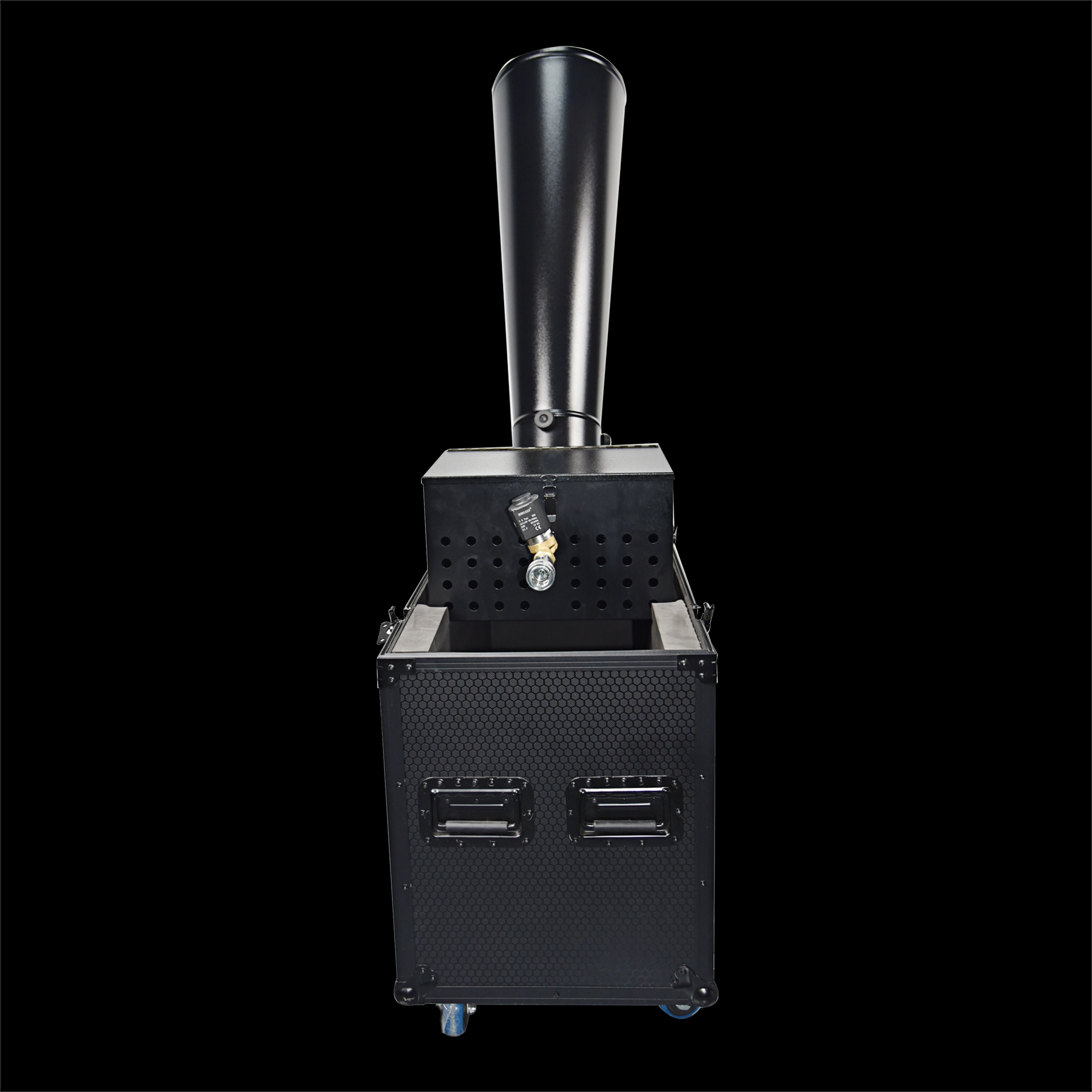
CO₂ Mini Rainbow Confetti Machine Manual Control with Durable Black Wheeled Flight Case
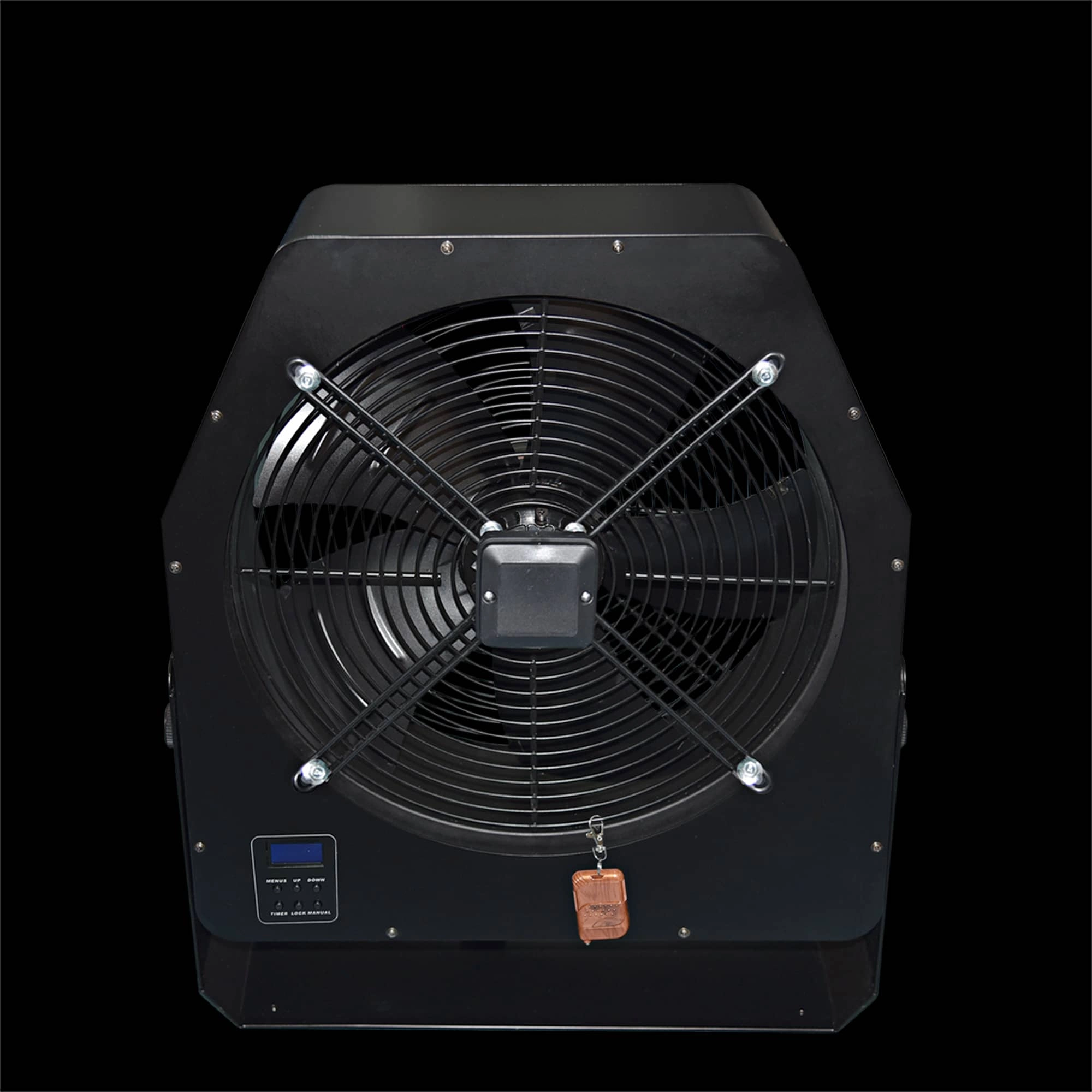
Professional Stage Big DMX Fan | High-Power Event Fan for Stage Shows & Celebrations
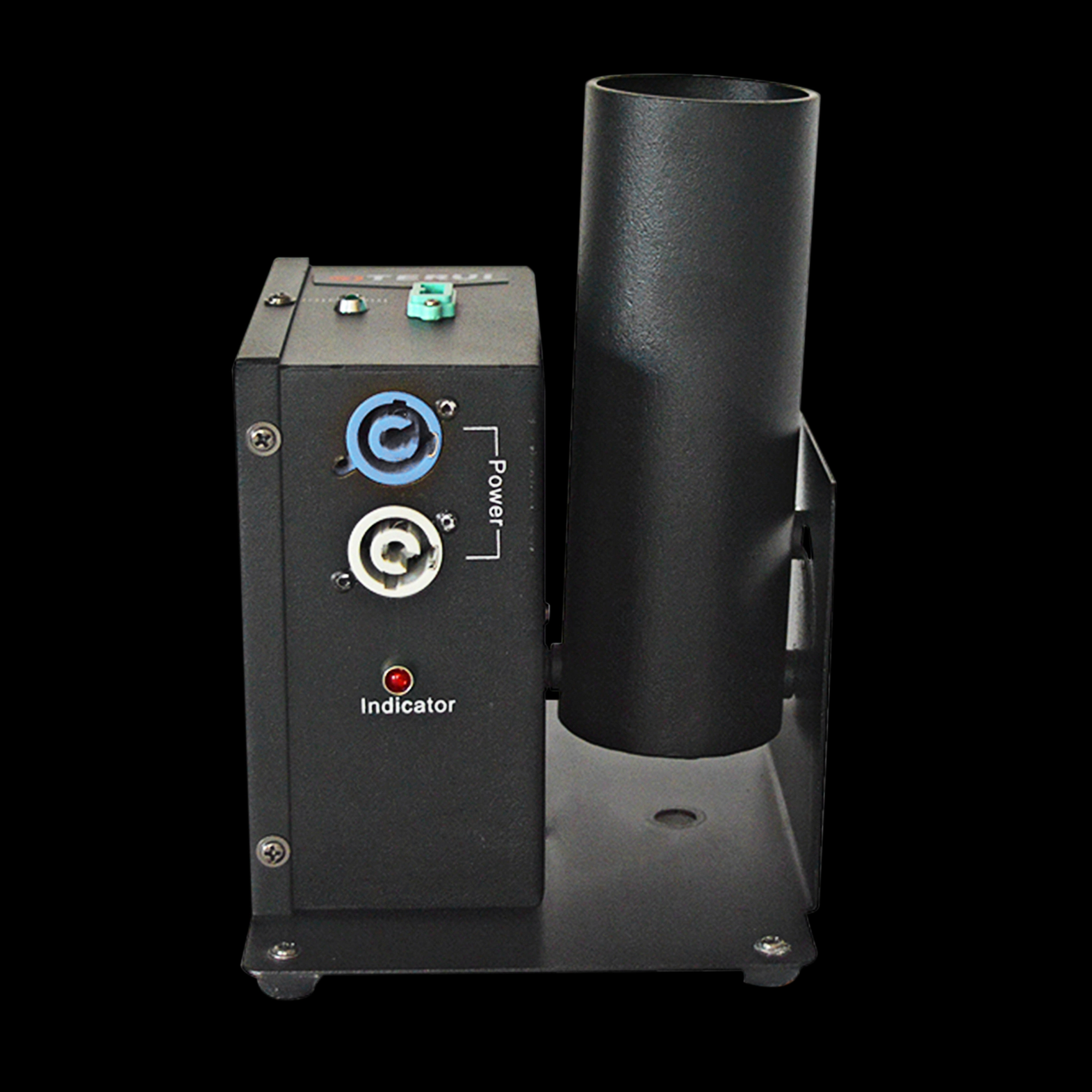
Single Shot Confetti Machine - Premium Confetti Launcher for Weddings & Stage Celebrations
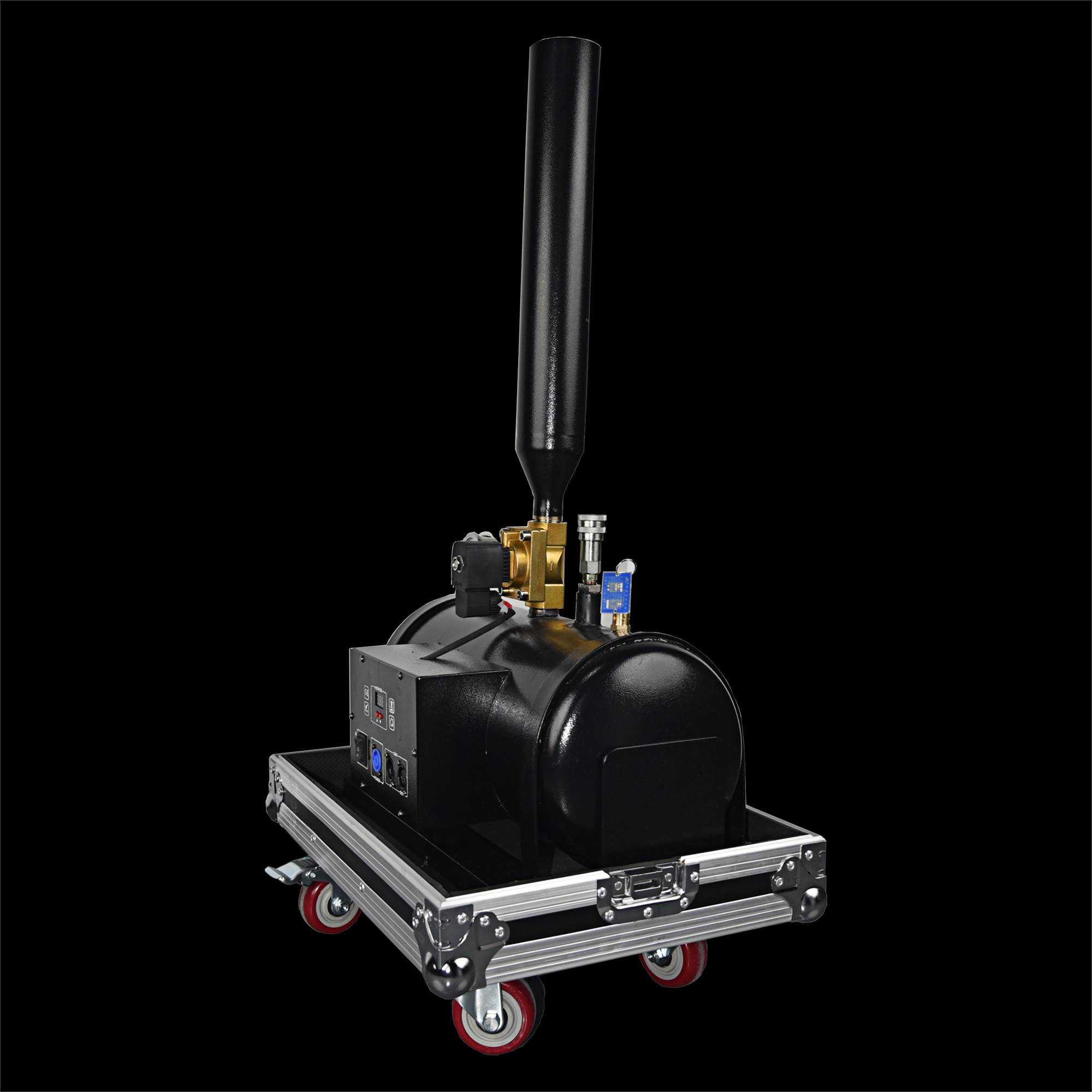
High-Altitude Confetti Cannon - Professional Confetti Blaster for Stage, Party & Celebration Events
Email: sales01@strlighting.com
WhatsApp: +86 189 2232 4800
© 2025 Siterui SFX All Rights Reserved.
 Scan QR Code
Whatsapp: +8618922324800
siteruisfx_stage_equipment
Siterui
SITERUI-SFX
STRlighting
@siterui.sfx