
Energy-efficient hazers: save power on tour
- Reduce tour power bills: energy-smart hazer choices and tactics
- Understand hazer types and how they affect energy use (keyword: hazer)
- Typical power ranges for common hazer types (keyword: hazer)
- Calculate realistic energy and cost impacts for your tour (keyword: hazer)
- Control strategies to reduce average energy draw (keyword: hazer)
- Practical DMX tips for touring (keyword: hazer)
- Placement, distribution and fluid choice to optimise performance (keyword: hazer)
- Maintenance and lifecycle efficiency (keyword: hazer)
- Logistics and power management on tour (keyword: hazer)
- Comparison: energy-efficient features to look for when buying a hazer (keyword: hazer)
- Case example: optimizing a 10-show regional tour with three hazers (keyword: hazer)
- Siterui SFX: energy-aware hazer solutions and touring advantages (keyword: hazer)
- Checklist for specifying energy-efficient hazers for a tour (keyword: hazer)
- Frequently Asked Questions (FAQ) about energy-efficient hazers
- 1. How much power does a typical hazer use?
- 2. Can I use multiple small hazers instead of one large hazer to save power?
- 3. Are water-based haze fluids more energy-efficient than oil-based?
- 4. Will implementing DMX control save energy?
- 5. What maintenance reduces a hazer’s power draw?
- 6. How does hazer choice affect generator sizing?
- 7. Can Siterui SFX help customise hazers for touring constraints?
- References and sources
Reduce tour power bills: energy-smart hazer choices and tactics
Tours face growing pressure to lower operational costs and environmental impact while maintaining production values. Haze machines (hazers) are central to modern lighting design but can add meaningful power and logistics burdens across a multi-city tour. This guide gives production managers, lighting designers, and technical directors practical, verifiable ways to save power with hazers — from selecting low-wattage devices and fluids to control strategies, maintenance, and load-planning for trucks and venues.
Understand hazer types and how they affect energy use (keyword: hazer)
Not all hazers are created equal. The two main categories are: oil-based/thermal hazers (heater element + fluid) and fan-based electric hazers (ultrasonic or pump + fan). A third category, aerosol or smoke-based foggers, is usually more power-hungry and less energy-efficient for sustained haze effects.
Key energy-related differences:
- Heating elements: Thermal hazers require time and continuous power to keep fluids at temperature — higher standby wattage.
- Fans and pumps: Electric hazers use mostly fan and pump motors; efficient brushless fans and variable-speed drives reduce consumption.
- Duty cycle and recovery time: Devices with faster recovery can run at lower average output for the same perceived effect.
Choosing the right hazer type based on show duration and required density is the first lever for energy savings.
Typical power ranges for common hazer types (keyword: hazer)
Below are representative power ranges. These are general figures; check manufacturer datasheets for exact specs.
| Hazer type | Typical continuous draw (W) | Notes |
|---|---|---|
| Compact electric hazer (small venues) | 60–200 W | Low-power fans and pumps; suitable for club shows. |
| Mid-size touring hazer | 200–600 W | Balanced output and recovery; common on small-to-medium tours. |
| Large theatrical/production hazer | 600–1500 W+ | High flow and density for arenas and long-throw applications. |
Sources: manufacturer product specifications and independent production resources (see References).
Calculate realistic energy and cost impacts for your tour (keyword: hazer)
To make decisions, measure or estimate kWh consumption. Use this formula:
kWh per hour = (Watts / 1000) × hours of operation
Example scenarios at $0.15/kWh (adjust for local rates):
| Hazer model example | Continuous draw (W) | kWh per 8‑hour day | Cost per day ($0.15/kWh) | Cost for 20-show tour |
|---|---|---|---|---|
| Small compact hazer | 120 W | 0.96 kWh | $0.14 | $2.88 |
| Mid-size touring hazer | 400 W | 3.2 kWh | $0.48 | $9.60 |
| Large production hazer | 900 W | 7.2 kWh | $1.08 | $21.60 |
Interpretation: Power draw alone is rarely the dominant tour cost, but it adds up with multiple units and other show loads. More importantly, power draw affects generator sizing, distro needs, and rigging constraints — all of which impact tour logistics and costs.
Control strategies to reduce average energy draw (keyword: hazer)
Control is the most effective operational lever for saving energy without compromising effect quality.
- Use DMX/RDM or networked control: Schedule output levels, use cue-based intensity rather than leaving units at full, and sync haze bursts with key lighting moments.
- Variable output and timers: Run in reduced-output standby between cues. Many modern hazers support intelligent standby modes.
- Group control: Control multiple smaller hazers in zones so you only run units necessary to cover audience sightlines.
- Use scene-based presets: Pre-programmed haze curves can avoid unnecessarily high continuous output.
Example: Three medium hazers run at 50% average output can often match the perceived density of a single hazer at 100% in many lighting configurations — at lower total power draw if the units are efficient and well placed.
Practical DMX tips for touring (keyword: hazer)
1) Map each hazer to its own DMX address. 2) Use a master fader for overall density. 3) Program inter-show standby scenes. 4) Test fade times to minimize short high-power bursts that increase average consumption.
Placement, distribution and fluid choice to optimise performance (keyword: hazer)
Smart placement maximises perceived haze density for lighting designers while minimising machine output.
- Distribute low-power hazers in multiple positions to create even coverage and reduce required output per unit.
- Use haze fans, ducting, or gentle airflow to move haze into performance space without forcing devices to run harder.
- Choose the right haze fluid: modern water-based haze fluids often atomise more efficiently and can require less pump/fan power to achieve the same effect compared with some oil-based fluids.
Document the relationship between fluid type, output settings, and visible density during rehearsals to set energy-efficient presets for the tour.
Maintenance and lifecycle efficiency (keyword: hazer)
Regular maintenance keeps power draw predictable and efficient.
- Clean filters, fans, and nozzles to prevent increased motor load.
- Replace worn seals and pumps; a worn pump can draw more current to maintain pressure.
- Use manufacturer-recommended fluids to avoid residue that increases heater or pump workload.
Planned preventive maintenance reduces the risk of inefficient performance mid-tour and avoids last-minute equipment swaps that force higher-power alternatives.
Logistics and power management on tour (keyword: hazer)
Hazer selection affects truck weight, crate space, and power distribution planning.
- Balance the power budget for each venue: know venue feed limits and design the hazer allocation accordingly.
- Consider battery/inverter solutions for remote setups — but evaluate inverter efficiency and total system losses; batteries may be practical for small low-watt hazers but often impractical for larger units.
- Document in rider and technical specs the recommended hazer models and power requirements to avoid surprises at load-in.
Comparison: energy-efficient features to look for when buying a hazer (keyword: hazer)
When evaluating purchases for a tour, consider these features. The table below compares attributes and why they matter for energy and touring.
| Feature | Benefit for tours | What to check |
|---|---|---|
| Low-wattage design | Lower kWh, smaller gensets | Actual continuous draw in datasheet |
| Variable-output fan/pump | Run at reduced levels between cues | DMX or analog control range and resolution |
| Standby/eco modes | Minimises idle consumption | How fast it recovers from standby |
| Efficient fluid atomisation | Less fluid and lower output to achieve density | Fluid compatibility and manufacturer guidance |
| Serviceability | Lower lifecycle energy footprint and downtime | Availability of spare parts and local support |
Case example: optimizing a 10-show regional tour with three hazers (keyword: hazer)
Scenario: 3 mid-size hazers (400 W each) initially planned to run full-time during 3-hour shows. By implementing DMX burst control, running at 60% average output with staggered unit operation and efficient fans, average draw drops to an effective 230 W per unit. Energy savings over 10 shows at $0.15/kWh are estimated as follows:
- Baseline consumption: 3 × 400 W × 3 hours × 10 = 36 kWh; cost = $5.40
- Optimised consumption: 3 × 230 W × 3 hours × 10 = 20.7 kWh; cost = $3.11
- Savings: 15.3 kWh, $2.29 — plus reduced generator load and lower wear on equipment.
While dollar savings may appear small, the operational benefits (smaller gen, fewer tripping events, less truck fuel) compound to meaningful tour-level savings and reduced carbon footprint.
Siterui SFX: energy-aware hazer solutions and touring advantages (keyword: hazer)
Siterui SFX is a professional manufacturer engaged in R&D, production, sales, and service of professional stage special effects equipment. We design hazers and related SFX with touring demands in mind: low weight, compact crates, efficient power profiles, and robust control options.
Why consider Siterui SFX for touring hazer needs?
- Customization: logo printing, custom casing, and size adjustments to meet road-case constraints and brand needs.
- Control integration: wireless control systems and synced multi-device setups to allow precise DMX/timing strategies that reduce average power draw.
- Technical strength: a highly skilled R&D team and cutting-edge tech for efficient atomisation, brushless motors, and optimized heat management.
- Service and reliability: pre-tour testing, spare part supply, and global service commitment to minimise unexpected replacements mid-tour.
Siterui SFX main product advantages include a portfolio of spark machines, haze machines, CO₂ jet machines, bubble machines, snow machines, foam machines, confetti machines, fog machines, fire machines, and dry ice machines. These products emphasize energy-efficient designs, durable construction, and flexible control options suited to live events, theaters, concerts, and film production.
Competitive differentiators:
- Flexible customization tailored to production and brand needs.
- Integrated multi-device synchronization to reduce redundant output and overall power consumption.
- Focus on long-term reliability and after-sales support, which reduces lifecycle replacement energy and costs.
Contact Siterui SFX to discuss energy-efficient haze configurations for your next tour — from single-unit low-power hazers for club legs to zoned arrays for arena shows.
Checklist for specifying energy-efficient hazers for a tour (keyword: hazer)
Use this quick checklist when specifying hazers in riders or procurement documents:
- Required visual density and distribution (coverage maps)
- Max continuous wattage per unit and standby draw
- Control interfaces supported (DMX, RDM, Art-Net, wireless)
- Fluid type and consumption rate
- Recovery time and duty cycle
- Serviceability and spare parts plan
- Crate/packing dimensions and weight
- Manufacturer’s recommended presets for energy-efficient operation
Frequently Asked Questions (FAQ) about energy-efficient hazers
1. How much power does a typical hazer use?
Typical power can range from about 60 W for compact electric hazers up to 1500 W or more for large theatrical units. Check the specific product datasheet for continuous and peak draws.
2. Can I use multiple small hazers instead of one large hazer to save power?
Yes — distributed placement often allows each unit to run at lower output, improving perceived density while sometimes lowering total power draw. However, choose efficient models and coordinate control to avoid redundancy.
3. Are water-based haze fluids more energy-efficient than oil-based?
Modern water-based fluids often atomise efficiently and can achieve desired effects at lower output settings, but performance depends on the hazer’s design. Always test fluid+hazer combinations during tech rehearsals.
4. Will implementing DMX control save energy?
Yes. Using DMX to reduce standby output, schedule bursts, and synchronise haze with lighting can significantly lower average energy use and extend machine life.
5. What maintenance reduces a hazer’s power draw?
Keep fans, filters, nozzles, and pumps clean; replace worn parts; and use the recommended fluids. Regular servicing prevents increased motor load and inefficient heating.
6. How does hazer choice affect generator sizing?
Sum the maximum concurrent draws of all hazers and other stage loads. Consider inrush and diversity strategies (staggered start) to avoid oversizing the generator unnecessarily.
7. Can Siterui SFX help customise hazers for touring constraints?
Yes — Siterui SFX offers customizable casings, control systems, and multi-device synchronization to align with tight touring specifications and energy goals.
For consultation, product specifications, or custom solutions, contact Siterui SFX to review your tour requirements and get tailored recommendations and quotes.
References and sources
- U.S. Energy Information Administration (EIA) — Electricity Prices and Data. https://www.eia.gov (accessed 2025-12-20)
- Manufacturer product specifications (examples): CHAUVET Professional, Antari, Look Solutions, Martin. Check individual product datasheets for wattage and control features — manufacturer websites (accessed 2025-12-20)
- Production and touring practice resources: ProductionHUB and Live Design articles on haze and fog in live events (see production publications for equipment comparisons) (accessed 2025-12-20)
- Industry guidance on special effects safety and best practices: ESTA (Entertainment Services and Technology Association) and local venue technical riders (accessed 2025-12-20)
Note: Specific power figures and product performance vary by model and firmware revisions. Always verify current datasheets and run on-site tests during technical rehearsals.
Choosing the Right Dry Ice Machine Size for Venues
Where to Buy co2 jet machine
The latest trends for foam bubbles machine
Color Theory for Stage Lighting Design
Solutions
Are your products exportable? Is the shipping safe?
Yes, our products meet international shipping standards. All items are securely packed, and special effect liquids are export-compliant. We ship worldwide.
600W High-Quality Stainless Steel
Do you offer sample orders?
Yes, samples are available. Contact us for pricing and shipping details.
Single-Head CO2 Jet Machine
What safety precautions are required for operation?
Ensure the nozzle is never directed at people/animals, and always verify gas connections before powering on.
660 Dual Haze machine
How long is the warranty period?
This product comes with a 1-year warranty, excluding damages caused by human factors.
1500W Professional Snow Machine
Is the snow safe for indoor use?
Absolutely! The snow fluid is non-toxic, biodegradable, and leaves no
residue.
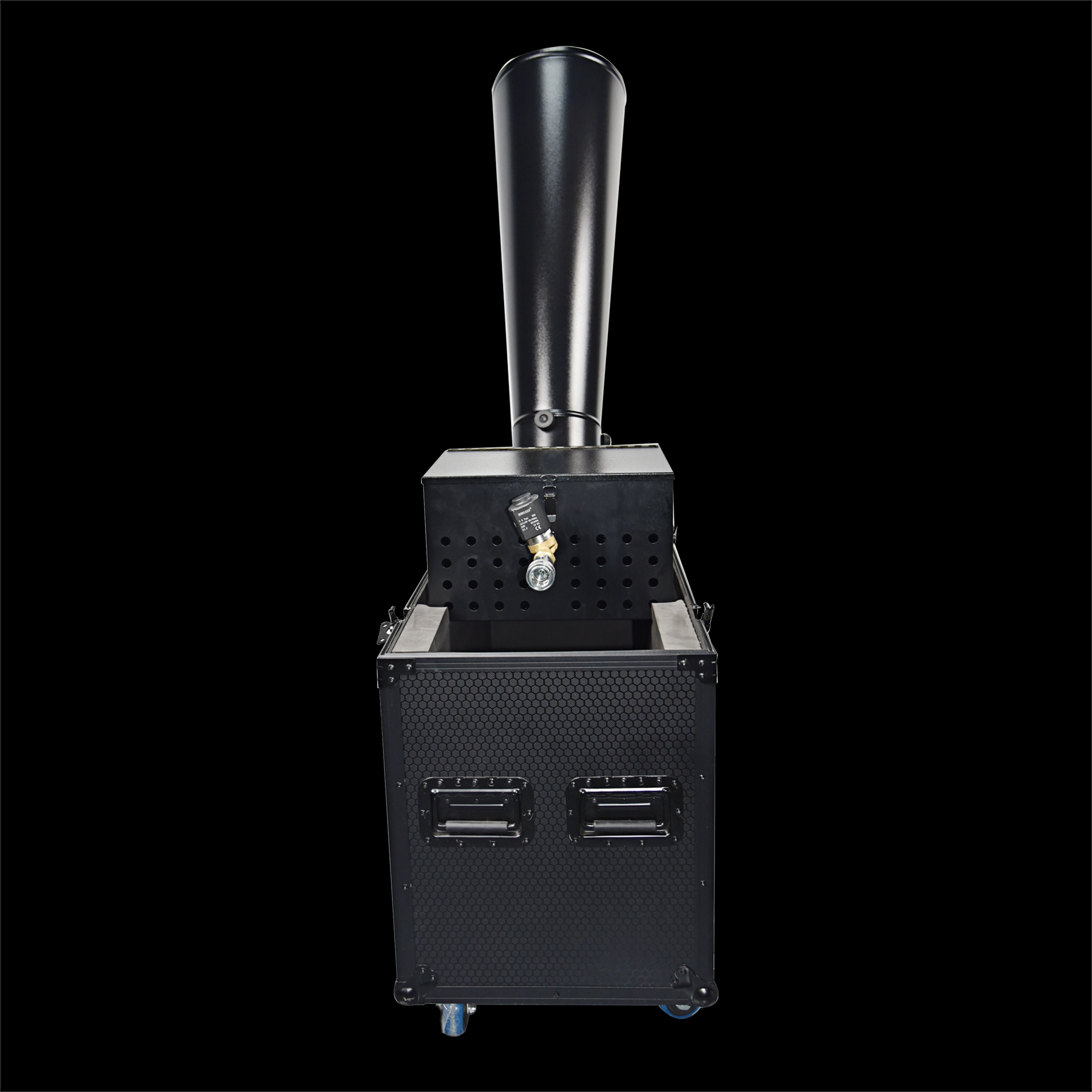
CO₂ Mini Rainbow Confetti Machine Manual Control with Durable Black Wheeled Flight Case
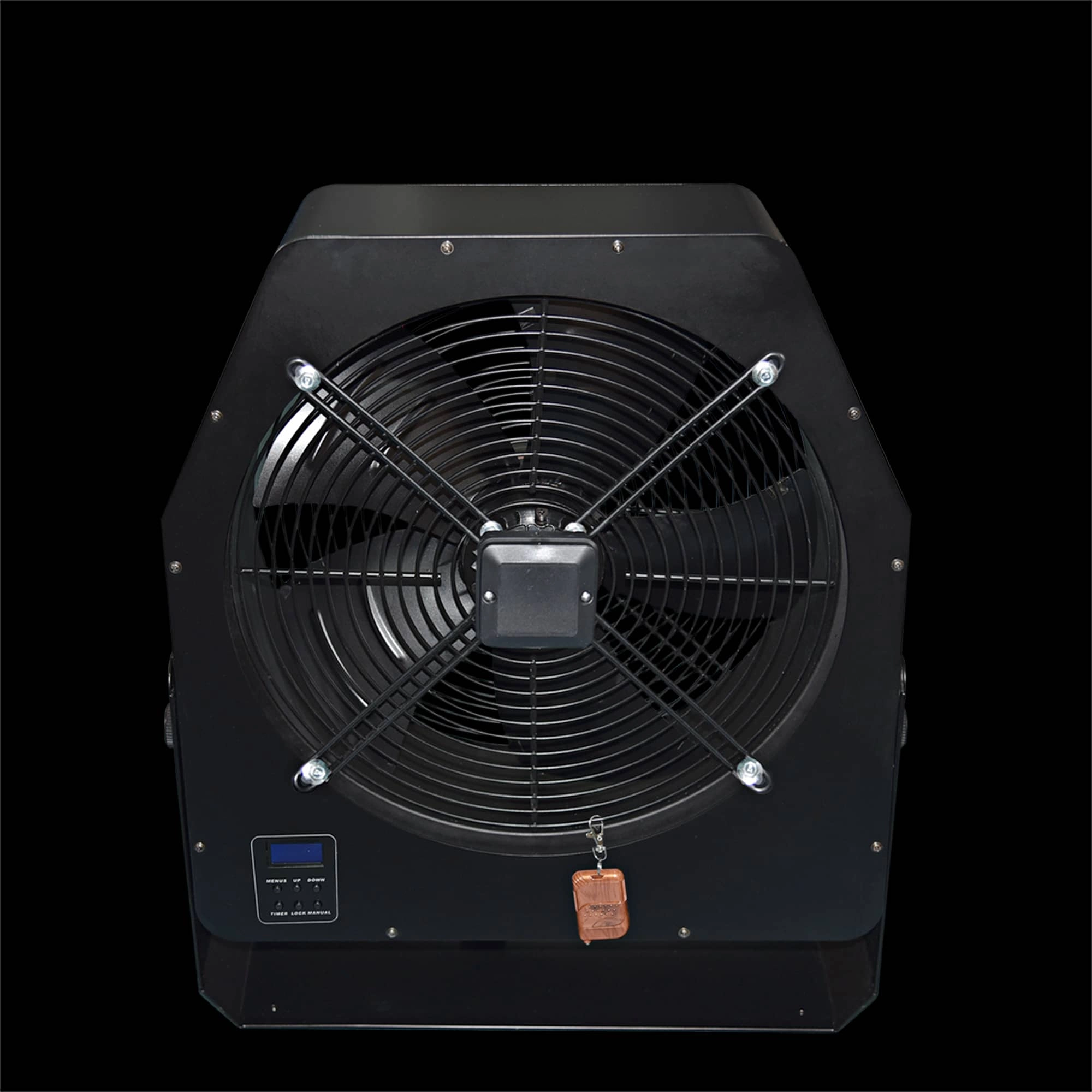
Professional Stage Big DMX Fan | High-Power Event Fan for Stage Shows & Celebrations
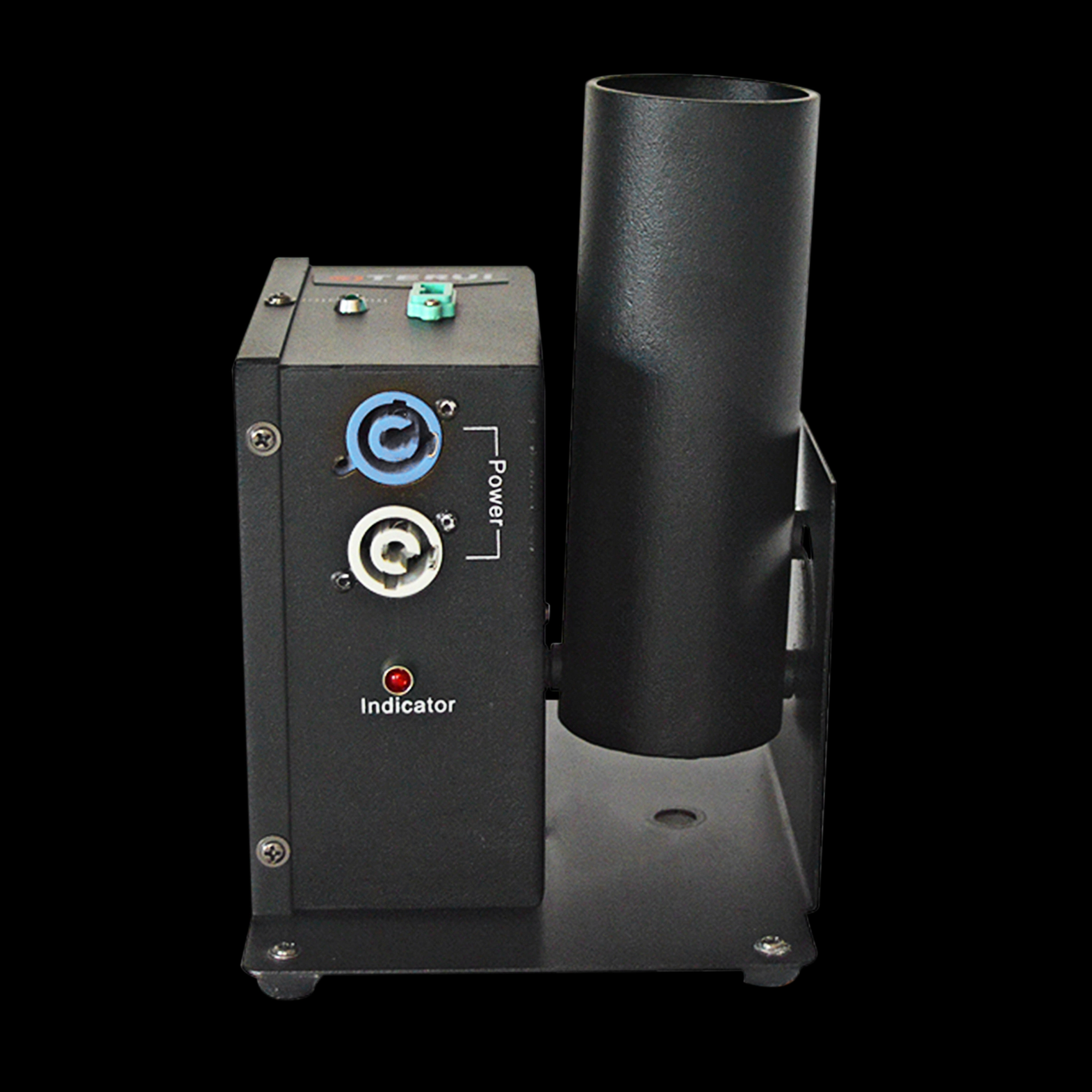
Single Shot Confetti Machine - Premium Confetti Launcher for Weddings & Stage Celebrations
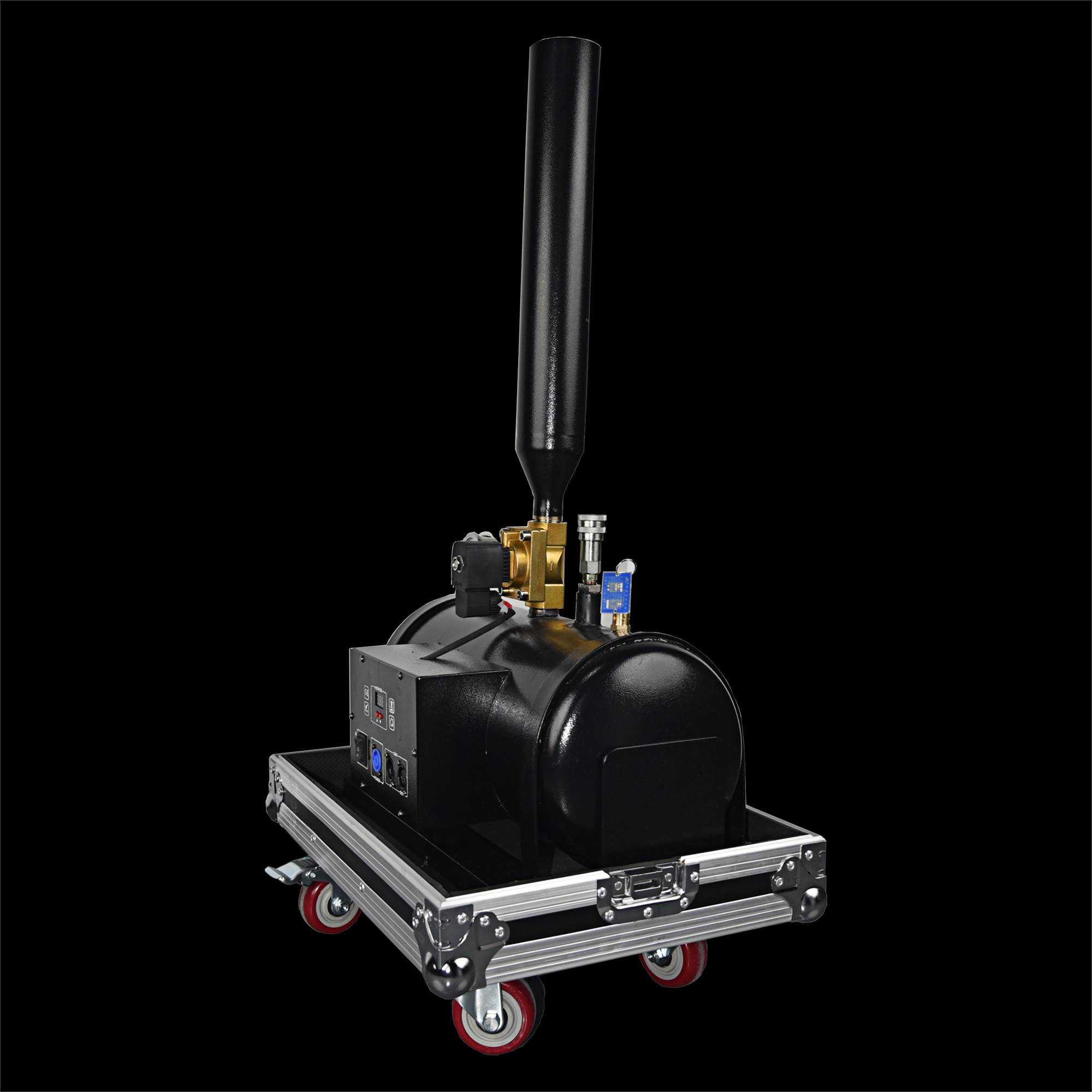
High-Altitude Confetti Cannon - Professional Confetti Blaster for Stage, Party & Celebration Events
Email: sales01@strlighting.com
WhatsApp: +86 189 2232 4800
© 2025 Siterui SFX All Rights Reserved.
 Scan QR Code
Whatsapp: +8618922324800
siteruisfx_stage_equipment
Siterui
SITERUI-SFX
STRlighting
@siterui.sfx