
Environmental Impact and Eco-Friendly Fog Fluids
- How Fog Machines Work and Common Fog Fluids
- Basic operating principles of fog machines
- Common fog fluid chemistries
- Particle characteristics and visibility
- Environmental and Health Considerations
- Atmospheric and indoor air impacts
- Occupational exposure and health studies
- Biodegradability, aquatic toxicity, and disposal
- Comparing Fog Fluid Types: Environmental and Practical Factors
- Comparison table: performance vs environmental profile
- Data sources and reliability
- Regulatory and venue considerations
- Best Practices for Eco-Friendly Fog Use and Mitigation
- Choosing greener fog fluids
- Operational practices to minimize impacts
- Storage, handling, and disposal
- Siterui SFX: Professional Solutions with Eco-Conscious Practices
- Company overview and product relevance
- Eco-conscious product selection and customization
- Service, safety, and trust
- Practical Checklist: Moving Toward Eco-Friendly Fog Use
- Pre-event planning
- During the event
- Post-event
- Frequently Asked Questions (FAQ)
- 1. Are fog machines bad for the environment?
- 2. Which fog fluids are safest for indoor use?
- 3. How can I minimize health risks for performers and crew?
- 4. Can I use dry ice or CO₂ to avoid fluid residues?
- 5. How should I dispose of unused fog fluid?
- 6. Does Siterui SFX offer solutions to reduce environmental impact?
Fog machines are widely used across concerts, theaters, film sets, and themed attractions to create atmosphere and enhance lighting. Understanding the environmental and health impacts of fog fluids—and how to choose and use eco-friendly alternatives—is critical for event producers, venue managers, and rental houses. This article explains how fog machines work, compares fluid chemistries, evaluates environmental and occupational considerations, and provides actionable recommendations to reduce impacts while maintaining dramatic effects.
How Fog Machines Work and Common Fog Fluids
Basic operating principles of fog machines
Most electrically powered fog machines heat a specially formulated fluid and then expel it as a visible aerosol or vapor. Typical machines use a pump to feed fluid to a heat exchanger; rapid vaporization produces a fine aerosol that condenses into visible droplets in cooler air. The same term fog machines also includes haze machines, CO₂ jets, and dry ice systems that produce different particle sizes and persistence times. General descriptions of these devices can be found on reference sources such as Wikipedia.
Common fog fluid chemistries
Fog fluids are broadly grouped by active ingredients:
- Glycol-based fluids – typically use propylene glycol (PG), triethylene glycol (TEG), or diethylene glycol (DEG) mixed with water. These are widely used for theatrical fog.
- Glycerin-based fluids – glycerol or vegetable-derived glycerin blended with water; commonly used for theatrical and low-temperature fogs.
- Oil-based (fog oils) – mineral oils or synthetic oils used in specialized foggers; less common in modern indoor staging due to residue and ventilation concerns.
- Vapor-based/CO₂ and dry ice – generate fog by chilling and condensing water vapor (CO₂ jets, dry ice) rather than vaporizing glycol or oil.
Particle characteristics and visibility
Particle size, concentration, and persistence determine visual quality and environmental behavior. Glycol aerosols produce fine droplets (often 1–10 µm) that scatter light effectively and can remain airborne depending on ventilation and humidity. Dry ice and CO₂ fogs create low-lying fogs that hug surfaces but dissipate as CO₂ diffuses. These differences affect both aesthetic choices and exposure/ventilation strategies.
Environmental and Health Considerations
Atmospheric and indoor air impacts
Fog machine outputs are primarily aerosols (liquid droplets) and, depending on formulation, small amounts of volatile organic compounds (VOCs). Indoor use concentrates aerosols and any entrained vapors; adequate ventilation reduces concentrations. For guidance on indoor air quality and ventilation practices, consult the U.S. Environmental Protection Agency (EPA) and ASHRAE recommendations.
Occupational exposure and health studies
Performers, technicians, and venue staff can experience irritation of eyes, nose, or throat from high aerosol concentrations. Certain sensitive individuals (asthma, respiratory conditions) may be more affected. Industry reviews and occupational health agencies recommend exposure controls and monitoring in high-use environments. See general occupational guidance at CDC/NIOSH.
Biodegradability, aquatic toxicity, and disposal
Environmental fate varies by ingredient: propylene glycol and triethylene glycol are biodegradable under aerobic conditions, but large discharges to sewer or waterways are undesirable. Oil-based fog fluids pose higher risks for residues and aquatic toxicity. Disposal should follow local wastewater rules and MSDS guidance provided by the fluid manufacturer; for regulatory context consult your local environmental agency or EPA.
Comparing Fog Fluid Types: Environmental and Practical Factors
Comparison table: performance vs environmental profile
| Fluid Type | Visual Characteristics | Environmental / Health Notes | Best Use Cases |
|---|---|---|---|
| Propylene Glycol (PG) / Glycol-Water | Dense, long-lasting fog; good light scattering | Low acute toxicity; biodegradable; aerosol exposure can irritate sensitive people | Theater, concerts, film where dense fog is needed |
| Glycerin-Water | Smoother, slightly oilier feel; moderate density | Biodegradable; can leave residue at high concentrations | Indoor theatrical haze, lower-temperature effects |
| Oil-Based Fog Oils | Thick, clinging fog | Higher residue risk; not recommended for many indoor venues | Outdoor events or specialized effects where residue is acceptable |
| CO₂ / Dry Ice | Low-lying, dramatic; dissipates without chemical residue | No glycol or oil residues; CO₂ concentration must be monitored for safety | Low-lying fog effects, stages with good CO₂ monitoring |
Data sources and reliability
Information in the comparison is based on manufacturer datasheets, industry references, and environmental guidance from agencies such as the EPA and ventilation standards from ASHRAE. For specific formulations always consult the MSDS and technical data sheet provided by the fluid supplier.
Regulatory and venue considerations
Venues and rental companies should evaluate local discharge regulations (stormwater and sewer), fire code interactions (some fluids affect smoke detectors), and audience/performer health policies. Communicate fog plans in advance with venue operators and medical staff where necessary.
Best Practices for Eco-Friendly Fog Use and Mitigation
Choosing greener fog fluids
To reduce environmental impact, prioritize fluids that:
- Use low-toxicity, biodegradable carriers such as propylene glycol or vegetable-derived glycerin.
- Have transparent MSDS and third-party testing for impurities and VOCs.
- Are formulated specifically for indoor use with minimal residue.
Seek suppliers that provide compositional transparency and environmental data.
Operational practices to minimize impacts
Practical steps to reduce environmental and health impacts:
- Calibrate fog output to the minimum necessary for the visual effect—more fog does not always mean better visuals.
- Use directional distribution and controlled placement of fog machines to limit aerosol spread into sensitive zones.
- Employ adequate ventilation strategies following ASHRAE guidance; increase air exchanges after heavy use.
- Provide performer and crew notifications; offer masks or designate fog-free zones for sensitive staff.
- Use alternative technologies where appropriate: haze machines (lower output), low fog (dry ice/CO₂) for short-term effects, and LED-based optical effects to reduce chemical use.
Storage, handling, and disposal
Store fluids in labeled, sealed containers per manufacturer instructions. Spills should be contained and cleaned per MSDS directions. Do not discharge large quantities into storm drains. For disposal, follow local regulations and guidance from the fluid manufacturer; consult your local environmental authority or EPA resources if in the United States.
Siterui SFX: Professional Solutions with Eco-Conscious Practices
Company overview and product relevance
Siterui SFX is a professional manufacturer engaged in the research and development, production, sales, and service of professional stage special effects (SFX) equipment. With a highly skilled team and cutting-edge technology, we are committed to providing innovative, reliable, and high-performance SFX solutions for live events, theaters, concerts, film production, and entertainment venues worldwide. Learn more at Siterui SFX.
Eco-conscious product selection and customization
Siterui SFX offers a portfolio of devices including spark machines, haze machines, CO₂ jet machines, bubble machines, snow machines, foam machines, confetti machines, fog machines, fire machines, and dry ice machines. The company supports customization for fluid compatibility, system integration, and control options—allowing clients to choose technologies and settings that minimize unnecessary emissions and residue.
Service, safety, and trust
Key Siterui advantages include:
- Flexible customization (branding, size, special functions, system integration).
- Expert support for multi-device synchronized setups and wireless control systems.
- Commitment to quality, innovation, and after-sales service—helping clients adopt best practices for environmental performance and operational safety.
Contact Siterui SFX: https://www.siteruisfx.com/ or email sales01@strlighting.com.
Practical Checklist: Moving Toward Eco-Friendly Fog Use
Pre-event planning
- Assess venue ventilation, sensitive areas, and regulatory constraints.
- Select the lowest-impact fluid and device that achieves the creative brief.
- Notify performers, crew, and venue staff about planned fog effects.
During the event
- Use minimal effective output, staged durations, and directional placement.
- Monitor air exchange and maintain a fog-free backstage/crew area.
- Have emergency ventilation and medical response plans in place.
Post-event
- Ventilate to remove residual aerosols; document any incidents.
- Dispose of leftover fluids per MSDS and local regulations.
- Review effects versus impact and adjust future specs accordingly.
Frequently Asked Questions (FAQ)
1. Are fog machines bad for the environment?
Fog machines themselves are tools; environmental impact depends on fluid chemistry, frequency of use, quantities released, and venue ventilation. Choosing biodegradable, low-toxicity fluids and minimizing emissions reduces impacts significantly. See EPA and ASHRAE guidance for indoor air considerations: EPA IAQ, ASHRAE.
2. Which fog fluids are safest for indoor use?
Fluids formulated from propylene glycol or vegetable-derived glycerin are commonly used for indoor fogs because they are relatively low in acute toxicity and biodegradable. Always use products labeled for indoor theatrical use and follow manufacturer MSDS instructions.
3. How can I minimize health risks for performers and crew?
Use minimum effective output, provide adequate ventilation and breaks, designate fog-free areas, communicate in advance, and offer PPE (e.g., masks) to sensitive staff. Monitor for symptoms and have emergency procedures ready.
4. Can I use dry ice or CO₂ to avoid fluid residues?
Dry ice and CO₂ systems produce low-lying effects without glycol or oil residues, which can be advantageous. However, CO₂ levels must be monitored to avoid elevated concentrations, and these systems require different safety protocols.
5. How should I dispose of unused fog fluid?
Follow the product MSDS and local regulations. Small amounts of biodegradable glycols may be acceptable to sewer in some jurisdictions, but larger volumes should be handled as chemical waste per local environmental agency guidance. When in doubt, consult local authorities or the manufacturer.
6. Does Siterui SFX offer solutions to reduce environmental impact?
Yes. Siterui SFX provides a range of devices (fog machines, haze, CO₂ jets, dry ice machines, etc.) and customization services that allow clients to specify fluid compatibility, control outputs, and system integrations that support eco-friendlier operations. Contact Siterui SFX at https://www.siteruisfx.com/ or sales01@strlighting.com for consultations and product details.
For more in-depth technical specifications, MSDS downloads, and customized SFX system design help, contact Siterui SFX or visit the product pages to explore spark machines, haze machines, CO₂ jet machines, bubble and snow machines, foam, confetti, fog, fire and dry ice systems tailored to your environmental and creative requirements.
Contact & Sales CTA: To discuss eco-friendly fog solutions or request a quote for fog machines and integrated SFX systems, email sales01@strlighting.com or visit https://www.siteruisfx.com/.
Top haze machine Manufacturers and Suppliers in us
How to position hazers for optimal effect
Pairing Snow Machines with Lighting and Fog Effects
What Is a Haze Machine and How It Enhances Stage Lighting
FAQs
Does Siterui provide after-sales support and service?
2100W Morning Haze Machine
How often should I clean the machine?
Regular cleaning every 3-6 months (depending on usage) is recommended.
750W Move Head Cold Electronic Spark Machine
Are you a factory or trading company?
We are a factory with direct pricing, ensuring competitive rates.
Single-Head CO2 Jet Machine
What is the price of shipping?
Depending upon the port of delivery, prices varies.
1500W 24x3W LED fog machine
How does your factory do regarding quality control
All the products will be 100% checked before the shipment
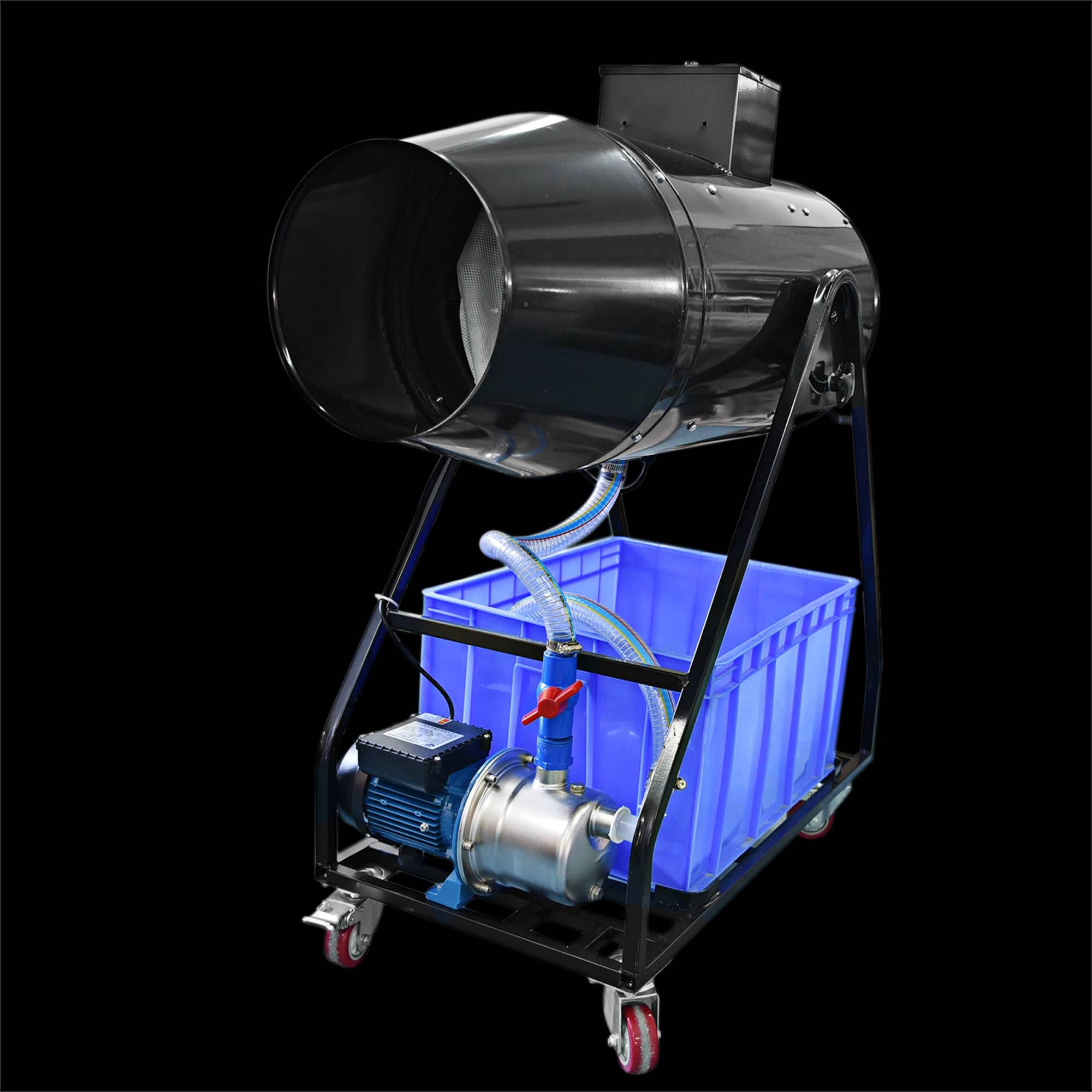
Siterui SFX 1800W Spraing foam machine High Power Professional Foam Party Maker
Elevate your event with the Siterui SFX 1800W Spraing Foam Machine. This high-power, professional foam party maker creates dense, vibrant bubbles—perfect for weddings and celebrations. Reliable and easy to use, it’s the foam and bubble machine for unforgettable moments.
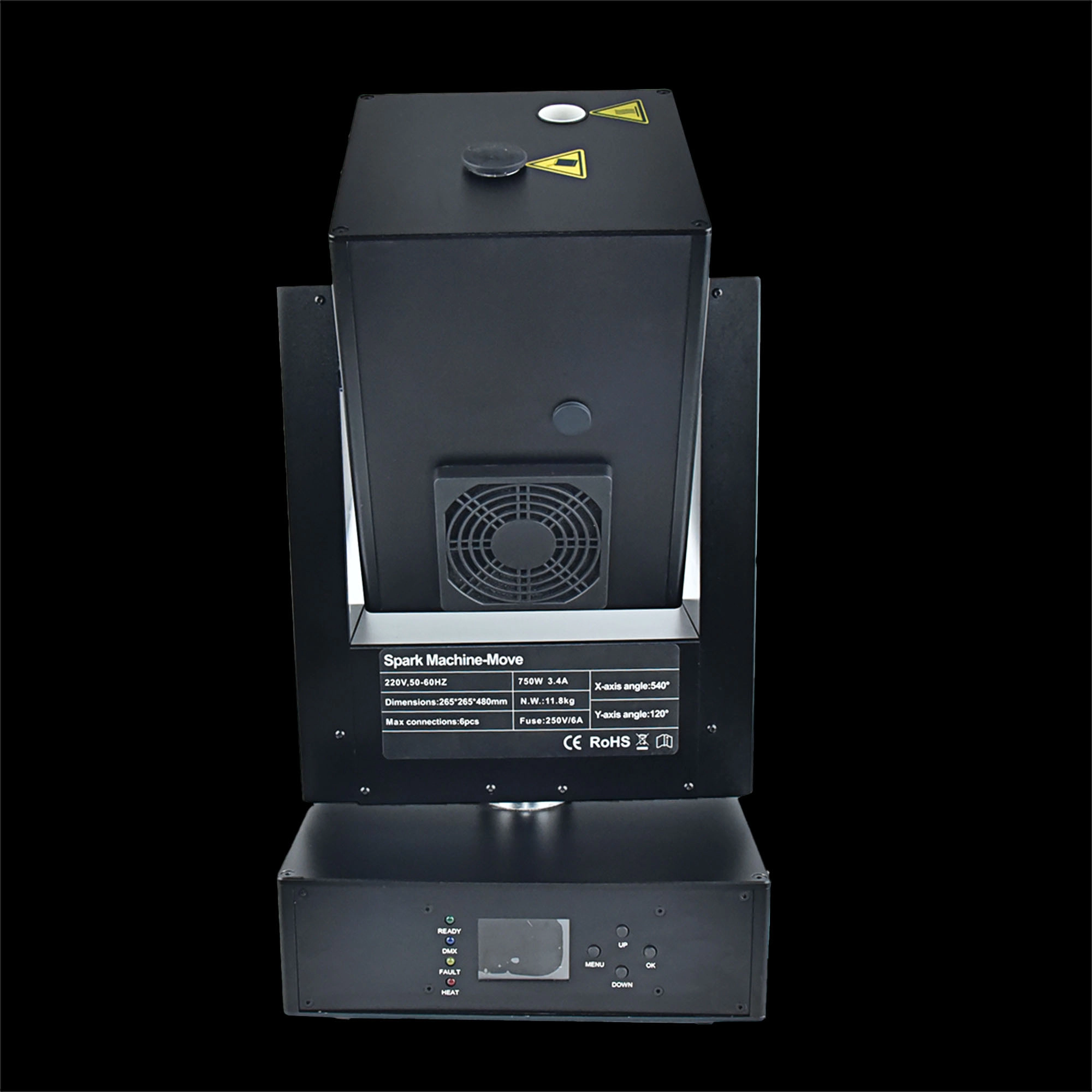
750w moving head spark machine
Siterui SFX 750w moving head spark machine delivers high-impact cold-spark effects with 360° moving head, DMX control, adjustable output and safe, long-lasting performance - perfect for concerts, weddings and stage shows.
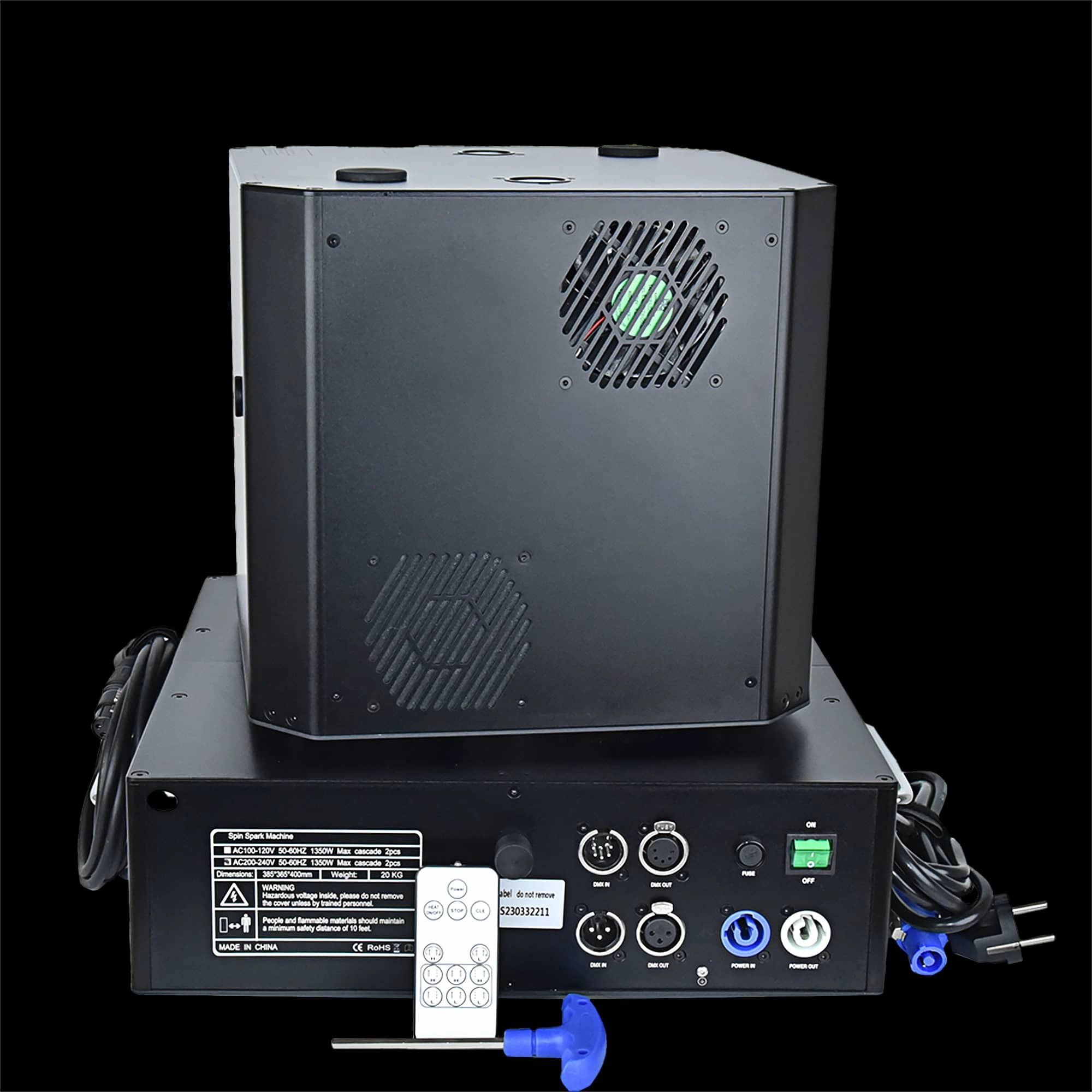
Double head 1300W Spin Spark machine DMX+Remote control
Double head 1300W Spin Spark machine -powerful dual-head 1300W spin spark effect with DMX + remote control for precise timing. Durable, professional-grade pyrotechnic effect ideal for concerts, clubs and events.
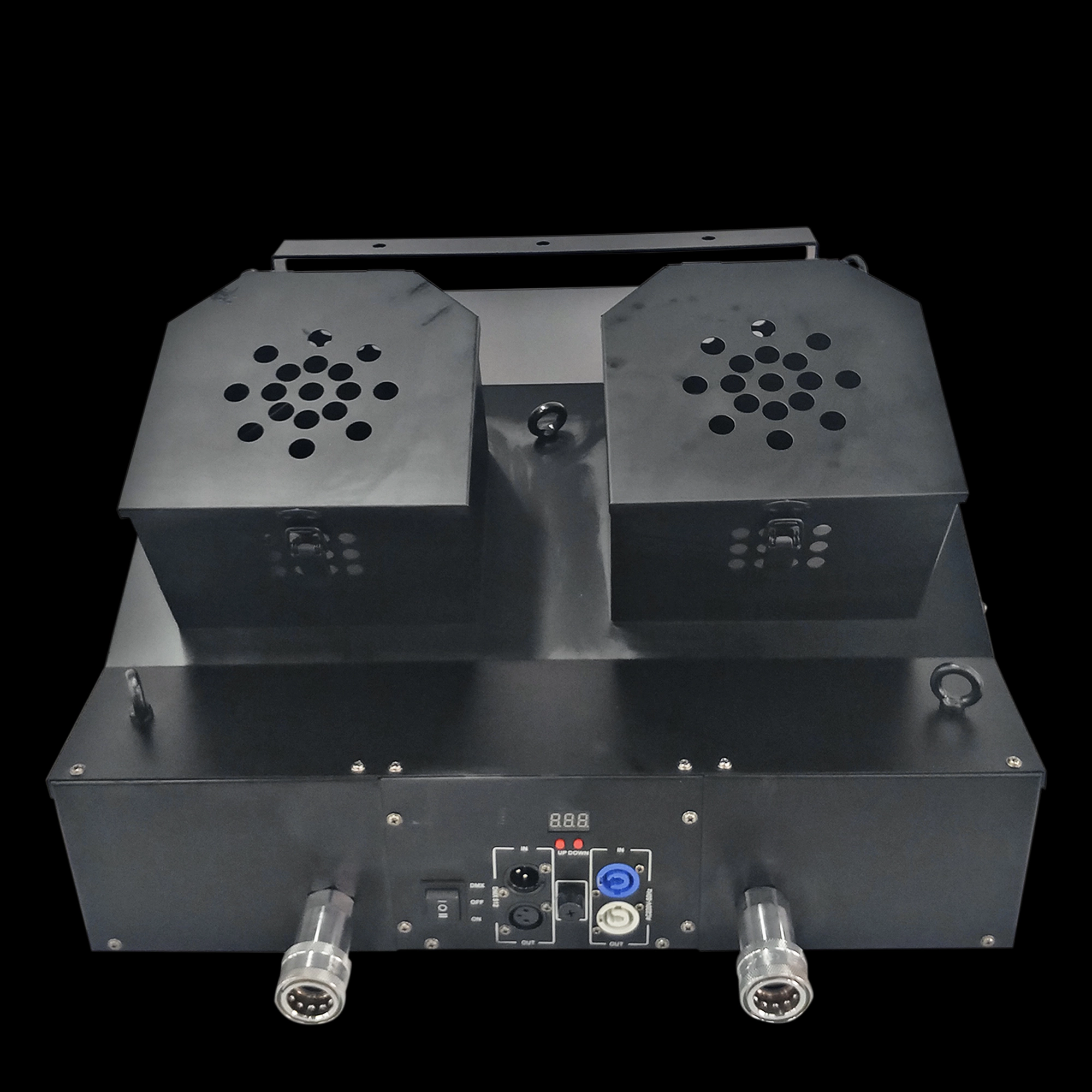
Snowstorm Paper Machine Double outlet sprayer snowstorm paper machine dual nozzle sprayer
Email: sales01@strlighting.com
WhatsApp: +86 189 2232 4800
© 2025 Siterui SFX All Rights Reserved.
 Scan QR Code
Whatsapp: +8618922324800
siteruisfx_stage_equipment
Siterui
SITERUI-SFX
STRlighting
@siterui.sfx