
Fog Machine vs Haze Machine: Key Differences
- Understanding atmospheric effects for live events
- What this guide covers and why the fog machine keyword matters
- How fog machines and haze machines work — the physics and fluids
- Basic operating principle for a fog machine (keyword: fog machine)
- How a haze machine creates a persistent atmosphere (keyword: haze machine)
- Visual and lighting differences — choosing the right look
- How each effect interacts with lighting (keywords: fog machine lighting, haze for lasers)
- Performance metrics, output control and staging considerations
- Measuring output: CFM, density control, and duty cycle (keywords: buy fog machine, haze machine for concerts)
- Health, safety, and venue compliance
- Air quality, respiratory considerations, and sensor triggers (keywords: fog machine safety)
- Operational best practices (keyword: fog machine maintenance)
- Maintenance, fluid selection, and troubleshooting
- When to choose fog vs haze — use-case scenarios
- Decision guide for event types (keywords: fog machine rental, haze machine hire)
- Cost considerations and total cost of ownership
- Budgeting for purchase vs rental (keyword: buy fog machine, haze machine price)
- Technical comparison: quick-reference table (keyword: fog machine comparison)
- Selecting equipment suppliers and customization options
- Why manufacturer support and customization matter (keywords: fog machine manufacturer, haze machine custom)
- Siterui SFX: Manufacturer profile and how they address fog and haze needs
- Siterui SFX advantages, product range, and competitive strengths (keywords: fog machine, haze machine, Siterui SFX)
- Procurement checklist — questions to ask suppliers
- Key specifications to confirm before buying or renting (keyword: buy fog machine checklist)
- Quick operational tips for technicians
- Practical on-site advice (keywords: fog machine tips, haze operation)
- FAQs — Frequently asked questions
- 1. Which is better for concerts: a fog machine or a haze machine?
- 2. Will fog or haze set off smoke detectors?
- 3. Are fog machine fluids safe for performers and audiences?
- 4. How often should I service a haze or fog machine?
- 5. Can haze machines be used outdoors?
- 6. What fluids should I use for low-lying fog?
- Contact and next steps — get the right fog machine or haze machine
- References
Understanding atmospheric effects for live events
What this guide covers and why the fog machine keyword matters
If you're planning concerts, theatrical productions, corporate events, or film shoots, choosing between a fog machine and a haze machine directly affects your lighting design, audience comfort, and safety compliance. This article is written for event producers, rental houses, venue managers, and technicians who search for fog machine and related terms while evaluating equipment. It explains technical differences, visual outcomes, operational considerations, and procurement advice so you can pick the right equipment with confidence.
How fog machines and haze machines work — the physics and fluids
Basic operating principle for a fog machine (keyword: fog machine)
Fog machines use a heated fluid (typically glycol- or glycerin-based fog fluid mixed with water) that is vaporized in a thermal exchange chamber and expelled as a visible plume. The fluid condenses into droplets as it cools, producing a dense, localized cloud that can be used for sudden visual impact, low-lying effects (with additional chilling), or concealed entrances. Commercial fog machines vary in power, from small party units to high-output theatrical models delivering thousands of cubic feet per minute (CFM).
How a haze machine creates a persistent atmosphere (keyword: haze machine)
Haze machines produce a much finer aerosol than foggers. There are two main haze technologies: oil-based (mechanical or ultrasonic) and water/glycol-based (aerosolizing a glycerin or glycol solution with a heater or nebulizer). The resulting particles are small and remain suspended for longer, creating an even, unobtrusive veil that enhances light beams and laser effects across an entire stage or venue without dramatic clouds.
Visual and lighting differences — choosing the right look
How each effect interacts with lighting (keywords: fog machine lighting, haze for lasers)
Fog produces a dense, opaque cloud that gives a strong volumetric effect in specific zones—excellent for dramatic reveals. Haze creates a uniform medium that defines light beams and laser paths with subtlety. For continuous beam definition across a stage, haze is preferred; for sudden theatrical moments, fog delivers the punch.
| Attribute | Fog Machine | Haze Machine |
|---|---|---|
| Particle size | Typically larger droplets (approx. 1–10 µm) | Finer aerosol (approx. 0.1–2 µm) |
| Appearance | Dense, cloud-like, localized | Thin, uniform veil—nearly invisible at low densities |
| Visibility for lighting | Strong localized volumetric effects | Excellent continuous beam definition |
| Duration | Short bursts; dissipates relatively quickly without fans | Longer persistence; can be maintained at low levels for hours |
| Typical uses | Special reveals, scene changes, low-lying fog effects | Concerts, theaters, broadcast, film where consistent beams are needed |
(Data on particle size and visual behavior comes from manufacturer technical notes and atmospheric aerosol literature—see references.)
Performance metrics, output control and staging considerations
Measuring output: CFM, density control, and duty cycle (keywords: buy fog machine, haze machine for concerts)
Key performance metrics are output volume (CFM), adjustable density, warm-up time, and duty cycle. Fog machines often offer high short-term output but require cooldown between heavy bursts. Haze machines are designed for steady low-level output and often include variable pumps or fan-assisted dispersion to maintain uniform atmospheric density. When renting or buying a fog machine for a venue, check continuous run time and reservoir capacity; for haze units, verify pump longevity and whether a water-based or oil-based haze fluid is recommended for your venue.
Health, safety, and venue compliance
Air quality, respiratory considerations, and sensor triggers (keywords: fog machine safety)
Both fog and haze machines create aerosols that can affect indoor air quality. Modern theatrical fluids are formulated for safe use, but venues should consider ventilation rates, occupancy, and any local regulations. Smoke detectors and laser safety interlocks can be triggered or obscured by dense fog—coordinating with venue staff and fire marshals is essential. For audiences or performers with respiratory sensitivities, haze at low densities typically causes fewer complaints than intense fog bursts, but always test in advance and provide clear warnings where required.
Regulatory and health guidance varies by country. For particle-size context and airborne behavior refer to aerosol science sources (see references).
Operational best practices (keyword: fog machine maintenance)
Maintenance, fluid selection, and troubleshooting
Maintenance matters for reliability and longevity. Fog machines require periodic cleaning to prevent fluid residue buildup in heaters and nozzles—many manufacturers recommend specific cleaning fluids and intervals based on run hours. Haze machines, particularly oil-based units, need filter and pump checks to avoid clogging. Always match manufacturer-specified fluids—using unknown or automotive-grade glycols can damage equipment and void warranties.
When to choose fog vs haze — use-case scenarios
Decision guide for event types (keywords: fog machine rental, haze machine hire)
Use fog machines when you need:
- High-density, localized visual impact (theatrical reveals, horror effects).
- Low-lying effects coupled with chillers or dry-ice systems.
- Short-duration, high-visibility moments for camera work.
Use haze machines when you need:
- Continuous, subtle beam definition for concerts, corporate presentations, and televised broadcasts.
- Even atmospheric consistency across wide stages or arenas.
- Reduced risk of setting off detectors (with careful calibration and venue coordination).
Cost considerations and total cost of ownership
Budgeting for purchase vs rental (keyword: buy fog machine, haze machine price)
Initial costs: basic fog machines can be inexpensive for small venues, while professional theatrical foggers and hazers carry higher price tags due to robust components and control features. Operational costs: fluid consumption for fog machines can be higher per show, while haze machines typically run longer on less fluid. Maintenance and service agreements should be part of any procurement calculation. For rentals, factor in delivery, setup, and operator fees—especially where coordination with safety staff or firefighting systems is required.
Technical comparison: quick-reference table (keyword: fog machine comparison)
| Metric | Fog Machine | Haze Machine |
|---|---|---|
| Typical fluid consumption | Higher during bursts (ml/min varies by model) | Lower per hour at steady-state |
| Warm-up time | Often 5–12 minutes | 1–10 minutes depending on tech |
| Control options | DMX, wireless remotes, timer pulses | DMX, analog control, remote density, network control |
| Maintenance | Periodic de-scaling, nozzle cleaning | Pump and filter checks, occasional flush |
Selecting equipment suppliers and customization options
Why manufacturer support and customization matter (keywords: fog machine manufacturer, haze machine custom)
Professional events often require integration—custom control protocols, synchronized multi-unit setups, specific casing, or branding. Choosing a manufacturer or supplier that offers R&D, customization, and strong after-sales service reduces risk. Look for documented test data, clear maintenance guides, and responsive technical support when procuring fog machine or haze machine equipment.
Siterui SFX: Manufacturer profile and how they address fog and haze needs
Siterui SFX is a professional manufacturer engaged in the research and development, production, sales, and service of professional stage special effects (SFX) equipment. With a highly skilled team and cutting-edge technology, we are committed to providing innovative, reliable, and high-performance SFX solutions for live events, theaters, concerts, film production, and entertainment venues worldwide.
At Siterui SFX, we understand that every stage, event, and creative concept is unique. That’s why we offer flexible customization services to meet your specific needs—whether it's branding, special functions, size adjustments, or complete system integration.
From custom casing and logo printing to wireless control systems and synced multi-device setups, our expert team works closely with you to design SFX solutions that align perfectly with your needs.
Our commitment to quality and innovation ensures that our clients receive cutting-edge effects that enhance the visual and sensory experience of every performance. We pride ourselves on exceptional customer service and continuous advancement, positioning Siterui as a trusted partner in the professional special effects industry.
Siterui SFX advantages, product range, and competitive strengths (keywords: fog machine, haze machine, Siterui SFX)
Why Siterui SFX stands out:
- End-to-end R&D and manufacturing: designs optimized for durability and consistent output.
- Customization: tailored housings, logos, and functional mods for rental houses and venues.
- Control integration: DMX, wireless, and synchronized multi-device systems for complex rigs.
- After-sales service: technical support, spare parts, and maintenance guidance.
- Global supply capability with attention to certification and compliance for different markets.
Main products relevant to this comparison: spark machine, Haze Machine, CO₂ Jet Machine, Bubble Machine, Snow Machine, Foam Machine, Confetti Machine, fog machine, fire machine, dry ice machine. Siterui's fog machine and haze machine lines target both rental and installed markets, offering models from compact portable units to high-output theatrical systems with advanced control options.
Procurement checklist — questions to ask suppliers
Key specifications to confirm before buying or renting (keyword: buy fog machine checklist)
- Official fluid compatibility and sample fluid safety data sheets (SDS).
- Measured output (CFM or m³/min) and recommended venue size.
- Control protocols (DMX channels, wireless, 0–10 V, etc.).
- Duty cycle, warm-up time, and maintenance schedule.
- Warranty terms, spare-parts availability, and local support.
Quick operational tips for technicians
Practical on-site advice (keywords: fog machine tips, haze operation)
- Pre-test effects at full house capacity or with comparable ventilation to predict behavior.
- Coordinate with lighting designers to set haze/fog density that complements beam intensity, not overwhelms it.
- Use spotters and monitors to ensure fire alarms are not unintentionally obstructed and to manage audience comfort.
- Record settings (DMX values, flow rates, timings) for repeatable shows.
FAQs — Frequently asked questions
1. Which is better for concerts: a fog machine or a haze machine?
For concerts, haze machines are generally preferred because they provide continuous beam definition across the venue. Fog machines are useful for specific moments or effects, such as a singer's dramatic entrance, but are less suitable for overall beam consistency.
2. Will fog or haze set off smoke detectors?
Both can potentially trigger detectors if used improperly. Haze at low densities is less likely to cause alarms, but any dense fog in proximity to smoke detectors can trip them. Always coordinate with venue management and fire authorities and use detectors' test modes or pre-authorization where required.
3. Are fog machine fluids safe for performers and audiences?
Most theatrical fluids are formulated for safe use when used as directed. However, sensitive individuals may experience irritation. Use manufacturer-recommended fluids, follow SDS guidance, and ventilate as needed. For long-run applications, haze fluids are typically less intrusive at operating densities.
4. How often should I service a haze or fog machine?
Service frequency depends on use intensity. Light rental use may require service every several months, while daily touring use can necessitate weekly checks. Follow manufacturer maintenance schedules and keep a spare unit where uptime is critical.
5. Can haze machines be used outdoors?
Yes, but outdoor conditions (wind, humidity) can disperse haze quickly, reducing beam definition. For outdoor events, consider higher-output units or combining haze with directional fans and strategic placement to maintain visibility.
6. What fluids should I use for low-lying fog?
Low-lying fog typically uses chilled glycol-water fog or dry-ice setups. Special low-lying fog fluids are formulated for compatibility with chilled machines. For dry-ice effects, follow strict safety procedures for CO₂ concentration and operator training.
Contact and next steps — get the right fog machine or haze machine
If you need a reliable fog machine, haze machine, or a fully integrated SFX system for your next production, Siterui SFX can help. We offer product guidance, customization, and global support. Contact our sales team to request product specs, quotes, or a demo. Visit our product pages to view the full range: fog machine, Haze Machine, CO₂ Jet Machine, Bubble Machine, Snow Machine, Foam Machine, Confetti Machine, fire machine, dry ice machine, and spark machine. For bespoke solutions, ask about custom casing, logo printing, wireless control systems, and synchronized multi-device setups.
To speak with a specialist or request a quote, contact Siterui SFX through our website or email our sales team for fast, expert assistance.
References
- Fog machine — Wikipedia. https://en.wikipedia.org/wiki/Fog_machine (accessed 2025-11-28).
- Chauvet DJ Support — What's the difference between haze and fog? https://support.chauvetdj.com/hc/en-us/articles/115002329093-What-s-The-Difference-Between-Haze-and-Fog (accessed 2025-11-28).
- CDC/NIOSH — Aerosols and droplet sizes. https://www.cdc.gov/niosh/topics/airborne/ (accessed 2025-11-28).
- Manufacturer technical bulletins and SDS for theatrical fluids — example: a major fog fluid SDS (sample). https://www.example-manufacturer.com/fog-fluid-sds (accessed 2025-11-28).
- Venue and production guidance — Theatrical Management Association resources and whitepapers (industry guidance). https://www.themsa.org.uk/ (accessed 2025-11-28).
Fog Machine vs Haze Machine: Which to Choose?
Low-Noise Fog Machines for Broadcast and TV
Where to Buy co2 jet machine
Fog Machine Maintenance: Cleaning & Troubleshooting
About us
Does Siterui operate globally?
Yes! Our international team serves clients across regions with localized support.
FAQs
Does Siterui provide after-sales support and service?
2100W Morning Haze Machine
Can I use third-party haze fluids?
We recommend using approved fluids to ensure optimal performance and longevity.
1500W Haze Machine
Is this machine suitable for outdoor use?
Yes, but avoid direct rain or extreme temperatures.
Solutions
Can you customize the products based on our brand? Do you support OEM/ODM?
Absolutely. With our in-house design team, we provide full OEM/ODM customization from product appearance, color, function, logo branding, to packaging and complete equipment.
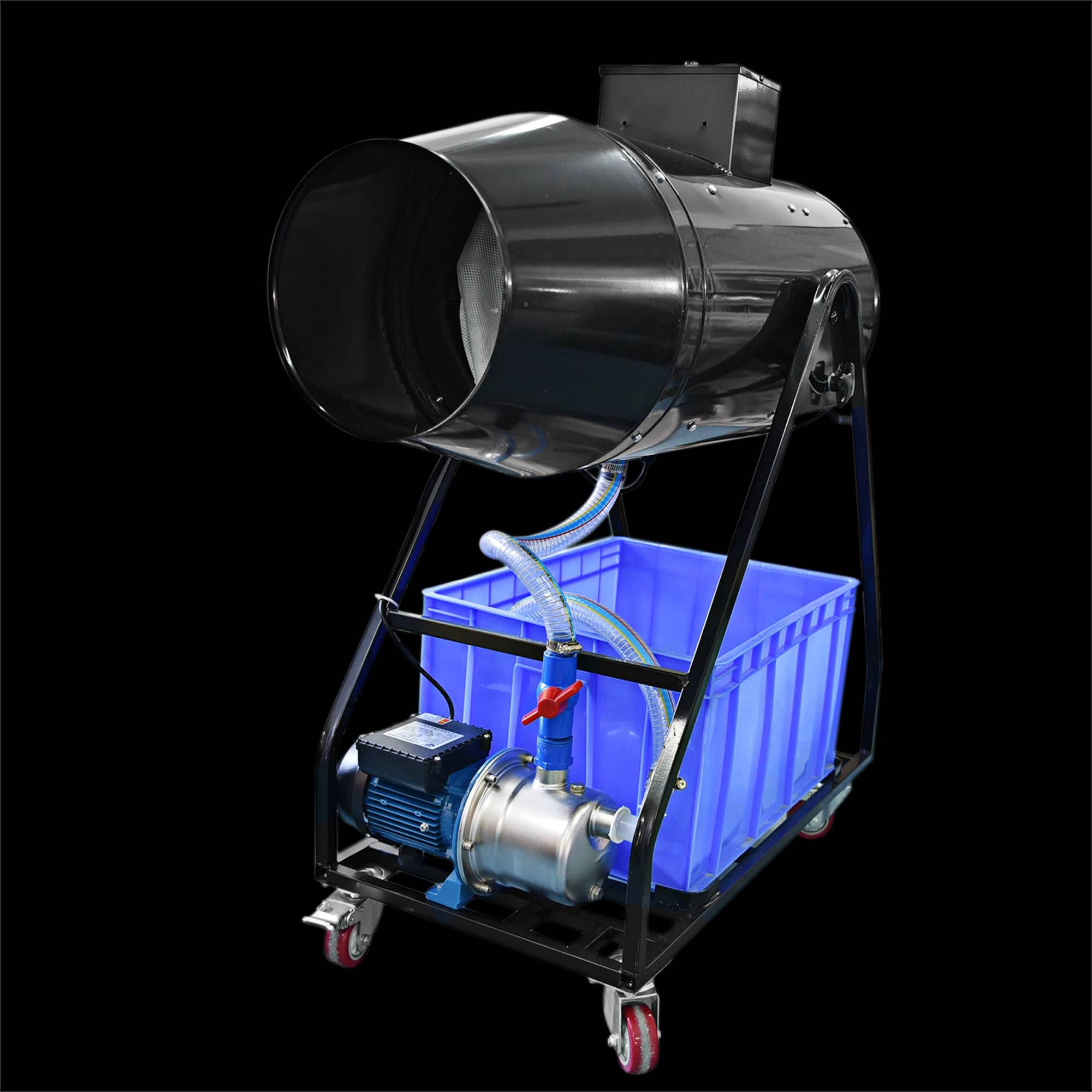
Siterui SFX 1800W Spraing foam machine High Power Professional Foam Party Maker
Elevate your event with the Siterui SFX 1800W Spraing Foam Machine. This high-power, professional foam party maker creates dense, vibrant bubbles—perfect for weddings and celebrations. Reliable and easy to use, it’s the foam and bubble machine for unforgettable moments.
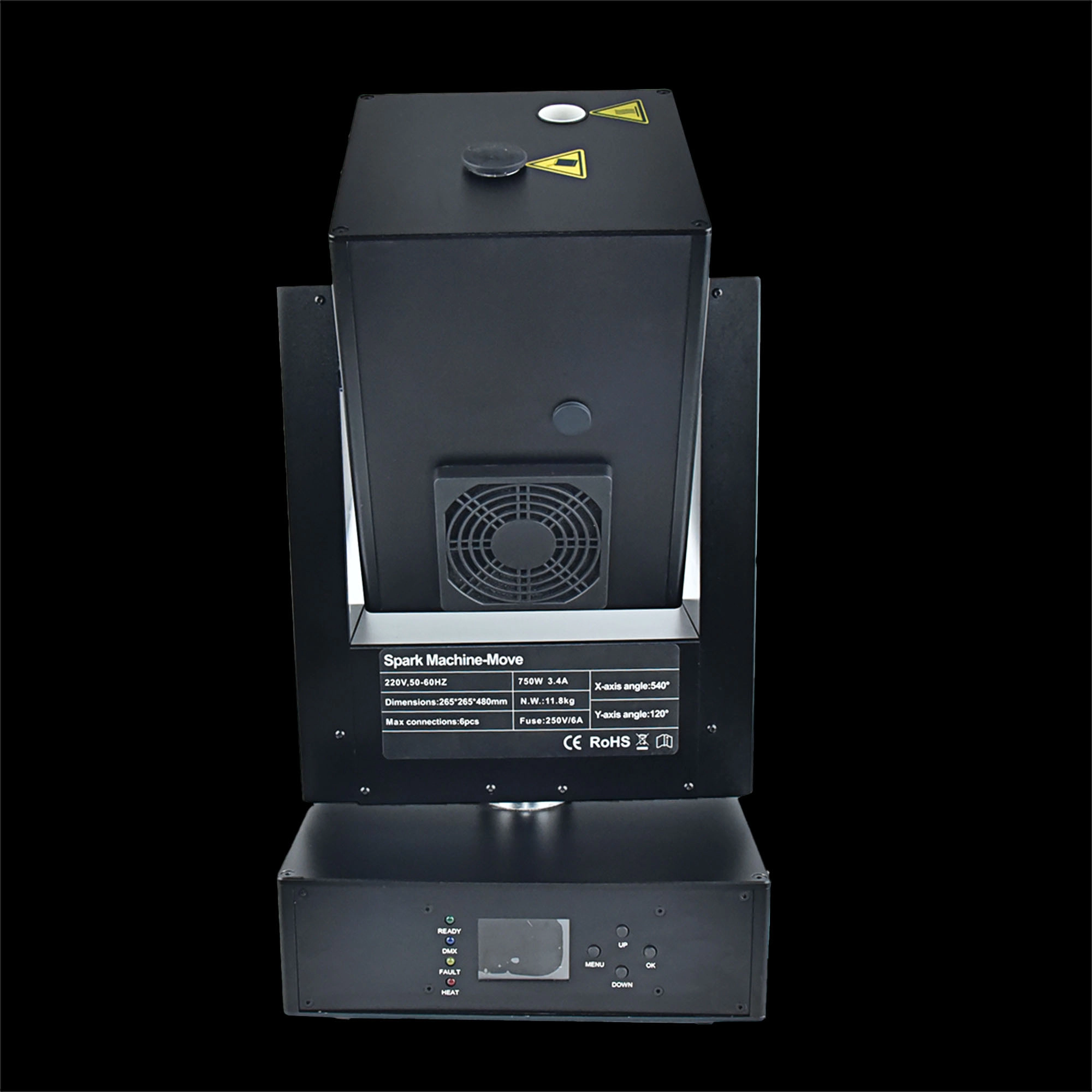
750w moving head spark machine
Siterui SFX 750w moving head spark machine delivers high-impact cold-spark effects with 360° moving head, DMX control, adjustable output and safe, long-lasting performance - perfect for concerts, weddings and stage shows.
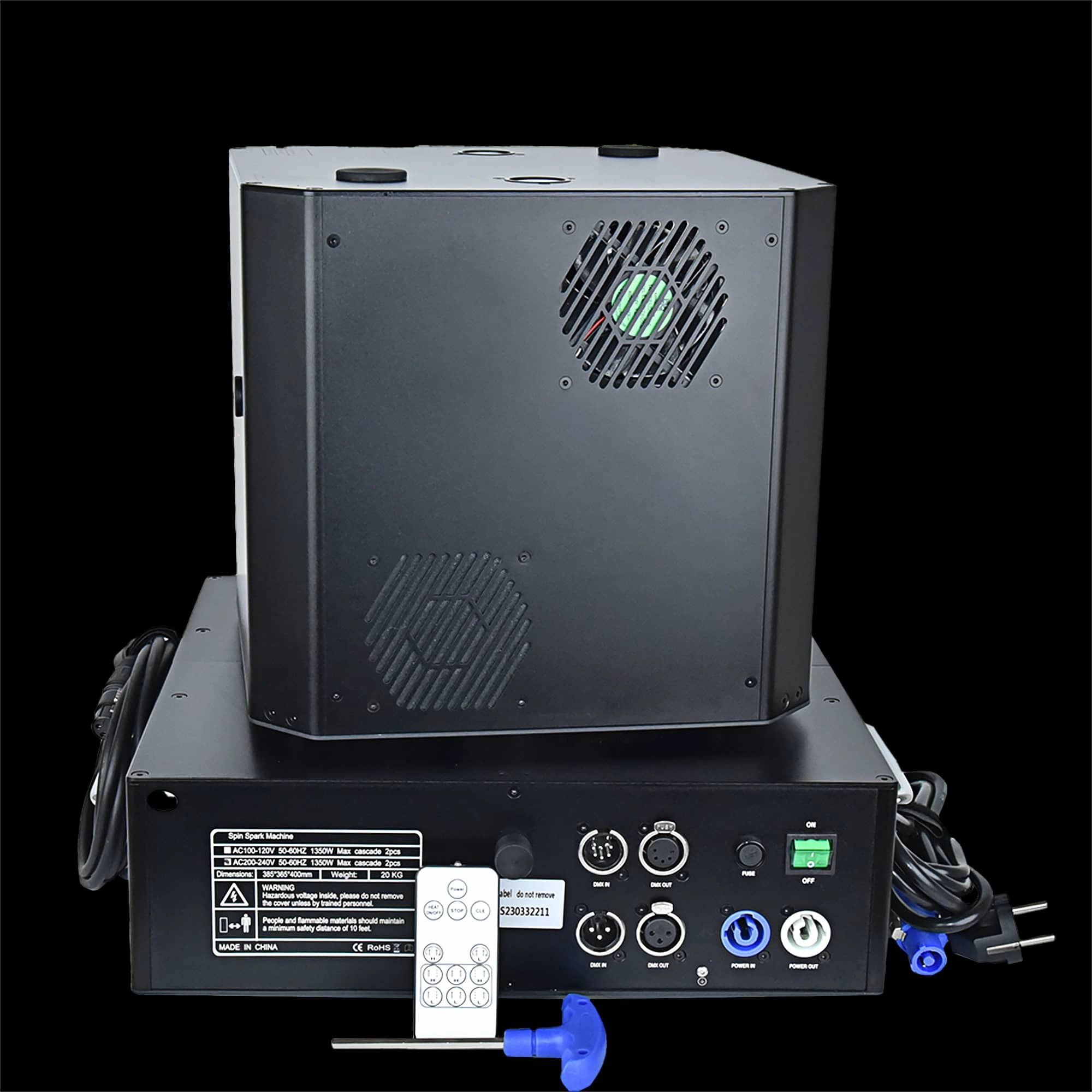
Double head 1300W Spin Spark machine DMX+Remote control
Double head 1300W Spin Spark machine -powerful dual-head 1300W spin spark effect with DMX + remote control for precise timing. Durable, professional-grade pyrotechnic effect ideal for concerts, clubs and events.
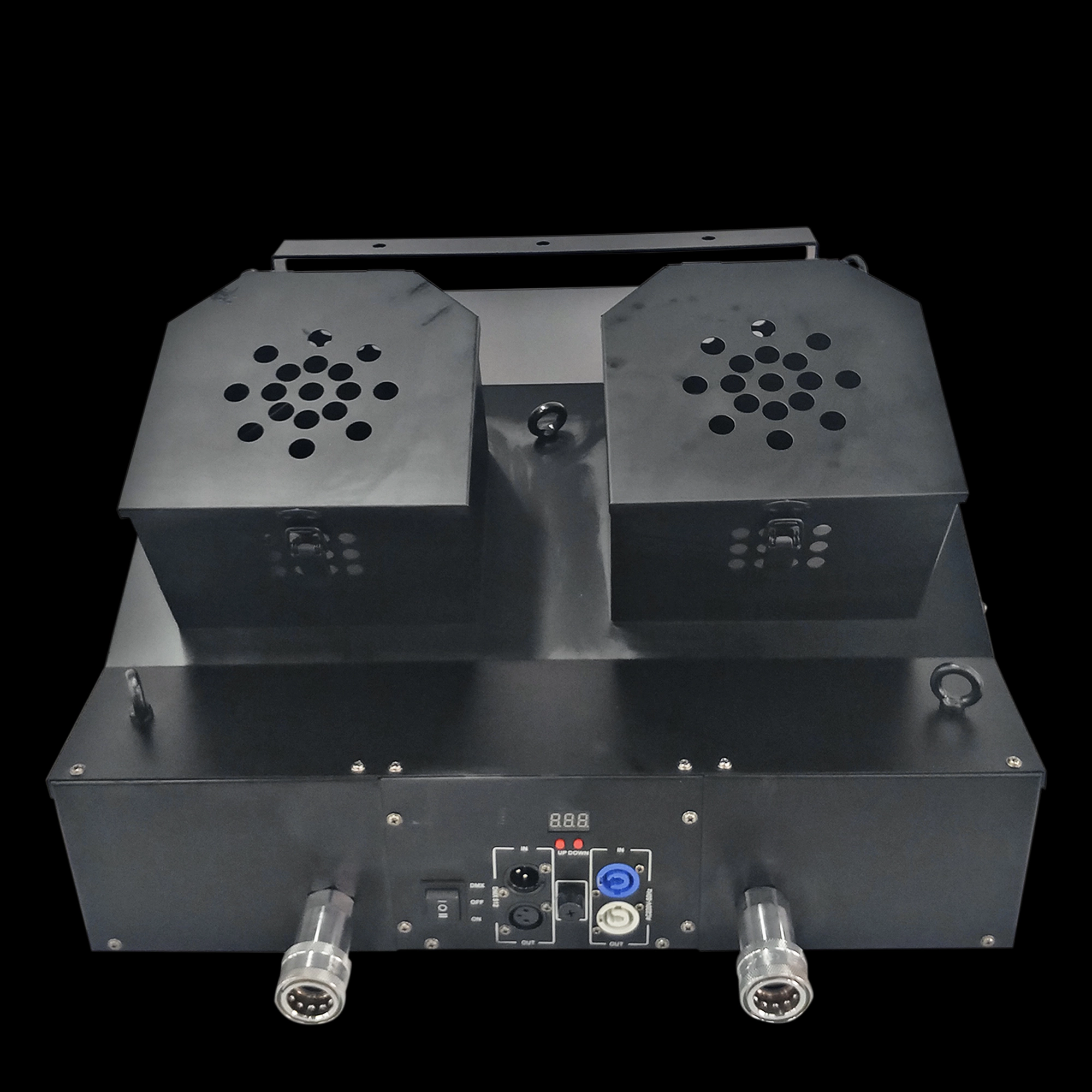
Snowstorm Paper Machine Double outlet sprayer snowstorm paper machine dual nozzle sprayer
Email: sales01@strlighting.com
WhatsApp: +86 189 2232 4800
© 2025 Siterui SFX All Rights Reserved.
 Scan QR Code
Whatsapp: +8618922324800
siteruisfx_stage_equipment
Siterui
SITERUI-SFX
STRlighting
@siterui.sfx