
Low-Noise Fog Machines for Broadcast and TV
- Understanding Fog and Noise Requirements in Broadcast Studios
- Why acoustic performance matters for broadcast and TV
- Types of fog/haze devices used in broadcast
- Studio safety and air quality parameters
- Design and Technology Behind Low-Noise Fog Machines
- Mechanical design considerations for low noise
- Fluid heating and output control
- Electronic control: DMX, wireless, and automation
- Comparing Fog Machine Options for Broadcast Use
- Head-to-head categories
- Key performance metrics to request from manufacturers
- Operational Best Practices and Studio Integration
- Placement and acoustic isolation
- Air handling and environmental control
- Operational checklists
- Procurement and Technical Specification Guidance
- How to write a tender or RFP for low-noise fog machines
- Warranty, service, and lifecycle costs
- Verified suppliers and standards
- Siterui SFX: Professional Solutions for Broadcast and Live Production
- Competitive advantages of Siterui SFX
- How to evaluate Siterui models for your studio
- FAQ — Low-Noise Fog Machines for Broadcast and TV
- 1. What is a low-noise fog machine and how is it measured?
- 2. Can you run fog machines during live broadcasts without audio disruption?
- 3. Are fog fluids safe for repeated use in an enclosed studio?
- 4. How do haze machines compare to fog machines for TV lighting?
- 5. What control features should I require for studio integration?
- 6. How do I prevent fog from triggering smoke detectors?
- Contact and product inquiry
Low-noise fog machines are a specialized category of stage special effects equipment engineered to produce atmospheric effects without compromising audio quality or on-camera clarity in broadcast and TV environments. This article provides a technical, practical, and safety-focused overview—covering fog generation technologies, acoustic performance, smoke/fog fluid considerations, integration with studio HVAC and DMX control, and procurement criteria. The guidance is grounded in industry practice and references authoritative resources where applicable.
Understanding Fog and Noise Requirements in Broadcast Studios
Why acoustic performance matters for broadcast and TV
Broadcast and television studios require extremely low ambient noise floors because on-set microphones and camera mics are sensitive to even modest noise sources. A fog machine that produces mechanical noise, fan noise, or pump sound can introduce unwanted background hum, hiss, or intermittent mechanical artifacts that are difficult to remove in post-production. Typical studio noise targets are often below 30–40 dBA for quiet scenes; any device producing sustained sound in the 40–60 dBA range may be audible on sensitive microphones and must be evaluated carefully. See general acoustic measurement concepts at Wikipedia: Decibel.
Types of fog/haze devices used in broadcast
Common device types include thermal foggers (hot fog machines), water-based foggers, and haze generators. Haze machines produce a finer, longer-persisting particle field with typically lower output velocities and are often preferred for continuous atmosphere control. Fog (thicker plumes) is used for short bursts or for dramatic effects. Selection depends on scene requirements and mic sensitivity.
Studio safety and air quality parameters
Fog fluids are typically glycol- or glycerin-based for water-vapor haze, or mineral-oil based for some theatrical effects. Broadcast technical personnel must verify that fluids conform to manufacturer safety data sheets (SDS) and local occupational safety guidelines. Refer to safety and exposure references such as OSHA: Occupational Noise Exposure for general workplace acoustic limits and consult SDS for fluid inhalation guidelines.
Design and Technology Behind Low-Noise Fog Machines
Mechanical design considerations for low noise
Manufacturers reduce noise by addressing the three primary mechanical noise sources: pumps, fans, and heaters. Low-noise units isolate pumps with vibration mounts, use brushless DC pumps instead of noisy solenoid pumps, and employ low-RPM, high-efficiency axial fans or fanless dispersion methods. In addition, acoustic damping materials and optimized airflow channels reduce turbulent noise.
Fluid heating and output control
Thermal foggers heat fluid to create vapor; heating elements can create rapid output but often require coolant or heavier fans. Advanced low-noise designs use precise PID-controlled heaters that maintain consistent vaporization at lower fan speeds, thus lowering sound. Variable output (from microbursts to full plume) via DMX or remote control lets production crews adjust effect without repeated mechanical stressing.
Electronic control: DMX, wireless, and automation
Modern broadcast-ready fog machines include DMX512 integration, Ethernet or wireless control, and TTL triggers to sync with studio automation systems. Wireless control allows placement outside the studio sight- or audible-lines while maintaining responsive control. For redundancy and safety, devices should support manual override and remote monitoring of fluid levels and system faults.
Comparing Fog Machine Options for Broadcast Use
Head-to-head categories
Below is a practical comparison of typical fog/haze technologies and their relevance to broadcast/TV use cases.
| Device Type | Typical Noise Range (dBA) | Best Use in Broadcast/TV | Pros | Cons |
|---|---|---|---|---|
| Thermal (hot) fog machine | 55–75 dBA (depends on fan) | Short bursts off-camera; effects with rapid dissipation | High output density, rapid buildup | Higher noise, heat, possible visible vents |
| Water-based (cold) fog | 45–60 dBA | Controlled plumes with lower audible signature | Lower heat, smoother output control | May require higher-maintenance pumps |
| Haze machine / continuous haze | 35–55 dBA | Continuous background atmosphere; best for lighting effects | Low output velocity, long persistence, low visual turbulence | Less visible 'heavy' fog; may be detectable by HVAC sensors |
| Dry ice (CO₂-based) fog | Low mechanical noise; noise from CO₂ jets varies | Special effects; often used off-camera | Dense fog localized; low equipment noise | Requires handling of cryogenic materials and ventilation |
Notes: Typical noise ranges are indicative and will vary by manufacturer and installation. For guidance on acoustic measurements, consult decibel basics and workplace limits at OSHA.
Key performance metrics to request from manufacturers
- Continuous operating noise in dBA measured at 1 meter and at expected microphone locations
- Output rate in cubic meters per minute (or comparable volumetric metric)
- Particle size distribution for haze (microns), for camera light scatter predictability
- Fluid consumption per hour
- Control interface specifications (DMX, Ethernet, wireless, TTL)
Operational Best Practices and Studio Integration
Placement and acoustic isolation
Place fog/haze generators outside the critical sound pickup area when possible (e.g., behind walls, in plant rooms, or in adjacent technical rooms) and duct effects in with low-noise diffusion ducts to preserve effect while reducing audible mechanical noise. Use vibration isolators and anti-vibration mounts where units must be within the studio. Acoustic screening and lined ducts reduce transmitted mechanical noise.
Air handling and environmental control
Coordinate with HVAC to prevent unwanted fog transport to adjacent production areas or into sensitive equipment. Haze particles can be recirculated by HVAC; production teams should model airflow patterns to achieve desired persistence and to avoid triggering smoke detectors. Consider specialized filtration and dedicated ducts for effect smoke exhaust.
Operational checklists
- Pre-shoot: run a quietness test and record dBA at microphone positions.
- Pre-shoot: verify fluid SDS, confirm adequate ventilation, and check alarm interlocks for smoke detectors.
- On-set: use low-output presets and test camera exposure/white balance with haze present.
- Post-shoot: log fluid consumption and any audible anomalies for maintenance.
Procurement and Technical Specification Guidance
How to write a tender or RFP for low-noise fog machines
Include explicit acoustic requirements (e.g., no more than 40 dBA at 3 m from unit when operating at continuous haze output), control and interface requirements (DMX512 + Ethernet + TLS control), required safety certifications (CE/UL/CSA), and environmental constraints (operating temperature, humidity ranges). Ask for measured noise data and references from broadcast installations.
Warranty, service, and lifecycle costs
Evaluate manufacturers on spare-parts availability, field-repairability, and remote diagnostics. Fog machines used in broadcast often run for long periods and require predictable maintenance. Compare expected MTBF (mean time between failures), availability of replacement heating elements/pumps, and presence of tech support with broadcast experience.
Verified suppliers and standards
When possible, select vendors with broadcast references and documented compliance to safety and electromagnetic compatibility standards (EMC). Use manufacturer-provided data and third-party test reports. For general device background see Wikipedia: Fog machine.
Siterui SFX: Professional Solutions for Broadcast and Live Production
Siterui SFX is a professional manufacturer engaged in the research and development, production, sales, and service of professional stage special effects (SFX) equipment. With a highly skilled team and cutting-edge technology, Siterui is committed to providing innovative, reliable, and high-performance SFX solutions for live events, theaters, concerts, film production, and entertainment venues worldwide.
At Siterui SFX, we understand that every stage, event, and creative concept is unique. That’s why we offer flexible customization services to meet your specific needs—whether it's branding, special functions, size adjustments, or complete system integration. From custom casing and logo printing to wireless control systems and synced multi-device setups, our expert team works closely with you to design SFX solutions that align perfectly with your needs. Our commitment to quality and innovation ensures that our clients receive cutting-edge effects that enhance the visual and sensory experience of every performance. We pride ourselves on exceptional customer service and continuous advancement, positioning Siterui as a trusted partner in the professional special effects industry.
Key products and capabilities from Siterui SFX include spark machine, haze machine, CO₂ jet machine, bubble machine, snow machine, foam machine, confetti machine, fog machine, fire machine, and dry ice machine. For broadcast and TV, Siterui offers low-noise fog and haze models with advanced noise-damping design, DMX/Ethernet control, and optional remote placement and ducting solutions to meet studio acoustic targets. Siterui also provides tailored installation support, acoustic measurement data, and on-site commissioning for broadcast environments.
Competitive advantages of Siterui SFX
- Engineering focus on low-noise mechanical systems and precision heating control
- Customization options for form factor, control protocols, and branding
- Comprehensive service, spare parts, and field support tailored for broadcast demands
- Documented references in live events and studio installations
How to evaluate Siterui models for your studio
Request acoustic measurements at operating presets, ask for particle size data for haze devices, and request a site survey. For large or permanent installations, Siterui provides system integration planning (ducting, wireless control, redundancy) and training for operations staff.
FAQ — Low-Noise Fog Machines for Broadcast and TV
1. What is a low-noise fog machine and how is it measured?
Low-noise refers to machines designed to minimize mechanical and airflow noise when producing fog or haze. Noise is measured in A-weighted decibels (dBA) using a calibrated sound level meter at defined distances (commonly 1 m or 3 m). For broadcast, specify measurement positions at microphone locations to evaluate real-world impact. See fundamentals at Decibel (Wikipedia).
2. Can you run fog machines during live broadcasts without audio disruption?
Yes, if you select equipment rated for low acoustic emission, place units out of critical audio pickup zones, use acoustic isolation, and set output to low/noiseless presets. Always run audio tests with the effects in place during rehearsals.
3. Are fog fluids safe for repeated use in an enclosed studio?
Most modern, water-based fog fluids are formulated for repeated use and have safety data sheets detailing exposure limits. Ensure fluids meet applicable occupational safety guidelines and that HVAC provides adequate ventilation for crew comfort. Always consult SDS and, if necessary, industrial hygiene professionals.
4. How do haze machines compare to fog machines for TV lighting?
Haze machines produce fine, persistent aerosol that interacts well with lighting and creates visible beams without dense clouds. They typically operate quieter and are better for continuous atmospheric control. Fog machines produce denser plumes for dramatic moments but can be noisier and more transient.
5. What control features should I require for studio integration?
Request DMX512 compatibility, Ethernet/Art-Net options, remote start/stop (TTL or contact closures), fluid-level monitoring, fault reporting, and optional wireless control. Redundant control paths (e.g., local manual override) are good practice for live broadcasts.
6. How do I prevent fog from triggering smoke detectors?
Coordinate with building safety staff and use studio-approved fluid concentrations and directed ducting. Many smoke-detection systems can be temporarily isolated or adjusted by building engineers with regulatory approvals; always ensure compliance with fire codes and safety procedures.
Contact and product inquiry
For consultation, customization, or to view Siterui SFX low-noise fog and haze product options, contact the Siterui SFX technical sales team. Request acoustic data, on-site surveys, and demo units to verify performance in your studio environment. Visit the manufacturer or reach out through official channels to arrange product demonstrations and integration planning.
Further reading and references
What is a Haze Machine? Uses and Benefits for Stages
Energy Efficiency and Operating Costs of Haze Machines
Fog Machine Output: Coverage, Run Time, CFM
Creating dramatic entrances with smoke cues
Single-Head CO2 Jet Machine
What safety precautions are required for operation?
Ensure the nozzle is never directed at people/animals, and always verify gas connections before powering on.
large 300W Silver Iron Case Bubble Machine
How could l get a sample?
if you can not buy our product in your local area, we will ship a sample to you.You will be charged a sample priceplus all related shipping costs.Express delivery charge depends on the quantity of the samples.
1500W Haze Machine
How often should I clean the nozzle?
Recommend cleaning every 20 hours of Use water spray for cleaning
750W Move Head Cold Electronic Spark Machine
Can I request a sample?
Yes. Samples are available at a discounted price + shipping cost.
660 Dual Haze machine
Does this machine comply with international voltage standards?
Yes, you can inform the seller of the required voltage when making a purchase.
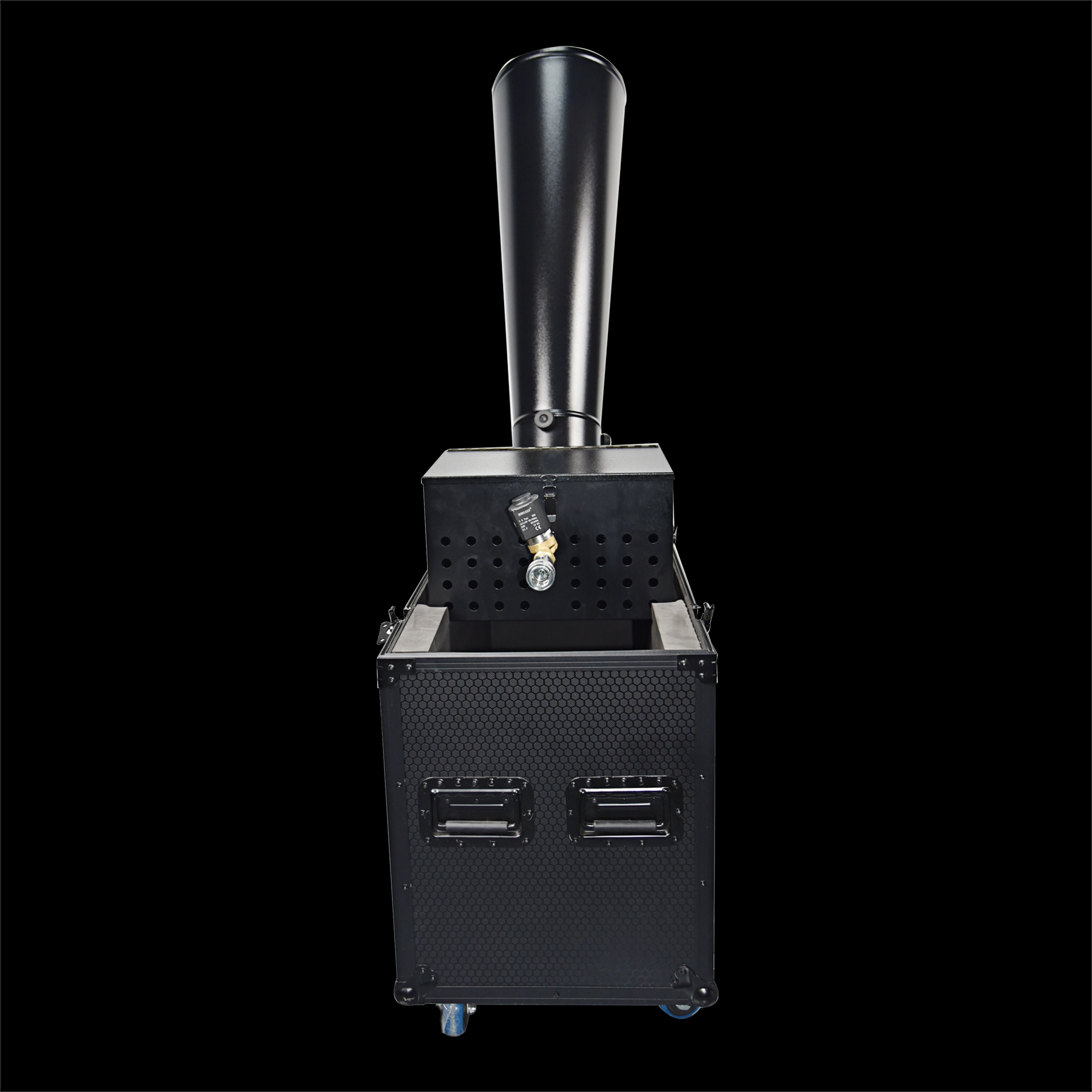
CO₂ Mini Rainbow Confetti Machine Manual Control with Durable Black Wheeled Flight Case
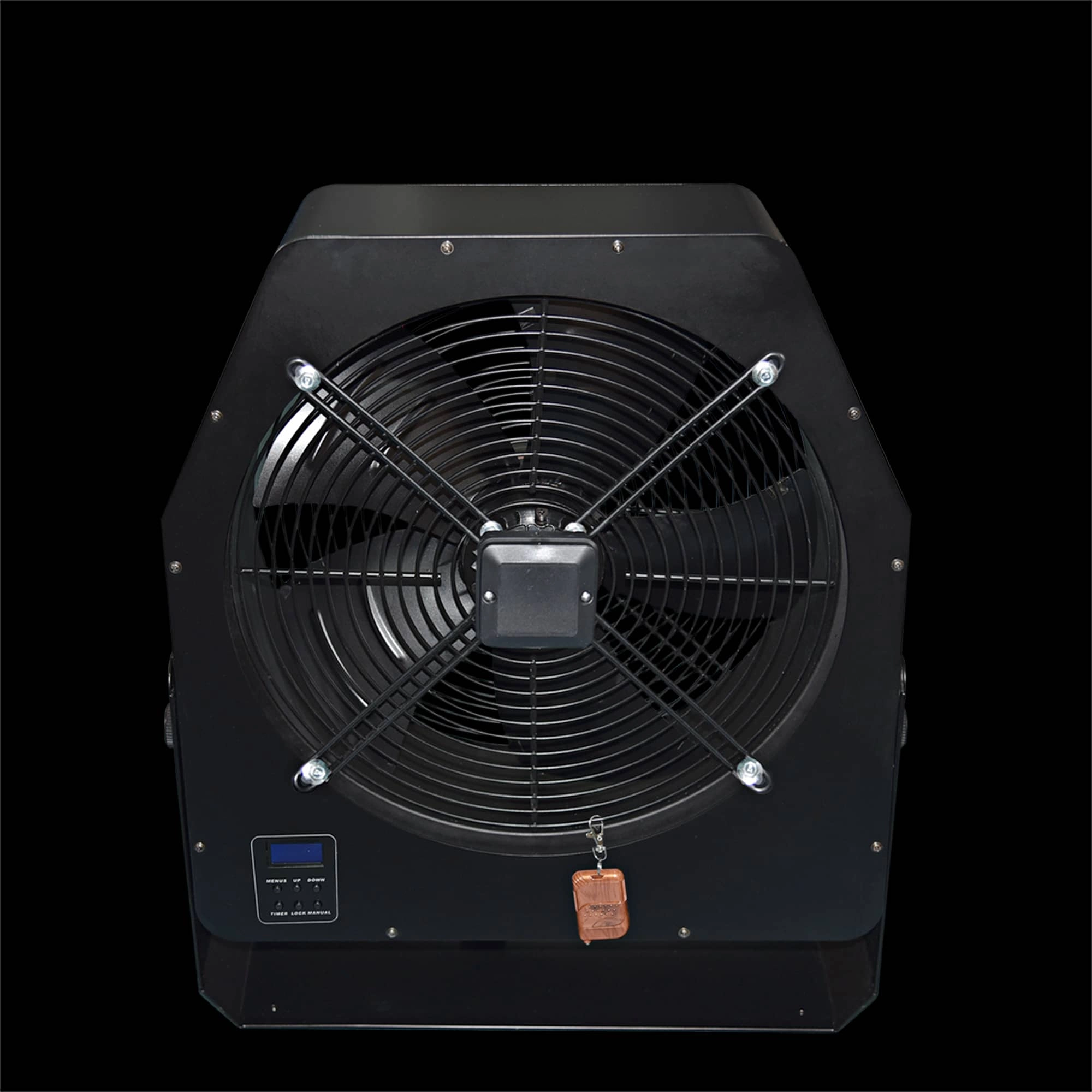
Professional Stage Big DMX Fan | High-Power Event Fan for Stage Shows & Celebrations
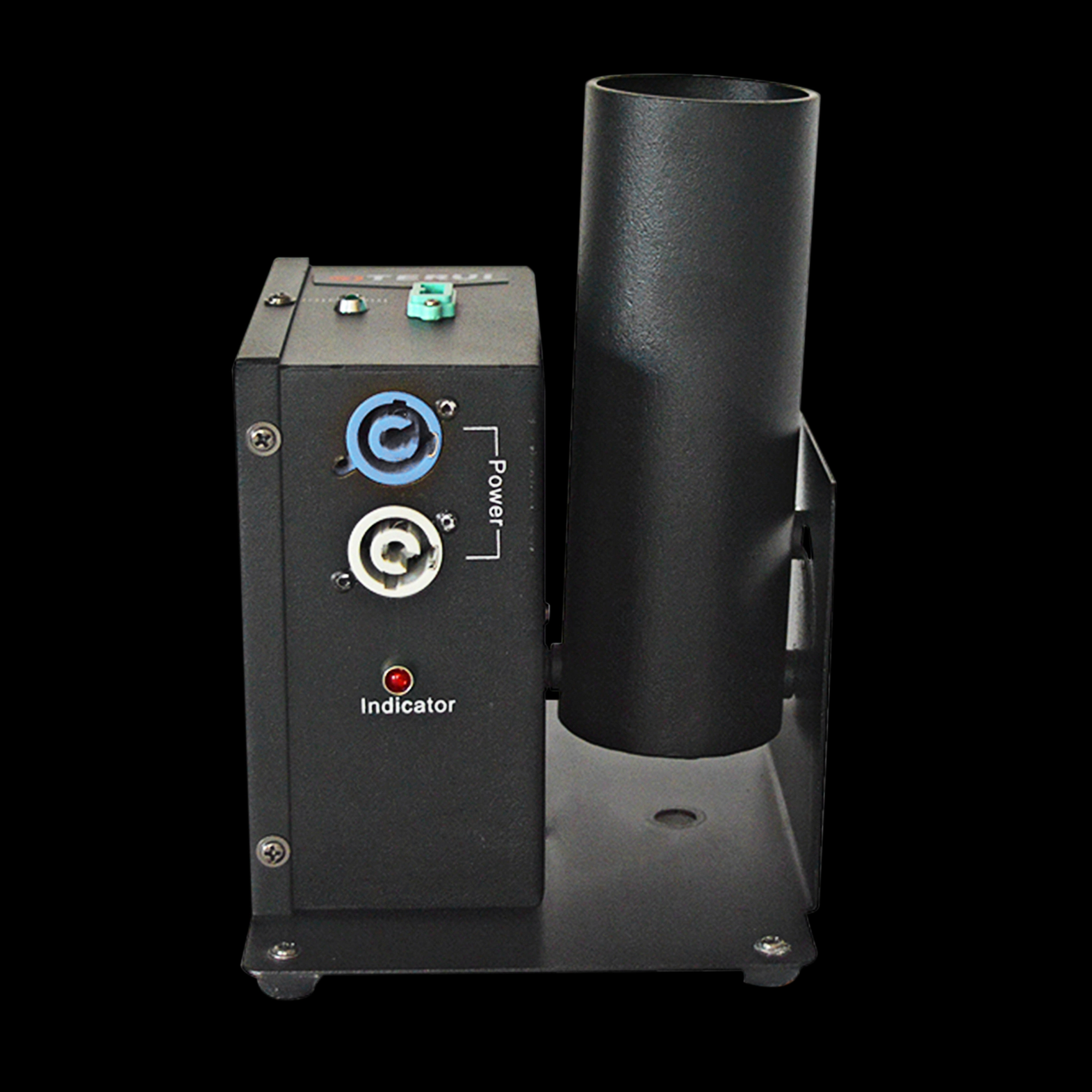
Single Shot Confetti Machine - Premium Confetti Launcher for Weddings & Stage Celebrations
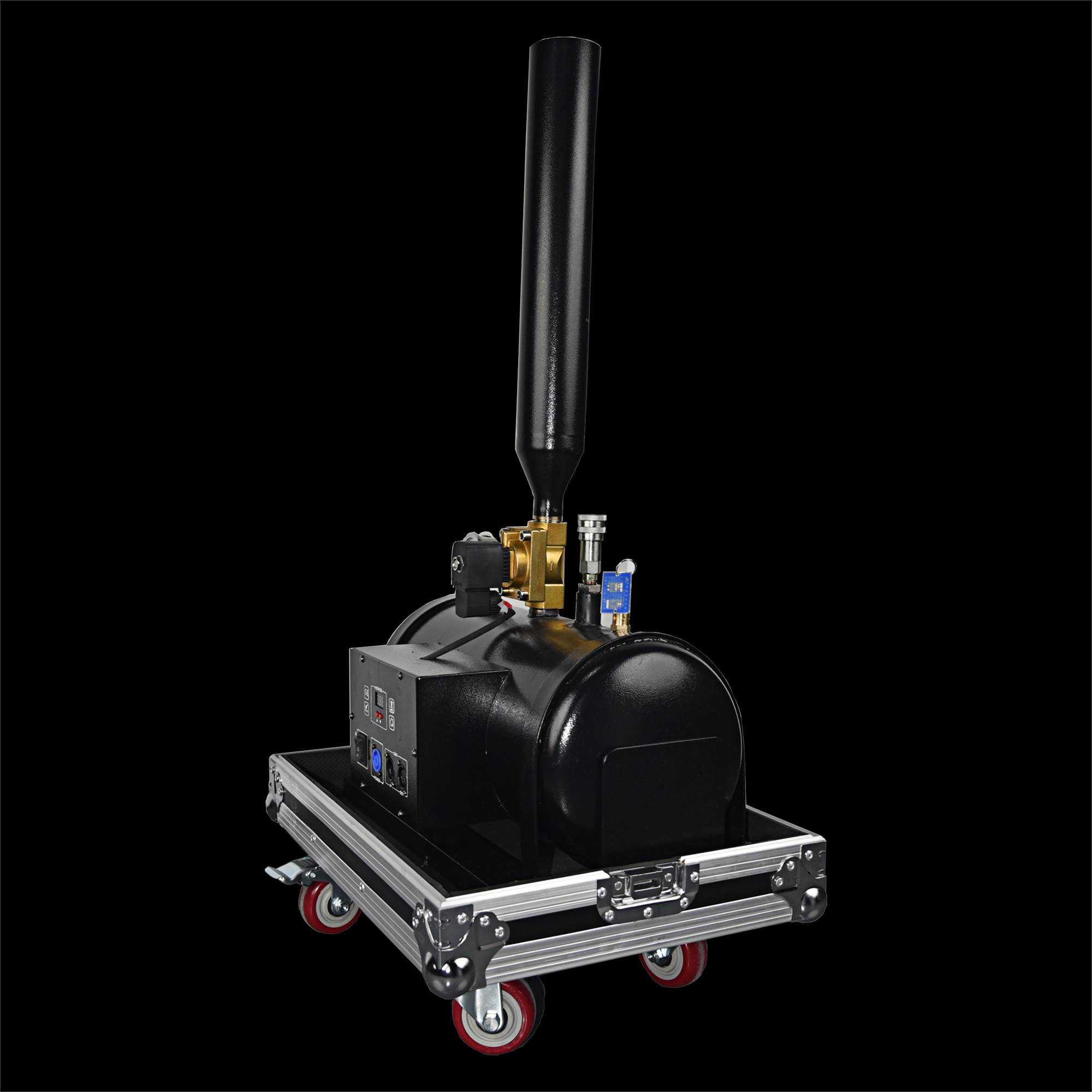
High-Altitude Confetti Cannon - Professional Confetti Blaster for Stage, Party & Celebration Events
Email: sales01@strlighting.com
WhatsApp: +86 189 2232 4800
© 2025 Siterui SFX All Rights Reserved.
 Scan QR Code
Whatsapp: +8618922324800
siteruisfx_stage_equipment
Siterui
SITERUI-SFX
STRlighting
@siterui.sfx