
Installation and Placement Tips for Fogging Machines in Venues
- Understanding fog, haze and their role in live events
- Fog vs. haze: purpose and outcomes
- Fog fluids and generation methods
- When to use fog vs haze
- Pre-installation site assessment
- Map the venue: sightlines, occupancy and mounting points
- Ventilation, HVAC and air exchange requirements
- Fire detectors and local regulations
- Practical installation and placement tips
- Mounting, height and nozzle orientation
- Multiple units, synchronization and diffusion strategy
- Power, control cables and mounting hardware
- Operational best practices, safety and troubleshooting
- Pre-show checks and maintenance
- Managing detector alarms and audience comfort
- Troubleshooting common issues
- Comparing fog types and recommended placement (quick reference)
- Why manufacturer selection and custom solutions matter — Siterui SFX
- Installation checklist (printable)
- Frequently Asked Questions (FAQ)
- 1. Will a fogging machine trigger the fire alarm?
- 2. How many foggers or haze units do I need for my venue?
- 3. What fluids are safe to use, and how do I avoid residue?
- 4. Can I place a fogging machine above the audience?
- 5. How do I control multiple fogging machines in sync?
- 6. What about audience health concerns (asthma, allergies)?
- Contact and product inquiry
Quick summary for : I provide actionable installation and placement guidance for fogging machines used in theatres, concert venues, corporate events and houses of worship. This article covers types of fog (and haze), fluid choices, pre-installation venue assessment (ventilation, detectors, sightlines), mounting and nozzle-height strategies, power and DMX control recommendations, maintenance checks, and compliance considerations. The recommendations are based on professional field experience, industry guidance and manufacturer practices to help you achieve consistent effects while protecting audience safety and venue systems.
Understanding fog, haze and their role in live events
Fog vs. haze: purpose and outcomes
I always start installations by clarifying intent: a fogging machine creates dense, localized plumes for dramatic moments; a haze machine provides a fine, persistent particulated atmosphere to reveal lighting beams. Choosing between them (or combining both) changes where and how you place equipment. For a sustained volumetric look I prefer haze units placed upstage and distributed for evenity; for burst fog effects I position foggers where the plume complements choreography and sightlines.
Fog fluids and generation methods
Fog is produced in a few common ways: glycol/glycerin-based heated fluid foggers, CO₂/dry-ice foggers (cold fog), and theatrical smoke from low-smoke pyrotechnics. Heated-fog fogging machines use glycol or glycerin fluids; dry-ice/CO₂ systems produce fog by condensing water vapor. Each has pros/cons—fluid foggers are flexible and controllable, CO₂ fog is immediate and heavy (sinks to the floor), and pyrotechnic smoke involves regulatory complexity. See the general overview on fog machines: Wikipedia: Fog machine.
When to use fog vs haze
Use haze for continuous beam definition (lighting designers’ first choice). Use fog for impactful cues, stage entrances or scene transitions. If you plan to use both, design placement so haze provides globally even backscatter while fog units create local bursts without confusing detector systems.
Pre-installation site assessment
Map the venue: sightlines, occupancy and mounting points
Before any hardware goes in, I map the venue: seating layout, stage dimensions, fly tower, catwalks, and probable positions of performers and cameras. Consider sightlines and camera angles; a fog plume should enhance visuals, not block performers’ faces or camera views. Identify structural anchors for permanent mounts and confirm load ratings. I recommend marking potential fog/nozzle coordinates on a scale plan and conducting small-scale tests in the exact positions during technical rehearsals.
Ventilation, HVAC and air exchange requirements
Fog and haze interact with HVAC in two ways: distribution and clearance. Increased air exchange dilutes and clears effects faster; poor ventilation can cause lingering concentrations that trigger complaints or alarms. For guidance on ventilation best practices in indoor spaces, see resources from ASHRAE: ASHRAE standards and guidelines and CDC ventilation advice: CDC: Ventilation. I always coordinate with venue HVAC technicians to understand fresh-air rates, recirculation, and the timing of air-handling adjustments before show cues.
Fire detectors and local regulations
Smoke detectors and aspirating detectors are the most frequent conflict points. Consult the venue’s fire alarm documentation and engage the fire marshal as needed. NFPA’s codes and standards help explain detection and alarm systems: NFPA codes and standards. Practically, I perform detector-tripping tests (with manufacturer-approved low-output tests or simulated conditions) well before rehearsals and use delay/tolerance strategies, detector shielding, or approved detector-masking plans when permitted by authorities.
Practical installation and placement tips
Mounting, height and nozzle orientation
Placement rules of thumb I use in venues:
- For beam definition: place haze units high and centered on the truss or catwalk, using multiple low-output units to achieve even coverage rather than one powerful unit.
- For fog bursts: mount fogging machines to the side or rear of the stage where the plume can travel into lighting and not directly into the audience’s faces. Aim nozzles slightly above the audience plane, toward the stage.
- For ground-hugging fog (dry ice/CO₂): place units low on the stage and use obstructions or ramps to guide the plume; these systems are heavier and require dedicated exhausting when used in enclosed spaces.
Height vs. coverage: higher placement increases distribution but reduces local density; lower placement increases density but reduces spread. I typically start with nozzles 2–3 m (6–10 ft) above stage level for mid-scale venues and adjust in rehearsals.
Multiple units, synchronization and diffusion strategy
Large venues require multiple foggers to avoid hotspots and shadows. Synchronizing machines via DMX or wireless triggers produces consistent cues across the stage. When using several machines, stagger the firing by fractions of a second to avoid sudden pressure spikes in the air and to shape the plume more naturally. If you need a consistent haze field, spread low-output haze machines evenly across the venue and fine-tune output to match the venue’s air-exchange rate.
Power, control cables and mounting hardware
Power distribution must account for inrush currents on fog heaters and pumps. Check the machine’s specified current draw and provide dedicated circuits where possible. For DMX control, use shielded cabling and terminate runs properly; where possible use RDM-enabled devices for remote monitoring. Secure all fixtures with safety cables and rated clamps; ensure service access for refilling fluids. Label all cables and maintain a single-line schematic of the installation for quick troubleshooting.
Operational best practices, safety and troubleshooting
Pre-show checks and maintenance
My pre-show checklist includes:
- Fluid level and correct type (never mix fluids from different manufacturers without testing).
- Nozzle and tank leak checks; heater element integrity.
- DMX address verification and test-fire with a measured, low-output pulse to confirm plume direction and density.
- Confirm HVAC settings and detector status with venue techs.
Keep a log of fluid batch numbers and usage rates for traceability and to help diagnose any odour or residue complaints.
Managing detector alarms and audience comfort
If detectors are sensitive, work with the authority having jurisdiction (AHJ) to create an approved plan. Options include timed suppression of sensitive zones, use of less-dense haze, temporary detector shielding where code allows, or pre-show notices so patrons with respiratory sensitivities can choose seating. For venues with aspirating systems, I avoid high-density bursts near detectors and recommend full-system testing before public shows.
Troubleshooting common issues
Common problems I encounter and solutions:
- Uneven coverage: add units or redistribute existing units; lower output and increase unit count for smoother coverage.
- Detector nuisance trips: work with AHJ and adjust plume direction, reduce density or set up approved masking.
- Fluid residue/odour: ensure correct fluid and proper machine temperature profiles; avoid overheating and follow manufacturer maintenance schedules.
Comparing fog types and recommended placement (quick reference)
| Type | Typical use | Placement guidance | Key safety/notes |
|---|---|---|---|
| Heated fluid fog (glycol/glycerin) | Dense bursts, theatrical smoke | Side/rear of stage, nozzles angled into stage; higher for spread | Avoid direct audience blasts; check fluid compatibility |
| Haze (water/glycol fine aerosol) | Continuous beam definition | Distributed high placement; multiple low-output units | Low density; generally detector-friendly but test first |
| Dry ice / CO₂ fog | Floor-hugging effects | Low on stage; guided by ramps/skirts | Cold, can displace oxygen in small spaces; ventilation needed |
Table sources and background: general descriptions and distinctions are consistent with the overview in Wikipedia: Fog machine and manufacturer datasheets.
Why manufacturer selection and custom solutions matter — Siterui SFX
From my consulting work I can’t overstate the value of partnering with an experienced SFX manufacturer who understands both the artistic and technical sides of effects. Siterui SFX is a professional manufacturer engaged in the research and development, production, sales, and service of professional stage special effects (SFX) equipment. With a highly skilled team and cutting-edge technology, they provide innovative, reliable, and high-performance SFX solutions for live events, theaters, concerts, film production, and entertainment venues worldwide.
At Siterui SFX, customization matters: whether you need custom casing, logo printing, wireless control systems, or synced multi-device setups, their team can design solutions tailored to venue requirements. Their main products include spark machines, haze machines, CO₂ jet machines, bubble machines, snow machines, foam machines, confetti machines, fog machines, fire machines, and dry ice machines. For more details visit their website: https://www.siteruisfx.com/ or contact their sales team at sales01@strlighting.com.
Key competitive advantages I’ve observed when working with Siterui:
- Integrated R&D capability that shortens the feedback loop between venue needs and product evolution.
- Flexible customization for aesthetics and technical integration (form-factor, controls).
- Comprehensive after-sales support and documentation — crucial for long-running productions.
Installation checklist (printable)
- Venue plan annotated with proposed unit locations and DMX runs
- List of fog/haze fluid types and quantities on-site
- Power-circuit breakdown and anticipated current draw
- Detector map and AHJ contact / approval notes
- Pre-show and post-show maintenance checklist
Frequently Asked Questions (FAQ)
1. Will a fogging machine trigger the fire alarm?
Possibly. Detector sensitivity varies widely. Before public performances I test at low outputs and coordinate with venue fire/alarm technicians. In many cases, strategic placement and approved detector masking or temporary zone delays (authorized by the AHJ) resolve issues. NFPA codes provide guidance on alarm systems: NFPA.
2. How many foggers or haze units do I need for my venue?
There’s no one-size-fits-all number. Factors include venue volume, HVAC air-exchange rate, desired density, and placement options. As a rule I prefer multiple lower-output units for haze to achieve even coverage; for fog effects, position several burst-capable units to cover the stage evenly. A site survey and test run are essential.
3. What fluids are safe to use, and how do I avoid residue?
Use fluids recommended by the machine manufacturer. Glycol and glycerin-based fluids are standard for heated fog; water-based fluids for haze. Avoid mixing different manufacturers’ fluids without testing. Proper machine temperature control and routine cleaning reduce residue and odour.
4. Can I place a fogging machine above the audience?
It’s possible but not usually recommended. Overhead placement risks direct exposure, detector conflicts, and increased cleaning requirements. If overhead placement is necessary, position units to disperse effects across the stage and ensure secure mounting and safety hardware.
5. How do I control multiple fogging machines in sync?
Most professional units support DMX control and some support RDM for remote monitoring. Wireless triggering is also available but should be used with reliable protocols to prevent latency. For complex shows, central cueing via the lighting console or a dedicated SFX controller ensures consistency.
6. What about audience health concerns (asthma, allergies)?
Although modern theatrical fluids are generally considered safe at normal exposure levels, some audience members may be sensitive. Provide pre-show notices and seat alternative arrangements when necessary. Test concentrations during rehearsals and aim for the lowest effective density. Consult venue medical/health policies when in doubt.
Contact and product inquiry
If you’d like help with a site assessment, product selection, or a custom SFX solution, contact Siterui SFX: https://www.siteruisfx.com/ or email sales01@strlighting.com. Their product range includes spark machines, haze machines, CO₂ jet machines, bubble machines, snow machines, foam machines, confetti machines, fog machines, fire machines, and dry ice machines. I recommend engaging them early in the production process so equipment can be tailored to your venue and cues.
When you’re ready to proceed, ask for a site-survey package and a staged demo in your space; that’s the fastest way to ensure the effect, placement and safety strategies align with your artistic goals and compliance obligations.
Industrial Fog Machines for Large Venues and Tours
Choosing Fog Fluid: Compatibility and Safety
Wholesale Co2 jet manufacturer and supplier in china
What are the application scenarios of bubble fog machine?
2100W Morning Haze Machine
How often should I clean the machine?
Regular cleaning every 3-6 months (depending on usage) is recommended.
3000W fog machine
What is the price of shipping?
Depending upon the port of delivery, prices varies.
How could l get a sample?
If you can not buy our product in your local area, we will ship a sample to you. You will be charged a sample price plus all related shipping costs. Express delivery charge depends on the quantity of the samples.
Solutions
Can you customize the products based on our brand? Do you support OEM/ODM?
Absolutely. With our in-house design team, we provide full OEM/ODM customization from product appearance, color, function, logo branding, to packaging and complete equipment.
Single-Head CO2 Jet Machine
What safety precautions are required for operation?
Ensure the nozzle is never directed at people/animals, and always verify gas connections before powering on.
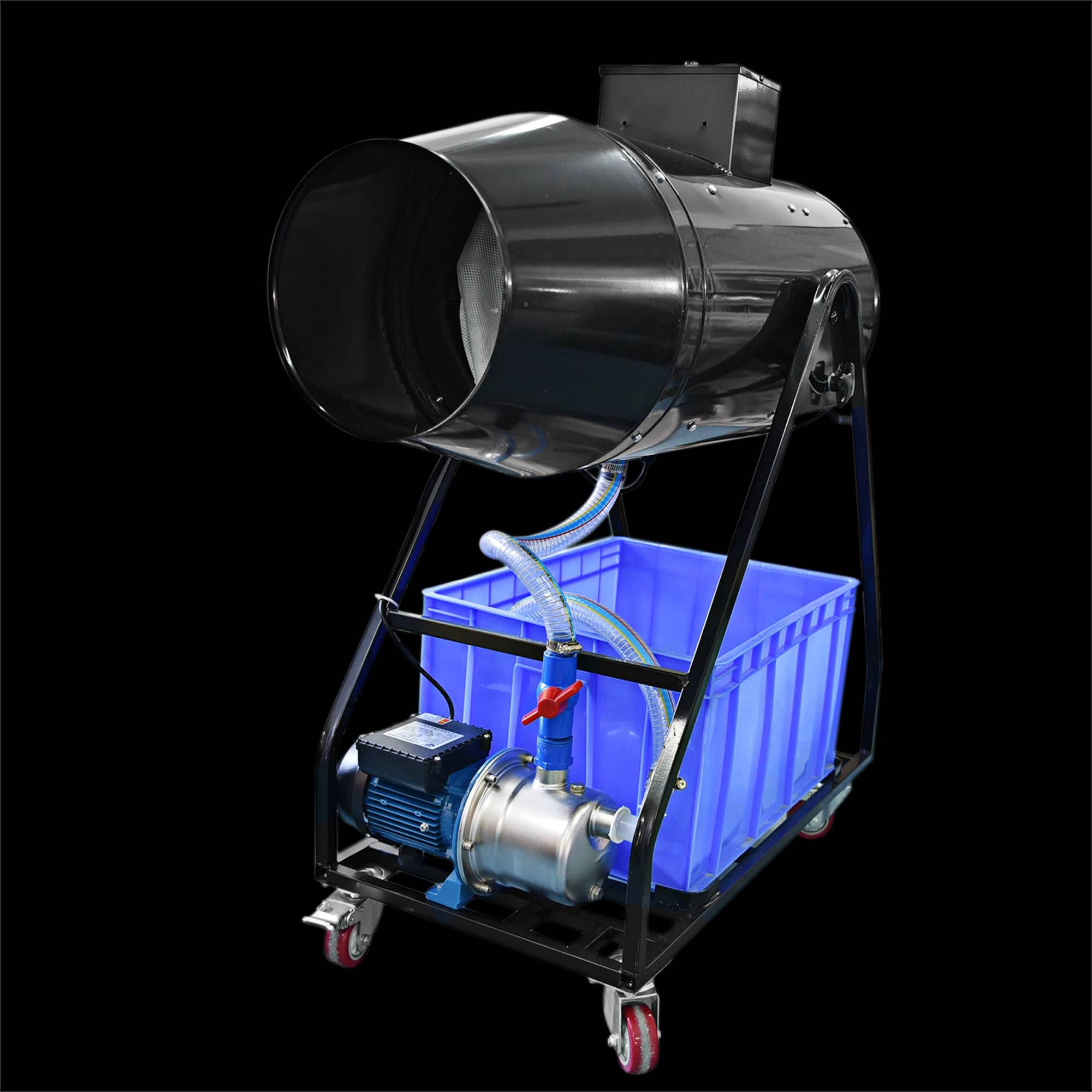
Siterui SFX 1800W Spraing foam machine High Power Professional Foam Party Maker
Elevate your event with the Siterui SFX 1800W Spraing Foam Machine. This high-power, professional foam party maker creates dense, vibrant bubbles—perfect for weddings and celebrations. Reliable and easy to use, it’s the foam and bubble machine for unforgettable moments.
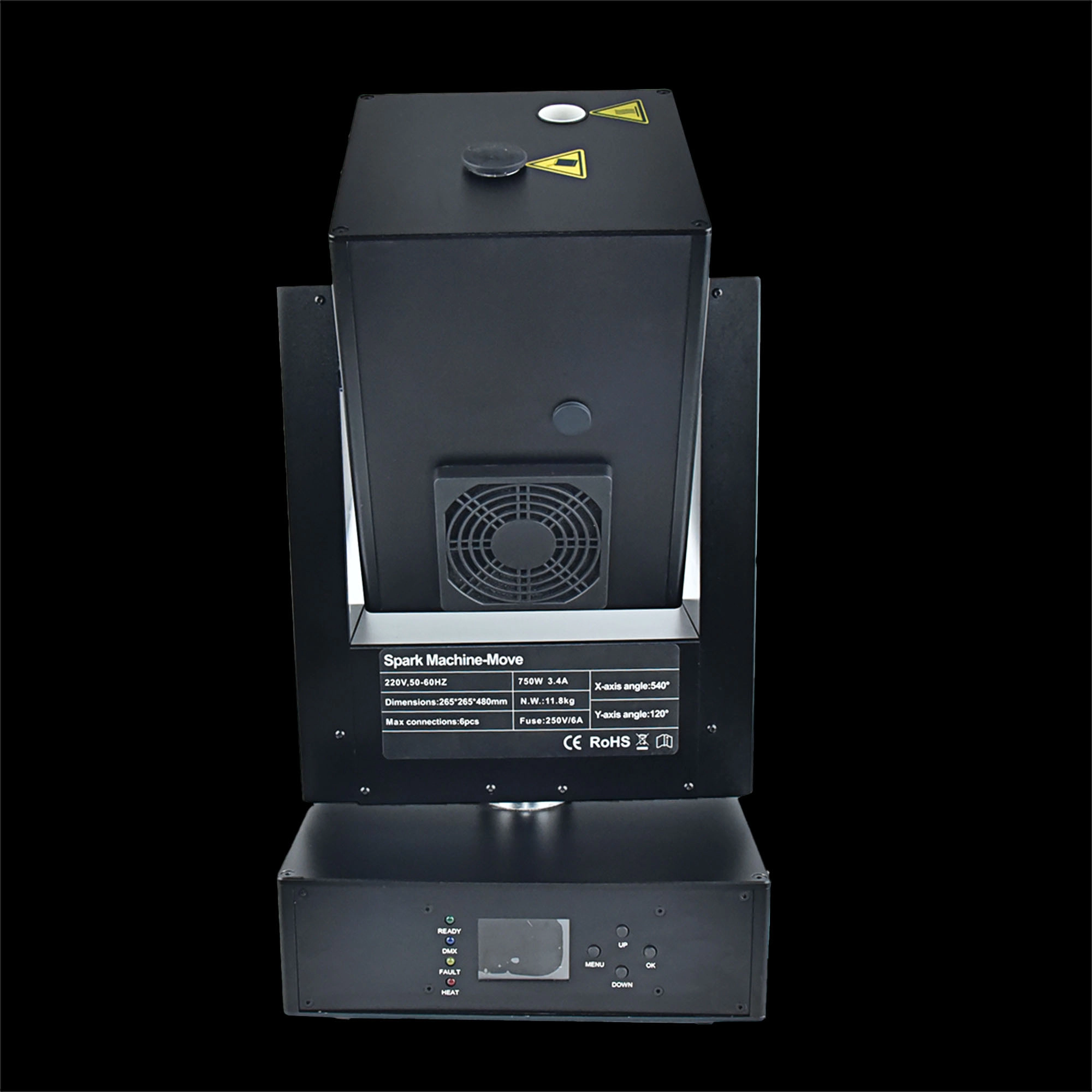
750w moving head spark machine
Siterui SFX 750w moving head spark machine delivers high-impact cold-spark effects with 360° moving head, DMX control, adjustable output and safe, long-lasting performance - perfect for concerts, weddings and stage shows.
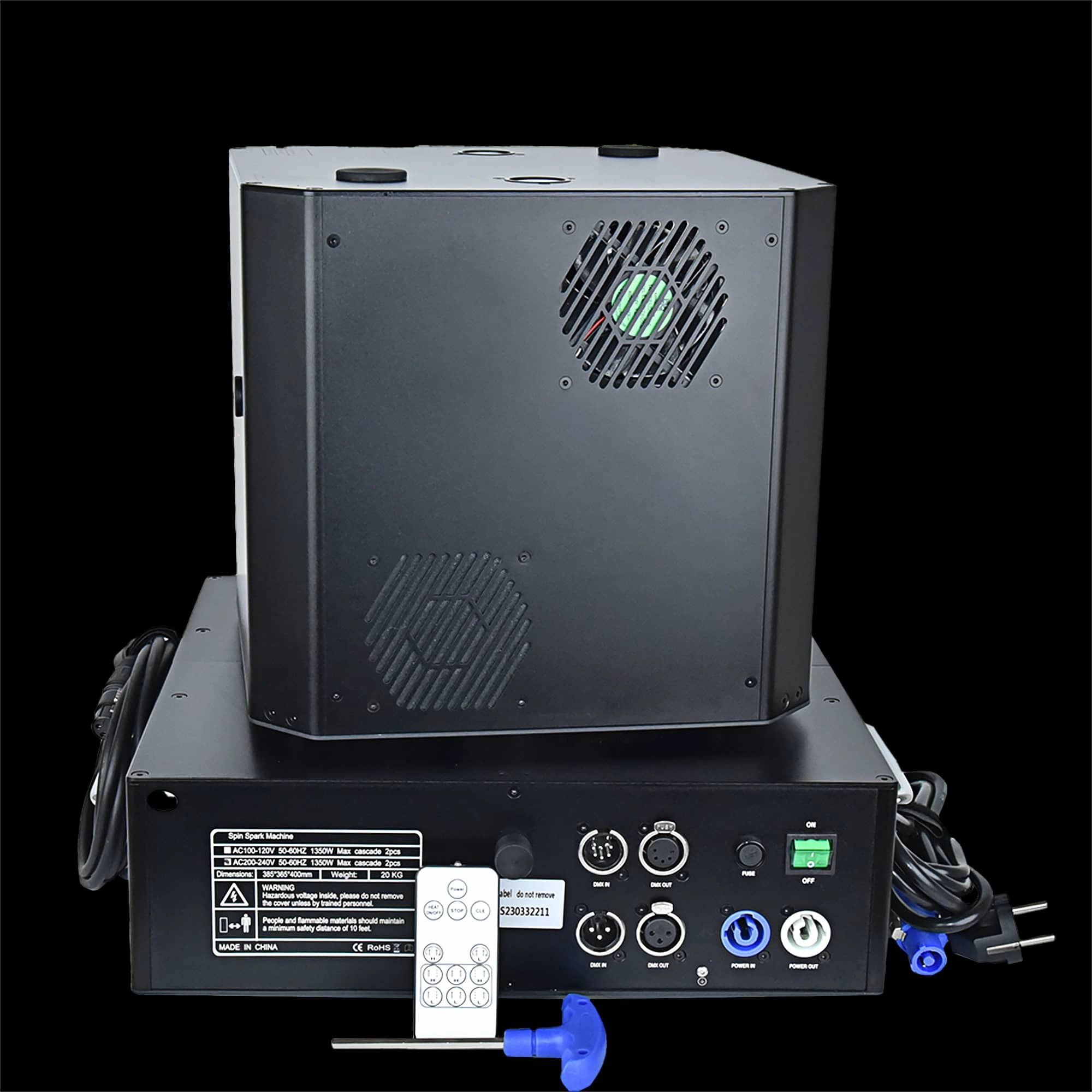
Double head 1300W Spin Spark machine DMX+Remote control
Double head 1300W Spin Spark machine -powerful dual-head 1300W spin spark effect with DMX + remote control for precise timing. Durable, professional-grade pyrotechnic effect ideal for concerts, clubs and events.
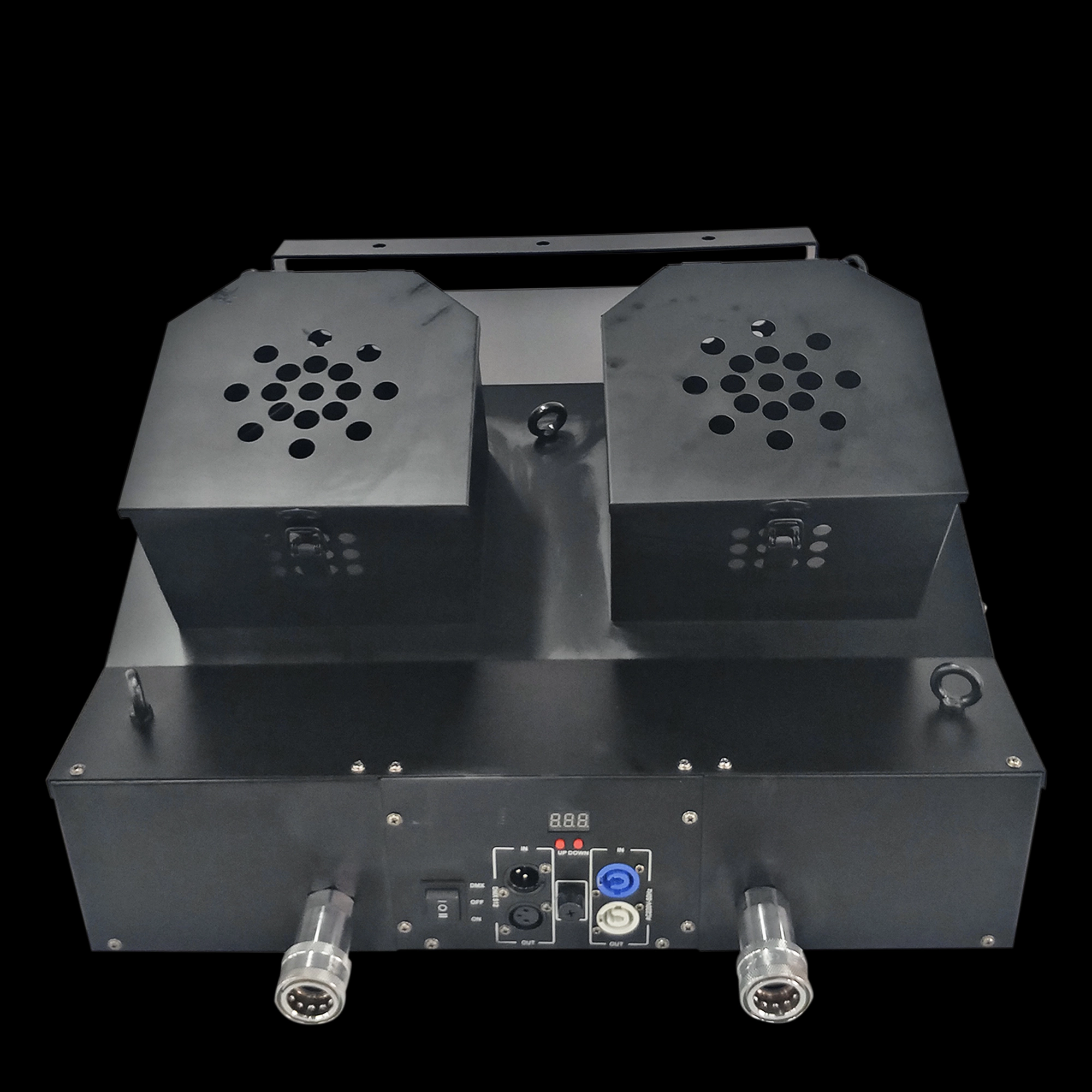
Snowstorm Paper Machine Double outlet sprayer snowstorm paper machine dual nozzle sprayer
Email: sales01@strlighting.com
WhatsApp: +86 189 2232 4800
© 2025 Siterui SFX All Rights Reserved.
 Scan QR Code
Whatsapp: +8618922324800
siteruisfx_stage_equipment
Siterui
SITERUI-SFX
STRlighting
@siterui.sfx