
Industrial Fog Machines for Large Venues and Tours
- Understanding atmospheric effects for live events
- What fog and haze do for productions
- Types of atmospheric effects and their characteristics
- Technical specifications and performance considerations
- Key performance metrics to evaluate
- Representative performance comparison
- Operational safety, maintenance, and logistics
- Safety, ventilation and regulatory compliance
- Routine maintenance and troubleshooting
- Choosing and integrating fog machines for tours and large venues
- Procurement checklist for touring productions
- Integration with lighting, video, and automation
- Cost vs. performance: budgeting guidance
- Siterui SFX: Professional solutions and customization for tours and venues
- Company profile and product capabilities
- Products relevant to fog and atmospheric effects
- Why consider Siterui SFX for large venues and tours
- Practical deployment case studies and best practices
- Case study: Arena concert tour
- Case study: Theater residency
- Checklist before first show
- FAQ (Frequently Asked Questions)
- 1. What is the difference between a fog machine and a haze machine?
- 2. Are fog machines safe for indoor arenas and audiences?
- 3. How do I prevent smoke detectors from triggering during shows?
- 4. What are typical fluid consumption rates for touring fog machines?
- 5. Can fog machines be integrated into the lighting timecode and DMX workflow?
- 6. What is the best approach to redundancy for touring rigs?
- Contact, consultation and product viewing
- References and further reading
Industrial fog machines are a core element of modern live events and tours, enabling dramatic atmosphere, enhanced lighting effects, and immersive audience experiences. For large venues and touring productions, choosing the right foging solution involves balancing output, run-time, safety, portability, and integration with rigs and show control. This guide explains types of fog and haze, performance metrics, operational workflow, safety and compliance, and procurement criteria—helping technical producers and event managers specify the correct fog systems for arenas, stadiums, theaters, and mobile productions.
Understanding atmospheric effects for live events
What fog and haze do for productions
Fog, haze, and related atmospheric effects are used to make light beams visible, create depth on stage, and produce sensory moments (e.g., low-lying fog for a song ending). Haze machines create a fine, uniform particulate that hangs in the air to reveal volumetric lighting without obscuring sightlines, while fog machines create denser plumes for transient dramatic impact. These functions directly affect lighting design, video capture, and audience perception.
Types of atmospheric effects and their characteristics
Common categories include:
- Water-based fog (glycol-/glycerin-based fluids): rapid dispersion, common for theatrical fog machines and mobile rigs.
- Oil-based fog: produces longer-lasting dense fog; used in certain theatrical and film applications but less common in large venues due to residue and ventilation issues.
- Haze (aerosolized fine particles): ideal for continuous beam definition with minimal obstruction.
- Dry ice (CO₂ + water): creates low-lying fog; requires different handling and often used for floor effects.
- CO₂ jets and cryo effects: provide short, high-impact bursts of fog/steam synchronized with beats and visuals; require special gas handling and point-source mounting.
For more background on fog machines, see the overview on Wikipedia: Fog machine - Wikipedia.
Technical specifications and performance considerations
Key performance metrics to evaluate
When specifying fog machines for large venues and tours, focus on measurable metrics:
- Output volume (m³/min or cubic feet per minute) — determines how quickly a space reaches target density.
- Continuous run-time and reservoir capacity — impacts how often crews must refill during a show.
- Warm-up time — critical for load-in and timed cues; shorter warm-up reduces risk during transitions.
- Control options — DMX512, RDM, wireless control, or analog interfaces for cueing and integration.
- Power draw and heat management — ensure rigging and touring power systems can support simultaneous devices.
- Mounting and portability — road-case compatibility, rigging points, and weight for flight-casing and truck packing.
Representative performance comparison
The table below summarizes typical specification ranges for fog and haze systems used in large venues. Values are generalized from industry product pages and manufacturer datasheets to represent practical comparisons.
| Type | Typical Output | Reservoir | Warm-up Time | Control | Primary Use |
|---|---|---|---|---|---|
| High-output fog machine (tour-grade) | 500–2,000+ m³/min (burst) | 5–20 L | 2–10 min | DMX / wireless / manual | Concerts, stadium blasts, pyrotechnic complements |
| Haze machine (continuous) | 10–200 m³/min (continuous) | 1–5 L | 1–5 min | DMX / timed | Lighting beam definition, long-run shows, theaters |
| Dry ice / low-lying fog | Localized low-lying effect | CO₂ cylinders / ice supply | Immediate (prep time for CO₂) | Manual or solenoid control | Floor effects, entrances |
| CO₂ jet / cryo | Instant burst, localized | CO₂ supply | Immediate | DMX / specialized trigger | Large-impact moments, synced stingers |
Sources: manufacturer datasheets and industry overviews (representative examples include product lines from professional SFX suppliers and technical references such as Wikipedia).
Operational safety, maintenance, and logistics
Safety, ventilation and regulatory compliance
Safety is paramount when using fog machines at scale. Ensure compliance with venue fire codes and guidance from safety organizations. The National Fire Protection Association (NFPA) has standards related to theatrical operations; consult local authorities and venue fire marshals for jurisdictional rules. See NFPA guidance and local code referencing for theatrical smoke procedures when planning effects (consult your local NFPA office or authority having jurisdiction).
Key safety steps:
- Pre-clear cues with venue management and local fire officials; some venues require advance notice or testing.
- Use approved fog fluids and maintain MSDS documentation for fluids and CO₂ handling.
- Provide adequate ventilation to prevent excessive accumulation that may trigger alarms or cause respiratory discomfort.
- Position machines and plumbing to avoid heat build-up and ensure safe access for refilling and maintenance.
- Train staff on emergency shutdown procedures and safe handling of gas cylinders (for CO₂ effects).
Routine maintenance and troubleshooting
Regular maintenance extends machine life and prevents show disruptions:
- Run cleaning cycles with manufacturer-recommended fog fluid cleaners to clear nozzles and heating elements.
- Inspect pumps, hoses, and connectors for wear before each tour leg or event series.
- Maintain spare parts kit: spare nozzles, pumps, fuse sets, and a backup controller for DMX/wireless links.
- Log operating hours and fluid consumption; higher-output units often require scheduled downtime to avoid overheating.
Choosing and integrating fog machines for tours and large venues
Procurement checklist for touring productions
When specifying machines for a tour or multi-venue run, consider:
- Modularity and rackability for flight-case efficiency.
- Dual-redundant systems for headline acts (e.g., two smaller units instead of one single point of failure).
- Fluid logistics—standardize on a widely available fog fluid to simplify refills across countries.
- Electrical compatibility—machines capable of running on 110–240V or with switchable power supplies.
- Control protocol compatibility with venue consoles and timecode/DMA requirements.
Integration with lighting, video, and automation
To maximize visual impact and reliability:
- Integrate fog/haze cues into the show's lighting plot and timecode to ensure synchronization with moving lights and media server cues.
- Prefer DMX or RDM-capable units for real-time parameter adjustments; wireless control reduces cable runs but assess RF interference risk in dense RF environments.
- Coordinate placement to avoid fog obstructing camera lines for live broadcast or recording; use zoned fogging to control density.
Cost vs. performance: budgeting guidance
Budgeting should account for:
- Capital cost of machines and controllers.
- Consumables (fog fluid, CO₂, dry ice) and their shipping/handling—CO₂ and dry ice add logistics and safety overheads.
- Transport and flight-case costs; larger machines may mean bigger trucks or more road cases.
- Insurance and compliance costs—certain effects may increase venue insurance High Qualitys or require additional permits.
Siterui SFX: Professional solutions and customization for tours and venues
Company profile and product capabilities
Siterui SFX is a professional manufacturer engaged in the research and development, production, sales, and service of professional stage special effects (SFX) equipment. With a highly skilled team and cutting-edge technology, Siterui is committed to providing innovative, reliable, and high-performance SFX solutions for live events, theaters, concerts, film production, and entertainment venues worldwide. Visit Siterui SFX: https://www.siteruisfx.com/.
Products relevant to fog and atmospheric effects
Siterui SFX manufactures a portfolio of devices designed for large venues and touring use, including:
- Spark machines and controlled pyrotechnic simulators
- Haze machines for continuous beam definition
- CO₂ Jet Machines and cryo effect solutions for high-impact moments
- Bubble, Snow, and Foam Machines for specialty events
- Fog machines and dry ice solutions for floor-level effects
- Confetti machines and fire machine integration
Siterui offers flexible customization services—branding, special functions, size adjustments, or full system integration—with options such as custom casing and logo printing, wireless control systems, and synced multi-device setups. Their commitment to quality and innovation ensures cutting-edge effects that enhance the sensory experience of performances.
Why consider Siterui SFX for large venues and tours
Competitive differentiators include:
- End-to-end R&D and manufacturing capability, enabling bespoke solutions.
- Expertise in DMX and wireless control integration for synchronized multi-device shows.
- Professional after-sales service and support for international tours.
- Wide product range (spark machine, haze machine, CO₂ jet machine, bubble machine, snow machine, foam machine, confetti machine, fog machine, fire machine, dry ice machine) allowing single-vendor integration and consistent reliability across effects.
Contact Siterui SFX via email: sales01@strlighting.com for product inquiries and custom quotes.
Practical deployment case studies and best practices
Case study: Arena concert tour
A typical arena tour will combine high-output fog bursts with distributed haze. Best practice is to place multiple fog sources (left, center, right) rigged to truss with DMX triggers tied into the lighting console for synchronized blasts, and centralized haze units running low-density output to maintain beam definition throughout the show. Redundancy—two smaller fog units per side rather than one large unit—reduces single-point failures during a tour leg.
Case study: Theater residency
For long-residency shows in proscenium theaters, continuous haze machines with low fluid consumption and fine particle output maintain consistent visual quality without frequent refills. Integration with HVAC and venue management is essential to prevent smoke detectors being triggered and to manage air exchange rates for audience comfort.
Checklist before first show
- Confirm permitted effect types with venue and local authority.
- Test all devices on-site during load-in and document DMX addressing and control cues.
- Stock spare fluids and consumables; secure local suppliers for tour legs in other regions.
- Run a crew briefing on refilling, emergency shutoff, and CO₂ cylinder handling.
FAQ (Frequently Asked Questions)
1. What is the difference between a fog machine and a haze machine?
Fog machines produce denser, short-lived plumes for discrete moments; haze machines generate a fine, persistent mist to reveal lighting beams continuously. Choose fog for dramatic blasts and haze for continuous beam definition.
2. Are fog machines safe for indoor arenas and audiences?
When used with approved fluids and within venue ventilation limits, fog machines are safe. Always consult venue fire codes, inform the fire marshal, and follow manufacturer safety data sheets (MSDS). Avoid oil-based fluids in high-frequency use due to residue concerns.
3. How do I prevent smoke detectors from triggering during shows?
Coordinate with venue operations and fire officials. Use zoned effects away from detectors, employ low-density haze rather than dense fog near sensitive areas, and pre-test at low volumes. Some venues will temporarily place detectors on supervised bypass; this must be authorized by the fire authority.
4. What are typical fluid consumption rates for touring fog machines?
Consumption varies by machine and output settings. High-output burst machines may use multiple liters per hour during heavy cueing, while haze machines can run for many hours on a single liter at low output. Track consumption during rehearsals to plan refills for tour legs.
5. Can fog machines be integrated into the lighting timecode and DMX workflow?
Yes—most professional fog and haze machines support DMX512 and can be triggered via lighting consoles or timecode for precise synchronization. Many manufacturers also support RDM and wireless control for advanced setups.
6. What is the best approach to redundancy for touring rigs?
Deploy multiple smaller units with overlapping coverage rather than a single large unit. Keep spare controllers and critical spare parts in the flight case. Pre-plan fallbacks in the show design if an effect is lost.
Contact, consultation and product viewing
If you need assistance specifying fog machines or a full SFX package for a tour or venue, contact Siterui SFX for consultations, custom solutions, and product demos. Siterui SFX offers tailored designs, wireless and DMX integration, and global service support. Visit Siterui SFX or email sales01@strlighting.com to request quotes, technical datasheets, and customization options.
References and further reading
- Fog machine overview: https://en.wikipedia.org/wiki/Fog_machine
- General information on theatrical smoke and effects: https://en.wikipedia.org/wiki/Theatre_smoke
- Consult your local NFPA office or authority having jurisdiction for standards relating to theatrical smoke and fire codes.
How to Use Fog Machines Safely on Stage
How cold spark machines work: internal components and spark media explained for non-technical buyers
What are the application scenarios of co2 confetti machine?
Best Fog Machines for Theaters and Houses of Worship
660 Dual Haze machine
Does this machine comply with international voltage standards?
Yes, you can inform the seller of the required voltage when making a purchase.
Single-Head CO2 Jet Machine
How could l get a sample
If you can not buy our product in your local area, we will ship a sample to you.You will be charged a sample price plus all related shipping costs.Express delivery charge depends on the quantity of the samples.
large 300W Silver Iron Case Bubble Machine
Can I use homemade bubble solution?
We recommend non-toxic commercial solutions for optimal performance.
CO2 Mini Rainbow Confetti Machine
Is the confetti biodegradable?
Yes, we recommend using eco-friendly paper confetti (sold separately).
Solutions
Are your products exportable? Is the shipping safe?
Yes, our products meet international shipping standards. All items are securely packed, and special effect liquids are export-compliant. We ship worldwide.
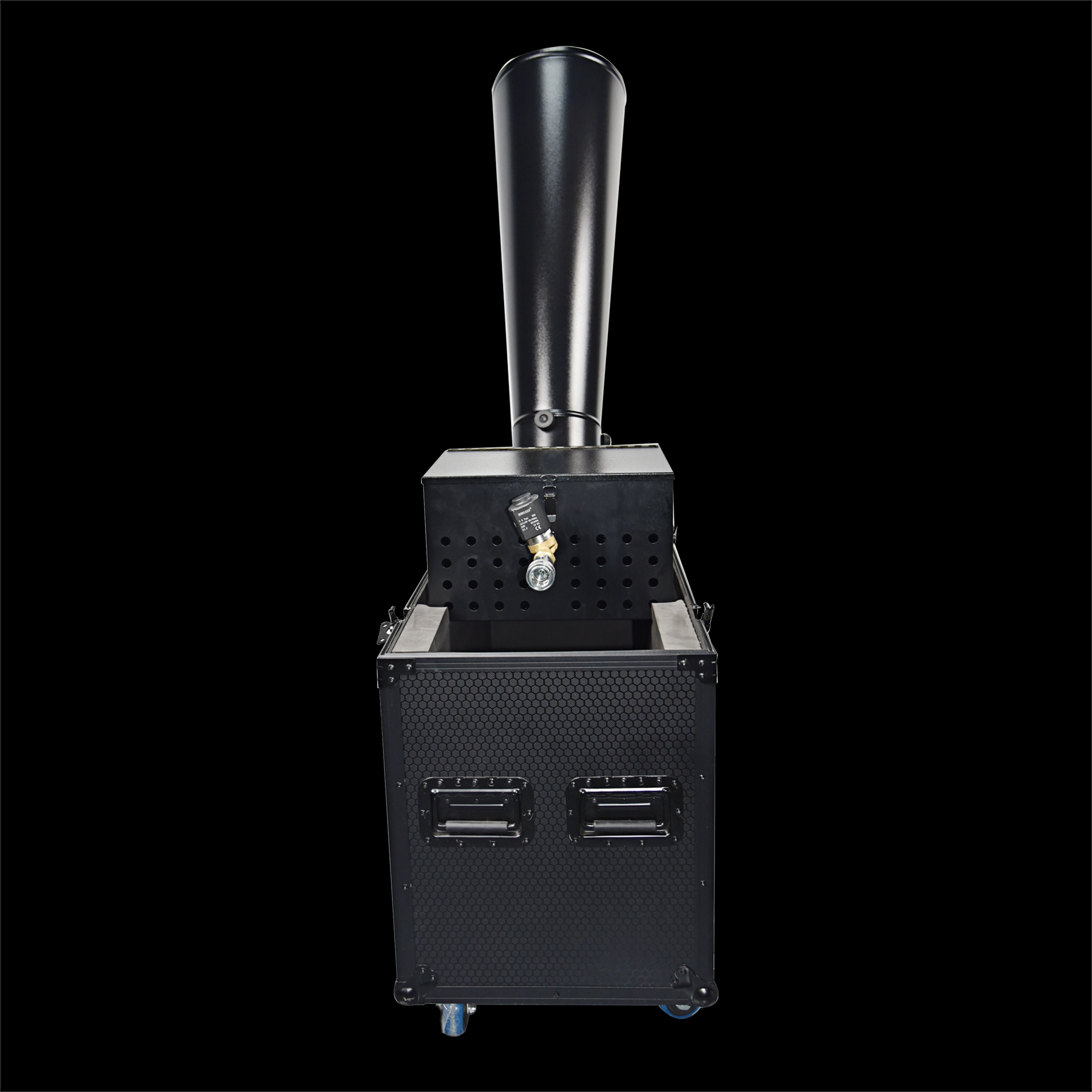
CO₂ Mini Rainbow Confetti Machine Manual Control with Durable Black Wheeled Flight Case
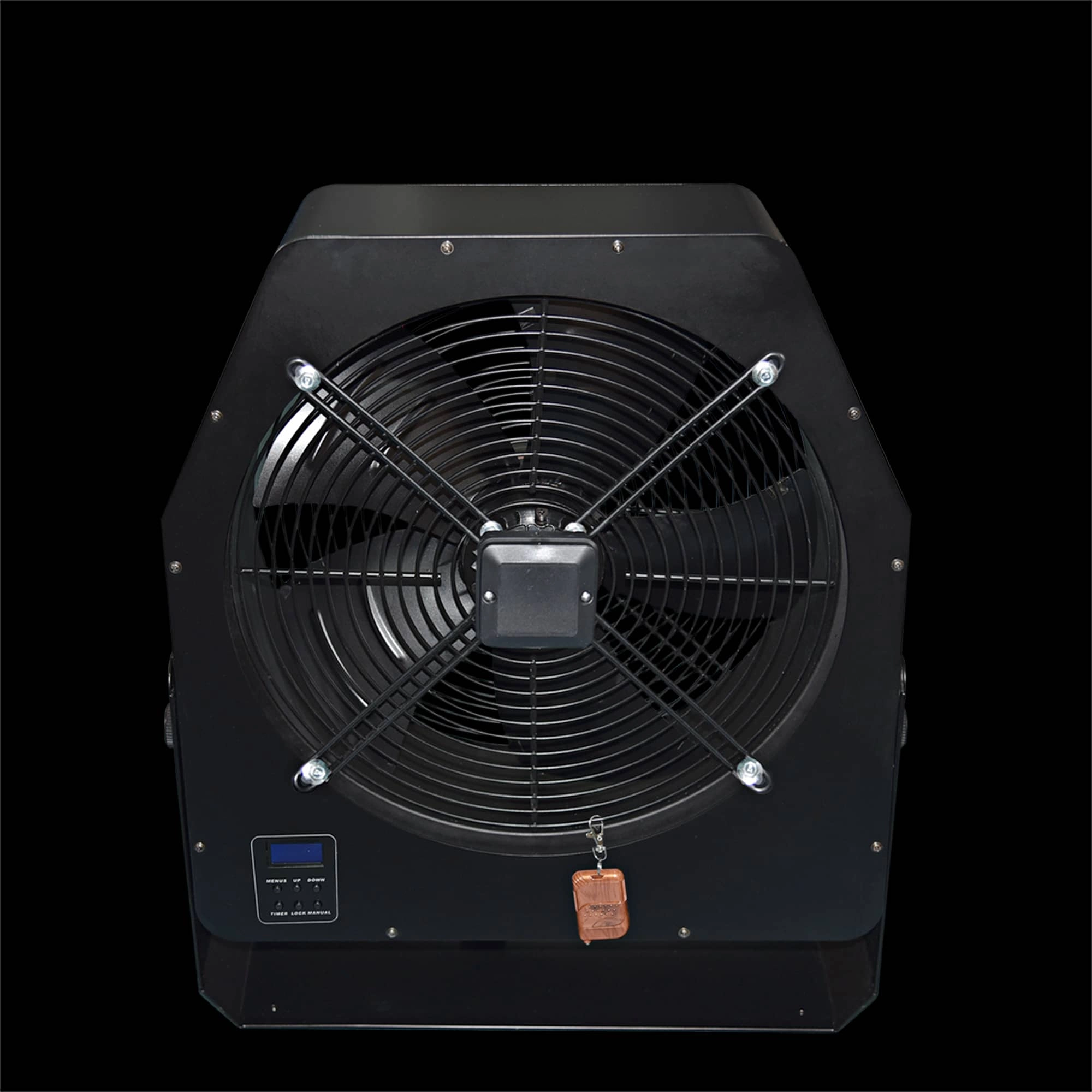
Professional Stage Big DMX Fan | High-Power Event Fan for Stage Shows & Celebrations
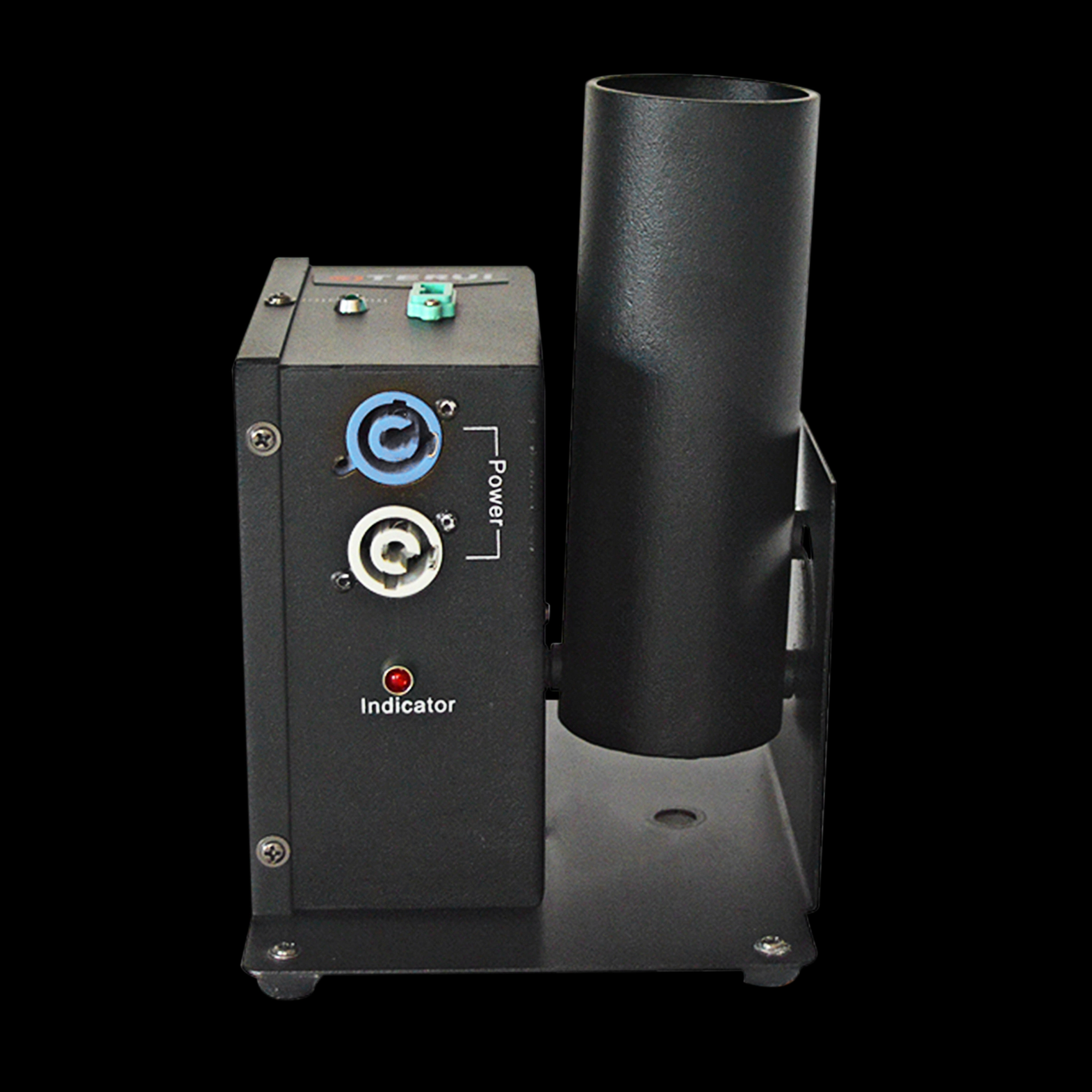
Single Shot Confetti Machine - Premium Confetti Launcher for Weddings & Stage Celebrations
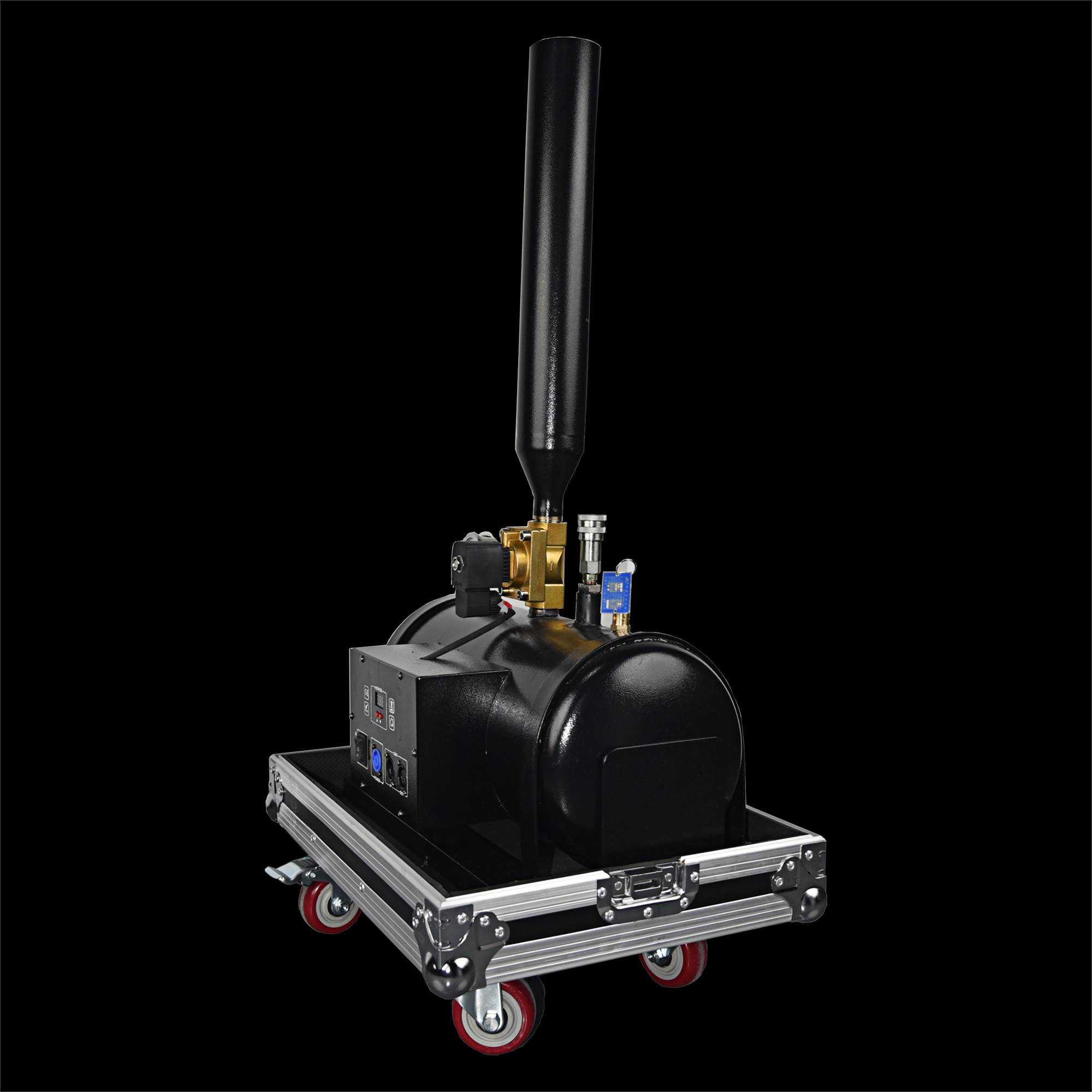
High-Altitude Confetti Cannon - Professional Confetti Blaster for Stage, Party & Celebration Events
Email: sales01@strlighting.com
WhatsApp: +86 189 2232 4800
© 2025 Siterui SFX All Rights Reserved.
 Scan QR Code
Whatsapp: +8618922324800
siteruisfx_stage_equipment
Siterui
SITERUI-SFX
STRlighting
@siterui.sfx