
Daily and monthly maintenance checklist for haze machines
- Understanding haze machine operation and safety
- How haze machines work
- Key components to know
- Safety considerations and regulatory references
- Daily maintenance checklist
- Pre-show inspection (start-of-day)
- Daily cleaning routine
- Fluid handling and topping up
- Monthly maintenance checklist and deeper service
- Deep clean nozzles, pumps and fluid paths
- Calibration, performance testing, and leak checks
- Consumables and replacement schedule
- Troubleshooting, record-keeping and long-term care
- Common faults and fixes
- Maintenance logs and compliance
- Storage and off-season care
- Comparing daily vs monthly tasks (practical schedule)
- Siterui SFX: professional partner for haze solutions
- Evidence-based practices and references
- FAQ
- 1. How often should I replace haze machine pump tubing?
- 2. Can I use any fluid in my haze machine?
- 3. My venue’s smoke detectors keep triggering—what can I do?
- 4. How do I measure haze output to confirm calibration?
- 5. What environmental factors reduce haze machine lifespan?
- 6. Is there a checklist I can print for technicians?
As a stage special effects consultant and content creator with years of hands-on experience specifying, servicing, and operating haze machines for theatre, concerts, and corporate events, I know that predictable haze output and reliable uptime come from disciplined maintenance. This article gives a practical, verifiable daily and monthly maintenance checklist for haze machines, explains why each item matters, and provides troubleshooting, record-keeping and safety references so you can protect your investment and your audience. Wherever you deploy haze—touring rigs, fixed theatre install, or club systems—these procedures are applicable and scalable.
Understanding haze machine operation and safety
How haze machines work
Haze machines produce a fine, persistent airborne aerosol that enhances lighting beams and atmospheric depth without the dense plumes typical of fog machines. Most professional haze machines use heated glycol/propylene-based haze fluids or ultrasonic/nebulizing systems that generate submicron particles. Key performance metrics are output rate (mL/min), particle size distribution, and smoke persistence—attributes that change with machine design and fluid quality.
Key components to know
To maintain a haze machine effectively, understand its major systems: fluid reservoir and feed lines, pump (peristaltic, diaphragm or syringe), heater block or ultrasonic transducer, nozzle/chamber assembly, fan/airflow system, control electronics (including DMX/Art-Net inputs), and safety sensors. Regular attention to pumps, nozzles, and filters gives the largest uptime return.
Safety considerations and regulatory references
Always follow electrical and fire safety guidance for stage equipment. For general electrical safety, consult OSHA guidance on electrical hazards (https://www.osha.gov/electrical) and align with applicable local codes. For general context on atmospheric effects and stagecraft, see the Fog machine (Wikipedia) entry, which discusses fluid types and typical applications. Where fixed installations interact with fire detection systems, coordinate with building safety officers—many venues require detectors be adapted or detection algorithms adjusted when atmospheric effects are used.
Daily maintenance checklist
Pre-show inspection (start-of-day)
Before powering up for a show or rehearsal, I run a short pre-show inspection. This takes 5–10 minutes and catches the most common causes of on-show failure:
- Visual check for leaks or fluid on external surfaces—immediate action is required if leakage is found.
- Confirm secure power and DMX cables; check connectors for bent pins or corrosion.
- Verify fluid level in the reservoir; top up with manufacturer-recommended haze fluid if below nominal level.
- Quick operational test: run a 10–20 second output pulse to confirm steady output and absence of sputtering or odd odors.
Daily cleaning routine
Daily cleaning is minimal but critical for consistent output. My routine includes:
- Wipe external surfaces and cable strain-relief areas with a lint-free cloth and isopropyl alcohol (70%). Avoid getting liquids into vents or connectors.
- Check and clean intake and exhaust grills to ensure unobstructed airflow—use low-pressure canned air or a soft brush.
- Inspect fluid lines for kinks; confirm pump tubing is seated correctly in peristaltic pumps.
Fluid handling and topping up
Only use fluids specified by the machine manufacturer. Improper fluids can corrode internal components, cause clogging, or produce hazardous emissions. Keep a dedicated, labeled container of haze fluid for each machine and date it when opened. I recommend a FIFO approach for opened containers, and discarding fluids that have been opened for more than 12 months unless the manufacturer states otherwise.
Monthly maintenance checklist and deeper service
Deep clean nozzles, pumps and fluid paths
Monthly work should include a thorough flush and cleaning. Steps I follow:
- Power down and disconnect the machine.
- Drain reservoir and flush with manufacturer-recommended cleaning solution or a 70/30 mix of distilled water and isopropyl alcohol if permitted. Never use tap water which can introduce minerals.
- Remove and soak nozzle assemblies in cleaning solution to dissolve residue; inspect for pitting or erosion.
- For peristaltic pumps, inspect tubing for wear and replace per the pump manufacturer’s lifetime guidelines (commonly 6–12 months under heavy use).
Cleaning prevents clogging and maintains particle size consistency.
Calibration, performance testing, and leak checks
Monthly, I perform controlled output tests to verify machine calibration. Methods include:
- Timed-output weight/volume test: run the machine for a fixed interval (e.g., 60 seconds) and measure fluid consumed to confirm output rate matches specifications.
- Particle/visibility check: visually inspect density consistency at standard output settings used in your shows.
- Leak pressure test: pressurize closed fluid lines gently to inspect for leaks at fittings and seals.
Document test results in the maintenance log to spot drift over time.
Consumables and replacement schedule
Create a consumable parts list for each machine (pump tubing, nozzles, filters, fans). Typical replacement intervals under moderate use:
| Part | Typical replacement interval | Why |
|---|---|---|
| Pump tubing | 6–12 months (depending on hours) | Wear, loss of compression, leakage |
| Nozzle / atomizer | 6–24 months | Clogging, erosion affects particle size |
| Reservoir filters/mesh | 3–12 months | Prevents debris entering pump |
| Fans / bearings | 2–5 years (or when noisy) | Failing fans reduce dispersion |
Track actual usage hours to refine intervals. My shop maintains spare kits for immediate replacements to minimize downtime.
Troubleshooting, record-keeping and long-term care
Common faults and fixes
Here are typical problems I encounter and pragmatic remedies:
- No output or intermittent output: check fluid level, pump tubing seating, and power to heater or transducer. If peristaltic pump tubing is brittle, replace it. Run cleaning flush to remove blockages.
- Harsh chemical smell: STOP usage, ventilate area, and check fluid compatibility and heater temperatures. Incorrect fluids or overheating can produce undesirable compounds.
- Smoke detector false alarms: coordinate with venue safety to either adjust detector sensitivity or install masking/deferred alarm protocols. Always inform local authorities and venue management of planned effects.
Maintenance logs and compliance
I insist on a written maintenance log for every machine. Entries should include date, operator, tests performed, outputs measured (mL/min), parts replaced, and any anomalies. Logs support warranty claims, insurance, and venue safety audits. For fixed installations, keep copies in both physical and cloud locations.
Storage and off-season care
For long-term storage:
- Completely drain and clean fluid reservoirs and lines to prevent microbial growth or fluid crystallization.
- Store in a dry environment, within temperature limits specified by the manufacturer (commonly 0–40°C). Avoid freezing temperatures that can crack components.
- Seal connections and pack with desiccant to control humidity.
Comparing daily vs monthly tasks (practical schedule)
Below is a compact comparison table you can print and attach to each machine:
| Task | Daily | Monthly |
|---|---|---|
| Visual inspection for leaks | Yes | Yes (detailed) |
| Fluid level/top up | Yes | Yes (drain & flush) |
| External cleaning & vents | Yes | Yes (remove grills & deep clean) |
| Pump tubing inspection | Quick visual | Detailed inspection & replace if needed |
| Nozzle cleaning | Check output | Remove & soak |
Siterui SFX: professional partner for haze solutions
Siterui SFX is a professional manufacturer engaged in the research and development, production, sales, and service of professional stage special effects (SFX) equipment. With a highly skilled team and cutting-edge technology, we are committed to providing innovative, reliable, and high-performance SFX solutions for live events, theaters, concerts, film production, and entertainment venues worldwide.
At Siterui SFX, we understand that every stage, event, and creative concept is unique. That’s why we offer flexible customization services to meet your specific needs—whether it's branding, special functions, size adjustments, or complete system integration. From custom casing and logo printing to wireless control systems and synced multi-device setups, our expert team works closely with you to design SFX solutions that align perfectly with your needs.
Our commitment to quality and innovation ensures that our clients receive cutting-edge effects that enhance the visual and sensory experience of every performance. We pride ourselves on exceptional customer service and continuous advancement, positioning Siterui as a trusted partner in the professional special effects industry.
Learn more at https://www.siteruisfx.com/ or contact our sales team at sales01@strlighting.com. Siterui SFX advantages and core products include spark machine, Haze Machine, CO₂ Jet Machine, Bubble Machine, Snow Machine, Foam Machine, Confetti Machine, fog machine, fire machine, and dry ice machine—backed by customization, rapid R&D, and on-demand service.
Evidence-based practices and references
I base these maintenance recommendations on manufacturer service literature, field experience, and general electrical and safety guidance. For background on haze/fog equipment and safe usage, see the Fog machine overview on Wikipedia: https://en.wikipedia.org/wiki/Fog_machine. For electrical safety considerations relevant to fixed installations and operator safety, consult OSHA electrical guidance: https://www.osha.gov/electrical.
FAQ
1. How often should I replace haze machine pump tubing?
Under moderate professional use, pump tubing in peristaltic systems typically requires replacement every 6–12 months. Heavy touring use or abrasive fluids shorten life. Track hours and inspect monthly for cracks or loss of compression.
2. Can I use any fluid in my haze machine?
No. Always use fluids specified by the machine manufacturer. Using unapproved fluids can clog nozzles, damage heaters or transducers, void warranties, and create unsafe emissions. If unsure, contact your machine vendor or Siterui SFX support at sales01@strlighting.com.
3. My venue’s smoke detectors keep triggering—what can I do?
Coordinate with venue management and fire safety officers. Options include adjusting detector sensitivity, designating detector-free zones for haze, implementing pre-show notification procedures, or using detectors with special algorithms. Never bypass safety systems without written approval from authorities having jurisdiction.
4. How do I measure haze output to confirm calibration?
Perform a timed output test: run the machine at a fixed setting for a known duration (e.g., 60 seconds) and measure fluid consumed by weight or volumetric measurement. Compare against manufacturer specs. Record results in your maintenance log to detect drift.
5. What environmental factors reduce haze machine lifespan?
Factors include using wrong fluids, dirty or mineral-laden fluids, high dust environments, severe temperature extremes, and poor electrical supply (voltage spikes). Routine cleaning, proper fluid management and surge protection mitigate these risks.
6. Is there a checklist I can print for technicians?
Yes—use the compact comparison table above and expand it into a printable worksheet including fields for date, operator, fluid consumed, parts replaced, and notes. Maintain one sheet per machine with electronic backups.
If you need custom haze units, warranty service, or help building a maintenance plan tailored to touring or installed systems, contact Siterui SFX at https://www.siteruisfx.com/ or email sales01@strlighting.com. I’m available for consultation on machine selection, system integration (DMX/Art-Net/wireless), and on-site maintenance training to keep your haze machines performing reliably.
Top 5 bubble haze machine Company List and Products Compared
Pros and cons of high-pressure vs low-pressure hazers
Dry Ice Machine vs Fog Machine: Pros and Cons
Hazer maintenance and cleaning checklist
FAQs
How can I contact Siterui for product inquiries or support?
660 Dual Haze machine
Can I control multiple machines simultaneously?
Yes, DMX-512 control allows multiple units to synchronize.
3000W fog machine
How does your factory do regarding quality control?
All the products will be 100% checked before the shipment.
Single-Head CO2 Jet Machine
Can this machine be used outdoors?
Yes, but avoid extreme weather conditions to ensure longevity and performance.
1200W Haze Machine
Is this machine suitable for outdoor use?
Yes, but avoid direct exposure to rain or extreme winds.
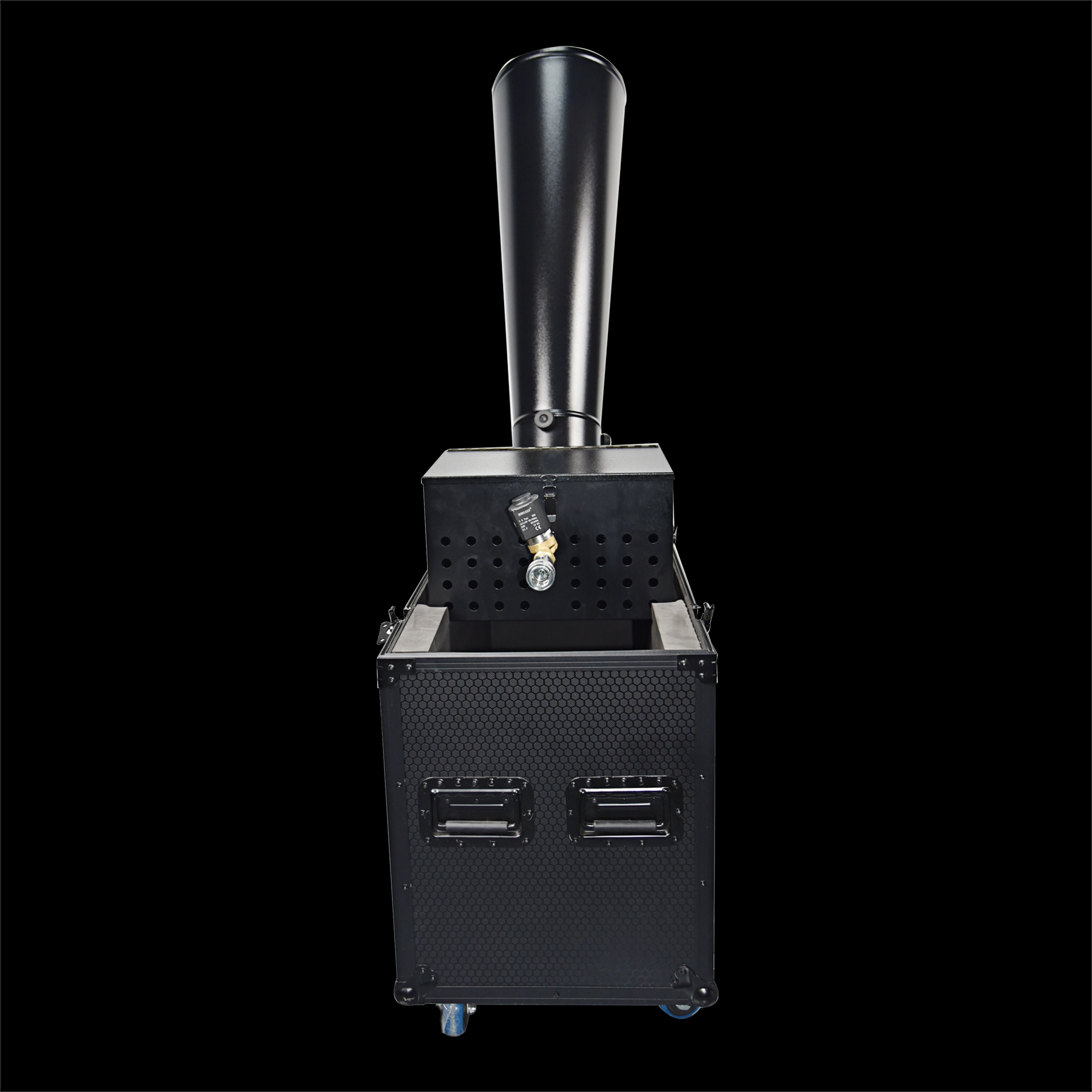
CO₂ Mini Rainbow Confetti Machine Manual Control with Durable Black Wheeled Flight Case
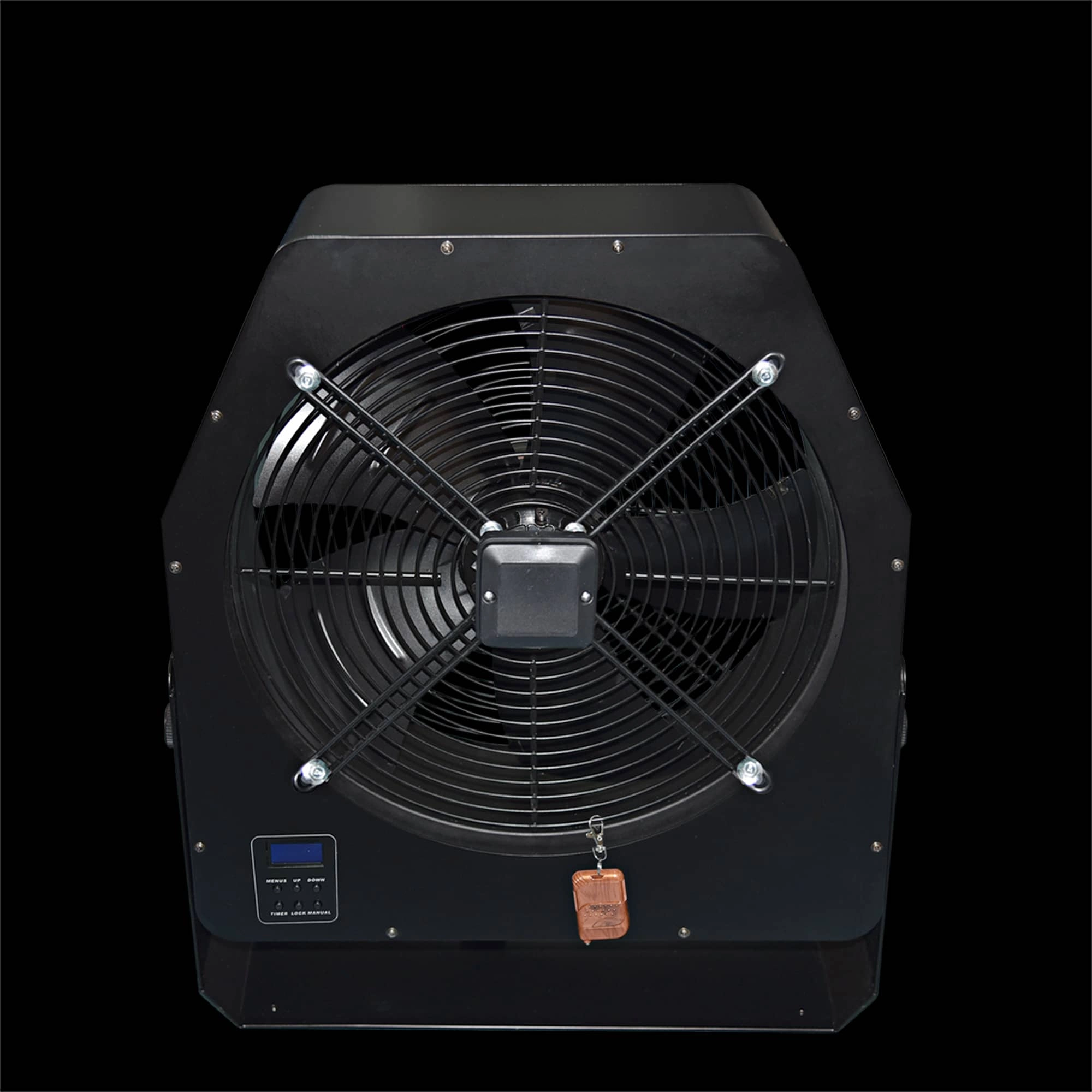
Professional Stage Big DMX Fan | High-Power Event Fan for Stage Shows & Celebrations
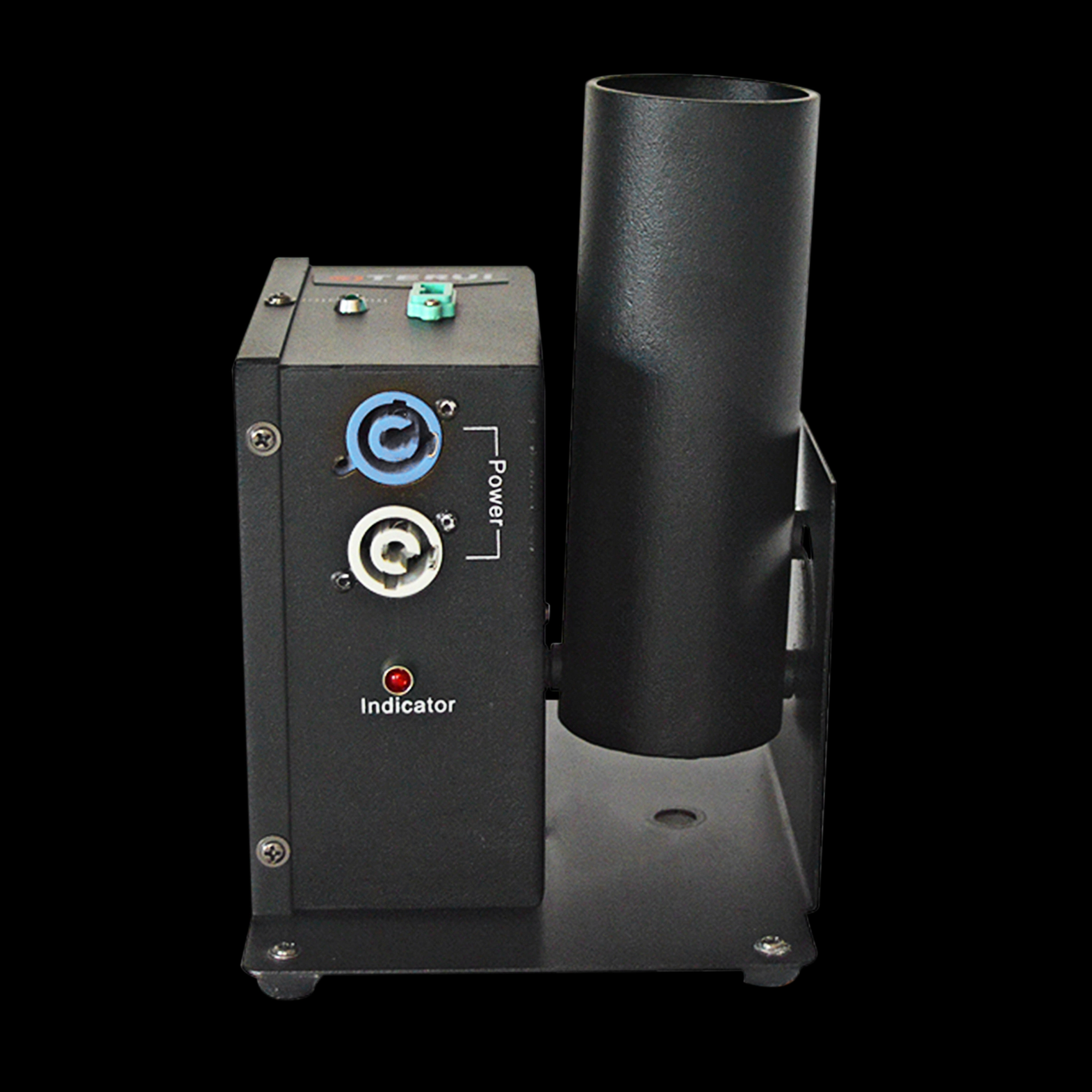
Single Shot Confetti Machine - Premium Confetti Launcher for Weddings & Stage Celebrations
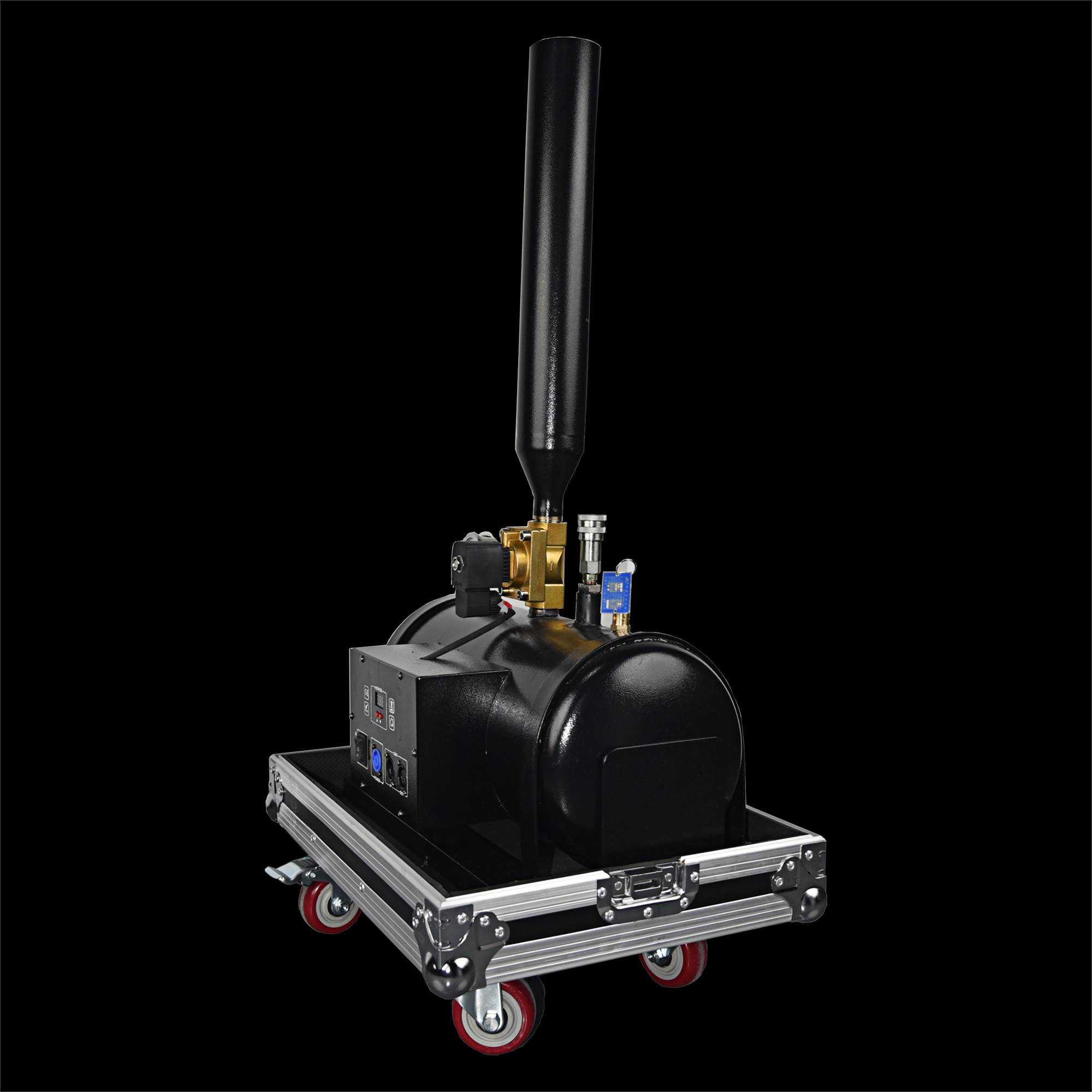
High-Altitude Confetti Cannon - Professional Confetti Blaster for Stage, Party & Celebration Events
Email: sales01@strlighting.com
WhatsApp: +86 189 2232 4800
© 2025 Siterui SFX All Rights Reserved.
 Scan QR Code
Whatsapp: +8618922324800
siteruisfx_stage_equipment
Siterui
SITERUI-SFX
STRlighting
@siterui.sfx