
Hazer maintenance and cleaning checklist
- Essential Maintenance Practices for Stage Haze Machines
- Why regular hazer maintenance matters (keyword: hazer maintenance)
- Pre-maintenance safety checks (keyword: haze machine safety)
- Daily and pre-event checklist (keyword: hazer pre-event check)
- Weekly maintenance tasks (keyword: haze machine weekly service)
- Monthly maintenance and light cleaning (keyword: hazer cleaning procedure)
- Descaling and deep cleaning (keyword: hazer descaling)
- Annual servicing and professional inspection (keyword: professional hazer service)
- Choosing the right haze fluid and impacts on maintenance (keyword: haze fluid selection)
- Troubleshooting common hazer problems (keyword: hazer troubleshooting)
- Record-keeping and maintenance logs (keyword: haze machine log)
- Spare parts and consumables to keep on hand (keyword: hazer spare parts)
- When to call a technician or manufacturer support (keyword: hazer repair)
- Case study: Impact of regular maintenance on operational uptime (keyword: hazer reliability)
- Siterui SFX: Professional partner for hazer supply, customization, and service (keyword: Siterui Haze Machine)
- Checklist summary: Quick reference (keyword: hazer maintenance checklist)
- Frequently Asked Questions (FAQ)
- 1. How often should I clean my hazer?
- 2. Can I use any cleaning solvent or distilled water in my hazer?
- 3. My hazer is sputtering. What should I try first?
- 4. How long do haze fluids last once opened?
- 5. Will regular maintenance void my warranty?
- 6. How do I choose between water-based and oil-based haze fluids?
- Contact and product inquiry (CTA)
- References and further reading
Essential Maintenance Practices for Stage Haze Machines
Hazers (haze machines) are indispensable tools in live events, theatre, and film production—providing uniform atmospheric effects that enhance lighting and visual depth. Proper maintenance and cleaning significantly extend lifespans, reduce downtime, and maintain consistent haze quality. This guide provides a detailed, actionable checklist built from industry best practices and manufacturer recommendations to keep your hazer performing reliably.
Why regular hazer maintenance matters (keyword: hazer maintenance)
Regular maintenance prevents clogging, inconsistent output, motor and pump failures, and liquid leaks. Haze fluids—whether water/glycol-based or oil-based—leave residues that accumulate in nozzles, heat elements, and tubing. Left unchecked, residue leads to poor atomization, increased power draw, and ly component failure. Consistent maintenance also helps maintain safety, avoids event cancellations, and preserves warranty coverage.
Pre-maintenance safety checks (keyword: haze machine safety)
Before any cleaning or inspection, follow safety routines: power down and unplug the unit, allow it to cool to room temperature, wear nitrile gloves and safety glasses when handling fluids or cleaners, and work in a well-ventilated area. Consult the specific hazer user manual for any model-specific warnings. Never substitute unknown solvents—use manufacturer-recommended cleaners.
Daily and pre-event checklist (keyword: hazer pre-event check)
For units in frequent use or touring rigs, adopt a short daily checklist that minimizes last-minute failures.
- Check fluid level and top up with the manufacturer-approved haze fluid.
- Inspect power cord and plug for damage; confirm secure connections.
- Run a brief test output for 1–3 minutes to verify atomization and output consistency.
- Listen for unusual noises (pump grinding, fan rattles) and note irregularities in the maintenance log.
- Wipe external surfaces with a lint-free cloth to remove dust and spills.
Weekly maintenance tasks (keyword: haze machine weekly service)
Weekly checks are essential when a hazer is used regularly for rehearsals or multi-day events.
- Empty and inspect the fluid tank for sediment or cloudiness; replace fluid if contaminated.
- Inspect internal filters (if applicable) and clean or replace per manual.
- Run the machine for 5–10 minutes to flush internal lines and check for steady output.
- Check all control connections (DMX, wireless modules, remote leads) for corrosion or loose pins.
- Confirm vents and fans are free of dust; use low-pressure compressed air to clean external fan grills (do not open chassis unless authorized).
Monthly maintenance and light cleaning (keyword: hazer cleaning procedure)
Monthly maintenance includes targeted cleaning of components that are most exposed to residue buildup.
- Run a manufacturer-recommended cleaning cycle or dilute cleaner through the system as directed. Typical procedure: empty tank, add cleaning solution, run pump for several minutes, let sit, then flush with distilled water or fresh fluid.
- Inspect nozzle/atomizer for residue. For ultrasonic or thermal atomizers, gently remove and clean with a soft brush and approved cleaner. Avoid abrasive scrubbing.
- Check tubing for kinks or discoloration; replace any flexible lines that show brittleness or deposits.
- Lubricate moving parts if the manufacturer specifies lubrication (use specified lubricant only).
- Test the machine at multiple intensity levels to confirm linear response and no sputtering.
Descaling and deep cleaning (keyword: hazer descaling)
Depending on fluid and hardness of water used, scale can accumulate in heat exchangers and small passages. Descale with manufacturer-approved descaling solutions on a quarterly or semi-annual basis if you use water-based fluids. For oil-based haze fluids, use the recommended solvent-based cleaner to remove greasy residues.
Annual servicing and professional inspection (keyword: professional hazer service)
At least once per year, or more often for heavy-use units, arrange a professional service. A full service typically includes internal inspection, pump and motor bench testing, replacement of wear parts (seals, gaskets, filters), firmware updates, and performance calibration. Maintaining service records supports warranty claims and resale value.
Choosing the right haze fluid and impacts on maintenance (keyword: haze fluid selection)
Fluid choice directly affects cleaning frequency and residue behavior. The table below summarizes common fluid types and maintenance implications.
| Fluid Type | Main Composition | Residue & Maintenance | Typical Examples |
|---|---|---|---|
| Water/Glycol (water-based) | Glycols (e.g., propylene glycol) and water | Lower oily residue but can leave mineral deposits if using hard water; regular descaling recommended | Look Solutions HazeBase, Antari HZ-250 |
| Oil-based | Mineral oils or synthetic esters | Oily films build-up on internals and lenses; requires solvent-based cleaning and more frequent nozzle maintenance | Some hazes in Europe/Americas for long-hang haze |
| Vegetable/glycerin blends | Glycerin or plant-derived glycols | Moderate residue; follow manufacturer guidance to avoid caramelization on heaters | Selected theatrical fluids |
Sources: manufacturer technical datasheets and industry guidelines (see references).
Troubleshooting common hazer problems (keyword: hazer troubleshooting)
Here are frequent faults and immediate actions:
- No output or very low output: check fluid level, confirm pump primes, inspect nozzle for clog, verify control signal and power supply voltage.
- Intermittent sputtering: clean nozzle, flush lines, check for air ingress or contaminated fluid.
- Overheating or fan failure: verify ventilation, clean fans, replace failed fan, check thermal cutouts.
- Unusual odors: purge system with fresh fluid and run at low output; if persistent, have unit serviced.
Record-keeping and maintenance logs (keyword: haze machine log)
Maintain a log for each unit: date, technician, work performed, parts replaced, fluid batch numbers, and any anomalies. Logs help trace root causes and provide documented history for operators and rental clients.
Spare parts and consumables to keep on hand (keyword: hazer spare parts)
Recommended spares for a small inventory or touring rig:
- Nozzles and atomizer elements
- Seals, O-rings, and gaskets
- Inline filters and replacement fan modules
- Replacement tubing and clamps
- Manufacturer-approved cleaning solution and distilled water
When to call a technician or manufacturer support (keyword: hazer repair)
If the unit shows electrical faults (smoke, burning smell, tripped breakers), mechanical seizures, or persistent performance degradation after cleaning, stop using the device and contact qualified service. Opening sealed units may void warranties—refer to the manufacturer guidance. For complex faults, use authorized service centers for safety and compliance.
Case study: Impact of regular maintenance on operational uptime (keyword: hazer reliability)
A mid-size touring company tracked two identical hazers over 12 months: one followed the daily/weekly/monthly checklist and the other had only minimal checks. The maintained unit had zero field failures and required one annual service; the minimally maintained unit experienced three field failures (clogged nozzles, pump seizure) and an unscheduled replacement cost 30% of a new unit. Regular maintenance reduced downtime and total cost of ownership.
Siterui SFX: Professional partner for hazer supply, customization, and service (keyword: Siterui Haze Machine)
Siterui SFX is a professional manufacturer engaged in the research and development, production, sales, and service of professional stage special effects (SFX) equipment. With a highly skilled team and cutting-edge technology, Siterui SFX provides innovative, reliable, and high-performance SFX solutions for live events, theaters, concerts, film production, and entertainment venues worldwide.
Why choose Siterui SFX for your haze machine needs:
- Product range includes spark machines, haze machines, CO₂ jet machines, bubble machines, snow machines, foam machines, confetti machines, fog machines, fire machines, and dry ice machines.
- Flexible customization: branding, special functions, size adjustments, or complete system integration for touring and fixed installations.
- Technical strengths: professional engineering team, rigorous QC, and options for wireless control systems and synced multi-device setups.
- Service and support: authorized maintenance, spare parts, and tailored maintenance plans to preserve uptime and extend equipment life.
Whether you need a standard haze machine or a bespoke solution integrated into a multi-effect system, Siterui SFX can provide technical consultation, custom casing, logo printing, and advanced control features. Their commitment to quality and customer service makes them a strong partner for production companies and venues seeking reliability and innovation.
Checklist summary: Quick reference (keyword: hazer maintenance checklist)
Keep this condensed checklist near your rig for quick reference:
- Daily: fluid level, quick test, visual inspection, log entry.
- Weekly: tank clean, filters, fan vents, control connections.
- Monthly: run cleaning solution, nozzle check, tubing inspection.
- Quarterly/Semi-annual: descaling/solvent flush depending on fluid.
- Annual: full professional service and replacement of critical wear parts.
Frequently Asked Questions (FAQ)
1. How often should I clean my hazer?
For regular use, follow daily checks and a monthly cleaning cycle with a manufacturer-approved cleaner. Descale quarterly if using hard water or water-based fluids. Increase frequency for heavy-use touring environments.
2. Can I use any cleaning solvent or distilled water in my hazer?
Always use manufacturer-recommended cleaning solutions. Distilled water is safe for flushing many water-based systems, but solvent choice depends on fluid chemistry—using the wrong solvent can damage seals and coatings.
3. My hazer is sputtering. What should I try first?
Check fluid clarity and level, flush the lines with cleaning solution, inspect and clean the nozzle, and ensure there are no air leaks in tubing. If sputtering persists, consult service.
4. How long do haze fluids last once opened?
Unopened fluid stored in a cool, dry place with the cap sealed can last years per manufacturer specs. Once opened, contamination risks increase—use within the period recommended on the product (often 12–24 months) and avoid topping up old fluid with new without inspecting for contamination.
5. Will regular maintenance void my warranty?
Proper maintenance performed following the user manual typically preserves warranty. However, unauthorized disassembly or use of incompatible solvents may void coverage. Keep logs and receipts for warranty claims.
6. How do I choose between water-based and oil-based haze fluids?
Water-based fluids are common for indoor events due to lower oily residue; oil-based fluids can produce longer-lasting haze but require more intensive cleaning. Consider venue requirements, lighting needs, and maintenance capability.
Contact and product inquiry (CTA)
For professional haze machines, custom SFX solutions, or maintenance service plans, contact Siterui SFX. Our team can recommend the right haze machine model, advise on fluid selection and maintenance schedules, and provide tailored maintenance contracts for venues and touring companies. Request a quote or arrange a service visit: email sales@siteruisfx.com or visit https://www.siteruisfx.com.
References and further reading
- Haze (special effect), Wikipedia. https://en.wikipedia.org/wiki/Haze_(special_effect) (accessed 2025-12-14).
- Look Solutions - Haze Maintenance Guide. https://www.looksolutions.com/en/maintenance/ (accessed 2025-12-14).
- Chauvet Professional - Hazer Safety and Maintenance. https://www.chauvetprofessional.com/haze-machine-maintenance/ (accessed 2025-12-14).
- Antari - Fog & Haze Machine Care. https://www.antari.com/support/maintenance/ (accessed 2025-12-14).
- OSHA - Safety and Health Topics: Indoor Air Quality. https://www.osha.gov/indoor-air-quality (accessed 2025-12-14).
Wholesale Co2 jet manufacturer and supplier in china
Snow Machine Maintenance: Tips to Extend Lifespan and Reliability
Pairing Snow Machines with Lighting and Fog Effects
Best Fog Machines for Small and Large Stages
1500W Professional Snow Machine
Are you a factory or trading company?
Yes,We are a factory & trading company, we can guarantee ourprice is first-hand, very cheap and competitive.
3000W fog machine
How could l get a sample?
If you can not buy our product in your local area, we will ship a sample to you. You will be charged a sample price plus all related shipping costs. Express delivery charge depends on the quantity of the samples.
Single-Head CO2 Jet Machine
How does your factory do regarding quality control
All the products will be 100% checked before the shipment
What is the warranty period?
The standard warranty is 1 year, covering manufacturing defects.
FAQs
What distinguishes Siterui’s products from others in the market?
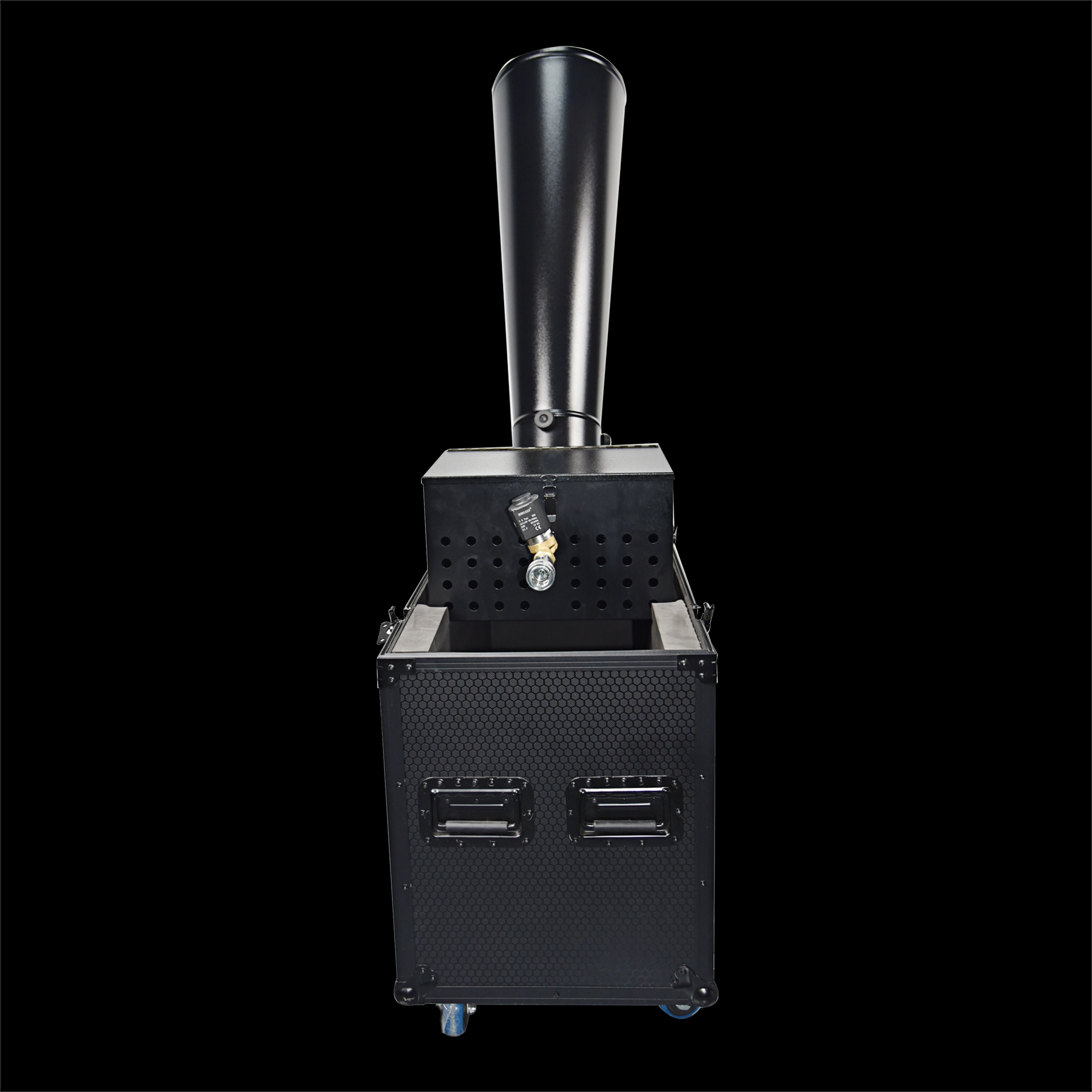
CO₂ Mini Rainbow Confetti Machine Manual Control with Durable Black Wheeled Flight Case
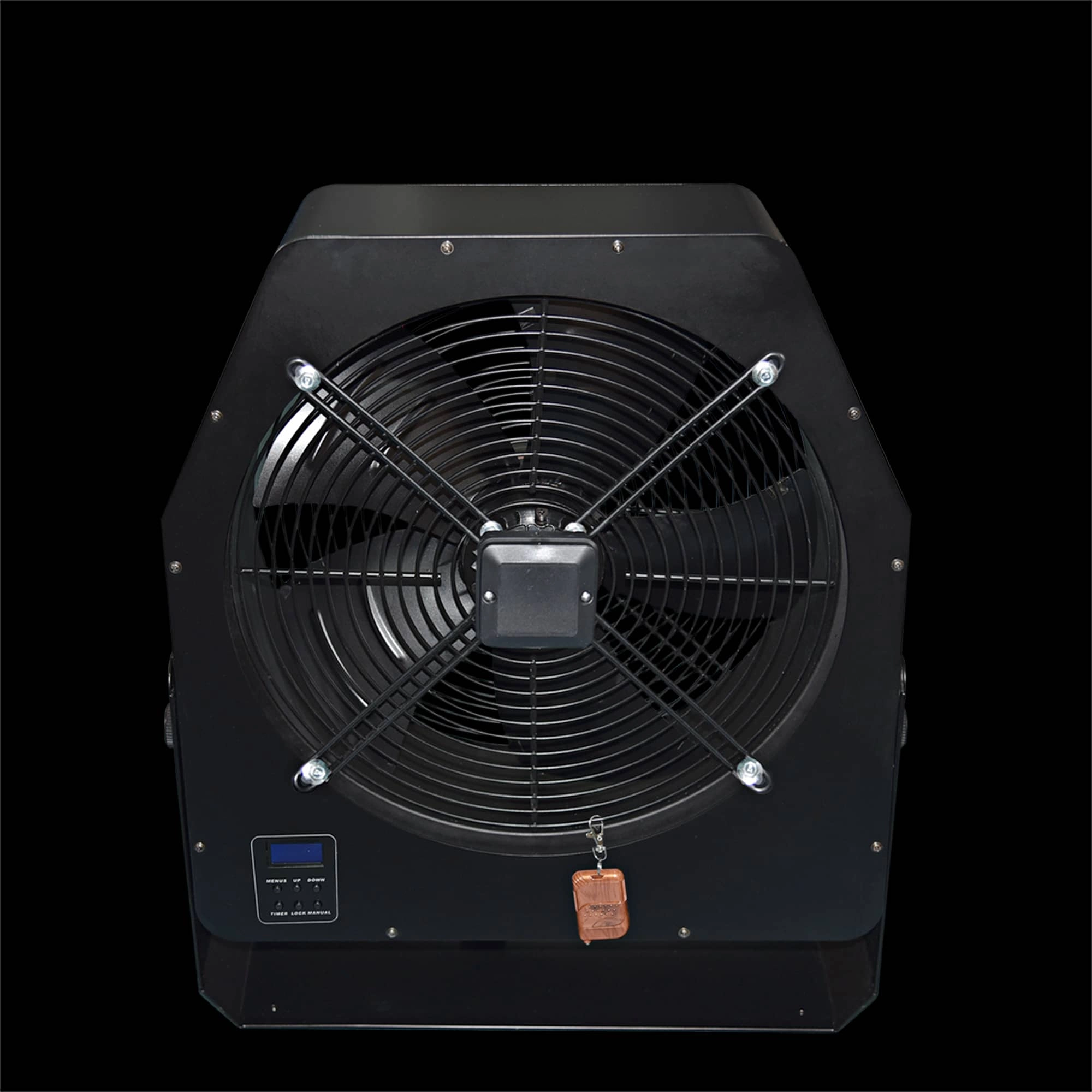
Professional Stage Big DMX Fan | High-Power Event Fan for Stage Shows & Celebrations
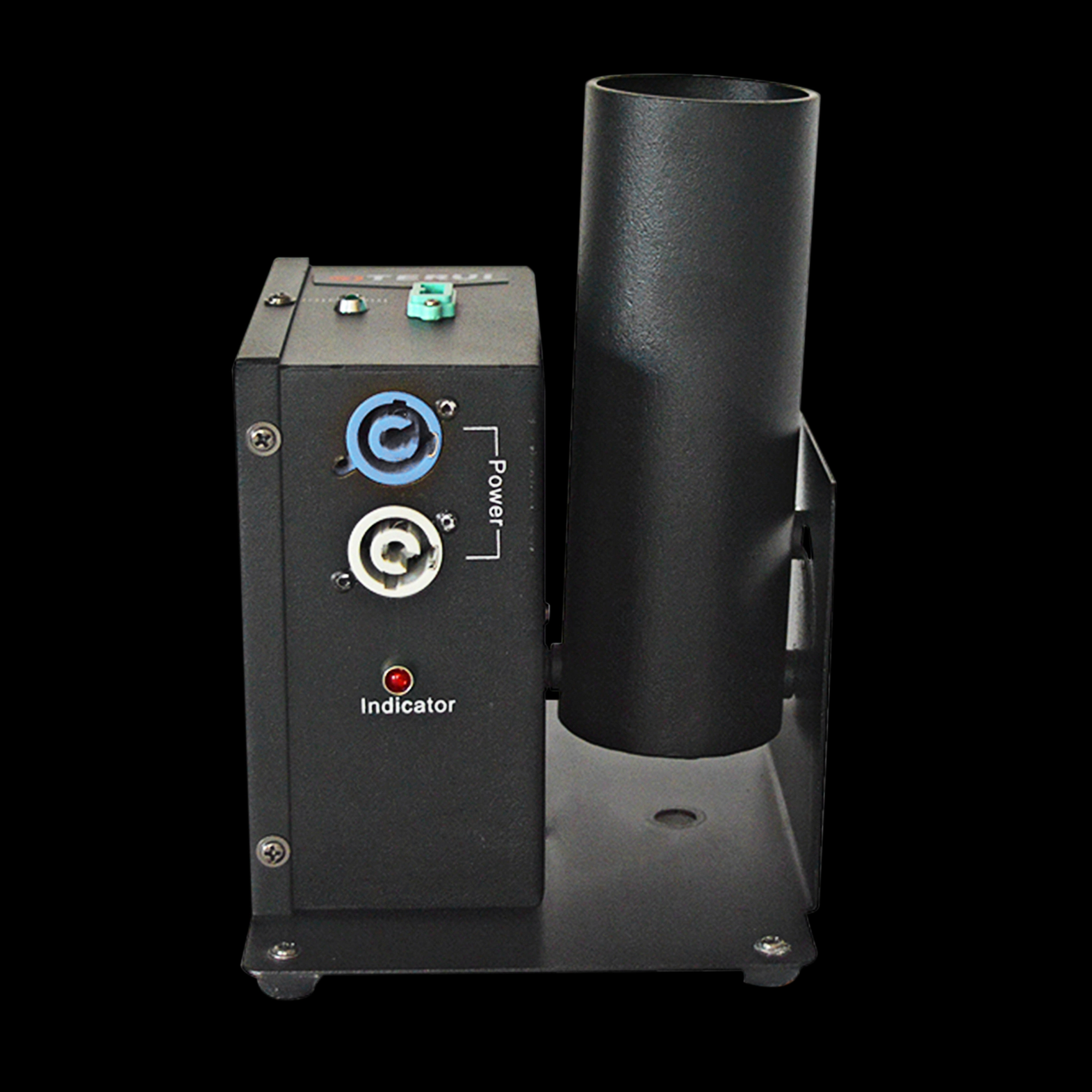
Single Shot Confetti Machine - Premium Confetti Launcher for Weddings & Stage Celebrations
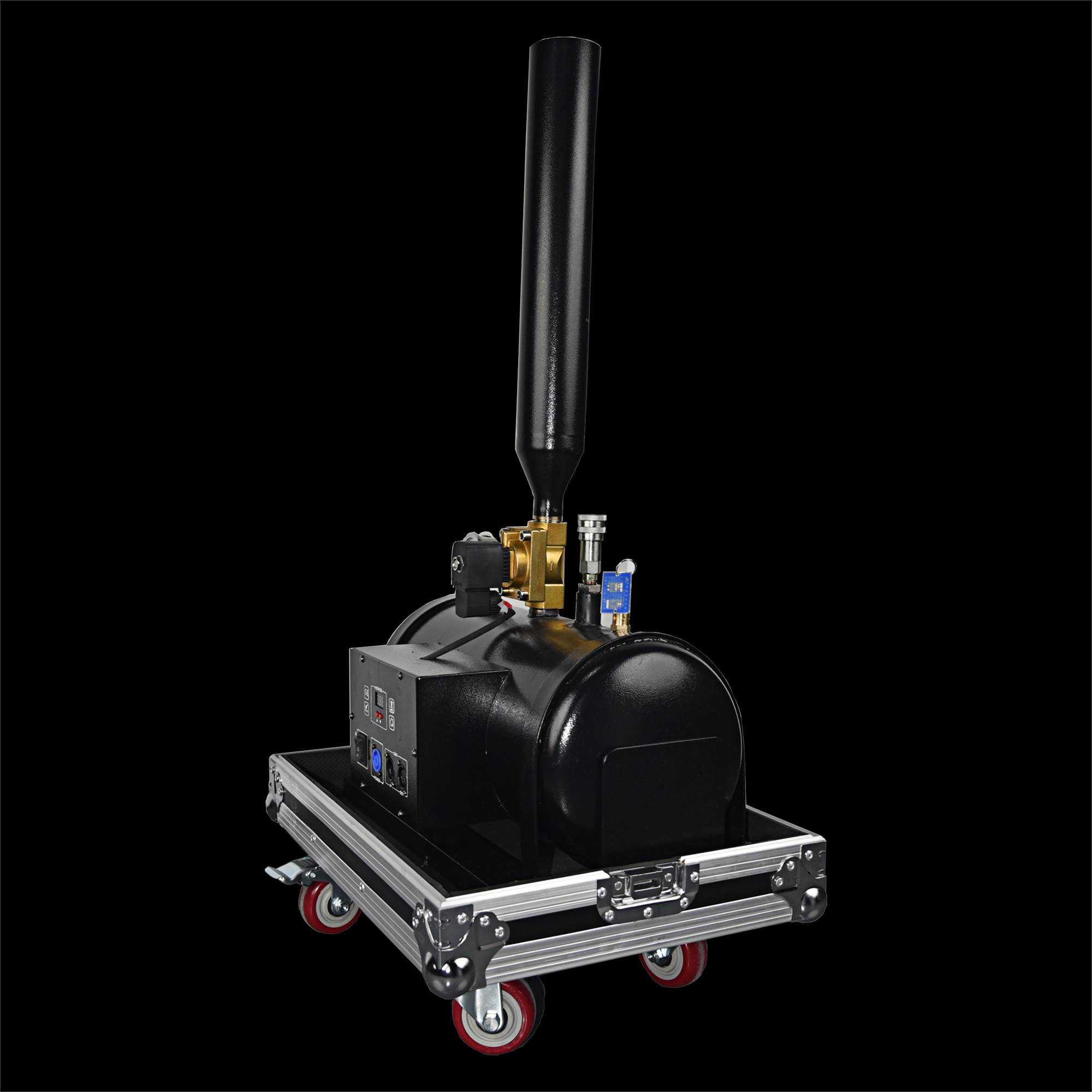
High-Altitude Confetti Cannon - Professional Confetti Blaster for Stage, Party & Celebration Events
Email: sales01@strlighting.com
WhatsApp: +86 189 2232 4800
© 2025 Siterui SFX All Rights Reserved.
 Scan QR Code
Whatsapp: +8618922324800
siteruisfx_stage_equipment
Siterui
SITERUI-SFX
STRlighting
@siterui.sfx