
Professional Film Haze Machines: Buy Direct from China Manufacturer
- Why haze matters in cinematography
- Haze vs. fog: what directors and DPs need to know
- How haze affects exposure, contrast, and color
- Health and safety considerations on set
- Technical criteria to choose the best haze machine for film
- Key specifications cinematographers evaluate
- Types of haze systems and how they compare
- Control, integration and continuity on film shoots
- Buying direct from China manufacturer: risks and benefits
- Benefits: cost, customization, and scale
- Risks: quality control, certification, and logistics
- How I evaluate a manufacturer before placing an order
- Sourcing the best haze machine for film — practical recommendations
- Model selection by use-case
- Sample specification checklist for purchasing
- Cost vs. lifetime value
- Siterui SFX — an OEM partner for film haze solutions
- Why I recommend evaluating Siterui SFX
- Customization and technical capabilities
- Products, competitive strengths, and support
- Practical on-set checklist and testing protocol
- Pre-shoot checklist I always run
- Continuity and repeatability tips
- Environmental and post-shoot considerations
- FAQ
- 1. What is the best haze machine for film use?
- 2. Are haze fluids safe for actors and crew?
- 3. Can I rent haze machines instead of buying?
- 4. How do I ensure continuity between takes?
- 5. What certifications should I ask a manufacturer for?
- 6. How do I choose between buying direct from China or a local distributor?
- Conclusion & contact
I’ve worked on dozens of film sets, live events, and theatrical productions designing lighting looks and specifying atmospheric effects. Haze is one of the most cost-effective tools to translate light into visible beams, add depth, and control mood on camera. In this article I explain how to identify the best haze machine for film, what technical criteria matter to cinematographers and gaffers, how to evaluate manufacturers (including the pros and cons of buying direct from China), and why a reputable OEM like Siterui SFX is a practical partner for productions that need reliable, customizable haze solutions.
Why haze matters in cinematography
Haze vs. fog: what directors and DPs need to know
Haze and fog are frequently conflated yet serve different creative and technical purposes. Haze produces a fine, evenly distributed aerosol that subtly reveals light rays and creates depth without obscuring detail; fog is denser, more localized, and dramatic for obscuring or creating thick atmospheres. For most cine lighting needs—slightly enhancing light shafts, creating dimension in wide shots, or softening backgrounds—haze is preferable because it’s controllable and camera-friendly. (General overview: Wikipedia: Fog machine.)
How haze affects exposure, contrast, and color
Haze scatters light, which changes perceived contrast and midtone separation. On camera this can reduce glaring highlights, create gentle bloom around bright sources, and increase depth cues in wide lenses. When I specify haze, I consider how it interacts with key and back lights, color temperature, and camera settings—especially ISO and dynamic range. Excessive haze raises the floor of reflected light and can wash out contrast if not paired with adequate backlighting or flagging.
Health and safety considerations on set
Any airborne particulate requires safety assessment. Many haze fluids are glycol- or oil-based; ventilation, exposure limits, and material safety data sheets (MSDS) must be consulted. Industry guidance and workplace safety resources such as the U.S. Occupational Safety and Health Administration (OSHA) provide relevant guidelines for indoor air quality and worker safety (OSHA: Indoor Air Quality). I always ask productions to run a haze test in the actual space with the intended fluid and camera settings before principal photography.
Technical criteria to choose the best haze machine for film
Key specifications cinematographers evaluate
When I recommend a haze machine, I benchmark it against measurable criteria: output consistency (m³/min), particle size distribution, control precision (analog/DMX/wireless), warm-up time, noise level (dB), fluid consumption, and maintenance complexity. For film, particle size and output consistency are particularly important—too large particles can appear on closeups and create shimmering artifacts, while uneven output creates inconsistent continuity between takes.
Types of haze systems and how they compare
There are three mainstream haze technologies used in professional film work: vaporized glycol/water (thermal or cold-haze), ultrasonic/dispersive systems, and oil-based aerosol systems. Each has trade-offs in particle behavior, maintenance, and noise. Below I summarize typical performance ranges and recommended use-cases.
| Type | Typical Particle Size | Output Characteristics | Best Use | Noise & Maintenance |
|---|---|---|---|---|
| Vaporized glycol/water (cold-haze) | 0.5–2 μm (typical fine aerosol) | Smooth, long-lasting, easy to layer | Film sets where control and low visual texture required | Low noise; moderate maintenance (pump/coil care) |
| Ultrasonic / dispersive haze | 0.1–1 μm (very fine) | Extremely fine, low fluid use, subtle | Small spaces, green-screen, subtle atmosphere | Very low noise; requires specific fluids |
| Oil-based aerosol haze | 1–5 μm (larger droplets) | Denser, may settle faster; pronounced beams | Concerts, theatrical where long hang-time less critical | Higher residue; more cleaning & ventilation |
Note: the particle sizes above are typical ranges reported by manufacturers for theatrical haze systems; exact values depend on fluid formulation and machine atomization method. For operational safety and compliance, review MSDS and manufacturer test data for the fluid you intend to use.
Control, integration and continuity on film shoots
For multi-camera, multi-day shoots, I prioritize haze machines with precise control (digital/DMX/RDM or wireless control) and the ability to synchronize multiple units for even distribution. Continuity is critical: I require units that can run at a set output rate and reproduce it reliably across takes. Look for integrated timers, automatic dosing, and onboard diagnostics—these reduce the variability that crews often experience with basic consumer units.
Buying direct from China manufacturer: risks and benefits
Benefits: cost, customization, and scale
Buying direct from a Chinese manufacturer can reduce unit cost, improve lead times for volume orders, and unlock customization options (brand logos, control protocols, chassis adjustments). For example, direct OEM relationships allow you to request custom control interfaces or integrated wireless systems that match your rental inventory. I’ve worked with manufacturers to spec custom pumps, low-noise fans, and bespoke casing for road-rigged units—capabilities often unavailable from small distributors.
Risks: quality control, certification, and logistics
Risks include inconsistent quality between production batches, unclear certification (CE, RoHS, or other regional approvals), and logistical challenges (import duties, shipping delays). My approach is to request factory quality documentation, third-party test reports, and sample units for on-set trials. International buyers should also verify electrical compliance (voltage, plug types) and ask for official declarations of conformity.
How I evaluate a manufacturer before placing an order
I use a checklist that includes: factory audit or virtual tour, production lead time, warranty terms, spare parts availability, fluid compatibility testing, safety documentation (MSDS, CE/EMC reports), and reference installations in film, TV, or theater. I also ask for a small pilot order to verify that delivered machines meet the documented specs under real-world conditions.
Sourcing the best haze machine for film — practical recommendations
Model selection by use-case
For controlled interior shoots and close-ups I prefer cold-haze machines with fine particle output and low residue. For larger exteriors or concert-style setups where rapid fill is needed, higher-output haze or combined fog/haze rigs may be appropriate but require more ventilation and cleanup planning.
Sample specification checklist for purchasing
- Output rate (m³/min) and run-time at 50%/100% settings
- Particle size distribution and fluid compatibility
- Control interfaces (DMX/RDM, ethernet, wireless, manual)
- Noise level (dB at 1 m)—critical for quiet takes
- Serviceability: spare-part list, recommended maintenance intervals
- Safety and compliance documentation (CE, RoHS, MSDS)
Cost vs. lifetime value
Don’t buy purely on unit price. Consider total cost of ownership: fluid consumption, spare parts, service, and downtime risk. A slightly more expensive professional unit with reliable pumps and field-replaceable parts will often yield lower operational cost and fewer interruptions during an expensive shoot.
Siterui SFX — an OEM partner for film haze solutions
Why I recommend evaluating Siterui SFX
Siterui SFX is a professional manufacturer engaged in the research and development, production, sales, and service of professional stage special effects (SFX) equipment. With a highly skilled team and cutting-edge technology, they provide innovative, reliable, and high-performance SFX solutions for live events, theaters, concerts, film production, and entertainment venues worldwide. In my experience working with OEMs, a partner that offers both engineering flexibility and after-sales service shortens production risk and helps achieve creative goals on set.
Customization and technical capabilities
At Siterui SFX, the team offers flexible customization services to meet specific production needs—whether it's branding, special functions, size adjustments, or complete system integration. From custom casing and logo printing to wireless control systems and synced multi-device setups, they collaborate to design SFX solutions aligned with technical requirements. This level of integration is particularly useful when a production needs consistent visual output across a fleet of haze units or desires a specific control protocol for on-camera rehearsals.
Products, competitive strengths, and support
Siterui’s main product lineup includes spark machines, haze machine, CO₂ jet machines, bubble machines, snow machines, foam machines, confetti machines, fog machines, fire machines, and dry ice machines. Their competitive strengths are engineering-driven customization, consistent manufacturing quality, and attentive post-sale service. For buyers, this means clarity on technical specs, accessible spare parts, and established service channels—important for minimizing downtime on location shoots.
Visit Siterui SFX: https://www.siteruisfx.com/. For pre-sales and technical inquiries email: sales01@strlighting.com.
Practical on-set checklist and testing protocol
Pre-shoot checklist I always run
- Confirm compatible haze fluid and obtain MSDS.
- Run the machine at planned output in the actual space—check camera tests for particle visibility and exposure.
- Measure noise level during operation (phone apps are useful for quick checks) and confirm it’s acceptable for audio capture.
- Verify DMX/wireless control range and response time from the positions where it will be operated.
- Document fluid consumption for scheduling refills during multi-day shoots.
Continuity and repeatability tips
Label units, record serial numbers, and keep a log of machine settings used for each scene (e.g., output percent, fan speed, fluid type). If you are using multiple units to achieve an even haze field, synchronize them and run a pre-take verification shot to confirm even coverage—this avoids visible jumps between cuts.
Environmental and post-shoot considerations
Plan ventilation for wrap—especially in location shoots where crews and cast will occupy the space afterwards. Clean camera lenses and track any residue on sensitive equipment. If using oil-based systems, increase cleaning frequency for lights and gaffer tape positions.
FAQ
1. What is the best haze machine for film use?
The best haze machine for film depends on your priorities: for minimal visual texture and long-lasting, even haze I recommend a professional cold-haze (vaporized glycol/water) unit with fine particle output, precise digital control, and low noise. If you need extremely subtle haze with minimal fluid use, an ultrasonic/dispersive unit may be best. Evaluate output consistency, particle size info from the manufacturer, and real-world camera tests.
2. Are haze fluids safe for actors and crew?
Most professional haze fluids are glycol- or glycerin-based and are considered low-risk for occasional exposure. However, you must consult the fluid’s MSDS, assess ventilation, and consider cumulative exposure—especially for long-shoot schedules or sensitive individuals. Refer to workplace air quality guidance such as OSHA’s indoor air quality resources.
3. Can I rent haze machines instead of buying?
Yes—renting is common for single productions and allows access to high-end units without capital expense. However, if you run frequent projects or need branded/customized units, buying direct from a manufacturer like Siterui SFX can be more cost-effective over time and gives you control over configuration and spare parts.
4. How do I ensure continuity between takes?
Use machines with reproducible digital controls, log the exact settings used for each take, and synchronize multiple units. Run a short test puff or continuous run to verify on-camera appearance before rolling. If you have a fleet, label each unit and maintain a maintenance log to avoid performance drift.
5. What certifications should I ask a manufacturer for?
Request CE and EMC test reports for European use, RoHS declarations for materials, and MSDS for all fluids. For export/import, confirm compliance with destination country electrical and safety standards. Also ask for warranty terms and documented test reports for particle size, noise, and output consistency.
6. How do I choose between buying direct from China or a local distributor?
Buying direct can lower per-unit cost and enable customization, while local distributors may provide faster service and easier returns. My recommendation: perform a factory check, request sample units for camera testing, confirm spare parts availability, and negotiate warranty/service SLAs before large orders. Siterui SFX offers both customization and after-sales support that make direct OEM purchasing practical for many buyers.
Conclusion & contact
Choosing the best haze machine for film is a balance of technical performance, safety, and operational reliability. I always validate manufacturer claims with on-set camera tests and insist on clear documentation and service plans. If you’re looking for a manufacturing partner that can deliver professional haze solutions with flexible customization and global support, consider contacting Siterui SFX. They provide a broad range of SFX products—spark machines, haze machines, CO₂ jet machines, bubble machines, snow machines, foam machines, confetti machines, fog machines, fire machines, and dry ice machines—and can tailor solutions to film production needs.
For inquiries, product details, or to schedule a sample test, visit Siterui SFX or contact sales at sales01@strlighting.com. I’m available to consult on specification, on-set testing, and integration planning to ensure your haze system delivers the cinematic results you need.
Fog Fluid Types Explained: Water vs Oil Based
Best Fog Machines for Live Concert Production
Best Stage Haze Machines 2026: Reviews and Price Comparison
Wholesale haze machine manufacturer and supplier in china
Single-Head CO2 Jet Machine
Can this machine be used outdoors?
Yes, but avoid extreme weather conditions to ensure longevity and performance.
1500W Haze Machine
Is this machine suitable for outdoor use?
Yes, but avoid direct rain or extreme temperatures.
3000W fog machine
How could l get a sample?
If you can not buy our product in your local area, we will ship a sample to you. You will be charged a sample price plus all related shipping costs. Express delivery charge depends on the quantity of the samples.
750W Move Head Cold Electronic Spark Machine
How is quality controlled?
All products undergo 100% inspection before shipment.
About us
How experienced is Siterui’s team?
Our team has over 15 years of industry experience, combining expertise to deliver custom solutions.
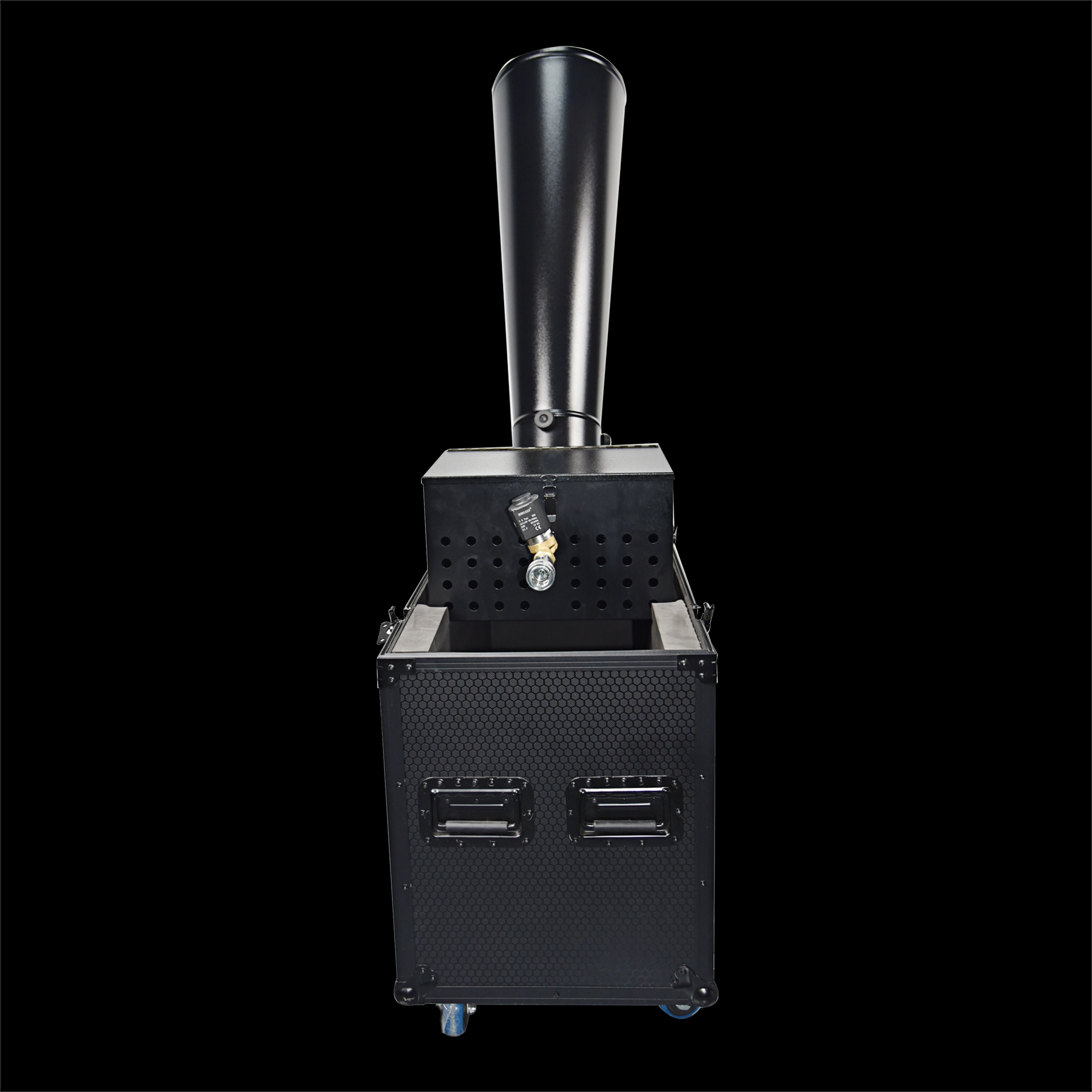
CO₂ Mini Rainbow Confetti Machine Manual Control with Durable Black Wheeled Flight Case
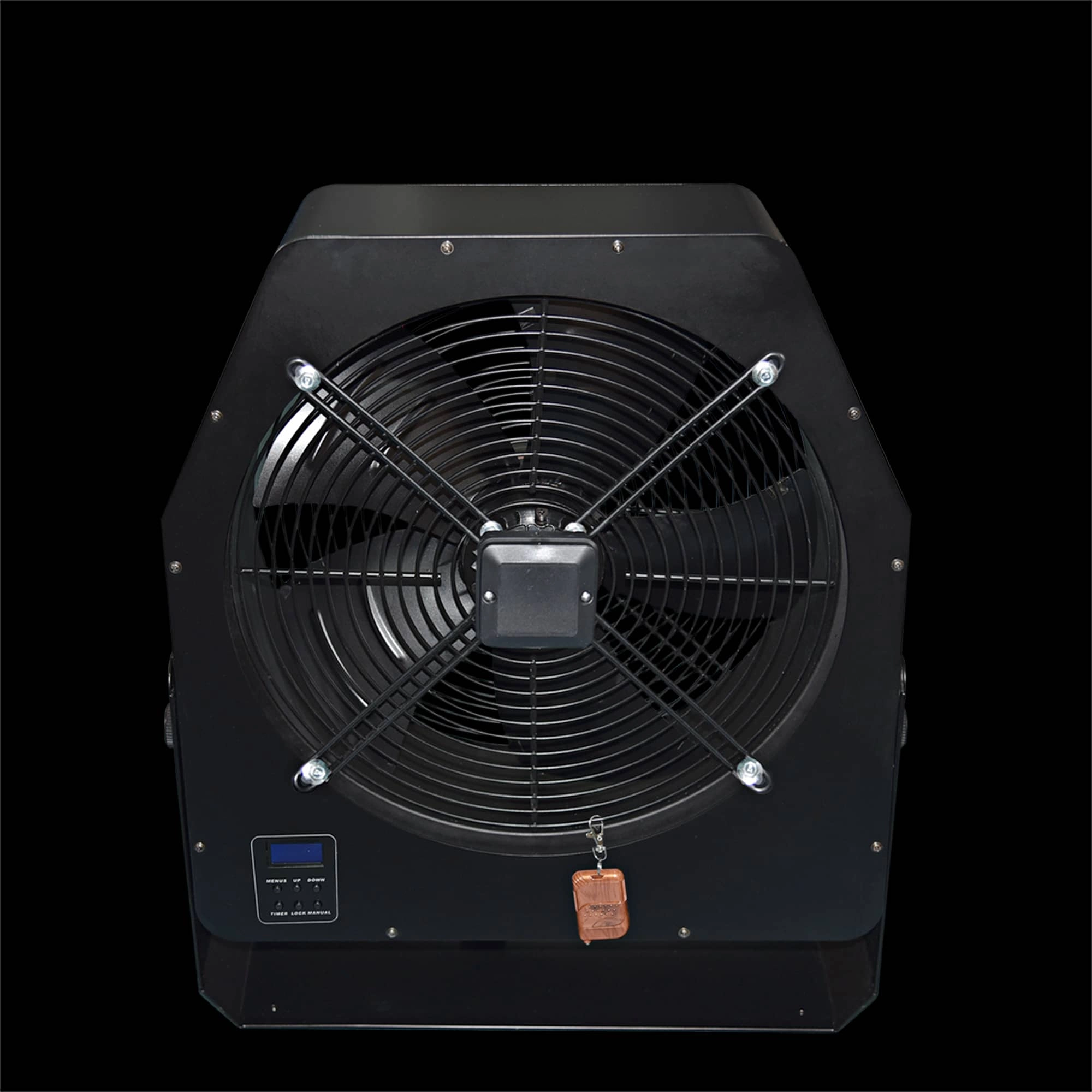
Professional Stage Big DMX Fan | High-Power Event Fan for Stage Shows & Celebrations
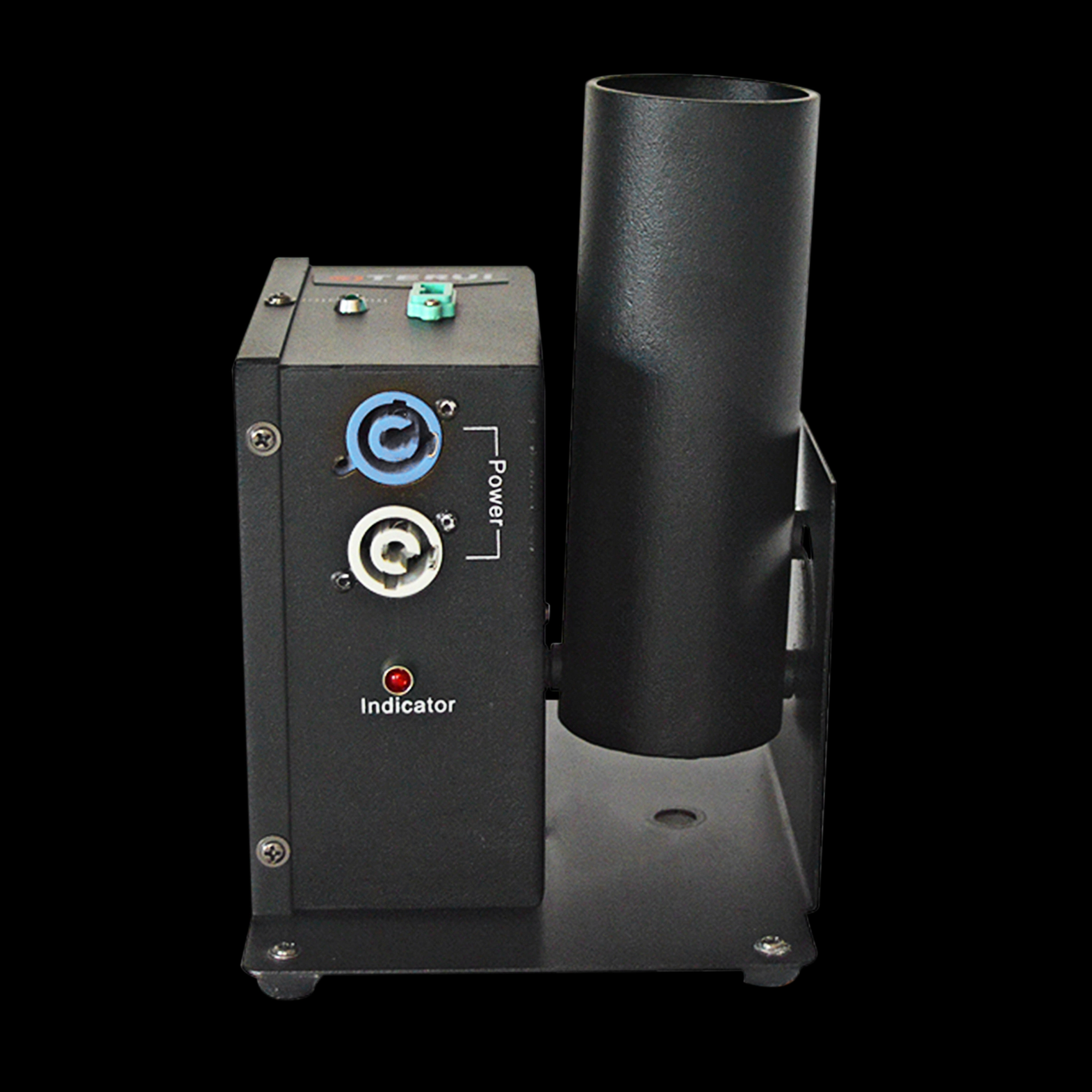
Single Shot Confetti Machine - Premium Confetti Launcher for Weddings & Stage Celebrations
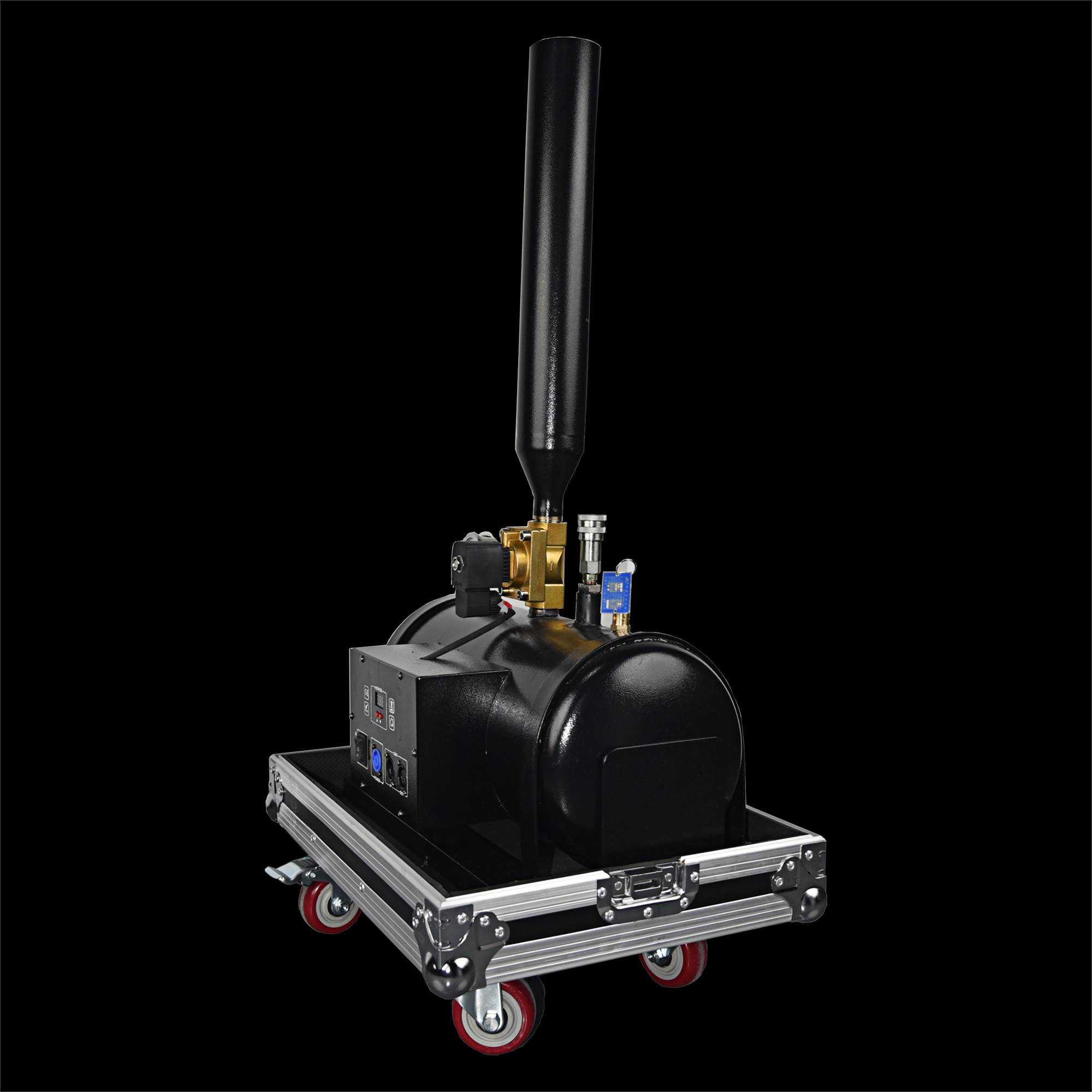
High-Altitude Confetti Cannon - Professional Confetti Blaster for Stage, Party & Celebration Events
Email: sales01@strlighting.com
WhatsApp: +86 189 2232 4800
© 2025 Siterui SFX All Rights Reserved.
 Scan QR Code
Whatsapp: +8618922324800
siteruisfx_stage_equipment
Siterui
SITERUI-SFX
STRlighting
@siterui.sfx