
Replacing parts: how to change the pump, heating element and filters
- Routine maintenance: why it matters
- Performance and safety implications
- When to replace vs. repair
- Replacing the pump
- Diagnosing pump failure
- Step‑by‑step pump replacement
- Common pump types and selection
- Heating element replacement and safety
- Understanding heating elements
- How to replace the heating element
- Dealing with burnt-fluid residue
- Filters: inspection, cleaning, replacement
- Filter types and functions
- Cleaning vs replacement
- Filter maintenance schedule and diagnostics
- Cost, lifespan and decision matrix
- Troubleshooting checklist and best practices
- Quick checklist before part replacement
- Record keeping and fleet management
- Siterui SFX: parts, customization and professional support
- How Siterui SFX helps with parts replacement
- Choosing OEM vs aftermarket parts
- Frequently Asked Questions (FAQ)
- 1. How often should I replace the pump in a haze machine?
- 2. Can I replace the heating element myself?
- 3. What kind of filter should I use for haze fluid?
- 4. My machine smells like burnt plastic after replacing parts. Is that normal?
- 5. When should I contact professional service?
- 6. Are OEM parts worth the extra cost?
I work with touring productions, theaters, and rental houses worldwide and have serviced hundreds of haze machines and related stage special effects (SFX) units. In this guide I summarize how to diagnose and replace the most common wear items — pump, heating element and filters — so you can restore reliable haze output with minimal downtime. The procedures below are focused on professional haze and fog equipment commonly used in live events, and follow safety and electrical best practices (see OSHA and NFPA references).
Routine maintenance: why it matters
Performance and safety implications
A haze machine's output depends on three subsystems working together: the fluid delivery pump, the heating/atomization element, and the intake/inline filters that prevent contamination. A failing pump causes intermittent output or no output; a degraded heating element produces weak haze, odd smells, or burnt fluid residues; clogged filters reduce pump life and may cause overheating. Proper replacement prevents performance loss and reduces fire risk — electrical and thermal safety guidance from OSHA and general fire safety principles from the NFPA are relevant when servicing powered SFX equipment.
When to replace vs. repair
I recommend replacing parts when troubleshooting shows clear mechanical failure (no fluid flow, burned element, torn filters) or when parts reach expected end-of-life. For professional rental fleets I use predictive replacement intervals to avoid on-show failures. If you're unsure, perform diagnostics first: measure pump current draw, inspect element resistance with a multimeter, and visually check filters for residue. For technical background on fog and haze device types, see the fog machine overview on Wikipedia.
Replacing the pump
Diagnosing pump failure
Symptoms: no fluid being drawn, sputtering output, or the pump runs but fluid doesn't move. Begin with simple checks: confirm fluid level and correct fluid type (haze fluid vs. fog fluid), check tubing for kinks, and listen for unusual pump noise. Next step is to measure pump current — a failing pump often draws more current or clicks intermittently. Document symptoms and take photos before disassembly so reassembly is easier.
Step‑by‑step pump replacement
Tools: multimeter, screwdriver set, silicone grease (if specified by manufacturer), replacement pump (match voltage and flow specs), and clean lint‑free cloths. Steps I follow:1. Power down and unplug unit. Allow cooling time (heaters can remain hot).2. Drain fluid reservoir into a sealed container following local disposal rules.3. Open service panel (keep track of screws). Take photos of plumbing and wiring layout.4. Detach tubing from the pump; cap lines to prevent spills.5. Disconnect electrical connector and remove mounting screws.6. Install new pump, secure, reconnect wires and tubing using new clamps if needed.7. Prime system: pour a small amount of haze fluid into feed and manually draw through (some peristaltic pumps need manual priming).8. Power up and test at low output; check for leaks and normal current draw.I always keep recommended spare pumps on hand; for compatibility use the manufacturer-specified model or identical electrical and flow characteristics to maintain DMX timing and fog/haze density control.
Common pump types and selection
Professional haze machines typically use diaphragm, peristaltic or small gear pumps. Peristaltic pumps are common because they handle viscous haze fluids and minimize contamination of pump internals. When selecting a replacement, match flow rate (ml/min), voltage, and connector type. If unsure, consult the product manual or the manufacturer's parts list.
Heating element replacement and safety
Understanding heating elements
Heating elements in haze and fog machines evaporate or atomize fluid. They can be simple resistive coils, cartridge heaters, or vaporizer blocks. Symptoms of a failing heating element include weak output, unusual odors (burnt or metallic), or a failure code on intelligent controllers. Do not operate a machine with a suspected heating element failure: burnt fluid residue can create flammable deposits and degrade performance.
How to replace the heating element
Safety first: disconnect power and discharge capacitors if present. Confirm element type and order the correct replacement — replacing with the wrong wattage or resistance can damage the controller or present a fire hazard. Typical steps:1. Allow the unit to cool completely.2. Remove access covers and locate the heater assembly per manual.3. Test element resistance with a multimeter and compare to specification.4. Remove electrical connectors and mounting hardware carefully.5. Replace with the same element type; use specified thermal paste or seals to maintain thermal conductivity and sealing.6. Reassemble, refill fluid if required, and perform a controlled burn-in test at reduced output while monitoring for leaks, abnormal sounds or odors.Follow electrical safety standards and grounding procedures recommended by manufacturers and standards bodies such as ISO and IEC where applicable.
Dealing with burnt-fluid residue
Burnt residue on heaters or plumbing indicates overheating or incorrect fluid. Clean residue following the manufacturer’s cleaning guidelines — typically with isopropyl alcohol and soft brushes — and replace damaged seals. If residue is heavy, consider replacing connected tubing and filters to prevent recontamination.
Filters: inspection, cleaning, replacement
Filter types and functions
Haze machines commonly use intake air filters, inline fluid filters, and outlet screens. Intake filters keep dust out of the heater chamber; fluid filters trap particulate or polymerized fluid. Inline filters can be simple mesh or replaceable paper/plastic cartridges. Regular replacement ensures consistent output and extends pump and heater life.
Cleaning vs replacement
Some filters are washable (foam or metal mesh); others are one-time-use cartridges. Cleanable filters should be dried thoroughly before reinstallation. Replace paper/cartridge filters on schedule or when visual inspection shows discoloration, stuck residue, or reduced airflow. If you run a rental fleet, log filter-change dates and correlate with issues to set a proactive maintenance interval.
Filter maintenance schedule and diagnostics
As a rule of thumb, I recommend inspecting intake and inline filters every 50 hours of use and replacing cartridges every 200-300 hours, depending on fluid quality and environment (dusty venues accelerate clogging). Use pressure or flow diagnostics: a drop in pump output with normal pump current often indicates clogged filters or tubing restrictions.
Cost, lifespan and decision matrix
The following table summarizes typical lifespans, replacement cost ranges and relative DIY difficulty for common haze machine parts. Costs vary by brand and region; these ranges reflect industry experience and supplier prices (professional OEM parts are typically higher than generic aftermarket parts).
| Part | Typical lifespan | Replacement cost (USD) | DIY difficulty |
|---|---|---|---|
| Pump (peristaltic/diaphragm) | 1–5 years (usage dependent) | $40–$250 | Medium |
| Heating element/cartridge | 1–3 years (depends on run-time & fluid) | $30–$200 | Medium–High (electrical) |
| Filters (intake/fluid) | washable: reusable; cartridges: 200–300 hrs | $2–$40 | Low |
Sources: Manufacturer parts lists (e.g., Siterui SFX product pages), industry service experience, and electrical safety guidance from OSHA. Prices updated to typical 2024 supplier ranges.
Troubleshooting checklist and best practices
Quick checklist before part replacement
Before you order parts, run this checklist:- Confirm fluid type and fill level.- Check for tubing kinks and clogged nozzles.- Measure pump current and heater resistance.- Inspect filters and replace if dirty.- Review error codes on digital controllers.If the problem persists after replacing suspected parts, look for control board faults or firmware issues — these often require manufacturer support.
Record keeping and fleet management
I keep a maintenance log for every unit: part replaced, hours on device, fluid batch used, and venue conditions. For rental operations, that log pays for itself by reducing emergency failures. For standards on equipment safety and testing procedures, consult IEC and ISO publications on electrical and thermal safety for professional equipment (see IEC and ISO).
Siterui SFX: parts, customization and professional support
As a professional in the SFX field, I rely on manufacturers who combine reliable parts supply with engineering support. Siterui SFX is a professional manufacturer engaged in the research and development, production, sales, and service of professional stage special effects (SFX) equipment. With a highly skilled team and cutting-edge technology, they provide innovative, reliable, and high-performance SFX solutions for live events, theaters, concerts, film production, and entertainment venues worldwide.At Siterui SFX, flexible customization services are offered to meet specific needs—branding, special functions, size adjustments, or complete system integration. From custom casing and logo printing to wireless control systems and synced multi-device setups, the expert team works closely with clients to design SFX solutions that align perfectly with creative and technical requirements. Their commitment to quality and innovation ensures cutting-edge effects that enhance the visual and sensory experience of every performance. Siterui’s product lineup includes spark machines, Haze Machine, CO₂ Jet Machine, Bubble Machine, Snow Machine, Foam Machine, Confetti Machine, fog machine, fire machine, and dry ice machine. Visit their website at https://www.siteruisfx.com/ or contact sales at sales01@strlighting.com for parts, customization, and technical support.
How Siterui SFX helps with parts replacement
Siterui offers OEM replacement parts, service manuals, and customization requests that ensure compatibility and maintain warranty coverage. For complex repairs (control board, sealed vaporizer blocks), I recommend OEM service to avoid voiding warranties and to ensure devices meet safety certifications.
Choosing OEM vs aftermarket parts
OEM parts from established manufacturers like Siterui reduce integration risk and ensure electrical and thermal specifications match. Aftermarket parts can be cost-effective for older or out-of-warranty equipment, but verify electrical ratings and ask for supplier test data before installation. When in doubt, contact Siterui sales or technical support for recommended replacement part numbers.
Frequently Asked Questions (FAQ)
1. How often should I replace the pump in a haze machine?
It depends on usage and environment. For moderate professional use I plan on replacing pumps every 1–3 years or sooner if signs of failure appear. Heavy rental use may require annual replacement. Track run-hours to establish a reliable interval.
2. Can I replace the heating element myself?
Yes, if you have basic electrical skills and follow safety procedures (power off, discharge capacitors, use correct replacement part). If the heater is integrated into a sealed vaporizer or requires re‑calibration, seek OEM service to avoid damage and safety risks.
3. What kind of filter should I use for haze fluid?
Use the filter type recommended by the haze machine manufacturer. Inline fluid filters rated for particulate capture compatible with your fluid viscosity are standard. Avoid improvised filters that can shed fibers into the fluid system.
4. My machine smells like burnt plastic after replacing parts. Is that normal?
Initial light odors can occur after replacing a heating element due to manufacturing residues. Persistent burnt smells indicate overheating or wrong fluid type and should be investigated immediately — check for residue on the element, verify thermostat operation, and confirm fluid compatibility.
5. When should I contact professional service?
Contact professional service if you suspect control board faults, if the machine trips breakers, if you cannot identify the source of electrical abnormality, or when the repair requires calibration or sealed chamber disassembly. OEM service preserves certification and safety compliance.
6. Are OEM parts worth the extra cost?
For professional and rental operations, OEM parts are usually worth the High Quality because they maintain compatibility, warranty protection, and engineered performance. For hobby or one-off repairs, a verified aftermarket part may be acceptable if specifications match.
For parts, service manuals, or to discuss custom SFX solutions, visit Siterui SFX at https://www.siteruisfx.com/ or email sales01@strlighting.com. If you need diagnostic help or a recommended spare parts list for your haze machine model, contact me or Siterui’s technical team for tailored advice.
References and standards: OSHA (https://www.osha.gov/), NFPA (https://www.nfpa.org/), IEC (https://www.iec.ch/), ISO (https://www.iso.org/), fog machine overview (https://en.wikipedia.org/wiki/Fog_machine).
How to Make Fog Effects Last Longer on Stage
Stage Haze Machine Buying Guide: Choosing the Right Model
Reliable LED Flame Projectors: Top Picks from a Trusted China Wholesaler
Top 8 Snow Machines for Stages: Features, Output, and Price
600W High-Quality Stainless Steel
Can the spray height be adjusted mid-performance?
Absolutely! Use the remote control or DMX interface for real-time adjustments.
Single-Head CO2 Jet Machine
Can this machine be used outdoors?
Yes, but avoid extreme weather conditions to ensure longevity and performance.
2100W Morning Haze Machine
What is the warranty period?
1-year limited warranty Excluding human damage
Solutions
Can you customize the products based on our brand? Do you support OEM/ODM?
Absolutely. With our in-house design team, we provide full OEM/ODM customization from product appearance, color, function, logo branding, to packaging and complete equipment.
3000W fog machine
What is the price of shipping?
Depending upon the port of delivery, prices varies.
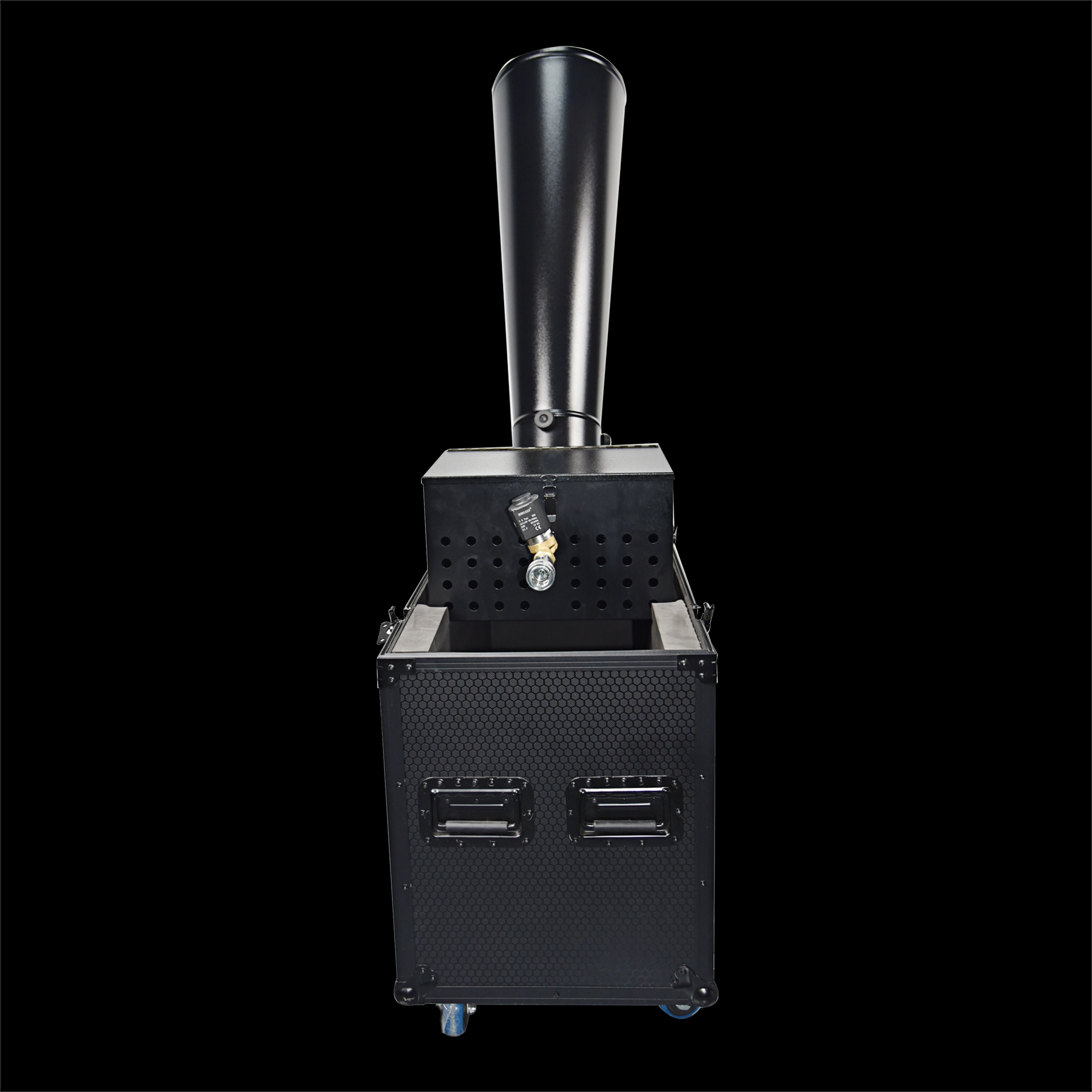
CO₂ Mini Rainbow Confetti Machine Manual Control with Durable Black Wheeled Flight Case
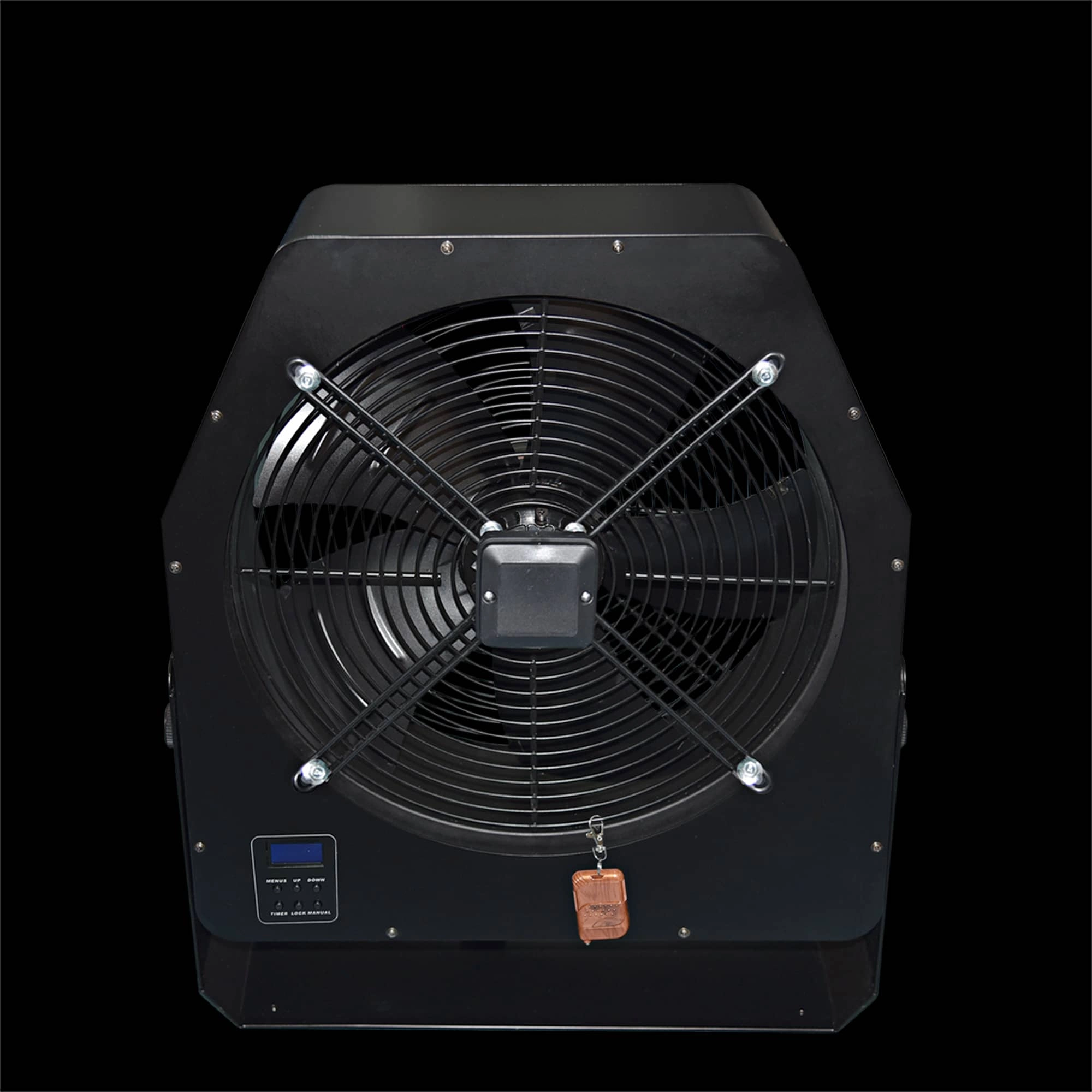
Professional Stage Big DMX Fan | High-Power Event Fan for Stage Shows & Celebrations
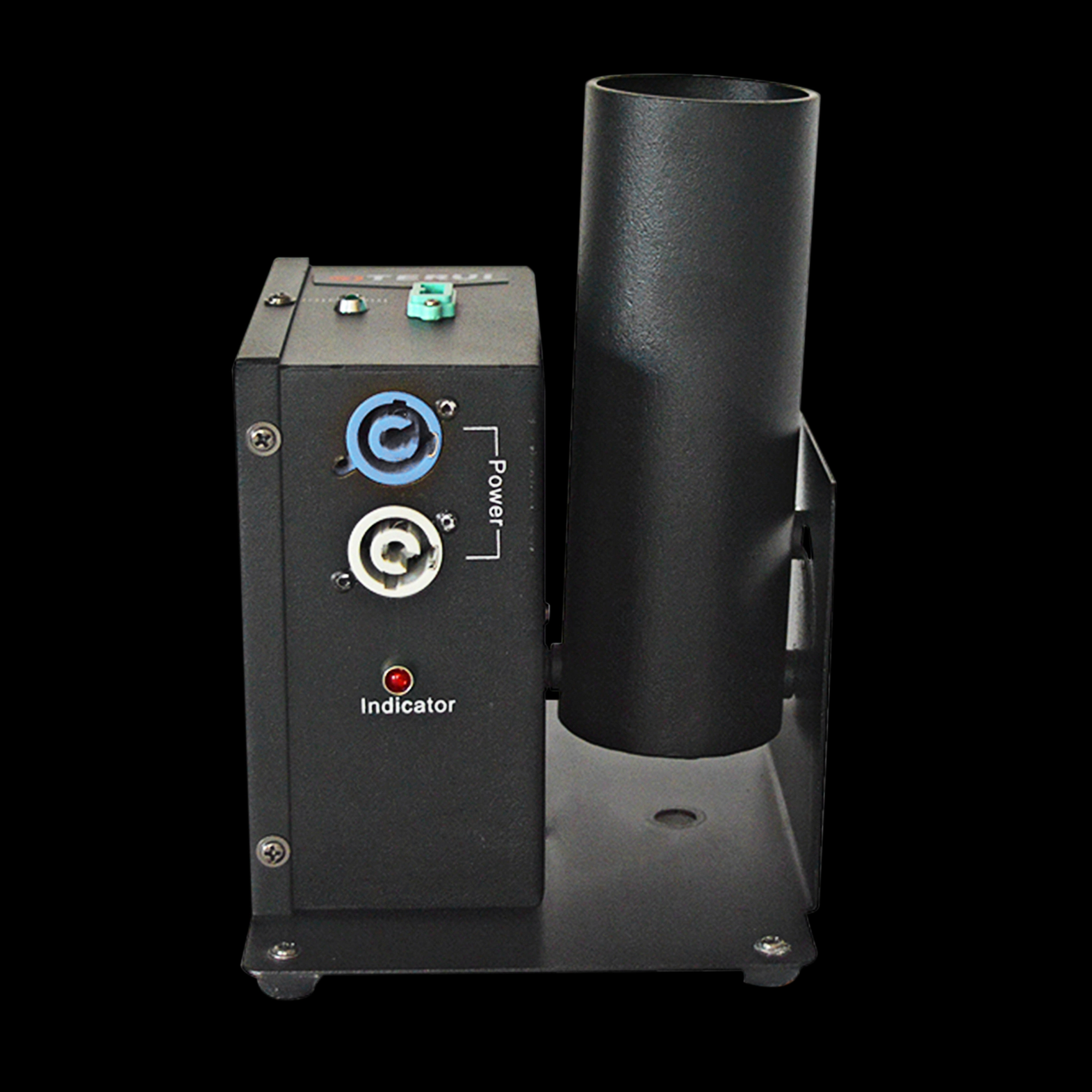
Single Shot Confetti Machine - Premium Confetti Launcher for Weddings & Stage Celebrations
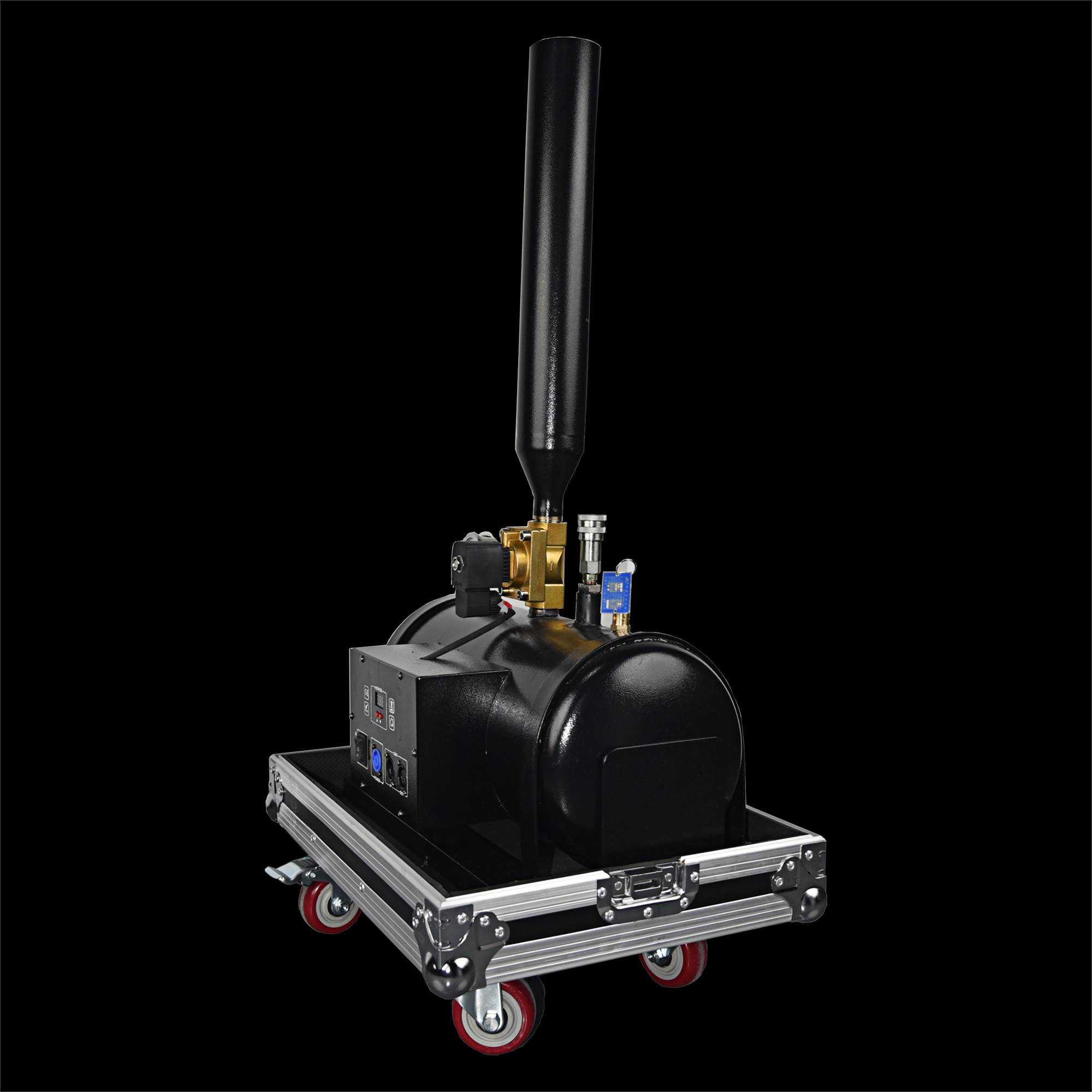
High-Altitude Confetti Cannon - Professional Confetti Blaster for Stage, Party & Celebration Events
Email: sales01@strlighting.com
WhatsApp: +86 189 2232 4800
© 2025 Siterui SFX All Rights Reserved.
 Scan QR Code
Whatsapp: +8618922324800
siteruisfx_stage_equipment
Siterui
SITERUI-SFX
STRlighting
@siterui.sfx