
Smart Fog Machines: IoT and Remote Monitoring
- Industry trends and operational drivers for connected SFX
- Why venues and production teams want connected fog solutions
- Market and regulatory pressures
- Technology and components of smart fog machines
- Core hardware: pumps, heaters, reservoirs and sensors
- Connectivity: DMX/Art‑Net, Ethernet, Wi‑Fi and MQTT
- Software: local logic, cloud dashboards and automation
- Operational benefits: safety, consistency and cost control
- Safer shows through automated interlocks and logs
- Consistency and creative control
- Lower total cost of ownership via predictive maintenance
- Deploying connected fog machines: best practices
- Network architecture and segmentation
- Safety and compliance checklist
- Integration with show control and AV systems
- Comparing traditional and smart fog machines
- Protocols and data strategies for deployers
- When to use DMX/Art‑Net vs MQTT/REST
- Data to monitor and why it matters
- Security considerations
- Siterui SFX: integrated solutions and competitive strengths
- Case studies and measurable outcomes
- Touring production: reducing downtime
- Theater installation: compliance and auditability
- Selection checklist for buyers
- Key questions to ask vendors
- Procurement tips
- FAQ
- 1. What is the difference between a fog machine and a haze machine?
- 2. Can smart fog machines be integrated with existing DMX systems?
- 3. How does remote monitoring improve safety?
- 4. Will IoT features increase maintenance costs?
- 5. What network security precautions should be taken?
- 6. What fog fluid should I use with smart fog machines?
- Contact and next steps
Smart fog machines—fog machines enhanced with networked controls, telemetry and remote monitoring—are changing how live-event technicians, venue managers and SFX suppliers plan, operate and maintain atmospheric effects. By combining traditional fogger mechanics with IoT-enabled sensors, DMX/Art‑Net/MQTT control and cloud-based dashboards, connected fog machines deliver better consistency, improved safety compliance, lower downtime and data-driven maintenance. This article examines the technology, protocols, operational benefits and deployment best practices for integrated fog solutions in professional stage special effects.
Industry trends and operational drivers for connected SFX
Why venues and production teams want connected fog solutions
Demand for repeatable, low-risk SFX has grown as productions scale and integrate complex audiovisual systems. Stakeholders—venue owners, touring production managers, and safety officers—seek fog machines that provide predictable fog density, remote interlocks, and automated failure alerts so shows can run reliably while meeting safety codes and insurance requirements. The move toward contactless control and centralized show management after 2020 accelerated interest in IoT-enabled foggers and haze machines that can be monitored remotely.
Market and regulatory pressures
Regulatory frameworks and insurance underwriters increasingly ask for documentary evidence of SFX safety checks, agent usage logs, and maintenance history. Compliance is often validated against local fire codes and venue policies; producers rely on device telemetry and logs to demonstrate due diligence. For reference on fog and theatrical smoke technology and safety context, see Wikipedia: Fog machine and general safety guidance from industry bodies like NFPA and PLASA.
Technology and components of smart fog machines
Core hardware: pumps, heaters, reservoirs and sensors
At heart, a fog machine is mechanical: a reservoir for fog fluid (glycol/water or glycerin blends), a pump or wicking system, and a heat exchanger that vaporizes fluid into visible fog. Smart fog machines add sensors (fluid-level, temperature, flow, and particulate/density sensors) and local controllers (microcontrollers or embedded PCs) to measure and regulate output. Integrated sensors enable automatic no-fluid alerts, over-temperature shutdowns, and closed-loop control of fog density.
Connectivity: DMX/Art‑Net, Ethernet, Wi‑Fi and MQTT
Professional fog machines support show-control protocols like DMX512 or Art‑Net for deterministic, timeline-driven cueing (DMX512). IoT-enabled foggers add Ethernet/Wi‑Fi and modern messaging (MQTT, WebSocket, REST APIs) so telemetry and alerts can be pushed to cloud dashboards and venue monitoring systems. Typical implementations keep DMX for low-latency live control and use MQTT/HTTP for telemetry, firmware updates and remote diagnostics.
Software: local logic, cloud dashboards and automation
On-device firmware handles safety interlocks and immediate control. Cloud or on-premises dashboards aggregate device status, historical logs and maintenance alerts. Automation can include scheduled warm-up windows, predictive maintenance reminders based on run-hours and fluid consumption, and facility-wide failover rules that remove devices from live cues when abnormal telemetry is detected.
Operational benefits: safety, consistency and cost control
Safer shows through automated interlocks and logs
Smart fog machines can integrate with venue fire-suppression and ejector systems, disable output if HVAC or smoke-detection preconditions are not met, and record usage logs for compliance. Automatic over-temperature cutouts and remote “lock-out” capabilities reduce human error. These features are critical when using CO₂ jets, dry ice or pyrotechnics in mixed-effect shows.
Consistency and creative control
Networked control ensures repeatable density and timing across tour legs or multi-device setups. When fog density is monitored with a particle-scatter sensor, devices can modulate output to maintain a target opacity—particularly useful in broadcast or film where visual parity is essential across multiple takes.
Lower total cost of ownership via predictive maintenance
By recording run-hours, pump cycles and fluid consumption, connected fog machines enable predictive maintenance that reduces unexpected failures and service trips. Planned part replacement (heaters, pumps, solenoids) is cheaper than emergency repairs and reduces show cancellations. Facility managers can also optimize inventory for fog fluid and consumables based on actual usage data.
Deploying connected fog machines: best practices
Network architecture and segmentation
Best practice is to place SFX devices on a segregated VLAN with restricted access and authentication. Use DMX over cable or Art‑Net on a managed switch for cue reliability, and a separate management network for telemetry. If Wi‑Fi is necessary, use enterprise-grade SSIDs with WPA2/WPA3 and certificate-based authentication for devices.
Safety and compliance checklist
Before deployment, verify: local fire code compliance; presence and calibration of particle detectors where required; interlocks with venue alarm systems; documented operating procedures; and staff training. Keep device logs centrally for audit trails. Consult NFPA guidance and venue fire marshals for local requirements (NFPA).
Integration with show control and AV systems
Integrate fog machines into lighting and audio timelines using DMX/Art‑Net or sACN for synchronization. Use protocol bridges to map DMX channels to cloud commands for remote monitoring. When using multiple devices, ensure time-code alignment or centralized cue sequencing to avoid layering that creates overly dense or uneven fog coverage.
Comparing traditional and smart fog machines
| Feature | Traditional Fog Machines | Smart / IoT Fog Machines |
|---|---|---|
| Control method | Manual switches, DMX-only | DMX/Art‑Net plus Ethernet/Wi‑Fi, MQTT/REST |
| Safety interlocks | Manual checks, limited automatic safety features | Automated interlocks, temp/fluid sensors, remote lock-out |
| Maintenance | Reactive, technician visits | Predictive alerts, run-hour logs, remote diagnostics |
| Integration | Point control per unit | Centralized dashboards, APIs, multi-device sync |
| Initial cost | Lower | Higher capex but lower lifecycle cost |
Table sources and further reading: Wikipedia: Fog machine, Wikipedia: Internet of things.
Protocols and data strategies for deployers
When to use DMX/Art‑Net vs MQTT/REST
Use DMX or Art‑Net for live cues and low-latency control that must align tightly with lighting and audio. Use MQTT or REST APIs for telemetry, remote configuration, firmware updates and long-term logs. Bridging between protocols enables the best of both worlds—deterministic show control with holistic device management.
Data to monitor and why it matters
Essential telemetry includes: fluid level, heater temperature, run-hours, output cycles, error codes and particulate/density readings. These enable preemptive servicing and immediate safety actions. Store logs for at least the duration required by venue insurance or local codes; many venues retain operational logs for 1–3 years.
Security considerations
Protect device firmware and management APIs with authentication, TLS encryption and role-based access. Maintain an update schedule to patch vulnerabilities and ensure devices use validated digital certificates. Network segmentation minimizes the risk to other venue systems.
Siterui SFX: integrated solutions and competitive strengths
Siterui SFX is a professional manufacturer engaged in the research and development, production, sales, and service of professional stage special effects (SFX) equipment. With a highly skilled team and cutting-edge technology, we are committed to providing innovative, reliable, and high-performance SFX solutions for live events, theaters, concerts, film production, and entertainment venues worldwide.
At Siterui SFX, we understand that every stage, event, and creative concept is unique. That’s why we offer flexible customization services to meet your specific needs—whether it's branding, special functions, size adjustments, or complete system integration. From custom casing and logo printing to wireless control systems and synced multi-device setups, our expert team works closely with you to design SFX solutions that align perfectly with your needs.
Our product line includes spark machines, haze machines, CO₂ jet machines, bubble machines, snow machines, foam machines, confetti machines, fog machines, fire machines, and dry ice machines. Siterui SFX differentiates itself by combining robust hardware with modern control capabilities: many units can be supplied with optional DMX/Art‑Net and IoT telemetry, allowing venue-wide dashboards, usage logs, and predictive maintenance. Our in-house R&D enables rapid firmware customization and secure network integration for permanent installations and touring rigs alike.
Siterui’s advantages and competitive points include:
- End-to-end capability: R&D, manufacturing, sales and after-sales service.
- Customization: physical branding, tailored control interfaces and multi-device synchronization.
- Reliability: ruggedized enclosures, industrial-grade pumps and heaters, and rigorous QC.
- Integration expertise: DMX, Art‑Net, MQTT and bespoke API support for system integrators.
- Responsive global support: spare parts, training and remote diagnostics.
Case studies and measurable outcomes
Touring production: reducing downtime
A mid-size touring production replaced legacy foggers with IoT-enabled Siterui fog machines and reported a 40% reduction in unscheduled maintenance visits during a 12-month tour (measured by technician call-outs and emergency part shipments). Run-hour logs and fluid consumption trends allowed the tech team to pre-stage consumables at tour hubs, avoiding shipment delays.
Theater installation: compliance and auditability
An urban performing arts center integrated smart fog machines with venue monitoring. Automatic interlocks ensured fog could not trigger when HVAC negative-pressure zones were compromised. Centralized logs satisfied the venue’s insurer and local fire marshal during periodic inspections, streamlining approval for recurring performances.
Selection checklist for buyers
Key questions to ask vendors
- Does the unit support both DMX and IoT telemetry (MQTT/REST)?
- Which sensors are included (fluid-level, temp, density)?
- What logs and retention policies are available for compliance?
- Are firmware updates signed and delivered securely?
- What warranty, service-level agreements and spare-parts support are provided?
Procurement tips
Request a factory acceptance test (FAT) that includes network integration, interlock behavior and simulated failure scenarios. Ask for reference installations and validate how the vendor supports multi-device synchronization and troubleshooting.
FAQ
1. What is the difference between a fog machine and a haze machine?
Fog machines (foggers) produce thicker, short-lived clouds for dramatic bursts; haze machines generate a fine, sustained atmospheric veil to enhance lighting beams. Both technologies can be IoT-enabled for monitoring and control.
2. Can smart fog machines be integrated with existing DMX systems?
Yes. Most professional smart fog machines support DMX512 for live cueing and provide additional network interfaces (Art‑Net, sACN) or protocol bridges so they can be controlled as part of an existing lighting rig.
3. How does remote monitoring improve safety?
Remote monitoring provides real-time alerts for over-temperature events, low fluid, or abnormal particulate readings. Interlocks and remote lock-out features prevent output when safety preconditions are not met, reducing the chance of accidental activations that could trigger alarms or hazards.
4. Will IoT features increase maintenance costs?
While IoT fog machines have higher upfront cost, telemetry enables predictive maintenance which typically reduces emergency repairs and overall lifecycle cost. Data-driven parts replacement and fewer technician dispatches offset the initial investment.
5. What network security precautions should be taken?
Place SFX devices on segmented VLANs, enforce strong authentication and TLS encryption for management interfaces, restrict firmware updates to signed packages, and limit remote access with VPNs or secure bastion hosts.
6. What fog fluid should I use with smart fog machines?
Use manufacturer-recommended fluids—typically water-glycol or water-glycerin blends—designed for the heater and pump design. Incorrect fluids can damage sensors, clog pumps, or leave residues that affect density sensors. Always test fluids during commissioning.
Contact and next steps
If you're evaluating smart fog machines for a venue, tour or installation, Siterui SFX offers customizable fog machines and integrated IoT control options. Contact Siterui SFX for product specs, factory acceptance testing, and integration consulting to design a safe, reliable and data-driven atmospheric system tailored to your needs.
Request product details or a quote: contact@siteruisfx.example (or visit our product catalog to view spark machines, haze machines, CO₂ jet machines, bubble machines, snow machines, foam machines, confetti machines, fog machines, fire machines, and dry ice machines).
Further reading and standards: Wikipedia: Fog machine, Wikipedia: Internet of things, Wikipedia: DMX512, and industry guidance from NFPA and PLASA.
Stage Haze Machine Buying Guide: Choosing the Right Model
Creative Effects: Combining Fog Machines with Lighting
How Moving Head Lights Work: Functions and Tips
Setting Up Stage Lights for Small Venues
2100W Morning Haze Machine
Is the haze machine suitable for outdoor use?
Yes, but avoid direct exposure to rain or extreme weather conditions.
1500W Haze Machine
Are you a factory or trading company?
Yes,We are a factory & trading company, we can guarantee our price is first-hand, very cheap and competitive.
Solutions
Are your stage FX products compliant with international safety standards?
Yes, all our products comply with CE, RoHS and other international certifications. For special effect consumables like fog fluid and snow fluid, we can provide MSDS and test reports to ensure smooth customs clearance globally.
large 300W Silver Iron Case Bubble Machine
Is this machine suitable for outdoor use?
Yes, the iron case is weather-resistant, but avoid direct rain exposure.
FAQs
What distinguishes Siterui’s products from others in the market?
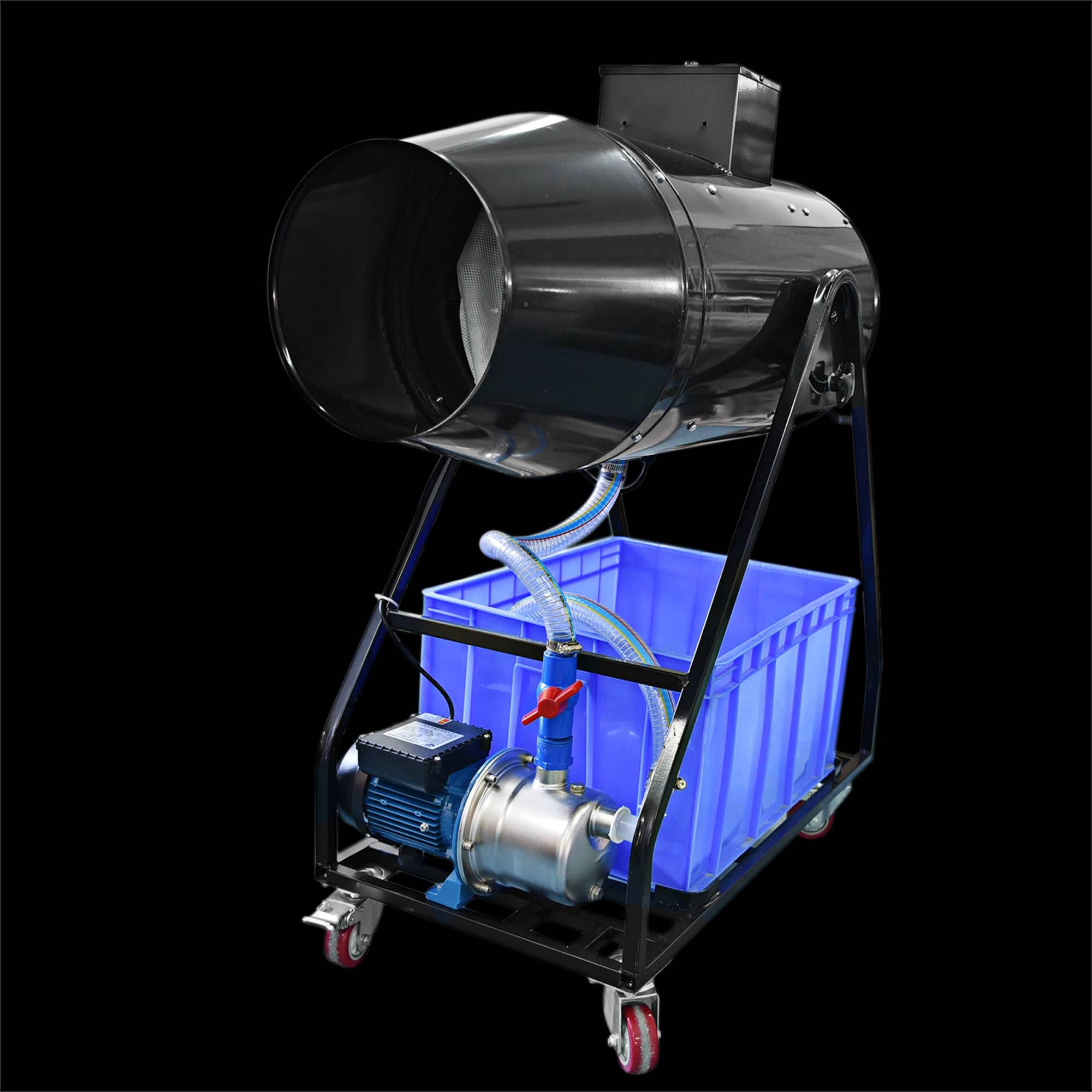
Siterui SFX 1800W Spraing foam machine High Power Professional Foam Party Maker
Elevate your event with the Siterui SFX 1800W Spraing Foam Machine. This high-power, professional foam party maker creates dense, vibrant bubbles—perfect for weddings and celebrations. Reliable and easy to use, it’s the foam and bubble machine for unforgettable moments.
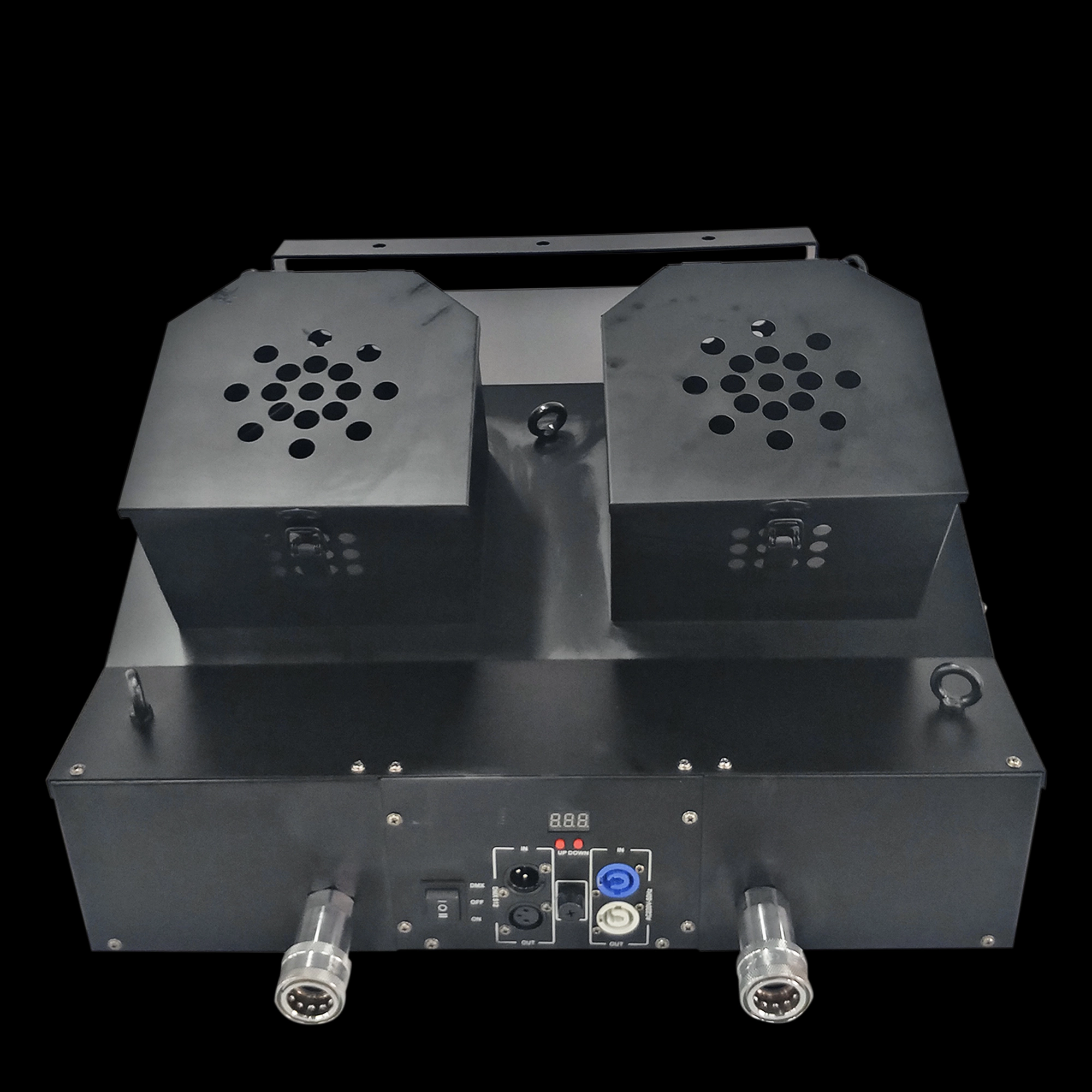
Snowstorm Paper Machine Double outlet sprayer snowstorm paper machine dual nozzle sprayer
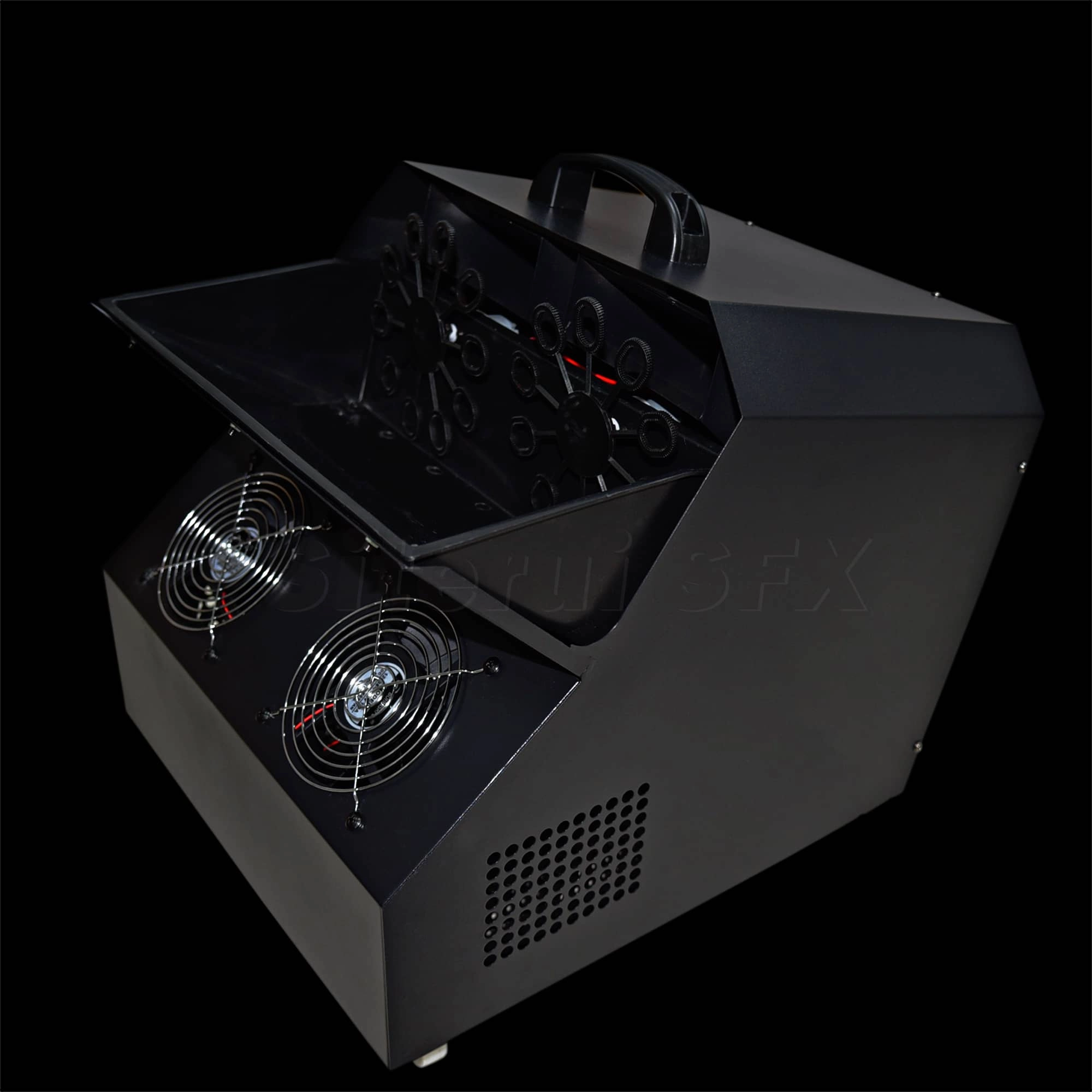
Big black housing bubble machine wireless remote + electric control
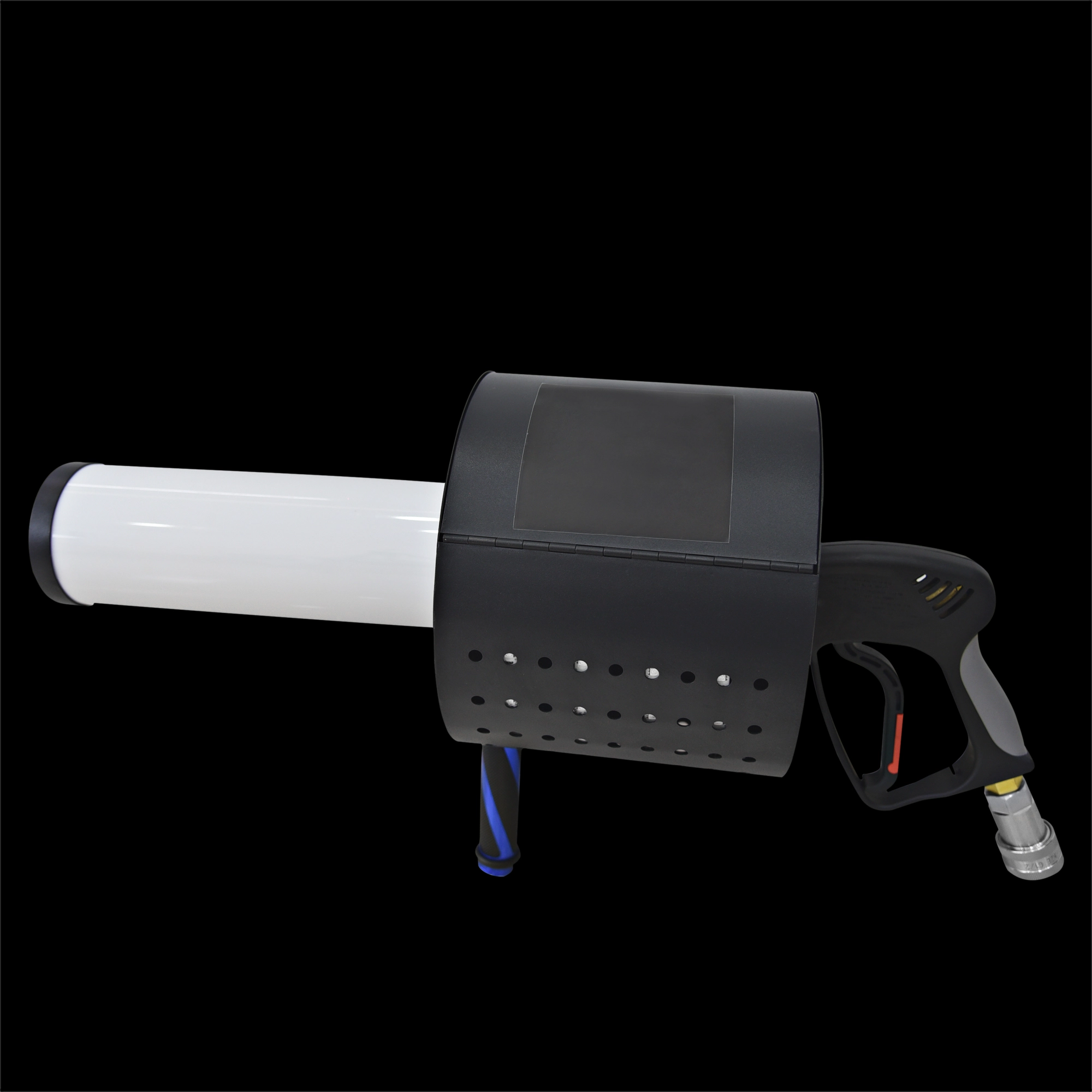
LED co2 jet confetti gun LED CO2 confetti cannon for stage shows DMX LED CO2 confetti gun for concerts Portable LED CO2 confetti blaster
Email: sales01@strlighting.com
WhatsApp: +86 189 2232 4800
© 2025 Siterui SFX All Rights Reserved.
 Scan QR Code
Whatsapp: +8618922324800
siteruisfx_stage_equipment
Siterui
SITERUI-SFX
STRlighting
@siterui.sfx