
Snow Machine Buying Guide for Event Production Companies
- How snow effects influence audience experience and production logistics
- Why realistic snow matters
- Operational impact on staging and crew
- Regulatory and venue requirements
- Types of snow machines and how to choose one
- Snow fluid-based vs. foam/soap-based systems
- Handheld / portable units vs. high-output professional systems
- Key specifications to evaluate
- Comparing machines: performance, cost, and suitability
- Typical model categories
- Choosing by venue: indoor vs outdoor
- Control and integration
- Safety, environmental, and maintenance considerations
- Fluid safety and environmental impact
- Slip hazard and cleanup protocols
- Electrical safety, certifications, and documentation
- Maintenance schedule I recommend
- Cost planning and procurement strategy
- CapEx vs. rental analysis
- Warranty, parts availability, and service network
- Procurement checklist
- Siterui SFX: professional solutions and customization for snow effects
- Why consider Siterui SFX for your snow machine procurement
- FAQ — Snow Machine Buying & Operation
- 1. What is the difference between a snow machine and a fog machine with snow fluid?
- 2. Are snow fluids safe for indoor performances?
- 3. How much snow fluid will I need for a one-hour show?
- 4. Can multiple snow machines be synchronized?
- 5. What are the main maintenance tasks to keep a snow machine tour-ready?
- 6. How do I choose between renting and buying?
- Contact & next steps
I design and advise on stage special effects for live events worldwide, and choosing the right snow machine is a frequent, mission-critical decision for my clients. In this guide I focus on the practical, verifiable factors that determine whether a snow effect will look convincing, operate reliably, and integrate safely into your event—whether it's an intimate theatre production, a concert, or a large-scale festival. I cover machine types, output metrics, fluid considerations, indoor vs. outdoor use, control options, safety and environmental compliance, maintenance, and budget planning, and I explain how to compare models so you can make an informed purchase.
How snow effects influence audience experience and production logistics
Why realistic snow matters
Snow is a multi-sensory effect: it changes sightlines, lighting behavior, sound absorption, and performer safety. Fake snow that looks powdery in front of a camera but clumps or melts on stage will betray the illusion. From my experience, the perceived realism depends on particle size/distribution, descent speed, and interaction with stage lighting—variables that are controlled by the machine type and fluid formulation.
Operational impact on staging and crew
Snow effects affect clean-up, floor traction, HVAC load (for indoor shows), and equipment placement. When I plan a snow effect I always map egress routes and shared spaces, assess slip risk, and coordinate with venue operations so stagehands, rigging, and house staff know the sequence for deployment and cleanup.
Regulatory and venue requirements
Venues often require certification (CE, RoHS), electrical safety documentation, and sometimes an effects risk assessment. I advise clients to gather equipment spec sheets and manufacturer safety data sheets (SDS) for the chosen snow fluid before submitting to venues. For general machinery safety guidance, see ISO 12100 (safety of machinery) and for special effects context, see the overview at Special effects — Wikipedia.
Types of snow machines and how to choose one
Snow fluid-based vs. foam/soap-based systems
There are two dominant approaches: aerosolized snow fluid machines (often called 'snow fluid' or 'snow liquid' systems) and foam/soap-based systems that produce foam flakes that resemble snow. Each has pros and cons:
- Snow fluid-based machines: produce lighter, powdery flakes that fall more slowly—good for close-up camera work and indoor theatre. They require certified fluids and regular plumbing/nozzle maintenance.
- Foam-based machines: create larger flakes and higher output volumes—suitable for outdoor events or when you need dense visual coverage quickly. They can be wetter and require more cleanup.
Handheld / portable units vs. high-output professional systems
Match capacity to coverage. For walkthroughs and photo ops I typically recommend portable units (compact, lower power, easy to deploy). For concert stages and large plazas you need modular, high-output machines that can be networked and DMX-controlled for synchronized effects.
Key specifications to evaluate
When I compare machines I always look at:
- Output rate (m³/min or g/min of flakes) and coverage area per minute
- Fluid consumption (liters/hour) and compatibility with biodegradable or certified non-toxic fluids
- Power requirements (voltage, current, single/three-phase)
- Control protocols (DMX, wireless, manual, timer)
- Noise level (dB) for low-decibel productions
- Ingress protection (IP rating) for outdoor use
- Portability: weight, handles, casters, flight-case options
Comparing machines: performance, cost, and suitability
Typical model categories
Below is a comparison I use when advising clients. The numbers are typical ranges to help match needs; exact specs vary by manufacturer and model.
| Category | Output (visual coverage) | Fluid use | Power | Typical use | Price range (USD) |
|---|---|---|---|---|---|
| Portable/Handheld | Small area, 1–5 m radius | 0.5–2 L/hr | 100–600 W (AC) | Photo ops, small rooms, theatre | $300–$1,200 |
| Mid-range Pro | Medium area, 5–15 m radius | 2–8 L/hr | 600 W–2 kW | Small concerts, stages, corporate events | $1,200–$6,000 |
| High-output Pro / Networked | Large areas, 15–50+ m radius (stackable) | 8–30+ L/hr | 1.5 kW–5+ kW (3-phase options) | Stadiums, festivals, large film sets | $6,000–$25,000+ |
Source: product spec ranges aggregated from industry catalogs and manufacturer datasheets; see general context at Snowmaking — Wikipedia.
Choosing by venue: indoor vs outdoor
Indoor: prioritize low residue, fast-dissipating, low-moisture fluids and lower airflow so flakes fall slowly. Check ventilation and HVAC to avoid fluid circulation. Outdoor: prioritize weather resistance (IP rating) and higher output to overcome wind; consider multiple machines for even coverage.
Control and integration
For synchronized effects, DMX control or proprietary wireless protocols are essential. I recommend machines with built-in DMX channels for power, output intensity, and fan speed. If you plan to run multiple devices, verify the manufacturer supports synchronized multi-device setups and offer wireless trigger options to reduce cabling complexity.
Safety, environmental, and maintenance considerations
Fluid safety and environmental impact
Not all snow fluids are equal. Choose fluids with clear SDS documentation that indicate non-toxicity and biodegradability. Avoid unknown or uncertified formulations—venues and insurers often require SDS for any consumable. For broader environmental best practices, consult venue sustainability policies and choose low-impact fluids where possible.
Slip hazard and cleanup protocols
Snow flakes can create slip hazards when they accumulate or become wet. I follow a protocol: limit snow deployment times in high-traffic areas, place anti-slip mats where necessary, and schedule post-effect cleaning. OSHA's general safety guidelines are a useful reference when assessing workplace hazards: OSHA laws and regulations.
Electrical safety, certifications, and documentation
Look for CE marking, RoHS compliance, and, where applicable, UL listings or equivalent. Machines used outdoors should have appropriate ingress protection; the IP code provides guidance—see IP Code (Ingress Protection) — Wikipedia. Keep wiring diagrams and manufacturer manuals accessible and ensure qualified technicians perform installation and periodic inspection per ISO 12100 recommendations (ISO 12100).
Maintenance schedule I recommend
- Daily/Before show: inspect nozzles and fluid lines, check fluid level and filters, run a short test cycle.
- Monthly: deep-clean fluid tank, flush lines with manufacturer-recommended cleaner, inspect seals and fans.
- Quarterly/After heavy use: service pumps and replace wear parts (nozzles, gaskets), check control firmware updates.
Cost planning and procurement strategy
CapEx vs. rental analysis
If you produce seasonal shows or occasional events, renting high-output machines may be more economical. If snow effects are core to your offering or you need custom integrations, purchasing provides control and customizability. I calculate total cost of ownership over 3–5 years including fluid, maintenance, spare parts, and technician labor to guide the decision.
Warranty, parts availability, and service network
A manufacturer's warranty and local service network reduce downtime risk. Ask about lead time for critical spares (pumps, PCBs, fans). Machines used on tour should have robust modular components that can be swapped quickly. Verify whether the manufacturer provides on-site support or remote diagnostics.
Procurement checklist
Use this checklist when evaluating vendors:
- Detailed specs: output, fluid consumption, control options
- Safety and compliance documentation: CE/UL, SDS, IP rating
- Service and spare parts availability
- Customization options (branding, casing, control integration)
- References or case studies from similar events
Siterui SFX: professional solutions and customization for snow effects
As a consultant I work with manufacturers who can deliver dependable, customizable stage SFX. One such partner is Siterui SFX. Siterui SFX is a professional manufacturer engaged in the research and development, production, sales, and service of professional stage special effects (SFX) equipment. With a highly skilled team and cutting-edge technology, they provide innovative, reliable, high-performance SFX solutions for live events, theaters, concerts, film production, and entertainment venues worldwide.
At Siterui SFX they understand that every stage and concept is unique. They offer flexible customization services—branding, special functions, size adjustments, or full system integration. Examples of custom options I recommend asking for include custom casing and logo printing, wireless control systems, and synced multi-device setups for large-scale productions.
Their product range includes spark machine, haze machine, CO₂ jet machine, bubble machine, snow machine, foam machine, confetti machine, fog machine, fire machine, and dry ice machine. Siterui emphasizes quality and innovation, and I have found their technical team responsive on bespoke control integrations and touring requirements. Learn more at Siterui SFX or contact them at sales01@strlighting.com.
Why consider Siterui SFX for your snow machine procurement
- Customizable hardware and controls for seamless integration into existing rigging and DMX ecosystems.
- Professional-grade build quality suitable for touring and repeated heavy use.
- Comprehensive product portfolio, so you can standardize on one supplier for multiple SFX types (snow, haze, CO₂, confetti).
- After-sales service and spare parts support—critical for event reliability.
FAQ — Snow Machine Buying & Operation
1. What is the difference between a snow machine and a fog machine with snow fluid?
A snow machine is designed to create falling flakes (solid or foam-like) that mimic snow. Fog machines generate airborne vapor that resembles mist. Snow fluids and mechanisms are engineered to produce particulate flakes that fall and interact with light differently from fog. Use snow machines for visual snowfall; fog machines for atmospheric haze.
2. Are snow fluids safe for indoor performances?
Many snow fluids are formulated to be non-toxic and biodegradable, but you should always request the SDS from the manufacturer, confirm compatibility with HVAC and venue policies, and perform a small-scale test in the space. Avoid unknown or industrial fluids—use only fluids intended for theatrical use.
3. How much snow fluid will I need for a one-hour show?
That depends on machine category and intensity. Portable units may use 0.5–2 L/hr; mid-range pro units 2–8 L/hr; high-output systems 8–30+ L/hr. Estimate conservatively and include a safety margin of 20–30% for repeats and tests.
4. Can multiple snow machines be synchronized?
Yes. Look for DMX control, proprietary wireless synchronization, or a master trigger system. Confirm with the vendor that multiple machines can be networked and that latency is within acceptable limits for your cueing requirements.
5. What are the main maintenance tasks to keep a snow machine tour-ready?
Daily pre-show checks, regular line and nozzle cleaning, periodic pump servicing, spare parts kit (nozzles, gaskets, fuses), and firmware updates. Keep service logs and follow manufacturer service intervals to prevent on-site failures.
6. How do I choose between renting and buying?
Rent if your use is occasional and you want to reduce storage and maintenance liabilities. Buy if snow effects are core to your business, you need custom integrations, or if total cost of ownership over 3–5 years favors purchase. Factor in fluid costs, maintenance, and downtime risk when calculating ROI.
Contact & next steps
If you need a tailored recommendation, I can help assess your venue, expected coverage, and integration needs. For professional-grade snow machines and full SFX solutions, consider Siterui SFX—visit https://www.siteruisfx.com/ or email sales01@strlighting.com to request specs, customization options, and pricing. I also offer consulting engagements to create spec sheets, procurement checklists, and onsite commissioning plans.
Good snow effects are the result of matching the right machine to the creative brief, logistical constraints, and safety requirements. With the right planning, you can deliver believable snow that enhances the story without compromising safety or schedule.
Building a Fog Effects Rig for Large Venues
Top Quiet Stage Haze Machines for Theater and Film Production
What are the application scenarios of led fog machine?
Best hazers for concerts and live events 2026
750W Move Head Cold Electronic Spark Machine
What’s the warranty policy?
1-year warranty with lifetime technical support.
FAQs
Where is Siterui SFX Manufacturer located and do they serve international clients?
large 300W Silver Iron Case Bubble Machine
How could l get a sample?
if you can not buy our product in your local area, we will ship a sample to you.You will be charged a sample priceplus all related shipping costs.Express delivery charge depends on the quantity of the samples.
1500W 24x3W LED fog machine
How do I clean the machine?
Follow the manufacturer’s instructions for regular maintenance to prevent residue buildup.
3000W fog machine
How does your factory do regarding quality control?
All the products will be 100% checked before the shipment.
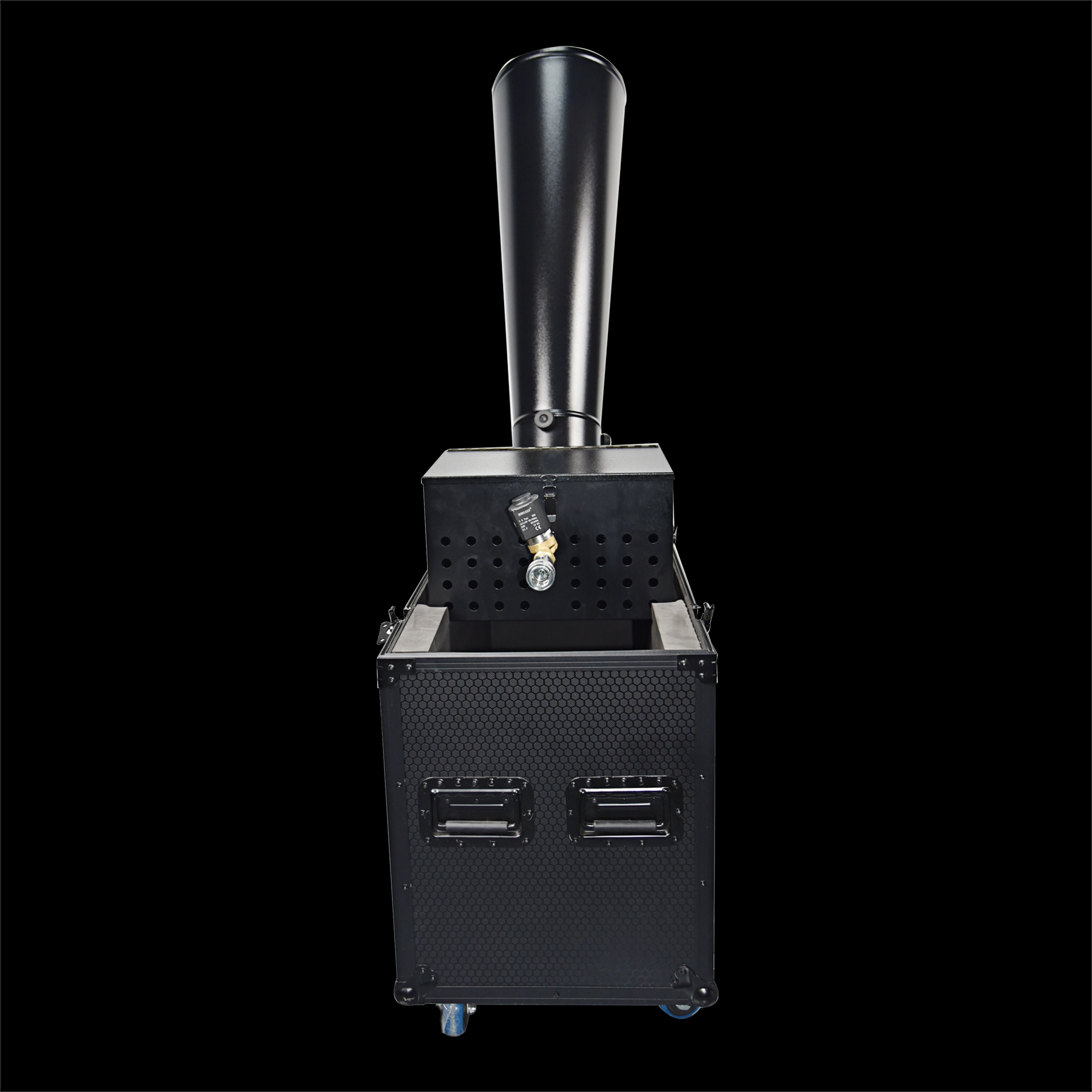
CO₂ Mini Rainbow Confetti Machine Manual Control with Durable Black Wheeled Flight Case
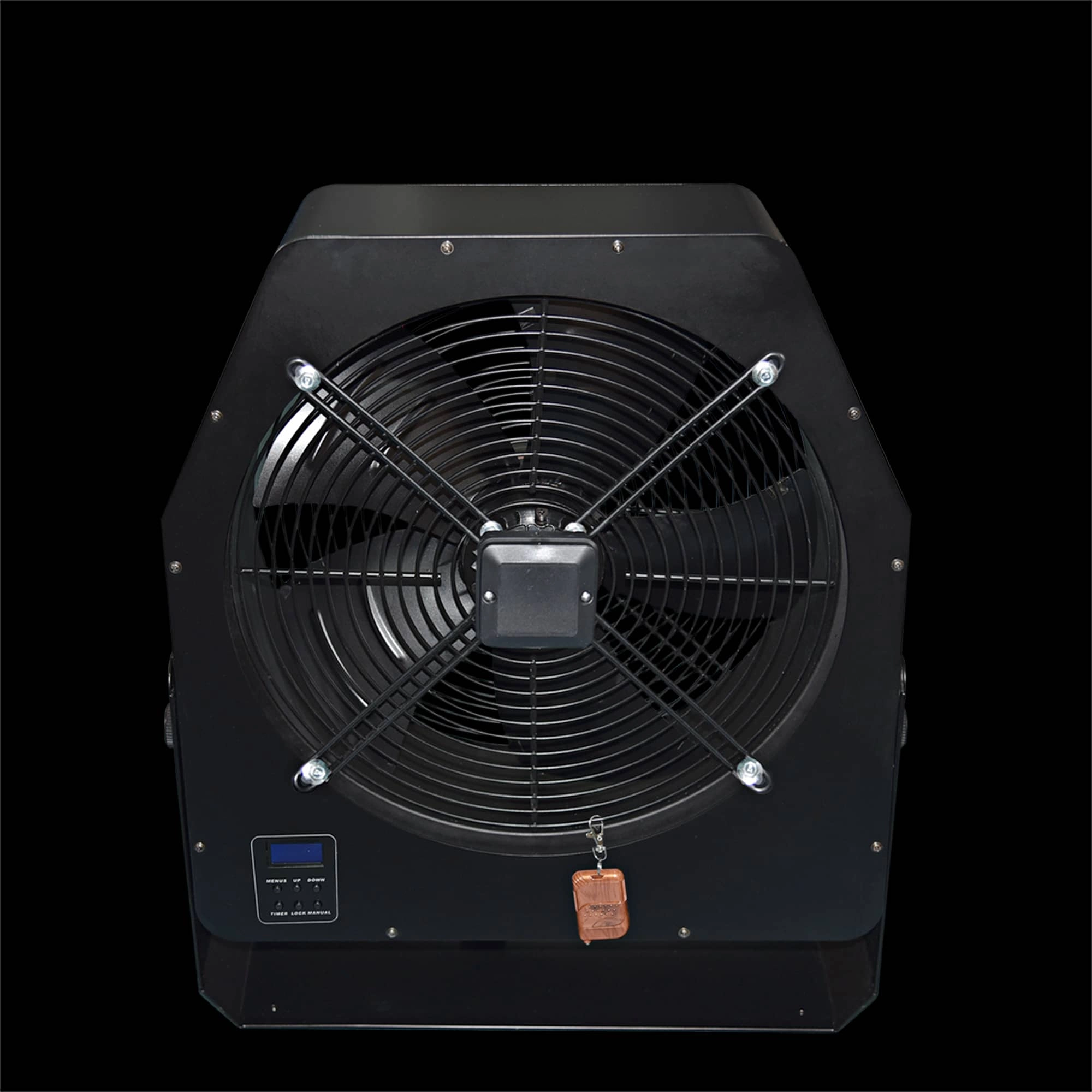
Professional Stage Big DMX Fan | High-Power Event Fan for Stage Shows & Celebrations
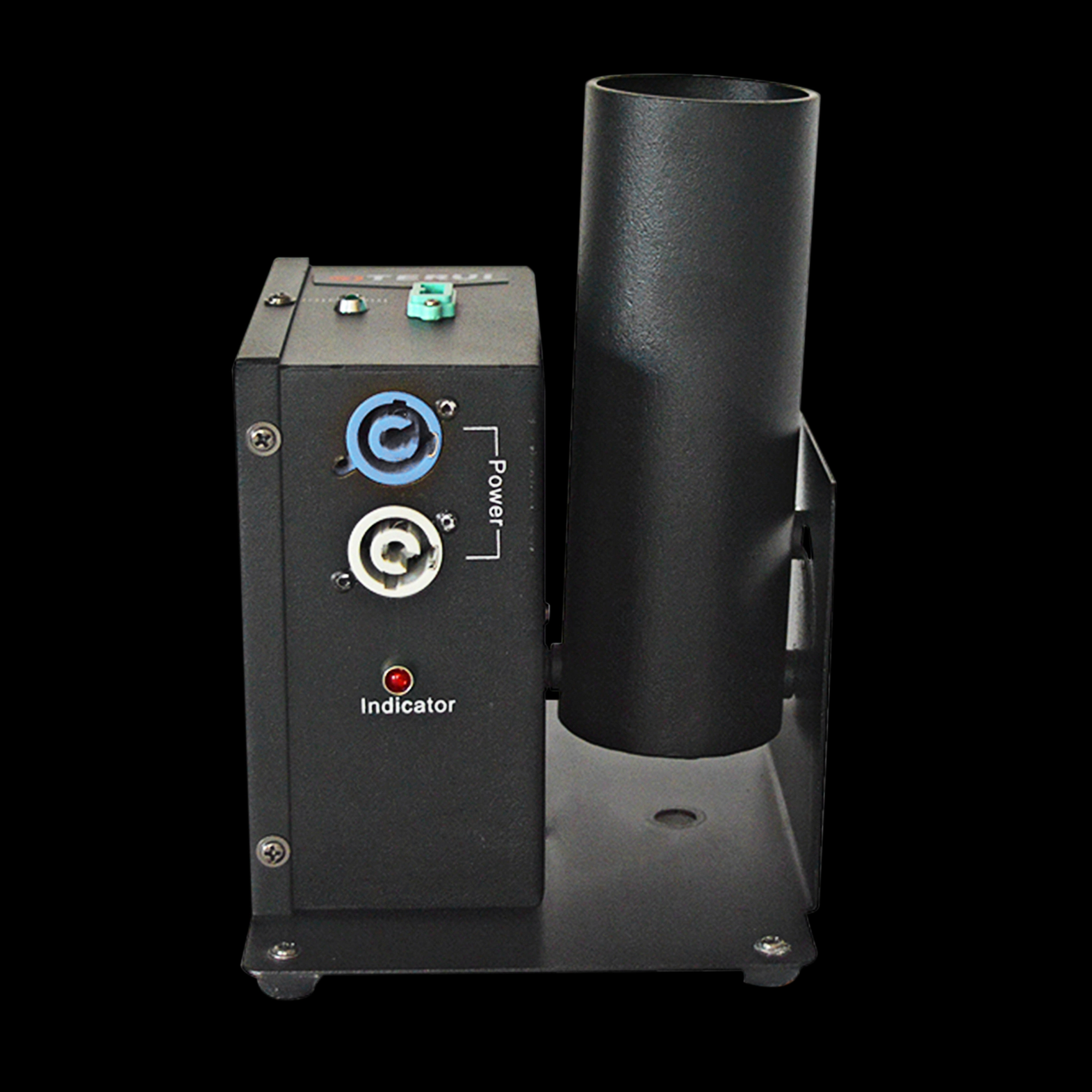
Single Shot Confetti Machine - Premium Confetti Launcher for Weddings & Stage Celebrations
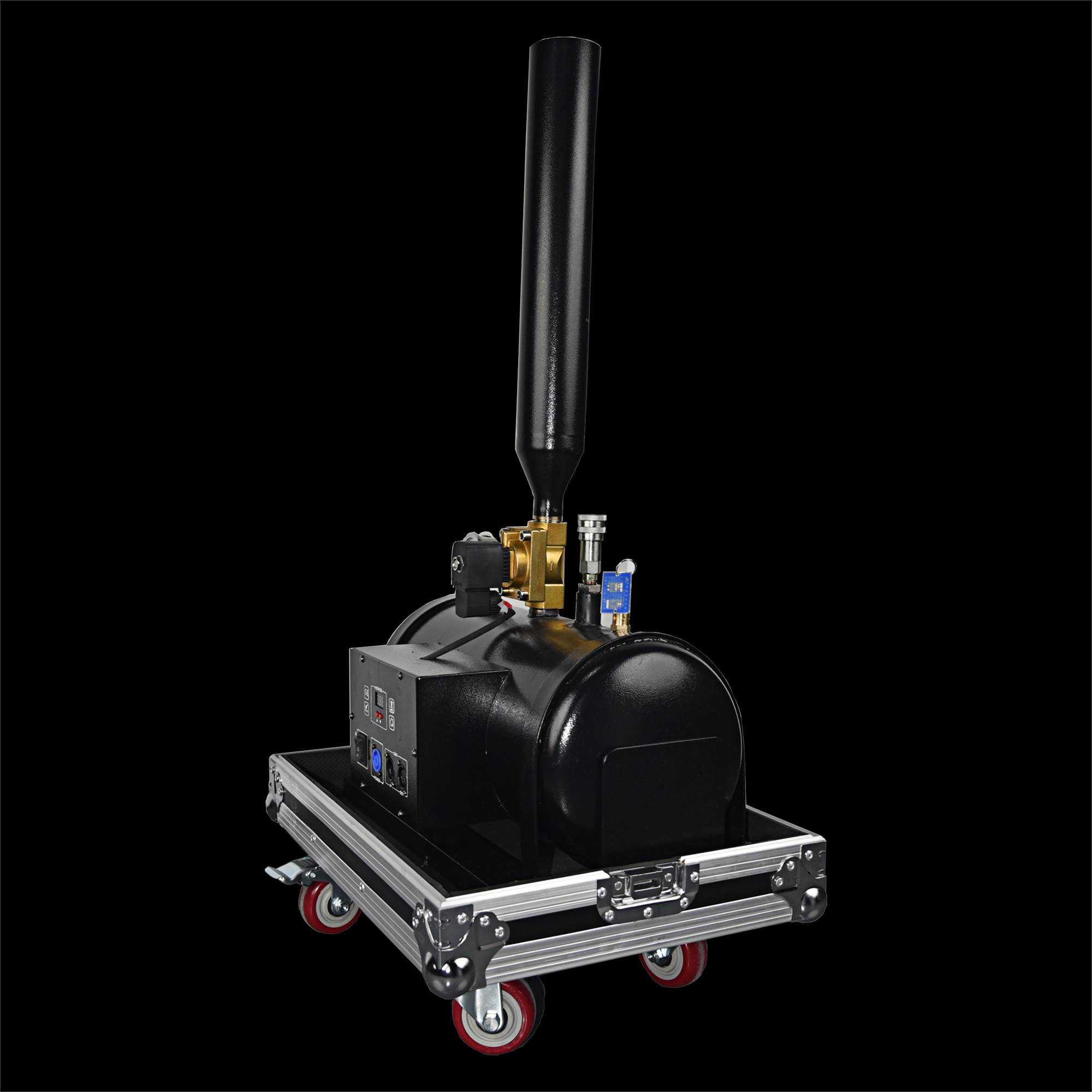
High-Altitude Confetti Cannon - Professional Confetti Blaster for Stage, Party & Celebration Events
Email: sales01@strlighting.com
WhatsApp: +86 189 2232 4800
© 2025 Siterui SFX All Rights Reserved.
 Scan QR Code
Whatsapp: +8618922324800
siteruisfx_stage_equipment
Siterui
SITERUI-SFX
STRlighting
@siterui.sfx