
Snow Machine Power, Output & Coverage: Match to Venue Size
- Understanding Snow Machine Types and How They Work
- My practical classification of snow machines
- Key components that determine output
- How the effect differs from technical snowmaking
- Power, Output & Coverage: Matching to Venue Size
- Translating specs into real coverage
- Recommended machine classes by venue size
- Electrical power and placement considerations
- Installation, Safety and Environmental Considerations
- Audience safety and material selection
- Ventilation, HVAC interaction and cleanup planning
- Fire and electrical code compliance
- Choosing the Right Snow Machine: Practical Selection Guide
- Step-by-step selection workflow I use
- Case examples from my projects
- Comparison table: machine features that matter
- Siterui SFX: Custom Solutions, Products and Why I Recommend Them
- Who Siterui SFX is and our capabilities
- Customization and technical strengths I rely on
- Product portfolio and competitive differentiators
- How I partner with Siterui SFX in project delivery
- FAQ
- 1. How do I calculate how much snow fluid I need for a show?
- 2. Can snow machines be used outdoors?
- 3. Are stage snow fluids safe for audiences and performers?
- 4. How should I place snow machines in a theatre with suspended lighting trusses?
- 5. Can I control snow machines via DMX or wireless systems?
- 6. What are common troubleshooting tips if a machine underperforms?
Summary for : I outline how snow machine specifications—power (electrical and pump), fluid consumption, output rate and plume dispersion—translate into real coverage area for indoor and outdoor venues. This guide helps event producers, rental houses, and venue techs match a snow machine to room volume, audience density and runtime targets, with safety, HVAC interaction and environmental considerations referenced to authoritative sources (Wikipedia: Snowmaking, Event Safety Alliance, OSHA).
Understanding Snow Machine Types and How They Work
My practical classification of snow machines
In the field I separate snow machines into three practical categories: compact plume (portable low-volume), mid-range continuous (rental/production), and high-capacity broadcast (large arenas/outdoor). They differ by pump/power size, nozzle design and fluid formulation. Compact units use small diaphragm pumps and produce a focused plume ideal for photo ops; mid-range units employ gear pumps and produce sustained snow fields; high-capacity systems use high-flow pumps and ducting or multiple nozzles for arena-scale coverage.
Key components that determine output
There are four determinants of a machine's effective snow coverage: 1) pump flow rate (L/h or ml/min of snow fluid), 2) air supply pressure or fan CFM that sprays and atomizes fluid, 3) nozzle geometry that affects droplet size and fall pattern, and 4) heater/air-temperature control when used for specialized foam-based snow. Understanding these gives you predictable coverage results rather than guessing from marketing terms like heavy output.
How the effect differs from technical snowmaking
Stage snow machines create visual, short-lived flakes (foam or biodegradable fluid-based) rather than compacted skiable snow produced by commercial snowmaking systems. For background on snowmaking physics and droplet formation, see Wikipedia: Snowmaking. The differences matter because stage snow is optimized for visual persistence, safe audience contact, and cleanup, not for accumulation.
Power, Output & Coverage: Matching to Venue Size
Translating specs into real coverage
When I evaluate a machine spec sheet I convert manufacturer numbers into three practical metrics: fluid consumption (ml/min or L/hr), volumetric plume output (m³/min), and areal coverage per minute under controlled conditions (m²/min at X cm depth). For indoor events, ventilation rates and ceiling height change effective coverage more than raw pump power. I always run a simple pre-show test in the venue when possible.
Recommended machine classes by venue size
Below I provide a practical recommendation table—these are conservative ranges based on field experience and common rental-scenario expectations. Use them as starting points and confirm with a test. For product-specific specs, manufacturers (including Siterui SFX) publish datasheets which are essential to confirm exact outputs (Siterui SFX).
| Venue size / type | Typical audience / volume | Recommended machine class | Approx. fluid use | Expected areal coverage (m²/min) |
|---|---|---|---|---|
| Small rooms / photo booths (≤100 m²) | Up to 50 people | Compact plume unit | 50–200 ml/min | 1–5 m²/min (focused) |
| Medium venues / banquet halls (100–500 m²) | 50–300 people | Mid-range continuous machine | 200–800 ml/min (1–5 L/hr) | 5–25 m²/min (broad plume) |
| Large venues / arenas (500–5,000+ m²) | 300–5,000+ people | High-capacity broadcast / multi-unit arrays | 1–10+ L/hr or multiple synced units | 25–200+ m²/min (multi-nozzle) |
Notes: The areal coverage depends heavily on ceiling height and HVAC. In rooms with high air change rates you'll need higher output or run for longer to maintain visual density. For outdoor shows wind will rapidly reduce coverage; use windbreaks or localized nozzles.
Electrical power and placement considerations
Power draw scales with pump size and fans. Small units often run on 120V/1A–5A circuits; mid-range machines may require 120–240V and 5–15A; high-capacity systems can need dedicated 20A+ or even three-phase supplies. Always check inrush current on pump motors and size circuits accordingly. For electrical safety and venue compliance consult OSHA and local codes; Event Safety Alliance guidance is also useful for live-event power distribution (Event Safety Alliance).
Installation, Safety and Environmental Considerations
Audience safety and material selection
I prioritize user safety above effect. Use certified, non-toxic, biodegradable snow fluids and verify MSDS for skin and eye contact. Avoid glycerin-heavy fluids near high-traffic areas because they can create slip hazards. Where possible, choose low-residue formulations designed for fast evaporation and easy cleanup. Manufacturers should provide MSDS and third-party testing data for respiratory and dermal safety.
Ventilation, HVAC interaction and cleanup planning
Snow effects interact with HVAC: air returns can draw flakes into filters or cause them to dissipate prematurely. I always coordinate with venue engineers to identify supply/return registers and plan nozzle placement to keep visual flakes in the audience area. Have a cleanup plan: portable vacuums, floor guards, and floor signage reduce post-show slip risk. For guidance on occupational safety and ventilation control, see OSHA and local building codes.
Fire and electrical code compliance
Many venues require certification that SFX equipment meets electrical safety and flame resistance standards. Check NFPA guidelines for pyrotechnics and special effects when combining snow with other effects (see NFPA). Even though snow machines are non-flammable, combining them with CO₂ jets, spark machines or pyrotechnics requires coordinated risk assessment.
Choosing the Right Snow Machine: Practical Selection Guide
Step-by-step selection workflow I use
- Define the visual goal: gentle falling flakes, dense field, or stage wash?
- Measure the venue: floor area, ceiling height, HVAC rates and audience density.
- Estimate runtime and budget for fluid consumption (use the table above).
- Choose machine class and model; request datasheets and inrush/electrical specs.
- Plan placement, power, and a test run. Allocate additional units for redundancy if the show is critical.
Case examples from my projects
Example A: A 200-seat theatre (ceiling 6 m) needed a mid-air snowfall for a 3-minute finale. I used two mid-range continuous machines placed stage-left and stage-right, synchronized via DMX to create an even field; fluid consumption matched predictions and cleanup time was under 20 minutes.
Example B: An open-air winter market had gusty conditions. I recommended several compact plume units placed close to photo zones rather than trying to blanket the whole site, which would have wasted fluid to wind dispersal.
Comparison table: machine features that matter
| Feature | Why it matters | What I check on the spec |
|---|---|---|
| Pump flow rate | Determines how much snow fluid is atomized | ml/min or L/hr; adjust for runtime calculations |
| Fan or air assist (CFM) | Controls plume distance and droplet size | CFM rating, speed control, directional nozzle |
| Control protocols | Integration with DMX/Wireless for synced shows | DMX512, RDM, wireless consoles |
| Portability and footprint | Ease of rigging and transport | Weight, handles, flight-case options |
When comparing models, insist on datasheets with explicit ml/min and CFM numbers. If a vendor only uses subjective terms (high output), ask for measured test data or a site demo.
Siterui SFX: Custom Solutions, Products and Why I Recommend Them
Who Siterui SFX is and our capabilities
Siterui SFX is a professional manufacturer engaged in the research and development, production, sales, and service of professional stage special effects (SFX) equipment. With a highly skilled team and cutting-edge technology, we are committed to providing innovative, reliable, and high-performance SFX solutions for live events, theaters, concerts, film production, and entertainment venues worldwide.
Customization and technical strengths I rely on
At Siterui SFX, we understand that every stage, event, and creative concept is unique. That’s why we offer flexible customization services to meet your specific needs—whether it's branding, special functions, size adjustments, or complete system integration.
From custom casing and logo printing to wireless control systems and synced multi-device setups, our expert team works closely with you to design SFX solutions that align perfectly with your needs. Our commitment to quality and innovation ensures that our clients receive cutting-edge effects that enhance the visual and sensory experience of every performance. We pride ourselves on exceptional customer service and continuous advancement, positioning Siterui as a trusted partner in the professional special effects industry.
Product portfolio and competitive differentiators
Siterui SFX supplies a broad product range including spark machine, Haze Machine, CO₂ Jet Machine, Bubble Machine, Snow Machine, Foam Machine, Confetti Machine, fog machine, fire machine and dry ice machine. Our competitive edge includes:
- In-house R&D enabling quick prototyping and tailored nozzle/pump systems for specific coverage requirements.
- Flexible control options: DMX, wireless, and custom APIs for show automation.
- Factory testing with measurable output reports—you get ML/HR and CFM numbers to plan shows precisely.
- Global service network and spare parts to minimize downtime on tours and installations.
Visit our website for product details and datasheets: https://www.siteruisfx.com/. For inquiries contact: sales01@strlighting.com.
How I partner with Siterui SFX in project delivery
In projects I’ve run with Siterui, we provided synchronized multi-unit snow setups for arena finales where redundancy and predictable fluid consumption were mission-critical. Their willingness to customize nozzle angles and provide synchronized wireless DMX made commissioning fast and reliable.
FAQ
1. How do I calculate how much snow fluid I need for a show?
Estimate fluid use from the machine's ml/min figure multiplied by runtime. Add a safety margin of 20–30% for longer shows or unpredictable HVAC. Always test in the venue and verify the visual density at different pump settings.
2. Can snow machines be used outdoors?
Yes, but wind and humidity greatly affect performance. For outdoor events use multiple localized units, windbreaks, or shielded nozzles. High-capacity broadcast machines or arrays are preferred for arenas when consistent wide-area coverage is required.
3. Are stage snow fluids safe for audiences and performers?
Reputable manufacturers provide MSDS and third-party testing. Use fluids labeled non-toxic, hypoallergenic and biodegradable. Avoid glycerin-heavy mixes in high-traffic walkways to reduce slip risk.
4. How should I place snow machines in a theatre with suspended lighting trusses?
Place units where their plumes are clear of fixture optics and rigging. Secure mounting, proper IP rating if needed, and coordination with lighting designers are essential. Perform a test run to ensure flakes don't coat lenses or create hotspots on fixtures.
5. Can I control snow machines via DMX or wireless systems?
Most professional machines support DMX512 or wireless control; Siterui SFX offers DMX and wireless options and can provide custom control mapping for synchronized shows.
6. What are common troubleshooting tips if a machine underperforms?
Check pump inlet for air leaks, verify fluid viscosity and temperature, confirm supply voltage and inrush current, and test nozzles for clogging. Always have spare nozzles and a filtered fluid supply to reduce issues.
If you want tailored advice for a specific venue or need datasheets and quotations, contact Siterui SFX via our website: https://www.siteruisfx.com/ or email sales01@strlighting.com. We offer product customization and on-site commissioning support to ensure your snow effect performs exactly as designed.
References & further reading:
Top 10 foam machine Manufacturers and Supplier Brands
What are the application scenarios of co2 confetti machine?
Smoke machines for outdoor concerts: weather tips
The commercial smoke machine Cost Guide
750W Move Head Cold Electronic Spark Machine
Are you a factory or trading company?
We are a factory with direct pricing, ensuring competitive rates.
large 300W Silver Iron Case Bubble Machine
How could l get a sample?
if you can not buy our product in your local area, we will ship a sample to you.You will be charged a sample priceplus all related shipping costs.Express delivery charge depends on the quantity of the samples.
Single-Head CO2 Jet Machine
Are you a factory or trading company?
Yes,We are a factory & trading company, we can guarantee our price is first-hand, very cheap and competitive.
2100W Morning Haze Machine
What is the warranty period?
1-year limited warranty Excluding human damage
1500W Haze Machine
Is this machine suitable for outdoor use?
Yes, but avoid direct rain or extreme temperatures.
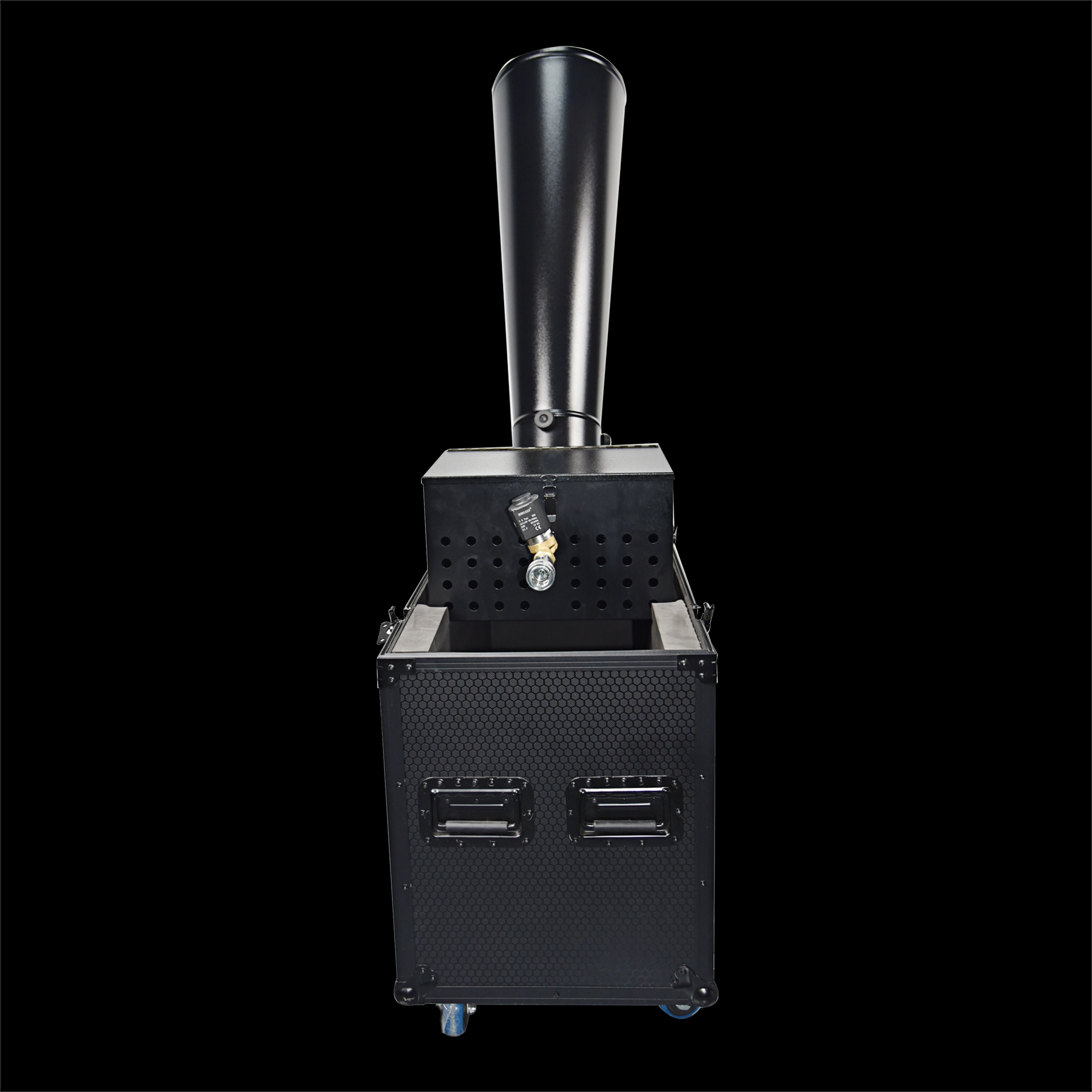
CO₂ Mini Rainbow Confetti Machine Manual Control with Durable Black Wheeled Flight Case
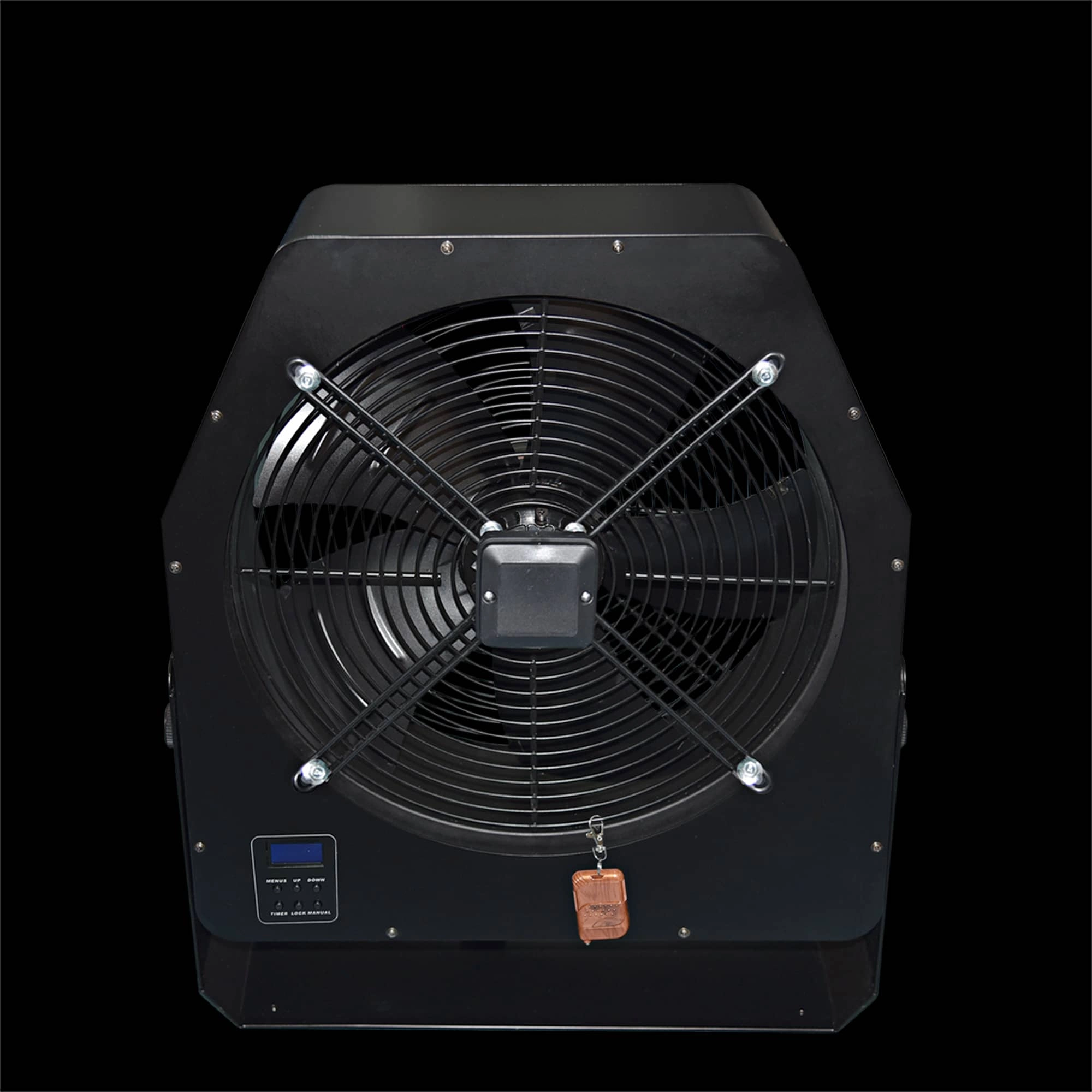
Professional Stage Big DMX Fan | High-Power Event Fan for Stage Shows & Celebrations
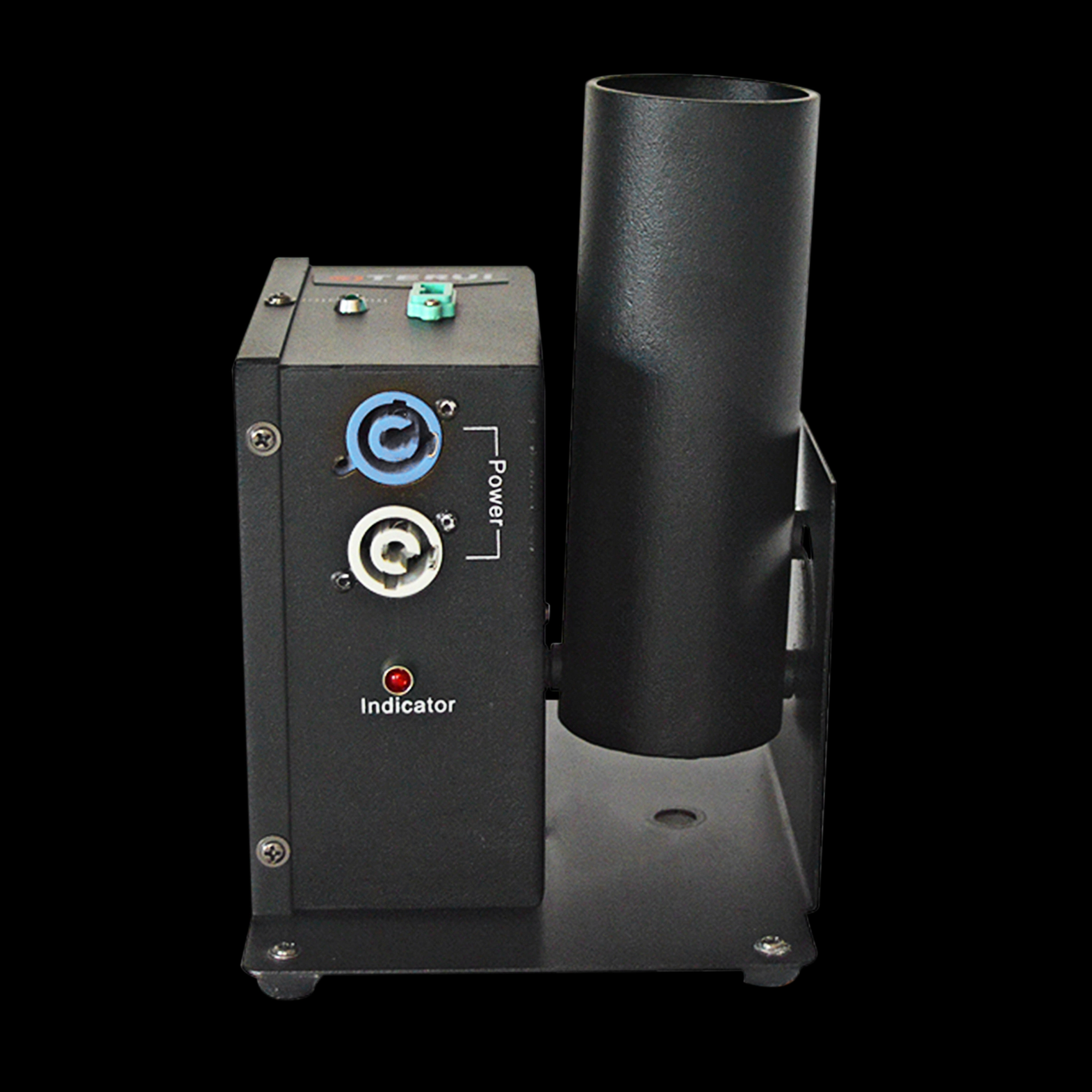
Single Shot Confetti Machine - Premium Confetti Launcher for Weddings & Stage Celebrations
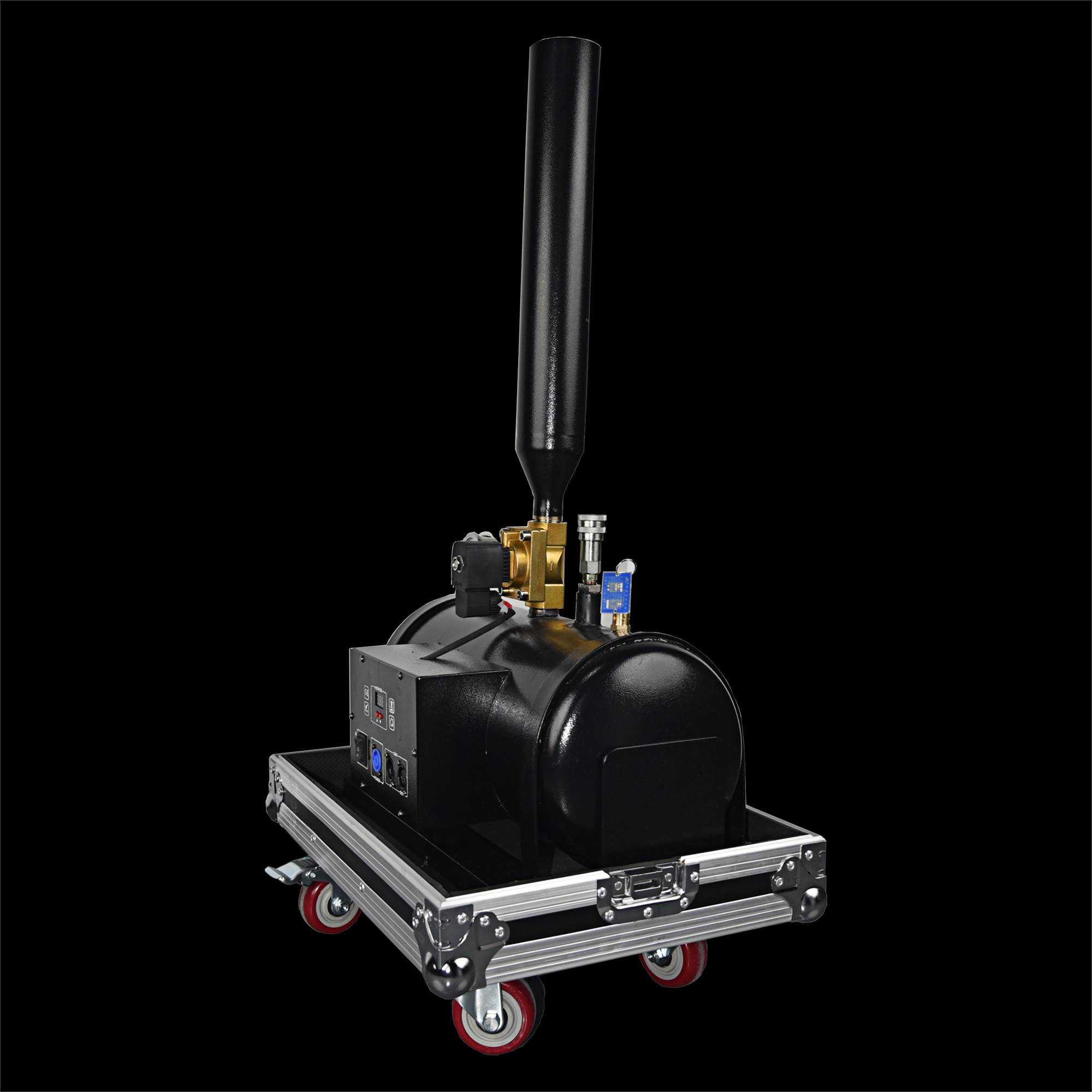
High-Altitude Confetti Cannon - Professional Confetti Blaster for Stage, Party & Celebration Events
Email: sales01@strlighting.com
WhatsApp: +86 189 2232 4800
© 2025 Siterui SFX All Rights Reserved.
 Scan QR Code
Whatsapp: +8618922324800
siteruisfx_stage_equipment
Siterui
SITERUI-SFX
STRlighting
@siterui.sfx