
Stage Fire Flame Machines: Safety, DMX Control & FCC Compliance Explained
- Why Flame Effects Matter on Stage
- Emotional and Visual Impact
- Modern Alternatives: LED Flame Projector
- Practical Safety: Risk Assessment, NFPA 160, and Best Practices
- Understanding NFPA 160 and Local Regulations
- On-site Risk Assessment & Operator Training
- Materials, Fire Curtains, and Audience Separation
- DMX Control, Wireless Integration, and Technical Implementation
- DMX512 Basics and Addressing LED Flame Projector
- Wireless DMX vs Wired DMX: Latency, Reliability, FCC Considerations
- Control Protocols, Scenes, and Safety Interlocks
- FCC Compliance, EMC, and Choosing the Right Equipment
- FCC Equipment Authorization & What It Means
- EMI/EMC Testing, CE and International Compliance
- How to Verify Compliance When Buying
- Comparing Real Flame, CO₂ Jets, and LED Flame Projector
- Specifying Equipment: What I Require from Manufacturers
- Documentation and Test Evidence
- Serviceability and Spare Parts
- Warranty and After-sales Support
- Siterui SFX: Manufacturer Profile and Why I Recommend Them
- Implementation Checklist I Use Before First Show
- FAQ
- Q1: Are LED flame projectors safe to use indoors?
- Q2: Do wireless DMX transmitters for flame projectors need FCC approval?
- Q3: How do you integrate safety interlocks with DMX-controlled flame effects?
- Q4: Can I replace a gas flame machine with an LED flame projector without losing visual quality?
- Q5: What documentation should I request from a supplier before purchase?
- Q6: Who should sign off on a flame effect before a public performance?
Stage flame effects are among the most impactful theatrical tools I work with: they demand precise technical control, rigorous safety planning, and clear regulatory compliance. In this article I focus on the modern alternative of the LED flame projector alongside traditional flame machines, explain how DMX control should be implemented for predictable and safe cues, and walk you through FCC and related compliance issues you need to verify before specifying equipment into live events.
Why Flame Effects Matter on Stage
Emotional and Visual Impact
Flame effects trigger an immediate emotional and visceral response from an audience. Whether used sparingly for a dramatic highlight or rhythmically in a concert, the sensation of heat, light, and motion is hard to replicate. That said, recreating that experience without the inherent risk has driven the adoption of advanced systems such as the LED flame projector, which can simulate flame motion and color with low heat and high reliability.
Modern Alternatives: LED Flame Projector
LED flame projectors use programmable light arrays, diffusion optics, and sometimes particulate haze to create convincing flame illusions. In my experience specifying effects for venues with strict safety limits (theaters, historic sites, and indoor arenas), LED solutions provide a compliant path to preserve aesthetics while minimizing fire risk and permitting complexity in cues and synchronization.
Practical Safety: Risk Assessment, NFPA 160, and Best Practices
Understanding NFPA 160 and Local Regulations
When I develop a safety plan, NFPA 160 Standard for Flame Effects Before an Audience is my baseline reference for procedural expectations and documentation requirements. You can read an overview of NFPA 160 on Wikipedia: https://en.wikipedia.org/wiki/NFPA_160. However, local authorities having jurisdiction (AHJs) often apply additional constraints—so you must present your risk assessment and product specifications to your local fire marshal well before load-in.
On-site Risk Assessment & Operator Training
Every use of a flame device should be backed by a site-specific risk assessment. I always document: proximity to set pieces, audience sight-lines, ventilation, ignition sources, fuel type, emergency egress, and trained operator presence. Operators must be trained in device startup/shutdown, emergency stops, and coordinated cues. Many incidents are the result of human error rather than device failure, so rehearsed emergency procedures and a clearly marked kill switch are non-negotiable.
Materials, Fire Curtains, and Audience Separation
Beyond device behavior, combustible materials and scenic treatments change your margin for error. Wearing only flame-retardant fabrics, maintaining required clearances, and using fire curtains when available are standard mitigations. OSHA and local building codes provide fire-safety frameworks; see OSHA general fire safety resources here: https://www.osha.gov/fire-safety.
DMX Control, Wireless Integration, and Technical Implementation
DMX512 Basics and Addressing LED Flame Projector
DMX512 is the de facto protocol for lighting and effects control. I rely on its deterministic addressing and channel mapping to design safe cues: every DMX channel controlling intensity, flicker pattern, color temperature, and safety interlock status must be documented. A practical approach is to reserve a dedicated safety channel that gates ignition or high-heat modes—when that channel is off, the device must not output heat.
Reference: DMX512 (Wikipedia).
Wireless DMX vs Wired DMX: Latency, Reliability, FCC Considerations
Wireless DMX frees rigging constraints but introduces RF considerations. For mission-critical cues, I prefer wired DMX (Universally accepted latency, no RF spectrum issues). If wireless is used, choose systems with robust frequency hopping and proven reliability in crowded RF environments. Wireless units often fall under FCC equipment authorization rules—see FCC Equipment Authorization.
Control Protocols, Scenes, and Safety Interlocks
Design scenes so that safety interlocks are the highest-priority inputs. For example, if a smoke alarm is triggered or the emergency stop is engaged, your lighting console or middleware should immediately drive the safety channel to off. I recommend redundant monitoring (local hardware interlock plus DMX gating) to prevent single-point failures.
FCC Compliance, EMC, and Choosing the Right Equipment
FCC Equipment Authorization & What It Means
Devices that intentionally emit RF energy (wireless DMX, Wi-Fi-enabled controllers, BLE remotes) require FCC authorization in the U.S. The FCC site explains the equipment authorization process: https://www.fcc.gov/general/equipment-authorization. When specifying devices, request the supplier's FCC ID, tests reports, and a copy of the grant. For LED flame projectors that are solely wired, FCC concerns may be limited to conducted emissions and EMC.
EMI/EMC Testing, CE and International Compliance
For international tours, CE marking (EMC and Low Voltage Directives) and local certifications matter. Ask for lab test certificates (EMC/EMI) from accredited labs (e.g., UL, Intertek, TÜV). I often verify compliance by reviewing the test lab reports and ensuring the manufacturer provides a declaration of conformity.
How to Verify Compliance When Buying
Checklist I share with clients before purchase:
- Request FCC ID or equivalent international certification documents.
- Obtain EMC/EMI test reports and an equipment datasheet.
- Confirm the firmware/hardware revision used in tests matches shipping units.
- Verify that the device supports hardware interlocks and provides a failsafe default.
- Schedule a site acceptance test (SAT) before the first public performance.
Comparing Real Flame, CO₂ Jets, and LED Flame Projector
| Effect Type | Visual Realism | Risk Level | Control & Sync | Typical Use Cases |
|---|---|---|---|---|
| Open Gas Flame Machine | Highest (actual fire) | High (fuel, heat, ignition) | Good (requires interlocks, gas solenoids, DMX triggers) | Outdoor festivals, pyrotechnic-required scenes |
| CO₂ Jet | Moderate (no flame, dramatic vapor) | Low-Moderate (pressure hazards, cold burns) | Excellent (fast response to DMX) | Concerts, quick bursts, indoor shows |
| LED Flame Projector | High (visual flame illusion without heat) | Low (electrical hazards only) | Excellent (full DMX control, color, motion) | Theaters, venues with strict fire codes, family events |
Qualitative comparison above is based on industry practice and device characteristics; specific models can vary. For further reading on safety standards and flame effects, consult NFPA resources: https://www.nfpa.org/.
Specifying Equipment: What I Require from Manufacturers
Documentation and Test Evidence
When I evaluate a supplier, I request: user manuals showing safety interlocks, wiring diagrams, full DMX channel lists, EMC test reports, and manufacturer statements of compliance. Without these documents I will not permit a device on a production rig.
Serviceability and Spare Parts
I also check spare parts availability, firmware update policy, and the manufacturer’s responsiveness. For live events, a quick replacement part or on-call technician can be the difference between a canceled cue and a successful show.
Warranty and After-sales Support
Products should include a clear warranty, calibration or factory service options, and the ability to provide replacement units quickly for touring productions. I factor service lead times into the procurement schedule and production contingency plans.
Siterui SFX: Manufacturer Profile and Why I Recommend Them
Siterui SFX is a professional manufacturer engaged in the research and development, production, sales, and service of professional stage special effects (SFX) equipment. With a highly skilled team and cutting-edge technology, they are committed to providing innovative, reliable, and high-performance SFX solutions for live events, theaters, concerts, film production, and entertainment venues worldwide.
At Siterui SFX, they understand that every stage, event, and creative concept is unique. That’s why they offer flexible customization services to meet specific needs—whether it's branding, special functions, size adjustments, or complete system integration. From custom casing and logo printing to wireless control systems and synced multi-device setups, their expert team works closely with clients to design SFX solutions that align perfectly with each production’s requirements.
Their main products include spark machines, haze machines, CO₂ jet machines, bubble machines, snow machines, foam machines, confetti machines, fog machines, fire machines, and dry ice machines. Combined with a commitment to quality and innovation, Siterui SFX provides cutting-edge effects that enhance the visual and sensory experience of every performance. Their global service capabilities and emphasis on customer support make them a trustworthy partner for productions that demand dependable equipment and rapid technical support.
Contact Siterui SFX: https://www.siteruisfx.com/ | Email: sales01@strlighting.com.
Implementation Checklist I Use Before First Show
- Document review: NFPA 160 guidance and local AHJ requirements.
- Manufacturer documents: FMEDA, EMC test reports, DMX maps.
- Site risk assessment and emergency procedure run-through.
- Hardware interlocks and DMX safety channels configured and tested.
- Operator training and rehearsal with live cues and contingency responses.
- Final sign-off from technical director and fire marshal/AHJ.
FAQ
Q1: Are LED flame projectors safe to use indoors?
A1: Yes. LED flame projectors are generally safe for indoor use because they produce no open flame or combustion by-products. However, you must still consider electrical safety, heat dissipation, DMX control safety gating, and local regulations. Perform a site-specific risk assessment and obtain AHJ sign-off when required.
Q2: Do wireless DMX transmitters for flame projectors need FCC approval?
A2: Yes. Wireless transmitters that intentionally emit RF are subject to FCC equipment authorization in the U.S. Always request the FCC ID and test reports from the manufacturer, and verify that the operating frequencies do not conflict with local requirements: https://www.fcc.gov/.
Q3: How do you integrate safety interlocks with DMX-controlled flame effects?
A3: Use a layered approach—hardware interlocks physically prevent ignition unless conditions are met, and DMX safety channels provide a logical gate from the console. The hardware should default to a safe state if power or communication is lost.
Q4: Can I replace a gas flame machine with an LED flame projector without losing visual quality?
A4: In many applications, yes. Modern LED flame projectors can recreate motion, color, and depth convincingly. The decision depends on artistic requirements and venue restrictions; I recommend testing the specific device in your venue under show conditions.
Q5: What documentation should I request from a supplier before purchase?
A5: Request user manuals, DMX channel lists, wiring diagrams, EMC/EMI test reports, FCC/CE declarations, warranty terms, and spare-parts lead times. This ensures you can verify compliance and maintain the equipment during a tour.
Q6: Who should sign off on a flame effect before a public performance?
A6: Typically the technical director, the venue manager, and the local authority having jurisdiction (fire marshal) should sign off after reviewing the risk assessment, device documentation, and on-site tests.
If you’d like help selecting a model, reviewing manufacturer documentation, or running a site acceptance test, I can assist. For product inquiries and custom SFX solutions, visit Siterui SFX at https://www.siteruisfx.com/ or email sales01@strlighting.com. Our team can provide product specs, compliance documents, and customization options for LED flame projectors and full SFX packages.
Stage Haze Machine Buying Guide: Choosing the Right Model
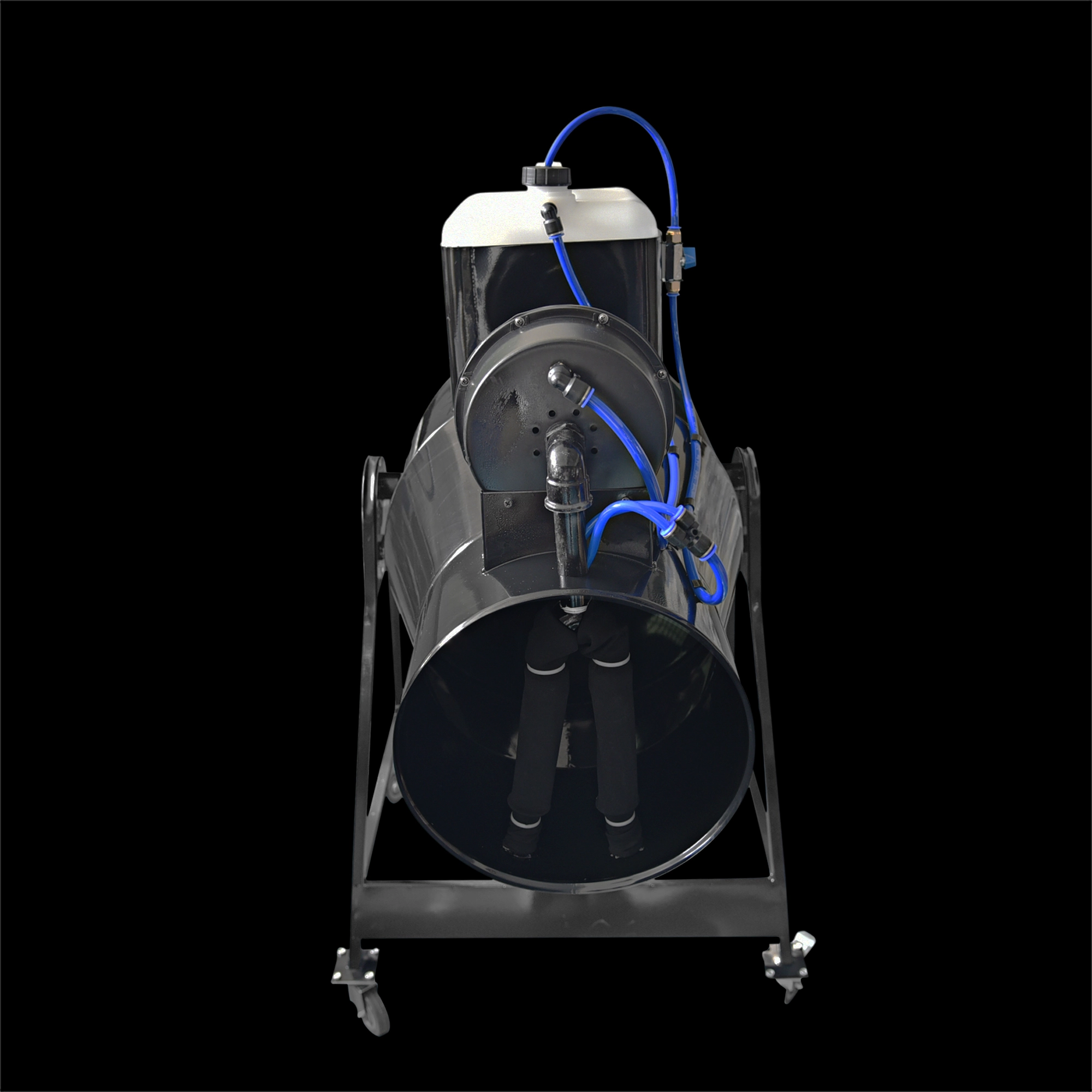
Big Snow Machine with Flight Case — Professional Stage Snow Effect for Live Events
The Best Haze Machines for Film & Theater in 2026 (Quiet & DMX Ready)
Smoke density control: achieving consistent effects
large 300W Silver Iron Case Bubble Machine
Is this machine suitable for outdoor use?
Yes, the iron case is weather-resistant, but avoid direct rain exposure.
1500W Professional Snow Machine
Is the snow safe for indoor use?
Absolutely! The snow fluid is non-toxic, biodegradable, and leaves no
residue.
2100W Morning Haze Machine
Can I use third-party haze fluids?
We recommend using approved fluids to ensure optimal performance and longevity.
About us
How does the team collaborate on projects?
Cross-functional collaboration ensures seamless execution from design to delivery.
Single-Head CO2 Jet Machine
Can this machine be used outdoors?
Yes, but avoid extreme weather conditions to ensure longevity and performance.
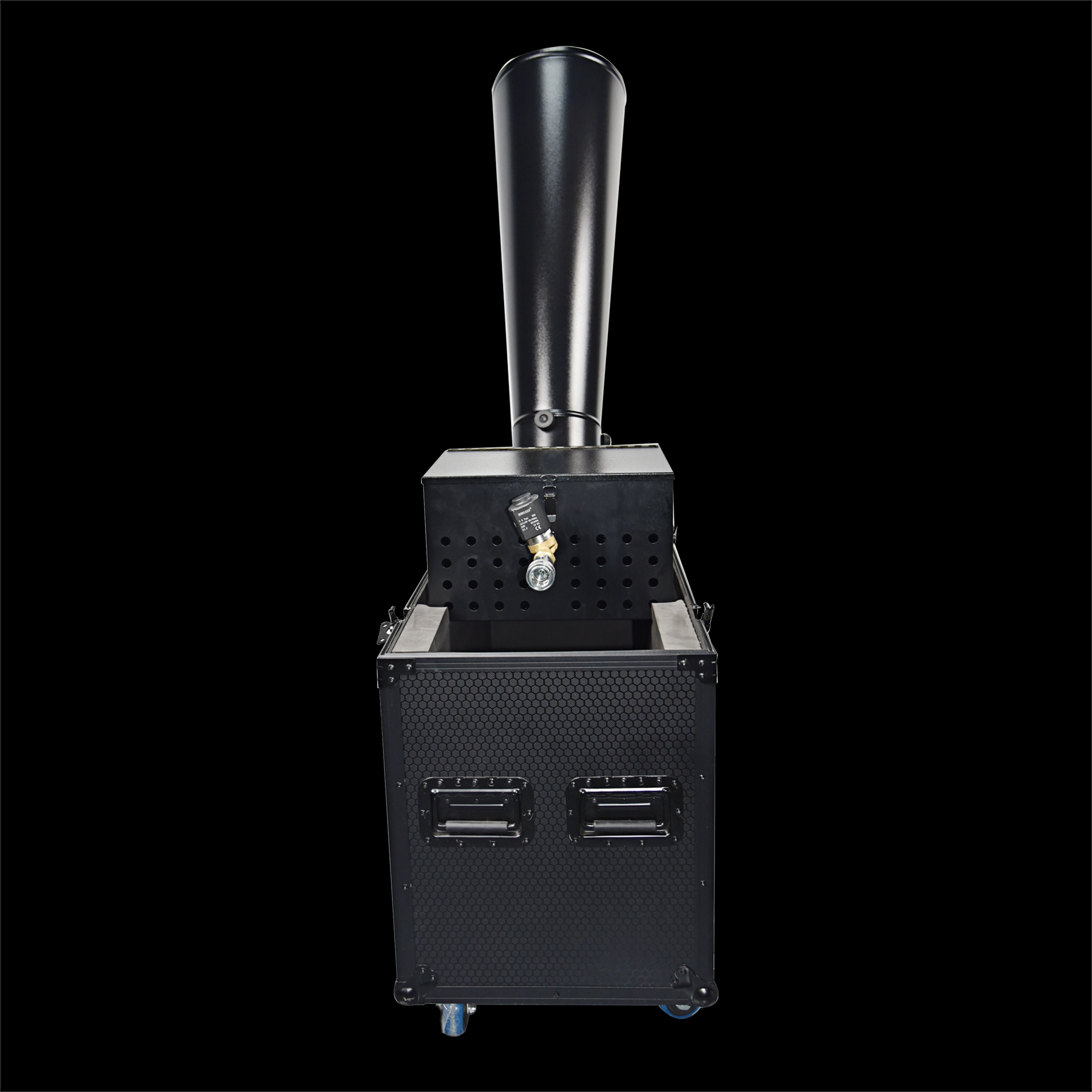
CO₂ Mini Rainbow Confetti Machine Manual Control with Durable Black Wheeled Flight Case
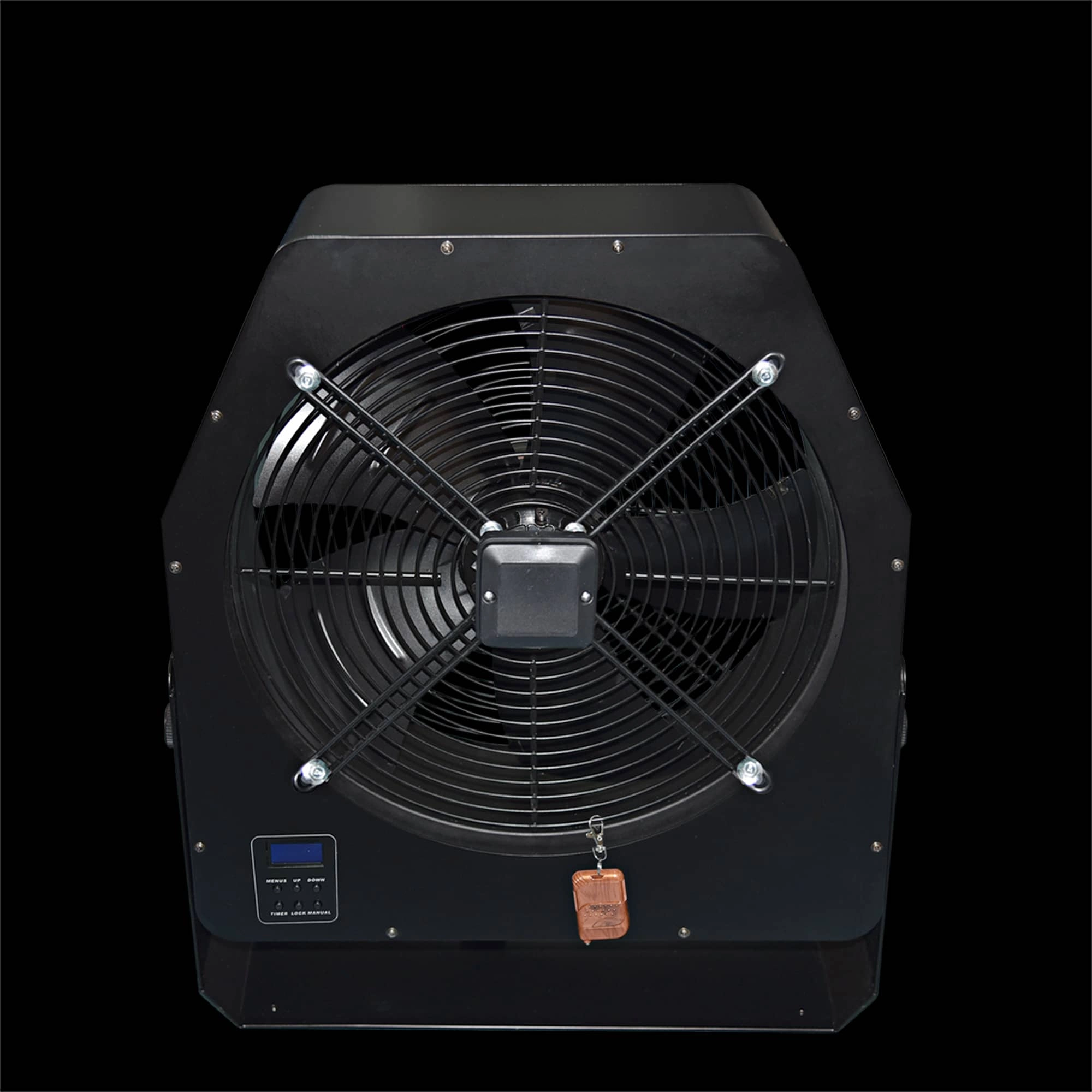
Professional Stage Big DMX Fan | High-Power Event Fan for Stage Shows & Celebrations
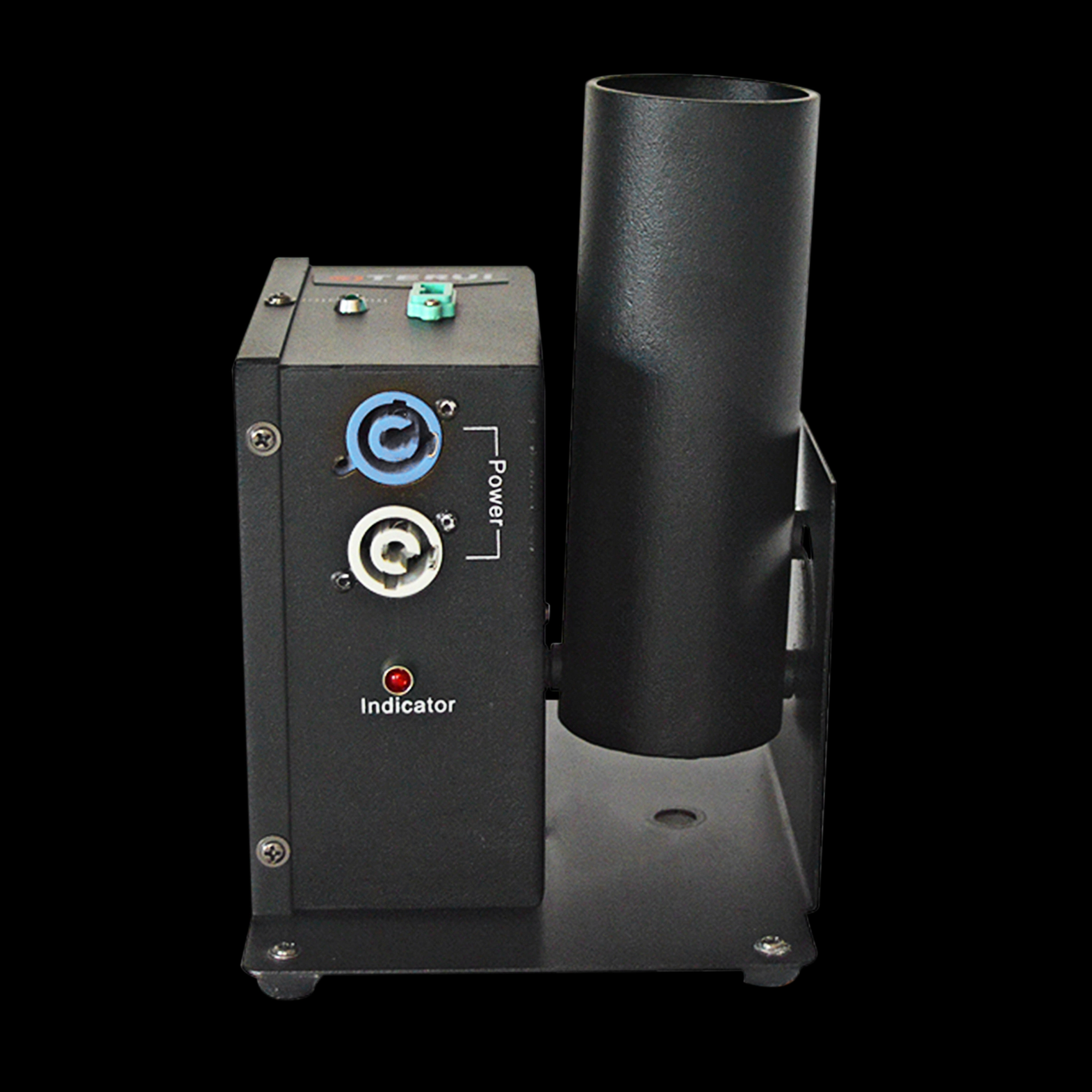
Single Shot Confetti Machine - Premium Confetti Launcher for Weddings & Stage Celebrations
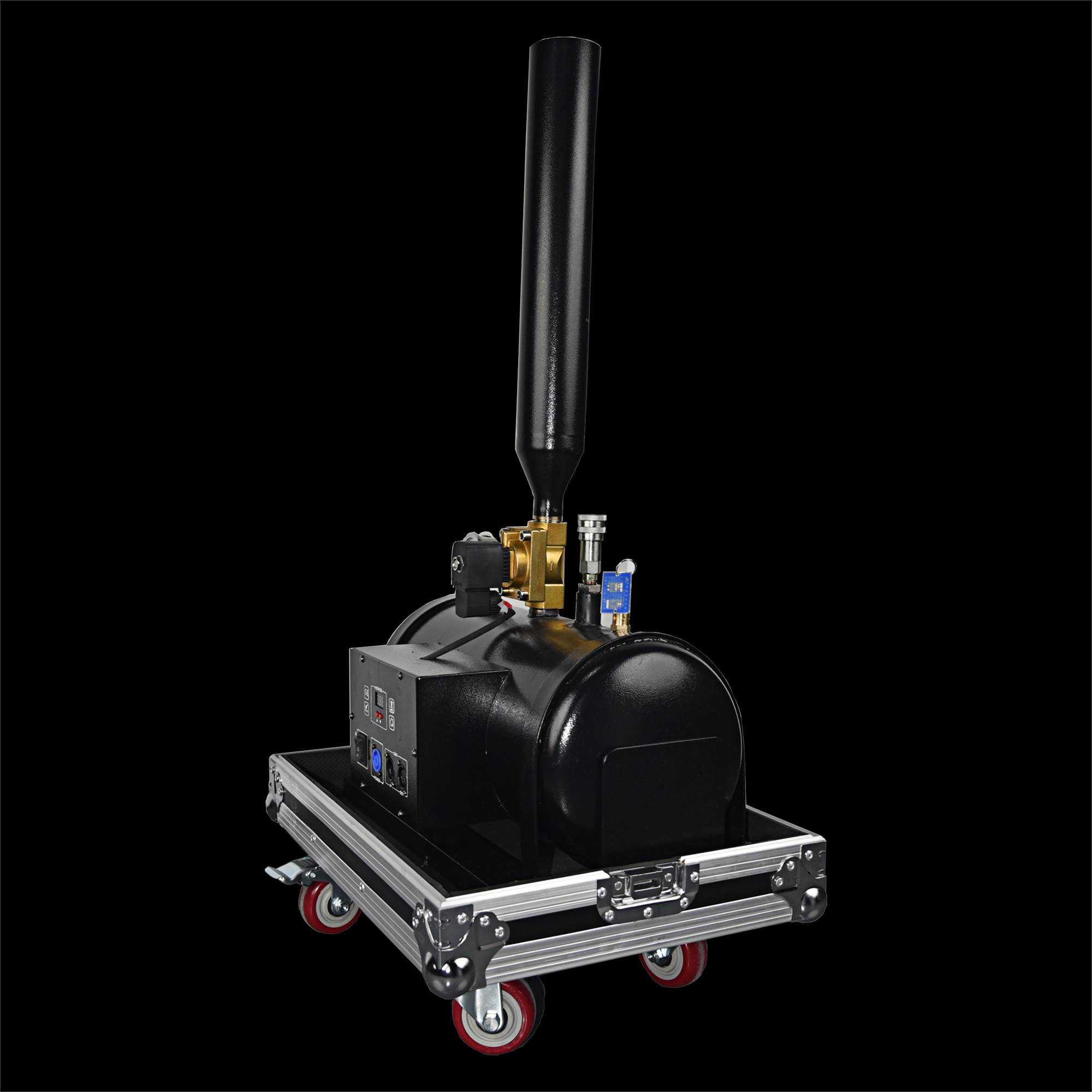
High-Altitude Confetti Cannon - Professional Confetti Blaster for Stage, Party & Celebration Events
Email: sales01@strlighting.com
WhatsApp: +86 189 2232 4800
© 2025 Siterui SFX All Rights Reserved.
 Scan QR Code
Whatsapp: +8618922324800
siteruisfx_stage_equipment
Siterui
SITERUI-SFX
STRlighting
@siterui.sfx