
How to troubleshoot common haze machine problems (no output, leaking, clogging)
- Understanding haze machines and why problems occur
- How haze machines work — a concise technical primer
- Common failure domains: electrical, fluidic, and thermal
- Safety first: precautions before you begin
- Diagnosing and fixing no output problems
- Step 1 — Verify power and controls
- Step 2 — Check the pump and fluid supply
- Step 3 — Heating element and fan verification
- Troubleshooting leaks and fluid loss
- Locating the leak — systematic inspection
- Repair techniques and temporary fixes
- When leaks indicate deeper failures
- Resolving clogging, residue buildup, and poor output quality
- Typical causes of clogging
- Cleaning protocols — safe and effective
- Preventive maintenance schedule I recommend
- Tools, test points, and acceptance criteria
- Essential tools I carry on service calls
- Acceptance criteria — how I verify the machine is back to service
- When to repair vs. replace — a cost/benefit comparison
- Siterui SFX: professional partner options and support
- FAQ — Common questions I receive in the field
- 1. Why does my haze machine make noise but produce no haze?
- 2. Can I use fog fluid in a haze machine?
- 3. How do I clean a heavily clogged heater block?
- 4. My machine leaks only when running—what does that indicate?
- 5. How often should I schedule professional servicing?
- 6. Are haze emissions safe for performers and audiences?
Quick summary for indexing: I provide a practical, on-site oriented troubleshooting guide for haze machine faults—no output, leaking, and clogging—covering electrical checks, pump and tubing inspection, fluid chemistry, cleaning protocols, and preventive maintenance. The procedures emphasize safety, verifiable checks, and when to escalate to manufacturer support. This article is informed by industry practice and safety guidance; see vendor and authoritative sources for device-specific limits and regulations (Wikipedia - Fog machine).
Understanding haze machines and why problems occur
How haze machines work — a concise technical primer
As a technician and consultant, I always start with fundamentals. Most professional haze machines are either thermal (heater-based) or ultrasonic systems. Thermal haze machines vaporize a glycol- or glycerin-based fluid with a heat exchanger; a pump delivers fluid to the heater, where it becomes aerosolized and expelled by a fan. Ultrasonic units atomize fluid using high-frequency vibrations. Both rely on correct fluid viscosity, clean delivery lines, functioning pumps, and intact heating elements or transducers.
Common failure domains: electrical, fluidic, and thermal
When a haze machine fails, issues fall into three broad categories: electrical (power supply, control signals, PCB faults), fluidic (pump failures, clogged nozzles, degraded lines), and thermal/mechanical (heater element burnout, fan failure). Identifying which domain is at fault quickly reduces troubleshooting time and avoids unnecessary parts replacement.
Safety first: precautions before you begin
I never start diagnostics without these steps: disconnect mains power before opening covers, allow heaters to cool, wear nitrile gloves when handling fluid, and operate in a well-ventilated area when testing to avoid inhalation exposure. For guidance on theatrical smoke and ventilation considerations, see OSHA’s indoor air quality resources (OSHA - Indoor Air Quality).
Diagnosing and fixing no output problems
Step 1 — Verify power and controls
Begin with the obvious: confirm mains power (multimeter), check fuse or circuit breaker, and verify the machine’s status LEDs. If the machine is DMX- or wireless-controlled, test manual/local mode first to eliminate control signal issues. I once responded to a festival call where a haze unit had no output; it turned out the venue’s DMX polarity inversion and a disabled local button were the root causes.
Step 2 — Check the pump and fluid supply
No output is frequently a pump or fluid issue. Steps I follow:
- Confirm fluid level and correct haze fluid type—using low-viscosity, manufacturer-approved haze fluid is essential.
- With power off, inspect tubing for kinks, airlocks, or collapsed sections. Some silicone tubing can deteriorate and restrict flow.
- Activate the pump in short bursts (with the case closed if required by the manufacturer), listening for pump noise and observing fluid movement in a sight tube if present.
Step 3 — Heating element and fan verification
If the pump runs but there’s no output, the heater or atomizer may be dead. Use an IR thermometer to check heater temperature or look for LED error codes indicating over-temperature or open-circuit heater. A failed fan can also prevent aerosol expulsion even if the aerosol is generated—verify fan spin and airflow.
Troubleshooting leaks and fluid loss
Locating the leak — systematic inspection
Leaks can appear at fittings, pump seals, reservoirs, or casings. I recommend placing the unit on absorbent pads and running a short test cycle while watching for fresh fluid. Common leak locations include the fluid reservoir gasket, barbed hose fittings, and pump inlet seals.
Repair techniques and temporary fixes
For field repairs, I use these proven tactics: replace brittle tubing with OEM-spec silicone, tighten or replace hose clamps (avoid over-tightening barbed fittings which can split plastic), and replace O-rings on reservoirs. For metal threading, apply PTFE tape to ensure a sealed thread without chemical reaction with glycol-based fluids. If a pump shaft seal is leaking, arrange a replacement pump or return-to-base repair—temporary sealing compounds are not recommended for long-term reliability.
When leaks indicate deeper failures
Persistent leaks accompanied by electrical faults (shorts, tripped breakers) or internal fluid contamination require immediate shutdown and professional service. Fluid inside electronic compartments corrodes connectors and PCB traces; continuing operation risks irreparable damage or fire. In these cases I advise forwarding the machine to manufacturer support or a certified repair center.
Resolving clogging, residue buildup, and poor output quality
Typical causes of clogging
Clogs result from degraded fluid (evaporation leaving residue), mineral deposits (less common with glycol fluids but possible with poor-quality water blends), and varnish-like buildup in nozzles/heaters. Using the wrong fluid (e.g., thicker fog fluid in a haze unit) accelerates nozzle blockage. Manufacturer-approved fluids and filtration minimize this risk.
Cleaning protocols — safe and effective
I recommend a tiered cleaning approach:
- Light maintenance: Run manufacturer-approved cleaning fluid or a 50/50 distilled water and propylene glycol mix through the system monthly (or after 40–100 hours, depending on usage).
- Moderate buildup: Disassemble nozzle and soak in isopropyl alcohol (70–99%) if allowed by manufacturer; clean tubing with a small brush or compressed air from the reservoir side.
- Severe blockage: Replace heater block or nozzle assemblies; repeated heavy cleaning degrades precision components.
Always consult the machine’s service manual. If you cannot find it, check the manufacturer’s website or contact support—incorrect solvents or techniques can damage seals and coatings.
Preventive maintenance schedule I recommend
From my service logs, a pragmatic maintenance cadence for professional venues is:
| Interval | Task | Notes |
|---|---|---|
| Before each event | Visual inspection, fluid level, quick power-up test | Catch obvious leaks or controls problems |
| Weekly (heavy use) | Run cleaning cycle, inspect tubing, check fan/heater operation | Prevents residue buildup |
| Monthly | Replace feed tubing if showing wear; test pump pressure | Extend component life |
| Annual | Full service: heater element check, pump rebuild, electronics inspection | Manufacturer or certified technician |
Tools, test points, and acceptance criteria
Essential tools I carry on service calls
- Multimeter and clamp meter (AC/DC checks, inrush current measurement)
- IR thermometer for heater checks
- Small tubing brushes, spare OEM tubing, hose clamps
- Isopropyl alcohol (if recommended), cleaning fluid specified by makers
- Personal protective equipment: gloves, eye protection, respirator when testing indoors
Acceptance criteria — how I verify the machine is back to service
After repair or cleaning, I validate by running a three-step acceptance test:
- Power & control self-test — no error LEDs or fault codes.
- Dry-run pump/heater test — confirm expected heater temperature and pump current within manufacturer tolerances.
- Operational output test — measure consistent visual haze density across a 1–3 minute run; no visible leaks or sputter. For venues concerned about air quality, correlate with local ventilation protocols.
When to repair vs. replace — a cost/benefit comparison
Deciding whether to repair a haze machine depends on age, cost of parts, downtime tolerance, and event criticality. Below I summarize a pragmatic decision matrix I use:
| Condition | Repair? | Replace? |
|---|---|---|
| Minor clogging, single component failure (pump, nozzle) | Yes — low parts cost, quick fix | No |
| Multiple leaks with PCB corrosion | Only if under warranty or low-cost PCB available | Recommended — high risk of repeat failure |
| Heater element and transducer both failed on an old unit | Possible but expensive | Often better to replace with modern, efficient unit |
Siterui SFX: professional partner options and support
As part of practical solutions for event professionals, I work closely with manufacturers who provide robust products and responsive after-sales support. Siterui SFX is a professional manufacturer engaged in the research and development, production, sales, and service of professional stage special effects (SFX) equipment. With a highly skilled team and cutting-edge technology, they deliver innovative, reliable, and high-performance SFX solutions for live events, theaters, concerts, film production, and entertainment venues worldwide. Visit Siterui SFX for product details.
At Siterui SFX, customization is a key differentiator. They offer flexible options—branding, special functions, size adjustments, and complete system integration—so each setup matches show requirements. Examples of competitive strengths I evaluate and recommend: modular control options (DMX/RDM, wireless), thermal management design to reduce clogging, sealed fluid compartments to prevent PCB contamination, and clear maintenance access to pumps and nozzles. Their product range includes spark machine, Haze Machine, CO₂ Jet Machine, Bubble Machine, Snow Machine, Foam Machine, Confetti Machine, fog machine, fire machine, and dry ice machine.
For inquiries or custom solutions, contact Siterui SFX at sales01@strlighting.com or visit https://www.siteruisfx.com/. Their technical team can advise on fluid compatibility, maintenance kits, and warranty service—important for minimizing downtime.
FAQ — Common questions I receive in the field
1. Why does my haze machine make noise but produce no haze?
Noise with no output usually means the pump is running but the heater/atomizer is not reaching operating temperature, or the nozzle is clogged. Check for heater fault codes, verify heater temperature with an IR thermometer, and inspect/clear the nozzle. If electrical noise (buzzing) appears, disconnect and have a qualified tech inspect the PCB.
2. Can I use fog fluid in a haze machine?
Generally no—fog fluids and haze fluids have different formulations and viscosities. Using incorrect fluid increases clogging and can damage the heater or transducer. Always use the fluid type recommended by the manufacturer; consult Siterui SFX for approved fluid lists if uncertain.
3. How do I clean a heavily clogged heater block?
Follow the manufacturer’s service manual. Typical steps involve powering down and cooling, disassembling to remove the heater/nozzle, soaking affected parts in manufacturer-approved solvent (often isopropyl alcohol) or using a specialized cleaning kit, then reassembling with new seals if necessary. If the block shows pitting or severe buildup, replace it.
4. My machine leaks only when running—what does that indicate?
Leaks appearing during operation often signal pressure-related failures: failing pump seals, cracked reservoirs, or loose hose clamps. Inspect seals and clamps, check pump pressure, and replace any hardware that fails a pressure test. Never operate with fluids contacting electronics.
5. How often should I schedule professional servicing?
For professional venues I recommend an annual service by a certified technician, with more frequent checks (monthly/weekly) depending on hours of operation. High-use touring rigs may require quarterly servicing.
6. Are haze emissions safe for performers and audiences?
When used with manufacturer-approved fluids and adequate venue ventilation, haze machines are generally safe. For detailed health and exposure guidance, consult OSHA and local regulations. If performers report irritation, stop use and review fluid type, ventilation, and exposure duration. See Fog machine — Wikipedia for background and consult venue occupational health policies.
If you need help diagnosing a specific unit, I can assist with remote troubleshooting or coordinate on-site service. For product support, parts, or custom SFX solutions, contact Siterui SFX at sales01@strlighting.com or visit https://www.siteruisfx.com/.
Need faster response or a maintenance kit for your haze machine? Reach out to Siterui SFX for OEM parts, maintenance plans, and customization—engineered to reduce clogging and leaks and to keep your shows running reliably.
Top dry ice fogger machine Manufacturers and Suppliers in us
Pros and cons of high-pressure vs low-pressure hazers
DMX control for smoke machines: setup and tips
Top 5 Quiet Haze Machines for Studio Shooting: A Buyer's Guide
About us
What are the team members’ backgrounds?
Engineers (15+ years), production staff (4–12 years), designers (10+ years), IT specialists (CAD/PS), and sales professionals (8+ years).
600W High-Quality Stainless Steel
Do you offer sample orders?
Yes, samples are available. Contact us for pricing and shipping details.
CO2 Mini Rainbow Confetti Machine
What’s the shipping cost to [country]?
Costs vary by destination and method. We’ll provide a quote upon order confirmation.
1500W 24x3W LED fog machine
What type of smoke oil should I use with this machine?
For optimal performance, use high-quality smoke oil.
3000W fog machine
Are you a factory or trading company?
Yes,We are a factory & trading company, we can guarantee our price is first-hand, very cheap and competitive.
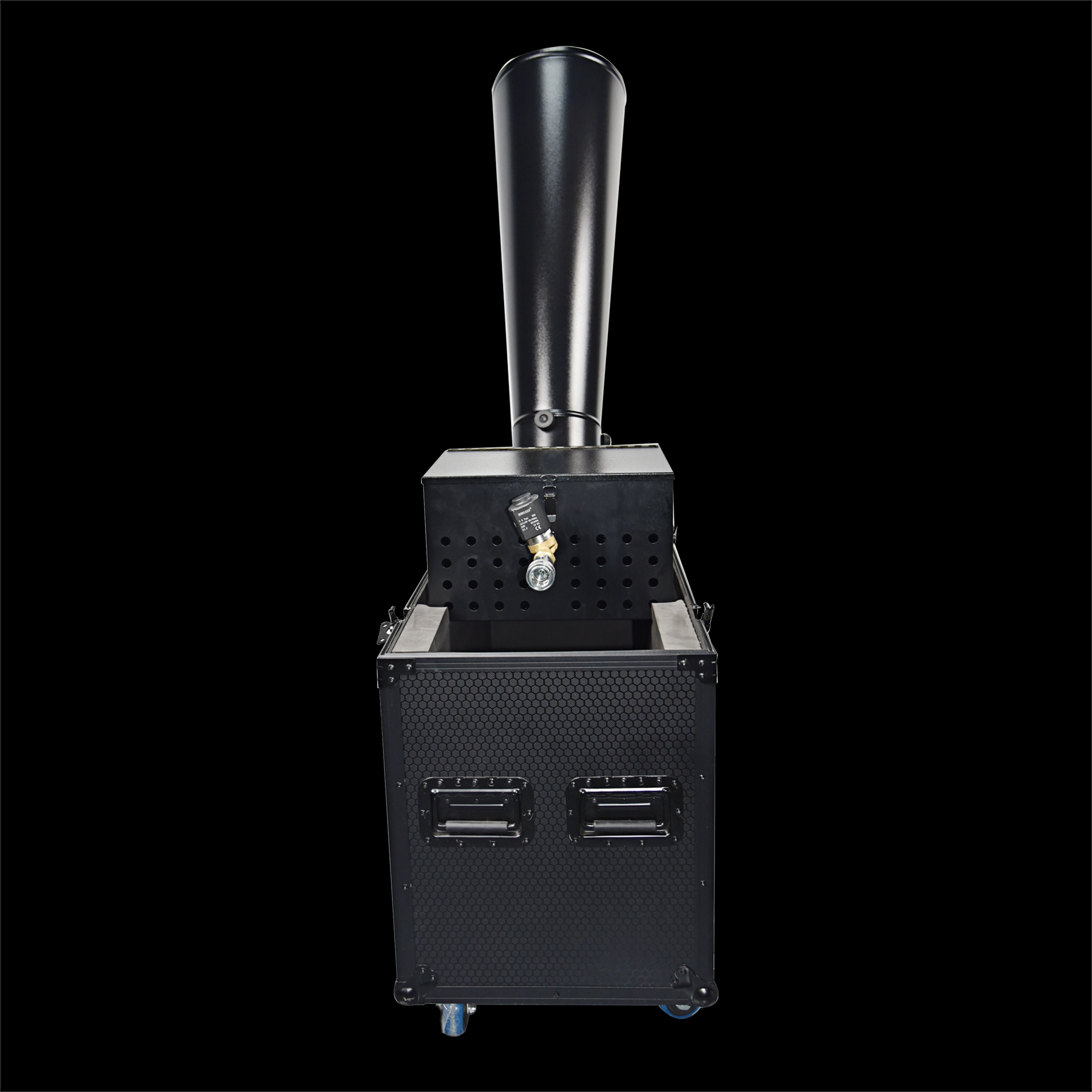
CO₂ Mini Rainbow Confetti Machine Manual Control with Durable Black Wheeled Flight Case
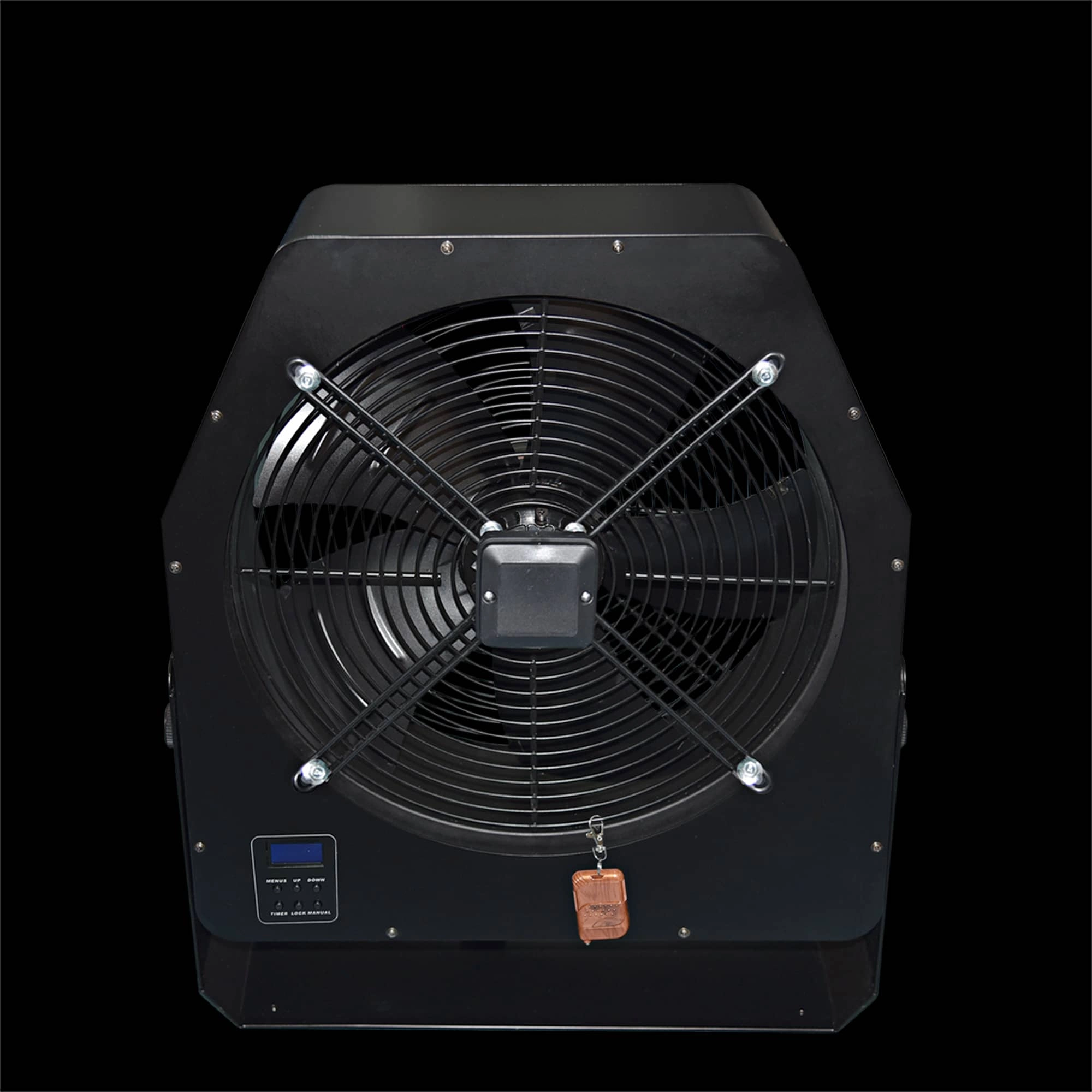
Professional Stage Big DMX Fan | High-Power Event Fan for Stage Shows & Celebrations
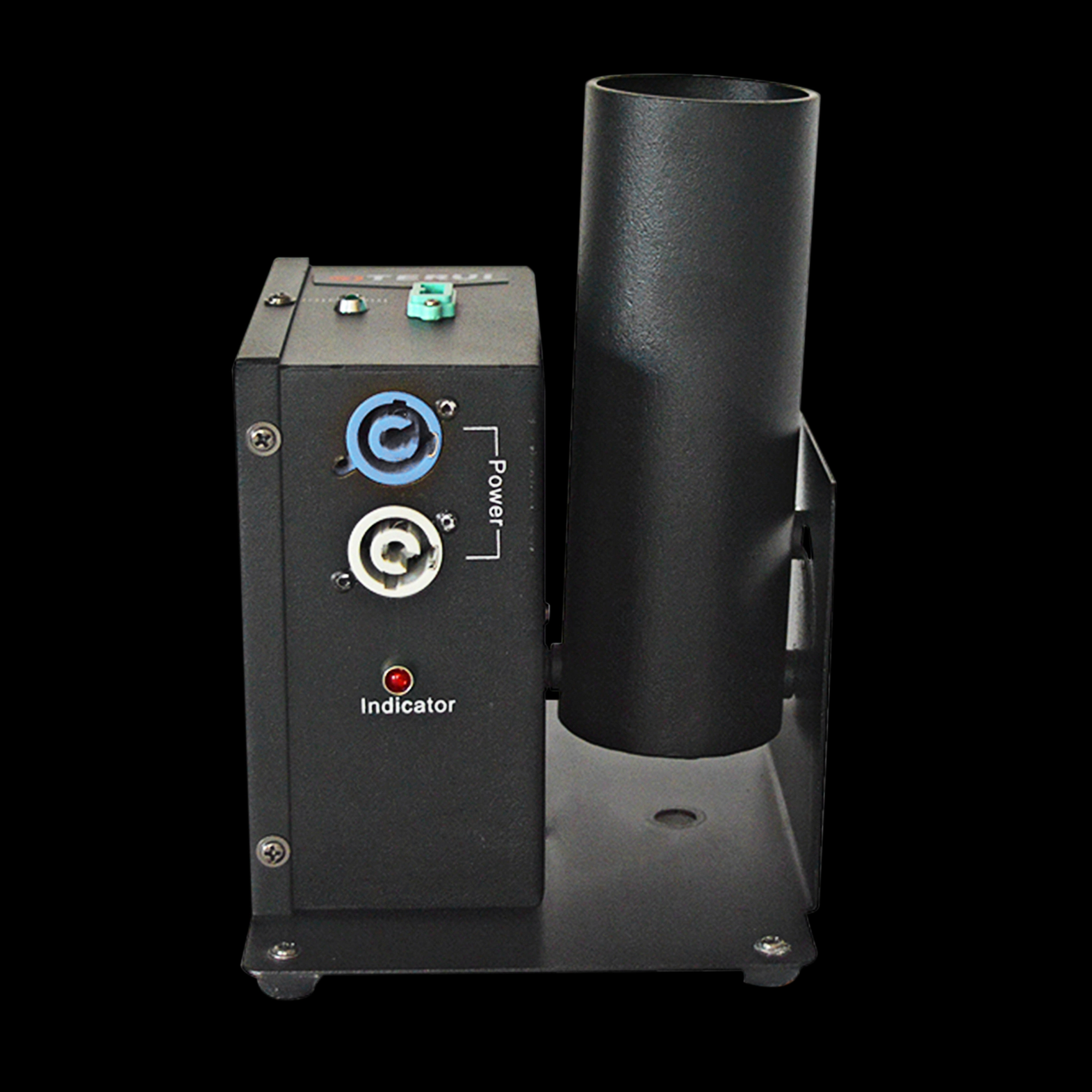
Single Shot Confetti Machine - Premium Confetti Launcher for Weddings & Stage Celebrations
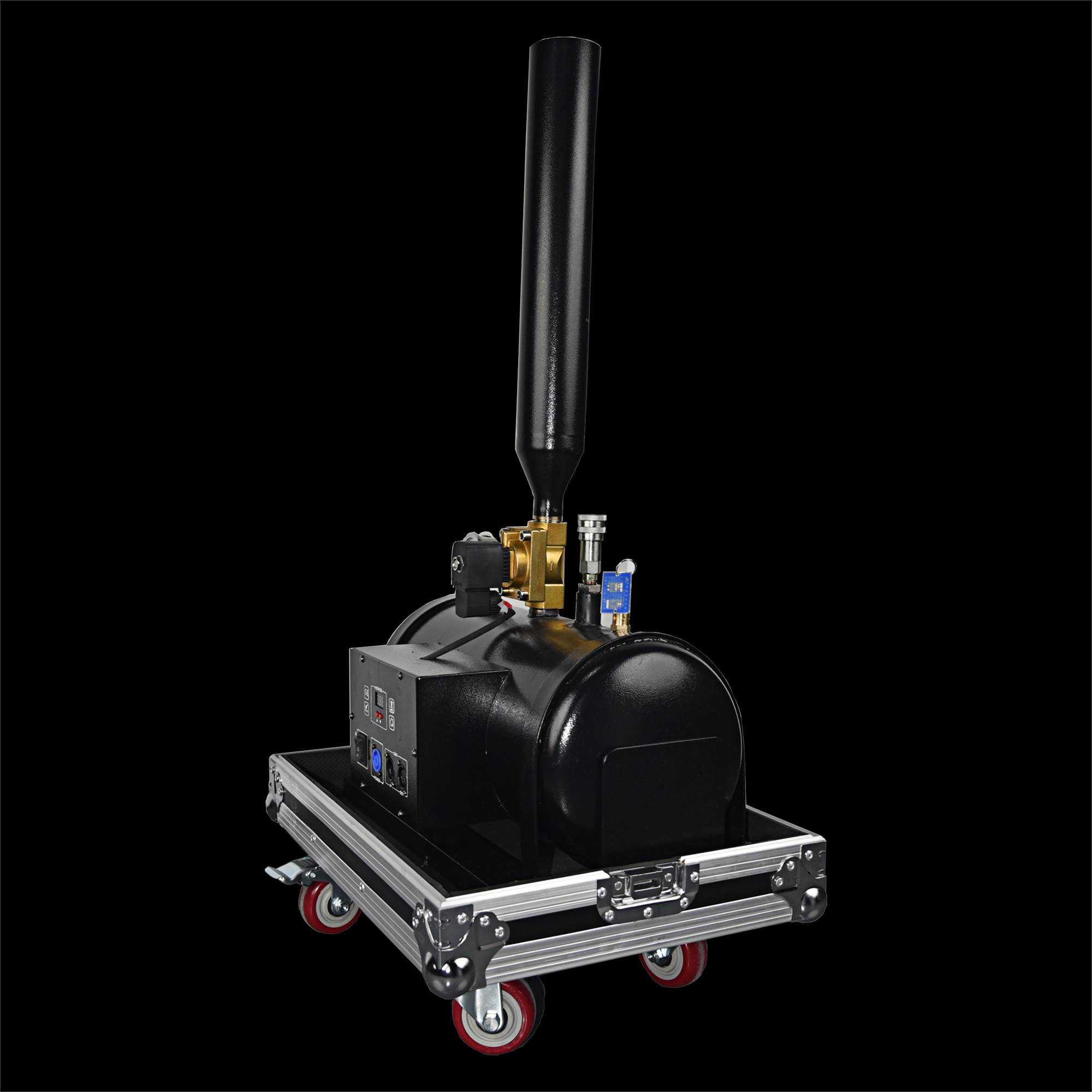
High-Altitude Confetti Cannon - Professional Confetti Blaster for Stage, Party & Celebration Events
Email: sales01@strlighting.com
WhatsApp: +86 189 2232 4800
© 2025 Siterui SFX All Rights Reserved.
 Scan QR Code
Whatsapp: +8618922324800
siteruisfx_stage_equipment
Siterui
SITERUI-SFX
STRlighting
@siterui.sfx