
How to Choose a Snow Machine: The Definitive Checklist to Avoid Costly Mistakes (2026 Guide)
What is a Snow Machine? (Definition & Main Types)
A snow machine is a specialized device used to create either artificial atmospheric visuals (foam-based) or real frozen precipitation (ice-based) depending on the technology employed. The most common error buyers make is purchasing a stage effect machine when they actually require a home snowmaking kit for accumulation, or vice versa.
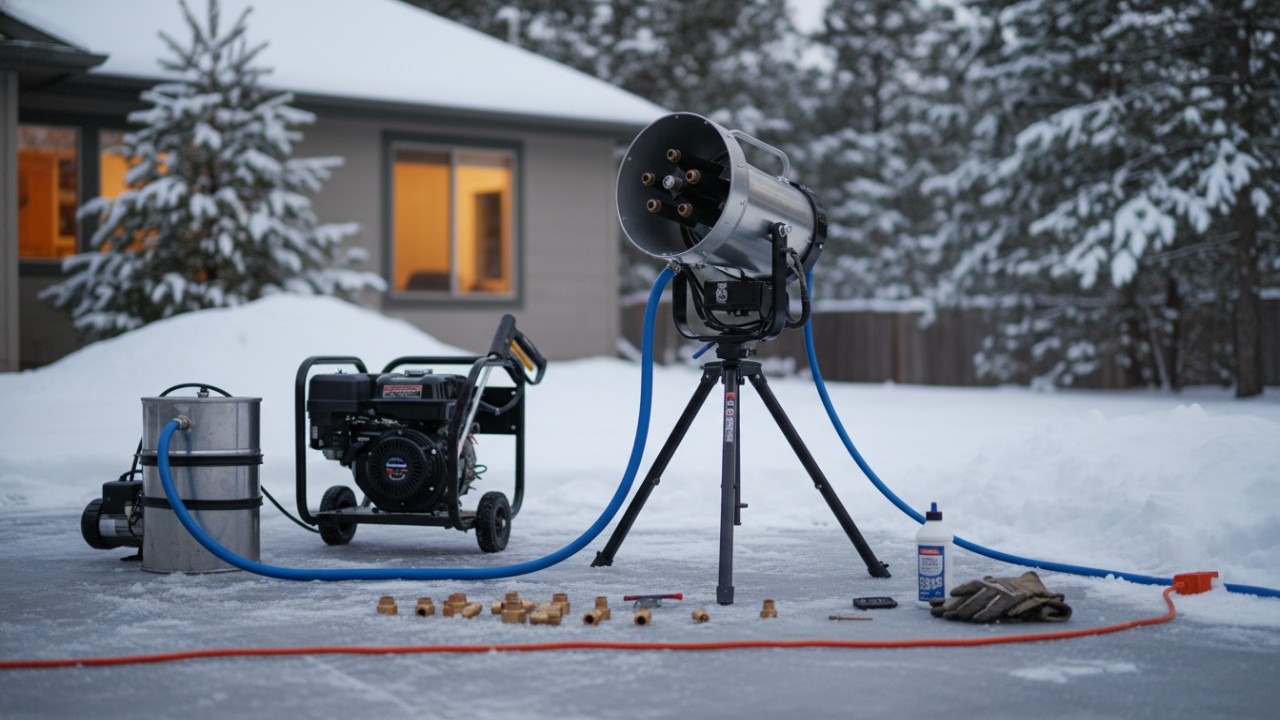
To avoid wasting budget on the wrong gear, you must first distinguish between the three primary categories available in 2026. While they share a name, their mechanics are chemically and physically distinct.
The Three Types of Snow Tech:
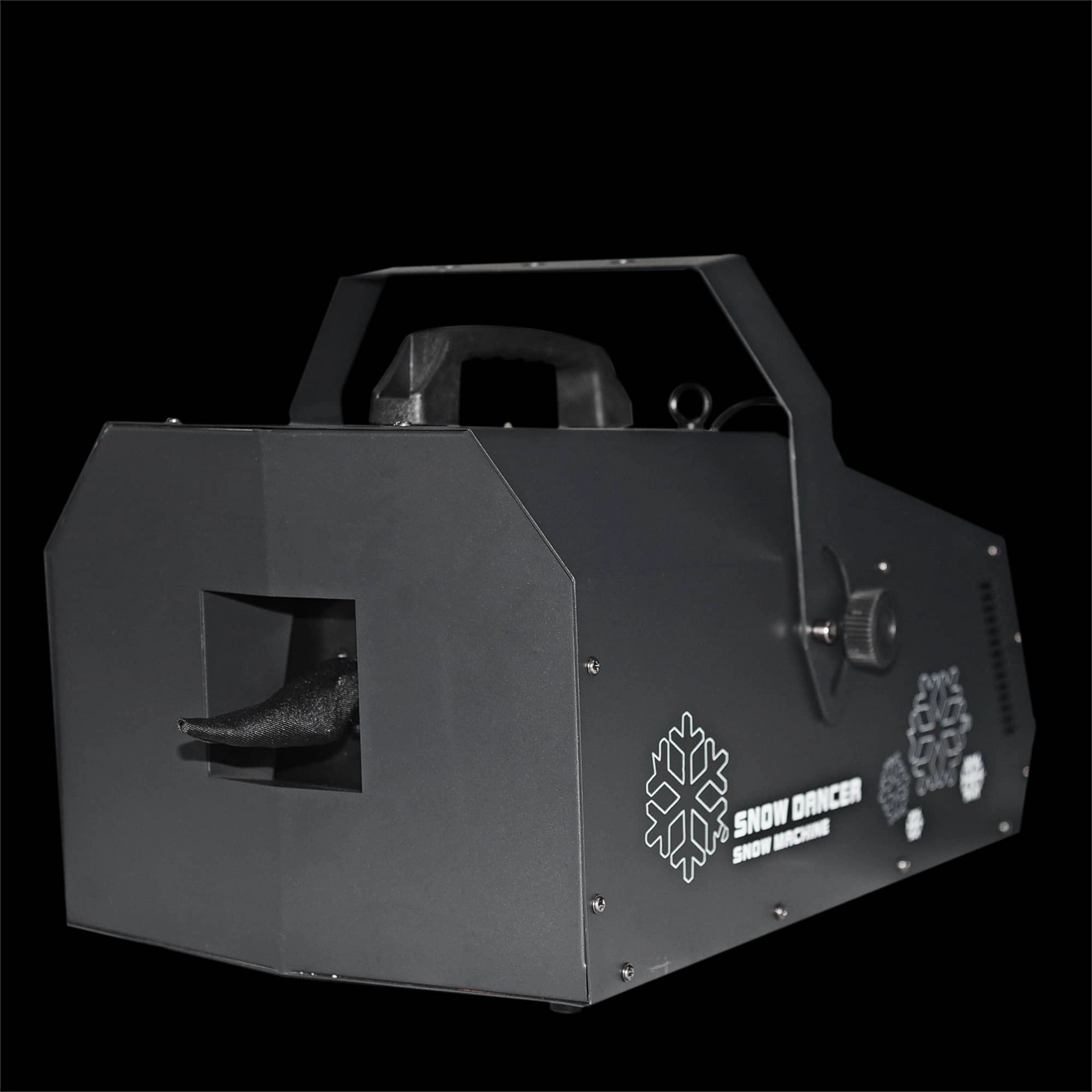
- Type A: Artificial (FX) Generators: These use a snow effect fluid (surfactant-based) and high-velocity fans to project foam clusters. They create the visual of falling snow but do not create cold, frozen ground cover. Ideal for parties, weddings, and theatrical atmospheric stage effects.
- Type B: Real Home Snowmakers: These utilize compressed air and water to nucleate ice crystals, requiring sub-freezing outdoor temperatures. As detailed by Wikipedia, this process mimics natural weather patterns to build skiable terrain.
- Type C: Snow Removal Blowers: Often colloquially called "snow machines," these are strictly for clearing driveways and are not the focus of this guide.
Quick Summary: If you want a Winter Wonderland indoors or in warm weather, buy Type A. If you want to sled in your backyard when it is 27°F, buy Type B.
Critical Checklist 1: Choosing an Artificial (FX) Snow Machine
An artificial snow generator operates by pumping fluid through a sock or mesh screen where it is aerated into thousands of tiny bubbles. The primary metric for quality here is flake size adjustability and evaporation rate, ensuring the "snow" vanishes before creating a slip hazard.
When selecting a machine for professional events, the "Total Cost of Ownership" is often hidden in the fluid consumption. Cheap machines may save upfront costs but can consume double the fluid of a professional unit.
Key Specs to Analyze:
- Output & Throw Distance: Calculate the Cubic Feet per Minute (CFM) required. A small party unit throws 10-15 feet, while pro models like those manufactured by Guangzhou Siterui Stage Special Effect Equipment Co., Ltd. can cover large stages with precision.
- Fluid Consumption: Look for high-efficiency models. A consumption rate of >1 liter per 20 minutes is considered inefficient for standard output.
- Silent Snow Machine Technology: For theater or weddings, noise is a dealbreaker. Standard blowers operate at 70dB+. Modern "silent" units utilize insulated casing and improved fan geometry to drop below 50dB.
- Control Systems: 2026 models should offer DMX512 or wireless control. Siterui SFX, for example, integrates wireless control systems to sync multi-device setups for simultaneous "blizzards."
Critical Checklist 2: Selecting a Home Snowmaker (Real Snow)
A home snowmaking kit requires specific atmospheric conditions to function, specifically a Wet Bulb Temperature of 27°F (-2.8°C) or lower. Unlike FX machines, these cannot operate above freezing because they rely on the physics of heat exchange to freeze water droplets before they hit the ground.
Many DIY enthusiasts fail here by ignoring the wet bulb index—a combination of ambient temperature and humidity. If humidity is high (100%), the air temperature must be well below freezing for the physics to work.
The Real Snow Decision Matrix:
- Compressor Requirements: The number one hidden cost. You need a compressor rated for continuous duty (CFM matching the gun's nozzle). Under-powered compressors will overheat and fail.
- Water Source: You need roughly 60-100 gallons of water to make just a few inches of snow over a small area. Garden hoses often freeze; insulated lines are mandatory.
- Internal vs. External Mix:
- Internal Mix: Air and water mix inside the gun. Easier to use but prone to internal freezing if the compressor stops.
- External Mix: Mixing happens outside the nozzle. Harder to clog but requires more precise water pressure.
- Nucleation: The process of seeding the water with ice crystals. Without proper nucleation, water will supercool and land as slush/ice rather than fluffy snow.
Top 5 Costly Mistakes When Buying a Snow Machine
Buying the wrong machine can lead to damaged venues, slippery floors, or equipment that simply won't turn on. The safety standards for atmospheric stage effects are rigorous, and ignoring them creates liability.
According to safety guidelines from organizations like ESTA, using non-compliant fluids or hardware in public venues creates significant fire and health risks. Always check for UL or CE certification.
Avoid These Pitfalls:
- Mistake #1: The Fluid Mismatch: Using "Fog Fluid" in a "Snow Machine." They are chemically different. Fog fluid is glycol/glycerin based; snow effect fluid is surfactant/water based. Mixing them will destroy the pump immediately.
- Mistake #2: Ignoring Noise Levels: Buying a cheap industrial blower for a wedding vow exchange. The noise will ruin the video. Invest in silent snow machine technology if audio matters.
- Mistake #3: The Temperature Trap: Buying a real snowmaker for a region that only reaches 30°F at night with high humidity. You will make ice, not snow.
- Mistake #4: Power Overload: High-output machines often draw 1000W+. Plugging two into a single standard household circuit will trip breakers instantly.
- Mistake #5: Residue Neglect: Some cheap fluids leave a sticky, slippery mess. High-quality evaporative fluids (often available from pro manufacturers like Siterui SFX) are designed to dissipate cleanly, protecting your venue's flooring.
Snow Machine Trends in 2026
The industry is evolving toward smarter, safer, and more eco-friendly technology as demand grows across events, entertainment, and seasonal attractions. Manufacturers are investing heavily in innovation to improve performance while meeting stricter environmental and safety expectations worldwide.
Eco-Friendly Snow Fluids
Modern fluids are:
Biodegradable
Low-residue
Designed for fast evaporation and reduced surface moisture during operation
These new formulations reduce environmental impact while improving safety for indoor venues and sensitive flooring, helping event organizers meet sustainability standards without sacrificing visual snow quality.
Smart Control Integration
New professional machines offer:
Wireless multi-machine synchronization
App-based control systems
Programmable snowfall patterns for dynamic scene changes
This allows event planners and technicians to create precise, repeatable snowfall effects with minimal manual adjustment, improving show consistency while reducing setup time and technical workload during live productions.
Ultra-Quiet Operation
Improved fan blade design and advanced acoustic insulation are reducing operational noise, making machines suitable for high-end weddings, theater productions, and film sets where sound control is critical, ensuring the snowfall effect enhances the atmosphere without interfering with audio recording or guest experience.
Final Thoughts
By understanding the differences in technology, environmental requirements, and operating costs, you can avoid expensive mistakes and select a snow machine that delivers the exact winter experience you want. As technology continues to advance, today’s snow machines are becoming more efficient, safer to operate, and easier to integrate into professional lighting and event control systems, making realistic winter effects more accessible than ever.
FAQs
1. What is the difference between a snow machine and a snowmaker?
A snow machine creates a visual foam snow effect, while a snowmaker produces real frozen snow using water and compressed air in freezing temperatures.
2. Can a snow machine make real snow that sticks?
No. FX snow machines create foam flakes that look like snow but do not form real ground accumulation.
3. What temperature is needed for a real snowmaker?
Most real snowmakers require a wet bulb temperature of 27°F (-2.8°C) or lower, depending on humidity.
4. Is artificial snow safe for indoor events?
Yes, professional snow fluids are typically non-toxic and fast-evaporating, but proper ventilation and quality fluid are important.
5. How much electricity does a snow machine use?
Small units use around 500–800W, while professional machines can exceed 1000W.
6. Do snow machines leave residue?
High-quality snow fluids leave minimal residue, while low-grade fluids may create slippery surfaces.
References
All questions about artificial snow and snowmaking
Special Effects Machines - Snow At Home
How artificial snow is made - Artificial snowmaking with snow cannons
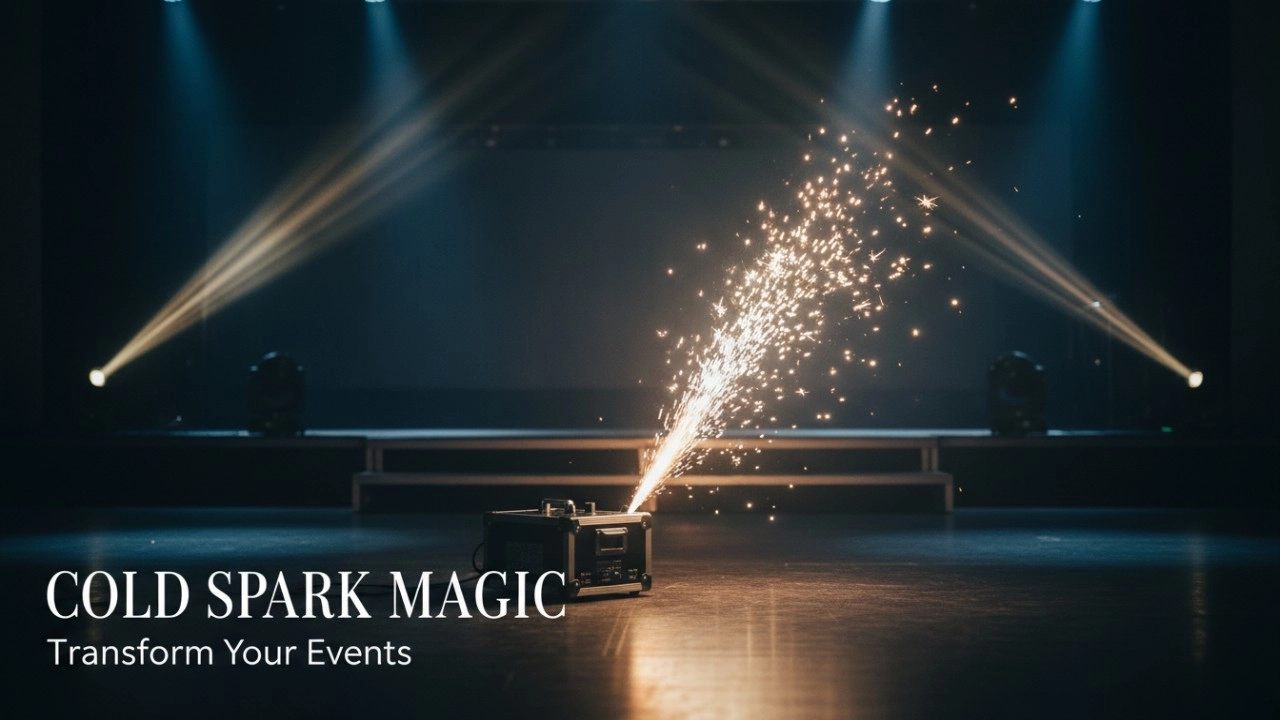
Top 10 Cold Spark Machines for 2026: A Deep Dive into Performance, Powder Life, and Durability
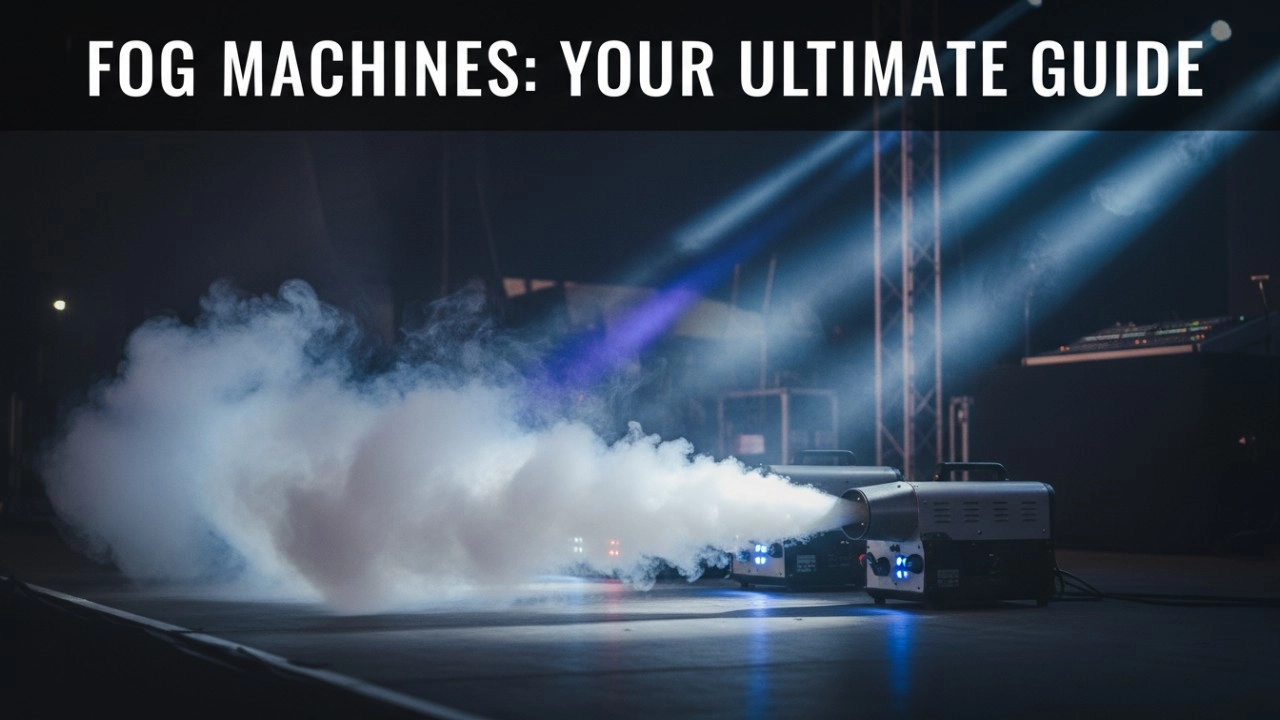
Fog Machines Explained: Technology, Control Systems, and Modern Stage Applications
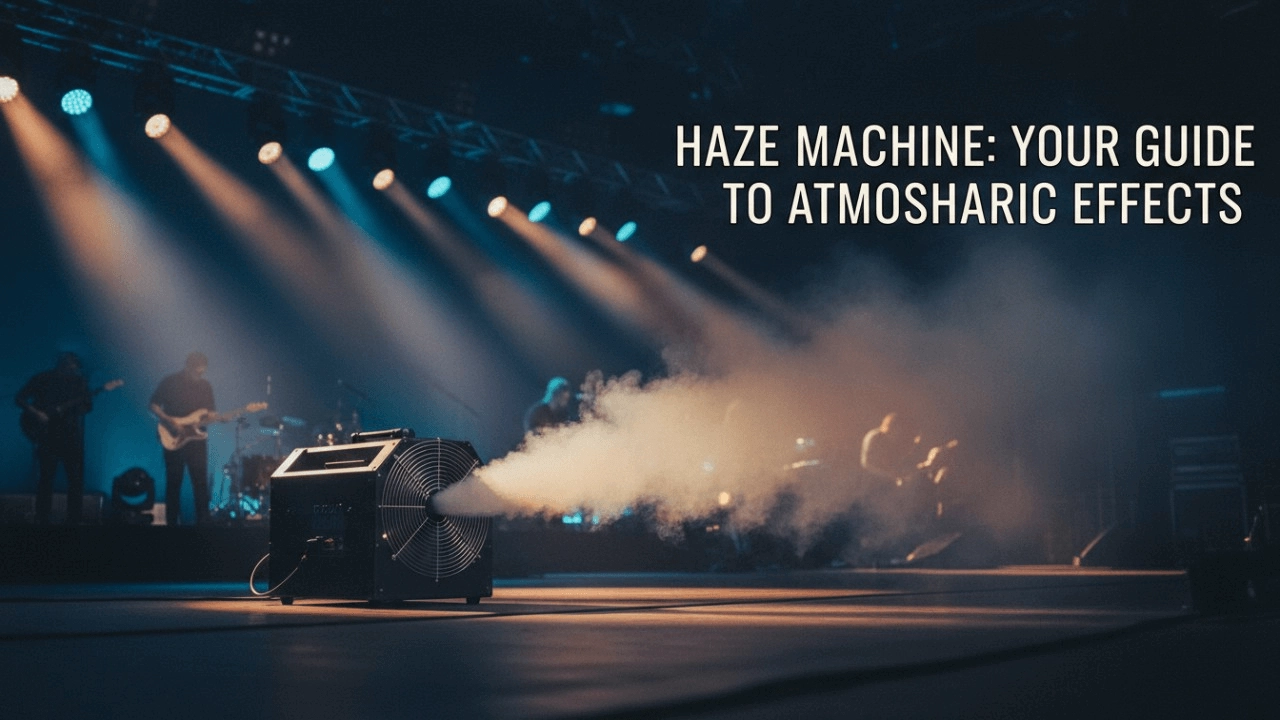
Haze Machines Explained: The Definitive 2026+ Guide to Effects, Selection & Future Innovations
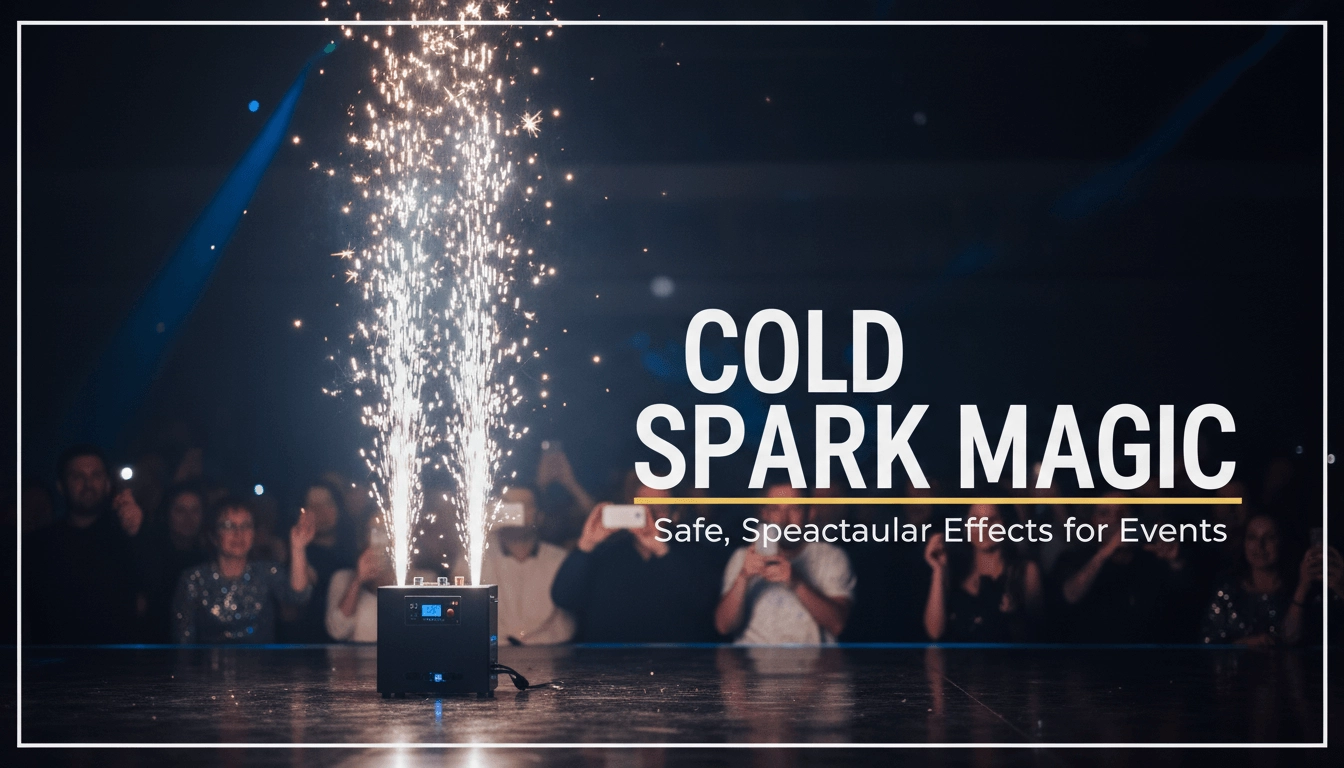
Cold Spark Machines 2026: Safe, Sustainable Brilliance for Modern Events
Recommended for you


Stay Informed or Connect with Us
Have questions about our latest news or updates?
Reach out to us—we're here to provide more insights or media support.
Email: sales01@strlighting.com
WhatsApp: +86 189 2232 4800
© 2025 Siterui SFX All Rights Reserved.
 Scan QR Code
Whatsapp: +8618922324800
siteruisfx_stage_equipment
Siterui
SITERUI-SFX
STRlighting
@siterui.sfx