
Fog Machines Explained: Technology, Control Systems, and Modern Stage Applications
Explore the technology behind fog machines and their role in modern stage production. Learn about DMX control, heat exchangers, fluid types, and professional atmospheric effects for live events, concerts, and theaters.
What is a Fog Machine and How Does it Work?
A fog machine is a device that creates a dense, opaque vapor by pumping a specialized fluid into a thermostatically controlled heat exchanger. This process vaporizes the liquid, which then expands rapidly and condenses upon contact with cooler air to form visible Atmospheric effects technology.
The mechanics behind this are precise. A high-pressure pump forces the fluid into a heating element (the heat exchanger) maintained at a specific temperature range—typically between 400°F and 580°F (204°C–300°C). If the temperature is too low, the fluid "spits" hot liquid; if too high, it burns the fluid, creating toxic byproducts.
Core Components of 2026 Models:
- Heat Exchanger: The heart of the unit. Heat exchanger efficiency determines how quickly the machine can reheat between bursts and the consistency of the fog output.
- Pump System: Recent advancements favor quieter, high-pressure peristaltic pumps over older piston designs for smoother output.
- Nozzle: Precision-engineered to atomize the vapor into specific particle sizes, affecting how long the fog hangs in the air.
2026 Key Takeaways: Selecting the Right Atmosphere
In 2026, the choice between fog, haze, and low-lying effects depends entirely on the desired visual impact and venue size. Fog provides explosive bursts of drama, while haze ensures continuous beam visibility for light shows.
According to recent market data, the global demand for specialized DMX lighting controllers is projected to exceed $1 billion by 2025, driving a massive shift toward fully integrated, smart-controlled stage effects. Professional manufacturers like Guangzhou Siterui Stage Special Effect Equipment Co., Ltd. (Siterui SFX) are at the forefront of this shift, offering R&D-driven solutions that integrate seamlessly with complex lighting rigs.
Top Selection Criteria:
- Fog Machines: Ideal for "reveal" moments, concerts, and fire drills. They produce thick clouds that dissipate relatively quickly.
- Haze Machines: Essential for light shows. They create a fine, uniform mist that lingers, making laser beams and light rays visible without obscuring the artist.
- Low-Foggers: These Low-lying fog generators use ultrasonic technology, dry ice, or CO2 to keep the effect hugging the floor, perfect for "dancing on clouds" wedding effects.
- Smart Control: Modern units now feature wireless DMX and RDM (Remote Device Management) for real-time status monitoring.
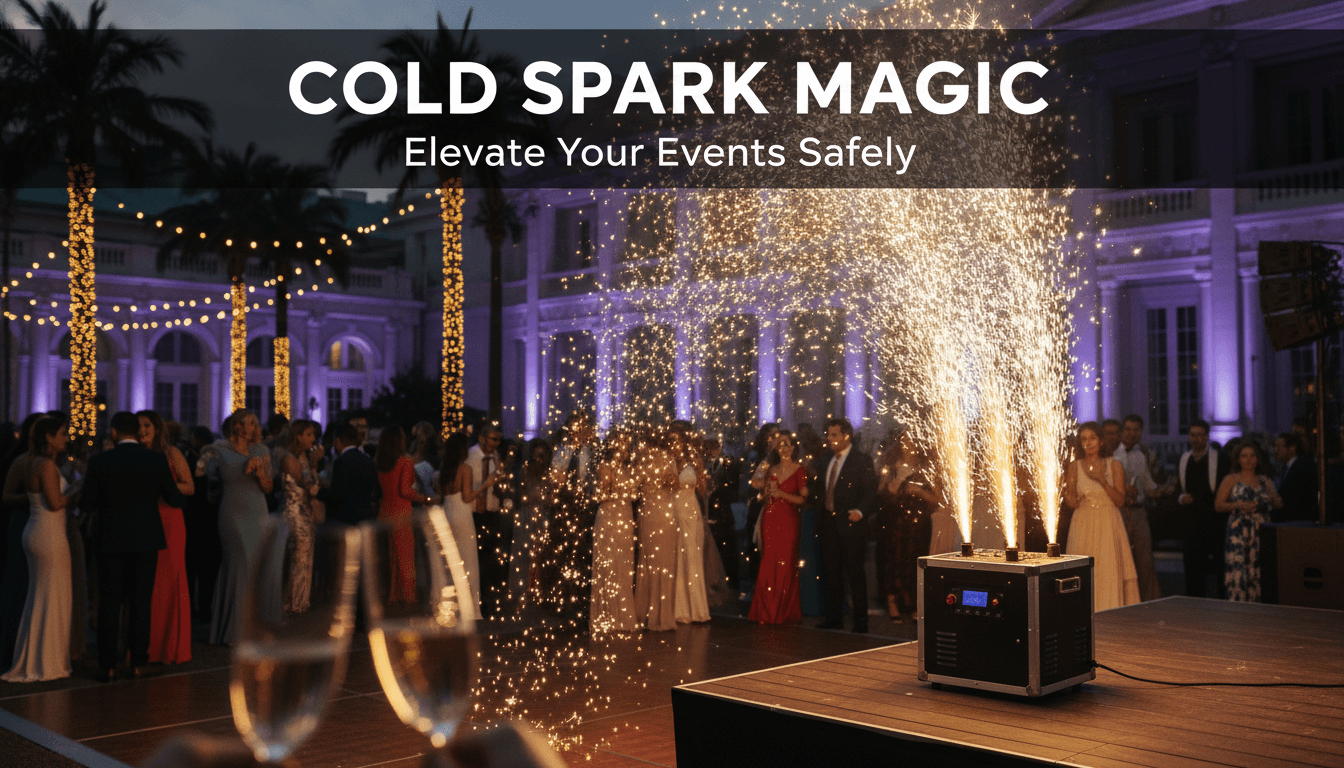
The Engineering of Modern Foggers: Pumps, Heaters, and Fluids
The engineering quality of a fog machine is defined by the thermal mass of its heater and the chemical precision of its fluid. A larger thermal mass allows for longer continuous bursts before the unit needs to pause and reheat.
Fluid Dynamics and Chemistry
Understanding Water-based fog fluid chemistry is vital for safety and equipment longevity. Most professional fluids are a mix of de-ionized water and polyfunctional alcohols (glycols) or glycerol. The ratio determines the density and hang-time of the fog.
- Quick-Dissipating Fluids: High water content; designed to vanish in seconds (great for steam effects).
- Long-Lasting Fluids: Higher glycol concentration; designed to linger for 30-60 minutes.
- Efficiency: High-end machines from brands like Siterui SFX utilize precision sensors to vaporize these fluids with minimal residue, solving the "wet floor" issue common in older models.
The Role of DMX Control
DMX fog machine control has become the industry standard, allowing operators to trigger bursts, adjust density, and control fan speed remotely. In 2026, look for machines with 3-pin and 5-pin DMX inputs to ensure compatibility with professional lighting consoles. This level of control allows for synchronized effects, such as a burst of fog landing exactly on a drum beat.
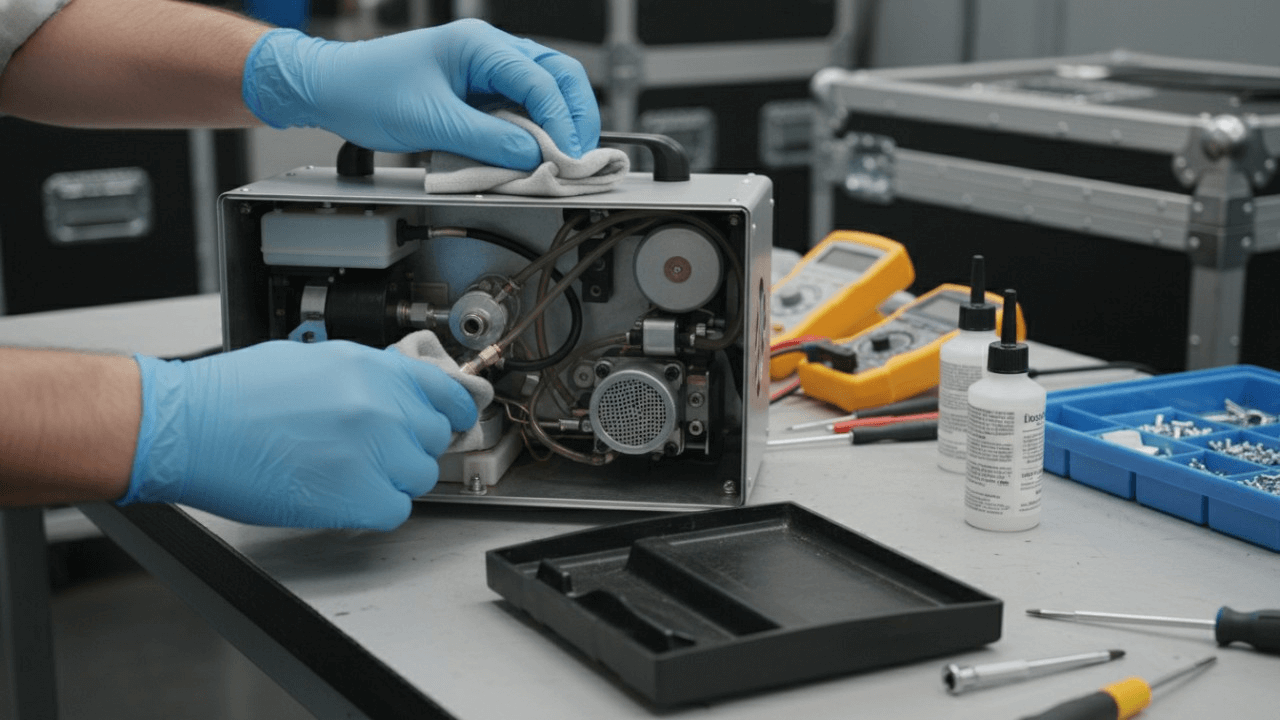
Professional Maintenance: Extending the Lifespan of Your Equipment
The single most effective maintenance step is to run a distilled water flush through the machine after every 20 hours of operation. This prevents mineral deposits and caramelized fluid from clogging the narrow heater capillaries.
Failure to maintain the unit often leads to heater core blockage, the #1 cause of fog machine failure. Drawing from the experience of Siterui SFX, whose team specializes in the production and service of stage equipment, regular maintenance is cheaper than replacement.
Maintenance Checklist:
- The Flush: Run distilled water (not tap water) through the system to clear residue.
- Storage: Before long-term storage, run a specialized "storage fluid" to lubricate the pump seals and prevent seizing.
- Filter Check: Inspect and clean the intake filter on the fluid tube to prevent particulate matter from entering the pump.
- Casing: Wipe down the exterior to remove any oily residue that attracts dust.
Safety and Environmental Compliance
Safety in 2026 revolves around indoor air quality monitoring and compliance with standards like ANSI E1.29-2024. This standard dictates the safe limits for glycol aerosols to ensure the comfort and health of performers and audiences.
While water-based fluids are generally safe, high concentrations in poorly ventilated areas can cause respiratory irritation. It is critical to calculate the cubic footage of the venue and adjust the machine's output accordingly.
Safety Best Practices:
- Smoke Alarms: Standard ionization smoke detectors will be triggered by fog. Use optical/thermal sensors or isolate zones with Fire Marshal approval.
- Slip Hazards: Glycol settles as a slick residue. Use high-quality fluids with high vaporization efficiency to minimize fallout.
- Eco-Friendly Fluids: The trend is moving toward biodegradable, plant-based fluids. Siterui SFX, for instance, emphasizes innovation in their product lines to meet these evolving environmental standards.
FAQs
Are fog machines safe for indoor use? Generally yes, provided the fluid used is non-toxic and water-based. Adequate ventilation is required to prevent oxygen displacement in very small rooms, especially when using CO2-based low foggers.
Will a fog machine set off my smoke detector? Yes, most standard ionization and photoelectric smoke alarms will detect fog particles as smoke. It is recommended to use "low-residue" fluid or temporarily isolate alarms during a controlled event with a fire marshal's approval.
What is the difference between fog and haze? Fog is thick, opaque, and emitted in bursts, meant for visual obstruction or effect. Haze is thin, nearly invisible, and designed to run continuously to highlight lighting beams.
Can I use plain water in my fog machine? No, plain water will not produce fog and can damage the heat exchanger through mineral buildup. Always use the specific fluid density recommended by the manufacturer.
How do you make fog stay on the ground? You must cool the fog immediately as it exits the machine using a chiller box filled with ice or dry ice. Specialized Low-lying fog generators use ultrasonic transducers or liquid CO2 to achieve this effect natively without external chillers.
How long does fog juice last? A typical 400-watt machine will consume about 1 liter of fluid every 2-3 hours of continuous operation. High-output professional machines can consume a gallon in less than an hour at full capacity.
Do fog machines leave a residue on furniture? Low-quality fluids can leave a slightly oily or sticky film over time. Professional-grade, high-purity fluids are designed to evaporate cleanly without leaving significant residue.
How often should I clean my fog machine? You should run a cleaning solution (or distilled water) through the system after every 40 hours of use or before storing it for more than a month. Regular cleaning prevents the most common cause of failure: a clogged heat exchanger.
References
Top 10 Cold Spark Machines for 2026: A Deep Dive into Performance, Powder Life, and Durability

How to Choose a Snow Machine: The Definitive Checklist to Avoid Costly Mistakes (2026 Guide)
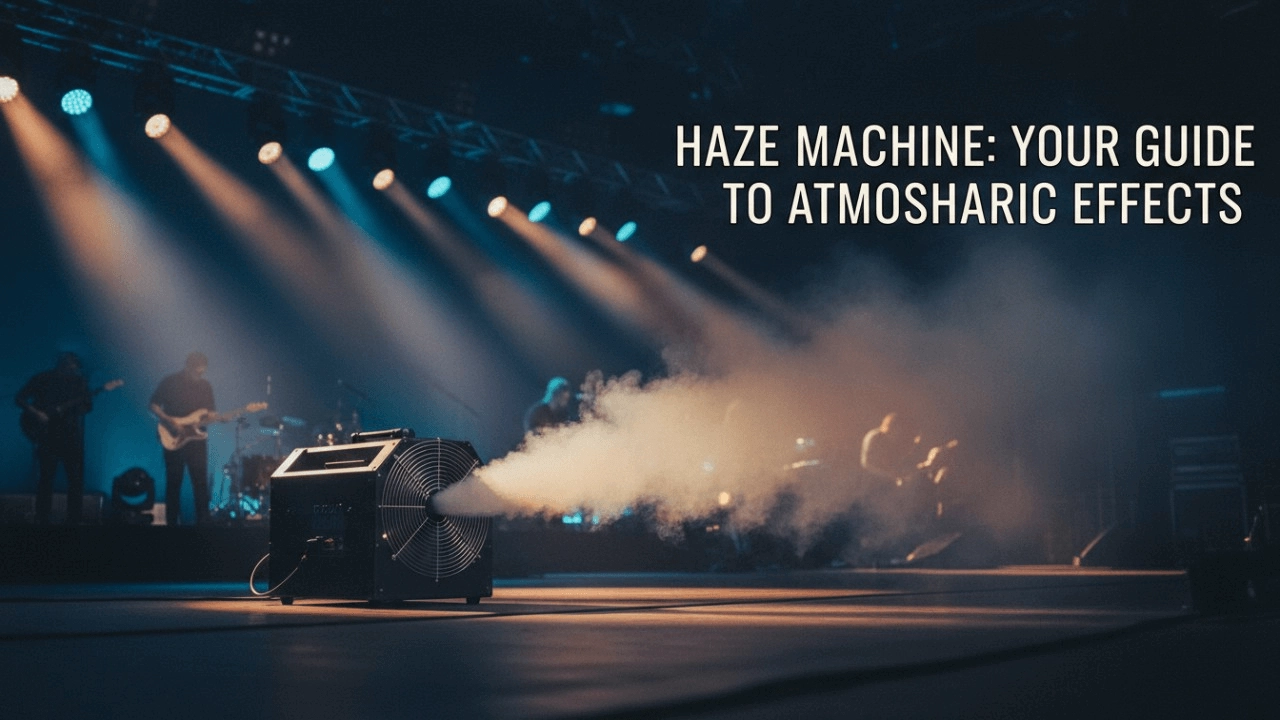
Haze Machines Explained: The Definitive 2026+ Guide to Effects, Selection & Future Innovations
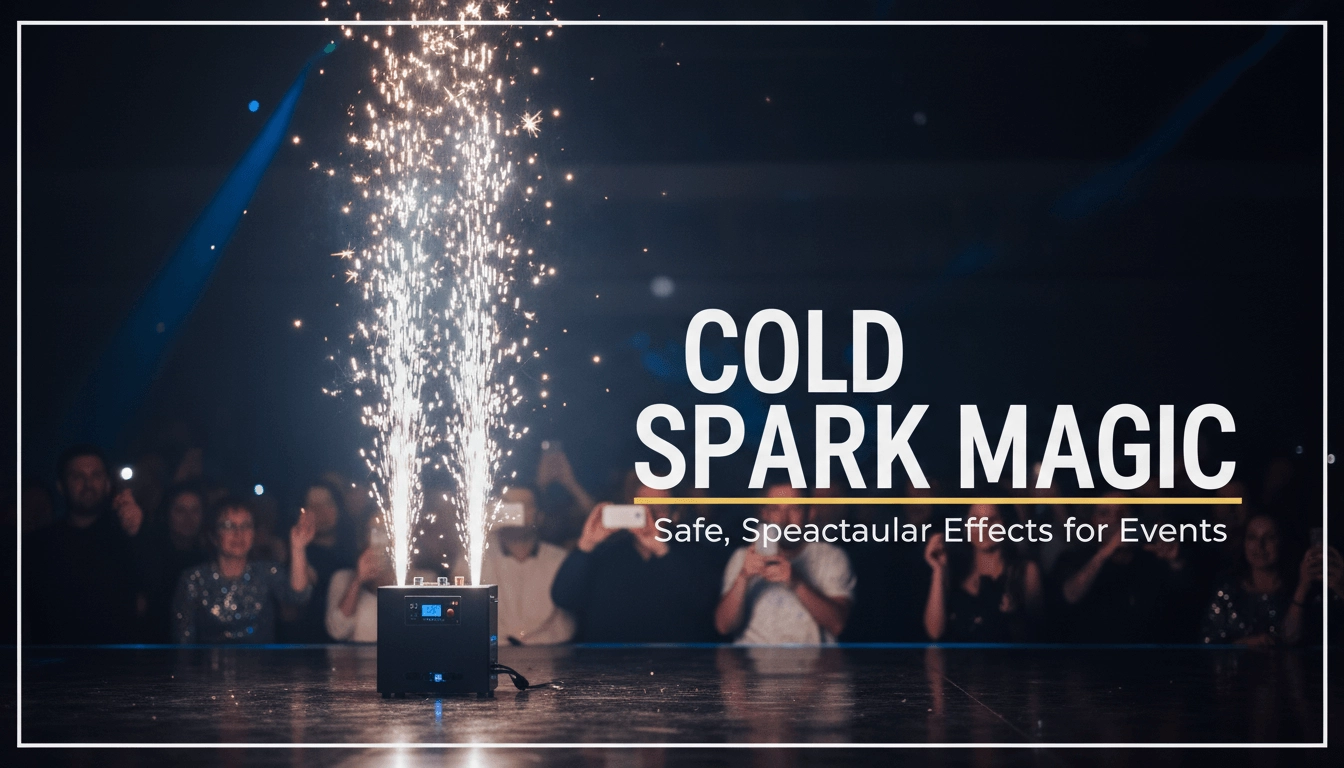
Cold Spark Machines 2026: Safe, Sustainable Brilliance for Modern Events
Recommended for you
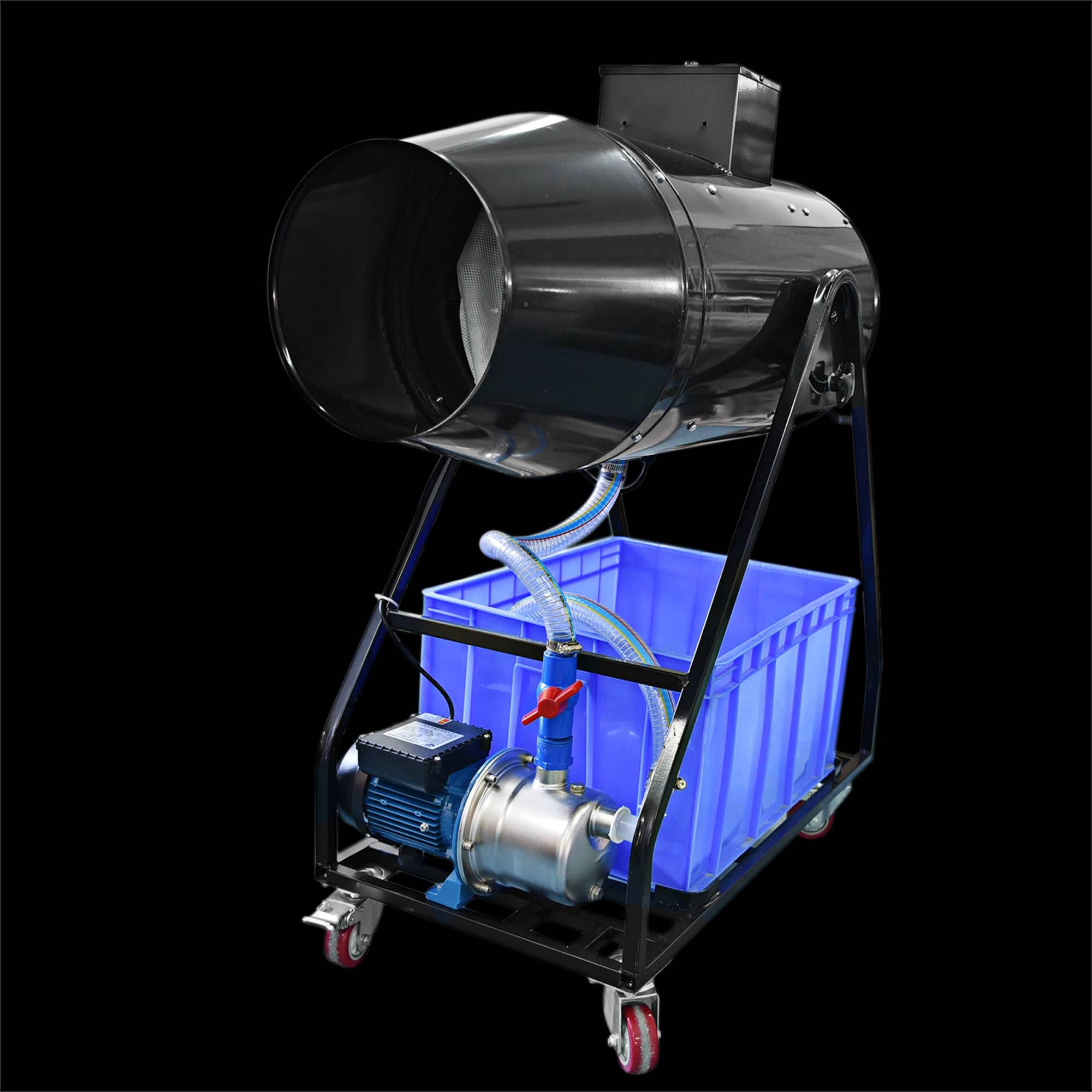
Elevate your event with the Siterui SFX 1800W Spraing Foam Machine. This high-power, professional foam party maker creates dense, vibrant bubbles—perfect for weddings and celebrations. Reliable and easy to use, it’s the foam and bubble machine for unforgettable moments.
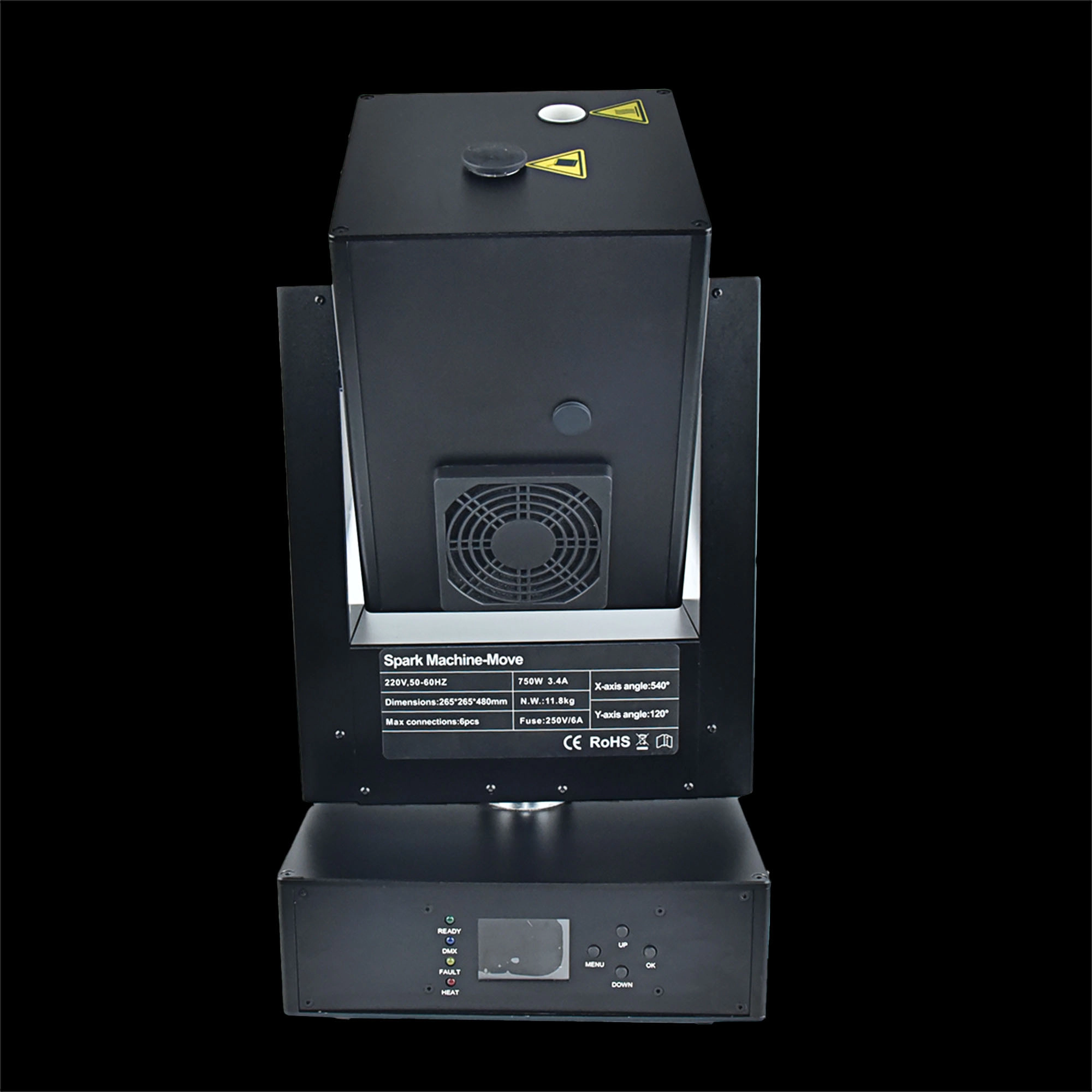
Siterui SFX 750w moving head spark machine delivers high-impact cold-spark effects with 360° moving head, DMX control, adjustable output and safe, long-lasting performance - perfect for concerts, weddings and stage shows.
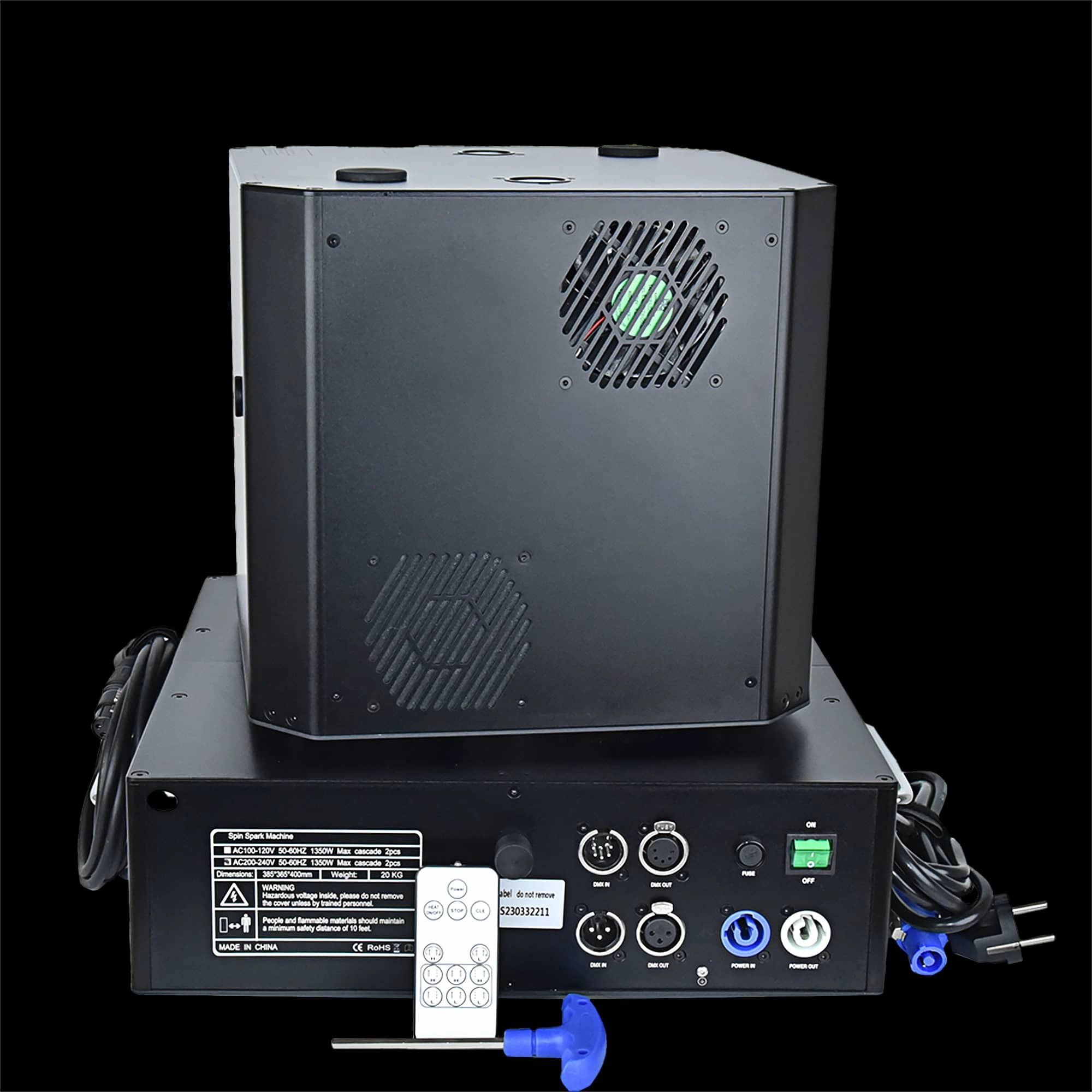
Double head 1300W Spin Spark machine -powerful dual-head 1300W spin spark effect with DMX + remote control for precise timing. Durable, professional-grade pyrotechnic effect ideal for concerts, clubs and events.
Stay Informed or Connect with Us
Have questions about our latest news or updates?
Reach out to us—we're here to provide more insights or media support.
Email: sales01@strlighting.com
WhatsApp: +86 189 2232 4800
© 2025 Siterui SFX All Rights Reserved.
 Scan QR Code
Whatsapp: +8618922324800
siteruisfx_stage_equipment
Siterui
SITERUI-SFX
STRlighting
@siterui.sfx