
how to choose the right dmx confetti cannon for stadium events? | Insights by Siterui SFX
How to Choose the Right DMX Confetti Cannon for Stadium Events
Stadium shows raise unique technical, logistical and regulatory challenges for special effects teams. Below are six specific, buyer-focused questions — with in-depth answers — to help event producers, rigging managers and SFX rental companies select the right DMX confetti cannon for large outdoor venues. Recommendations reference industry standards and vendor best practice sources (ESTA/ANSI DMX, RDM, sACN; IP rating guidance; major manufacturer patterns).
1) How do I calculate the number and placement of DMX confetti cannons to achieve even aerial coverage for a 40,000–60,000-seat stadium?
Problem and pain point: Many online answers give a vague “use more cannons” recommendation but don’t translate shot angle, shot distance, and wind into a placement plan. For stadiums you must convert vendor shot-angle and effective throw distance into ground footprint maps, then factor wind and sightlines.
Practical method:- Obtain the manufacturer’s shot-distance and fan-angle specs for the chosen pneumatic or CO2 cannon (examples: many stadium-grade pneumatic cannons list effective throws in manufacturer specs; verify on the product datasheet). Shot distance and fan angle define the nominal coverage sector per device.- Compute the coverage sector footprint on the seating plan. If a cannon advertises a 30m effective throw and a 40° fan-angle, its sector at full throw covers a roughly 21m width (width ≈ 2 × distance × tan(fan-angle/2)). Use this to draw sectors over seating maps.- Overlap sectors by 10–25% to ensure visual continuity and compensate for wind drift—stadium wind can displace lightweight confetti significantly.- Plan for vertical elevation and riser height: place cannons on trusses or risers to increase line-of-fire and reduce obstruction from sightlines and stage elements.- Use a simple test plan: on-site test bursts at the same meteorological conditions (wind speed/direction) and log actual footprint; adjust placements accordingly.
Example (conservative): If each cannon covers a 20m wide arc at full throw and you need even coverage across a 200m pitch-side length, estimate 200 / (20 × 0.85 overlap factor) ≈ 12 cannons. Increase count for vertical layers or for stronger wind conditions.
Why this matters: inadequate placement causes visual gaps or concentrated piles of confetti in one area, and uneven spectacle that undermines broadcast shots and spectator experience.
References: verify device throw and angle on manufacturer datasheets and perform on-site verification. See DMX-control integration notes below for synchronizing multiple units (ESTA/ANSI DMX512 and sACN guidance: https://tsp.esta.org/).
2) For stadium-scale shows, which propellant and power approach gives the best balance of shot consistency, logistics and regulatory compliance: CO2, compressed air (bottled/high-pressure), or electrically driven pneumatic systems?
Problem and pain point: Confetti teams struggle between reliable high-power bursts (CO2 or high-pressure compressed air) and the operational complexity and permitting of gas cylinders. Answers online are often outdated about refill logistics and safety controls.
Comparison and guidance:- CO2 cannons: Pros — very consistent high-velocity bursts and compact cartridge options for mobile setups. Cons — CO2 handling and storage safety (pressure, temperature), refills, and venue restrictions; risk of localized cooling and condensation. CO2 is widely used for broadcast stadium cues but requires certified cylinder handling and venue sign-off.- High-pressure compressed air (bottled or on-site compressors): Pros — excellent shot consistency, scalable (large banks for many bursts), no CO2 cooling effect. Cons — compressors require power, noise and on-site space; high-pressure banks need certified handling and transport.- Electrically driven pneumatic systems (electric blower + accumulator): Pros — fewer compressed-gas permits; can be quieter and easier to integrate in venues with strict gas rules. Cons — larger footprint, slower recharge between bursts for high-volume stadium usage.
Operational recommendations:- For large stadium runs with multiple near-simultaneous bursts, bottled compressed air or CO2 banks with centralized distribution is common because of immediate shot recharge and repeatability. Confirm cylinder storage and transport protocols with venue safety officers.- For repeated, spaced bursts or venues with bans on bottled gases, electromechanical pneumatic systems with large accumulators are a viable alternative.- Always use pressure regulators and burst control valves rated for the working pressures shown in manufacturer specs. Label and document cylinder inventories and implement lockout/tagout and leak-check procedures.
Regulatory note: Cylinder use typically requires coordination with venue operations and the local fire marshal. For pyrotechnic vs. non‑pyrotechnic classification questions, consult venue authority; non‑pyro confetti is often classified differently but still requires approval. Manufacturer and venue guidance should be documented in the risk assessment and method statement.
References: consult manufacturer product sheets for operating pressures and recharge rates. For standards and safety practices refer to ESTA/PLASA guidance and your venue authorities (https://www.plasa.org/).
3) How do I ensure reliable DMX control for dozens of cannons spread across long stadium cable runs — when should I use wired DMX, DMX over IP (sACN), wireless DMX, or a hybrid?
Problem and pain point: Many rigs fail on show night due to DMX line losses, noise, or wireless interference. Beginners are often told “use wireless DMX” without contingency plans.
Key points and best practices:- DMX512 physical limits: DMX512-A (ANSI E1.11) recommends maximum cable lengths to avoid signal degradation; common practical rule is up to 300 meters (approx. 1000 ft) per run without repeaters. Use high-quality, halogen-free DMX cable and maintain proper termination. For longer distances, use DMX splitters/repeaters or move to ethernet-based transport.- sACN (DMX over Ethernet) is the best choice for stadium-scale distributed control: design a network with redundant paths, use dedicated VLANs, and deploy sACN-enabled DMX nodes near cannon clusters. sACN scales easily and avoids long RS-485 runs. (Standard: ANSI E1.31 for streaming ACN.)- Wireless DMX: practical for a small number of units or where cable runs are impossible, but reliability varies with RF congestion. If using wireless, select professional 2.4/5 GHz wireless DMX systems that support frequency-hopping and have proven stadium deployments. Always implement wireless as a secondary or last-resort layer with wired redundancy.- RDM (Remote Device Management, ANSI E1.20) support on cannons simplifies addressing, status monitoring and remote troubleshooting — very useful when dozens of devices are distributed across a large venue.
Architecture recommendation:- Use sACN as the backbone with local DMX nodes (Ethernet-to-DMX) clustered per cannon group. Provide a wired path for all critical DMX channels and reserve wireless DMX only as redundancy for non-critical cues or for remote camera cannons that cannot be cabled.- Implement DMX splitters with galvanic isolation at each cluster. Keep spare nodes, spare cabling and a hot-swappable controller/router on standby.
References: DMX512-A and RDM standards (ESTA/ANSI) and sACN (ANSI E1.31) provide specifications for networked control (https://tsp.esta.org/). Manufacturer documentation will list recommended cabling and node counts.
4) Which confetti material, size and weight maximize visibility for broadcast while minimizing cleanup and meeting environmental rules at outdoor stadium events?
Problem and pain point: Buyers want the dramatic broadcast look of mylar but worry about environmental impact, cleanup complexity and local bans on non‑biodegradable SFX.
Material choices and trade-offs:- Biodegradable paper confetti: widely accepted by venues and municipalities; breaks down on sunlight and rain; preferred when quick cleanup is impossible. Visibility can be enhanced using larger flakes (20–50 mm) or shapes. Many vendors offer certified biodegradable options.- Metallized mylar (reflective) confetti: excellent for broadcast sparkle and camera highlights but is non‑biodegradable and more difficult to collect. Use only when venue, local authority and broadcast client agree, and ensure thorough cleanup plans.- Mixed-size strategies: combine larger paper streamers in the lower layers for visibility with a small quantity of reflective highlights for TV close-ups; this balances visual impact and cleanup.- Weight and size affect drift and throw: heavier or larger pieces resist wind better and land more predictably; verify that your cannon and propellant can reliably launch the chosen confetti size (manufacturers often specify recommended confetti ranges).
Operational and environmental guidance:- Always confirm local environmental regulations and stadium policies. Some cities require a cleanup and disposal plan or prohibit metallic confetti altogether.- Provide a post-event cleanup plan using sweeper machines and magnetized collection (for metallic debris if used) and quantify expected cleanup time and crew in your bid.
References: consult confetti vendor datasheets and municipal waste rules. Many SFX rental houses publish biodegradable confetti spec sheets; check product certifications when selecting material.
5) How do I design safety zones, spectator protection and insurance compliance when firing DMX confetti cannons in stadiums (wind, falling debris, lines-of-fire)?
Problem and pain point: Generic safety zones aren’t enough for stadium-scale events where confetti can drift into emergency egress paths, camera platforms, or onto athletes.
Safety design steps:- Produce a method statement and risk assessment (RAMS) specific to each venue, covering device placement, lines-of-fire, potential ricochet, and confetti drift. Venue and local authority sign-off is mandatory.- Define spectator exclusion zones: although confetti is generally non‑hazardous, cannons produce high-velocity bursts and hard objects (hardware or heavier debris) must be prevented from entering audience areas. Position cannons so trajectories are well above head level and aim away from standing-room terraces unless the manufacturer certifies the device for close-proximity audience effects.- Wind and weather thresholds: set explicit wind-speed cutoffs (e.g., suspend firings above a venue-accepted mph/kph) based on on-site testing. Lightweight confetti can travel far beyond intended areas in crosswinds.- Insurance and documentation: provide device datasheets, operator certifications, maintenance logs, and the RAMS to the venue and insurer. Many insurers require that special effects operators carry proven professional indemnity and public liability insurance and that staff hold recognised SFX training.- Emergency plans: maintain a manual or mechanical override for each cannon, and ensure that stage managers can cut power or trigger safe-state protocols quickly.
References: Work with the venue’s fire marshal and insurance underwriters and consult PLASA/ESTA guidelines for non-pyrotechnic special effects. Local legislation and venue rules supersede generic guidance; always request written approvals.
6) What maintenance, testing and backup procedures should rental houses and production teams implement to avoid failures during a live stadium show?
Problem and pain point: Equipment failures and reload delays create serious show risks. Many teams lack documented pre‑show procedures and spare plans.
Recommended maintenance and redundancy plan:- Pre-show checks: run full cue rehearsals with loaded confetti (or representative test loads) at the actual shot pressure and DMX cues. Verify shot consistency, recharge times, and visual footprint. Log these tests.- Daily and seasonal maintenance: follow manufacturer maintenance schedules (cleaning of valves, visual inspection of hoses and seals, replace worn O-rings). Keep a maintenance log for each unit to satisfy venue and insurance requirements.- Spares and hot-swap strategy: carry at least 10–20% spare cannons (or an agreed vendor rapid-replacement SLA) and spare DMX nodes, controllers and regulators. Maintain an on-site tool kit and spares for quick swaps.- Reload and re-arm procedures: design reload sequences that can be completed with minimal crew and safe handling—practice the reload under time constraints. If using cylinders, keep a rotation of pre-charged cylinders and clearly label pressure and refill dates.- Post-show inspection and reporting: check for moisture ingress, confetti buildup in valves, or residue that could alter future performance. Record findings for the next deployment.
Why it saves shows: documented test procedures and redundancy reduce single-point failures. Operators trained with runbooks perform faster troubleshooting under pressure.
References: consult your cannon manufacturer’s maintenance and inspection checklists and the venue’s operational procedures.
Conclusion: Advantages of choosing the right DMX confetti cannon for stadium events
Selecting the correct DMX confetti cannon and system architecture for stadium events reduces operational risk, improves broadcast-quality visuals, and keeps the production compliant with venue and municipal requirements. Proper device specification (shot distance, fan-angle, IP-rating), propellant choice and logistics, robust DMX control architecture (sACN backbone with local DMX nodes and RDM), confetti material selection (biodegradable vs. reflective), safety method statements, and proven maintenance & redundancy plans together deliver reliable, repeatable spectacles while minimizing cleanup, regulatory friction and insurance exposure.
For a custom system design, device datasheets, and a quote tailored to your stadium layout and show demands, contact us at www.siteruisfx.com or sales01@strlighting.com. We provide equipment specs, on-site testing, and turnkey deployment support.
Sources and standards referenced: ESTA/ANSI DMX512-A and RDM guidance and sACN (https://tsp.esta.org/), PLASA professional guidance (https://www.plasa.org/), and manufacturer product datasheets for high-capacity pneumatic/CO2 confetti systems.
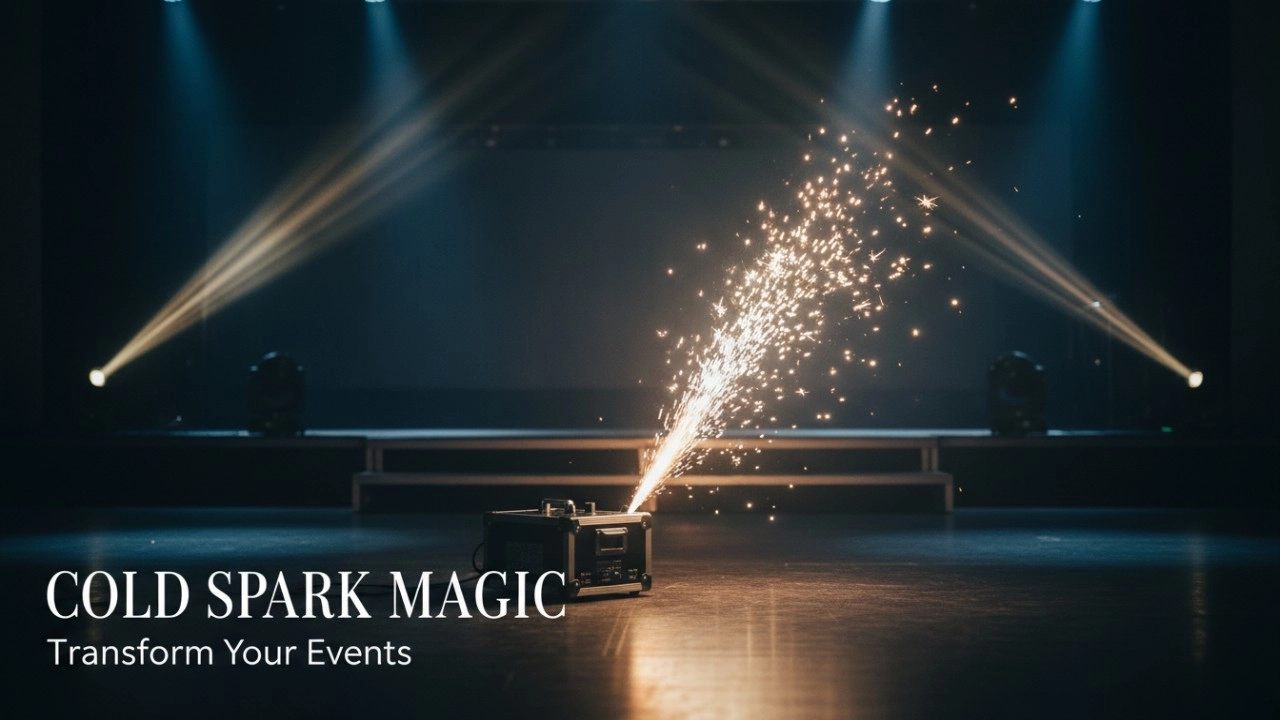
Top 10 Cold Spark Machines for 2026: A Deep Dive into Performance, Powder Life, and Durability

How to Choose a Snow Machine: The Definitive Checklist to Avoid Costly Mistakes (2026 Guide)
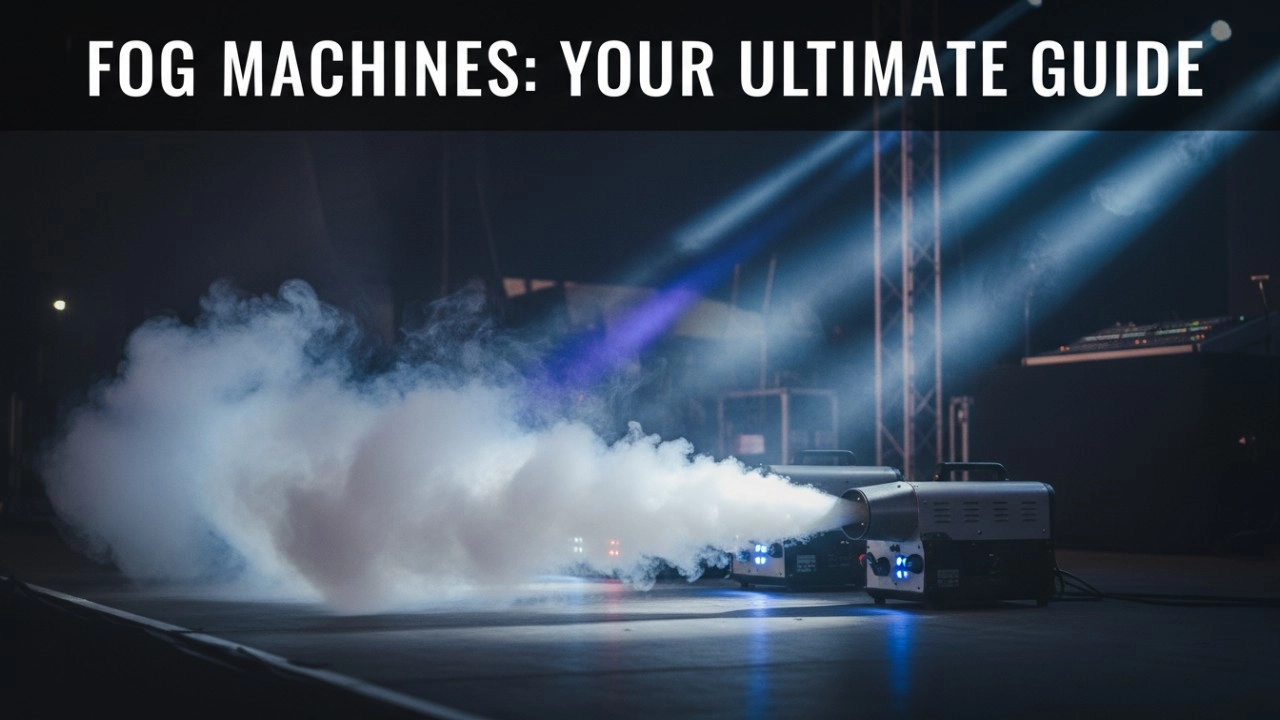
Fog Machines Explained: Technology, Control Systems, and Modern Stage Applications
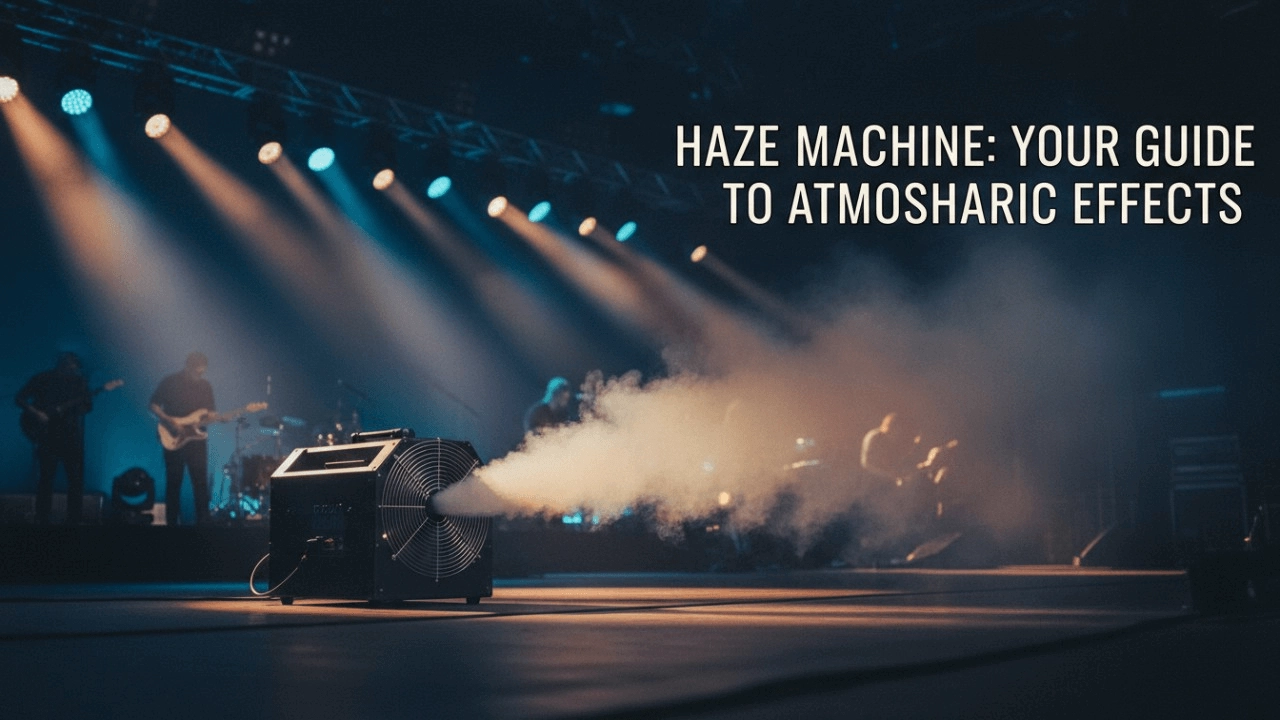
Haze Machines Explained: The Definitive 2026+ Guide to Effects, Selection & Future Innovations
Recommended for you
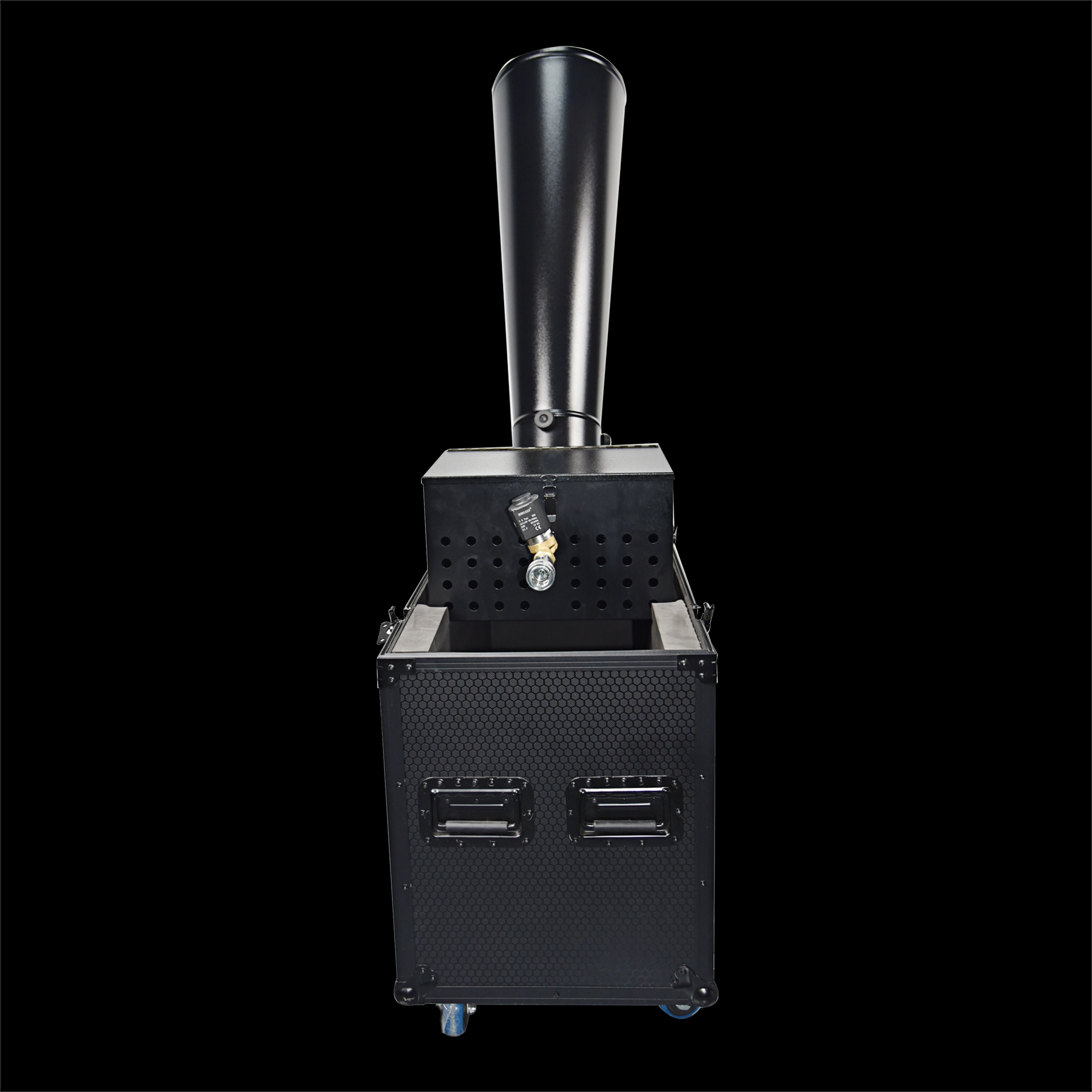


Stay Informed or Connect with Us
Have questions about our latest news or updates?
Reach out to us—we're here to provide more insights or media support.
Email: sales01@strlighting.com
WhatsApp: +86 189 2232 4800
© 2025 Siterui SFX All Rights Reserved.
 Scan QR Code
Whatsapp: +8618922324800
siteruisfx_stage_equipment
Siterui
SITERUI-SFX
STRlighting
@siterui.sfx