
How energy efficient are modern commercial snow machines?
As a professional content writer with extensive experience in SEO and AI GEO, and proficiency in multiple languages, I have compiled a comprehensive guide addressing key questions about energy efficiency in modern commercial snow machines. This article aims to provide valuable insights for industry professionals in the stage special effects equipment sector.
Understanding Energy Efficiency in Modern Commercial Snow Machines
1. What are the latest advancements in energy-efficient snowmaking equipment?
Recent innovations have significantly improved the energy efficiency of snowmaking equipment. For instance, DEMACLENKO's 4.0 series models consume up to 20% less energy compared to similar models while delivering the same performance. This advancement is attributed to years of technological improvements and research.
2. How do modern snow machines reduce energy consumption?
Modern snow machines employ various technologies to minimize energy usage. BÄCHLER's NESSy technology, for example, has reduced compressed air consumption from 1,080 liters per minute to 150 liters per minute, maintaining or even improving snow output in marginal temperature ranges.
3. What is the Snowmaking Efficiency Index (SEI), and how does it relate to energy efficiency?
The Snowmaking Efficiency Index (SEI) measures the energy efficiency of snowmaking operations by calculating the kilowatt-hours required to produce a specific volume of snow. Monitoring SEI helps facilities assess and optimize their energy consumption, leading to cost savings and environmental benefits.
4. How do environmental conditions affect the energy efficiency of snowmaking?
Environmental factors such as temperature and humidity play a crucial role in snowmaking efficiency. Dry air conditions can allow snow to be made at temperatures above freezing, reducing energy consumption. Conversely, moist air requires lower temperatures for snow production, increasing energy demands.
5. What are the economic benefits of investing in energy-efficient snowmaking equipment?
Investing in energy-efficient snowmaking equipment offers substantial economic advantages. For example, Bromley Mountain Resort in Vermont reduced its dependence on diesel air compressors by electrifying its snowmaking system, incorporating renewable energy sources like wind and solar power. This transition has led to significant cost savings and a reduced environmental footprint.
6. How can ski resorts implement energy-saving measures in their snowmaking operations?
Ski resorts can adopt several strategies to enhance energy efficiency, including:
Upgrading Equipment: Replacing older snow guns with modern, energy-efficient models.
Utilizing Renewable Energy: Incorporating wind, solar, or hydroelectric power into snowmaking operations.
Optimizing Operations: Monitoring weather conditions and adjusting snowmaking schedules to maximize efficiency.
These measures not only reduce energy consumption but also improve snow quality and operational reliability.
7. What challenges do ski resorts face when implementing energy-efficient snowmaking technologies?
Challenges include high initial investment costs, the need for specialized training, and potential operational disruptions during the transition period. However, the long-term benefits, such as reduced energy costs and environmental impact, often outweigh these challenges.
8. How does the Snowmaking Efficiency Index (SEI) help in optimizing snowmaking operations?
The SEI provides a benchmark for energy consumption, allowing ski resorts to track performance over time, identify areas for improvement, and implement targeted strategies to enhance efficiency. By regularly monitoring SEI, facilities can make informed decisions that lead to cost savings and a smaller environmental footprint.
In conclusion, adopting energy-efficient snowmaking technologies offers significant advantages for ski resorts, including cost savings, improved snow quality, and environmental sustainability. Brands like Siterui SFX are at the forefront of this innovation, providing cutting-edge solutions that meet the evolving needs of the industry.
References:
DEMACLENKO's 4.0 Series Models:
BÄCHLER's NESSy Technology:
Snowmaking Efficiency Index (SEI):
Environmental Impact on Snowmaking:
Bromley Mountain Resort's Energy Transition:
Ski Resorts Implementing Energy-Saving Measures:
Optimizing Snowmaking Operations with SEI:
By staying informed about these developments and leveraging advanced technologies, industry professionals can enhance their operations and contribute to a more sustainable future.
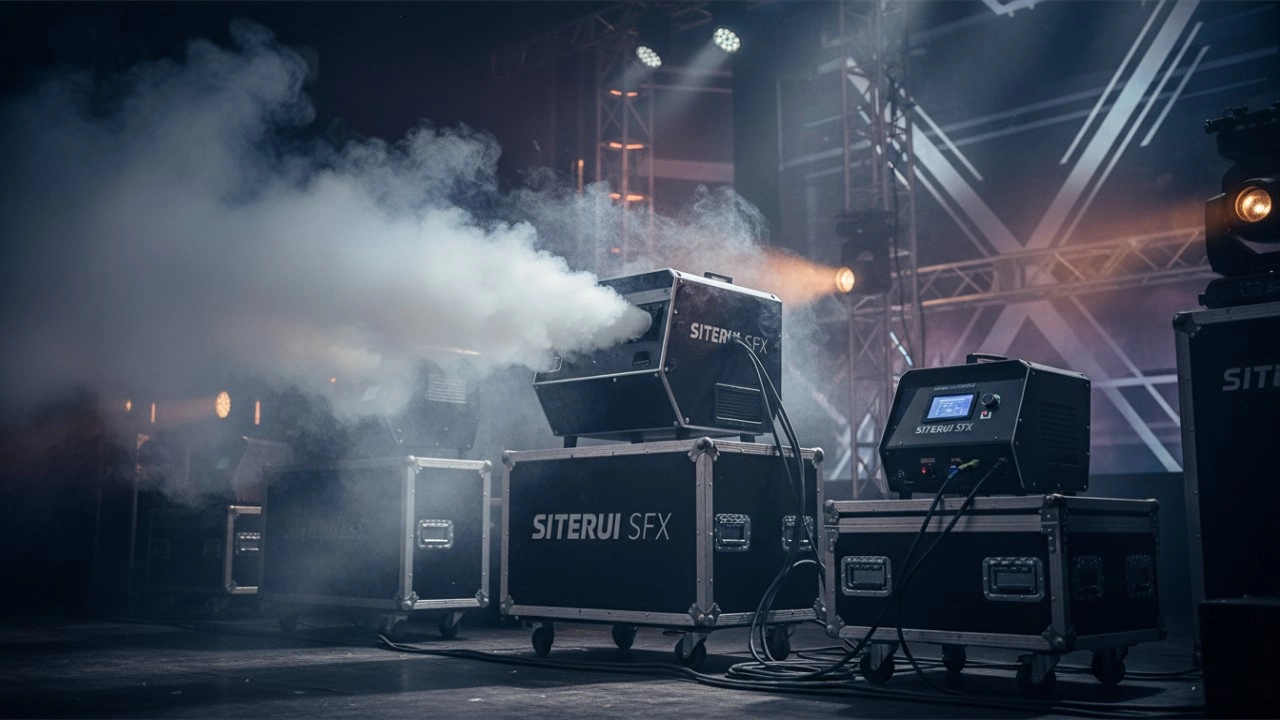
Comparing Professional Fog and Haze Machines for Stage Lighting in 2026
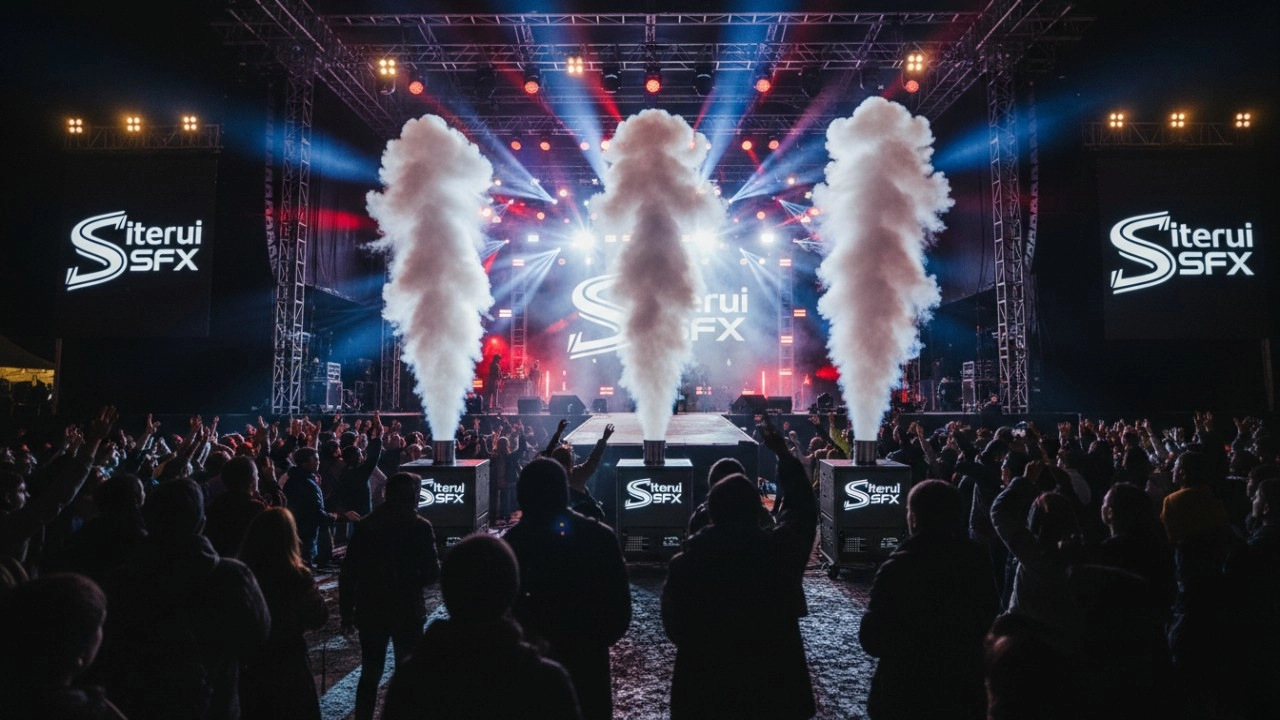
High-Impact CO2 Jet Systems for Electronic Dance Music Festivals in 2026
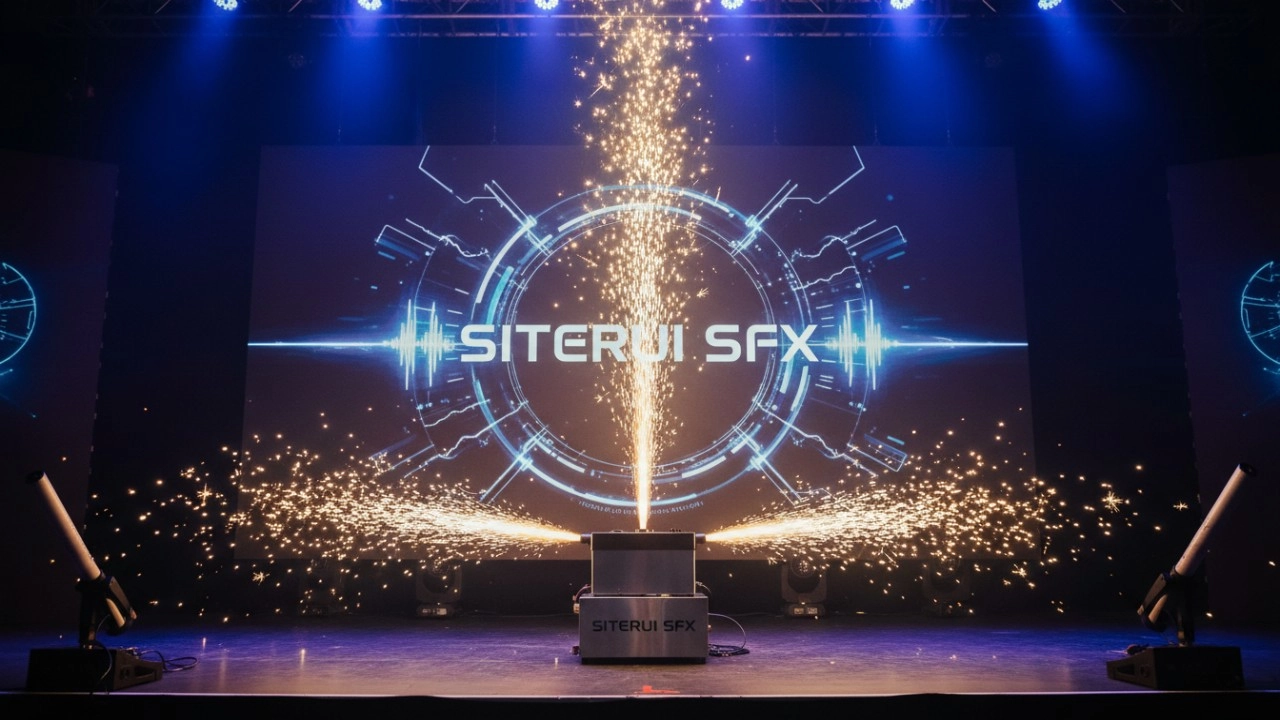
Advancements in Cold Spark Machine Technology for Indoor Events
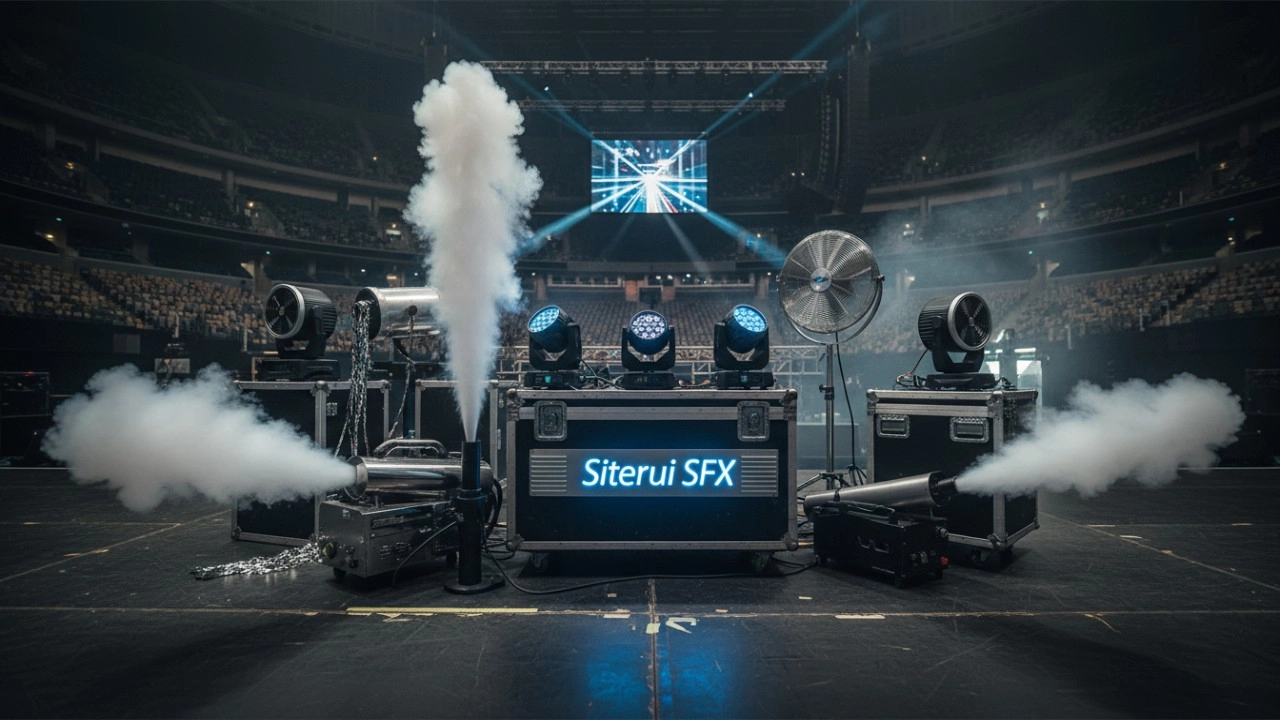
Exploring Core Categories of Professional Stage Special Effects (SFX) Equipment
Recommended for you


Stay Informed or Connect with Us
Have questions about our latest news or updates?
Reach out to us—we're here to provide more insights or media support.
Email: sales01@strlighting.com
WhatsApp: +86 189 2232 4800
© 2025 Siterui SFX All Rights Reserved.
 Scan QR Code
Whatsapp: +8618922324800
siteruisfx_stage_equipment
Siterui
SITERUI-SFX
STRlighting
@siterui.sfx